

Free Gainesville Travel Guide & Mobile App
Plan your Gainesville trip with Evendo. Get free guides to top attractions, restaurants, hotels, and bars. Web access or download the mobile app.


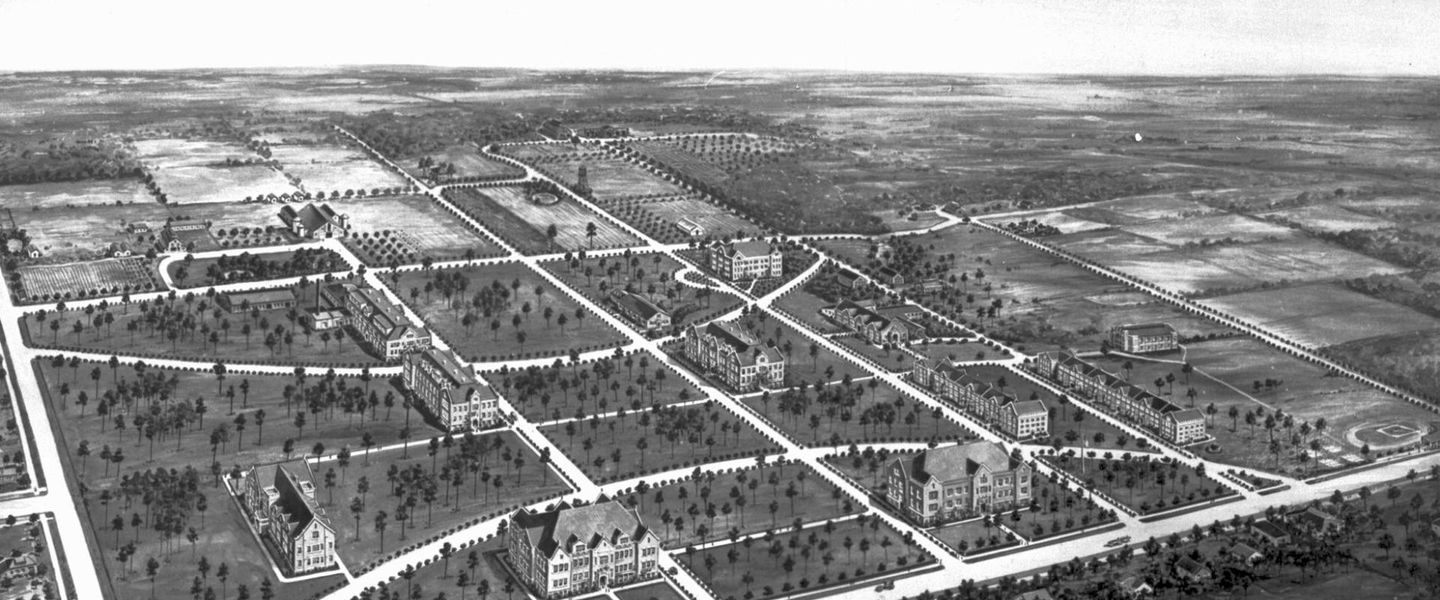


Gainesville, Florida, combines University of Florida culture, springs, museums, historic districts and outdoor adventures in north-central Florida.
A University City in North-central Florida
Gainesville stands amid the pine woods, hammocks and gently rolling terrain of north-central Florida, roughly midway between the Atlantic and Gulf coasts. The presence of the University of Florida gives the city a youthful, international character, while its older neighbourhoods, independent businesses and extensive green spaces preserve a more rooted local identity. Football, research and the arts shape the calendar, but Gainesville's appeal extends well beyond campus life.Read more about Gainesville
History in Brick and Limestone
Nature at the City's Edge
When is the best time to visit Gainesville?
Best: March–April, November · 23–27°C| Month | High (°C) | Rainfall (mm) |
|---|---|---|
| January | 17 | 60 |
| February | 20 | 65 |
| March (best) | 23 | 80 |
| April (best) | 27 | 85 |
| May | 29 | 105 |
| June | 32 | 145 |
| July | 33 | 175 |
| August | 33 | 175 |
| September | 31 | 155 |
| October | 27 | 95 |
| November (best) | 23 | 65 |
| December | 18 | 60 |
Getting to and around Gainesville
How to get there
Transportation
Best attractions in Gainesville
Gainesville's principal attractions combine university culture, natural science and north Florida landscapes. The Harn Museum of Art presents international and American works in a calm campus setting, while the adjacent Florida Museum of Natural History explains the state's geology, biodiversity and deep past through substantial displays. The University of Florida campus also offers the Samuel P. Harn Sculpture Garden and the historic University Auditorium. Downtown, the Matheson History Museum provides local context, and the Hippodrome Theatre occupies a former federal building with a programme of theatre and film. Kanapaha Botanical Gardens spreads across landscaped gardens and shaded paths, while Devil's Millhopper Geological State Park offers a dramatic descent into a forested limestone sinkhole. For a broader outdoor experience, Paynes Prairie Preserve State Park lies south of Gainesville in the surrounding region, where trails and observation points reveal a very different wetland landscape.
-
Tourist attraction
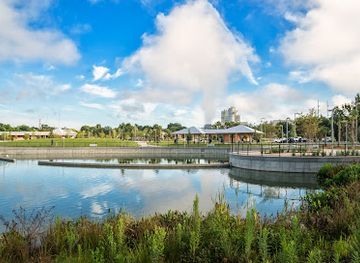
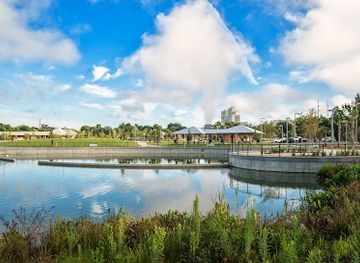
Depot Park
Explore Depot Park in Gainesville, FL - a beautiful urban park with trails, playgrounds, and community events for a perfect day outdoors.
10 min walk · 0.8 km from city centre
-
Tourist attraction
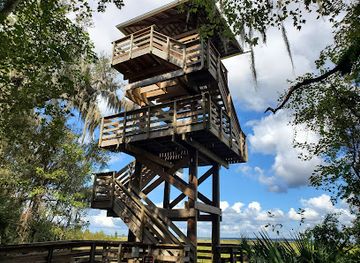
Paynes Prairie Preserve State Park
Explore the vast landscapes, diverse wildlife, and stunning views of Paynes Prairie Preserve State Park, Florida's natural paradise.
28 min drive · 9.3 km from city centre
-
Tourist attraction
Florida Museum of Natural History-Exhibits
Uncover the rich biodiversity and natural history of Florida at the premier Florida Museum of Natural History in Gainesville, an essential stop for curious travelers.
14 min drive · 4.7 km from city centre
-
Tourist attraction
Kanapaha Botanical Gardens
Experience the beauty of nature at Kanapaha Botanical Gardens, a serene escape with diverse plant collections and scenic landscapes in Gainesville, Florida.
28 min drive · 9.2 km from city centre


Best landmarks in Gainesville
The University of Florida's Century Tower is Gainesville's most recognisable vertical landmark, rising above the campus as a memorial and carillon tower. Nearby, University Auditorium and the historic core of the campus reflect the institution's early twentieth-century development, while the Baughman Center presents a more contemplative contemporary setting beside Lake Alice. In the city centre, the Thomas Center occupies a former hotel complex and is associated with local arts and civic history; the Matheson History Museum is housed in one of Gainesville's notable historic residences. The Hippodrome Theatre's former federal courthouse building is an important downtown presence, and the Historic Haile Homestead preserves an unusual example of a nineteenth-century farm residence south of the centre. Devil's Millhopper, though a natural rather than architectural landmark, is equally significant to Gainesville's identity: its deep limestone sinkhole records the geological processes beneath the surrounding landscape.
-
Park
Depot Park
Discover the natural beauty and historical charm of Depot Park in Gainesville, Florida, perfect for family outings and nature lovers.
10 min walk · 0.8 km from city centre
-
State park
Paynes Prairie Preserve State Park
Explore the diverse ecosystems and rich wildlife of Paynes Prairie Preserve State Park, a natural gem in Florida perfect for outdoor enthusiasts.
28 min drive · 9.3 km from city centre
-
Natural history museum
Florida Museum of Natural History-Exhibits
Explore Florida's natural history at the Florida Museum of Natural History, where science meets adventure in captivating exhibits and stunning butterfly gardens.
14 min drive · 4.7 km from city centre
-
Botanical garden
Kanapaha Botanical Gardens
Explore the diverse beauty of Kanapaha Botanical Gardens in Gainesville, a serene oasis filled with unique plants and stunning landscapes.
28 min drive · 9.2 km from city centre
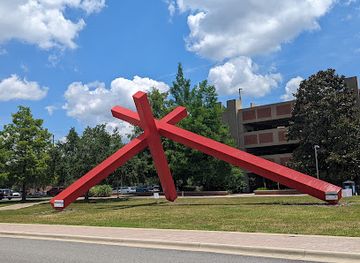
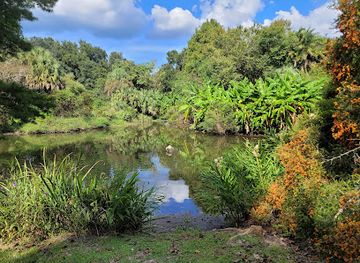
Explore Gainesville on the map
Plan your Gainesville trip on one map. See where the top attractions, landmarks, restaurants, bars and hotels are, find what's near where you're staying, and book hotels and experiences in a few clicks.
Best hotels in Gainesville
Best restaurants in Gainesville
Gainesville's dining scene reflects north Florida's mixture of Southern cooking, college-town experimentation and international communities drawn to the University of Florida. Barbecue, fried chicken, seafood, biscuits and other regional staples sit alongside vegetarian, vegan, Caribbean, Asian, Mediterranean and Latin American food. Downtown and the blocks around University Avenue contain many independent cafés, casual restaurants and bars, while the university area has a dense supply of inexpensive, globally influenced meals. Satchel's Pizza is a long-established local institution with an informal, music-friendly atmosphere, and farmers' markets provide seasonal produce and prepared foods from regional vendors. Coffee shops and bakeries are woven into everyday life, and contemporary restaurants often make use of Florida seafood and nearby agricultural produce. Dining patterns can change with the academic calendar, particularly during university holidays and major sporting weekends.
-
Pizza
Satchel's Pizza
Experience the vibrant flavors of Gainesville at Satchel's Pizza - where every slice tells a story.
10 min drive · 3.3 km from city centre
-
Breakfast
Metro Diner
Discover Metro Diner in Gainesville: Your go-to spot for mouthwatering Southern breakfasts and brunches with family-friendly vibes.
15 min drive · 5.1 km from city centre
-
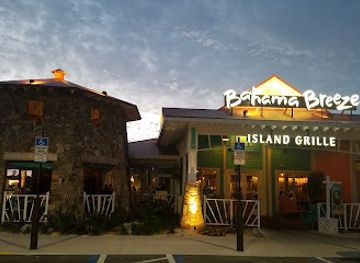
Caribbean
Bahama Breeze
Discover the vibrant flavors of the Caribbean at Bahama Breeze in Gainesville - where every meal feels like a tropical getaway.
19 min drive · 6.3 km from city centre
-
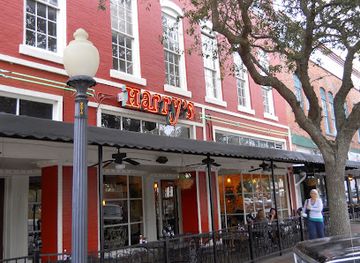
Seafood
Harry's Seafood Bar & Grille
Discover Harry's Seafood Bar & Grille in Gainesville – where fresh seafood meets Southern hospitality in a lively coastal-inspired setting.
1 min walk · 0.1 km from city centre
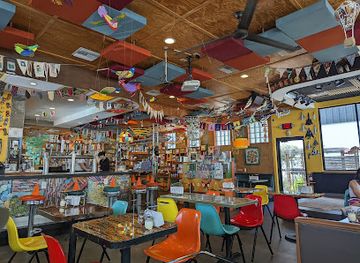
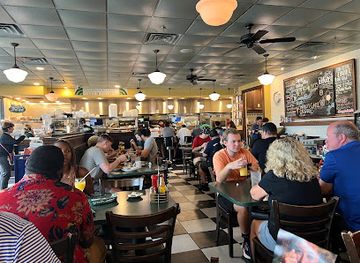
Best bars in Gainesville
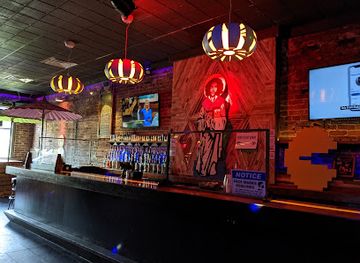
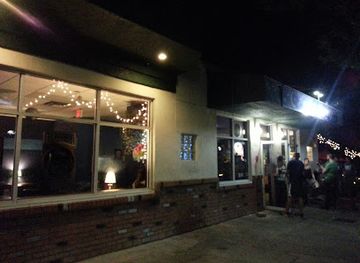
Gainesville's evening life is shaped by the University of Florida, with the greatest concentration of bars and music venues around Midtown, University Avenue and downtown. Midtown tends towards student-oriented bars and late-night socialising, while downtown offers a broader mix of craft drinks, live music, independent venues and community events. The city has a strong local music culture, supported by spaces such as Heartwood Soundstage, which hosts concerts and other performances, while the Hippodrome Theatre provides a more formal alternative through theatre and cinema. The Cade Museum and other cultural institutions sometimes contribute evening programming, and outdoor festivals can bring music into public spaces. Nightlife becomes busier during football weekends and the university term, but Gainesville is not a major clubbing centre; relaxed bars, performances and small live shows are more characteristic than large-scale nightlife.
-
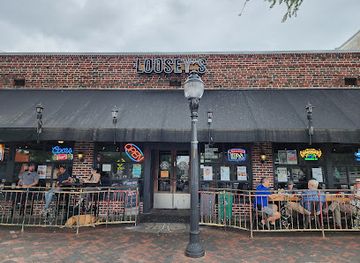
Bar
Loosey's Downtown Gainesville
Experience the vibrant atmosphere of Loosey's Downtown Gainesville, where delicious American food meets live music in a lively pub setting.
2 min walk · 0.2 km from city centre
-
Grill
The Social at Midtown
Experience Gainesville's nightlife and culinary delights at The Social at Midtown, where exquisite grills meet vibrant entertainment.
6 min drive · 2.0 km from city centre
-
Bar
Arcade Bar
Discover Gainesville's Arcade Bar: a lively hotspot blending retro gaming with craft drinks for an unforgettable night out.
1 min walk · 0.1 km from city centre
-
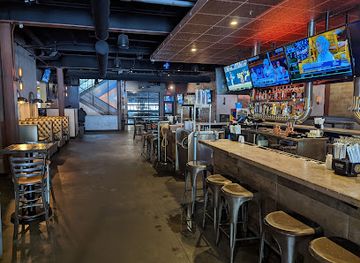
Bar
The Midnight Underground
Discover The Midnight Underground, a cozy bar and restaurant in Gainesville offering a unique blend of drinks, bites, and local culture.
4 min walk · 0.3 km from city centre
Best nightclubs in Gainesville
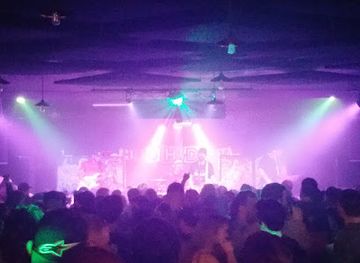
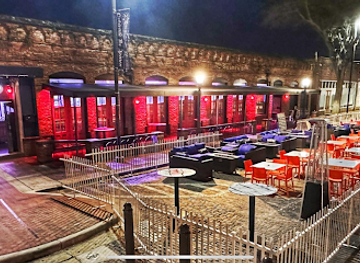
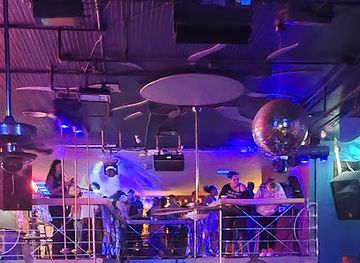
Gainesville's evening life is shaped by the University of Florida, with the greatest concentration of bars and music venues around Midtown, University Avenue and downtown. Midtown tends towards student-oriented bars and late-night socialising, while downtown offers a broader mix of craft drinks, live music, independent venues and community events. The city has a strong local music culture, supported by spaces such as Heartwood Soundstage, which hosts concerts and other performances, while the Hippodrome Theatre provides a more formal alternative through theatre and cinema. The Cade Museum and other cultural institutions sometimes contribute evening programming, and outdoor festivals can bring music into public spaces. Nightlife becomes busier during football weekends and the university term, but Gainesville is not a major clubbing centre; relaxed bars, performances and small live shows are more characteristic than large-scale nightlife.
-
Night club
High Dive
Discover High Dive, Gainesville's hotspot for live music, craft beers, and unforgettable nights out in a vibrant atmosphere.
3 min walk · 0.2 km from city centre
-
Night club
Capones Nightclub Gainesville
Experience the vibrant nightlife at Capones Nightclub in Gainesville, the ultimate destination for music, dancing, and unforgettable memories.
1 min walk · 0.1 km from city centre
-
Karaoke bar
Stage 7 Karaoke Bar & Party Venue
Experience vibrant nightlife and unleash your singing talent at Stage 7 Karaoke Bar & Party Venue in Gainesville, Florida.
19 min drive · 6.2 km from city centre
-
Gay bar
University Club
Experience the vibrant and inclusive nightlife at the University Club, Gainesville's premier gay bar, where everyone is welcome to dance and celebrate!
1 min walk · 0.1 km from city centre

Best shops in Gainesville
Gainesville's shopping is distributed between the historic centre, university districts and large commercial areas rather than concentrated in one traditional retail quarter. Downtown Main Street and nearby streets contain independent boutiques, galleries, bookshops and locally oriented businesses, while the University of Florida area has shops serving students and academic life. Thornebrook Village provides an open-air setting for boutiques, personal services and restaurants, and Butler Plaza is the city's major suburban retail zone, with a broad range of shops and everyday services. Farmers' markets and craft markets are useful places to find local produce, baked goods, art and handmade items, although schedules vary by season. Visitors looking for regional souvenirs can find Florida-themed art, botanical products, local foodstuffs and university merchandise, while Gainesville's independent galleries offer a more distinctive alternative to standard chain retail.
-
Shopping mall
Butler Plaza Central
Explore Butler Plaza Central in Gainesville, Florida, a shopping paradise with diverse stores, delightful dining, and a vibrant atmosphere for all visitors.
19 min drive · 6.2 km from city centre
-
Shopping mall
Newberry Square
Experience the vibrant shopping and dining at Newberry Square, Gainesville's premier destination for retail therapy and culinary delights.
29 min drive · 9.8 km from city centre
-
Shopping mall
Millhopper Shopping Center
Explore the Millhopper Shopping Center: A vibrant shopping hub in Gainesville, Florida, featuring diverse stores and delightful dining options.
19 min drive · 6.4 km from city centre
-
Shopping mall
Gainesville Plaza
Experience the best of shopping, dining, and entertainment at Gainesville Plaza, the heart of Gainesville, Florida.
9 min drive · 3.1 km from city centre
Get your free copy of our complete guide to Gainesville, delivered straight to you.
Everything on this page, from attractions and restaurants to essentials and local phrases, in one PDF you can read offline, print or share.
Already have an account? Sign in
Your Gainesville guide is ready.
We'll send it to · Not you? Sign out

Getting your guide ready…
We are putting together a fresh copy of the Gainesville guide. This can take up to a minute.
This can take a few moments. If your browser asks, choose Allow so the download can start. You'll find the guide in your Downloads folder.
Nothing happened? Download it again
Sorry, the guide is taking longer than usual. Please try again in a minute, or get it by email instead.
Gainesville essentials
Currency and Payment
Safety
Emergency Situations
Do's and Don'ts
Local Tips
From Eve
Local phrases worth knowing
You don't need to get them perfect. A few words go a long way, and locals appreciate the effort.
Basics
| English | Local | Say it |
|---|---|---|
| Hello | Howdy | [haw-dee] |
| Goodbye | See ya | [see yah] |
| Yes | Yup | [yuhp] |
| No | Nah | [nuh] |
| Please/You're welcome | Please/No problem | [pleez/no prob-lem] |
| Thank you | Thanks | [thanks] |
| Excuse me/Sorry | Sorry | [sor-ee] |
| How are you? | How y'all doin'? | [how yall doin] |
| Fine. And you? | Fine. How 'bout you? | [fine. how bout yuh] |
| Do you speak English? | Ya speak English? | [yah speak ing-lish] |
| I don't understand | I ain't get it | [I aint get it] |
Eating & Drinking
| English | Local | Say it |
|---|---|---|
| I'd like to see the menu, please | Let me see the menu, please | [let me see the menu please] |
| I don't eat meat | I don't eat meat | [I dont eat meet] |
| Cheers! | Cheers! | [cheers] |
| I would like to pay, please | I'll pay now, please | [I'll pay now please] |
Emergencies
| English | Local | Say it |
|---|---|---|
| Help! | Help! | [help] |
| Go away! | Get lost! | [get lost] |
| Call the Police! | Call the cops! | [call the cops] |
| Call a doctor! | Call a doc! | [call a doc] |
| I'm lost | I'm lost | [im lost] |
| I'm ill | I'm sick | [im sick] |
Shopping
| English | Local | Say it |
|---|---|---|
| I'd like to buy... | I wanna buy... | [I wanna buy] |
| I'm just looking | Just browsing | [just browsing] |
| How much is it? | How much does it cost? | [how much does it cost] |
| That's too expensive | That's too pricey | [thats too pricey] |
| Can you lower the price? | Can you drop the price? | [can you drop the price] |
Time & Numbers
| English | Local | Say it |
|---|---|---|
| What time is it? | What time is it? | [what time is it] |
| It's one o'clock | It's one o'clock | [its one oclock] |
| Half past (10) | Half past ten | [half past ten] |
| Morning | Morning | [morning] |
| Afternoon | Afternoon | [afternoon] |
| Evening | Evening | [evening] |
| Yesterday | Yesterday | [yesterday] |
| Today | Today | [today] |
| Tomorrow | Tomorrow | [tomorrow] |
| 1 | One | [wun] |
| 2 | Two | [too] |
| 3 | Three | [three] |
| 4 | Four | [four] |
| 5 | Five | [five] |
| 6 | Six | [six] |
| 7 | Seven | [seven] |
| 8 | Eight | [eight] |
| 9 | Nine | [nine] |
| 10 | Ten | [ten] |
Transport & Directions
| English | Local | Say it |
|---|---|---|
| Where's a/the...? | Where's the...? | [wheres the] |
| What's the address? | What's the address? | [whats the address] |
| Can you show me (on the map)? | Can you show me (on the map)? | [can you show me on the map] |
| When's the next (bus)? | When's the next (bus)? | [whens the next bus] |
| A ticket (to ....) | A ticket (to ....) | [a ticket to] |
History of Gainesville
Indigenous Landscapes and Early Settlement
The Gainesville area lies within the long-established homeland of Indigenous peoples, including the Timucua and later Seminole communities. Its lakes, wetlands, sinkholes and upland woods supported hunting, fishing, cultivation and movement across north-central Florida. Spanish colonial activity reshaped the wider region from the sixteenth century onwards, bringing new political and economic systems as well as disease and displacement. After the United States acquired Florida in 1821, military campaigns and removal policies profoundly affected Indigenous communities. The landscape's springs and fertile soils later attracted settlers, but the area's history cannot be separated from the Indigenous societies that preceded the modern city.
The Founding of Gainesville
Gainesville was established in 1854 and named for Edmund P. Gaines, a United States Army officer. Its location near established roads and agricultural lands helped it develop as a local administrative and commercial centre. The city became the seat of Alachua County in the nineteenth century, strengthening its civic importance. Early growth was tied to cotton, timber and farming, while the arrival of rail connections expanded trade and linked Gainesville more closely to other Florida communities. The historic core visible around Main Street and University Avenue reflects the transition from a small county town to a more substantial regional centre.
Civil War and Reconstruction
During the American Civil War, Gainesville and Alachua County were part of the Confederate state of Florida, whose economy and social order depended heavily on enslaved labour. The Battle of Gainesville took place in August 1864, when Union troops attempting to disrupt Confederate supply networks were defeated by Confederate forces and local militia. Emancipation and Reconstruction then transformed the region's political and social structures, although African Americans faced persistent violence, disenfranchisement and segregation after Reconstruction ended. Gainesville's later urban history, including the development of Black neighbourhoods and institutions, was shaped by these changes and their long consequences.
Railways, Agriculture and Urban Growth
Rail expansion in the late nineteenth century strengthened Gainesville's role as a trading and shipping centre for agricultural products, timber and other resources from north-central Florida. The town's commercial buildings, civic institutions and residential districts grew as rail and road links improved. Phosphate mining and agriculture influenced the wider Alachua County economy, while Gainesville increasingly served as a centre for government, education and professional services. The surviving historic buildings around downtown and the residential areas near the old commercial core reveal this period of expansion, when Florida's inland towns were being drawn into a more integrated regional economy.
The University Comes to Gainesville
The University of Florida moved to Gainesville in 1906, a decision that transformed the city's scale and identity. The institution expanded from a small state college into a major public research university, attracting students, academics and investment from across Florida and beyond. Its campus developed a distinctive architectural character, including Collegiate Gothic buildings and later modern additions, while University Avenue and Midtown became closely associated with student life. The university also strengthened Gainesville's museums, libraries, medical services and cultural institutions, making education and research central to the city's contemporary economy.
Civil Rights and Contemporary Gainesville
The twentieth century brought major social changes, including desegregation, civil-rights activism and the gradual reshaping of public institutions. African American churches, neighbourhoods and community organisations played important roles in Gainesville's civic life, even as segregation imposed unequal access to education, housing and services. Post-war growth expanded the city beyond its historic centre, while the University of Florida and related medical and research institutions became increasingly influential. Today, Gainesville combines its agricultural and civic origins with a research-driven economy, a substantial arts community and a strong environmental identity rooted in the springs, sinkholes and forests of north-central Florida.
Gainesville in Photos
Browse through our photo collection highlighting the charm and character of the destination.
Cities near Gainesville
The closest cities to Gainesville, if you have time for more than one stop.
-

-

-

-

-


Swipe for more cities
Explore more

Explore more of Florida
Discover Florida: A Sunshine State full of dazzling beaches, iconic theme parks, rich history, and stunning natural parks, offering endless adventures for every traveler.
Explore Florida