

Pensacola Beach Travel Guide - Free Web & App
Your ultimate guide to Pensacola Beach. Discover top landmarks, proposed trips, and local tips. Free on the web or via the Evendo companion app.


Pensacola Beach, Florida pairs white Gulf sands, emerald water, historic Fort Pickens, coastal wildlife and relaxed island days near Pensacola.
Island Landscape
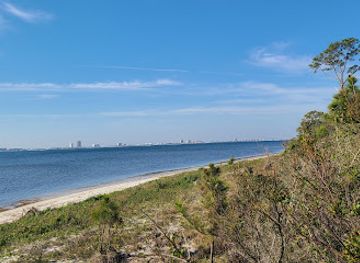
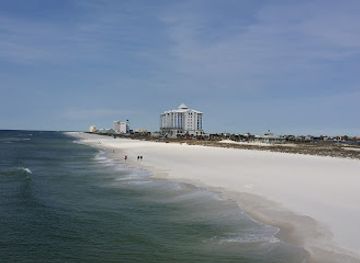
Pensacola Beach occupies part of Santa Rosa Island, a long barrier island separated from mainland Pensacola by Santa Rosa Sound and facing the Gulf of Mexico. Its broad, pale sands and usually clear, shallow coastal waters create the setting for swimming, sunbathing, fishing and unhurried walks, while the island's dunes, sea oats and maritime vegetation provide important protection against storms and erosion. Conditions change with wind, currents and seasonal weather, so the beach is a natural environment as well as a recreational one.Read more about Pensacola Beach
Coastal Character
History and Outdoor Life
When is the best time to visit Pensacola Beach?
Best: April–May, October · 24–28°C| Month | High (°C) | Rainfall (mm) |
|---|---|---|
| January | 16 | 130 |
| February | 18 | 121 |
| March | 21 | 150 |
| April (best) | 24 | 107 |
| May (best) | 28 | 123 |
| June | 32 | 180 |
| July | 33 | 203 |
| August | 33 | 194 |
| September | 31 | 170 |
| October (best) | 25 | 121 |
| November | 20 | 120 |
| December | 18 | 135 |
Getting to and around Pensacola Beach
How to get there
Transportation
Best attractions in Pensacola Beach
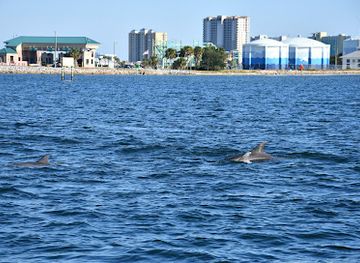
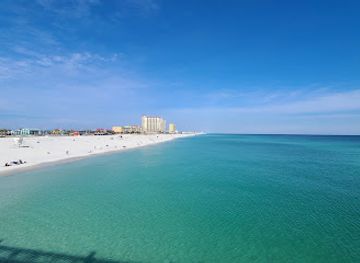
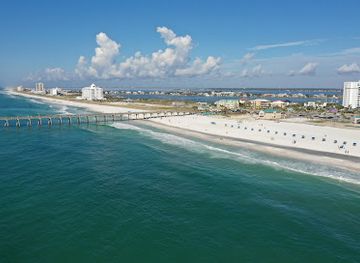
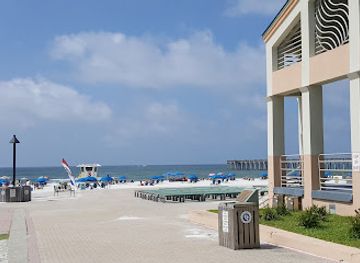
Pensacola Beach's main attraction is its long Gulf shoreline, where broad white sand, emerald water and rolling surf create opportunities for swimming, beachcombing and sunset walks when conditions allow. Casino Beach is the central visitor area, with the Pensacola Beach Gulf Pier extending into the Gulf for fishing and panoramic views. The Quietwater Beach Boardwalk faces Santa Rosa Sound and brings together waterfront dining, shops and recreational access. West of the developed community, Gulf Islands National Seashore offers dunes, maritime vegetation, quieter beaches and the historic Fort Pickens area, although access and facilities can be affected by storms. The sound side is suited to calmer-water activities such as paddleboarding and kayaking in appropriate conditions, while chartered fishing and boat excursions may operate from the wider Pensacola area. The island's natural appeal also lies in its changing coastal habitats, where visitors may see shorebirds, dolphins offshore and, seasonally, protected sea-turtle nesting areas without guaranteed sightings.
-
Public beach
Pensacola Beach Boardwalk
Experience the vibrant atmosphere of Pensacola Beach Boardwalk with its stunning beach views, delectable dining options, and unique shopping experiences.
-
Tourist attraction
Pensacola Beach Gulf Pier
Discover breathtaking views and exciting fishing experiences at the Pensacola Beach Gulf Pier, a captivating destination on Florida's stunning coastline.
-
Boat tour agency
Jolly Sailing & Dolphin Cruise
Discover the beauty of Pensacola Beach with Jolly Sailing & Dolphin Cruise, where unforgettable dolphin encounters await you amidst stunning coastal views.
-
Tourist attraction
Naval Live Oaks Nature Preserve
Explore the natural beauty of Naval Live Oaks Nature Preserve in Gulf Breeze, where diverse wildlife and serene landscapes await your discovery.

Best landmarks in Pensacola Beach
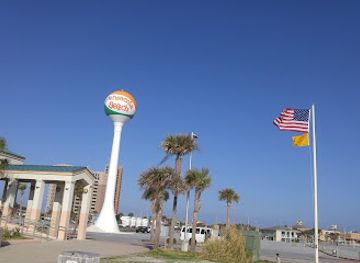
The Pensacola Beach Gulf Pier is one of the community's most recognisable structures, projecting into the Gulf and serving as a fishing location and elevated viewpoint over the beach. The Pensacola Beach Ball, a colourfully painted water tower near the central district, has become an informal visual symbol of the community. At the western end of Santa Rosa Island, Fort Pickens is the principal historic landmark: its nineteenth-century brick fortifications and later coastal-defence remains sit within Gulf Islands National Seashore and reflect the strategic importance of Pensacola Bay. The island itself is a defining natural landmark, with a narrow barrier form separating the Gulf from Santa Rosa Sound. Its dunes, sea-oat vegetation, tidal margins and shifting shoreline express the ongoing geological and ecological processes that shape this exposed coast.
-
Public beach
Pensacola Beach Boardwalk
Explore the lively Pensacola Beach Boardwalk, where stunning views, delectable dining, and vibrant seaside activities await every traveler.
-
Fishing pier
Pensacola Beach Gulf Pier
Discover the breathtaking views and recreational charm of Pensacola Beach Gulf Pier, a premier fishing and tourist attraction on Florida's stunning coastline.
-
Landmark
Pensacola Beach Ball Tower
Discover the vibrant Pensacola Beach Ball Tower, an iconic landmark that offers stunning views and a glimpse into the rich culture of Pensacola Beach.
-
Park
Gulfside Pavilion Bus Stop Pensacola
Discover the charm of Pensacola Beach at the Gulfside Pavilion Bus Stop, your gateway to sun-soaked shores and unforgettable experiences.
Explore Pensacola Beach on the map
Plan your trip on one map. See where the top attractions, landmarks, restaurants and hotels are, and book hotels and experiences in a few clicks.
Best hotels in Pensacola Beach
Best restaurants in Pensacola Beach
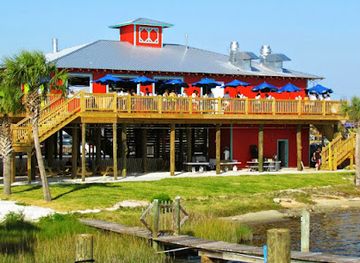
Dining in Pensacola Beach is concentrated around the central community and the Quietwater Beach Boardwalk, where visitors find Gulf-facing restaurants, casual seafood venues, cafés and bars rather than a continuous town-centre restaurant scene. Regional menus commonly draw on Gulf seafood, including fish, shrimp and oysters where available, alongside Southern and Floridian influences. Waterfront settings make the sound and Gulf part of the experience, while mainland Pensacola and Gulf Breeze provide a broader choice of independent restaurants, bakeries and international cuisines within a short drive. Fish markets and seafood retailers can be useful for self-catering, particularly for visitors staying in a condominium or holiday rental, but availability varies by season and catch. In the quieter western reaches near Fort Pickens, food outlets are limited, so visitors should arrange meals and water before exploring.
-
Seafood
Shaggy's Pensacola Beach
Experience coastal dining at its finest with fresh seafood and breathtaking views at Shaggy's Pensacola Beach.
-
Seafood
Peg Leg Pete's
Discover fresh seafood delights at Peg Leg Pete's on Pensacola Beach - where every meal is a coastal celebration!
-
Seafood
The Grand Marlin of Pensacola Beach
Experience exquisite seafood dining at The Grand Marlin of Pensacola Beach – where every meal is a celebration of coastal flavors.
-
Seafood
Red Fish Blue Fish Pensacola Beach
Experience fresh seafood and stunning beach views at Red Fish Blue Fish Pensacola Beach – a perfect blend of taste and coastal charm.
Best bars in Pensacola Beach
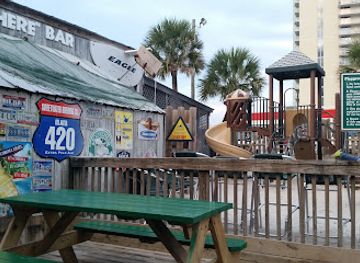
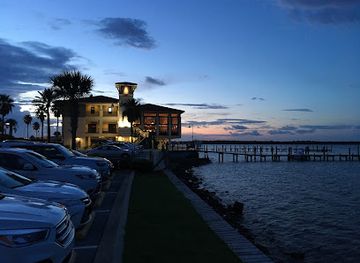
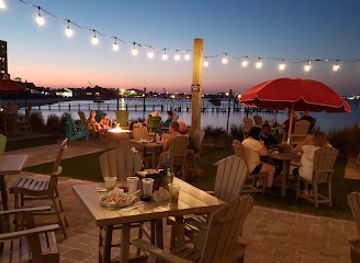
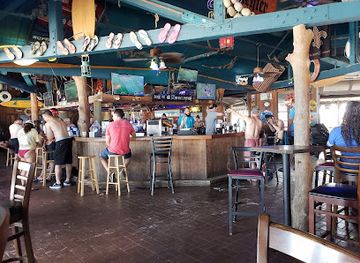
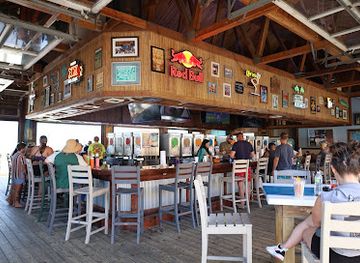
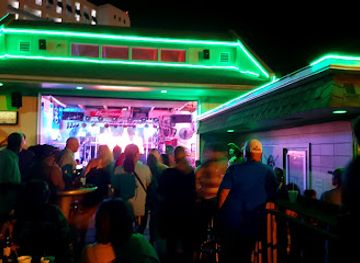
Pensacola Beach has a relaxed evening scene centred on waterfront bars, restaurants and the Quietwater Beach Boardwalk rather than a large nightclub district. The central area may offer live music, drinks and sunset views, with the atmosphere changing according to the season, weather and individual venue schedules. Casino Beach and the boardwalk are the most convenient parts of the island for evening hospitality, while Pensacola's mainland entertainment scene provides a wider choice of music venues, breweries, cocktail bars and cultural events. After dark, the western and less developed sections of Santa Rosa Island are primarily coastal and residential, not nightlife areas. Visitors walking near the shore should remain aware of changing conditions, limited lighting and local access rules, particularly around protected habitats and national-seashore areas.
-
Seafood
Shaggy's Pensacola Beach
Experience the best seafood and stunning views at Shaggy's Pensacola Beach, a family-friendly restaurant with a vibrant atmosphere.
-
Seafood
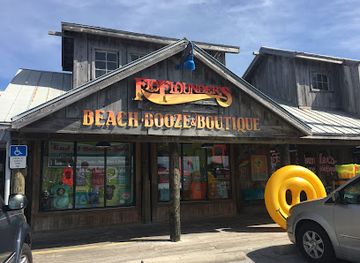
Flounder's Chowder House
Experience the best of Gulf Coast seafood at Flounder's Chowder House, where fresh flavors meet stunning beach views for an unforgettable dining experience.
-
Seafood
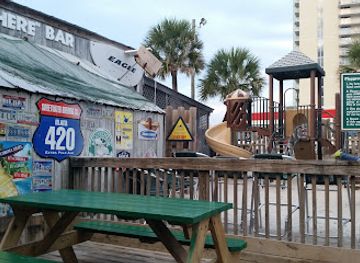
Peg Leg Pete's
Discover the vibrant flavors of the Gulf at Peg Leg Pete's, a top seafood restaurant and oyster bar in Pensacola Beach, Florida.
-
Seafood
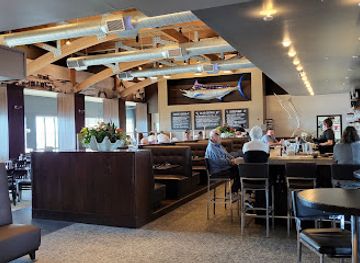
The Grand Marlin of Pensacola Beach
Experience the finest seafood dining at The Grand Marlin of Pensacola Beach, where culinary excellence meets breathtaking ocean views.
Best nightclubs in Pensacola Beach
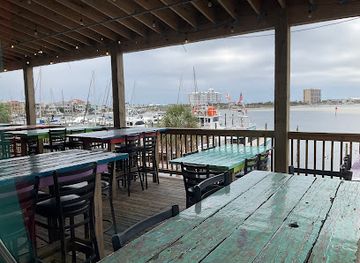
Pensacola Beach has a relaxed evening scene centred on waterfront bars, restaurants and the Quietwater Beach Boardwalk rather than a large nightclub district. The central area may offer live music, drinks and sunset views, with the atmosphere changing according to the season, weather and individual venue schedules. Casino Beach and the boardwalk are the most convenient parts of the island for evening hospitality, while Pensacola's mainland entertainment scene provides a wider choice of music venues, breweries, cocktail bars and cultural events. After dark, the western and less developed sections of Santa Rosa Island are primarily coastal and residential, not nightlife areas. Visitors walking near the shore should remain aware of changing conditions, limited lighting and local access rules, particularly around protected habitats and national-seashore areas.
-
Grill
Paradise Bar & Grill
Experience the vibrant atmosphere and mouth-watering seafood at Paradise Bar & Grill, where blues music meets stunning beach views.
-
Bar
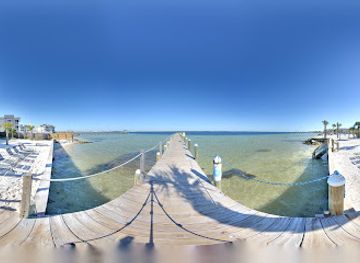
The Dock
Experience the lively atmosphere of The Dock, a must-visit bar in Pensacola Beach, offering delicious drinks and breathtaking waterfront views.
-
Bar
Bamboo Willie's Beachside Bar on Pensacola Beach
Discover the lively Bamboo Willie's Beachside Bar on Pensacola Beach, where live music, delicious drinks, and a vibrant atmosphere await.
-
Lounge
Sandshaker Lounge
Experience the vibrant atmosphere of Sandshaker Lounge, a beachside retreat in Pensacola offering cocktails, live music, and a lively ambiance.
Best shops in Pensacola Beach
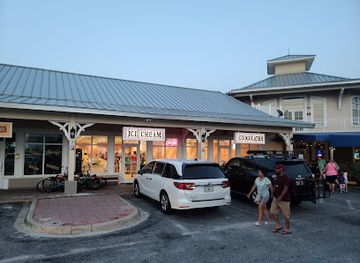
Shopping in Pensacola Beach is focused on practical holiday needs, beachwear, souvenirs, gifts, artwork and small independent retail outlets around the central community and Quietwater Beach Boardwalk. Visitors may find local designs, coastal-themed goods and regional food products, though the island is not a major shopping destination. For groceries, outdoor equipment and a wider selection of everyday supplies, the mainland communities of Gulf Breeze and Pensacola are more dependable. Pensacola's historic and commercial districts also provide independent shops, galleries and specialist retailers beyond the beach setting. Shopping opportunities are more limited near the western end of Santa Rosa Island, where the emphasis is on the national seashore, fort and natural environment rather than commercial development.
-
Ice Cream
Ice Cream Shoppe at Pensacola Beach
Discover the delightful flavors and nostalgic charm of the Ice Cream Shoppe at Pensacola Beach, where every scoop is a taste of summer bliss.
-
Gift shop
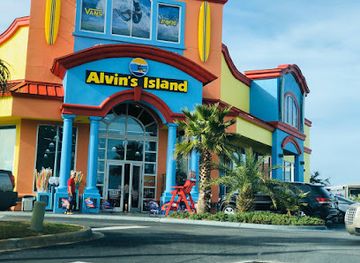
Alvin's Island #12 Pensacola Beach
Discover beachwear, souvenirs, and surf gear at Alvin's Island #12 in Pensacola Beach, a treasure trove for coastal enthusiasts.
-
Clothing store
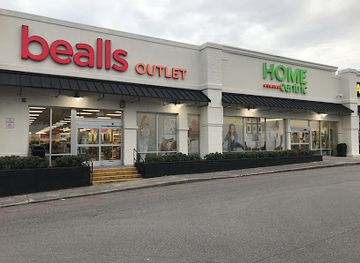
bealls
Explore Bealls in Gulf Breeze for trendy clothing, accessories, and home goods at affordable prices—perfect for every family member!
-
Gift shop
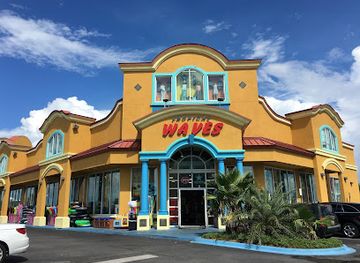
Alvin's Island #760 - Pensacola
Discover a treasure trove of gifts and beach essentials at Alvin's Island, the ultimate shopping destination in Pensacola Beach, Florida.
Get your free copy of our complete guide to Pensacola Beach, delivered straight to you.
Everything on this page, from attractions and restaurants to essentials and local phrases, in one PDF you can read offline, print or share.
Already have an account? Sign in
Your Pensacola Beach guide is ready.
We'll send it to · Not you? Sign out

Getting your guide ready…
We are putting together a fresh copy of the Pensacola Beach guide. This can take up to a minute.
This can take a few moments. If your browser asks, choose Allow so the download can start. You'll find the guide in your Downloads folder.
Nothing happened? Download it again
Sorry, the guide is taking longer than usual. Please try again in a minute, or get it by email instead.
Pensacola Beach essentials
Currency and Payment
Safety
Emergency Situations
Do's and Don'ts
Local Tips
From Eve
Local phrases worth knowing
You don't need to get them perfect. A few words go a long way, and locals appreciate the effort.
Basics
| English | Local | Say it |
|---|---|---|
| Hello | Howdy | [haw-dee] |
| Goodbye | See ya | [see yuh] |
| Yes | Yep | [yep] |
| No | Nah | [nah] |
| Please/You're welcome | Please/Welcome | [pleez / wel-come] |
| Thank you | Thanks | [thanks] |
| Excuse me/Sorry | Pardon/My bad | [par-dun / my bad] |
| How are you? | How y'all doin'? | [how yall doin] |
| Fine. And you? | Fine. You? | [fine. yoo] |
| Do you speak English? | Ya speak English? | [ya speak ing-glish] |
| I don't understand | I ain't gettin' ya | [i aint get-tin ya] |
Eating & Drinking
| English | Local | Say it |
|---|---|---|
| I'd like to see the menu, please | Can I check out the menu? | [kan eye chek out thee menu] |
| I don't eat meat | I don't do meat | [i dont do meat] |
| Cheers! | Cheers! | [cheers] |
| I would like to pay, please | Can I settle up? | [kan eye set-tul up] |
Emergencies
| English | Local | Say it |
|---|---|---|
| Help! | SOS! | [sos] |
| Go away! | Beat it! | [beat it] |
| Call the Police! | Call the cops! | [call the cops] |
| Call a doctor! | Get a doc! | [get a doc] |
| I'm lost | I'm turned around | [im turned around] |
| I'm ill | I'm under the weather | [im under the weather] |
Shopping
| English | Local | Say it |
|---|---|---|
| I'd like to buy... | I wanna pick up... | [i wanna pick up] |
| I'm just looking | Just browsin' | [just browsin] |
| How much is it? | What's the damage? | [whats the dam-age] |
| That's too expensive | That's steep | [thats steep] |
| Can you lower the price? | Can ya cut me a deal? | [can ya cut me a deal] |
Time & Numbers
| English | Local | Say it |
|---|---|---|
| What time is it? | What's the time? | [whats the time] |
| It's one o'clock | It's one | [its one] |
| Half past (10) | 10:30 | [ten thirty] |
| Morning | Mornin' | [mornin] |
| Afternoon | Afternoon | [afternoon] |
| Evening | Evenin' | [evenin] |
| Yesterday | Yest'day | [yest-day] |
| Today | Today | [today] |
| Tomorrow | Tomorra | [tomorra] |
| 1 | One | [wun] |
| 2 | Two | [too] |
| 3 | Three | [three] |
| 4 | Four | [for] |
| 5 | Five | [fiv] |
| 6 | Six | [siks] |
| 7 | Seven | [sev-un] |
| 8 | Eight | [ate] |
| 9 | Nine | [nain] |
| 10 | Ten | [ten] |
Transport & Directions
| English | Local | Say it |
|---|---|---|
| Where's a/the...? | Where's the... | [wheres the] |
| What's the address? | The address? | [the address] |
| Can you show me (on the map)? | Can ya point it out (on the map)? | [can ya point it out on the map] |
| When's the next (bus)? | When's the next (bus)? | [whens the next bus] |
| A ticket (to ....) | A ticket (to ....) | [a ticket to] |
History of Pensacola Beach
A Barrier Island Shaped by the Gulf
Santa Rosa Island is a barrier island formed and continually remodelled by waves, currents, storms and shifting sand. Its dunes, beaches, lagoons and maritime vegetation are part of a dynamic coastal system rather than a fixed landscape. The island separates the Gulf of Mexico from Santa Rosa Sound, and its position has long made it both a natural shelter for inland waters and a strategic approach to Pensacola Bay. Storms periodically reshape the shoreline, while human development has required continuing attention to dunes, erosion and coastal resilience.
Indigenous Coast and Spanish Pensacola
The shores around Pensacola Bay were used by Indigenous peoples long before European settlement. In 1559, the Spanish explorer Tristán de Luna established a colony on the bay, an early European settlement that was badly damaged by a hurricane and ultimately abandoned. Although the settlement was on the mainland side of the bay rather than at modern Pensacola Beach, the episode forms part of the region's early colonial history. Spain, France, Britain and later the United States all recognised Pensacola Bay and its approaches as strategically important.
Fort Pickens and Coastal Defence
The western end of Santa Rosa Island became part of a defensive system protecting Pensacola Bay. Fort Pickens, a masonry fort completed in the nineteenth century, guarded the entrance with other fortifications around the bay. During the American Civil War, Fort Pickens remained under Union control while Confederate forces held positions on the mainland, making the island part of the conflict's local military geography. The fort and associated batteries now survive within Gulf Islands National Seashore, where they connect the beach landscape with the history of coastal defence.
From Fishing Coast to Resort Community
For much of its modern history, Santa Rosa Island was associated with fishing, small-scale coastal use and military activity rather than dense settlement. Pensacola Beach developed as a leisure community during the twentieth century, with roads, homes, hotels, restaurants and recreational facilities gradually transforming parts of the island into a resort destination. The community's relationship with the Gulf remains vulnerable to hurricanes, and major storms have repeatedly damaged buildings, dunes and infrastructure. Improvements in construction, restoration work and dune management have become central to the island's continuing development.
Conservation and Coastal Management
The western portion of Santa Rosa Island is protected within Gulf Islands National Seashore, established in 1971 to conserve stretches of barrier-island coastline, historic forts, dunes and associated habitats. Conservation work across the island reflects the tension between public recreation, private development, storm protection and wildlife needs. Sea turtles may nest on suitable beaches, and visitors are expected to avoid disturbing marked nests and other protected wildlife. Modern Pensacola Beach therefore combines a developed waterfront with an actively managed coastal environment whose shape and condition continue to change.
Pensacola Beach in Photos
Browse through our photo collection highlighting the charm and character of the destination.
Neighbouring destination travel guides
The closest destinations to Pensacola Beach, if you have time for more than one.
-

-
 Destin Beach
, Florida, pairs white-sand Gulf beaches with emerald water, harbour cruises, seafood, conservation parks and family-friendly coastal adventures.
Destin Beach
Destin Beach, Florida, pairs white-sand Gulf beaches with emerald water, harbour cruises, seafood, conservation parks and family-friendly coastal adventures.
-

-

-
 Grayton Beach
, Florida pairs a broad Gulf beach with Western Lake, pinewoods, dunes, wildlife, state-park trails and the laid-back 30A coast.
Grayton Beach
Grayton Beach, Florida pairs a broad Gulf beach with Western Lake, pinewoods, dunes, wildlife, state-park trails and the laid-back 30A coast.


Swipe for more destinations
Explore more

Explore more of Panhandle
Explore the Florida Panhandle for white-sand Gulf beaches, pine forests, historic Pensacola, seafood towns, springs and uncrowded coastal nature.
Explore Panhandle
Explore more of Florida
Discover Florida: A Sunshine State full of dazzling beaches, iconic theme parks, rich history, and stunning natural parks, offering endless adventures for every traveler.
Explore Florida