

Cotton Bayou Travel Guide - Free Web & App
Your ultimate guide to Cotton Bayou. Discover top landmarks, proposed trips, and local tips. Free on the web or via the Evendo companion app.


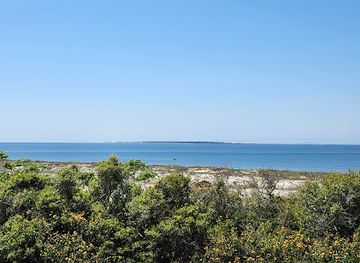
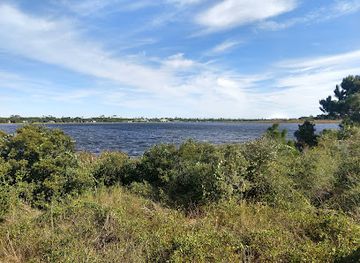
Discover the serene beauty of Cotton Bayou in Alabama, a hidden gem on the Gulf Coast perfect for beach lovers, nature enthusiasts, and adventure seekers.
Read more about Cotton Bayou
When is the best time to visit Cotton Bayou?
Best: April, October–November · 22–28°C| Month | High (°C) | Rainfall (mm) |
|---|---|---|
| January | 16 | 121 |
| February | 17 | 126 |
| March | 22 | 135 |
| April (best) | 26 | 116 |
| May | 31 | 111 |
| June | 34 | 141 |
| July | 35 | 171 |
| August | 34 | 181 |
| September | 33 | 151 |
| October (best) | 28 | 120 |
| November (best) | 22 | 125 |
| December | 17 | 131 |
Getting to and around Cotton Bayou
How to get there
Transportation
Best attractions in Cotton Bayou
Cotton Bayou in Alabama offers visitors a charming mix of history, nature, and relaxation. Explore the picturesque beaches and take in the stunning views of the Gulf of Mexico. Visit the historic Fort Morgan, a key site in the Civil War, and learn about its fascinating past. Enjoy outdoor activities like fishing, kayaking, and bird watching in the serene surroundings. Indulge in fresh seafood at local restaurants and shop for unique souvenirs at the quaint shops in the area. Whether you are looking for adventure or a peaceful getaway, Cotton Bayou has something for everyone to enjoy.
-
Tourist attraction
Gulf Shores Public Beach
Experience the sugar-white sands and turquoise waters of Gulf Shores Public Beach, a perfect blend of relaxation and vibrant beach culture.
-
Tourist attraction
Breakout Games - Orange Beach
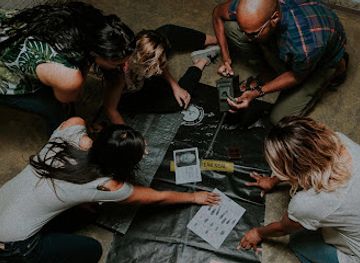
Experience thrilling escape room adventures at Breakout Games in Orange Beach, perfect for unforgettable fun with friends and family!
-
Tourist attraction
The Wharf
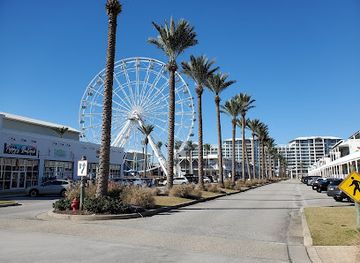
Experience the best of Orange Beach at The Wharf: shopping, dining, entertainment, and events for the whole family!
-
Tourist attraction
OWA Parks & Resort
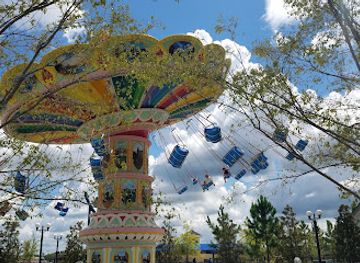
Experience thrills and relaxation at OWA Parks & Resort in Foley, Alabama, with theme park rides, water park fun, dining, and shopping near Gulf Coast beaches.
Best landmarks in Cotton Bayou
Cotton Bayou in Alabama offers visitors a rich tapestry of historical landmarks and natural beauty. From the serene beaches perfect for sunbathing and swimming, to the picturesque hiking trails that wind through lush forests, there is something for every outdoor enthusiast. History buffs will appreciate the well-preserved Civil War fortifications and the charming lighthouse that stands as a beacon of the area's maritime past. Local cuisine and shops add a touch of Southern hospitality, making Cotton Bayou a must-visit destination for those seeking a blend of relaxation and exploration.
-
Historical landmark
Fort Morgan State Historic Site
Explore a historic military fort on the Alabama Gulf Coast, offering a glimpse into the past and stunning views of Mobile Bay.
-
Park
Gulf State Park Pavillion
Enjoy a relaxing beach day at Gulf State Park Pavilion with convenient amenities and access to miles of pristine shoreline.
-
Park
Cotton Bayou Public Beach Access
Discover Alabama's Gulf Coast at Cotton Bayou Public Beach: sun, sand, and gentle waves await in Orange Beach.
-
Park
Gulf State Park Nature Center
Explore native Gulf Coast wildlife at this living museum in Orange Beach, offering interactive exhibits and nature programs for all ages within Gulf State Park.
Explore Cotton Bayou on the map
Plan your trip on one map. See where the top attractions, landmarks, restaurants and hotels are, and book hotels and experiences in a few clicks.
Best hotels in Cotton Bayou
Best restaurants in Cotton Bayou
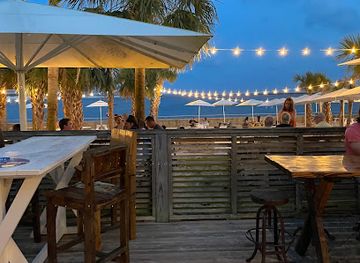
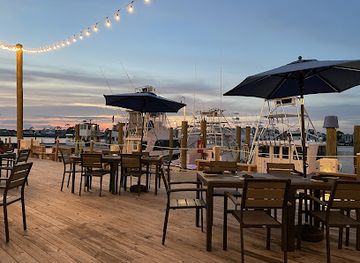
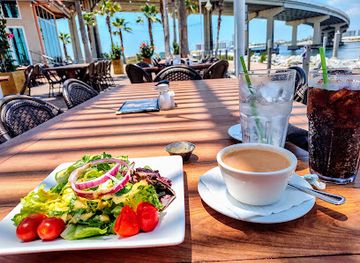
Cotton Bayou offers a diverse dining scene that caters to every palate, from fresh seafood shacks serving up the catch of the day to cozy cafes offering homemade Southern comfort food. Visitors can indulge in classic Gulf Coast dishes like shrimp po'boys and gumbo, or opt for more upscale dining experiences with waterfront views. With a mix of casual eateries and fine dining options, Cotton Bayou ensures that every meal is a memorable culinary adventure for visitors.
-
Seafood
The Gulf - Orange Beach
Experience exquisite seafood dining at The Gulf - Orange Beach with stunning ocean views and vibrant atmosphere.
-
Restaurant
Zeke's Restaurant
Discover Zeke's Restaurant in Orange Beach – where fresh seafood meets stunning Gulf views for an unforgettable dining experience.
-
Seafood
Cobalt the Restaurant
Experience exquisite seafood dining at Cobalt the Restaurant in Orange Beach with breathtaking waterfront views.
-
Seafood
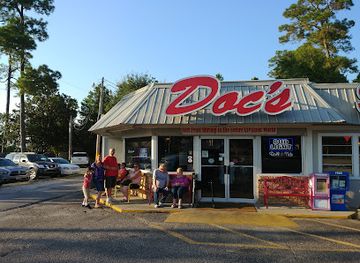
Doc's Seafood Shack & Oyster Bar
Experience delicious seafood at Doc's Seafood Shack & Oyster Bar in Orange Beach - where fresh flavors meet coastal charm.
Best bars in Cotton Bayou
Cotton Bayou offers a vibrant nightlife scene with a variety of bars and nightclubs to choose from. Visitors can enjoy live music, delicious cocktails, and a lively atmosphere in the heart of this coastal town. Whether you're looking to dance the night away or relax with a drink overlooking the bay, Cotton Bayou has something for everyone. Don't miss out on the opportunity to experience the local nightlife and make unforgettable memories during your visit to this charming destination.
-
Seafood
The Hangout Gulf Shores
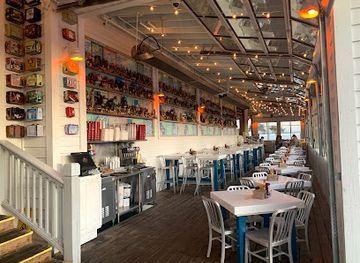
Experience delicious seafood and vibrant live music at The Hangout Gulf Shores, the ultimate family-friendly beachside restaurant.
-
Bar
Flora-Bama
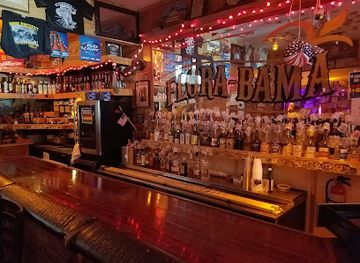
Discover the lively Flora-Bama, a vibrant bar and restaurant known for its live music, delicious cuisine, and stunning Gulf Coast views.
-
Seafood
The Gulf - Orange Beach
Experience the best of Gulf Coast dining at The Gulf - Orange Beach, where fresh seafood meets stunning seaside views.
-
Seafood
Tacky Jacks Gulf Shores
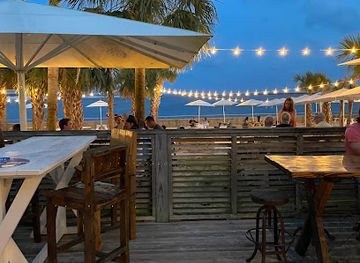
Experience the coastal charm of Gulf Shores at Tacky Jacks, where fresh seafood meets vibrant atmosphere in a delightful dining experience.
Best nightclubs in Cotton Bayou
Cotton Bayou offers a vibrant nightlife scene with a variety of bars and nightclubs to choose from. Visitors can enjoy live music, delicious cocktails, and a lively atmosphere in the heart of this coastal town. Whether you're looking to dance the night away or relax with a drink overlooking the bay, Cotton Bayou has something for everyone. Don't miss out on the opportunity to experience the local nightlife and make unforgettable memories during your visit to this charming destination.
-
Bar
Flora-Bama
Discover Flora-Bama, where lively beachside fun meets fantastic live music and delicious food in Pensacola, Florida.
-
Seafood
Live Bait Restaurant
Experience the vibrant flavors of Orange Beach at Live Bait Restaurant, where fresh seafood meets exciting nightlife in a coastal paradise.
-
Barbecue
Moe's Original BBQ - Orange Beach
Experience the vibrant atmosphere and mouthwatering barbecue at Moe's Original BBQ in Orange Beach, where Southern flavors meet coastal charm.
-
American
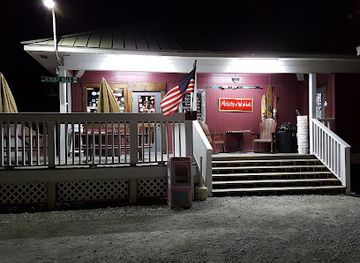
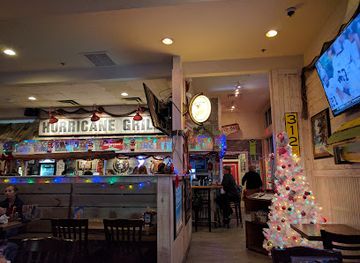
Hurricane Grill & Wings-Orange Beach
Discover the vibrant flavors of Hurricane Grill & Wings in Orange Beach, where delicious chicken wings and sports come together in a fun atmosphere.


Best shops in Cotton Bayou
Cotton Bayou offers a charming shopping scene that caters to a variety of tastes and interests. Visitors can explore quaint boutiques filled with unique handmade crafts and artwork, as well as upscale galleries showcasing local talent. From trendy fashion stores to antique shops brimming with vintage finds, there is something for everyone in this vibrant shopping district. Be sure to browse the bustling farmers' market for fresh produce and homemade goodies, and don't miss the chance to pick up a one-of-a-kind souvenir to remember your trip by.
-
Gift shop
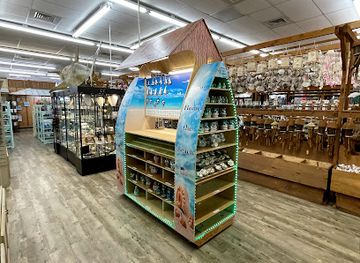
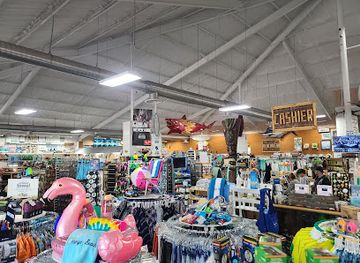
Souvenir City
Discover unique souvenirs and local treasures at Souvenir City, your go-to gift shop in Gulf Shores, Alabama.
-
Souvenir store
Souvenir City of Orange Beach
Discover unique souvenirs and local crafts at Souvenir City of Orange Beach, a must-visit shopping destination on Alabama's Gulf Coast.
-
Shopping mall
Palm Point Shopping Plaza
Explore Palm Point Shopping Plaza: Your Ultimate Shopping Destination in Orange Beach, AL, Featuring Diverse Shops and Delicious Dining Options.
-
Gift shop
Island Outfitters
Discover the ultimate beach gear and souvenirs at Island Outfitters in Gulf Shores, your go-to gift shop for beach enthusiasts.

Get your free copy of our complete guide to Cotton Bayou, delivered straight to you.
Everything on this page, from attractions and restaurants to essentials and local phrases, in one PDF you can read offline, print or share.
Already have an account? Sign in
Your Cotton Bayou guide is ready.
We'll send it to · Not you? Sign out

Getting your guide ready…
We are putting together a fresh copy of the Cotton Bayou guide. This can take up to a minute.
This can take a few moments. If your browser asks, choose Allow so the download can start. You'll find the guide in your Downloads folder.
Nothing happened? Download it again
Sorry, the guide is taking longer than usual. Please try again in a minute, or get it by email instead.
Cotton Bayou essentials
Currency and Payment
Safety
Emergency Situations
Do's and Don'ts
Local Tips
From Eve
Local phrases worth knowing
You don't need to get them perfect. A few words go a long way, and locals appreciate the effort.
Basics
| English | Local | Say it |
|---|---|---|
| Hello | Howdy | [hah-dee] |
| Goodbye | See ya | [see yuh] |
| Yes | Yessir | [yes-sir] |
| No | Nah | [nuh] |
| Please/You're welcome | Please/You're welcome | [please / yur wel-cum] |
| Thank you | Thank ya | [thank yuh] |
| Excuse me/Sorry | Pardon me | [par-dun mee] |
| How are you? | How y'all doin'? | [hao y'all doin'] |
| Fine. And you? | Fine. And y'all? | [fain. and y'all?] |
| Do you speak English? | Y'all speak English? | [y'all speak ing-glish?] |
| I don't understand | I don't get it | [ai dohn't get it] |
Eating & Drinking
| English | Local | Say it |
|---|---|---|
| I'd like to see the menu, please | Can I see the menu? | [ken ai see the menu?] |
| I don't eat meat | I don't eat meat | [ai dohn't eat meet] |
| Cheers! | Cheers! | [cheers!] |
| I would like to pay, please | Can I pay now? | [ken ai pay now?] |
Emergencies
| English | Local | Say it |
|---|---|---|
| Help! | Help! | [help!] |
| Go away! | Git! | [git!] |
| Call the Police! | Call the cops! | [call the cops!] |
| Call a doctor! | Get a doc! | [get a doc!] |
| I'm lost | I'm lost | [ai'm lost] |
| I'm ill | I'm sick | [ai'm sik] |
Shopping
| English | Local | Say it |
|---|---|---|
| I'd like to buy... | I wanna buy... | [ai wanna buy...] |
| I'm just looking | Just browsin' | [just brow-zin'] |
| How much is it? | How much? | [hao much?] |
| That's too expensive | That's pricey | [that's prahy-see] |
| Can you lower the price? | Can ya do better? | [ken yuh doh bet-ter?] |
Time & Numbers
| English | Local | Say it |
|---|---|---|
| What time is it? | What time is it? | [what time is it?] |
| It's one o'clock | It's one | [it's one] |
| Half past (10) | Half past ten | [haff past ten] |
| Morning | Mornin' | [mornin'] |
| Afternoon | Afternoon | [after-noon] |
| Evening | Evenin' | [even-in'] |
| Yesterday | Yest'day | [yest'day] |
| Today | Today | [today] |
| Tomorrow | Tomorrah | [tomor-rah] |
| 1 | One | [wun] |
| 2 | Two | [too] |
| 3 | Three | [three] |
| 4 | Four | [four] |
| 5 | Five | [five] |
| 6 | Six | [six] |
| 7 | Seven | [sev-un] |
| 8 | Eight | [ate] |
| 9 | Nine | [nine] |
| 10 | Ten | [ten] |
Transport & Directions
| English | Local | Say it |
|---|---|---|
| Where's a/the...? | Where's the...? | [where's the...?] |
| What's the address? | What's the address? | [what's the address?] |
| Can you show me (on the map)? | Can ya show me (on the map)? | [ken yuh show me (on the map)?] |
| When's the next (bus)? | When's the next (bus)? | [when's the next (bus)?] |
| A ticket (to ....) | A ticket (to ....) | [a ticket (to ....)] |
History of Cotton Bayou
Early Settlements and Indigenous Heritage
Long before European settlers arrived, Cotton Bayou was inhabited by various Native American tribes, including the Creek and Choctaw. These tribes thrived on the bayou's abundant natural resources, engaging in fishing, hunting, and agriculture. Numerous artifacts and remnants of their presence, such as pottery shards and arrowheads, have been discovered in the area, offering a glimpse into their rich cultural heritage.
European Exploration and Settlement
In the early 18th century, European explorers, primarily French and Spanish, began to navigate the Gulf Coast and its many waterways, including Cotton Bayou. The bayou's strategic location made it an ideal spot for trade and settlement. By the mid-1700s, small European settlements began to emerge, and the area became a melting pot of different cultures and traditions.
The Role of Cotton Bayou in the Civil War
Cotton Bayou played a significant role during the Civil War, serving as a strategic point for the Confederacy. The bayou's proximity to Mobile Bay made it a crucial location for the transport of goods and troops. Several skirmishes and naval battles occurred in the surrounding waters, with both Union and Confederate forces vying for control of the region. The echoes of this turbulent period can still be felt in the remnants of fortifications and battle sites scattered around the bayou.
The Growth of the Fishing Industry
Following the Civil War, Cotton Bayou saw a significant shift in its economic landscape. The rich waters of the bayou became a hub for the fishing industry, attracting fishermen from all over the Gulf Coast. Shrimping, crabbing, and oystering became the lifeblood of the local economy, and the bayou flourished as a vibrant fishing community. The traditions and practices of this era continue to influence the cultural fabric of Cotton Bayou today.
Modern Development and Tourism
In the late 20th and early 21st centuries, Cotton Bayou underwent a transformation as it became a popular destination for tourists and vacationers. The natural beauty of the bayou, combined with its rich history and cultural heritage, drew people from all over the United States and beyond. Modern amenities and infrastructure were developed to accommodate the influx of visitors, while efforts were made to preserve the bayou's unique character and charm. Today, Cotton Bayou is a beloved destination for those seeking a blend of history, culture, and natural beauty.
Cotton Bayou in Photos
Browse through our photo collection highlighting the charm and character of the destination.
Cities in Cotton Bayou
The towns and cities of Cotton Bayou, and the easiest places to base yourself.
-

-

-

-

-

-


Swipe for more cities
Neighbouring destination travel guides
The closest destinations to Cotton Bayou, if you have time for more than one.
-

-

-

-

-
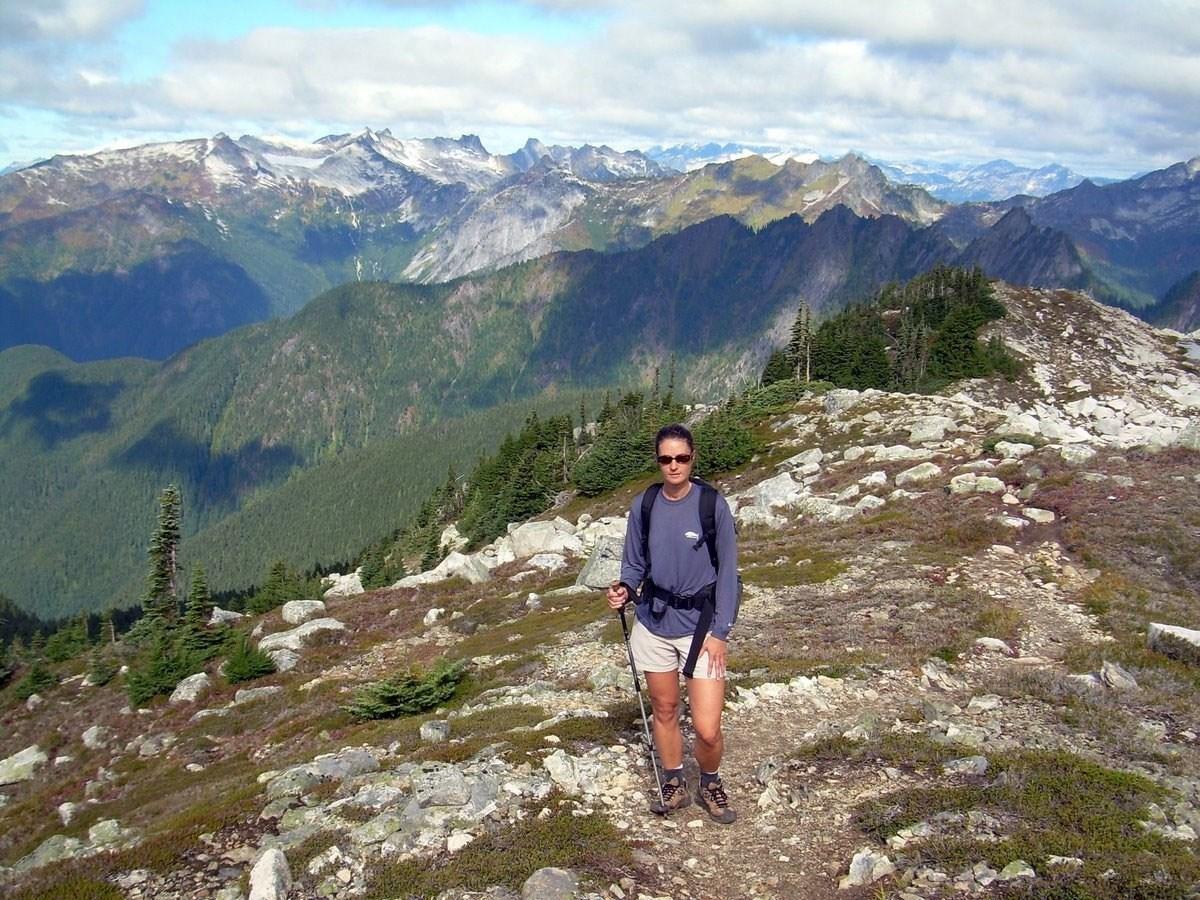 Destin Beach
, Florida, pairs white-sand Gulf beaches with emerald water, harbour cruises, seafood, conservation parks and family-friendly coastal adventures.
Destin Beach
Destin Beach, Florida, pairs white-sand Gulf beaches with emerald water, harbour cruises, seafood, conservation parks and family-friendly coastal adventures.


Swipe for more destinations
Explore more

Explore more of South Alabama
South Alabama combines Mobile's layered heritage with Gulf beaches, bayous, seafood towns, wildlife refuges and relaxed coastal escapes.
Explore South Alabama
Explore more of Alabama
Discover Alabama: A Southern state rich in history, culture, and natural beauty, offering unforgettable experiences from vibrant cities to serene beaches and majestic mountains.
Explore Alabama