

Dauphin Island, Alabama Travel Guide
Discover Dauphin Island: Alabama's tranquil coastal gem with pristine beaches, rich history, and abundant wildlife, perfect for a relaxing and educational getaway.
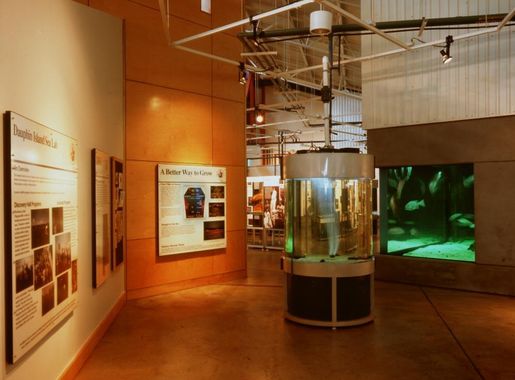
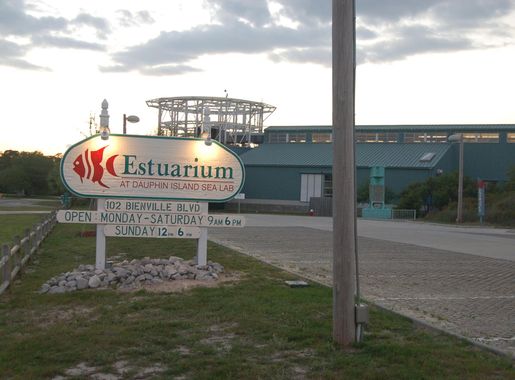
Dauphin Island is a charming barrier island located off the coast of Alabama. Known for its white sandy beaches and tranquil environment, this small island offers a peaceful escape from the hustle and bustle of everyday life. The island is also home to the historic Fort Gaines, which played a significant role in the Civil War. Visitors can explore the fort's well-preserved structures and enjoy stunning views of Mobile Bay. Nature enthusiasts will love the Audubon Bird Sanctuary, a haven for bird watchers and wildlife lovers. The sanctuary features miles of walking trails that meander through diverse habitats, including marshes, forests, and beaches. It's a great spot to observe migratory birds and other native species in their natural surroundings. For those who enjoy water activities, Dauphin Island offers excellent opportunities for fishing, boating, and kayaking. The island's waters are teeming with a variety of fish, making it a popular destination for anglers. Additionally, the nearby Dauphin Island Sea Lab provides educational exhibits and programs about marine life and ecosystems, perfect for families and curious minds. The island's relaxed atmosphere extends to its local dining and shopping options. Visitors can savor fresh seafood at one of the island's many restaurants, or browse unique shops for souvenirs and local crafts. Whether you're looking to unwind on the beach, delve into history, or explore the natural beauty, Dauphin Island has something to offer everyone.

Know before you go
Hi, I'm Eve. Here are a few practical things to know before exploring Dauphin Island.
- Visit Fort Gaines early in the morning to avoid the crowds and enjoy cooler temperatures.
- Don't miss the sunset at the West End Beach for a breathtaking view.
- Bring binoculars to the Audubon Bird Sanctuary for better bird-watching experiences.
- Check the tide schedule before planning any beach activities.
- Explore the local seafood restaurants, especially for fresh Gulf shrimp.
Explore Dauphin Island: Things to Do, Places to Eat, Hotels & More
Handpicked recommendations for top attractions, local dining, accommodations, and more

Best attractions in Dauphin Island
Top-rated picks
Best Attractions

Bellingrath Gardens & Home
Experience Southern charm at Bellingrath Gardens & Home, a 65-acre floral paradise and historic estate in Theodore, Alabama. Open year-round!

Alabama Aquarium at the Dauphin Island Sea Lab
Explore coastal Alabama's underwater world at the Alabama Aquarium: interactive exhibits, diverse marine life, and educational fun on Dauphin Island.

Alabama Deep Sea Fishing Rodeo Site
Experience the thrill of the world's largest fishing tournament at the Alabama Deep Sea Fishing Rodeo Site on Dauphin Island, a historic hub for anglers.

Alabama Gulf Coast Zoo
Discover wildlife wonders at Alabama Gulf Coast Zoo, home to over 500 animals and interactive encounters in Gulf Shores, Alabama.

Best landmarks in Dauphin Island
Top-rated picks
Best Landmarks

Fort Morgan State Historic Site
Explore a historic military fort on the Alabama Gulf Coast, offering a glimpse into the past and natural beauty at the entrance to Mobile Bay.

End Of The Line Alabama
Discover unspoiled beaches, diverse birdlife, and serene sunsets at Dauphin Island's westernmost point, a natural haven on Alabama's Gulf Coast.

Best restaurants in Dauphin Island
Top-rated picks
Best Restaurants

Pirate's Bar And Grill
Discover delightful seafood and vibrant atmosphere at Pirate's Bar and Grill on scenic Dauphin Island - a true taste of coastal Alabama.

Islanders Restaurant & Bar
Experience the flavors of Dauphin Island at Islanders Restaurant & Bar - where fresh seafood meets coastal charm in an inviting atmosphere.

Lighthouse Bakery
Discover delightful pastries and hearty breakfasts at Lighthouse Bakery on beautiful Dauphin Island.

Capt'n Snapper's
Savor fresh seafood delights at Capt'n Snapper's on Dauphin Island - where every meal is a taste of coastal paradise.

Best bars in Dauphin Island
Top-rated picks
Best Bars

Flora-Bama
Discover the iconic Flora-Bama, a beach bar and live music venue offering great food, drinks, and unforgettable Gulf Coast experiences.
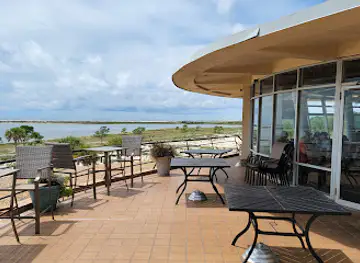
Pirate's Bar And Grill
Experience the best of coastal dining at Pirate's Bar and Grill on Dauphin Island, where fresh seafood meets stunning waterfront views.

Tacky Jacks Fort Morgan
Explore Tacky Jacks Fort Morgan for an unforgettable seafood dining experience with stunning Gulf views and a lively atmosphere.

Alabama Aquarium at the Dauphin Island Sea Lab
Explore the captivating underwater worlds at Alabama Aquarium, a premier tourist attraction showcasing the Gulf Coast's vibrant marine life.


Best shops in Dauphin Island
Top-rated picks
Best Shops

Lighthouse Bakery
Experience the charm of Lighthouse Bakery on Dauphin Island, where delightful pastries and warm service create a perfect breakfast getaway.

Island Rainbow LLC
Experience the best pizza and ice cream on Dauphin Island at Island Rainbow LLC, where deliciousness meets seaside charm.

Cedar Point Pier - A Mobile County Park
Discover Cedar Point Pier, a beautiful fishing pier in Mobile County, Alabama, perfect for fishing, relaxation, and enjoying nature's beauty.

Beach Planet
Explore Beach Planet, Dauphin Island's premier souvenir store, for unique gifts and local treasures that capture the spirit of Alabama's beautiful beaches.

Explore Dauphin Island on the Map
A handpicked selection of must-see spots in Dauphin Island, mapped for you.
Dauphin Island Essentials
-
Dauphin Island is located off the coast of Alabama in the Gulf of Mexico. The nearest major airport is Mobile Regional Airport (MOB), approximately 60 miles away. From the airport, you can rent a car and drive to the island via the I-10 and AL-193 S. Alternatively, you can take a cab or arrange for a shuttle service. There is also a ferry service from Fort Morgan to Dauphin Island, which provides a scenic route across Mobile Bay.
-
Dauphin Island is relatively small, making it easy to explore on foot or by bicycle. Bike rentals are available on the island and are a popular way to get around. For longer trips or if you prefer not to bike, car rentals and golf cart rentals are readily available. Public transportation options are limited, so having a personal or rental vehicle is recommended for maximum flexibility.
-
The official currency is the United States Dollar (USD). Credit and debit cards are widely accepted at hotels, restaurants, and shops on the island. However, it is advisable to carry some cash for smaller establishments and local markets. ATMs are available on the island, but it is wise to withdraw sufficient cash before arriving to ensure you have enough funds.
-
Dauphin Island is generally considered a safe destination for tourists. However, it is always wise to take standard precautions such as not leaving valuables unattended and being aware of your surroundings, especially at night. The island does not have any specific high-crime areas targeting tourists, but it is always best to stay vigilant.
-
In case of emergency, dial 911 for immediate assistance. Dauphin Island has a local police station and a volunteer fire department. For medical emergencies, there is a medical clinic on the island, and the nearest hospital is in Mobile, approximately an hour's drive away. It is recommended to have travel insurance that covers medical emergencies.
-
Fashion: Do dress comfortably and casually, as Dauphin Island has a laid-back atmosphere. Beachwear is appropriate for the beach but consider more modest attire when dining out. Religion: Do respect local customs and traditions. There are a few churches on the island, and it is courteous to dress modestly if you plan to visit them. Public Transport: Do plan for limited public transport options and consider renting a bike, golf cart, or car. Greetings: Do greet people with a friendly 'hello' or 'hi'. The local community is known for its southern hospitality. Eating & Drinking: Do try local seafood delicacies and enjoy the island's eateries. Don't forget to tip your servers, as it is customary in the United States.
-
To experience Dauphin Island like a local, visit the local farmer's market for fresh produce and unique crafts. Engage with the locals, who are often friendly and willing to share stories about the island’s history and culture. Explore the Audubon Bird Sanctuary, Fort Gaines, and the Estuarium at the Dauphin Island Sea Lab. Don't miss the opportunity to enjoy a sunset at the West End Beach, which is a favorite spot among residents.
When is the best time to visit Dauphin Island?
Useful Local Phrases for Dauphin Island
You don't need to speak the language perfectly. Even learning a few simple words can make conversations warmer—and locals usually appreciate the effort.
— Eve

Here are the phrases I use most often in Dauphin Island. Try a few—you'll be surprised how far they go! 😊
❤️
-
- HelloHowdy
[hah-dee] - GoodbyeSee ya
[see yuh] - YesYep
[yep] - NoNah
[nah] - Please/You're welcomePlease/You're welcome
[please/yur wel-come] - Thank youThanks
[thanks] - Excuse me/SorryPardon/Sorry
[par-dun/sor-ee] - How are you?How y'all doin'?
[how yall doin] - Fine. And you?Fine. And you?
[fine and yuh] - Do you speak English?Y'all speak English?
[yall speak ing-lish] - I don't understandI don't get it
[i don't get it]
- HelloHowdy
-
- I'd like to see the menu, pleaseCan I see the menu, please
[can eye see the menu please] - I don't eat meatI don't eat meat
[i don't eat meat] - Cheers!Cheers!
[cheers] - I would like to pay, pleaseI need to pay, please
[i need to pay please]
- I'd like to see the menu, pleaseCan I see the menu, please
-
- Help!Help!
[help] - Go away!Git outta here!
[git out-ta here] - Call the Police!Call the Sheriff!
[call the sher-iff] - Call a doctor!Get a doctor!
[get a doc-tor] - I'm lostI'm lost
[im lost] - I'm illI'm sick
[im sick]
- Help!Help!
-
- I'd like to buy...I wanna buy...
[i wanna buy] - I'm just lookingI'm just browsing
[im just brows-ing] - How much is it?How much does it cost?
[how much duz it cost] - That's too expensiveThat's mighty pricey
[that's my-tee pricey] - Can you lower the price?Can you do better on the price?
[can you do bet-ter on the price]
- I'd like to buy...I wanna buy...
-
- What time is it?What time is it?
[what time is it] - It's one o'clockIt's one o'clock
[its one o'clock] - Half past (10)Half past (10)
[half past ten] - MorningMorning
[mor-ning] - AfternoonAfternoon
[af-ter-noon] - EveningEvening
[eve-ning] - YesterdayYesterday
[yes-ter-day] - TodayToday
[to-day] - TomorrowTomorrow
[to-mor-row] - 1One
[wun] - 2Two
[too] - 3Three
[three] - 4Four
[four] - 5Five
[five] - 6Six
[six] - 7Seven
[sev-en] - 8Eight
[ate] - 9Nine
[nine] - 10Ten
[ten]
- What time is it?What time is it?
-
- Where's a/the...?Where's the...?
[wheres the] - What's the address?What's the address?
[whats the address] - Can you show me (on the map)?Can you show me (on the map)?
[can you show me on the map] - When's the next (bus)?When's the next (bus)?
[whens the next bus] - A ticket (to ....)A ticket (to ....)
[a ticket to]
- Where's a/the...?Where's the...?
History of Dauphin Island
-
Long before European settlers arrived, Dauphin Island was inhabited by Native American tribes, most notably the Mississippian culture, which thrived around AD 1100 to 1550. Archaeological evidence, such as shell middens and pottery fragments, reveals a rich pre-colonial history that reflects the island's importance as a fishing and trading hub.
-
Dauphin Island was first documented by Europeans in 1699 when the French explorer Pierre Le Moyne d'Iberville landed on its shores. Naming it 'Massacre Island' due to the large number of human bones found on the beach—likely the remains of a Native American massacre or burial site—the name was eventually changed to Dauphin Island in honor of the heir to the French throne, the Dauphin.
-
During the early 18th century, Dauphin Island became a key location for French colonization efforts in the Gulf Coast. In 1717, Jean-Baptiste Le Moyne, Sieur de Bienville, established Fort Louis de la Louisiane on the island, making it a critical military and trade post. The fort's remains still stand today, offering a glimpse into the island's strategic importance during this era.
-
After the French and Indian War, the Treaty of Paris in 1763 saw Dauphin Island ceded to the British. The island remained under British control until 1780 when Spain, allied with the American Revolutionaries, captured it. Spanish rule lasted until 1813, when the United States took control as part of the West Florida controversy.
-
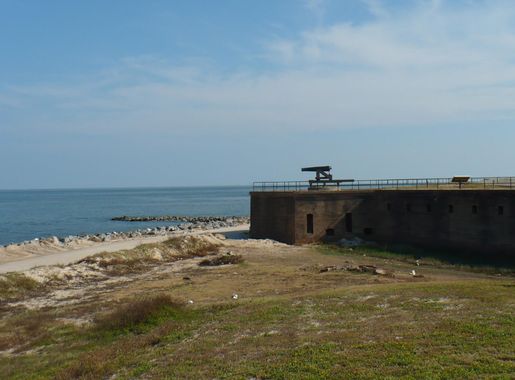
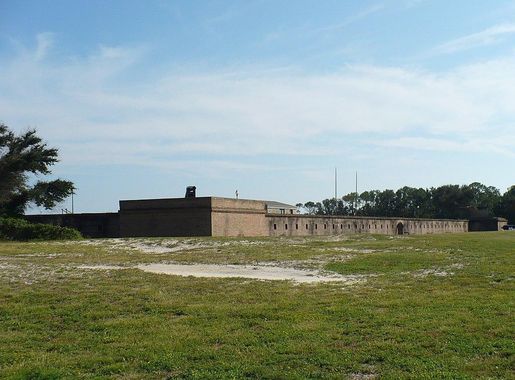
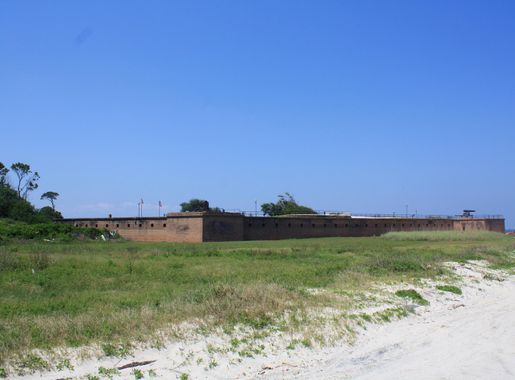
Dauphin Island played a notable role during the American Civil War. Fort Gaines, constructed in 1821, became a focal point during the Battle of Mobile Bay in 1864. The Union forces, led by Admiral David Farragut, famously declared 'Damn the torpedoes, full speed ahead!' as they navigated through Confederate defenses. The fort remains a well-preserved historical site, offering visitors a vivid portrayal of Civil War military architecture and history.
-
In the early 20th century, Dauphin Island evolved from a military outpost to a popular vacation destination. The construction of the Dauphin Island Bridge in 1955 facilitated easier access, leading to a boom in tourism and residential development. The island's unique blend of natural beauty and historical significance began attracting visitors from across the country.
-
Dauphin Island has faced numerous natural challenges, including the devastating impact of Hurricane Katrina in 2005. The hurricane caused significant damage to the island's infrastructure and natural landscapes. However, the resilient community has continually rebuilt and restored the island, making it a symbol of perseverance and adaptability in the face of adversity.
Neighbouring destination travel guides
Browse our curated selection of top destinations, scenic points, and must-visit spots in the area.


Your all‑in‑one travel companion app
Explore expert travel guides, compare and book tours, experiences, hotels, and more—all from the palm of your hand. Download now for seamless trip planning wherever your wanderlust takes you.


Explore More of Mobile Bay

Looking beyond Dauphin Island? Discover Mobile Bay for broader travel guides, local hot-spots, and regional highlights.
Explore Mobile BayExplore More of Alabama

Looking beyond Dauphin Island? Discover Alabama for broader travel guides, local hot-spots, and regional highlights.
Explore AlabamaDauphin Island in Photos
Browse through our photo collection highlighting the charm and character of the destination.





Dauphin Island: Alabama's Serene Coastal Retreat
Dauphin Island is a charming barrier island located off the coast of Alabama. Known for its white sandy beaches and tranquil environment, this small island offers a peaceful escape from the hustle and bustle of everyday life. The island is also home to the historic Fort Gaines, which played a significant role in the Civil War. Visitors can explore the fort's well-preserved structures and enjoy stunning views of Mobile Bay. Nature enthusiasts will love the Audubon Bird Sanctuary, a haven for bird watchers and wildlife lovers. The sanctuary features miles of walking trails that meander through diverse habitats, including marshes, forests, and beaches. It's a great spot to observe migratory birds and other native species in their natural surroundings. For those who enjoy water activities, Dauphin Island offers excellent opportunities for fishing, boating, and kayaking. The island's waters are teeming with a variety of fish, making it a popular destination for anglers. Additionally, the nearby Dauphin Island Sea Lab provides educational exhibits and programs about marine life and ecosystems, perfect for families and curious minds. The island's relaxed atmosphere extends to its local dining and shopping options. Visitors can savor fresh seafood at one of the island's many restaurants, or browse unique shops for souvenirs and local crafts. Whether you're looking to unwind on the beach, delve into history, or explore the natural beauty, Dauphin Island has something to offer everyone.