Fontaine de la Rotonde: Aix-en-Provence's Majestic Landmark
Aix-en-Provence's iconic 19th-century fountain, a Baroque masterpiece adorned with symbolic sculptures, marking the entrance to Cours Mirabeau.
The Fontaine de la Rotonde, a magnificent Baroque fountain constructed in 1860, stands as a symbol of Aix-en-Provence. Located at the bottom of Cours Mirabeau on Place du Général de Gaulle, this iconic landmark celebrates the arrival of water from the Zola Canal and serves as a central meeting point for locals and tourists alike.
A brief summary to Fontaine de la Rotonde
- Place du Général de Gaulle, Aix-en-Provence, 13100, FR
- +33442919000
- Visit website
Local tips
- Visit at night to see the fountain illuminated, creating a magical atmosphere.
- Take a stroll around the surrounding gardens for a peaceful escape from the city bustle.
- Explore the nearby Cours Mirabeau, Aix-en-Provence's most famous avenue, starting right at the fountain.
- Enjoy a coffee or meal at one of the cafes surrounding the Place du Général de Gaulle for a perfect way to soak in the atmosphere.

Getting There
-
Walking
The Fontaine de la Rotonde is centrally located at Place du Général de Gaulle, making it easily accessible on foot from most points in the city center. From the Cours Mirabeau, simply walk west towards the large roundabout; the fountain is the prominent centerpiece. From the Aix-en-Provence Centre train station, it's approximately a 10-15 minute walk straight down Avenue Victor Hugo to Place du Général de Gaulle. No special transport or tolls are required.
-
Public Transport
Several bus lines stop near the Fontaine de la Rotonde. The closest bus stops are 'Rotonde', 'Bonaparte', 'Rotonde Bonaparte', and 'Rotonde Narvik'. Check local bus schedules for the most up-to-date information. From the bus station (Gare Routière), it's a short 5-minute walk east along Avenue des Belges to reach the fountain. A single bus ticket costs approximately €1.20 if purchased on board, or €9.10 for a 10-trip ticket.
-
Taxi/Ride-Share
Taxis and ride-sharing services are readily available in Aix-en-Provence. A short taxi ride from the Aix-en-Provence Centre train station to the Fontaine de la Rotonde will cost approximately €10-€15, depending on traffic. From the TGV station, a taxi ride will cost around 47€ on average. There are taxi stands near the train station and along Cours Mirabeau. Ride-sharing apps like Uber are also available.
-
Driving
If driving, navigate to Place du Général de Gaulle. Be aware that parking near the Fontaine de la Rotonde can be challenging, especially during peak season. The closest large parking facility is Parc Rotonde, located at 2 rue Lapierre, offering 1800 spaces. Parking rates at Parc Rotonde are free for the first 30 minutes , then €2 for the next 15 minutes , followed by €0.60 for each of the next four 15-minute intervals , and €0.50 for each subsequent 15-minute interval. The maximum daily rate is €25. Access to the parking is via Avenue Max Juvénal, Rue Lapierre, Avenue des Belges, or Avenue de la République.
Discover more about Fontaine de la Rotonde
Iconic landmarks you can’t miss

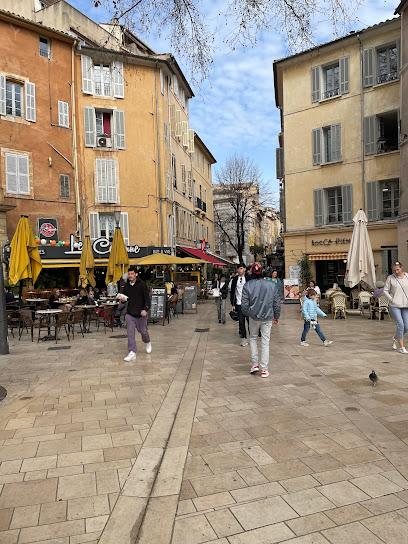
Place de la rotonde
0.1 km
Experience the vibrant heart of Aix-en-Provence at Place de la Rotonde, a historic square featuring a magnificent fountain and lively atmosphere.
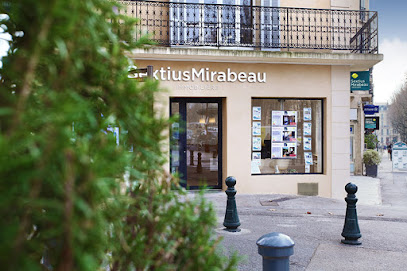
Immobilière Sextius Mirabeau - Groupe FIGUIERE
0.1 km
Explore stunning properties and local culture at Immobilière Sextius Mirabeau, your gateway to real estate in the heart of Aix-en-Provence.
Hotel de France Aix-en-Provence
0.1 km
Charming 3-star hotel in the heart of Aix-en-Provence, steps from Cours Mirabeau and the city's best attractions.

Église du Saint-Esprit
0.2 km
Discover a serene 18th-century church in Aix-en-Provence, blending architectural beauty with a rich historical and spiritual legacy.
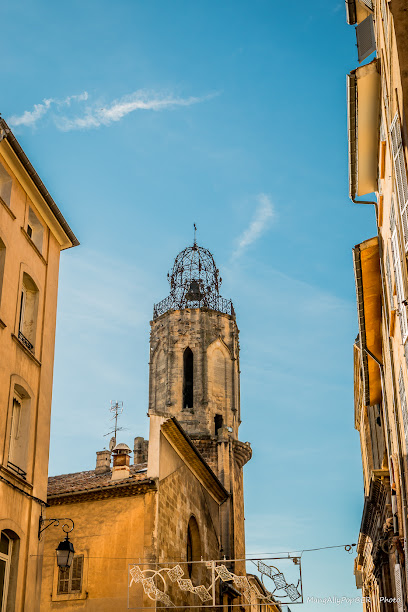
Rue des tanneurs
0.2 km
Explore the historic Rue des Tanneurs in Aix-en-Provence, where the city's leatherworking past meets its vibrant present.
Aix-En-Provence
0.3 km
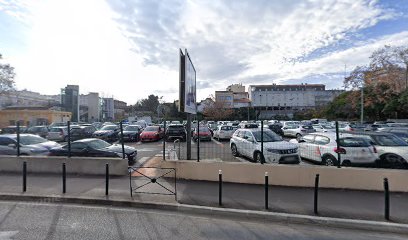
Convenient parking near the heart of Aix-en-Provence, providing easy access to the city's historic center and attractions.
Vieille Ville
0.3 km
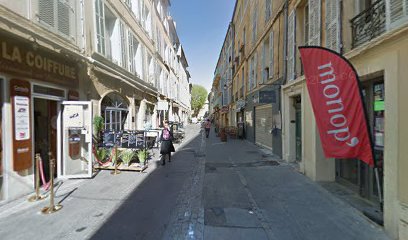
Explore Aix-en-Provence's Vieille Ville: a charming maze of history, culture, and Provençal ambiance in the heart of the city.
Gare d'Aix en Provence
0.4 km
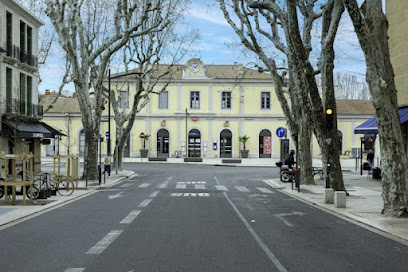
Experience the heart of Provence! This centrally located train station offers easy access to Aix-en-Provence's rich history and cultural treasures.
Fontaine des Bagniers
0.4 km
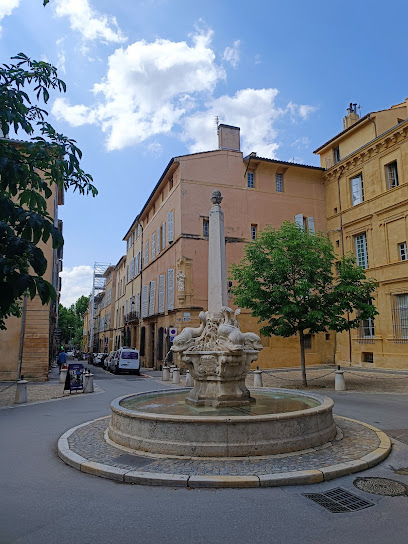
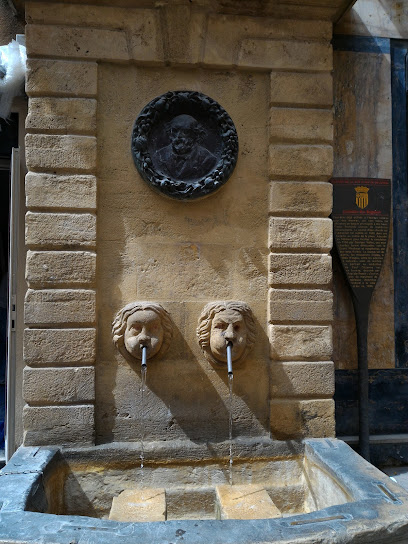
Discover the historical charm of Fontaine des Bagniers in Aix-en-Provence, a serene landmark reflecting the city's rich heritage and artistic ambiance.
Provence France
0.4 km
Explore the enchanting landscapes, rich history, and vibrant culture of Provence, France, a must-visit destination for every traveler.
Library Halle aux Grains
0.4 km
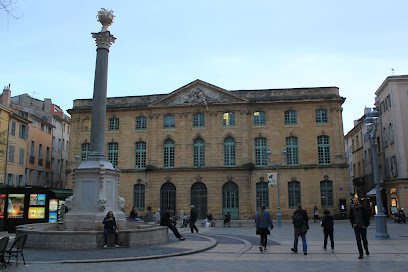
Discover a literary treasure in Aix-en-Provence's historic heart, where knowledge and history converge at the unique Library Halle aux Grains.
Fontaine des Prêcheurs
0.6 km
Experience the historical charm of Fontaine des Prêcheurs in Aix-en-Provence, a stunning fountain surrounded by vibrant culture and scenic beauty.
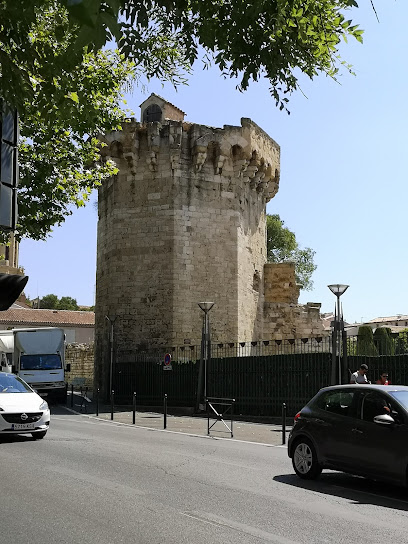
Église de la Madeleine
0.6 km
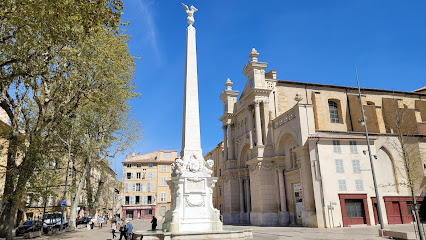
Explore the historical Église de la Madeleine in Aix-en-Provence, a blend of Gothic and Baroque architecture, currently under renovation but rich in art and history.
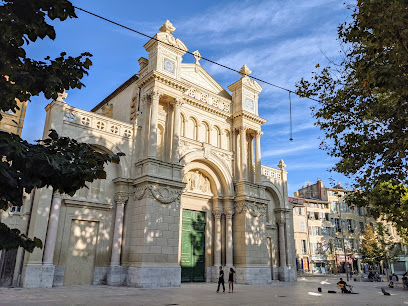
Tourreluque
0.6 km
Explore Tourreluque, a medieval tower in Aix-en-Provence, offering a glimpse into the city's fortified past and panoramic views.
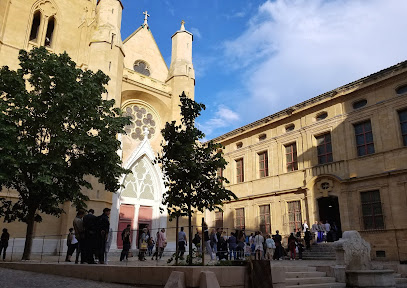
Musée Granet
0.6 km
Explore art through the ages at Aix-en-Provence's Musée Granet, from ancient artifacts to Cézanne masterpieces.
Unmissable attractions to see

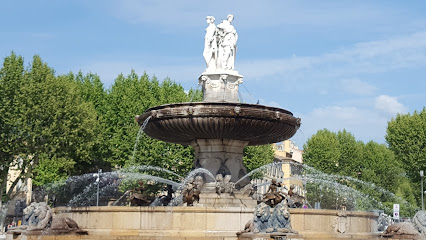
Tourist train Aix
0.0 km
Explore the vibrant streets of Aix-en-Provence effortlessly on the Tourist Train, your gateway to this historic city's landmarks and hidden gems.
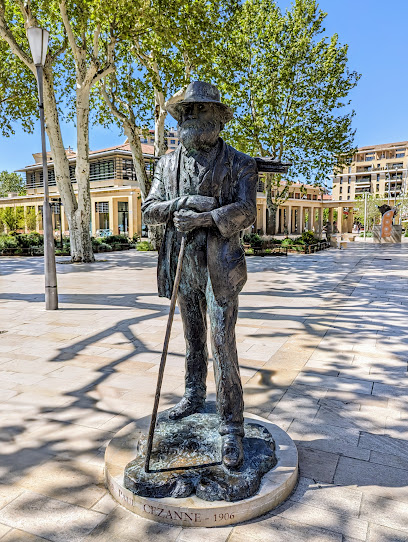
Paul Cezanne Statue
0.0 km
Explore the serene Paul Cezanne Statue in Aix-en-Provence, a tribute to the modern art pioneer amidst Provence's breathtaking landscapes.
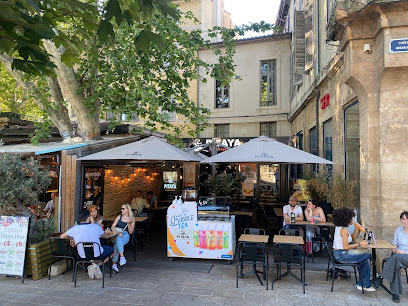
Pitaya Thaï Street Food
0.1 km
Discover the authentic taste of Thailand at Pitaya Thaï Street Food in Aix-en-Provence, where vibrant flavors and quick service await every traveler.
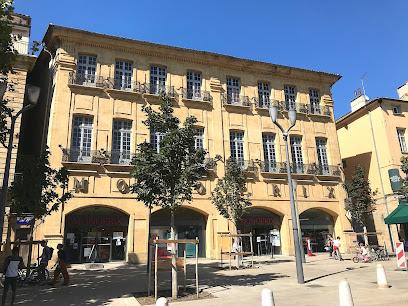
Tour Departure Point
0.1 km
Discover the charm of Aix-en-Provence from the central Tour Departure Point, your gateway to unforgettable guided tours and local experiences.

Tourist Information Center
0.1 km
Unlock the secrets of Aix-en-Provence and Provence with expert guidance, maps, and personalized recommendations at the central Tourist Information Center.
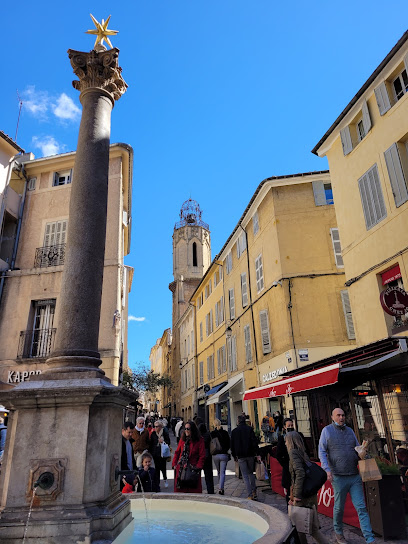
Fontaine Des Augustins
0.1 km
Explore the enchanting Fontaine Des Augustins in Aix-en-Provence, a historical fountain surrounded by vibrant culture and picturesque scenery.
Invader AIX07
0.1 km
Embark on a pixelated treasure hunt through Aix-en-Provence, discovering vibrant mosaic street art by Invader that blends contemporary playfulness with the city's historic charm.
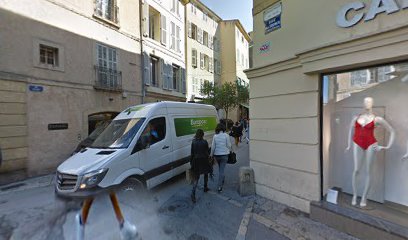
Invader AIX06
0.2 km
Embark on an urban art adventure in Aix-en-Provence, hunting for hidden mosaics by the renowned street artist Invader, and discover a playful blend of history and contemporary art.
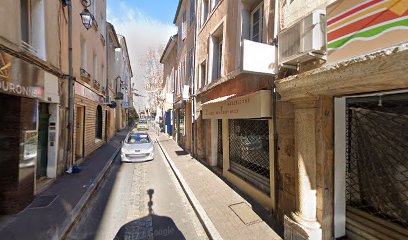
Espace culturel départemental 21, bis Mirabeau
0.2 km
Discover the artistic heritage of Aix-en-Provence at the Espace Culturel Départemental, a cultural hub showcasing diverse exhibitions and events.
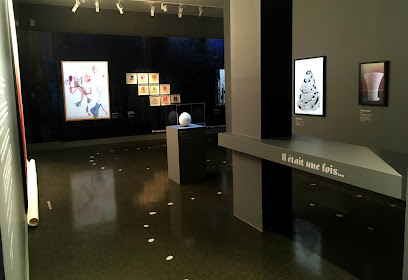
Façade végétalisé
0.2 km
Explore the enchanting Façade Végétalisée in Aix-en-Provence, a stunning vertical garden blending nature and architecture in a vibrant urban setting.
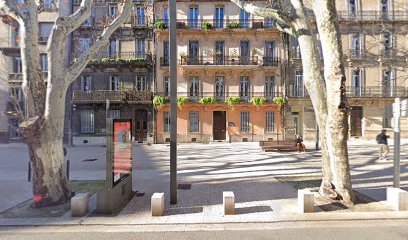
Place ramus
0.2 km
Discover Place Ramus in Aix-en-Provence: a charming square with historic architecture, delightful cafes, and a tranquil atmosphere, offering an authentic Provençal experience.
Oh La La Provence
0.3 km
Discover the charm of Oh La La Provence in Aix-en-Provence, a true reflection of Provençal culture, art, and culinary delights.
Fontaine des Neuf-Canons
0.3 km
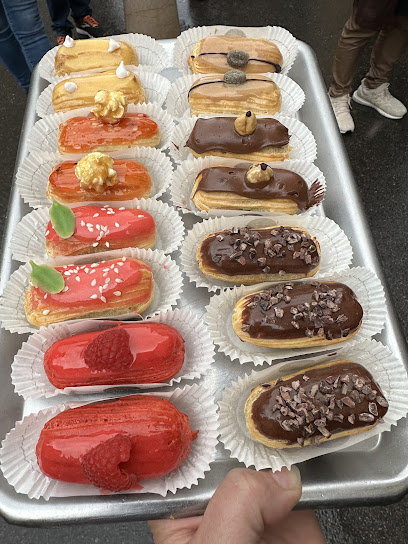
Discover the stunning Fontaine des Neuf-Canons, a historic fountain in the heart of Aix-en-Provence, embodying artistic beauty and cultural heritage.
Hôtel de Caumont
0.3 km
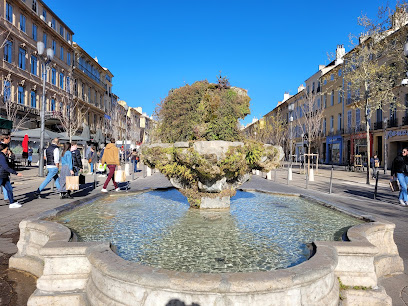
Explore the artistic treasures of Hôtel de Caumont in Aix-en-Provence, where culture, beauty, and history converge in a stunning 18th-century setting.
Place d'Albertas
0.3 km
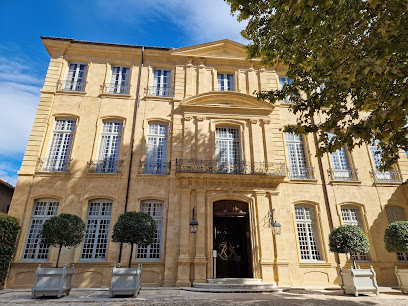
Explore the enchanting Place d'Albertas, a historic square in Aix-en-Provence, brimming with art, culture, and vibrant local life.
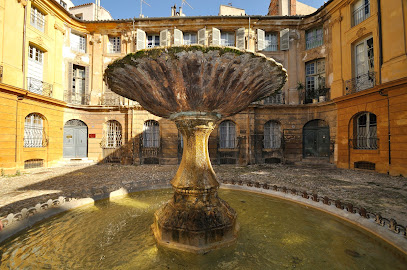
Essential places to dine

La Rotonde
0.1 km
Discover La Rotonde: A premier brasserie in Aix-en-Provence offering Mediterranean delights and exceptional meat dishes in an inviting atmosphere.
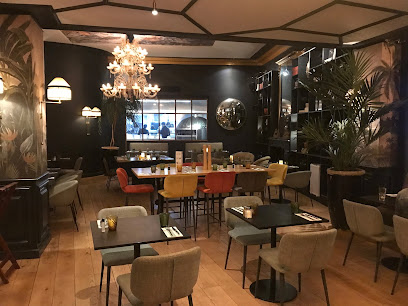
L'Estello
0.1 km
Discover L'Estello: A delightful restaurant and brewery in Aix-en-Provence offering exquisite tapas and local brews in a vibrant setting.
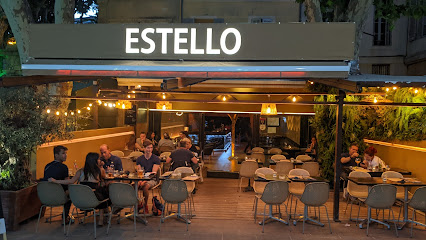
Le Patio
0.1 km
Discover Le Patio: A charming restaurant in Aix-en-Provence offering exquisite French cuisine in a delightful patio setting.
Cambarou
0.1 km
Discover Cambarou: A charming brewery in Aix-en-Provence offering local flavors, crafted beers, and an inviting atmosphere for all visitors.
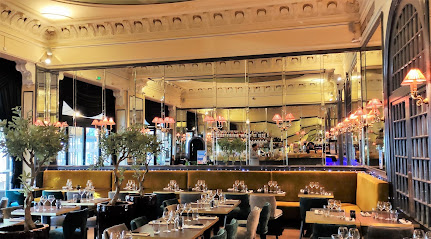
La Petite Ferme
0.1 km
Experience authentic Provence cuisine at La Petite Ferme - where tradition meets flavor in a cozy atmosphere.
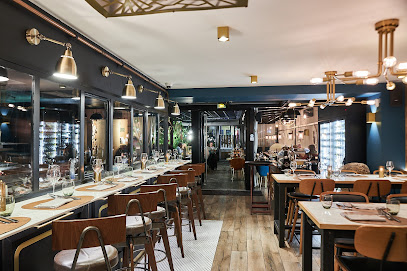
Le Singe Vert
0.1 km
Experience authentic French cuisine at Le Singe Vert, a charming restaurant in Aix-en-Provence known for its local ingredients and inviting ambiance.
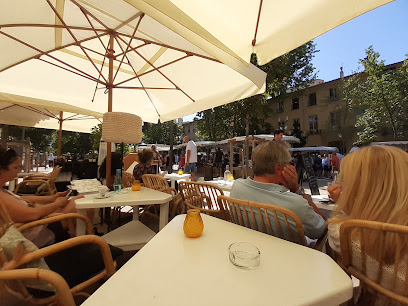
Chez Charlotte - Restaurant Aix en Provence
0.2 km
Experience authentic French cuisine at Chez Charlotte in Aix-en-Provence - perfect for family meals and sweet indulgences.
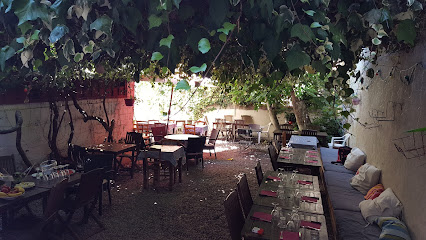
Au Goût du Monde
0.2 km
Experience the vibrant flavors of Europe at Au Goût du Monde in Aix-en-Provence—where every dish tells a story.
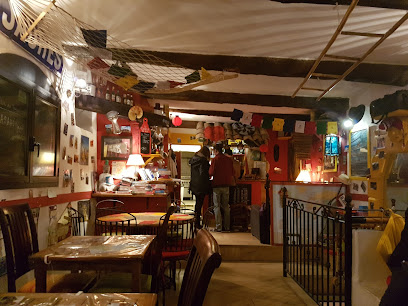
Restaurant La Tomate Verte
0.2 km
Experience exquisite French and Mediterranean cuisine at Restaurant La Tomate Verte in Aix-en-Provence, where culinary tradition meets vibrant flavors.
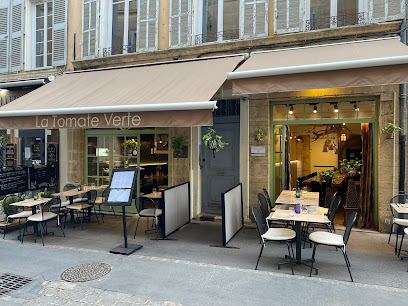
Licandro Le Bistro
0.2 km
Experience authentic French cuisine in the heart of Aix-en-Provence at Licandro Le Bistro - where every meal tells a story.
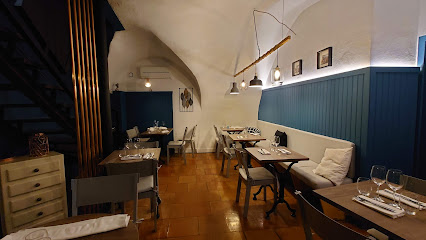
Côté Cour
0.2 km
Discover the flavors of France at Côté Cour in Aix-en-Provence—where culinary excellence meets charming ambiance.
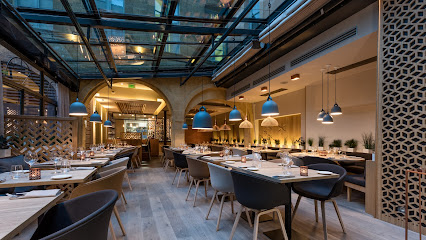
MITCH
0.2 km
Experience exquisite haute French and Mediterranean cuisine at MITCH in Aix-en-Provence - a culinary delight not to be missed.
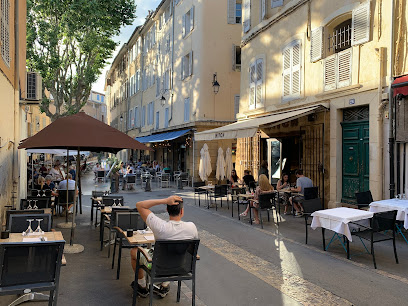
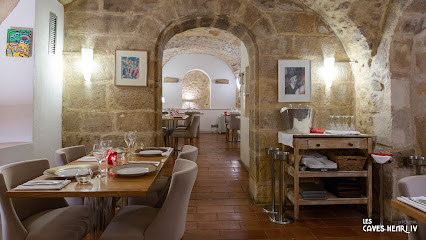
Restaurant LES CAVES HENRI IV
0.2 km
Experience fine dining excellence with authentic French and Mediterranean cuisine in the heart of Aix-en-Provence at Restaurant LES CAVES HENRI IV.
AREV
0.2 km
Discover exquisite French cuisine at AREV in Aix-en-Provence – where local flavors meet culinary excellence.
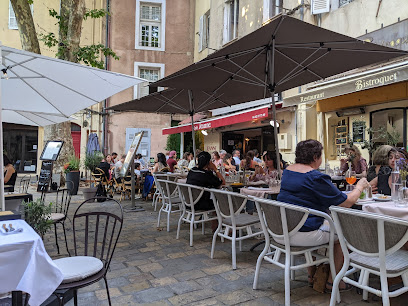
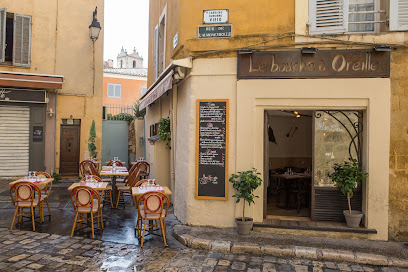
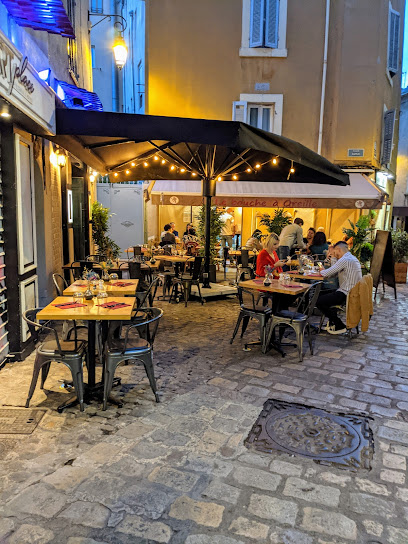
Le bouche à Oreille
0.2 km
Experience authentic French cuisine at Le bouche à Oreille in Aix-en-Provence – where local flavors meet traditional cooking.
Markets, malls and hidden boutiques

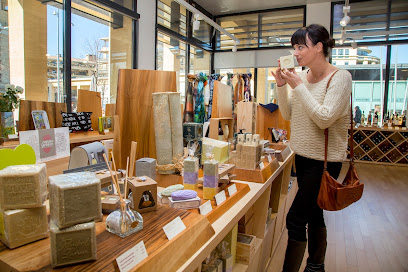
Boutique souvenirs de l'Office de Tourisme
0.1 km
Explore the heart of Aix-en-Provence with unique gifts and local treasures at the Boutique Souvenirs de l'Office de Tourisme.
Søstrene Grene
0.1 km
Explore creativity at Søstrene Grene, your go-to store in Aix-en-Provence for art supplies, furniture accessories, and unique handcrafted treasures.
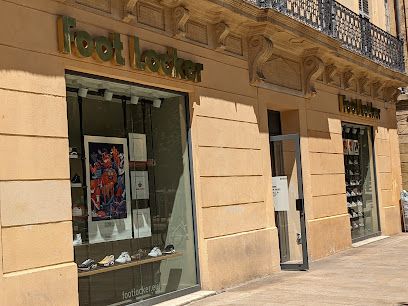
Foot Locker
0.2 km
Explore the stylish offerings of Foot Locker in Aix-en-Provence, where fashion meets functionality in a vibrant shopping experience.
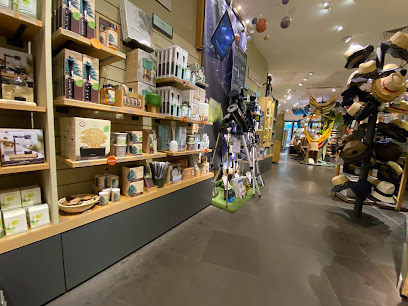
Nature and Discoveries
0.2 km
Explore Nature and Discoveries in Aix-en-Provence – a gift shop filled with unique treasures, eco-friendly products, and delightful surprises for every visitor.
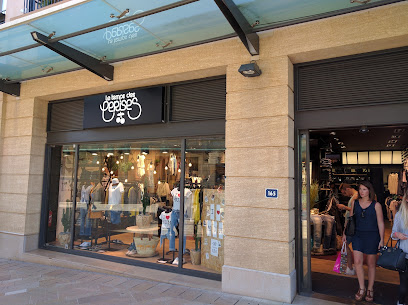
Le Temps des Cerises
0.2 km
Discover the stylish world of Le Temps des Cerises, where fashion meets comfort in the heart of Aix-en-Provence.
Les Allées
0.2 km
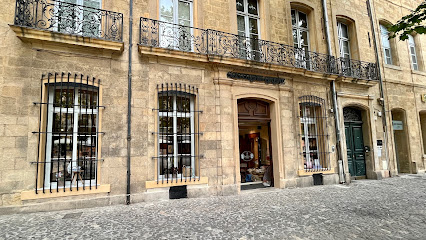
Explore the vibrant Les Allées shopping mall in Aix-en-Provence, where local charm meets modern retail and dining experiences.
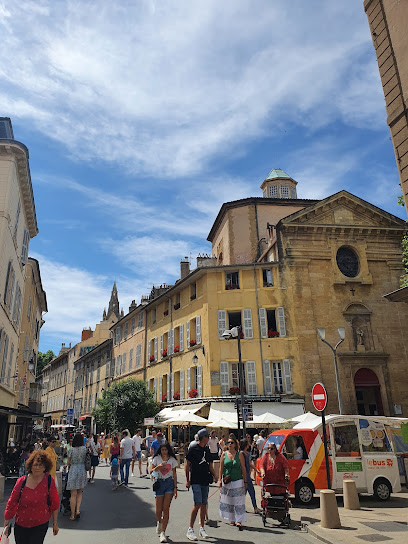
RITUEL DE LUNE
0.2 km
Discover the enchanting world of Rituel de Lune, a premier candle store in Aix-en-Provence, featuring exquisite scents and artisanal craftsmanship.
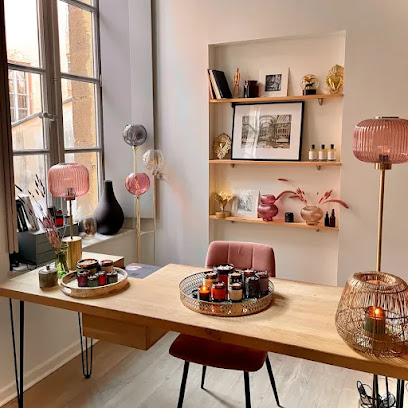
Mercury Bad Girls Club
0.2 km
Explore Mercury Bad Girls Club in Aix-en-Provence for an eclectic mix of trendy fashion that captures the essence of French style.
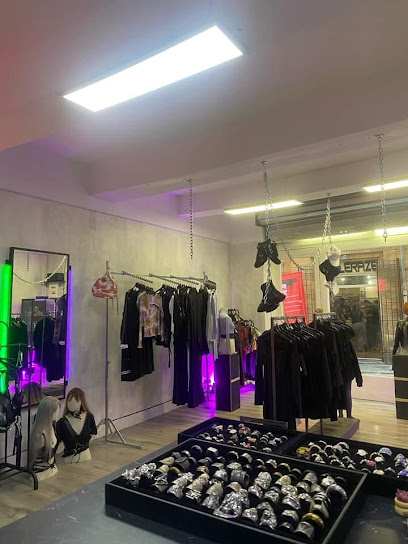
Le showroom...
0.2 km
Explore exquisite men's fashion at Le Showroom in Aix-en-Provence, where style meets sophistication in a charming boutique atmosphere.
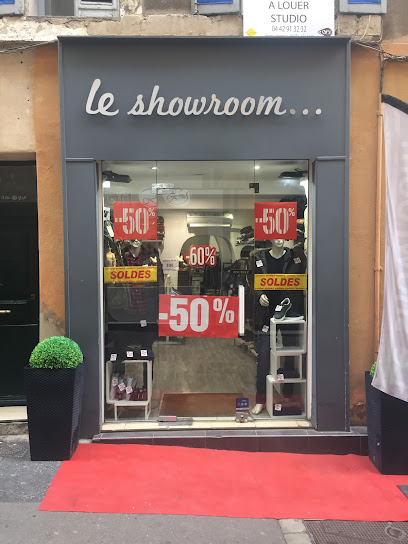
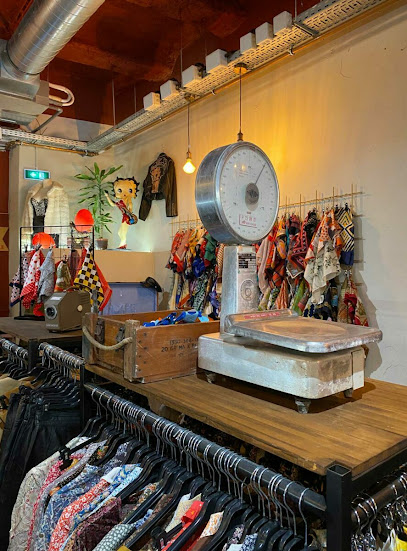
Kilo Shop Aix en Provence
0.3 km
Explore Kilo Shop Aix en Provence for unique vintage fashion pieces that blend sustainability with style in a charming setting.
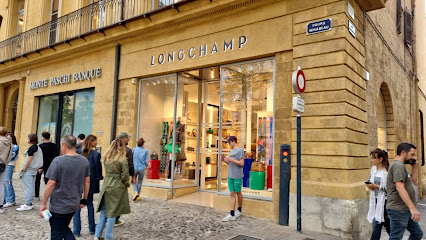
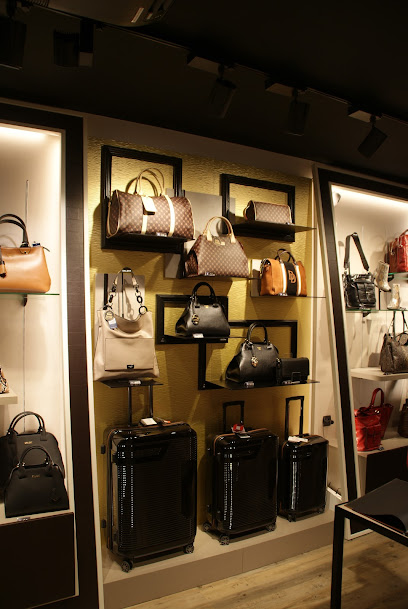
Longchamp
0.3 km
Discover the elegance of French fashion at Longchamp, where luxury leather goods meet sophisticated style in Aix-en-Provence.
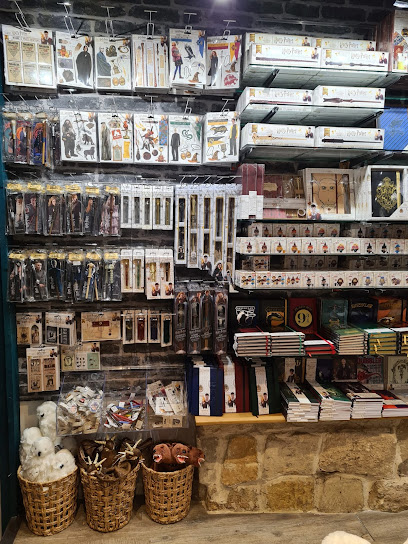
Le Secret des Sorciers
0.3 km
Uncover the magic of play at Le Secret des Sorciers, a unique gift shop in Aix-en-Provence offering enchanting toys and memorable souvenirs.
Les Sisterettes - Boutique de prêt-à-porter et accessoires féminins
0.3 km
Discover the essence of French fashion at Les Sisterettes, a charming boutique in Aix-en-Provence offering stylish women's clothing and unique accessories.
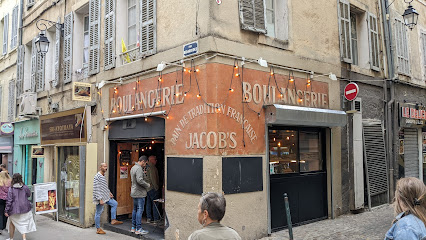
DALERY Concept Store
0.3 km
Experience the charm of DALERY Concept Store in Aix-en-Provence, where exquisite gifts and stylish accessories await every discerning traveler.
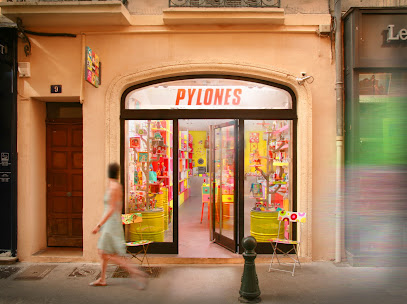
PYLONES
0.3 km
Explore PYLONES, the vibrant gift shop in Aix-en-Provence, offering unique fashion accessories, home goods, and delightful gifts for every occasion.
Essential bars & hidden hideouts

The UBC Events - Bar à cocktail éphémère de Provence
0.1 km
Experience the essence of Provence at The UBC Events, an ephemeral cocktail bar in Aix-en-Provence, blending local flavors and vibrant ambiance.
Mai
0.1 km
Discover the vibrant bar and restaurant Mai in Aix-en-Provence, where local flavors and a lively atmosphere come together for an unforgettable experience.
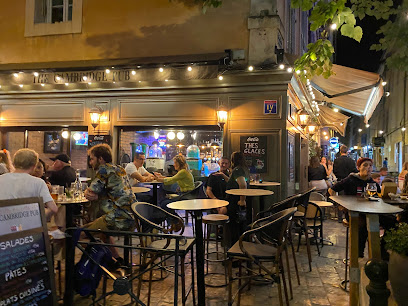
The Cambridge Pub
0.1 km
Experience the charm of Aix-en-Provence at The Cambridge Pub, where culture and camaraderie blend seamlessly over delicious drinks.
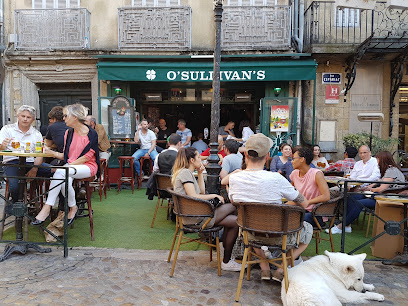
Pub O'Sullivan's
0.1 km
Discover the vibrant heart of Aix-en-Provence at Pub O'Sullivan's, where every sip and bite tells a story of local culture and camaraderie.
Le Mazarin cocktail club
0.1 km
Experience the chic ambiance and exquisite cocktails at Le Mazarin Cocktail Club in Aix-en-Provence, the epitome of French nightlife.
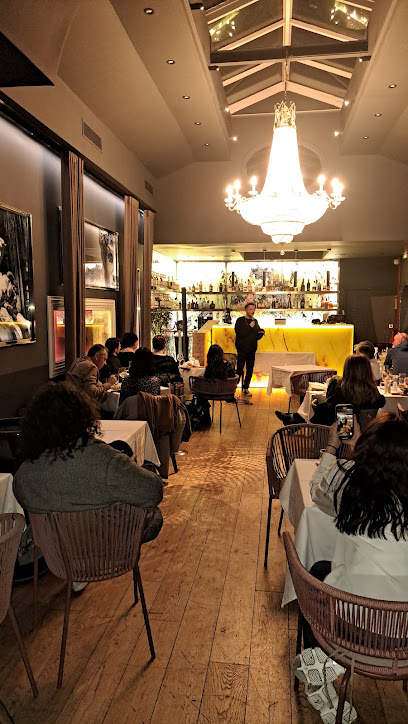
Pub shakespeare
0.2 km
Discover the lively atmosphere and authentic flavors of Pub Shakespeare, an Irish pub in the heart of Aix-en-Provence, perfect for tourists and locals alike.
El Primo
0.3 km
Discover the vibrant flavors of Aix-en-Provence at El Primo, where exquisite wines and delicious tapas create an unforgettable culinary experience.
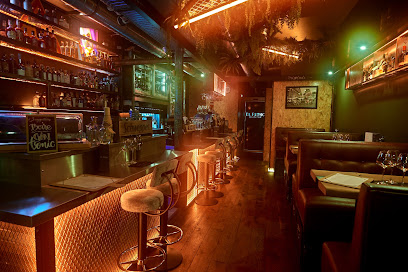
PUB THE KERRY
0.3 km
Discover the lively ambiance and local charm at Pub The Kerry, a must-visit bar in the heart of Aix-en-Provence.
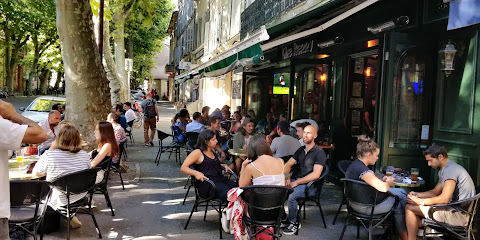
Bar à Bières
0.3 km
Discover the vibrant atmosphere of Bar à Bières in Aix-en-Provence, a craft beer paradise featuring local and international brews.
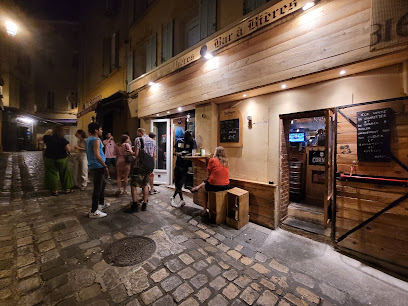
La Cocina Negra
0.3 km
Discover the vibrant nightlife of Aix-en-Provence at La Cocina Negra, where exquisite cocktails and a lively atmosphere await.
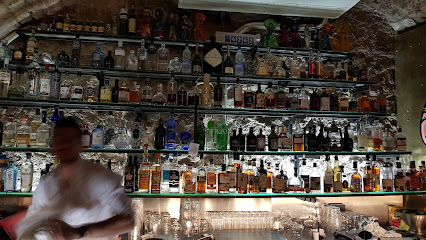
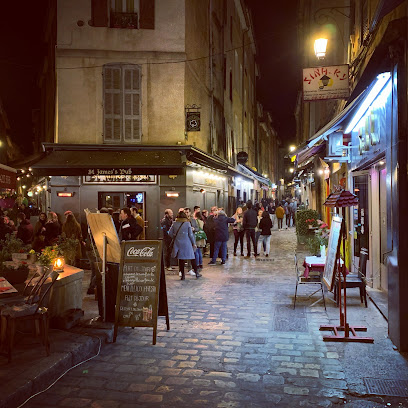
St James pub
0.3 km
Experience the vibrant atmosphere of St James Pub in Aix-en-Provence, where local charm meets a lively bar scene perfect for unwinding after your adventures.
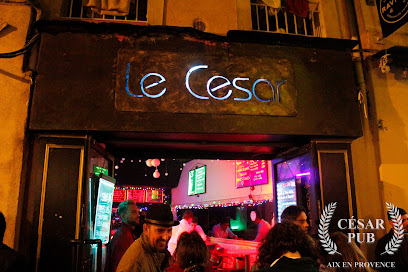
Le césar pub
0.3 km
Discover the lively spirit of Aix-en-Provence at Le César Pub, where great drinks and friendly faces create unforgettable memories.
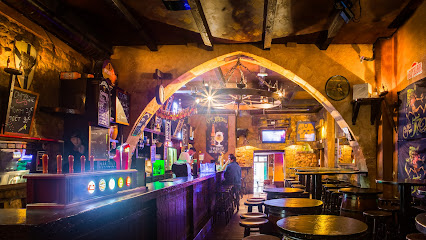
Le Manoir
0.3 km
Discover the vibrant ambiance of Le Manoir in Aix-en-Provence, where delightful drinks and a lively atmosphere await every traveler.
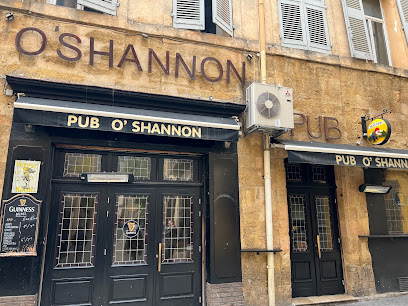
O'Shannon
0.3 km
Discover the vibrant atmosphere of O'Shannon, a beloved pub in Aix-en-Provence, where locals and tourists gather for great drinks and lively entertainment.
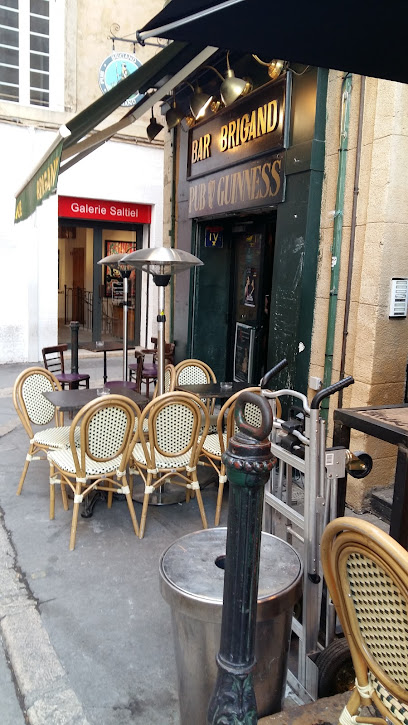
Le Brigand
0.3 km
Discover the lively atmosphere and delightful drinks at Le Brigand, a must-visit pub in Aix-en-Provence's vibrant social scene.