Historial de la Grande Guerre: A Journey Through the First World War
Explore the human side of World War I at the Historial de la Grande Guerre in Péronne, France, offering a comparative look at the conflict through the eyes of soldiers and civilians.
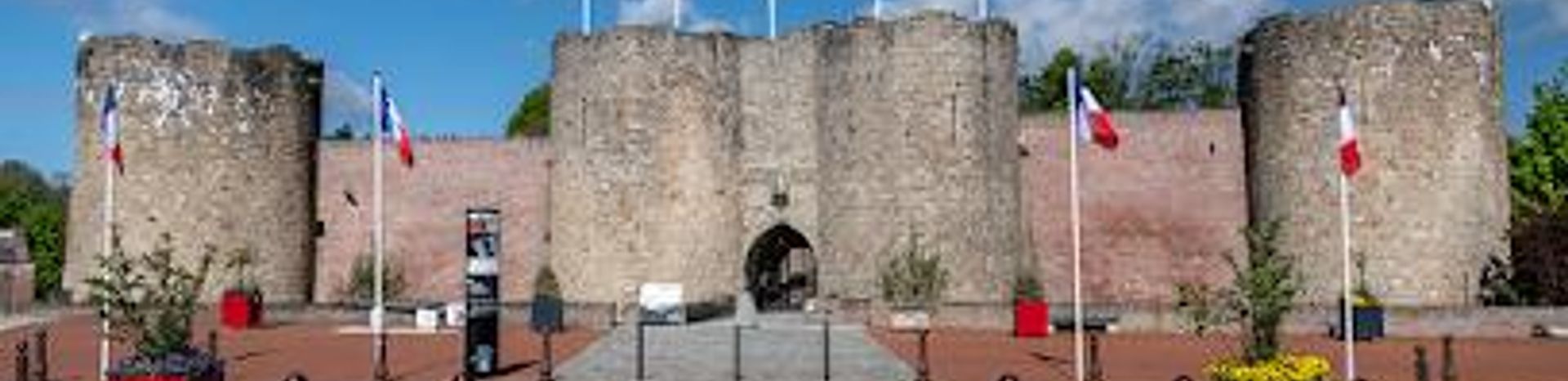
The Historial de la Grande Guerre in Péronne offers a poignant and comprehensive look at World War I, distinguishing itself by focusing on the human experience rather than solely on military aspects. Located in the heart of the Somme battlefields, the museum presents a comparative view of the war through the eyes of French, German, and British combatants and civilians. Its extensive collection includes over 50,000 artifacts, ranging from military equipment to personal letters, providing a vivid portrayal of life during the war. The museum's trilingual presentations (French, English, and German) ensure accessibility for international visitors, while its modern design, integrated within the historic Château de Péronne, creates a unique and thought-provoking atmosphere. Visitors can explore exhibits detailing trench warfare, prisoner experiences, and the impact of the war on children, gaining a deeper understanding of this pivotal moment in history. A visit to the Historial is a moving and educational experience, fostering reflection on the shared human cost of conflict.
A brief summary to Museum of the Great War
- Pl. André Audinot, Péronne, 80200, FR
- +33322831418
- Visit website
Local tips
- Allow at least 3-4 hours to fully explore the museum's extensive collection and exhibits.
- Take advantage of the audio guide, available in French, English, and German, for a more in-depth understanding of the exhibits.
- Consider visiting the Historial's sister museum in Thiepval for a more focused look at the Battle of the Somme; a combined ticket is available.
- Check the museum's website for temporary exhibitions and special events that may be of interest.
- The café at the museum offers a pleasant spot to relax and reflect on your visit, with views overlooking the Cam Pond.

Getting There
-
Walking
From the center of Péronne, including the Hôtel de Ville (Town Hall) on Place Louis Daudré, the Historial de la Grande Guerre is a short walk. Head east, orienting yourself towards the Château de Péronne. The museum is located within the Château grounds on Place André Audinot. The walk is generally flat and takes approximately 5-10 minutes, offering views of the town's historic architecture.
-
Public Transport
If arriving by train at TGV Haute-Picardie station, the most practical way to reach the museum is by bus to Péronne. From the bus station in Péronne, the museum is a 10-15 minute walk. Alternatively, taxis are usually available at the TGV station for a direct ride to the museum. Bus fare from Amiens to Peronne is approximately €2-€4.
-
Driving
If driving, follow signs to Péronne center. The museum is located at Place André Audinot. There are several public car parks near the town center and the museum. Parking is generally free. From the A1 motorway (exit 13.1 “Albert-Péronne-Nord”), take the D938 eastbound, continue straight across at the two roundabouts, and you'll arrive at the square in front of the museum.
Discover more about Museum of the Great War
Iconic landmarks you can’t miss

Australian 2nd Division Memorial - Mont St Quentin
2.0 km
A poignant World War I memorial in Péronne, France, honoring the Australian 2nd Division's bravery and sacrifice at the Battle of Mont St Quentin.
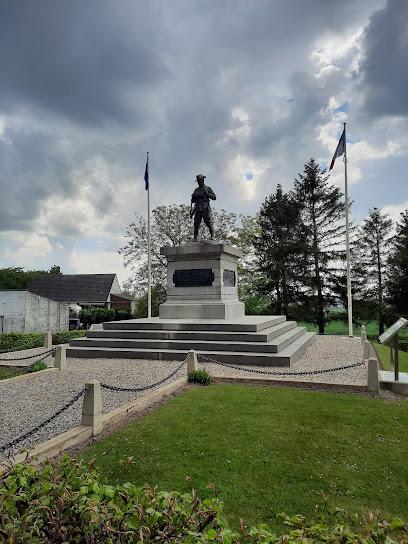
Windmill Memorial
19.0 km
A WWI memorial in Pozières, France, commemorating the Battle of the Somme and honoring the Australian Imperial Force.
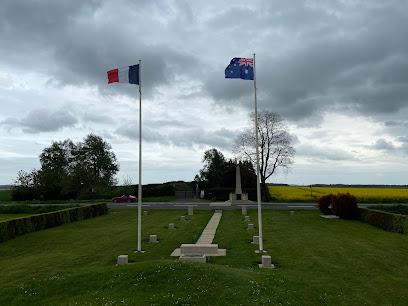
Pozieres Memorial
19.4 km
A solemn World War I memorial in Pozières, France, commemorating thousands of missing British and South African soldiers on the Somme.
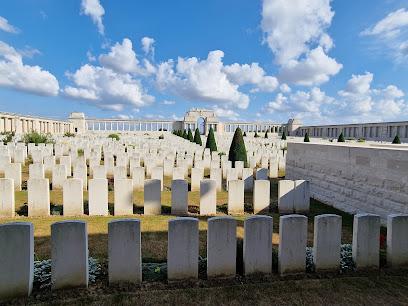
AIF Mouquet Farm Memorial
20.8 km
A poignant memorial in Ovillers-la-Boisselle honoring the Australian soldiers who fought at Mouquet Farm during the Battle of the Somme.
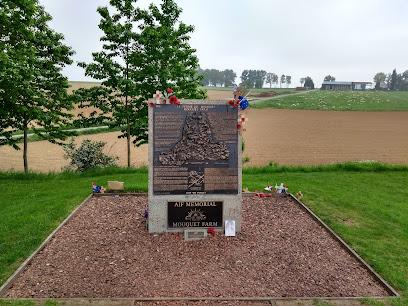
Adanac Military Cemetery
21.0 km
Pay respect to fallen WWI soldiers at Adanac Military Cemetery in Miraumont, France, a serene and historically significant memorial site.
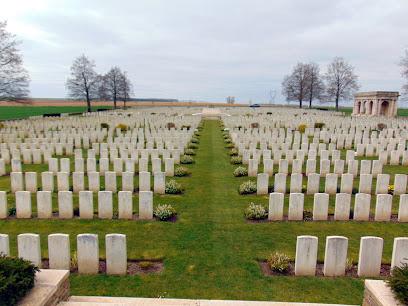
0 Pl. du Général de Gaulle
22.1 km
The central square in Albert, France, offering access to historical landmarks, local shops, and a taste of French culture.
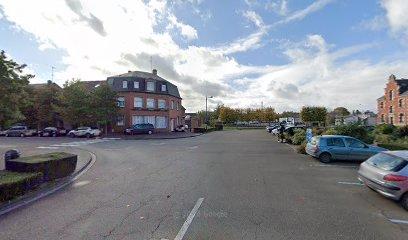
Thiepval Memorial
22.1 km
Pay tribute to the missing soldiers of the Somme at this monumental war memorial, a symbol of Anglo-French unity and remembrance.
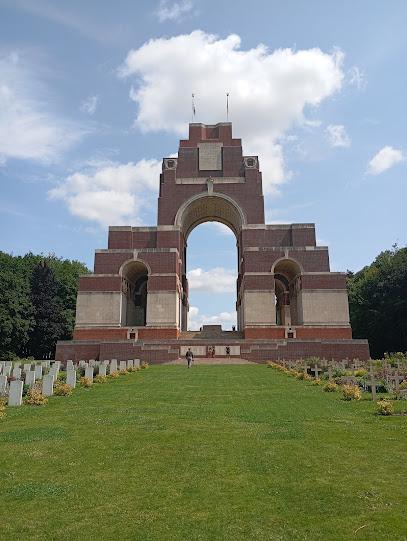
3rd Australian Division Memorial
25.1 km
A solemn World War I memorial in Sailly-le-Sec, France, honoring the 3rd Australian Division's courageous stand against the German advance.
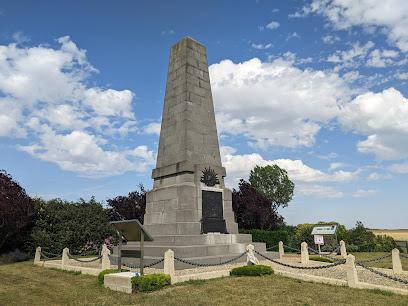
Australian Corps Memorial Park
25.3 km
A serene and historically significant memorial park in Le Hamel, France, honoring the Australian Corps' contributions during World War I.
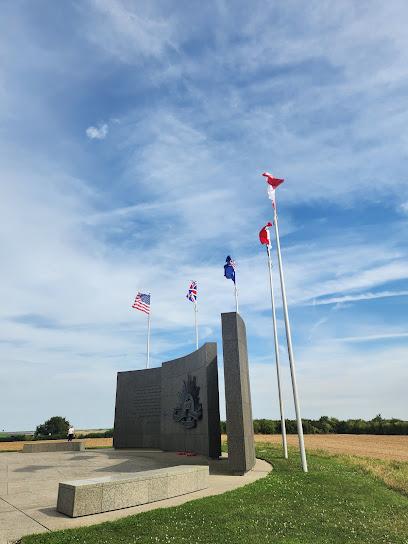
Serre Road Cemetery No.2
27.3 km
Reflect on the sacrifices of WWI soldiers at this serene cemetery near Hébuterne, France, where thousands rest, a lasting testament to the Somme.
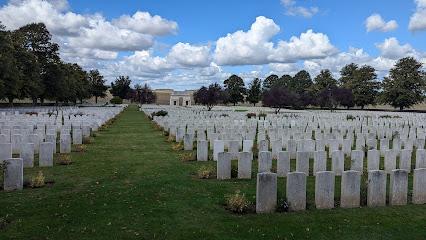
Villers-Bretonneux Military Cemetery
30.6 km
A poignant World War I memorial and cemetery honoring the courage and sacrifice of Australian and British Empire soldiers in Villers-Bretonneux, France.
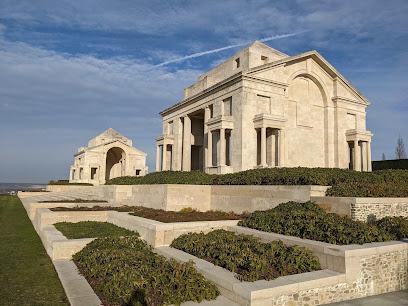
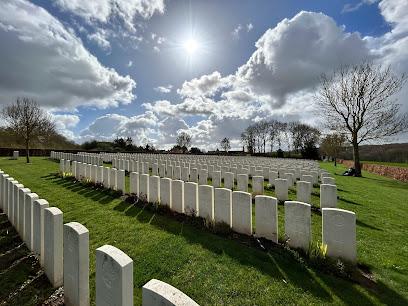
Adelaide Cemetery
31.7 km
A serene WWI cemetery in Villers-Bretonneux, honoring the fallen with a special connection to Australia.
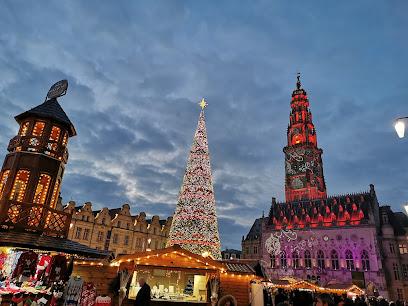
Pl. du Maréchal Foch
41.2 km
Experience the vibrant heart of Arras at Place du Maréchal Foch, a blend of Flemish architecture, history, and lively local culture.
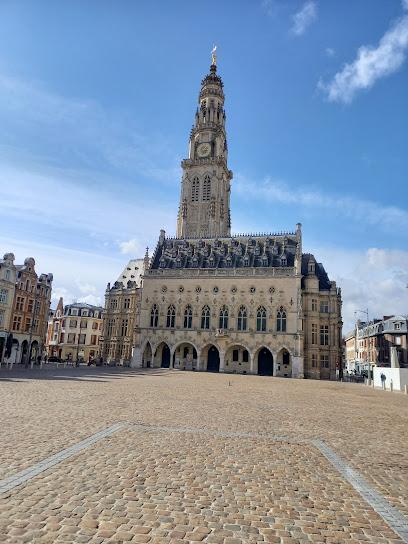
Heroes Square
41.7 km
Discover the historical splendor of Heroes Square in Arras, a stunning landmark representing the rich cultural heritage of this French city.
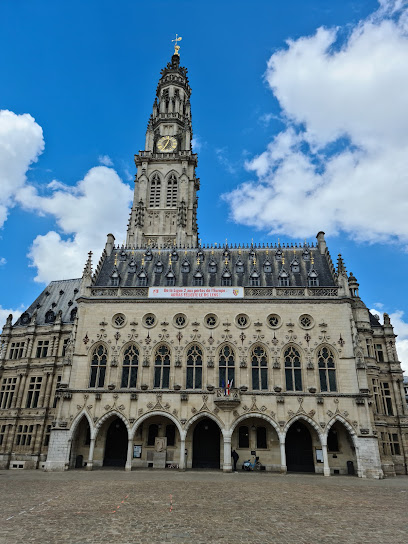
Beffroi d'Arras
41.7 km
Experience the grandeur of Beffroi d'Arras, a UNESCO World Heritage site showcasing the rich history and stunning architecture of Arras, France.
Unmissable attractions to see

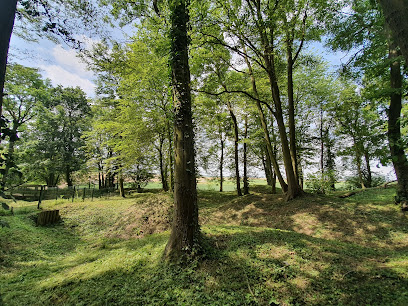
Bois de Wallieux
12.1 km
Explore preserved trenches and poignant memorials at Bois de Wallieux, a WWI battlefield site in Soyécourt, France.
Tiny train of the Upper Somme - APPEVA
14.5 km
Step back in time with a ride on a historic WWI trench railway through the scenic Somme Valley. A unique and memorable experience for all ages.
Lochnagar Crater
19.3 km
Witness the immense scar left by the Battle of the Somme at Lochnagar Crater, a powerful and poignant World War I memorial in France.
Domaine des Îles
19.6 km
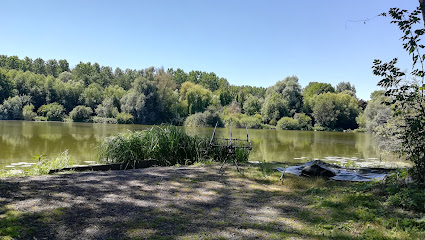
Escape to the serene Domaine des Îles in Offoy, France, for a tranquil retreat surrounded by picturesque landscapes and peaceful fishing spots.
Somme 1916 Museum
21.8 km
Experience the Great War: Explore realistic trench recreations & artifacts at the Somme 1916 Museum in Albert, France. A moving journey into WWI history.
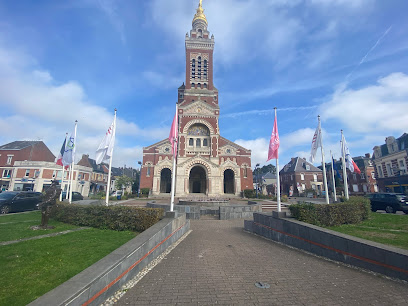
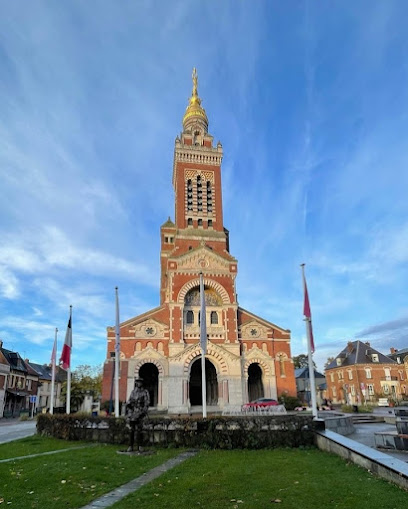
Basilique Notre-Dame de Brebières
21.9 km
Discover the architectural beauty and rich history of Basilique Notre-Dame de Brebières, a must-see Catholic church in Albert, France.
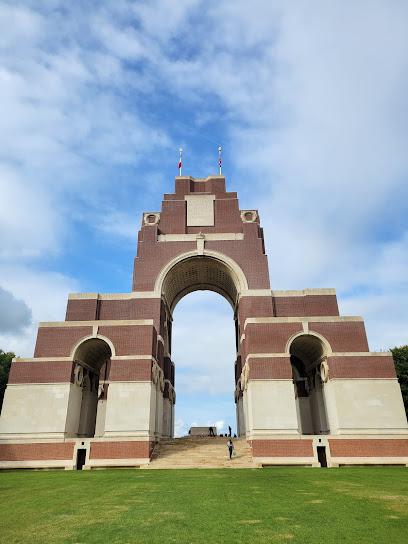
Historial de la Grande Guerre - Musée de Thiepval
22.1 km
Explore the poignant history of the Battle of the Somme at the Historial de la Grande Guerre in Thiepval, a moving tribute to those who served during World War I, offering deep insights and emotional connection.
Écluse n.13 de Saily-Laurette
23.1 km
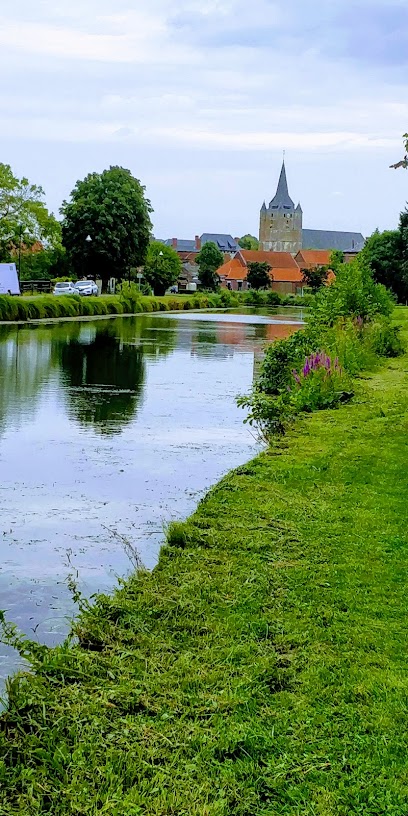
Discover the peaceful charm of Écluse n.13 de Saily-Laurette on the Canal de la Somme, a perfect spot for nature lovers and history buffs.
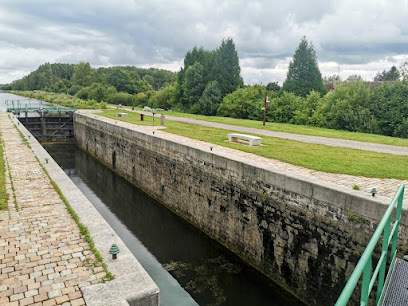
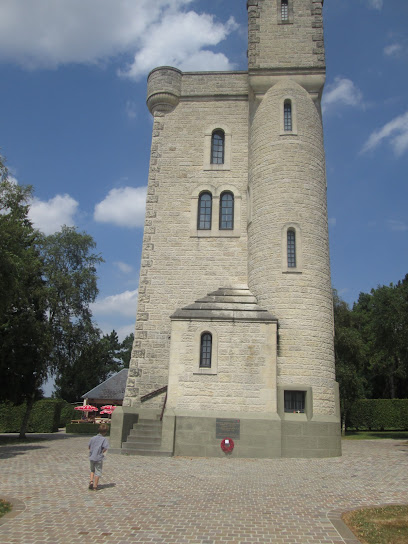
Ulster Memorial Tower
23.2 km
A poignant World War I memorial in Thiepval, France, honoring the brave soldiers of Ulster and their sacrifices on the Western Front.
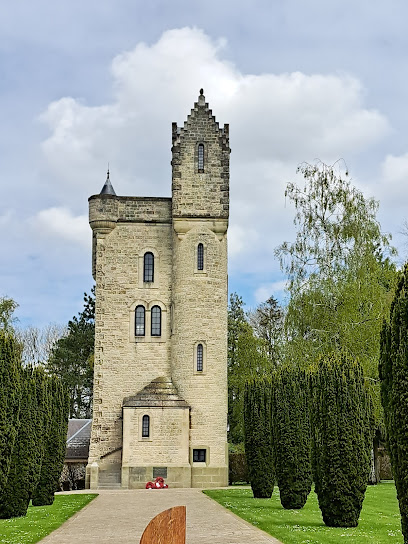
Beaumont-Hamel Newfoundland Memorial
25.8 km
A poignant World War I memorial in France, preserving the battlefield where the Newfoundland Regiment faced devastating losses during the Battle of the Somme.
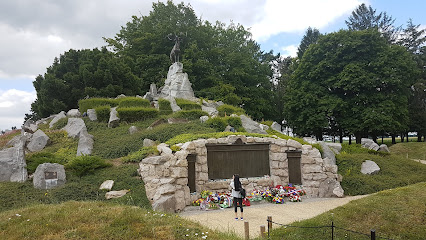
Écluse n°14 de Corbie
30.2 km
Discover the peaceful charm of Écluse n°14 de Corbie, a historic canal lock offering a serene escape in the French countryside.
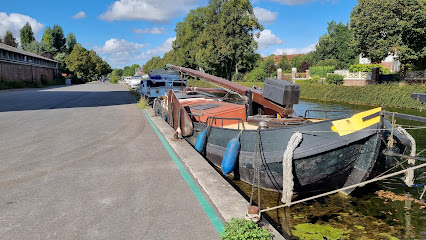
Sir John Monash Centre
30.2 km
Discover the compelling story of Australia's involvement on the Western Front during World War I at the Sir John Monash Centre, a state-of-the-art tribute near Villers-Bretonneux.
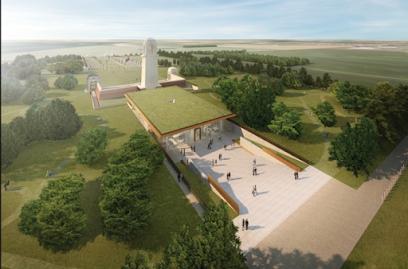
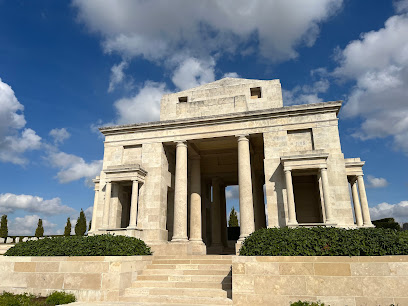
Australian National Memorial
30.3 km
Honoring Australian WWI soldiers with no known grave, this memorial offers panoramic views and a moving tribute to their sacrifice on the Western Front.
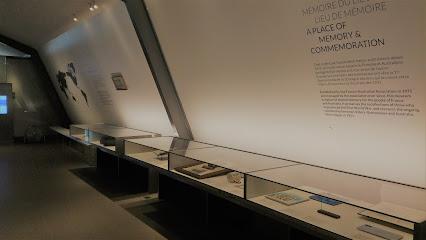
Musée Franco-Australien
30.4 km
Discover the enduring bond between Australia and France at the Musée Franco-Australien in Villers-Bretonneux, a poignant reminder of shared history and international friendship.
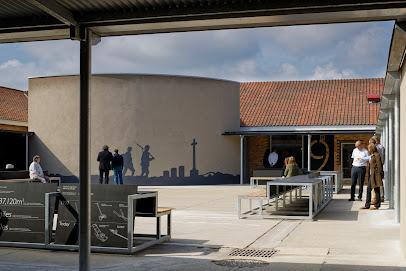
CWGC Visitor Centre
38.0 km
Explore the poignant history of the Commonwealth War Graves Commission in Beaurains at the CWGC Visitor Centre, a hub of remembrance and education.
Essential places to dine

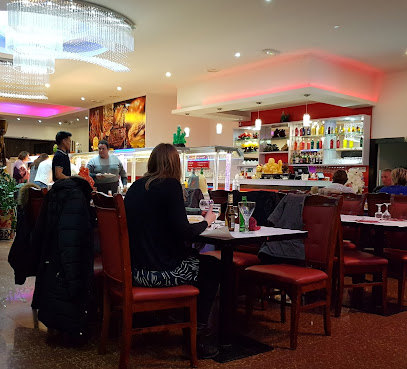
Asia Gourmet
26.9 km
Discover authentic Asian flavors at Asia Gourmet in Roye - your go-to destination for exquisite Chinese and Japanese cuisine.
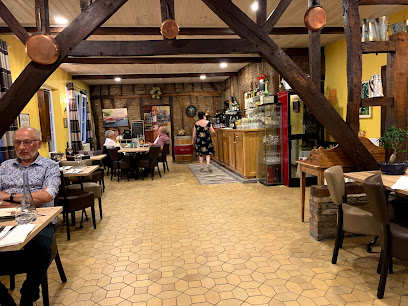
L'Auberge Fleurie
28.3 km
Discover authentic French cuisine at L'Auberge Fleurie - where tradition meets comfort in charming Heilly.
Château De Quesmy - Traiteur - Haut De France - Picardie - Aisne, Somme, Oise
34.1 km
Discover culinary excellence at Château De Quesmy – an elegant caterer and French restaurant set in picturesque Picardie.
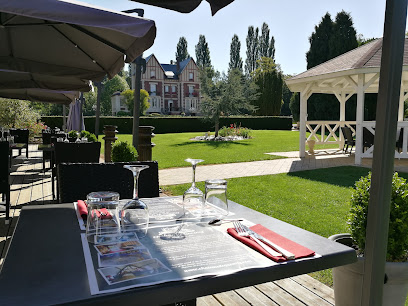
La Table Du Marais
42.7 km
Experience exquisite French cuisine at La Table Du Marais in Amiens - where tradition meets modern culinary artistry.
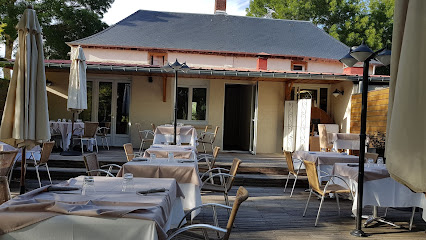
Auberge Le Pré Porus
42.9 km
Discover authentic French cuisine in Amiens at Auberge Le Pré Porus – where tradition meets taste.
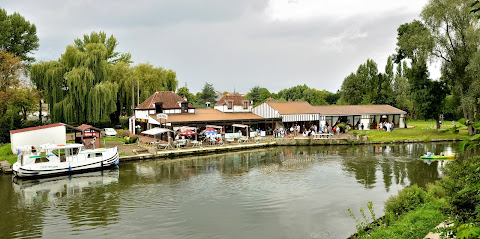
Ô Jardin
44.3 km
Experience the best of French cuisine at Ô Jardin in Amiens—where fresh ingredients meet serene garden views for an unforgettable dining experience.
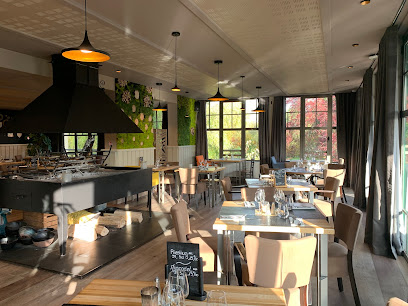
Le Moulin Des Ecrevisses
44.6 km
Experience exquisite Haute French cuisine at Le Moulin Des Ecrevisses, where culinary artistry meets elegance in Ailly-sur-Noye.
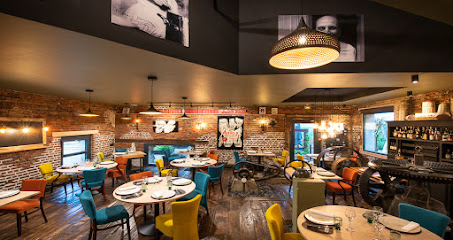
Au Fil de l'Eau
44.6 km
Experience authentic French cuisine at Au Fil de l'Eau – where every meal is a celebration of flavor in the heart of Amiens.
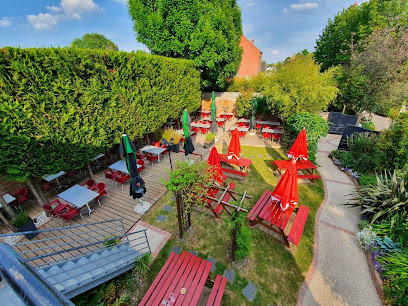
Le Picardie
44.8 km
Experience the essence of French cuisine at Le Picardie in Amiens - where every meal tells a story.
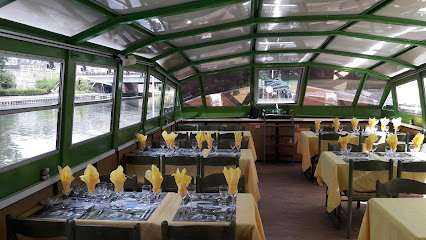
La Brasserie Jules
44.8 km
Discover La Brasserie Jules in Amiens: A delightful fusion of French cuisine and seafood in a charming brewery setting.
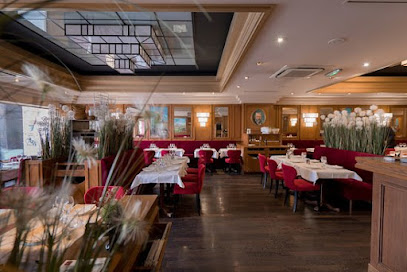
L'ESCALE - Restaurant Cuisine Française à Amiens
44.8 km
Experience exquisite French cuisine at L'ESCALE in Amiens - where culinary tradition meets modern dining.
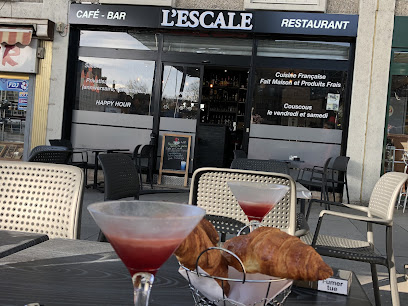
Le Phare
44.9 km
Experience authentic French crêpes at Le Phare in Amiens – where culinary tradition meets local charm.
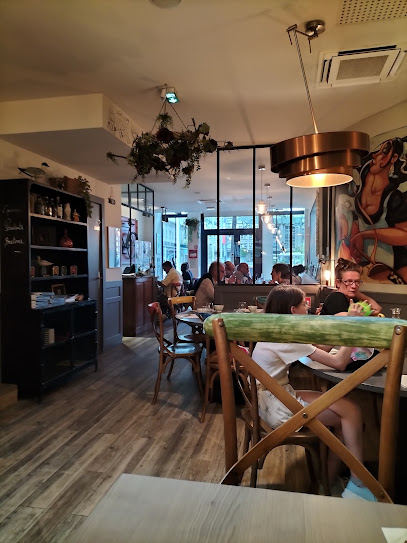
Le Port Saint Leu
44.9 km
Discover the essence of French cuisine at Le Port Saint Leu in Amiens - where every dish tells a story.
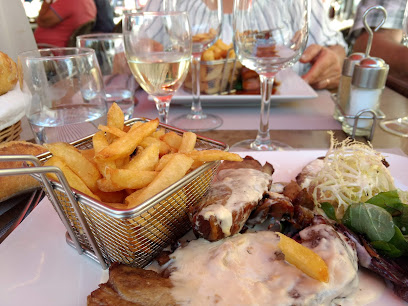
L'ENVIE
44.9 km
Discover L'ENVIE in Amiens: A charming restaurant offering exquisite French cuisine and delightful river views.
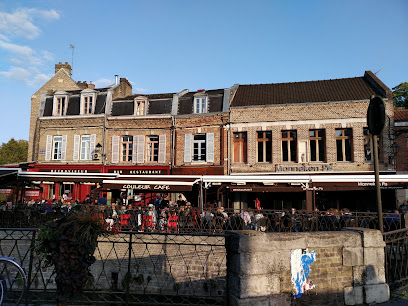
Restaurant Le 31
45.0 km
Experience the essence of French cuisine at Restaurant Le 31 in Amiens—where tradition meets modern dining.
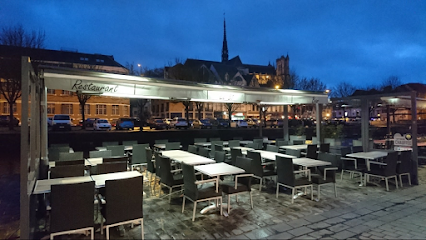
Markets, malls and hidden boutiques

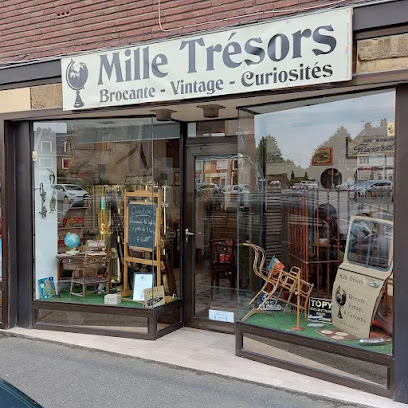
Mille Trésors
27.6 km
Discover unique antiques and collectibles at Mille Trésors in Roye, a charming store filled with vintage treasures and history.
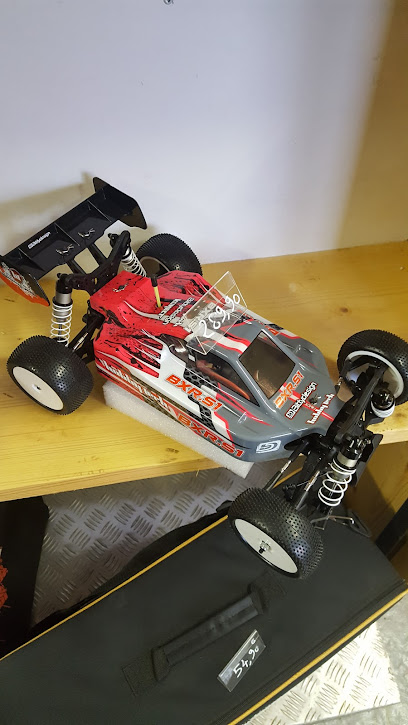
rc haute picardie
29.0 km
Explore RC Haute Picardie - Your ultimate destination for scale models, outdoor sports gear, and delightful toys in Arvillers.
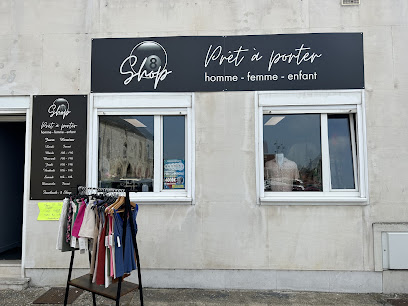
8 shop
30.2 km
Explore the latest in women's fashion at 8 Shop, Corbie's go-to destination for trendy clothing and accessories.
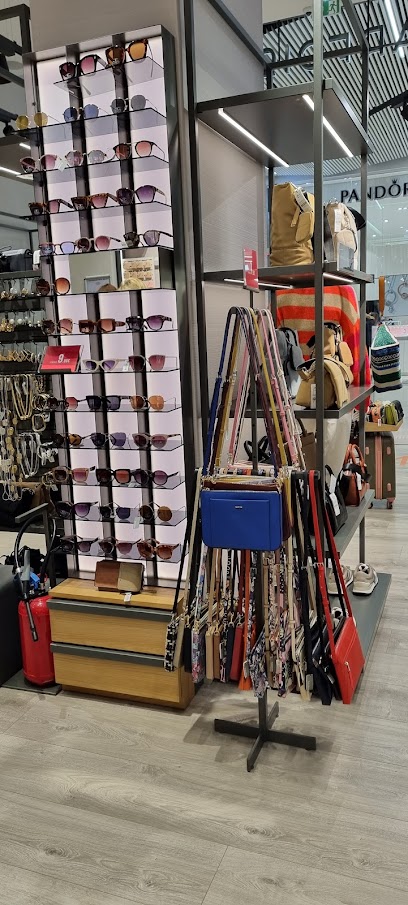
Parfois
40.3 km
Explore a chic collection of fashion accessories at Parfois, the perfect stop for stylish travelers seeking unique additions to their wardrobe.
Centre commercial Grand A
40.3 km
Explore a shopper's paradise at Centre Commercial Grand A, where diverse stores and delightful dining await in Glisy.
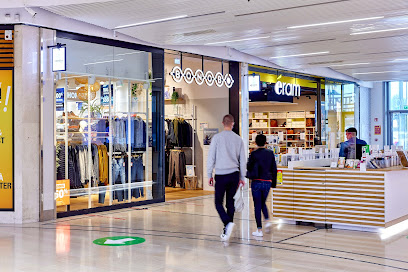
Action
40.7 km
Explore Action in Longueau for unbeatable prices on home goods, DIY supplies, gifts, and more – a must-visit for every tourist!
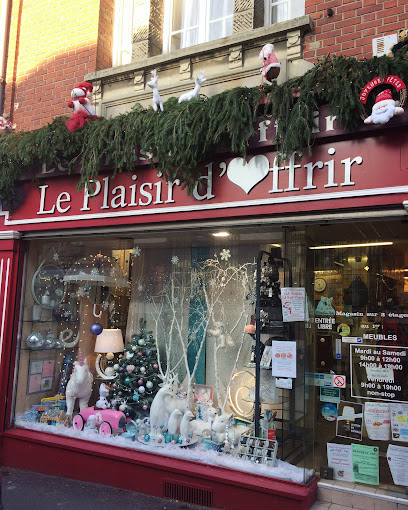
Le Plaisir d'Offrir
40.8 km
Explore Le Plaisir d'Offrir in Montdidier for unique gifts and local artisan treasures, perfect for memorable souvenirs.
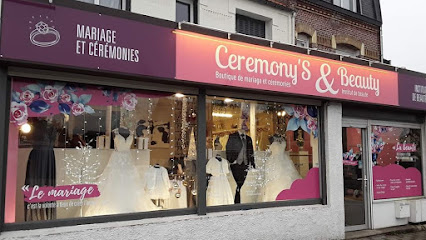
Ceremony's
41.4 km
Explore Ceremony's in Longueau, your ultimate destination for exquisite bridal gowns and personalized wedding planning services.
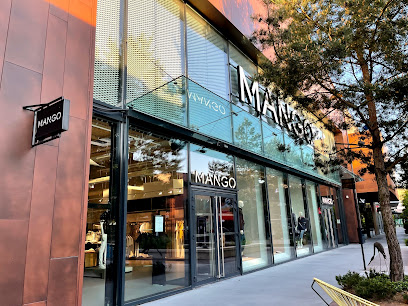
Shopping Promenade Coeur Picardie
44.6 km
Discover the vibrant Shopping Promenade Coeur Picardie in Amiens, where shopping, dining, and entertainment come together in a delightful experience.
Le Magasin de Frac Picardie
44.7 km
Explore contemporary art at Le Magasin de Frac Picardie, a vibrant gallery in Amiens showcasing innovative exhibitions and modern artistic expressions.
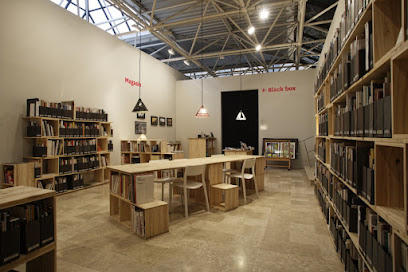
Cultura
44.7 km
Explore Cultura in Amiens: A vibrant cultural hub for books, crafts, music, and games, perfect for finding unique gifts and souvenirs.
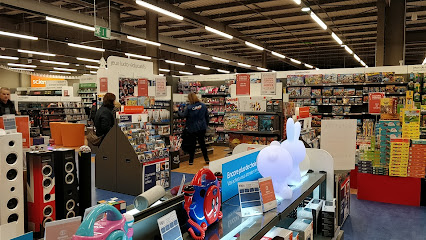
Amiens 2
44.7 km
Explore the lively shopping scene at Amiens 2, where local culture meets a diverse range of shops and dining options in the heart of Amiens.
Gare La Vallée, Nouvelle Nature Urbaine
44.7 km
Discover the vibrant shopping scene at Gare La Vallée in Amiens, merging urban aesthetics with local charm for an unforgettable experience.
Hema
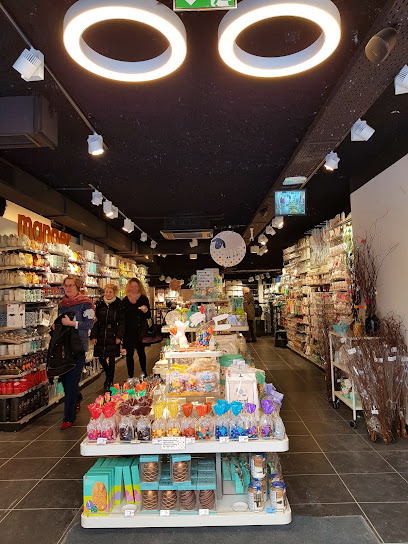
45.0 km
Discover Hema in Amiens - your go-to destination for unique gifts, stylish homeware, and delightful baby essentials in a vibrant shopping atmosphere.
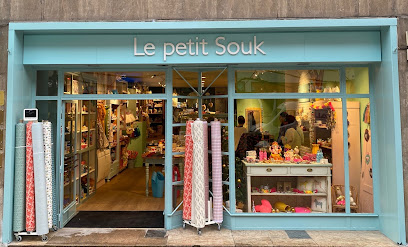
Le petit Souk Amiens
45.0 km
Discover a whimsical gift shop in Amiens, offering unique toys, home goods, and children's treasures, perfect for memorable souvenirs.
Essential bars & hidden hideouts

100 Pression
39.1 km
Discover the allure of 100 Pression, a cozy bar in Noyon offering a delightful selection of drinks in a welcoming atmosphere.
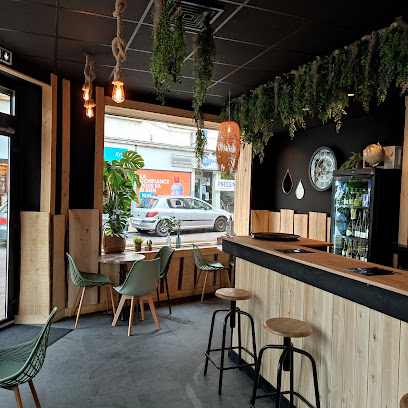
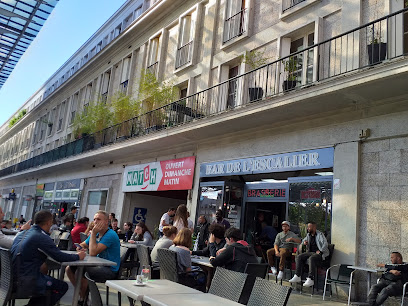
Bar de l'Escalier
44.8 km
Experience the vibrant atmosphere of Bar de l'Escalier, a cozy gem in Amiens, perfect for enjoying drinks and local culture.
English Pub
44.8 km
Experience the warmth and charm of the English Pub in Amiens, where delightful food and a wide selection of drinks await every visitor.
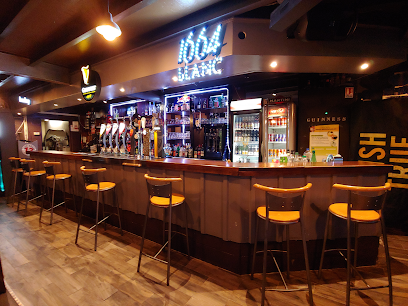
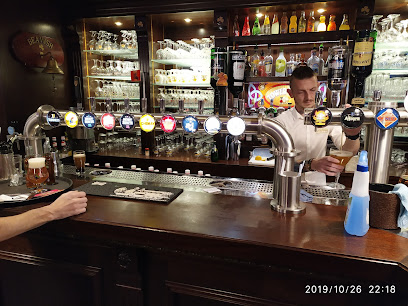
Tower's Pub
44.9 km
Discover the lively atmosphere of Tower's Pub in Amiens, where traditional Irish charm meets delicious food and drinks in a welcoming setting.
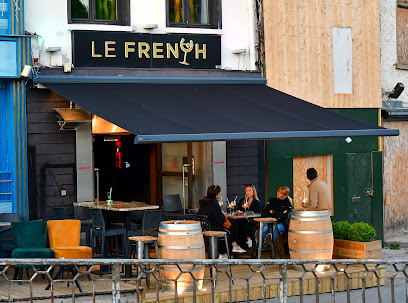
Le French
45.0 km
Discover the vibrant ambiance of Le French, Amiens' charming bar offering exquisite drinks and a taste of French culture along the scenic Quai Belu.
LE P.L.S
45.0 km
Discover the lively cocktail culture at Le P.L.S in Amiens, where expert drinks and a vibrant atmosphere await every night.
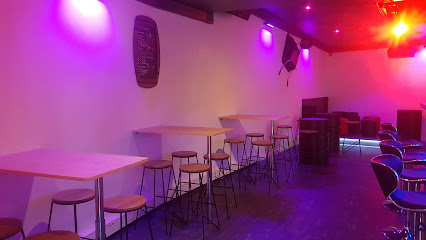
Le Red&White
45.0 km
Discover the vibrant nightlife at Le Red&White, Amiens' premier gay bar offering creative cocktails and a lively atmosphere.
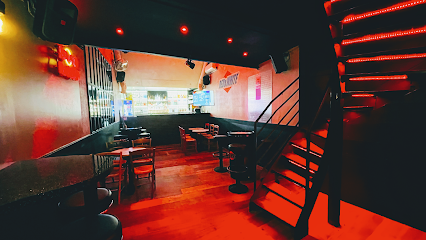
Le Nelson
45.0 km
Experience elegance and tranquility at Le Nelson, a premier lounge in Amiens, offering exquisite cocktails and stunning waterfront views.
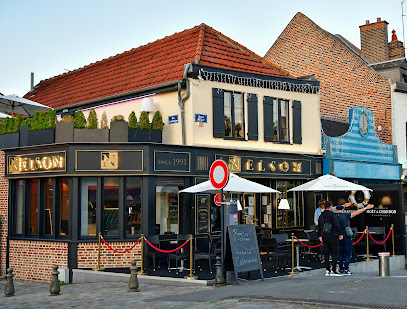
L'Automaltique
45.0 km
Experience the vibrant nightlife of Amiens at L'Automaltique, a bar known for its creative cocktails and inviting atmosphere.
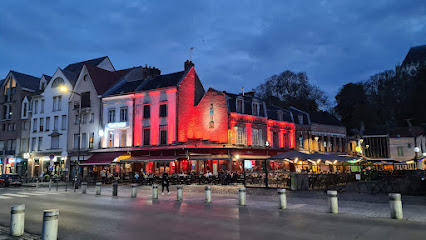
Le Rétro
45.0 km
Experience the best of local flavors and hospitality at Le Rétro, a charming bar and brasserie in the heart of Amiens, France.
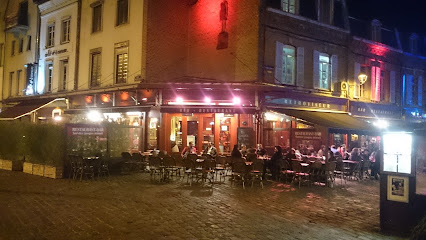
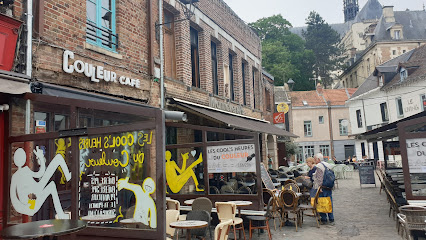
Couleur Café - Bar à Cocktails Rhumerie Saint Leu Amiens
45.1 km
Discover the vibrant Couleur Café in Saint Leu, Amiens - a cocktail bar where local flavors and creativity blend for an unforgettable night out.
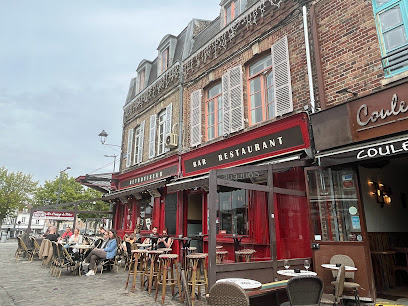
Baobar
45.1 km
Discover the lively Baobar in Amiens, where delicious food meets a vibrant atmosphere, perfect for an unforgettable night out.
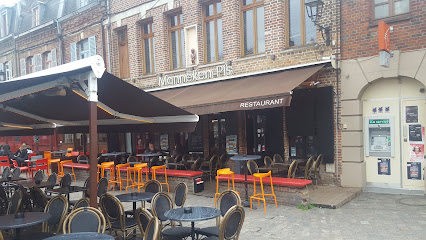
Le Living
45.1 km
Experience the lively atmosphere and diverse drink selection at Le Living, Amiens' premier bar for tourists and locals alike.
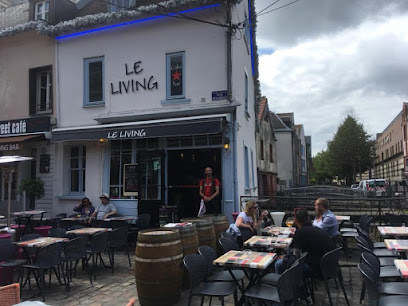
Street café
45.1 km
Experience the charm of Amiens at this delightful street café, where cozy ambiance meets delicious local flavors.
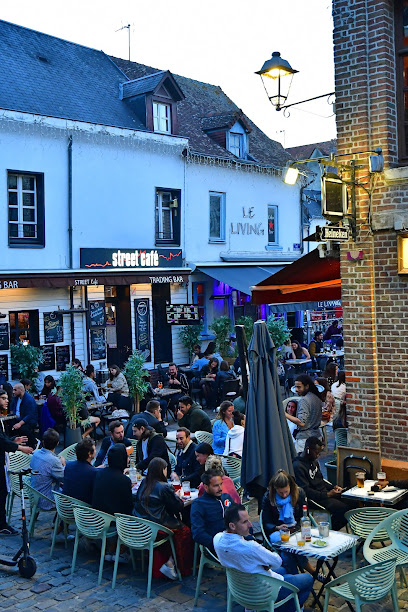
O Paradise
45.1 km
Experience a vibrant blend of halal cuisine, exotic cocktails, and shisha at O Paradise, the must-visit restaurant in Amiens.
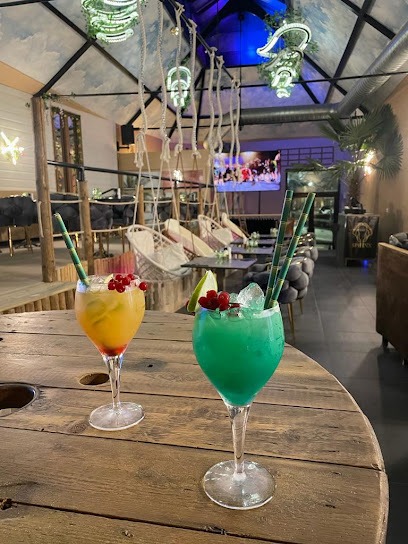
Nightclubs & after hour spots

L’Annexe
45.1 km
Explore the vibrant nightlife of Amiens at L’Annexe, a premier night club where music and dance blend into an unforgettable experience.
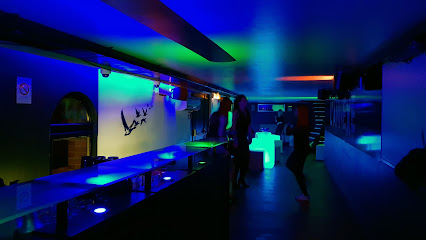
Le MOON
45.4 km
Experience the vibrant nightlife at Le MOON, Amiens' premier night club, where music and energy create unforgettable memories.
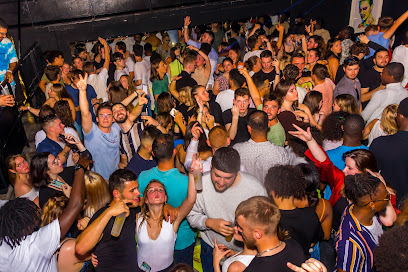
Le SALOON
45.4 km
Discover the vibrant nightlife of Amiens at Le SALOON, the ultimate disco club experience with great music and an electrifying atmosphere.
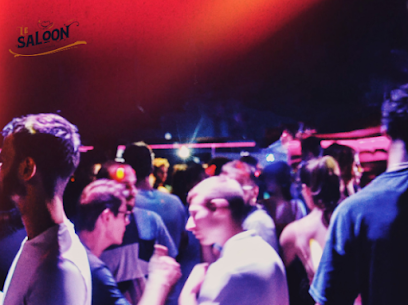
Le Cœur Samba
45.5 km
Discover the heartbeat of Amiens nightlife at Le Cœur Samba, a vibrant disco club where every night is a celebration of dance and music.
Musiques de Jazz et d'ailleurs
45.9 km
Experience the magic of jazz at the Amiens Jazz Festival, where music, culture, and community come together in a vibrant celebration.
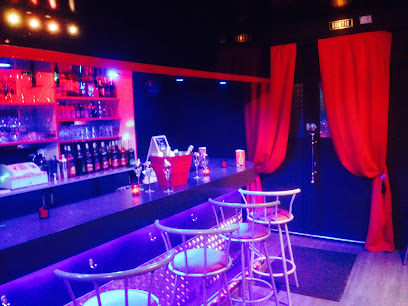
Le Pacha
46.3 km
Discover the lively atmosphere at Le Pacha, a premier bar in Amiens, perfect for unwinding with friends and enjoying a diverse drink selection.
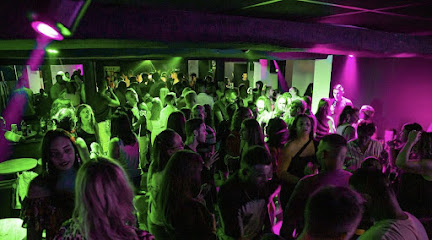
Le Quennezil
57.4 km
Discover the pulse of Compiègne's nightlife at Le Quennezil, a vibrant night club known for its energetic atmosphere and eclectic music.
Underground
57.5 km
Immerse yourself in the electrifying nightlife of Underground, Compiègne's premier lounge and club, featuring top DJs and creative cocktails.
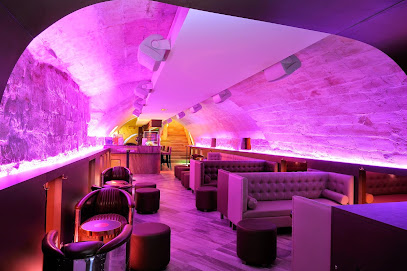
L'Odyssée Discothèque - Laon
63.7 km
Discover the vibrant nightlife of Laon at L'Odyssée Discothèque, where music, dancing, and fun come together for an unforgettable experience.
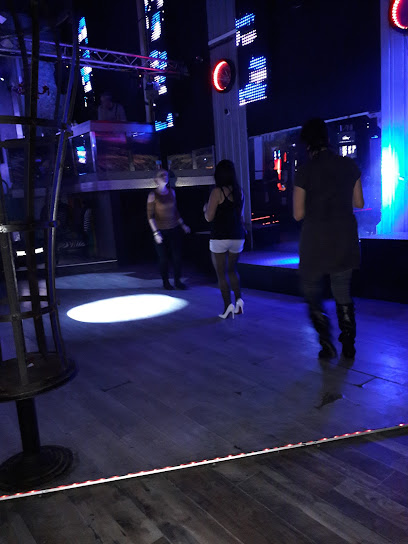
Le Loft - Soissons
68.0 km
Explore the vibrant nightlife of Soissons at Le Loft, a disco club offering unforgettable dance experiences and a lively atmosphere.
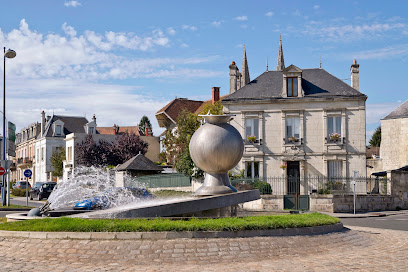
Cap'tain
71.7 km
Experience the vibrant energy of Cap'tain, Rumes' premier night club, where music, dance, and unforgettable nights come together.
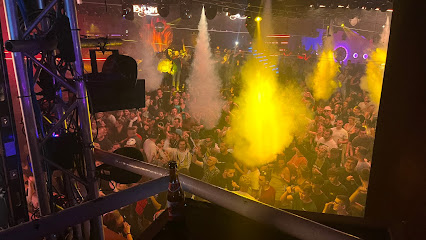
La Maison
77.3 km
Discover the electrifying nightlife of Lille at La Maison, a top-rated night club offering unforgettable experiences and vibrant entertainment.
Le Palais Lounge
77.7 km
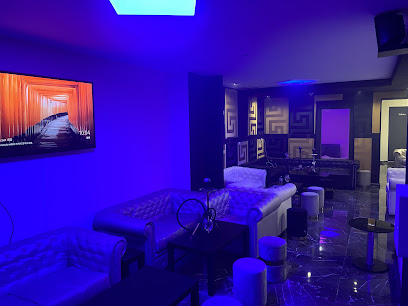
Discover the vibrant energy of Le Palais Lounge in Lille, where modern decor meets traditional hookah experiences for a memorable night out.
B-Floor
77.8 km
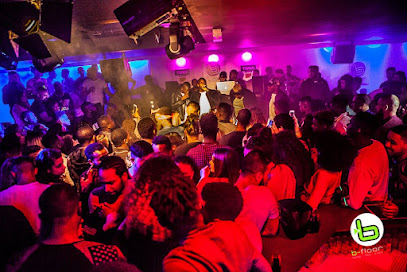
Experience Lille's nightlife at B-Floor, a lively night club offering eclectic music, vibrant crowds, and unforgettable moments.
Duke's Club
78.1 km
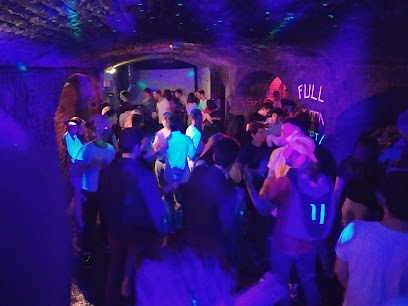
Experience the pulsating nightlife of Lille at Duke's Club, where music, dancing, and unforgettable memories await you.