Château Lagrange Travel Guide
Free Guide: Discover Château Lagrange, a Third Growth classified estate in Saint-Julien-Beychevelle, where centuries of winemaking tradition blend with modern innovation for an unforgettable Bordeaux experience.


A brief summary of Château Lagrange
Discover Château Lagrange, a Third Growth classified estate in Saint-Julien-Beychevelle, where centuries of winemaking tradition blend with modern innovation for an unforgettable Bordeaux experience.
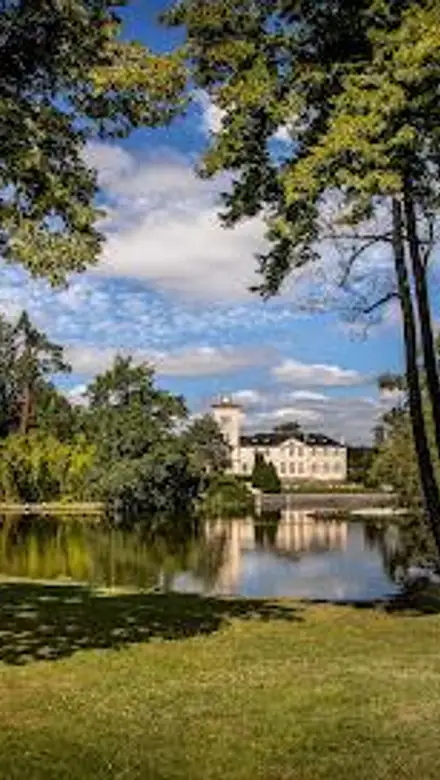
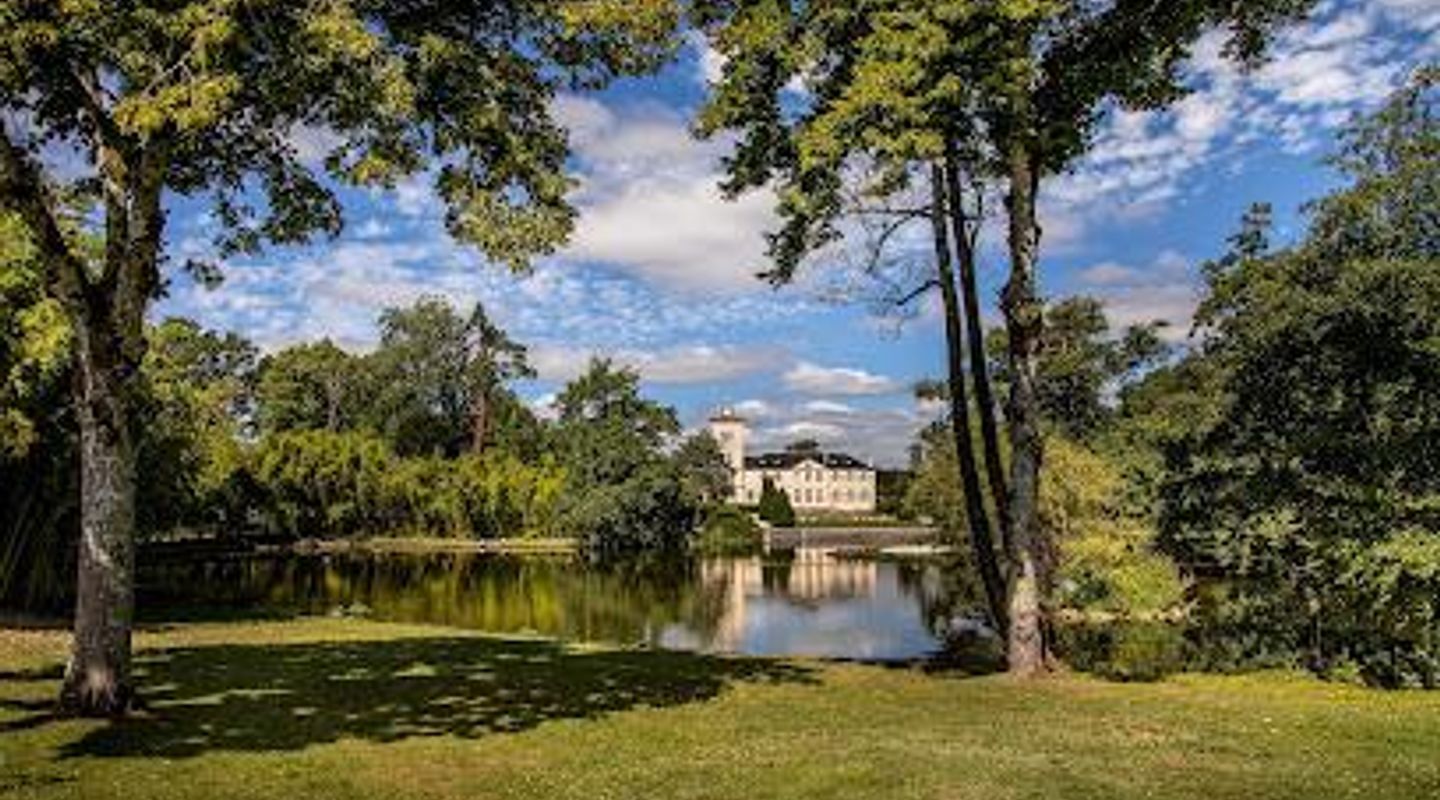
Château Lagrange, a Third Growth classified estate in Saint-Julien-Beychevelle, boasts a rich history dating back to the Middle Ages. Once known as the Noble House of Lagrange Monteil, the estate has evolved through centuries of ownership, including a period under Baron de Brane. The estate's transformation into a renowned wine producer began in 1842 with Count Duchâtel's innovative drainage system. Today, under Suntory ownership since 1983, Château Lagrange blends tradition with modern techniques, offering visitors immersive tours, tastings, and even cooking classes that fuse local flavors with Japanese culinary artistry. Explore the vineyards, cellars, and the iconic Tuscan-style tower, and discover the secrets behind its exceptional wines.
Opening hours
- Mon8 am–5:30 pm
- Tue8 am–5:30 pm
- Wed8 am–5:30 pm
- Thu8 am–5:30 pm
- Fri8 am–5:30 pm
- SatClosed
- SunClosed
Opening hours as listed on the venue’s Google Business Profile. Hours can change for services and special events, so check with the venue before you go.
- Address
- Château Lagrange, 33250 Saint-Julien-Beychevelle
- Phone
- Website
Getting there
Driving
Public Transport
Taxi/Ride-Share
Discover more about Château Lagrange
Overview
Château Lagrange, a prestigious winery in the Saint-Julien appellation of Bordeaux, France, carries a legacy that stretches back to the Middle Ages. Originally known as Maison Noble de Lagrange Monteil, historical records mention the vineyard as early as 1631. The term "grange" at that time signified a large estate encompassing a church, hospital, farm buildings, and residences. Vestiges of this past remain in the names of some of the property's plots, such as "l'hôpital" and "la chapelle". In the 18th century, the Branne family of Bordeaux expanded the vineyard, transforming Lagrange into one of the Médoc's finest properties. Thomas Jefferson, then the United States Ambassador to France and a passionate wine enthusiast, visited Château Lagrange in 1787. He ranked Château Lagrange as a Third Classified Growth in his personal classification of Médoc wines, a testament to its early reputation. Jean-Valère Cabarrus, from a renowned wine merchant family, took over the estate in 1790. He focused on developing the viticultural aspects of the estate and constructed the classic-style main house on the site of the former manor. In 1842, Count Duchâtel, Home Secretary to King Louis Philippe, acquired the property. His dedication was so profound that he left his political career to devote himself entirely to elevating Château Lagrange's status. Duchâtel implemented a pioneering land drainage system using ceramic pipework manufactured on-site, a forward-thinking approach for the time. He also championed early treatments against powdery mildew and housed nearly 250 employees on the estate, setting an example of benevolent management and autonomous vision. Lagrange was awarded the rank of Third Classified Growth in the official 1855 classification, solidifying its place among Bordeaux's elite wines. The estate became a hub for high society, hosting lavish receptions and inviting artists to draw inspiration from the picturesque landscapes. However, the estate faced challenges in subsequent years, including the phylloxera crisis, World Wars, vine diseases, and economic downturns. In 1983, Keizo Saji, son of the founder of Suntory, acquired the property from the Cendoya family, who had owned it since 1925. Suntory's investment and commitment led to a comprehensive restoration of Château Lagrange's prestigious image. Under the direction of Marcel Ducasse, the vineyards and cellars were revitalized, blending tradition with modern techniques. Today, Château Lagrange spans 157 hectares in the Médoc, with 118 hectares planted with vines. The vineyard is planted with 67% Cabernet Sauvignon, 28% Merlot, and 5% Petit Verdot. The estate also has a small vineyard dedicated to white varieties, including Sauvignon Blanc, Sémillon, and Muscadelle. Château Lagrange produces three wines: the eponymous grand vin, Les Fiefs de Lagrange (the second wine), and Les Arums de Lagrange (a white wine). Visitors are welcome at Château Lagrange, where they can explore the estate's rich history and exceptional terroir. The experience includes guided tours of the vineyards and cellars, wine tastings, and blending workshops. For a unique culinary experience, guests can participate in cooking classes led by the in-house chef, Taichi Sato, who creates fusion dishes that combine local Médoc products with Japanese culinary techniques. The iconic Tuscan-style tower, built in 1845 according to the plans of architect Louis Visconti, stands as a testament to the estate's visionary outlook and long-term approach. Château Lagrange's location in Saint-Julien-Beychevelle places it among other renowned estates, close to Château Gruaud Larose and Château Branaire Ducru. The slopes of the vineyards reach up to 24 meters, the highest elevation in the Saint-Julien appellation, providing optimal conditions for grape growing. The estate's commitment to excellence and its blend of history, tradition, and innovation make it a must-visit destination for wine enthusiasts seeking an immersive Bordeaux experience. The meticulous attention to detail in the vineyard, combined with the expertise of the winemaking team, results in elegant, powerful wines that age gracefully, reflecting the unique terroir of Château Lagrange.
Evendo Review Centre
 Google
Guest reviews
Explore Château Lagrange on the map
A handpicked selection of must-see spots near Château Lagrange, mapped for you.
Get your free copy of our complete guide to Château Lagrange, delivered straight to you.
Everything on this page, from opening hours and how to get there to Eve’s tips and the best time to go, in one PDF you can read offline, print or share.
Already have an account? Sign in
Your Château Lagrange guide is ready.
We'll send it to · Not you? Sign out

Getting your guide ready…
We are putting together a fresh copy of the Château Lagrange guide. This can take up to a minute.
This can take a few moments. If your browser asks, choose Allow so the download can start. You'll find the guide in your Downloads folder.
Nothing happened? Download it again
Sorry, the guide is taking longer than usual. Please try again in a minute, or get it by email instead.
Other nearby places you may find interesting
The closest places of the same kind, if this one is not quite what you had in mind.
-
-
-
-
-


Swipe for more places
More to explore near Château Lagrange

 Best experiences near Château Lagrange

 Best hotels near Château Lagrange

 Best landmarks near Château Lagrange

 Best attractions near Château Lagrange

 Best shops near Château Lagrange

 Best restaurants near Château Lagrange

 Best bars near Château Lagrange
Do you manage this location?
Take control to get all the benefits, like improved information, better appearance, and stronger visibility across AI-powered discovery.
Explore more
Explore more of Aquitaine
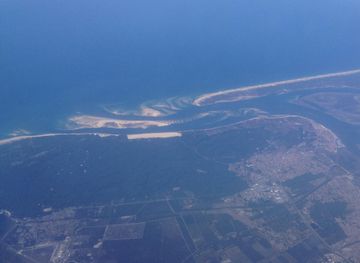
Discover Aquitaine, a stunning region in southwestern France known for its beautiful beaches, historic towns, and world-famous Bordeaux wines.
Explore Aquitaine
Explore more of France
Explore France: A land of romance, history, and unparalleled beauty, from the iconic streets of Paris to the serene landscapes of Provence and the luxury of the French Riviera.
Explore France