

Musée d'Aquitaine Travel Guide
Free Guide: Explore 400,000 years of history at Musée d'Aquitaine in Bordeaux, from prehistoric times to the present day, through captivating exhibits and collections. Discover the rich heritage of the Aquitaine region.


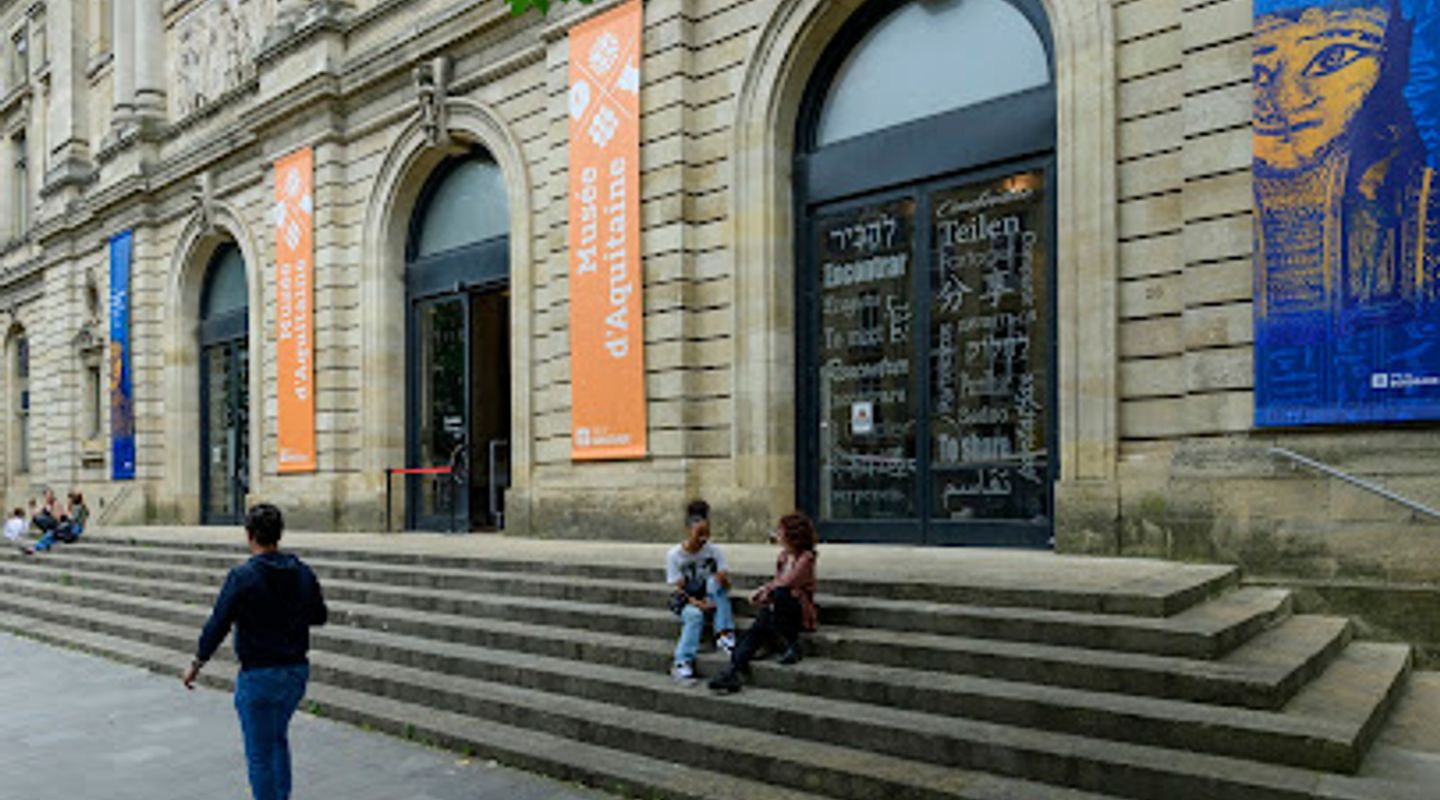
A brief summary of Musée d'Aquitaine
Explore 400,000 years of history at Musée d'Aquitaine in Bordeaux, from prehistoric times to the present day, through captivating exhibits and collections. Discover the rich heritage of the Aquitaine region.
The Musée d'Aquitaine in Bordeaux invites visitors on a captivating journey through the history of Bordeaux and the Aquitaine region, from prehistoric times to the present day. Housed in the former Faculty of Letters and Sciences, the museum boasts an extensive collection of over 70,000 artifacts, encompassing archaeology, ethnography, and regional history. Explore exhibits detailing the region's Roman past, the era of Eleanor of Aquitaine, the impact of Atlantic trade and slavery, and Bordeaux's role as a major port. With its diverse collection and engaging presentation, the Musée d'Aquitaine offers a comprehensive and insightful look into the rich heritage of this corner of France. The museum also hosts temporary exhibitions and offers activities for children, making it a worthwhile destination for all ages. Don't miss the tomb of Michel de Montaigne, a celebrated humanist, located within the museum's walls.
Opening hours
- MonClosed
- Tue11 am–6 pm
- Wed11 am–6 pm
- Thu11 am–6 pm
- Fri11 am–6 pm
- Sat11 am–6 pm
- Sun11 am–6 pm
Opening hours as listed on the venue’s Google Business Profile. Hours can change for services and special events, so check with the venue before you go.
- Address
- 20 Cr Pasteur, 33000 Bordeaux
- Phone
- Website
Getting there
Public Transport
Walking
Taxi/Ride-Share
Driving
Discover more about Musée d'Aquitaine
Overview
The Musée d'Aquitaine stands as one of France's largest regional history museums outside of Paris, offering a deep dive into the story of Bordeaux and the Aquitaine region. From its prehistoric roots to its modern-day identity, the museum presents a comprehensive narrative through an impressive collection of artifacts and documents. Housed in the historic former Faculty of Letters and Sciences, the museum itself is a testament to Bordeaux's rich past. The building's origins trace back to a convent of the Feuillants in the 16th century. After being destroyed during the Revolution, it was rebuilt as a high school, which later burned down in 1871 before becoming the university. The Musée d'Aquitaine officially took its name in 1962, merging collections from various museums across Bordeaux. In 1987, it found its permanent home in the Cours Pasteur building. The museum's permanent collections are spread across two floors, guiding visitors through different eras and themes. The ground floor showcases the region's ancient history, from prehistoric tools and Roman artifacts to medieval relics. Highlights include exhibits on the Roman Empire's influence, the Middle Ages, and the early modern period. Ascending to the first floor, visitors encounter exhibits focusing on more recent history, including Bordeaux's pivotal role in Atlantic trade and the darker legacy of slavery. These exhibits provide a nuanced and thought-provoking exploration of Bordeaux's complex past. The museum also features displays on world cultures and the city's development during the 19th and 20th centuries, highlighting its importance as a global port. One of the museum's most compelling sections delves into Bordeaux's involvement in the 18th-century "triangular trade," a system that connected Europe, Africa, and the Americas through the exchange of goods and enslaved people. This exhibition confronts the city's role in the transatlantic slave trade, acknowledging the immense suffering it caused and prompting reflection on its lasting impact. Beyond its permanent collections, the Musée d'Aquitaine hosts temporary exhibitions throughout the year, exploring diverse themes related to history, culture, and society. These exhibitions offer fresh perspectives and complement the museum's core narrative. The Musée d'Aquitaine is not just a repository of artifacts; it's a dynamic center for learning and engagement. The museum offers a variety of programs and activities for visitors of all ages, including guided tours, workshops, lectures, and film screenings. Families with children can take advantage of special activities designed to make history accessible and engaging for young learners. Notably, the tomb of Michel de Montaigne, one of France's most celebrated humanists and philosophers, is located within the museum's walls. Montaigne, who served as the mayor of Bordeaux in the 16th century, is renowned for his influential essays, which explored themes of self-reflection, skepticism, and tolerance. His presence within the museum adds another layer of historical significance to the site. The museum also houses the collections of the Centre National Jean Moulin, dedicated to the history of the Second World War, and the collection of graphic arts from the Goupil publishing house. These additions further enrich the museum's holdings and provide visitors with a more comprehensive understanding of the region's past. The Musée d'Aquitaine is committed to accessibility, ensuring that its collections and programs are available to all visitors. The museum offers facilities for people with reduced mobility and provides resources for visitors with visual or hearing impairments. Located on Cours Pasteur, the Musée d'Aquitaine is easily accessible by public transportation. The Musée d'Aquitaine tram stop on Line B is located directly in front of the museum's entrance. Several bus lines also serve the area, and parking is available in nearby garages. Visiting the Musée d'Aquitaine is an enriching experience that provides a deeper understanding of Bordeaux and the Aquitaine region. Whether you're a history buff, a culture enthusiast, or simply curious about the world around you, this museum offers something for everyone. Allow ample time to explore the museum's extensive collections and engage with its thought-provoking exhibits. The Musée d'Aquitaine is more than just a museum; it's a gateway to the past and a window into the soul of Bordeaux. Currently, the Musée d'Aquitaine is undergoing renovations and is scheduled to reopen in Spring 2025. This renovation aims to improve accessibility and enhance the visitor experience, ensuring that the museum remains a vital cultural institution for years to come. During the closure, visitors can still explore the museum's collections online and participate in virtual programs. When planning your visit to Bordeaux, be sure to include the Musée d'Aquitaine on your itinerary. This exceptional museum offers a unique opportunity to delve into the history, culture, and heritage of this fascinating region of France.
Evendo Review Centre
 Google
Guest reviews
Explore Musée d'Aquitaine on the map
A handpicked selection of must-see spots near Musée d'Aquitaine, mapped for you.
Get your free copy of our complete guide to Musée d'Aquitaine, delivered straight to you.
Everything on this page, from opening hours and how to get there to Eve’s tips and the best time to go, in one PDF you can read offline, print or share.
Already have an account? Sign in
Your Musée d'Aquitaine guide is ready.
We'll send it to · Not you? Sign out

Getting your guide ready…
We are putting together a fresh copy of the Musée d'Aquitaine guide. This can take up to a minute.
This can take a few moments. If your browser asks, choose Allow so the download can start. You'll find the guide in your Downloads folder.
Nothing happened? Download it again
Sorry, the guide is taking longer than usual. Please try again in a minute, or get it by email instead.
Unlock the best of Musée d'Aquitaine
Skip-the-line tickets, guided tours with entry, and walking tours of the area, booked in a few clicks.


Other nearby places you may find interesting
The closest places of the same kind, if this one is not quite what you had in mind.
-
-
-
-
-


Swipe for more places
More to explore near Musée d'Aquitaine

 Best experiences near Musée d'Aquitaine
 Best hotels near Musée d'Aquitaine
 Best landmarks near Musée d'Aquitaine
 Best attractions near Musée d'Aquitaine
 Best shops near Musée d'Aquitaine
 Best restaurants near Musée d'Aquitaine
 Best bars near Musée d'Aquitaine
Do you manage this location?
Take control to get all the benefits, like improved information, better appearance, and stronger visibility across AI-powered discovery.
Explore more
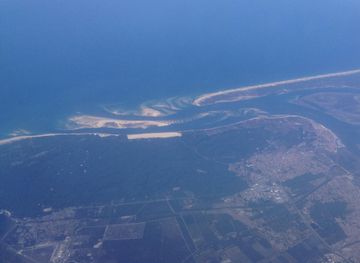
Explore more of Aquitaine
Discover Aquitaine, a stunning region in southwestern France known for its beautiful beaches, historic towns, and world-famous Bordeaux wines.
Explore Aquitaine
Explore more of France
Explore France: A land of romance, history, and unparalleled beauty, from the iconic streets of Paris to the serene landscapes of Provence and the luxury of the French Riviera.
Explore France
