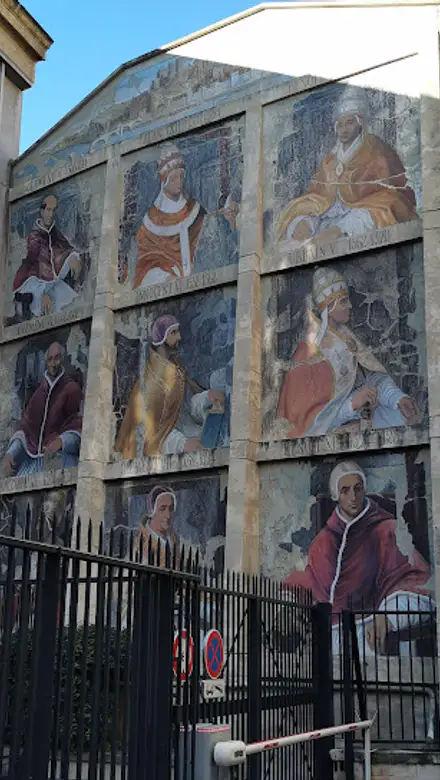
Bild der Päpste von Avignon, Avignon Travel Guide
Free Guide: Discover Avignon's papal past at the 'Image of the Popes,' a historical site on Rue Dorée offering a glimpse into the era when Avignon served as the center of Christianity.


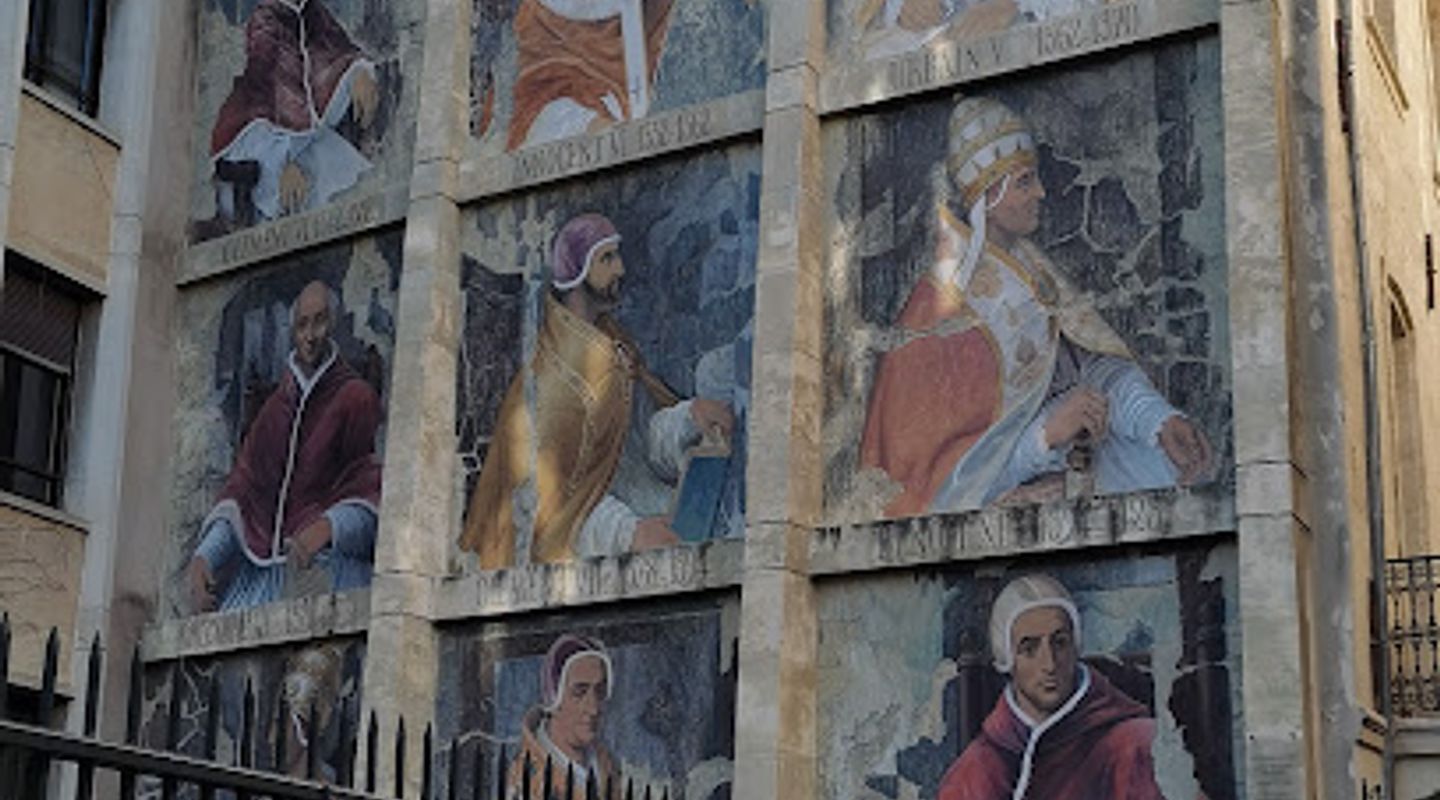
A brief summary of Bild der Päpste von Avignon
Discover Avignon's papal past at the 'Image of the Popes,' a historical site on Rue Dorée offering a glimpse into the era when Avignon served as the center of Christianity.
The 'Image of the Popes of Avignon' is a captivating historical site nestled in the heart of Avignon, France, offering visitors a unique glimpse into the city's papal past. Located on Rue Dorée, this attraction provides an opportunity to delve into the era when Avignon served as the center of Christianity. While the specific nature of the 'image' itself requires further exploration, its presence in Avignon, a city steeped in papal history, makes it a compelling point of interest for history enthusiasts and curious travelers alike. The attraction is near other landmarks such as Palais des Papes and Pont d'Avignon. The site is easily accessible and provides a reflective pause amidst the vibrant atmosphere of Avignon. Discover the stories and legacies of the popes who once shaped this city and left an indelible mark on European history.
- Address
- 2 Rue Dorée, 84000 Avignon
Getting there
Walking
Public Transport
Taxi/Ride-Share
Driving
Discover more about Bild der Päpste von Avignon
Overview
Avignon, a city in the Provence region of southern France, is renowned for its rich history, stunning architecture, and, most notably, its papal past. From 1309 to 1376, Avignon served as the seat of the papacy, a period during which seven popes resided in the city. This era left an indelible mark on Avignon, transforming it into a major religious and political center. The 'Image of the Popes of Avignon,' situated on Rue Dorée, stands as a testament to this significant chapter in the city's history, inviting visitors to explore the legacies of the pontiffs who once called Avignon home. The story of the Avignon papacy begins in the early 14th century when Pope Clement V, facing political turmoil in Rome, decided to relocate the papal court to Avignon. This move was influenced by the growing power of the French monarchy and the desire for a more stable and secure environment. Clement V's decision marked the beginning of a nearly 70-year period during which Avignon became the epicenter of the Christian world. During their time in Avignon, the popes oversaw the construction of the Palais des Papes, a magnificent palace that stands as one of the most important medieval Gothic buildings in Europe. The palace served not only as the pope's residence but also as the administrative center of the Church. Its imposing architecture and lavish interiors reflected the power and wealth of the papacy during this period. The Avignon popes were instrumental in shaping the religious and political landscape of Europe. They implemented reforms within the Church, promoted missionary work, and played a key role in international diplomacy. However, their tenure in Avignon was not without controversy. Critics accused the popes of being too influenced by the French monarchy and of indulging in worldly pleasures. The 'Image of the Popes of Avignon' serves as a reminder of the complex and fascinating history of the Avignon papacy. While the specific nature of the 'image' itself requires further investigation, its presence in Avignon underscores the city's enduring connection to this pivotal era. Visitors to the site can reflect on the lives and legacies of the popes who once shaped the destiny of Avignon and left an indelible mark on European history. Exploring Avignon today is like stepping back in time. The city's well-preserved medieval architecture, including the Palais des Papes, the Pont d'Avignon, and the city walls, evokes the atmosphere of the 14th century. Walking through the narrow streets and squares, one can almost imagine the bustling activity of the papal court and the throngs of pilgrims who flocked to Avignon seeking spiritual guidance. The 'Image of the Popes of Avignon' is more than just a historical site; it is a portal to a bygone era. It invites visitors to contemplate the complexities of faith, power, and politics in medieval Europe. Whether you are a history buff, a religious scholar, or simply a curious traveler, a visit to this site is sure to be a rewarding and enlightening experience. To fully appreciate the significance of the 'Image of the Popes of Avignon,' it is essential to understand the broader context of the Avignon papacy. This period was marked by both great achievements and significant challenges for the Church. The popes in Avignon faced criticism for their perceived worldliness and their close ties to the French monarchy. However, they also implemented important reforms and played a crucial role in international affairs. The return of the papacy to Rome in 1376 marked the end of an era for Avignon. However, the city's papal past continues to resonate in its architecture, its culture, and its collective memory. The 'Image of the Popes of Avignon' stands as a symbol of this enduring legacy, inviting visitors to delve into the stories of the men who once ruled the Christian world from this remarkable city. Avignon is more than just a city of popes; it is also a vibrant cultural center with a thriving arts scene. The annual Avignon Festival, held every summer, transforms the city into a stage for theater, dance, music, and film. The festival attracts artists and audiences from around the world, adding a contemporary layer to Avignon's rich historical tapestry. Whether you are exploring the Palais des Papes, strolling along the Pont d'Avignon, or attending a performance at the Avignon Festival, you will be immersed in the unique atmosphere of this captivating city. The 'Image of the Popes of Avignon' serves as a focal point for understanding the city's past and appreciating its present. It is a reminder that Avignon is a city where history and culture converge, offering visitors an unforgettable experience.
Evendo Review Centre
 Google
Guest reviews
Explore Bild der Päpste von Avignon on the map
A handpicked selection of must-see spots near Bild der Päpste von Avignon, mapped for you.
Get your free copy of our complete guide to Bild der Päpste von Avignon, delivered straight to you.
Everything on this page, from opening hours and how to get there to Eve’s tips and the best time to go, in one PDF you can read offline, print or share.
Already have an account? Sign in
Your Bild der Päpste von Avignon guide is ready.
We'll send it to · Not you? Sign out

Getting your guide ready…
We are putting together a fresh copy of the Bild der Päpste von Avignon guide. This can take up to a minute.
This can take a few moments. If your browser asks, choose Allow so the download can start. You'll find the guide in your Downloads folder.
Nothing happened? Download it again
Sorry, the guide is taking longer than usual. Please try again in a minute, or get it by email instead.
Other nearby places you may find interesting
The closest places of the same kind, if this one is not quite what you had in mind.
-
-
-
-
-


Swipe for more places
More to explore near Bild der Päpste von Avignon
-
 Best experiences near Bild der Päpste von Avignon
-
 Best hotels near Bild der Päpste von Avignon
-
 Best landmarks near Bild der Päpste von Avignon
-
 Best attractions near Bild der Päpste von Avignon
-
 Best shops near Bild der Päpste von Avignon
-
 Best restaurants near Bild der Päpste von Avignon
-
 Best bars near Bild der Päpste von Avignon


Do you manage this location?
Take control to get all the benefits, like improved information, better appearance, and stronger visibility across AI-powered discovery.
Explore more
Explore more of Avignon
Discover the historic charm, cultural vibrancy, and culinary delights of Avignon, the heart of Provence and a UNESCO World Heritage site.
Explore Avignon
Explore more of France
Explore France: A land of romance, history, and unparalleled beauty, from the iconic streets of Paris to the serene landscapes of Provence and the luxury of the French Riviera.
Explore France