
Château du Hâ, Bordeaux Wine Region Travel Guide
Explore Château du Hâ in Bordeaux, a historic fortress turned judicial center, showcasing medieval architecture and centuries of French history, from royal bastion to state prison.
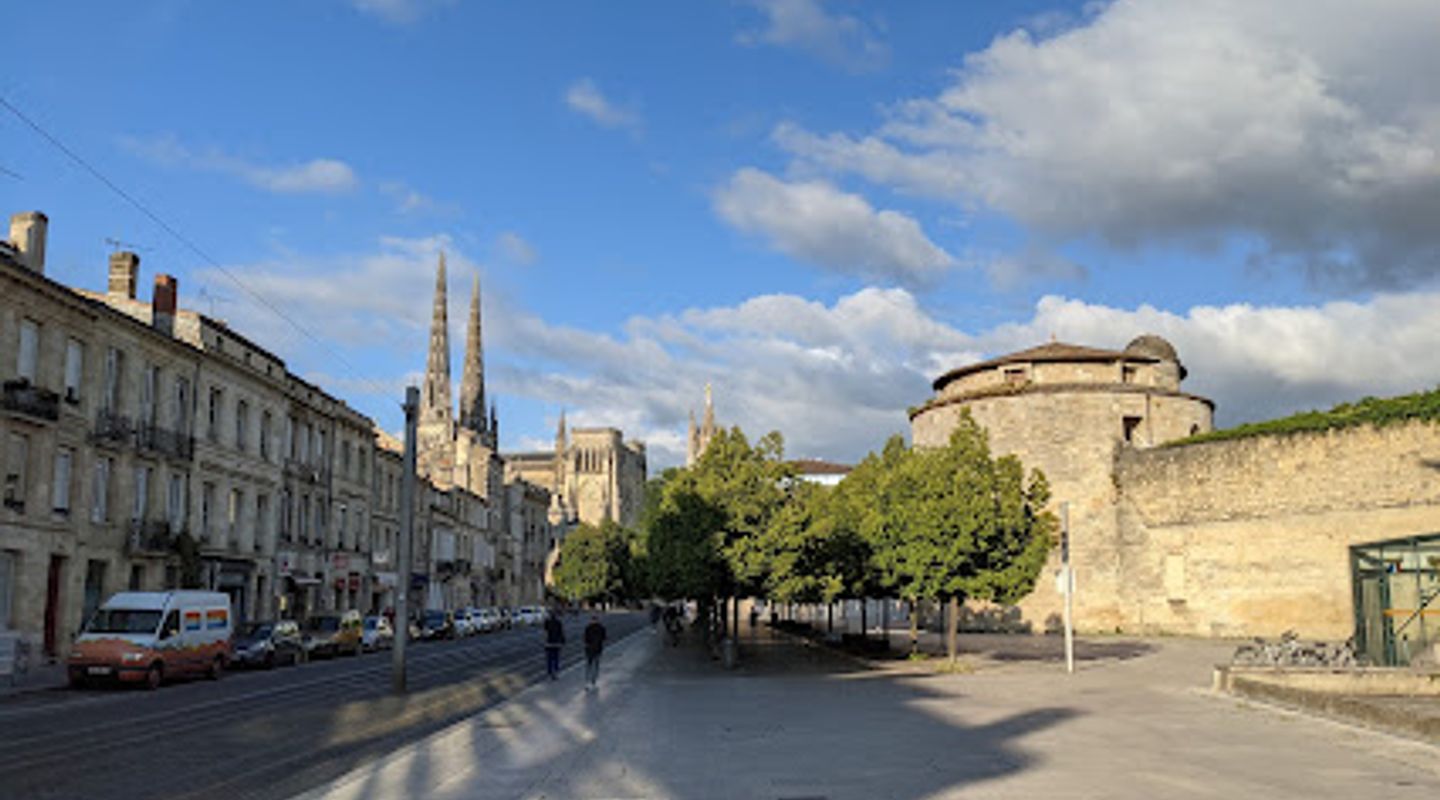
Château du Hâ, a historical landmark in Bordeaux, stands as a testament to the city's rich and complex past. Originally built in the 15th century by King Charles VII after the Hundred Years' War, it served as both a military fortress and a symbol of royal authority. Over the centuries, it transformed from a bastion and palace into a prison, and eventually, the home of the National School of Magistrates and the High Court. Today, only two of its original towers remain, offering a glimpse into the medieval architecture and turbulent history of Bordeaux. While public access is limited, the exterior view provides a striking contrast between the ancient structure and the modern city, making it a compelling stop for history enthusiasts and curious travelers alike. Its location in the heart of Bordeaux makes it easily accessible and a worthwhile addition to any exploration of the city's historical sites.
A brief summary to Château du Hâ
- 10 Rue des Frères Bonie, Bordeaux, 33000, FR

Know before you go
Hi, I'm Eve. Here are a few practical things to know before exploring Château du Hâ.
- Check for occasional guided tours, especially during Heritage Days, to access the interior and learn more about the Château's history.
- Explore the surrounding area to appreciate the contrast between the medieval towers and the modern architecture of the judicial buildings.
- Visit nearby cafes and restaurants to experience Bordeaux's vibrant culture and culinary scene.
Do you manage this location?
Take control to get all the benefits, like improved information, better appearance, and stronger visibility across AI-powered discovery. Learn more about listing your business on Evendo
Activate your presenceOther nearby places you may find interesting
The closest places of the same kind, if this one is not quite what you had in mind.

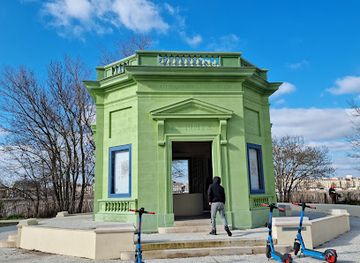
Explore Château du Hâ on the Map
A handpicked selection of must-see spots near Château du Hâ, mapped for you.
Unlock the Best of Château du Hâ
Buy tickets
-
No tickets available
Book tours with entry


Book tours without entry
-
No tours available
Getting There
-
Public Transport
To reach Château du Hâ via public transport, take Tram line A, B, C or D to the Hôtel de Ville station. From there, walk approximately 5 minutes north along Rue des Frères Bonie. The Château du Hâ will be on your left. A single journey ticket costs €1.80 and is valid for one hour of travel on the TBM network.
-
Taxi/Ride-Share
From Bordeaux city center, a taxi or ride-share to Château du Hâ will typically cost between €8 and €12, depending on traffic and the specific starting point. The journey usually takes around 5-10 minutes. There are no specific tolls or parking fees to consider when arriving by taxi or ride-share.
-
Walking
Château du Hâ is centrally located and easily accessible by foot from many points in Bordeaux. From Place de la Bourse, walk west along Cours d'Alsace-et-Lorraine, then turn right onto Rue de la Merci. Continue onto Rue des Frères Bonie. The walk is approximately 15 minutes. No costs are associated with walking.
Discover more about Château du Hâ













Your all‑in‑one travel companion app
Explore expert travel guides, compare and book tours, experiences, hotels, and more—all from the palm of your hand. Download now for seamless trip planning wherever your wanderlust takes you.


Explore More of Bordeaux Wine Region
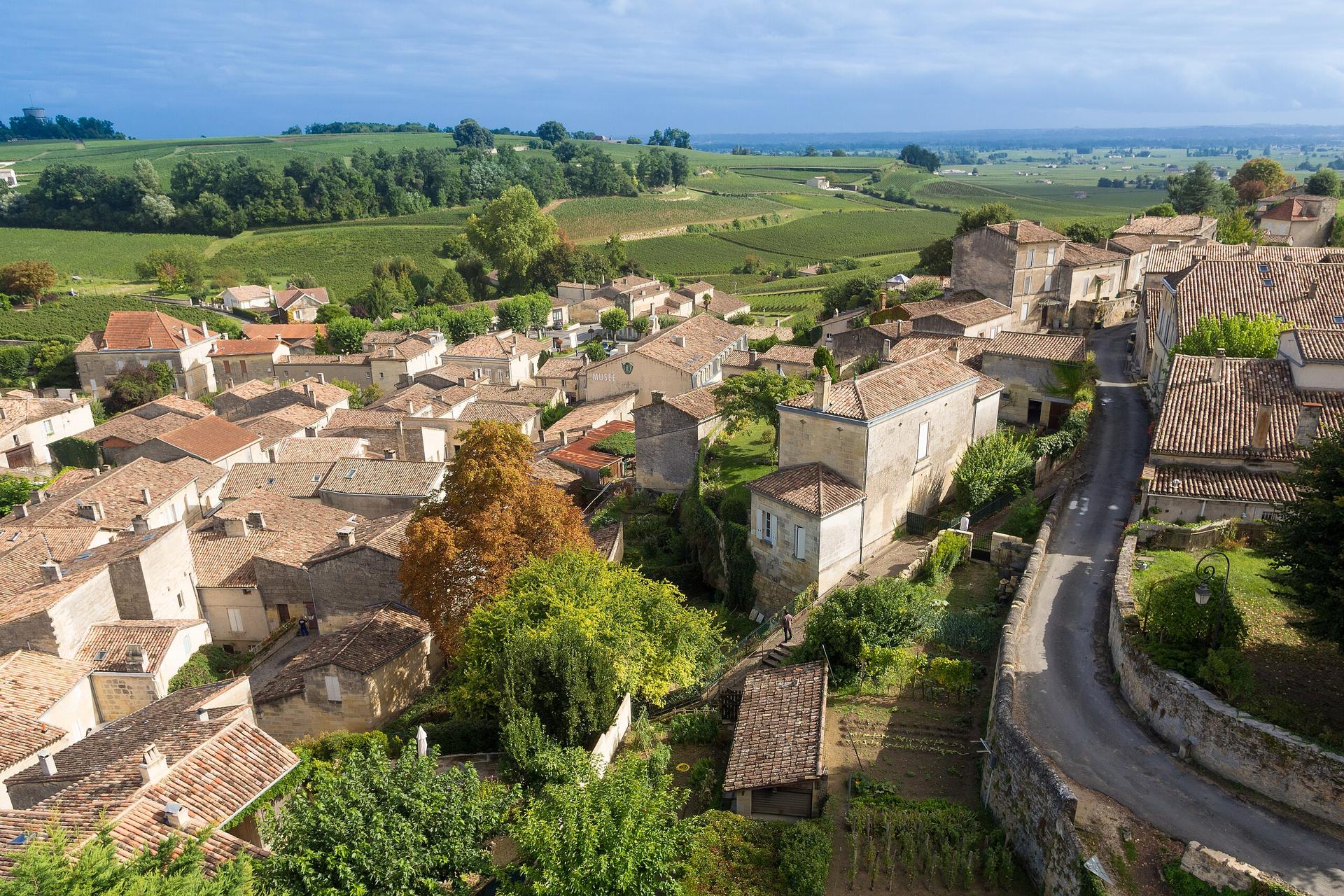
Looking beyond Château du Hâ? Discover Bordeaux Wine Region for broader travel guides, local hot-spots, and regional highlights.
Explore Bordeaux Wine Region
Experience the heart of Bordeaux at Place de la Comédie, where the grandeur of the Grand Théâtre meets the vibrant energy of city life, creating an unforgettable cultural and social hub.

Discover centuries of European art at the Musée des Beaux-Arts de Bordeaux, home to masterpieces by renowned artists and a vibrant cultural hub in the heart of the city.
