Opéra National de Bordeaux - Grand-Théâtre: A Jewel of Neoclassical Architecture
Experience the grandeur of 18th-century neoclassical architecture and world-class performing arts at Bordeaux's iconic Opéra National, a cultural gem in the heart of the city.
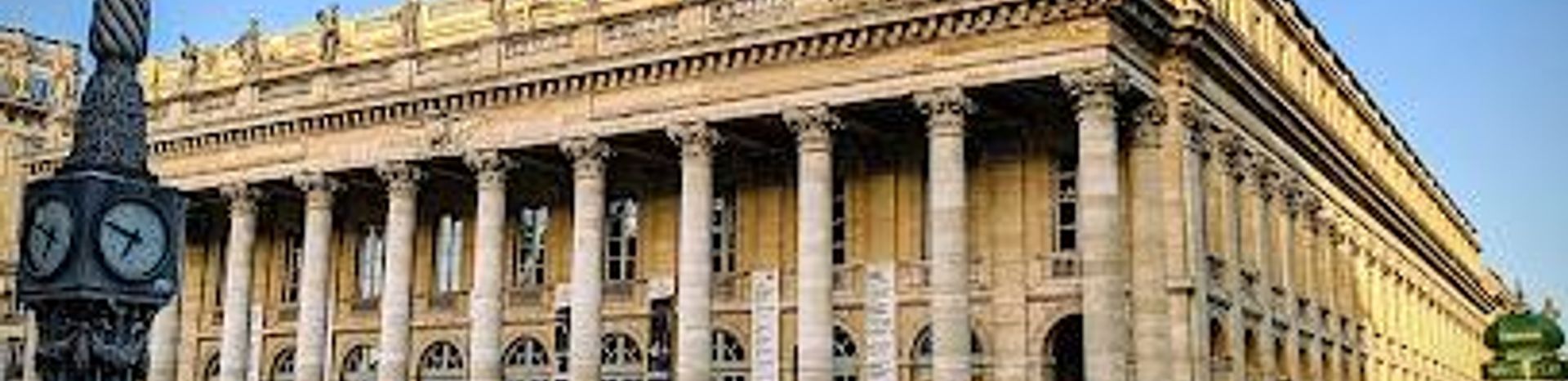
The Opéra National de Bordeaux, housed in the Grand-Théâtre, is a magnificent testament to 18th-century neoclassical architecture and a vibrant hub for performing arts. Designed by architect Victor Louis and inaugurated in 1780, the Grand-Théâtre stands on Place de la Comédie, captivating visitors with its elegant façade, adorned with Corinthian columns and statues representing muses and goddesses. Inside, the opulent auditorium, with its stunning ceiling fresco and exceptional acoustics, provides an unforgettable setting for opera, ballet, and concerts. A guided tour offers a glimpse into the theater's rich history and architectural splendor, while attending a performance allows you to experience the magic of the performing arts in a truly remarkable setting. The Grand-Théâtre is a must-see landmark that embodies the cultural heart of Bordeaux.
A brief summary to Opéra National de Bordeaux - Grand-Théâtre
- Pl. de la Comédie, Bordeaux, 33000, FR
- +33556008595
- Visit website
Local tips
- Book tickets in advance, especially for popular performances, to secure your seat and avoid disappointment.
- Consider taking a guided tour to learn about the theater's rich history and architectural details.
- Dress code is smart casual, so dress to impress for an evening at the opera.
- Arrive early to soak in the atmosphere and admire the theater's stunning interior before the performance begins.
- Check the Opéra National de Bordeaux's website for special events, workshops, and family-friendly performances.

Getting There
-
Public Transport
The Grand-Théâtre is easily accessible via Bordeaux's tram system. Take Tram B to the 'Grand Théâtre' stop, which is directly in front of the theater. Alternatively, Tram C or D will take you to 'Quinconces' station, a short walk (approximately 5 minutes) away along Cours du Chapeau-Rouge. A single one-hour ticket costs €1.80. A 24-hour pass is available for €5, or a 7-day pass for €14.20, offering unlimited travel on trams and buses.
-
Walking
From Place de la Bourse, walk north along Cours du Chapeau-Rouge for approximately 5 minutes. The Grand-Théâtre will be on your left, dominating Place de la Comédie. From Place des Quinconces, walk south along Cours du Chapeau-Rouge; the Grand-Théâtre will be on your right. No costs are involved.
-
Taxi/Ride-Share
Taxis and ride-sharing services are readily available throughout Bordeaux. A short ride from Gare de Bordeaux-Saint-Jean train station to the Grand-Théâtre will typically cost between €12-€18, depending on traffic. Be sure to confirm the fare with the driver or through the app before starting your journey. There is a designated taxi rank on Rue Esprit des Lois, adjacent to Place de la Comédie.
-
Driving
Driving directly to the Grand-Théâtre is not recommended due to its location in a pedestrian zone. However, several parking garages are located nearby. Q-Park Clémenceau and Parking Tourny are both within a short walking distance (5-10 minutes). Expect to pay around €2.50 - €4 per hour for parking. It is advisable to reserve a parking spot in advance, especially during peak season or event evenings, to guarantee availability.
Discover more about Opéra National de Bordeaux - Grand-Théâtre
Iconic landmarks you can’t miss

Pl. de la Comédie
0.0 km
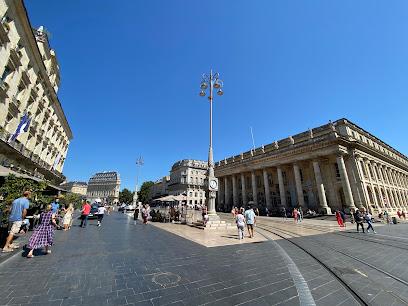
Experience the grandeur of Bordeaux at Place de la Comédie, a historic square where culture, architecture, and vibrant city life converge.
Bodéus, Escultura Janna
0.1 km
Discover Bodéus, an exquisite sculpture in Bordeaux's lively Place de la Comédie, where modern artistry meets historic charm.
The Wine of Bordeaux
0.1 km
Discover Bordeaux's finest wines at La Vinothèque, a historic cellar offering a vast selection and expert guidance since 1973.
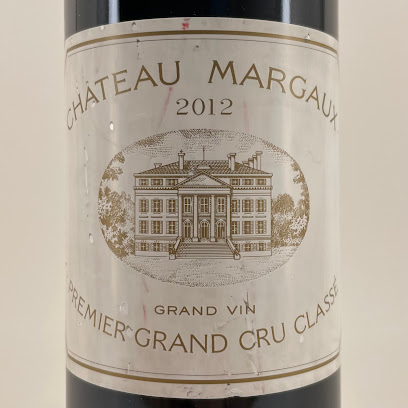
Rendez vous au Chateau - Wine tours in Bordeaux -Dégustation/Visite guidée de vignoble, Circuit/Wine tours journée, Bordeaux
0.1 km
Explore Bordeaux's rich wine heritage at Rendez vous au Chateau with guided tours and tastings in a stunning castle setting.
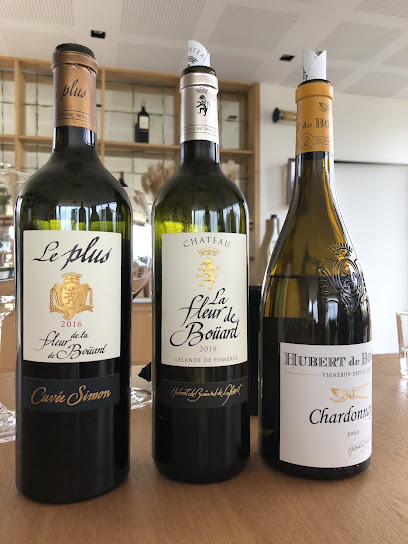
Ophorus Bordeaux Wine Tours pick up point
0.1 km
Explore the vineyards and wineries of Bordeaux with Ophorus Bordeaux Wine Tours, where unforgettable wine experiences await you.
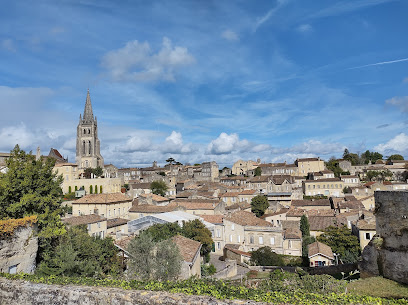
Max Bordeaux / Wine Gallery
0.2 km
Experience Bordeaux's finest wines by the glass in a modern gallery setting. Taste prestigious Grand Crus Classés without buying the bottle.
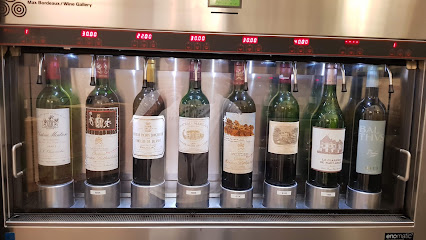
OLALA BORDEAUX - Wine tours & tastings
0.2 km
Explore Bordeaux's rich wine heritage with OLALA BORDEAUX, where immersive tours and tastings await every wine enthusiast.
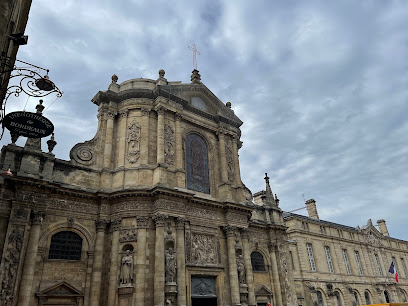
Church of Our Lady of Bordeaux
0.2 km
Discover the Church of Our Lady of Bordeaux, a Baroque gem with a rich history, stunning architecture, and serene atmosphere in the heart of Bordeaux.
Bordeaux Visit
0.2 km
Explore Bordeaux's rich history & culture with passionate local guides. Walking tours & event planning for a memorable experience.
Quality Hotel Bordeaux Centre
0.2 km
Experience Bordeaux's charm from this ideally located hotel, offering comfortable accommodations and easy access to the city's top attractions.

Planète Grands Crus
0.3 km
Explore Bordeaux's esteemed vineyards with guided tours and tastings, unveiling the secrets of world-class winemaking traditions.
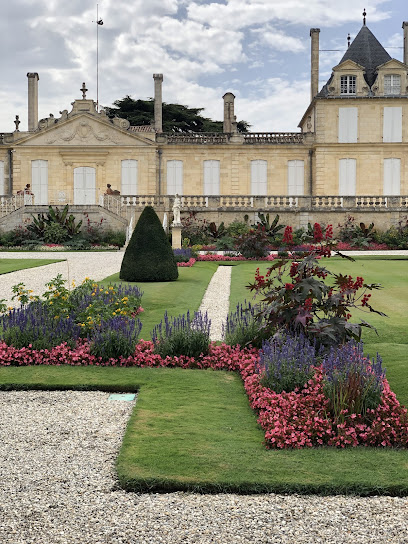
Fontaine du Parlement
0.3 km
A stunning neo-Baroque fountain in Bordeaux's Place du Parlement, designed by Louis-Michel Garros and adorned with sculptures by Edmond Prévot.
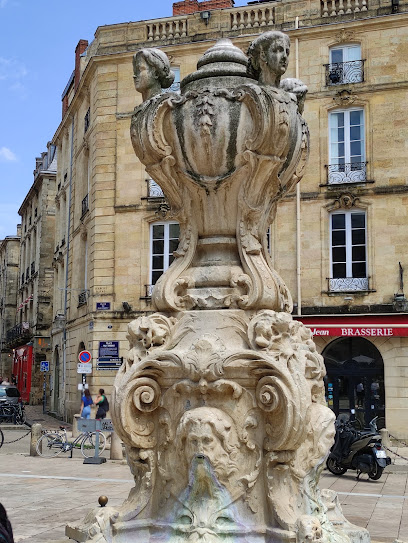
Pl. du Parlement
0.3 km
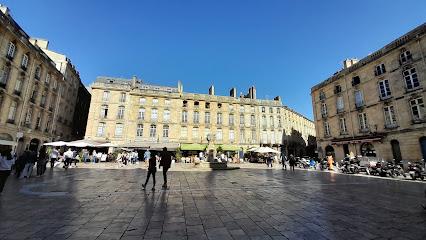
Discover Place du Parlement in Bordeaux: a historic square with stunning architecture, a beautiful fountain, and a lively atmosphere.
Best Of Wine Tourism
0.3 km
Discover Bordeaux's rich wine culture at Best Of Wine Tourism – your gateway to the finest vineyards, tastings, and unforgettable experiences in the Bordeaux region.
Fontaine du Char du Triomphe de la République
0.3 km
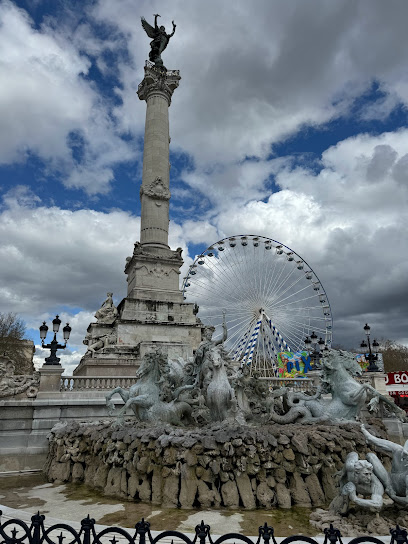
A stunning bronze fountain in Bordeaux's Place des Quinconces, celebrating the triumph of the Republic and commemorating the Girondins.
Unmissable attractions to see

Free Tour Burdeos (10 am y 4 pm)
0.0 km
Experience the heart of Bordeaux at Place de la Comédie, where the grandeur of the Grand Théâtre meets the vibrant energy of city life, creating an unforgettable cultural and social hub.
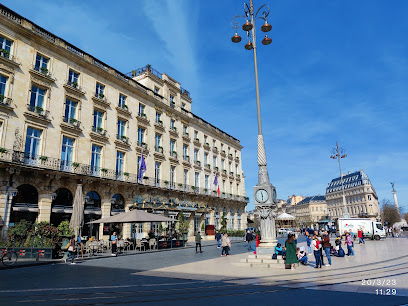
Le Petit Train Touristique de Bordeaux - By FRANCE Voguette
0.1 km
Discover Bordeaux's iconic landmarks and hidden gems on a relaxing and informative 45-minute tour aboard the eco-friendly Petit Train Touristique, departing from Allées de Tourny.
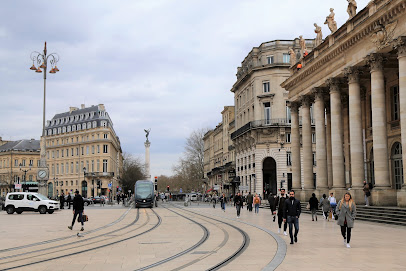
Office de Tourisme et des Congrès de Bordeaux Métropole
0.1 km
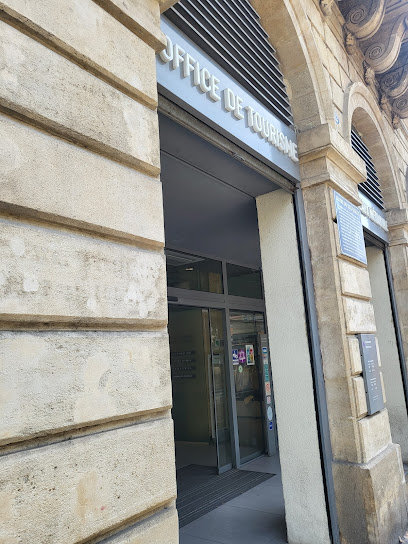
Discover the wonders of Bordeaux at the Office de Tourisme et des Congrès, your essential guide to this enchanting French city.
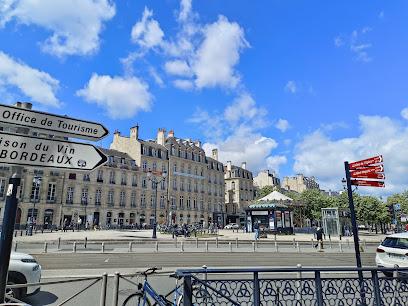
Le Bar à Vin
0.1 km
Discover Bordeaux's exquisite wines at Le Bar à Vin, a chic and accessible wine bar in the heart of the city, offering a diverse selection by the glass in a historic setting.
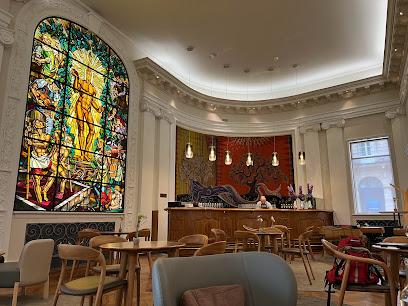
Galerie Bordelaise
0.2 km
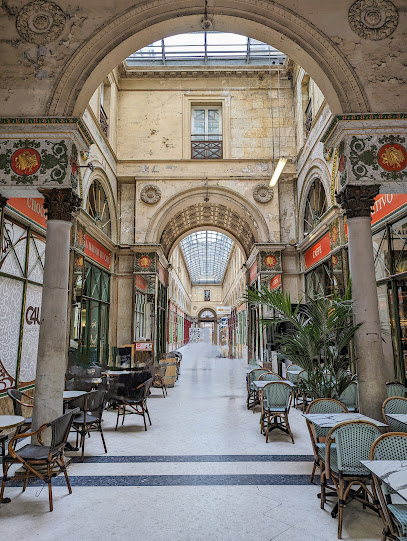
Discover a hidden gem in Bordeaux: Galerie Bordelaise, a 19th-century shopping arcade blending history, architecture, and unique boutiques in an elegant, covered setting.
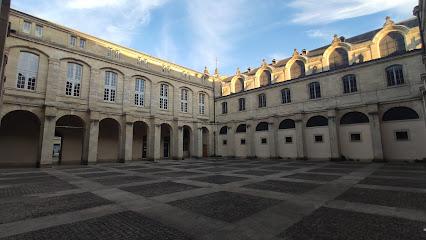
Cour Mably - Salle Capitulaire
0.2 km
Discover Cour Mably in Bordeaux: A historic site transformed into a vibrant cultural hub, hosting art exhibitions, concerts, and events in an architectural gem.
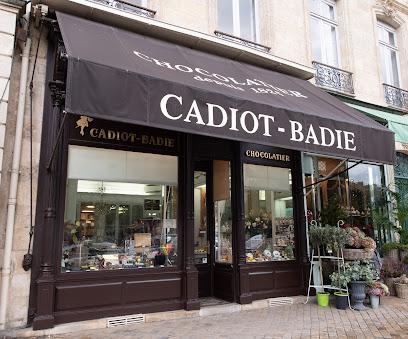
CADIOT-BADIE BORDEAUX
0.2 km
Experience the timeless elegance of Cadiot-Badie, Bordeaux's oldest chocolate house, crafting exquisite confections since 1826 on the prestigious Allées de Tourny.
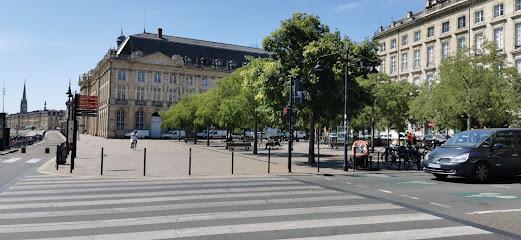
Place Jean Jaurès
0.3 km
Discover Place Jean Jaurès in Bordeaux: a vibrant square steeped in history, surrounded by stunning architecture, and brimming with local culture and lively events.
Place du Parlement
0.3 km
Discover Place du Parlement in Bordeaux: a historic square with stunning 18th-century architecture, a beautiful fountain, and a vibrant cafe culture in the heart of the city.
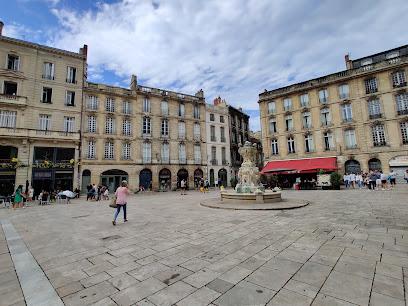
Monument aux Girondins
0.3 km
Discover the Monument aux Girondins in Bordeaux: a majestic tribute to French Revolution ideals set in Europe's grandest square, blending history, art, and freedom.
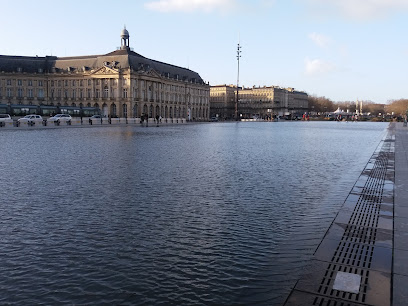
LevЯette Café Bordeaux
0.4 km
Experience Bordeaux's vibrant nightlife at Levrette Café, a unique bar in a former wine cellar offering a wide selection of drinks and a lively atmosphere in the heart of the city.
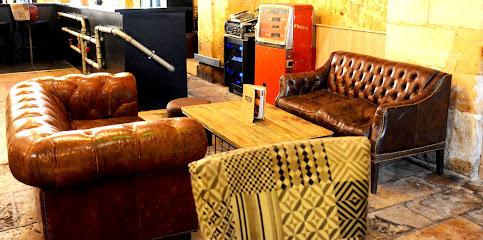
Place de la Bourse
0.4 km
Discover Bordeaux's iconic Place de la Bourse: a stunning 18th-century square, home to the mesmerizing Miroir d'Eau, reflecting the city's rich history and architectural grandeur.
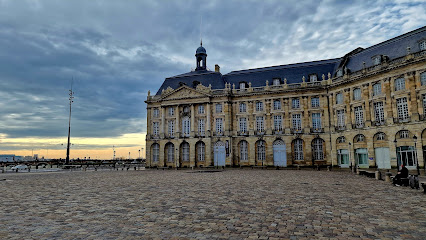
Musée National des Douanes
0.4 km
Discover the fascinating world of French customs at the Musée National des Douanes in Bordeaux, exploring history, art, and seized contraband in a stunning 18th-century setting.
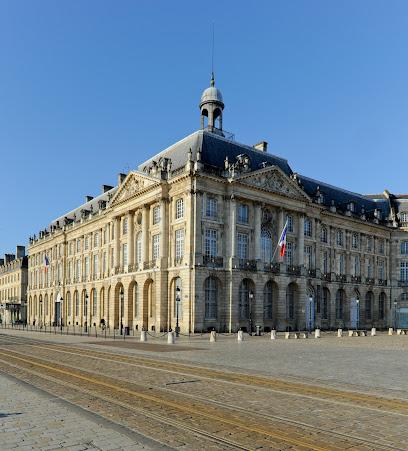
Le Vieux Chaudron
0.4 km
Experience the heart of Bordeaux through its traditional cuisine at Le Vieux Chaudron, a charming restaurant offering authentic flavors and warm hospitality on Rue du Pas-Saint-Georges.
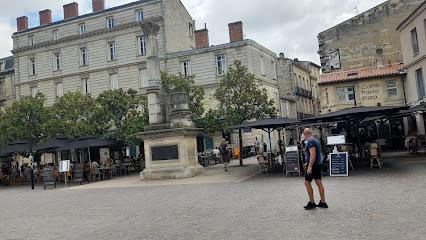
Vinet Garden
0.4 km
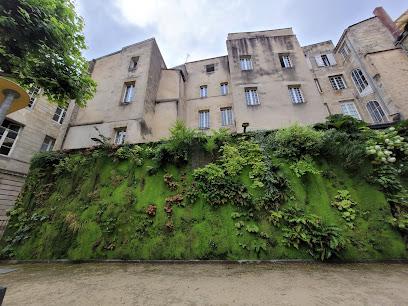
Discover Vinet Garden in Bordeaux: a serene urban oasis featuring a stunning vertical garden, offering a tranquil escape in the heart of the city near Place Camille Jullian.
Essential places to dine

Le Quatrième Mur
0.0 km
Experience the elegance of French fine dining at Le Quatrième Mur in Bordeaux, where culinary artistry meets stunning opera house views.
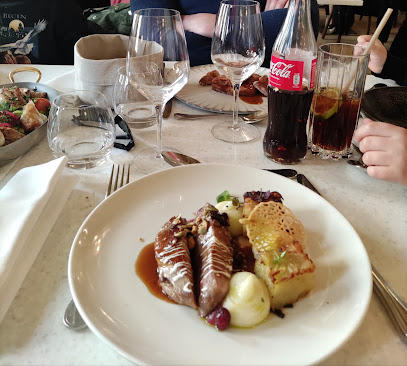
Le Bordeaux
0.0 km
Experience exquisite French cuisine at Le Bordeaux, where tradition meets modern elegance in every dish.
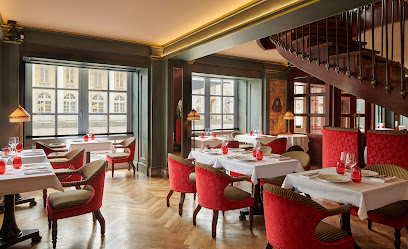
Le Pressoir d'Argent - Gordon Ramsay
0.1 km
Experience unparalleled French cuisine at Le Pressoir d'Argent by Gordon Ramsay in Bordeaux - a fine dining destination for food lovers.
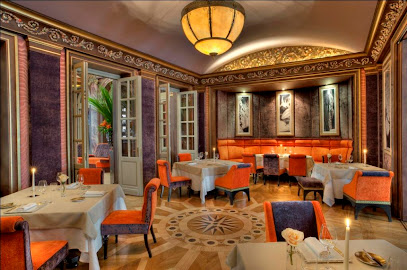
Le Bouchon Bordelais
0.1 km
Discover exquisite French cuisine at Le Bouchon Bordelais in Bordeaux - where tradition meets modern gastronomy.
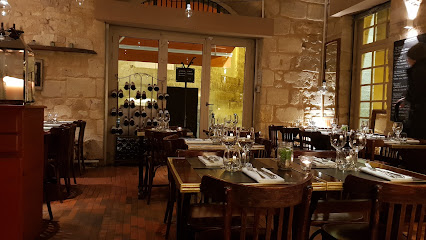
Le Cinq Restaurant Bordeaux
0.2 km
Discover culinary excellence at Le Cinq Restaurant in Bordeaux, where French flavors come alive in an elegant setting.
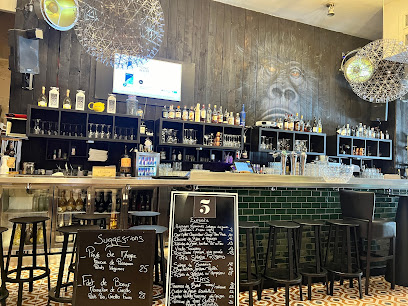
Brasserie Bordelaise
0.2 km
Experience authentic French cuisine at Brasserie Bordelaise in Bordeaux - where tradition meets taste in an inviting atmosphere.
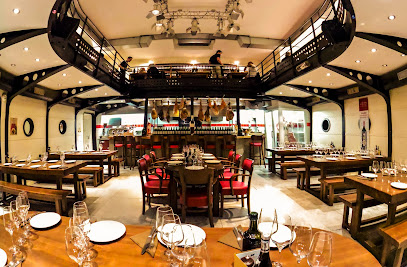
Petit Mignon
0.2 km
Savor the unique fusion of gourmet hamburgers and French cuisine at Petit Mignon in Bordeaux.
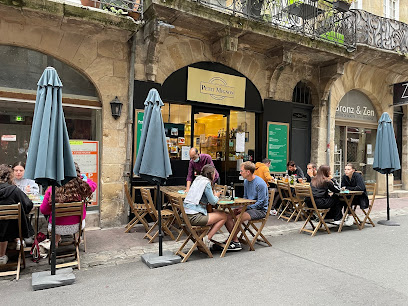
French House
0.2 km
Experience exquisite dining at French House: where classic French cuisine meets modern cocktail culture in the heart of Bordeaux.
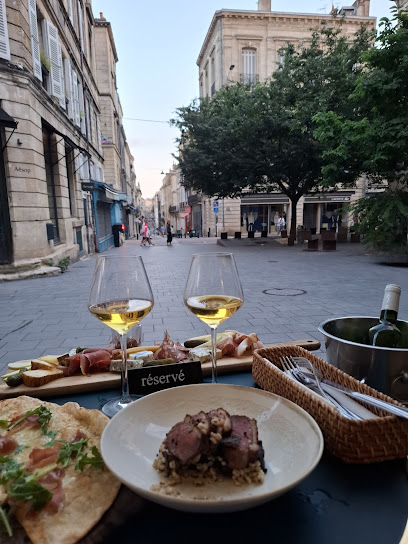
Les Drôles
0.2 km
Discover exquisite French cuisine at Les Drôles in Bordeaux - where every meal is a celebration of flavor and tradition.
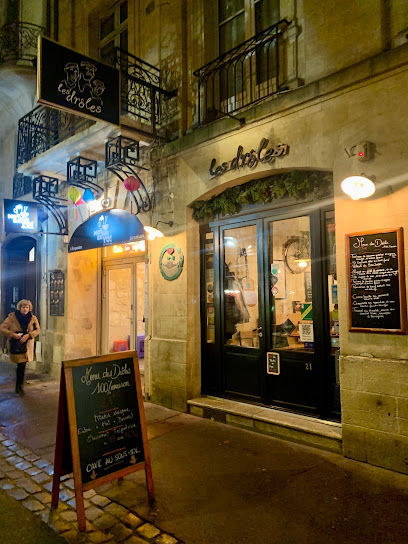
L'Autre Petit Bois
0.2 km
Discover authentic French cuisine at L'Autre Petit Bois - where every meal is a celebration of taste in beautiful Bordeaux.
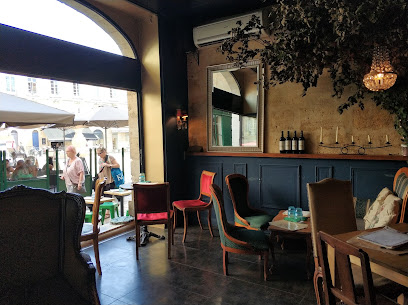
Le 1925
0.2 km
Experience authentic French cuisine at Le 1925, a charming brasserie in Bordeaux offering delightful dishes and a warm atmosphere.
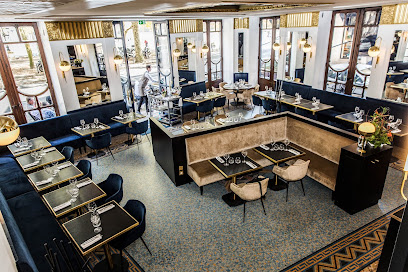
Le Chien De Pavlov
0.3 km
Experience authentic French cuisine at Le Chien De Pavlov in Bordeaux - a charming bistro known for its delectable dishes and vibrant cocktails.
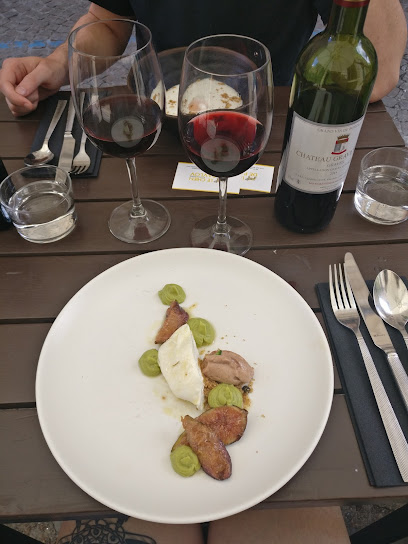
Le Comptoir de Sèze
0.3 km
Experience exquisite French cuisine at Le Comptoir de Sèze in Bordeaux – where tradition meets elegance.
Le Chapon Fin
0.3 km
Experience exquisite French cuisine at Le Chapon Fin, a fine dining restaurant in Bordeaux known for its exceptional dishes and elegant ambiance.
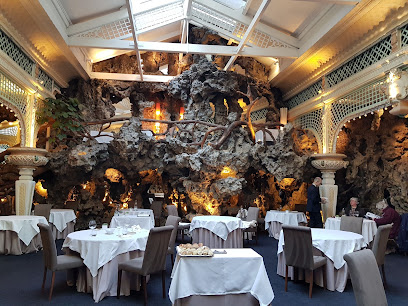
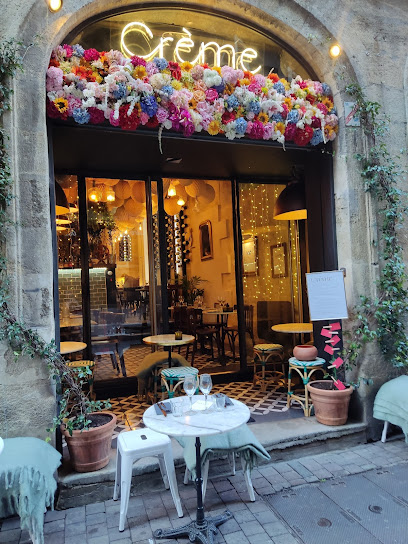
Crème
0.3 km
Experience exquisite French cuisine at Crème in Bordeaux – where every dish is a celebration of local flavors and culinary excellence.
Markets, malls and hidden boutiques

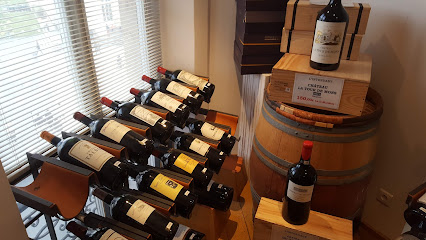
L'Intendant Grands Vins de Bordeaux
0.1 km
Discover the exquisite wines of Bordeaux at L'Intendant Grands Vins de Bordeaux, a premier wine cellar offering a rich selection and expert guidance.
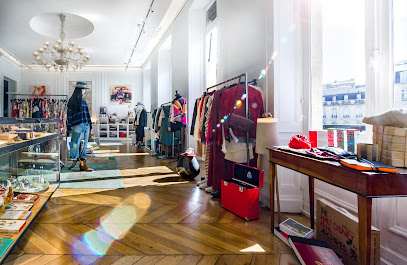
Jane de Boy Bordeaux
0.1 km
Explore Jane de Boy Bordeaux, a chic concept store offering a unique blend of vintage and contemporary fashion, perfect for every stylish traveler.
Bordeaux Wine tours
0.1 km
Explore Bordeaux Wine Tours and indulge in the rich flavors and culture of one of the world's premier wine regions.
Bordeaux Cadeaux
0.1 km
Discover the charm of Bordeaux through unique gifts and souvenirs at Bordeaux Cadeaux, a delightful gift shop in the heart of the city.
Galeries Lafayette Bordeaux
0.1 km
Explore luxury shopping at Galeries Lafayette Bordeaux, where style meets elegance in the heart of the city.
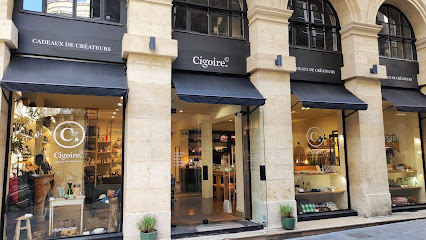
Cigoire - Boutique de cadeaux Bordeaux
0.1 km
Explore Cigoire in Bordeaux for a unique shopping experience featuring fashion, home goods, and exclusive local gifts.
Galeries Lafayette Bordeaux - L'Homme
0.2 km
Explore the finest men's fashion at Galeries Lafayette Bordeaux - L'Homme, where style meets sophistication in an iconic department store.
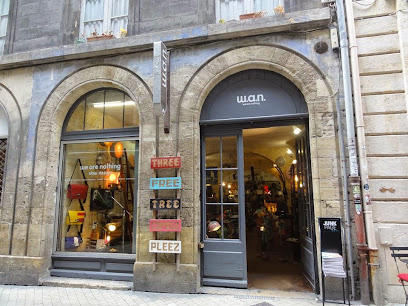
We are nothing - w.a.n.
0.2 km
Explore the artistic heart of Bordeaux at We Are Nothing - w.a.n., where creativity and local culture come together in a unique shopping experience.
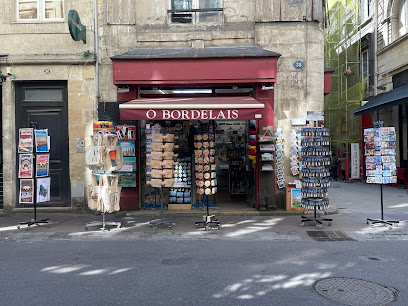
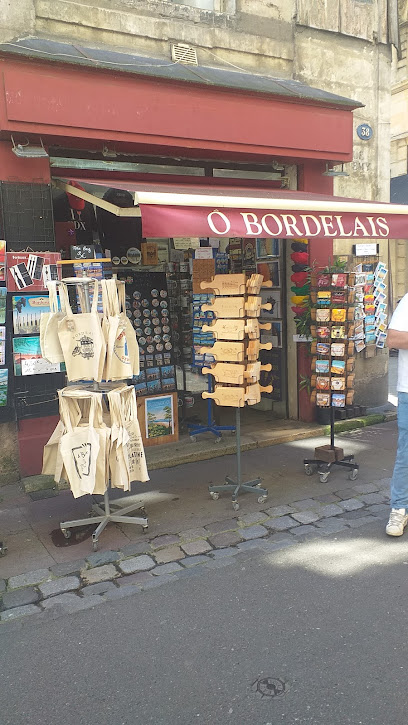
Ô Bordelais
0.2 km
Experience the essence of Bordeaux with exquisite gift baskets that celebrate local flavors and artisanal craftsmanship at Ô Bordelais.
Souvenirs de Bordeaux
0.2 km
Discover unique Bordeaux souvenirs, artisanal crafts, and fine wines at Souvenirs de Bordeaux, your gateway to local culture and heritage.
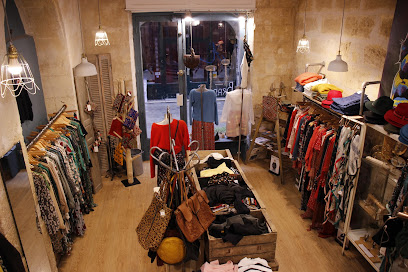
Boutique Adėlaïde
0.2 km
Explore Boutique Adėlaïde, a premier women's clothing store in Bordeaux, offering chic styles and personalized service for the modern woman.
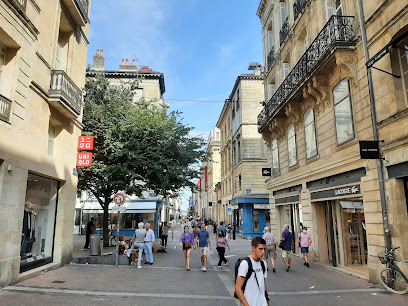
UNIQLO BORDEAUX
0.2 km
Discover stylish clothing for all ages at UNIQLO Bordeaux, where fashion meets quality in a vibrant shopping experience.
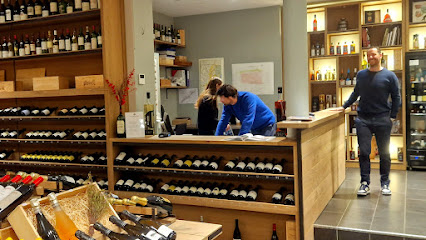
Chai Mica
0.2 km
Explore the rich flavors of Bordeaux at Chai Mica, your go-to wine store for the finest selections and expert recommendations.
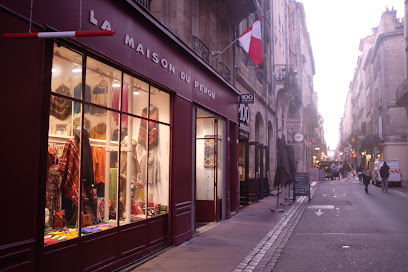
La Maison du Pérou
0.3 km
Explore the vibrant culture of Peru at La Maison du Pérou, a unique boutique offering exquisite handicrafts and artisan treasures in Bordeaux.
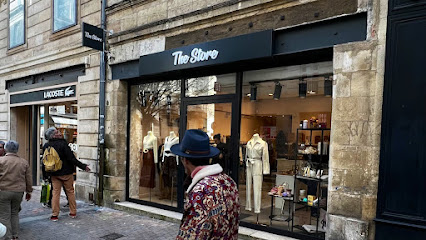
The Store Bordeaux
0.3 km
Explore The Store Bordeaux for chic women's fashion, where style meets sophistication in the heart of Bordeaux, perfect for every fashionista!
Essential bars & hidden hideouts

Le Victor Bar / L'Orangerie
0.1 km
Discover refined elegance and exquisite cocktails at Le Victor Bar / L'Orangerie, the heart of Bordeaux's luxury hospitality scene.
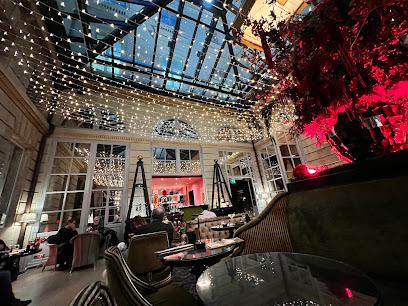
L'ampélo, bar et cave à vin
0.2 km
Discover the charm of Bordeaux's wine culture at L'ampélo, where every sip tells a story and every visit is a celebration.
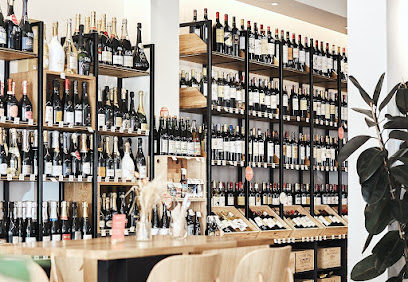
La Calle Ocho
0.2 km
La Calle Ocho: Discover Bordeaux's vibrant salsa scene with electrifying music, delicious cocktails, and a welcoming atmosphere for all.
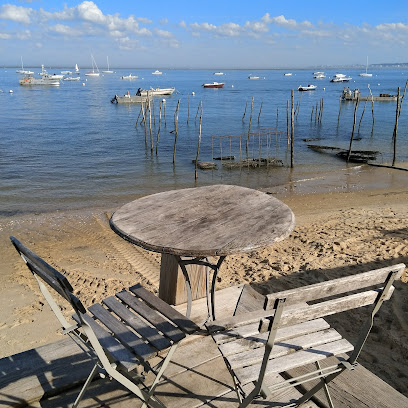
The Dog and Duck
0.3 km
Experience the vibrant atmosphere of The Dog and Duck, a charming bar in Bordeaux offering local drinks and stunning river views.
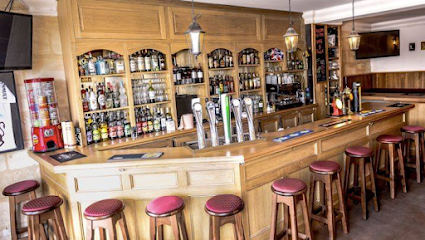
ROCKWOOD
0.3 km
Experience the vibrant nightlife of Bordeaux at Rockwood, a lively bar offering craft beers, cocktails, and tapas along the beautiful Garonne River.
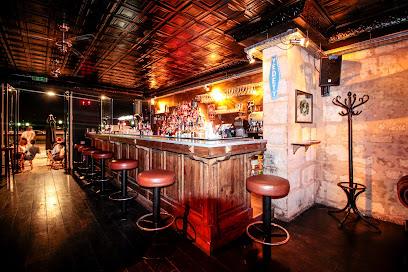
Bar Casa Bordeaux by Ginto Hotels
0.3 km
Experience the sophisticated charm of Bar Casa Bordeaux – a cocktail oasis nestled in the Grand Hotel Français, perfect for relaxing and unwinding.
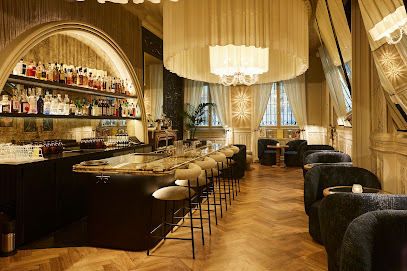
La Comtesse
0.3 km
Experience the vibrant atmosphere of La Comtesse, a beloved bar in Bordeaux offering exquisite drinks and a lively social scene.
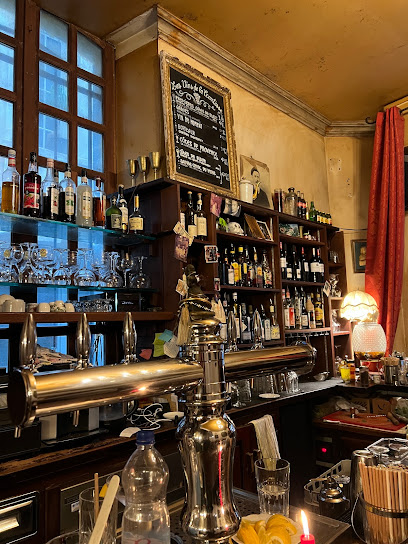
La drôlerie
0.3 km
Discover La Drôlerie in Bordeaux, where craft beers, fine wines, and delectable tapas create an unforgettable culinary experience.
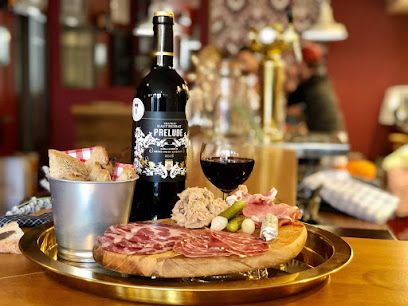
Le Milo's
0.3 km
Experience the vibrant nightlife at Le Milo's, a must-visit bar in Bordeaux offering a warm atmosphere and extensive drink selections.
Liftov
0.3 km
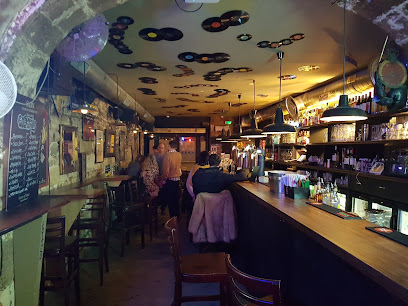
Experience the vibrant nightlife of Bordeaux at Liftov, a cocktail bar that offers live music and exquisite dining in an inviting atmosphere.
La parte vieja
0.4 km
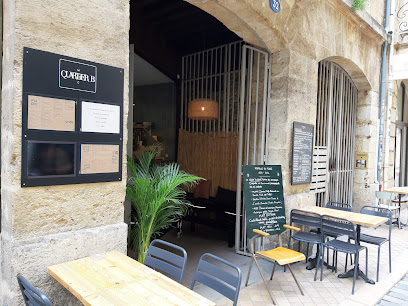
Experience the vibrant flavors of Spain at La Parte Vieja, Bordeaux's premier tapas bar, where culinary tradition meets lively ambiance.
Le Vertige
0.4 km
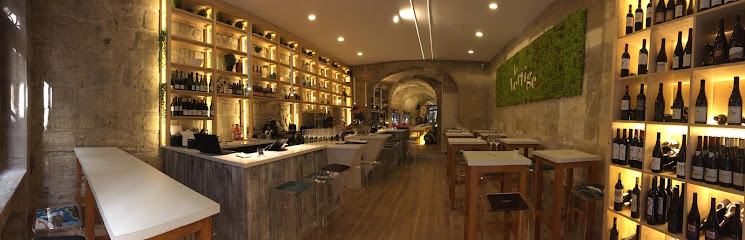
Discover the charm of Bordeaux at Le Vertige, a premier wine bar and restaurant offering an exquisite selection of local wines and gourmet cuisine.
Jamboree Shooters Bar
0.4 km
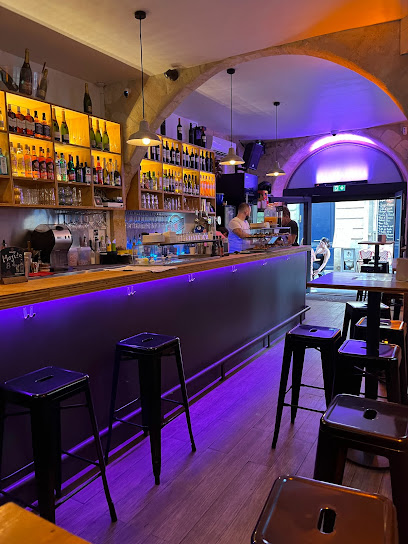
Discover the lively Jamboree Shooters Bar in Bordeaux, a cocktail haven that promises a memorable nightlife experience with creative drinks and vibrant ambiance.
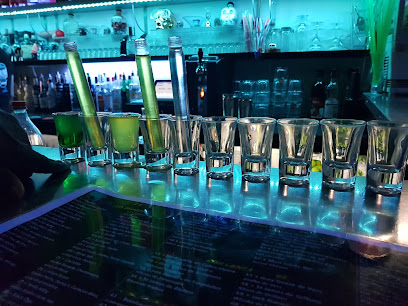
Madame Pang
0.4 km
Experience the vibrant cocktail culture and delectable Mandarin cuisine at Madame Pang, Bordeaux's premier lounge and restaurant.
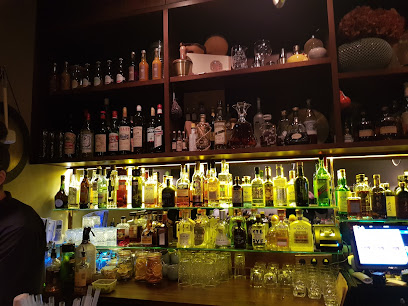
Cafecito
0.4 km
Discover the vibrant atmosphere of Cafecito, a unique bar and café in Bordeaux, perfect for relaxing and savoring local flavors.
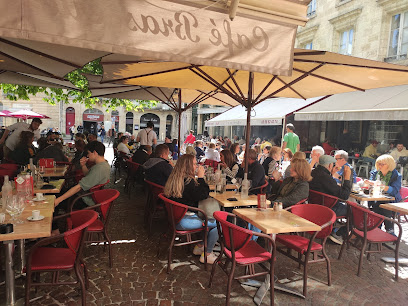
Nightclubs & after hour spots

Le Cercle - Boite de nuit à Bordeaux
0.1 km
Discover the electrifying nightlife of Bordeaux at Le Cercle, a premier night club offering unforgettable music and vibrant dance experiences.
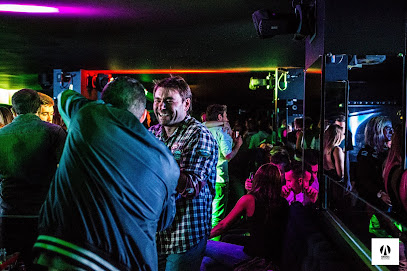
Boom Boom Club Bordeaux
0.1 km
Dive into the nightlife at Boom Boom Club Bordeaux, where electrifying beats and vibrant energy create unforgettable memories in the heart of the city.
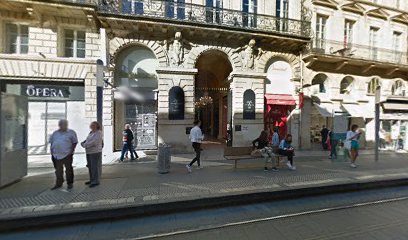
Black Diamond - Bordeaux
0.1 km
Discover the vibrant nightlife of Bordeaux at Black Diamond, where the music is hot and the dance floor is alive until dawn.
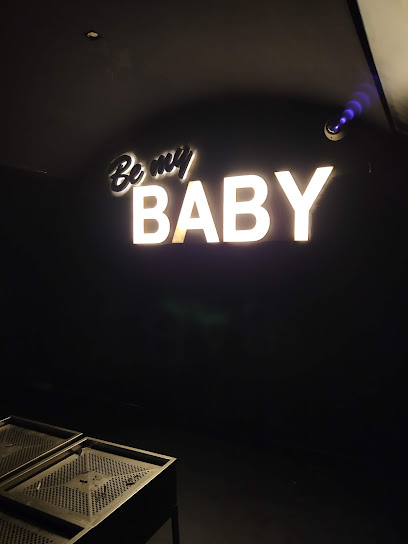
Le Monseigneur
0.1 km
Discover the heart of Bordeaux's nightlife at Le Monseigneur, where vibrant music and an energetic ambiance await you.
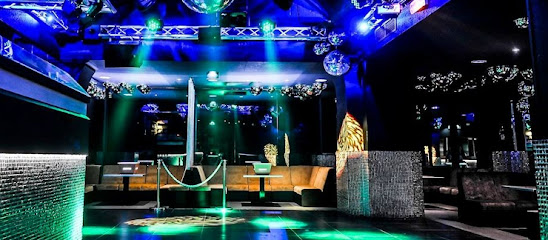
L'orangeade
0.3 km
Experience the vibrant nightlife of Bordeaux at L'orangeade, where music, dance, and fun converge in a lively disco atmosphere.
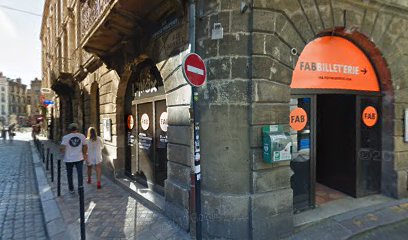
Traxx Cruising Club Bordeaux
0.5 km
Discover the electric atmosphere of Traxx Cruising Club in Bordeaux, a must-visit gay bar and nightclub for an unforgettable night out.
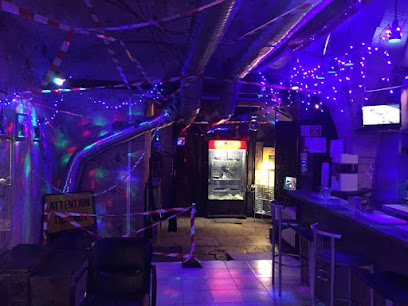
BAM Karaoke Box Bordeaux - Chartrons
1.0 km
Experience the thrill of karaoke at BAM Karaoke Box Bordeaux - Chartrons, where great music and cocktails meet for an unforgettable night out.
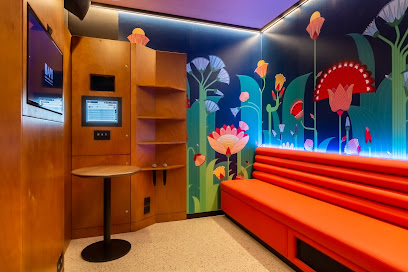
OPAL club lounge
1.1 km
Experience the vibrant nightlife of Bordeaux at OPAL Club Lounge, where electrifying music and stylish surroundings create unforgettable nights.
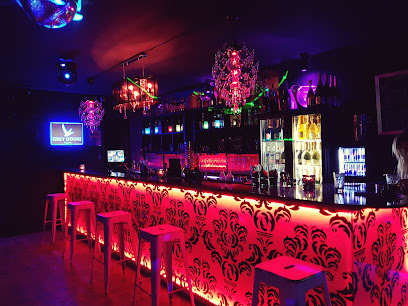
moncalorifugeagegratuit
1.3 km
Dive into Bordeaux's nightlife at Moncalorifugeagegratuit, where electrifying music and vibrant atmosphere create unforgettable nights.
Ultra Klubs
1.7 km
Experience the pulsating nightlife at Ultra Klubs, Bordeaux's premier night club featuring electrifying music and an energetic crowd.
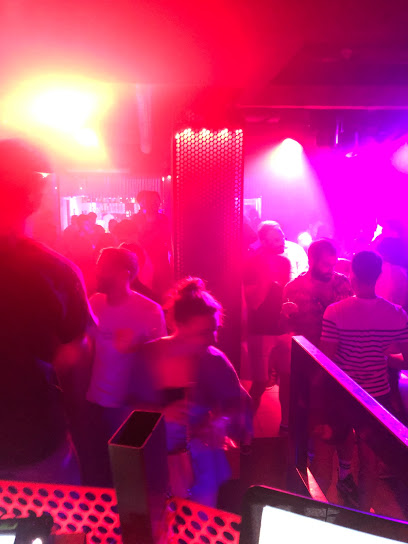
Mastmktdig - un monde à vivre
1.8 km
Mastmktdig: Bordeaux's premier rock music club offering electrifying performances and a vibrant nightlife experience.
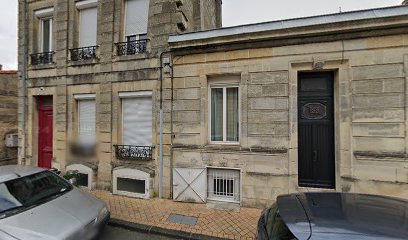
Le Romulus
1.9 km
Experience the charm of Bordeaux at Le Romulus, a stylish lounge with exquisite cocktails and a cozy atmosphere perfect for relaxation and socializing.
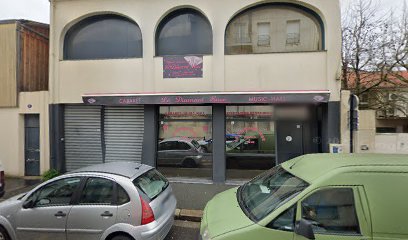
Light Club de Bordeaux - Bordeaux
2.2 km
Discover the electric atmosphere of Light Club de Bordeaux, a must-visit destination for nightlife lovers in the heart of Bordeaux.
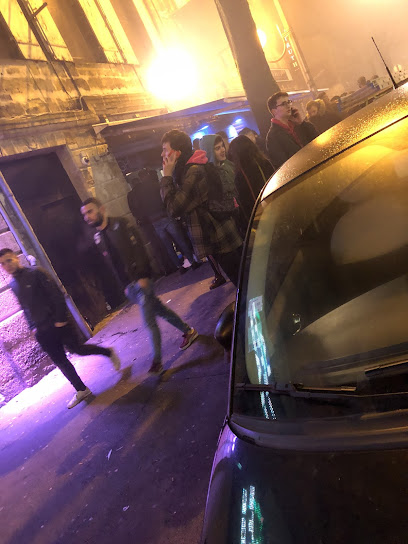
Pachanga Club Bordeaux
2.2 km
Dive into the vibrant nightlife of Bordeaux at Pachanga Club, where music, dance, and fun come together for an unforgettable experience.
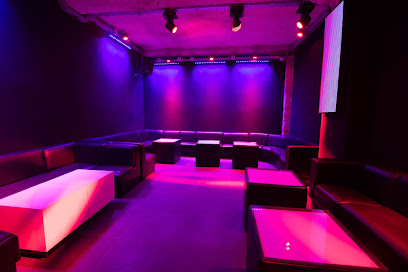
Discothèque La Plage - Bordeaux
2.3 km
Discover Bordeaux's nightlife at Discothèque La Plage, a vibrant club on the riverside offering unforgettable dance and music experiences.