The Well of Moses: A Masterpiece of Medieval Sculpture
Discover the Well of Moses in Dijon, a 14th-century masterpiece by Claus Sluter, showcasing intricate sculptures and profound symbolism within the historic Chartreuse de Champmol.
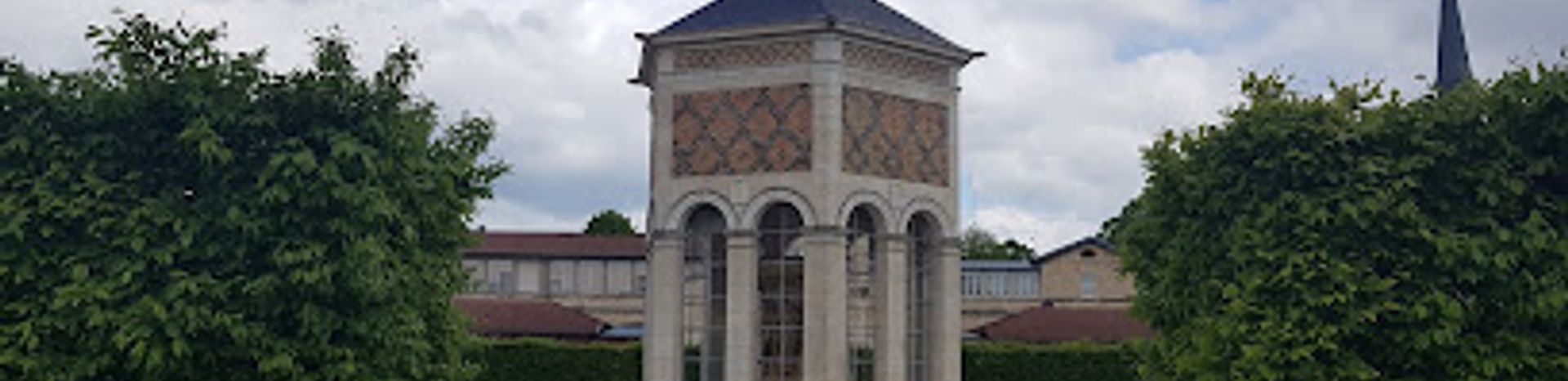
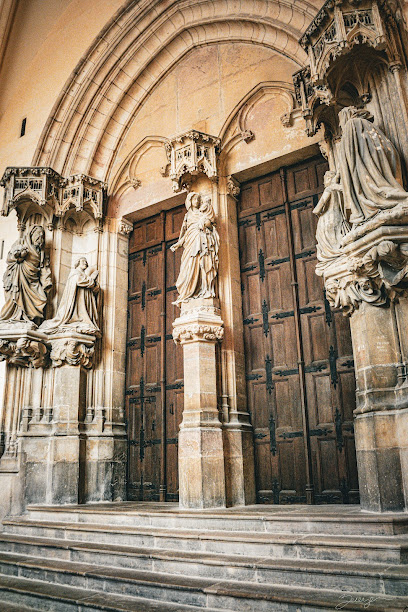
The Well of Moses, located in Dijon, France, is a remarkable sculpture created by Dutch artist Claus Sluter between 1395 and 1405. Originally part of the Chartreuse de Champmol, a Carthusian monastery founded by Philip the Bold, Duke of Burgundy, it served as a dynastic burial site. The Well of Moses features intricately carved figures of six Old Testament prophets—Moses, David, Daniel, Isaiah, Jeremiah, and Zechariah—each rendered with stunning realism and individual expression. Though the original crucifixion scene that topped the structure is now lost, the remaining hexagonal base stands as a testament to Sluter's skill and the artistic richness of the Burgundian period. Today, the Well of Moses is found on the grounds of a psychiatric hospital, offering a serene and thought-provoking experience for visitors who come to admire this historical and artistic treasure. Its detailed carvings and profound symbolism provide a glimpse into the transition from Gothic to Renaissance art, making it a must-see for art enthusiasts and history buffs alike.
A brief summary to Well of Moses
- 1 Bd Chanoine Kir, Dijon, 21000, FR
- +33380424848
- Visit website
- Monday 9:30 am-5:30 pm
- Tuesday 9:30 am-5:30 pm
- Wednesday 9:30 am-5:30 pm
- Thursday 9:30 am-5:30 pm
- Friday 9:30 am-5:30 pm
- Saturday 9:30 am-5:30 pm
- Sunday 9:30 am-5:30 pm
Local tips
- Take a guided tour offered by the Dijon Tourist Office for in-depth historical and artistic insights.
- Combine your visit with a trip to the Musée Archéologique to see fragments of the original Calvary.
- Explore the surrounding gardens for a tranquil experience and photo opportunities.
- Check the opening hours in advance, as they are consistent but subject to change.
- Consider visiting during the off-season for a less crowded and more personal experience.

Getting There
-
Public Transport
From Dijon city center, the Well of Moses is accessible by tram and a short walk. Take tram line T1 or T2 from any central tram stop to the 'Gare' stop. From there, walk south on Boulevard de la Gare, then turn right onto Boulevard Chanoine Kir. The Well of Moses will be on your right, approximately a 10-minute walk from the tram stop. A single tram fare is approximately €1.60.
-
Taxi/Ride-Share
A taxi or ride-share from the Dijon city center to the Well of Moses is a quick and convenient option. The ride typically takes around 5-10 minutes, depending on traffic. Expect to pay between €6 and €8 for the trip.
-
Walking
For those staying near the city center, walking to the Well of Moses is a pleasant option. From Place Darcy, head southwest towards Rue des Godrans and continue to Boulevard de la Trémouille. Follow this until you reach Boulevard Chanoine Kir. The Well of Moses will be on your right. The walk is approximately 20 minutes.
-
Driving
If driving, start from the center of Dijon. Head southeast on Rue de la Liberté toward Rue de la Préfecture. Continue onto Boulevard de la Trémouille, then take a slight left onto Boulevard Chanoine Kir. The Well of Moses is located at 1 Boulevard Chanoine Kir, 21000 Dijon. There is usually street parking available nearby. Parking is chargeable from Monday to Saturday, 9 a.m. to 12:30 p.m. and 2 p.m. to 7 p.m. and free on Sundays and holidays. Parking fees vary depending on the zone and duration, but expect to pay around €2-3 per hour.
Discover more about Well of Moses
Iconic landmarks you can’t miss

Chartreuse de Champmol
0.1 km
Discover the artistic legacy of the Chartreuse de Champmol in Dijon, a former monastery and burial site of the Dukes of Burgundy.
Lavoir
0.2 km
Discover the historical Lavoir in Dijon, France: a preserved landmark reflecting communal life and the ingenuity of past generations.
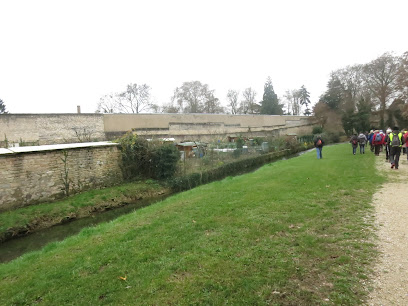
Site des gazomètres du Raines
0.3 km
Explore Dijon's industrial past at the Site des Gazomètres du Raines, a historical landmark showcasing impressive gasometer architecture.
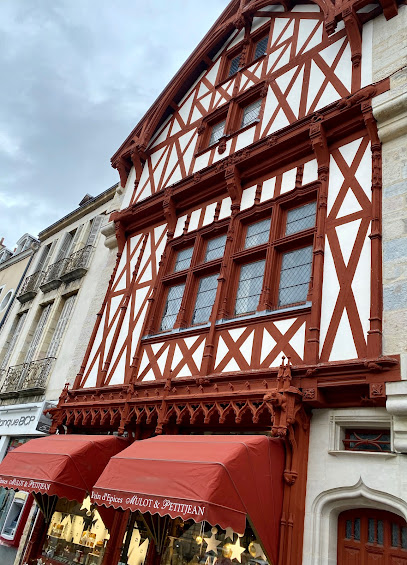
Gingerbread Mulot and Petitjean
0.3 km
Explore Dijon's sweet heritage at Mulot and Petitjean, the last gingerbread factory in town. A delicious journey for all!
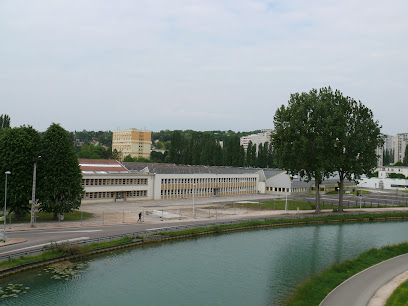
Usine historique Parvex
0.7 km
Explore Usine Historique Parvex, a captivating glimpse into Dijon's rich industrial heritage and a stunning historical landmark.
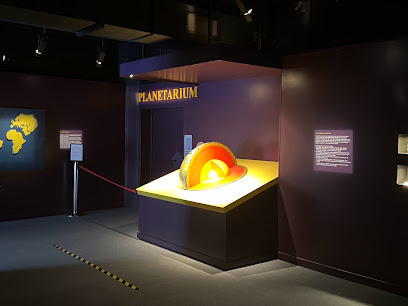
Planetarium Hubert Curien
0.8 km
Discover the mysteries of the cosmos at Planetarium Hubert Curien in Dijon, where immersive shows and interactive exhibits await the curious explorer.
Théâtre de la Fontaine d'Ouche
1.1 km
Discover Dijon’s vibrant performing arts scene at Théâtre de la Fontaine d'Ouche, where captivating shows and local talent await.
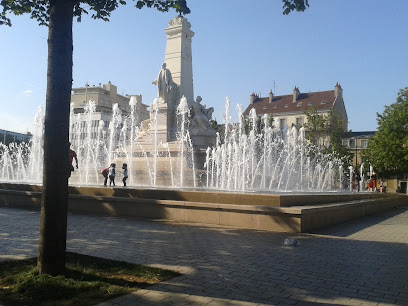
Grand Hôtel La Cloche Dijon - MGallery
1.3 km
Experience luxury and history in the heart of Dijon at the Grand Hôtel La Cloche, a landmark hotel since 1424, offering elegance and modern comfort.

The Garden of the bells
1.4 km
Experience fine French dining in a historic 18th-century setting at The Garden of the Bells, Dijon. Exquisite cuisine and elegant ambiance await.
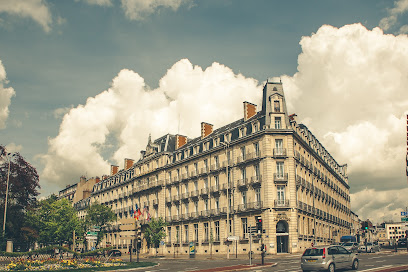
Dijon Burgundy Theatre
1.5 km
Experience Dijon's cultural heart at the Burgundy Theatre, a stunning Gothic church transformed into a vibrant performing arts venue.
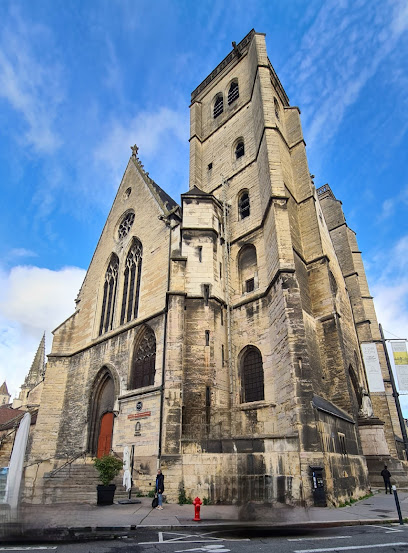
Church of Saint John of Dijon
1.5 km
Discover Dijon's Church of Saint John: A stunning blend of Gothic architecture and vibrant theatrical performances in a historical landmark.
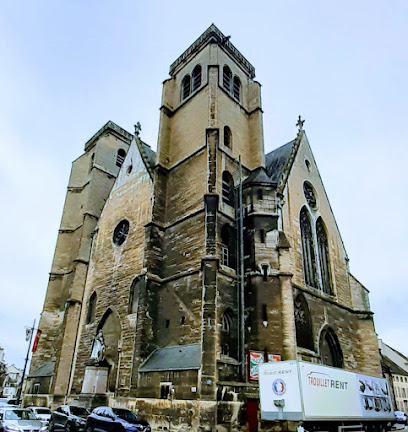
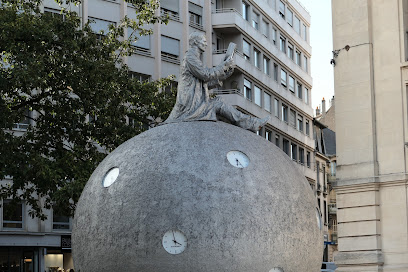
Minuteur
1.5 km
Explore the historical charm of Dijon's Place Grangier, where architecture and culture intertwine.
Place Grangier
1.5 km
Discover Place Grangier in Dijon: Where history, architecture, and vibrant city life converge in a beautiful and accessible square.
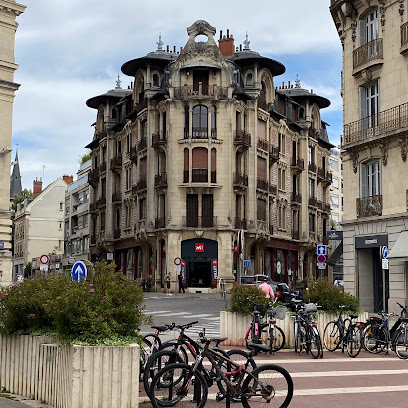
Pl. François Rude
1.7 km
Discover the charm of Place François Rude in Dijon, a vibrant square filled with rich history, stunning architecture, and local culinary delights.
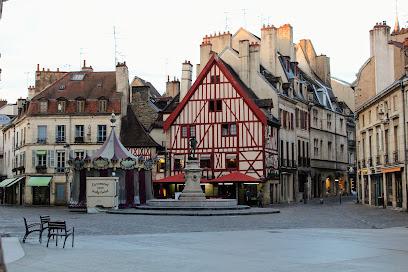
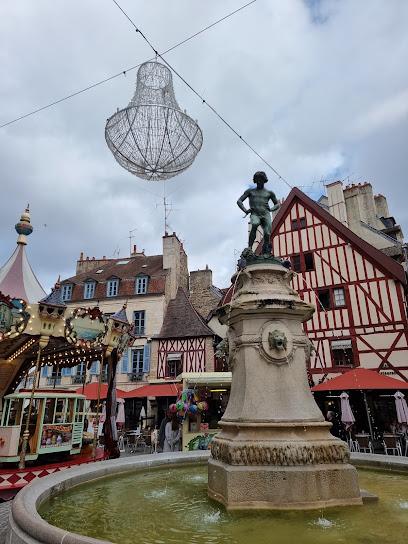
Pl. du Bareuzai
1.7 km
Experience the charm of Dijon at Place François Rude, a historic square with a lively atmosphere, iconic fountain, and delightful cafes.
Unmissable attractions to see

Prise d'eau de Larrey
0.4 km
Explore the Prise d'eau de Larrey in Dijon, a stunning historical water supply system showcasing exquisite architecture and rich heritage.
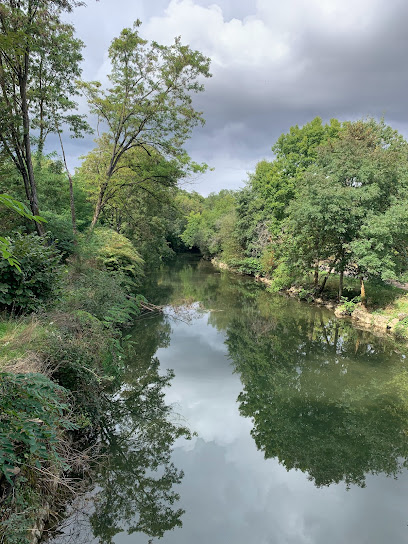
Promenade de l'Ouche
0.4 km
Experience the serene beauty of Promenade de l'Ouche in Dijon, a picturesque escape with lush greenery and tranquil pathways for a perfect leisurely stroll.
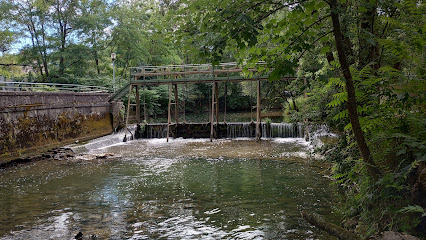
Ecluse 54 S de Larrey
0.5 km
Discover the serene beauty and historical significance of Ecluse 54 S de Larrey, a must-visit tourist attraction in the heart of Dijon, France.
Carrières Bacquin Park
0.5 km
Experience the natural beauty and tranquility of Carrières Bacquin Park, a serene oasis in the heart of Dijon, perfect for relaxation and exploration.
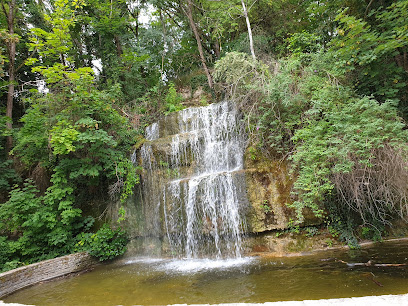
Le Jardin Des Sciences
0.7 km
Discover the serene beauty and educational wonders of Le Jardin Des Sciences, a lush garden oasis in the heart of Dijon, France.
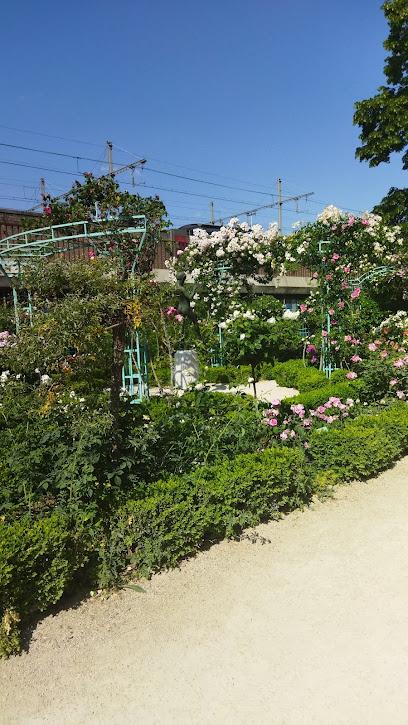
Arquebuse Garden
0.8 km
Explore the serene Arquebuse Garden in Dijon, a perfect blend of nature, education, and beauty in the heart of the city.
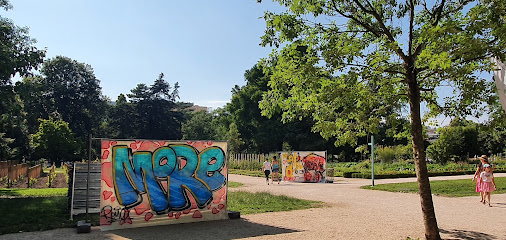
Arquebuse Botanical Garden
0.8 km
Explore the enchanting Arquebuse Botanical Garden in Dijon, a serene retreat showcasing a diverse collection of flora and beautiful landscapes.
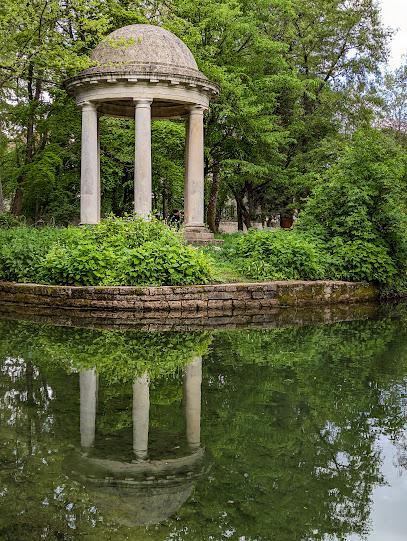
Ecluse 53 S des Marcs d'Or
0.8 km
Explore the scenic Ecluse 53 S des Marcs d'Or, a historical lock on the Burgundy Canal in Dijon, perfect for relaxation and photography.
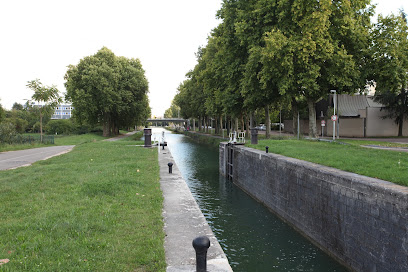
Natural History Museum
0.9 km
Explore the Natural History Museum in Dijon and uncover the secrets of our planet through stunning exhibits and beautiful gardens.
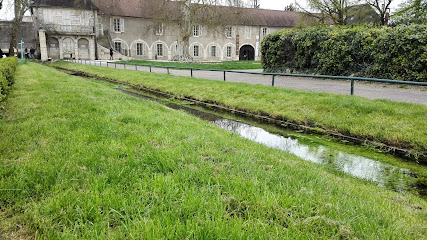
Ruisseau de la Fontaine d'Ouche Garden
0.9 km
Discover tranquility in the heart of Dijon at Ruisseau de la Fontaine d'Ouche Garden, a stunning city park for all nature lovers.
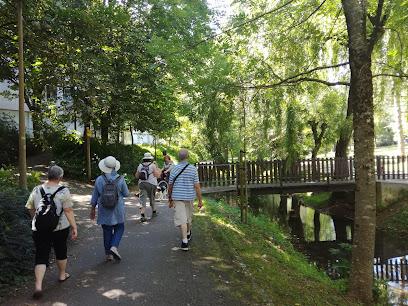
Place de la fountain d’ouche
1.1 km
Explore the tranquil beauty of Place de la Fountain d’Ouche, a serene park in Dijon perfect for relaxation, picnics, and enjoying nature's wonders.
Darcy Garden
1.2 km
Explore the beauty of Darcy Garden in Dijon, a tranquil city park filled with lush greenery, vibrant flowers, and historical charm.
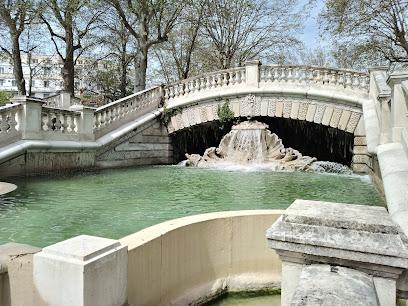
La cabane du Père Noël
1.2 km
Experience the enchanting holiday spirit at La Cabane du Père Noël in Dijon, where festive treats and magical decorations await.
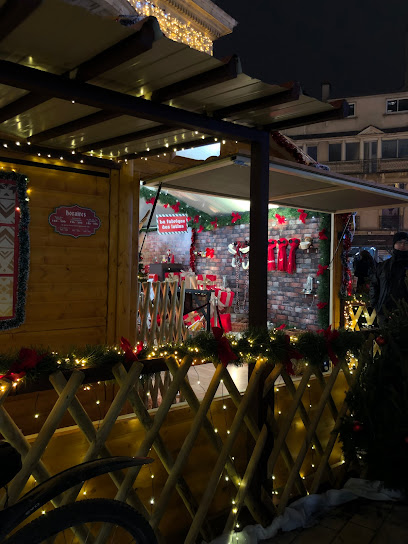
Ecluse 55 S de Dijon
1.2 km
Explore Ecluse 55 S de Dijon, a serene tourist attraction that showcases the natural beauty and historical significance of Dijon, France.
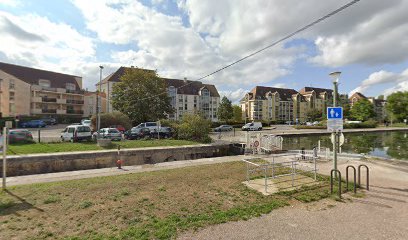
Darcy square
1.3 km
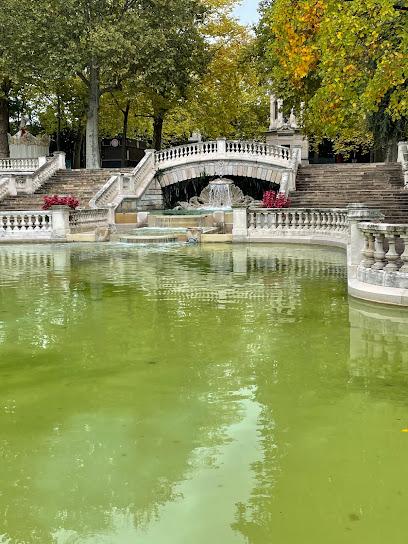
Experience the lush greenery and cultural richness of Darcy Square, a serene urban park in the heart of Dijon, perfect for relaxation and exploration.
Essential places to dine

Les Docks De Bourgogne
0.7 km
Discover culinary excellence at Les Docks De Bourgogne in Dijon - where traditional French cuisine meets local flavors in a stunning canal-side setting.
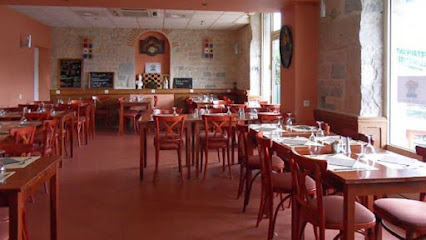
Le Potimarron
0.9 km
Experience authentic French cuisine at Le Potimarron - where local flavors meet rustic charm in the heart of Dijon.
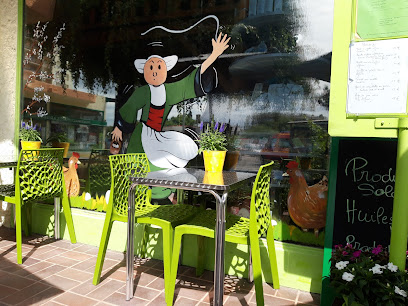
Salopeland
1.1 km
Discover the essence of Greece in Dijon at Salopeland – where authentic flavors meet warm hospitality.
La Table des Climats
1.1 km
Experience exquisite dining at La Table des Climats in Dijon, where local flavors meet elegant culinary artistry.
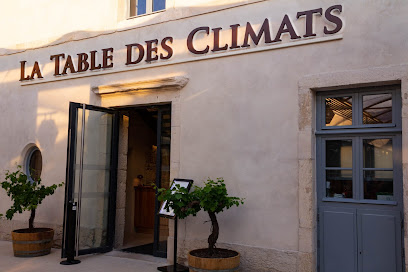
Parapluie
1.3 km
Experience the essence of French dining at Parapluie in Dijon—where exquisite flavors meet warm hospitality.
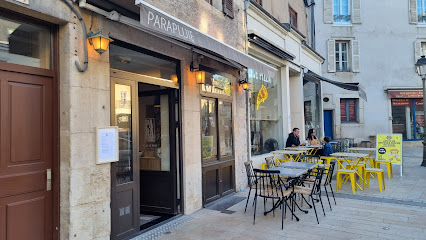
Restaurant De La Porte Guillaume
1.4 km
Experience authentic French cuisine at Restaurant De La Porte Guillaume in Dijon – where tradition meets innovation.
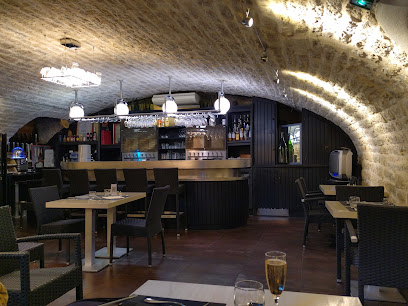
Édito Restaurant Dijon
1.4 km
Experience the vibrant flavors of France at Édito Restaurant in Dijon—where tradition meets modern culinary excellence.
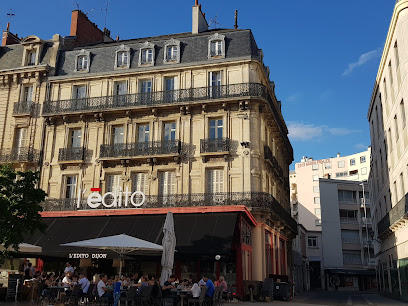
L'Essentiel
1.4 km
Discover exquisite haute French cuisine at L'Essentiel in Dijon - where every meal is a celebration of flavor and artistry.
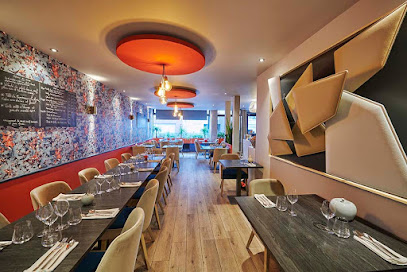
L'Age de Raisin
1.4 km
Discover the flavors of France at L'Age de Raisin, where culinary excellence meets charming ambiance in the heart of Dijon.
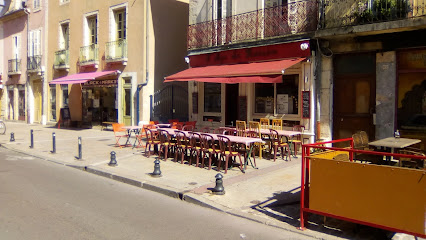
Pourquoi Pas?
1.4 km
Savor exquisite haute French cuisine at Pourquoi Pas?, where every dish is a celebration of flavor and tradition in the heart of Dijon.
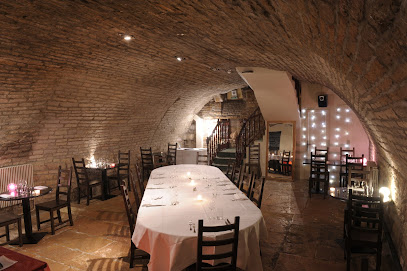
William Frachot
1.4 km
Discover the exquisite flavors of French haute cuisine at William Frachot in Dijon, where every dish tells a story.
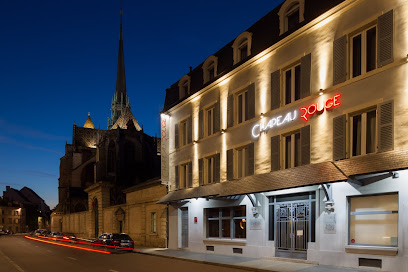
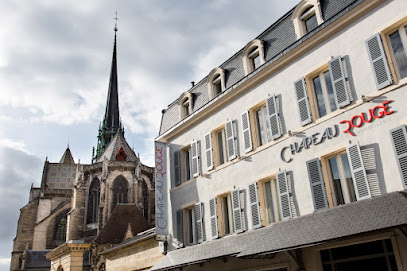
Hostellerie du Chapeau Rouge
1.4 km
Discover luxury at Hostellerie du Chapeau Rouge: A premier hotel in Dijon featuring haute French cuisine and a relaxing spa experience.
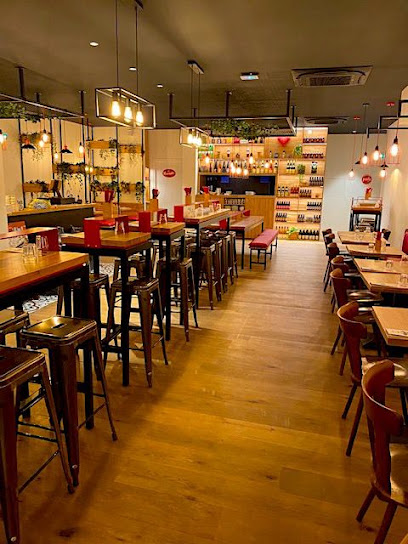
Les Friands Disent
1.5 km
Discover the exquisite blend of American and French flavors at Les Friands Disent in Dijon—where every meal is an unforgettable experience.
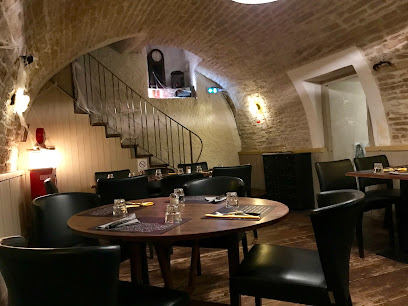
La Guinguette
1.5 km
Discover authentic French flavors at La Guinguette in Dijon - where culinary tradition meets warm hospitality.
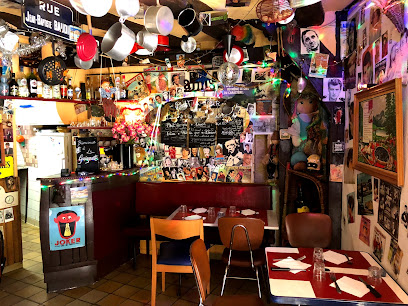
L'Alsacien Dijon
1.5 km
Experience authentic Alsatian cuisine at L'Alsacien Dijon - indulge in flammekueche and local wines in a cozy French setting.
Markets, malls and hidden boutiques

PANDA (Point d'Accès Numérique Dijon et son Agglomération) Fontaine d'Ouche
0.7 km
Explore Dijon with ease at PANDA, the digital access point for tourists seeking connectivity and internet services in the heart of the city.
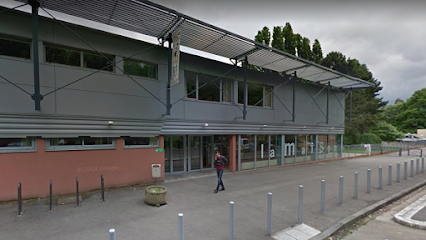
Fontaine affaires
1.0 km
Explore Fontaine Affaires in Dijon, where chic French fashion meets exceptional customer service for a unique shopping experience.
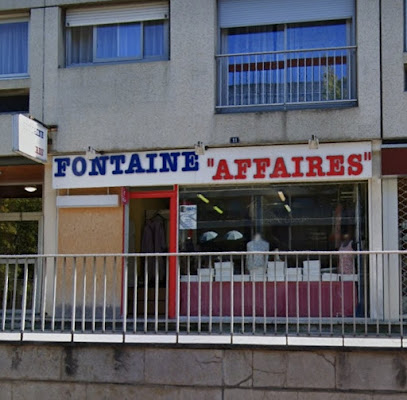
Silfrux
1.0 km
Explore Silfrux in Dijon for a unique collection of dresses, blending modern trends with classic elegance in a charming French setting.
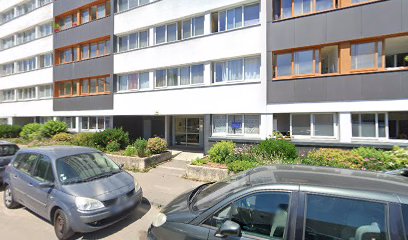
Somalia shop dijon
1.0 km
Experience the cozy ambiance and unique coffee blends at Somalia Shop, a must-visit destination in the heart of Dijon.
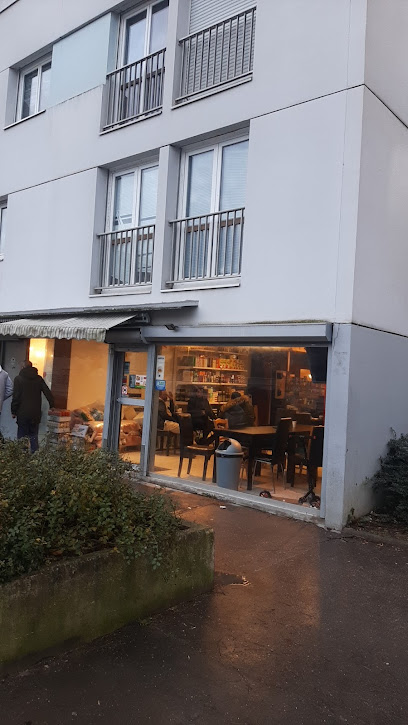
Centre Commercial Dijon Lac
1.1 km
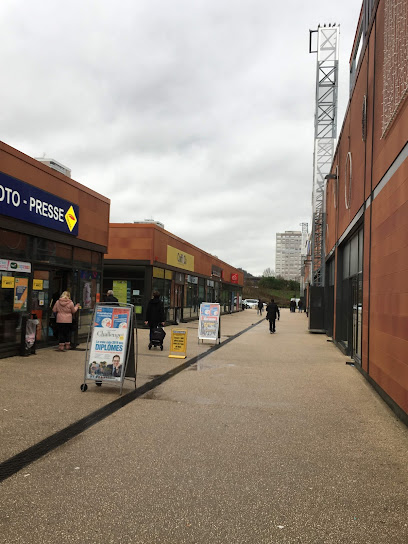
Explore the bustling Centre Commercial Dijon Lac, a shopping paradise in Dijon, France, with diverse stores, dining options, and entertainment for all.
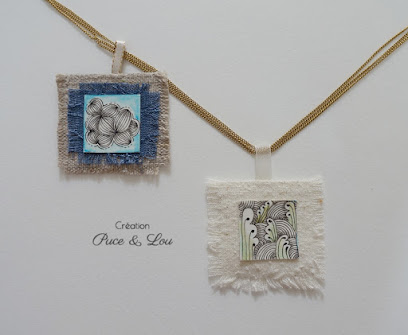
Puce & Lou
1.1 km
Discover Puce & Lou, a vibrant gift shop in Dijon, where local artistry meets unique craftsmanship in a charming atmosphere.
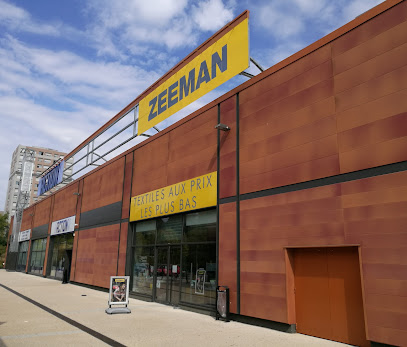
Zeeman Dijon Fontaine d'Ouche
1.1 km
Explore stylish and affordable fashion at Zeeman Dijon Fontaine d'Ouche, your go-to clothing store in the heart of Dijon.
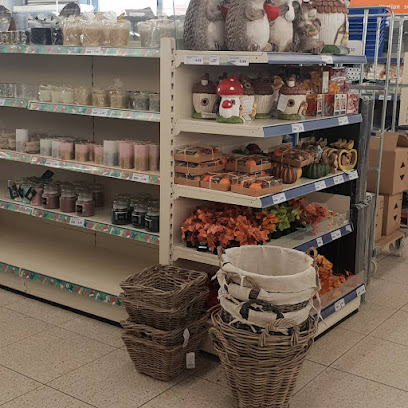
Action Dijon - Lac
1.1 km
Discover a diverse range of gifts, home goods, and DIY supplies at Action Dijon - Lac, your ultimate shopping destination in Dijon, France.
Broc'shop
1.1 km
Explore Broc'shop in Dijon for unique antiques and vintage finds that capture the essence of French history and artistry.
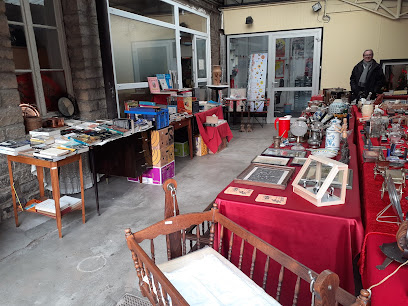
la-magie-de-sandy.fr
1.3 km
Discover exquisite handcrafted jewelry at La Magie de Sandy, a charming store in the heart of Dijon, reflecting the elegance of French craftsmanship.
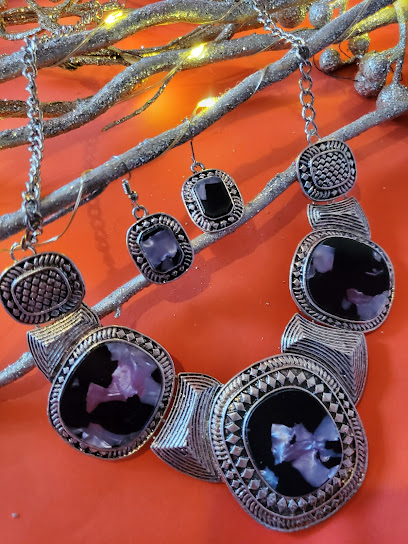
Grange Gilbert
1.4 km
Explore the unique charm of Grange Gilbert, an antique store in Dijon, offering a diverse collection of vintage treasures and timeless collectibles.
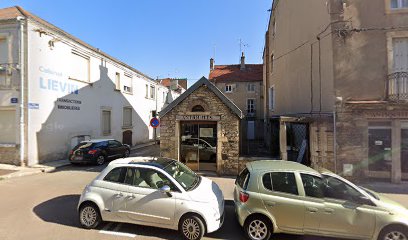
C'est 2 Euros
1.4 km
Discover unbeatable deals at C'est 2 Euros, the premier discount store in Dijon, where shopping meets affordability.
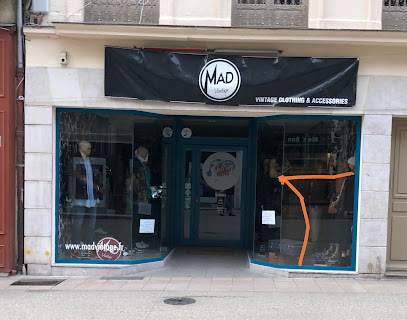
Mad Vintage
1.5 km
Explore unique vintage styles at Mad Vintage, a charming clothing store in the heart of Dijon, France.
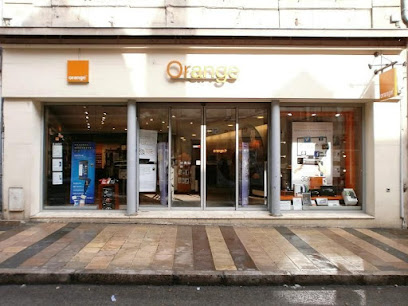
Orange
1.5 km
Discover the Orange Cell Phone Store in Dijon - your one-stop shop for mobile devices, accessories, and expert repairs in a vibrant city atmosphere.
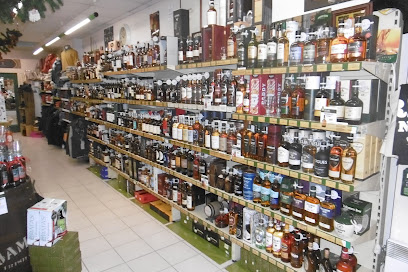
Le Comptoir Irlandais Dijon
1.5 km
Explore Le Comptoir Irlandais in Dijon for a unique shopping experience filled with Irish culture, gourmet foods, and exquisite gifts.
Essential bars & hidden hideouts

Bar Brasserie La Fontaine
1.1 km
Discover the authentic flavors of France at Bar Brasserie La Fontaine in Dijon, a charming spot for relaxation and local culinary treasures.
Flannery's
1.3 km
Discover the lively atmosphere of Flannery's Pub in Dijon, where local culture meets vibrant nightlife for an unforgettable experience.
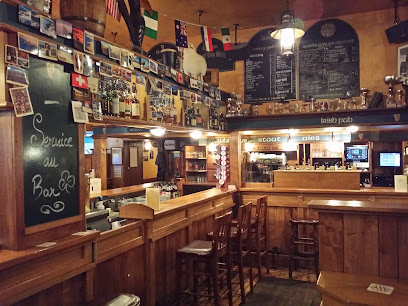
Au Vieux Millésime
1.3 km
Experience the best of Burgundy at Au Vieux Millésime, a charming wine bar in the heart of Dijon with exceptional wines and a cozy atmosphere.
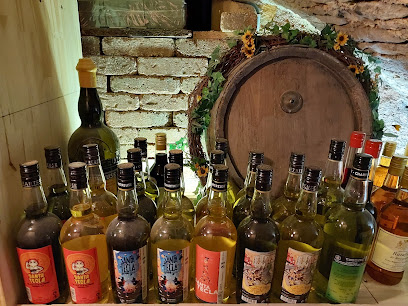
Bar L'Ecureuil
1.4 km
Experience the vibrant ambiance of Bar L'Ecureuil, a delightful bar in Dijon offering a great selection of drinks and tasty snacks.
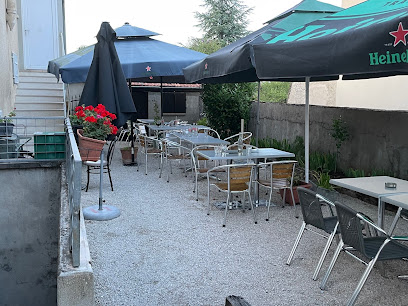
Le Cellier
1.4 km
Discover the cozy elegance of Le Cellier in Dijon, where exquisite wines and delightful dishes await in a charming atmosphere.
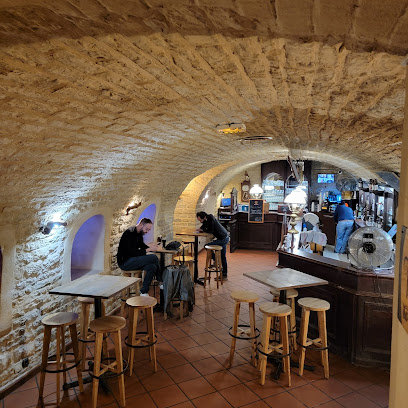
Le Shooters
1.4 km
Experience the vibrant nightlife of Dijon at Le Shooters, where delicious cocktails and a lively atmosphere await every night.
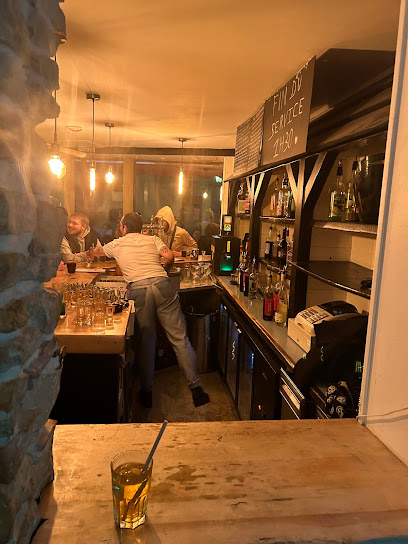
Les Berthom
1.4 km
Enjoy a lively atmosphere at Les Berthom, a must-visit bar in Dijon known for its exceptional craft beers and delicious bites.
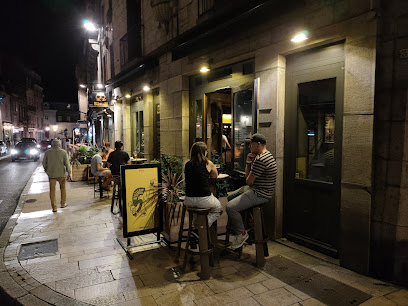
The Blue Dog
1.4 km
Experience the vibrant nightlife of Dijon at The Blue Dog, where lively atmosphere meets exceptional drinks and entertainment.
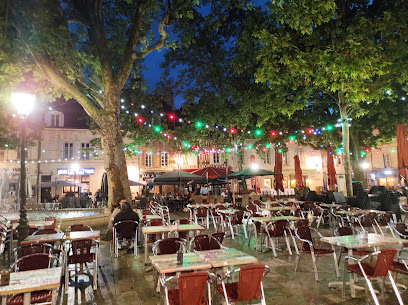
The Barbarian's Pub
1.5 km
Discover the warmth of Irish hospitality at The Barbarian's Pub in Dijon, where hearty food and great drinks await.
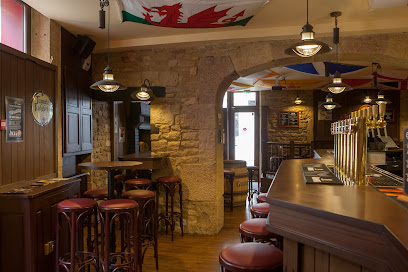
Bar of the universe
1.5 km
Experience the vibrant nightlife of Dijon at the Bar of the Universe, where exceptional cocktails and live music create unforgettable memories.
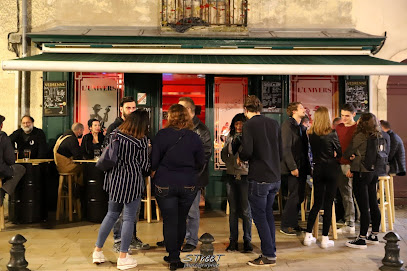
L'Archipel Cocktail Bar
1.5 km
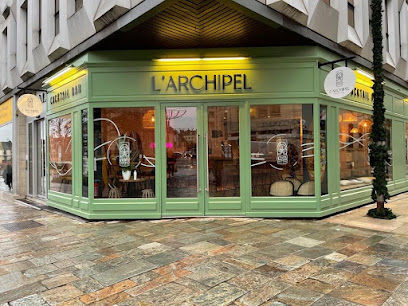
Experience the art of mixology at L'Archipel Cocktail Bar in Dijon, where every cocktail tells a story and every visit feels like a celebration.
Le 19 Dijon
1.6 km
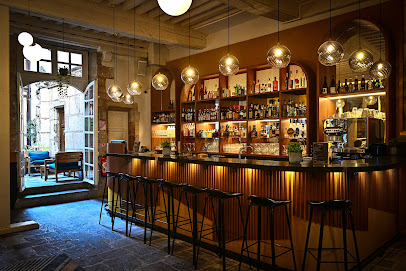
Discover the vibrant nightlife at Le 19 Dijon, a stylish cocktail bar with exquisite drinks and delectable tapas in the heart of France.
L'Happy Blues, café brasserie
1.7 km
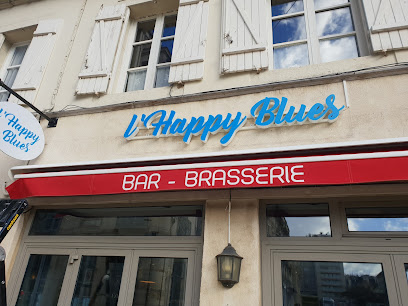
Discover the charm of Dijon at L'Happy Blues, a cozy café brasserie offering delightful dishes and a welcoming atmosphere for every traveler.
Caveau de la Chouette
1.7 km
Discover the exquisite flavors of Burgundy at Caveau de la Chouette, a premier wine bar and restaurant in the heart of Dijon.
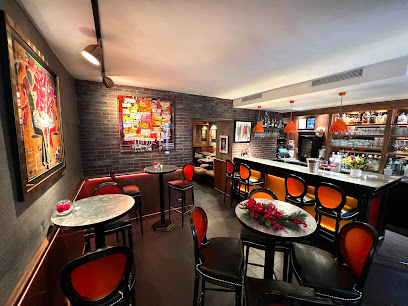
Monsieur Moutarde
1.8 km
Experience the vibrant nightlife of Dijon at Monsieur Moutarde, where exquisite cocktails and a chic atmosphere await.
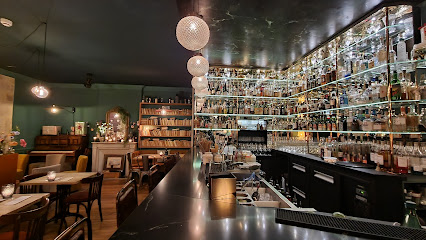
Nightclubs & after hour spots

Diviowl Bousille Club
1.2 km
Dive into the artistic and vibrant atmosphere of Diviowl Bousille Club in Dijon, a unique blend of bar, gallery, and tattoo shop.
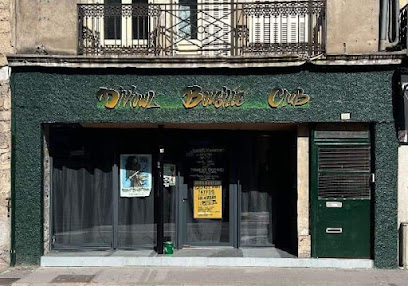
La Dolce
1.3 km
Experience Dijon’s vibrant nightlife at La Dolce, where local wines and crafted cocktails meet a lively atmosphere.
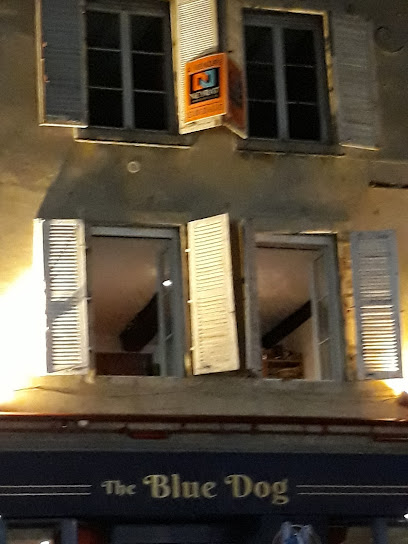
Le Tube | Bar à chicha à Dijon
1.6 km
Experience the vibrant atmosphere of Le Tube, a chic hookah bar in Dijon, offering a unique blend of relaxation, socializing, and delightful flavors.
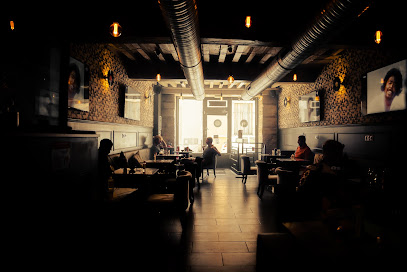
Deep Inside Klub Rock
1.7 km
Dive into the vibrant nightlife of Dijon at Deep Inside Klub Rock, where live music and great drinks create an unforgettable experience.
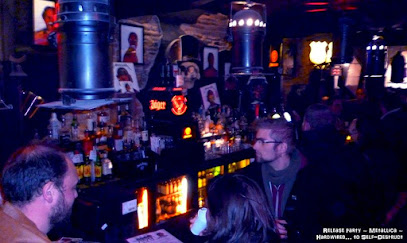
Le Club
1.7 km
Discover Le Club, a stylish cocktail bar in Dijon, where expertly crafted drinks meet a vibrant atmosphere for an unforgettable night out.
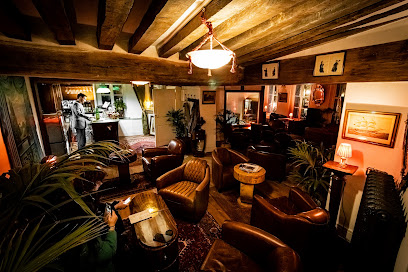
Bal'tazar
2.2 km
Experience the vibrant nightlife of Dijon at Bal'tazar, where the beats keep you dancing until dawn.
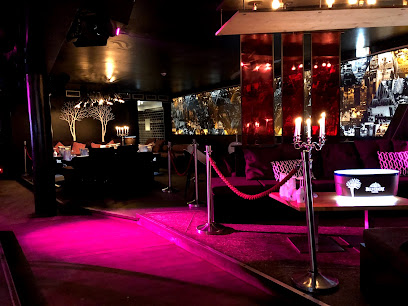
Byron Bay
2.2 km
Discover the vibrant nightlife and stunning beaches of Byron Bay, Australia's ultimate coastal destination for relaxation and adventure.
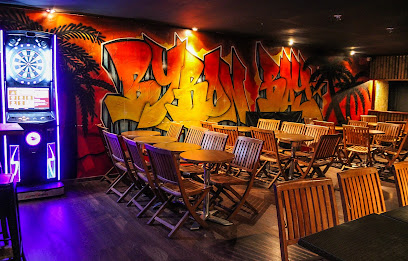
100% Latino
2.2 km
Discover the vibrant Latin American cocktail culture at 100% Latino in Dijon, where handcrafted drinks and lively ambiance await.
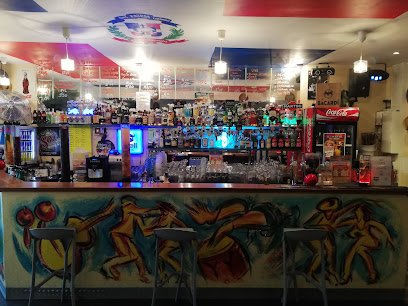
La Belle Époque
2.3 km
Discover the heart of Dijon's nightlife at La Belle Époque, where vibrant beats and a lively atmosphere await.
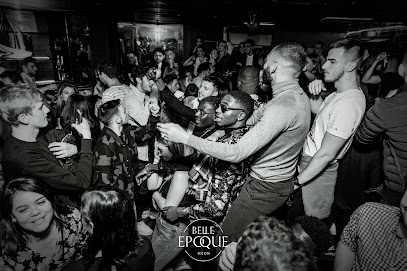
Le Beverly
2.3 km
Experience the vibrant nightlife at Le Beverly, a popular night club and pool hall in Dijon, where entertainment meets socializing in a lively atmosphere.
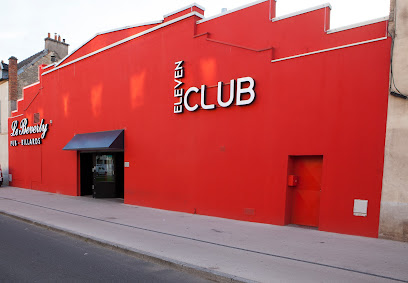
Le Smart
2.3 km
Discover Le Smart in Dijon, where exceptional dining meets a lively nightlife experience, offering the best of local flavors and vibrant entertainment.
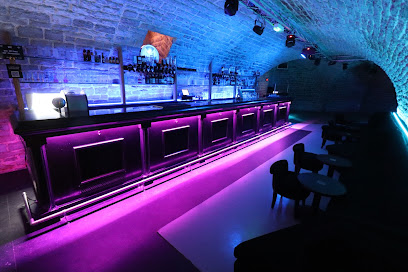
VIP 21 CLUB - Dijon
2.5 km
Dive into the vibrant nightlife of Dijon at VIP 21 Club, where the music is loud, and the atmosphere is electric.
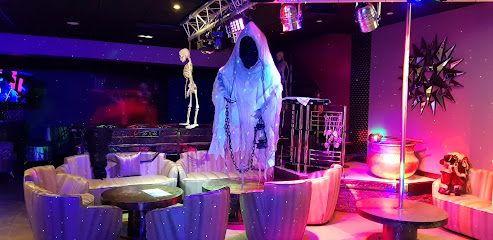
BBL
3.6 km
Experience the vibrant nightlife of Dijon at BBL, where music, dance, and unforgettable memories come together.
L'Acropole
3.6 km
Experience the sophisticated ambiance of L'Acropole, a chic lounge in Dijon, perfect for unwinding with drinks and enjoying the vibrant nightlife.
Black Pearl
34.4 km
Unleash your energy at Black Pearl, the ultimate disco club in Creancey - Pouilly-en-Auxois, where vibrant nightlife and unforgettable moments await.