Sanctuary of Lisieux: A Spiritual Beacon
Discover the spiritual heart of Normandy at the Sanctuary of Lisieux, a beacon of faith, art, and history dedicated to Saint Thérèse, attracting millions worldwide.
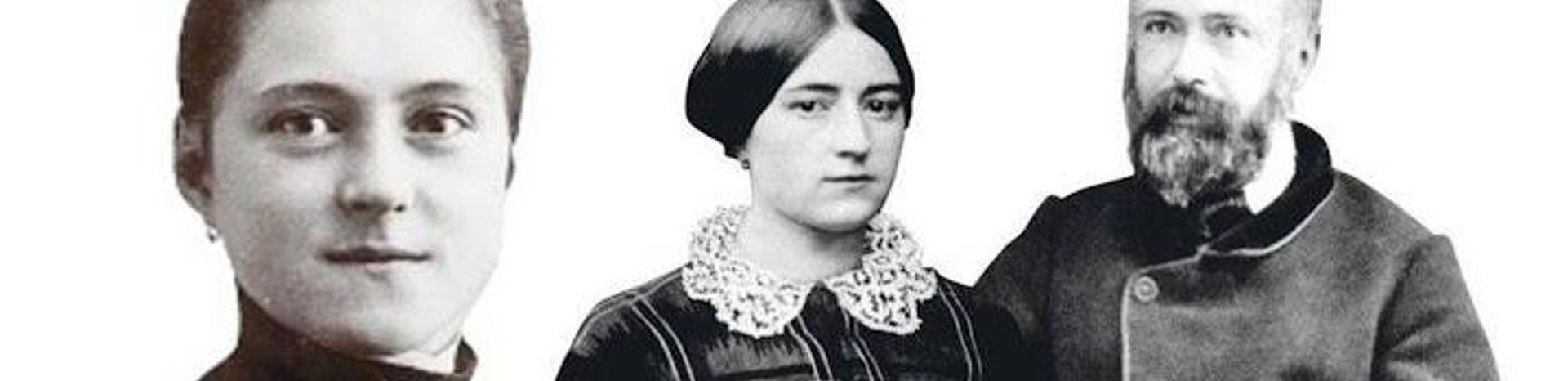
The Sanctuary of Lisieux, dedicated to Saint Thérèse of Lisieux, stands as France's second most significant pilgrimage site after Lourdes. This impressive basilica, completed in 1954, draws millions annually to Lisieux. The sanctuary is more than just a religious site; it's an architectural marvel blending Neo-Byzantine and Art Deco styles. Visitors can explore the basilica's stunning mosaics and stained-glass windows, climb to the dome for panoramic views, and reflect in the crypt, where the relics of Saint Thérèse's parents, Saints Louis and Zélie Martin, rest. The basilica offers a serene and inspiring atmosphere for pilgrims and tourists alike, set amidst the tranquil Normandy countryside. Whether seeking spiritual solace or admiring artistic grandeur, the Sanctuary of Lisieux provides a memorable experience.
A brief summary to Sanctuary of Lisieux
- 31 Rue du Carmel, Lisieux, 14100, FR
- +33231485500
- Visit website
- Monday 9:30 am-8 pm
- Tuesday 9:30 am-8 pm
- Wednesday 9:30 am-8 pm
- Thursday 9:30 am-8 pm
- Friday 9:30 am-8 pm
- Saturday 9:30 am-8 pm
- Sunday 9:30 am-8 pm
Local tips
- Visit during the off-season (spring or fall) to avoid large crowds and enjoy a more peaceful experience.
- Take a guided tour to fully appreciate the history and significance of the basilica and its artwork.
- Attend a mass or prayer service to experience the spiritual atmosphere of the sanctuary.
- Explore Les Buissonnets, Saint Thérèse's childhood home, to gain insights into her early life.
- Sample local Norman cuisine, such as cider and cheese, at nearby farms and markets.

Getting There
-
Walking
From Lisieux train station, the Sanctuary is approximately a 15-20 minute walk. Exit the station and head northeast on Avenue Victor Hugo. Continue onto Boulevard Sainte-Anne, following signs for the Basilica. The route is mostly uphill, passing the Saint-Pierre Cathedral. The Basilica will become visible on the hillside, and you can follow Rue du Carmel to the main entrance. This walk is free.
-
Public Transport
Local buses (Astrobus) connect the Lisieux train station and other points in the town to the Sanctuary. Check local bus schedules for the most up-to-date routes and times. Bus tickets can be purchased on board or at local newsstands. A single journey will cost approximately €2.
-
Taxi/Ride-Share
Taxis are readily available at the Lisieux train station. A taxi ride to the Sanctuary of Lisieux will take approximately 5-10 minutes, depending on traffic. Expect to pay around €10-€15 for the trip. Ride-sharing services like Uber are not widely available in Lisieux, so taxis are the more reliable option.
-
Driving
If driving, follow signs for the Basilica from the center of Lisieux. Ample parking is available near the Basilica, including a free motorhome parking area. Parking at the Basilica is free. Be aware that the Basilica car park is closed to motorhomes at night.
Discover more about Sanctuary of Lisieux
Iconic landmarks you can’t miss

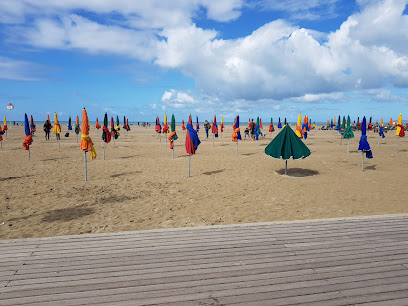
Deauville Beach
27.0 km
Explore the sandy shores and vibrant atmosphere of Deauville Beach, Normandy's premier destination for sun, sea, and relaxation.
Beach Temple
28.7 km
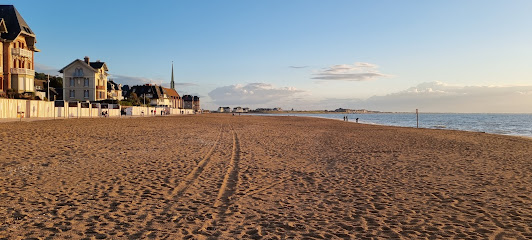
Experience the tranquil beauty of Beach Temple in Houlgate, a serene public beach perfect for relaxation and coastal exploration in France.
Plage de Criqueboeuf
30.0 km
Experience the tranquil charm of Plage de Criqueboeuf, a picturesque public beach in Normandy perfect for relaxation and exploration.
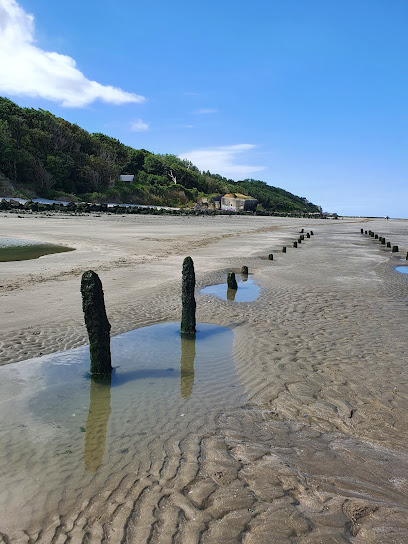
La Lieutenance
31.0 km
Discover the enchanting charm and picturesque views at La Lieutenance in Honfleur, a must-visit destination for any traveler exploring this beautiful French town.
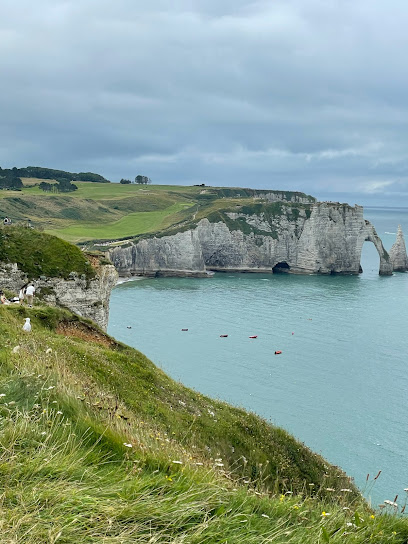
Ranville War Cemetery
36.7 km
Reflect on D-Day's cost at Ranville War Cemetery, the final resting place for British and German soldiers in Normandy, France.
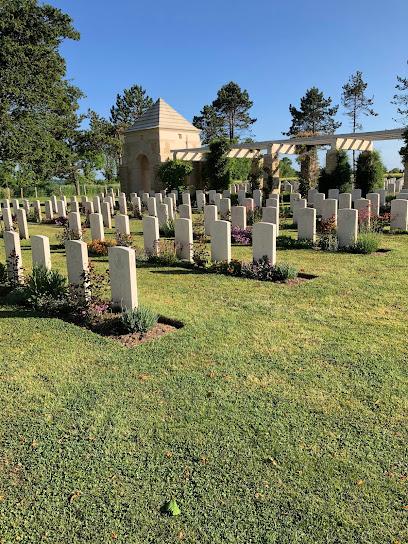
Pegasus Bridge
37.6 km
Visit Pegasus Bridge in Normandy: a historic D-Day site, captured by British airborne troops, symbolizing courage and liberation.
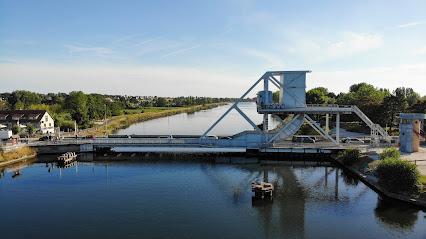
Lighthouse of Ouistreham
37.8 km
Explore the iconic Lighthouse of Ouistreham, where maritime history meets stunning coastal views in Normandy, France.
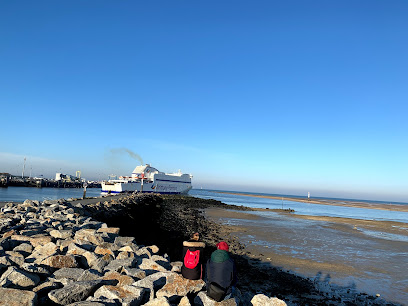
Normandy beach race
38.4 km
Discover the exhilarating blend of history and motorsport at the iconic Normandy Beach Race in Ouistreham, a must-visit for every traveler.

Bretteville Canadian War Cenetery
38.9 km
A solemn tribute to Canadian soldiers who gave their lives during the Battle of Normandy, a place of remembrance and reflection.
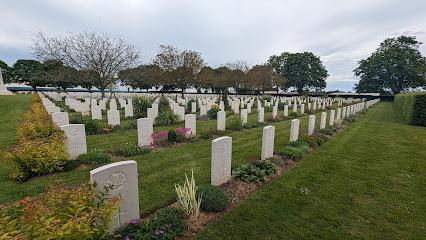
Plage de Ouistreham
39.6 km
Explore the stunning Plage de Ouistreham, a beautiful sandy beach in Normandy perfect for families, relaxation, and water sports enthusiasts.
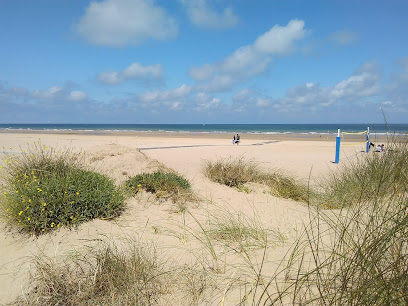
Caen Tourist Office
43.1 km
Your gateway to exploring Caen and Normandy: expert advice, maps, tours, and the Caen Pass for discounts on local attractions.
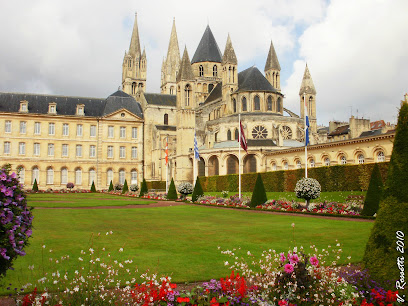
Museum of Fine Arts, Caen
43.2 km
Explore six centuries of European art within Caen's historic castle walls at the Musée des Beaux-Arts, a treasure trove of paintings and sculptures.
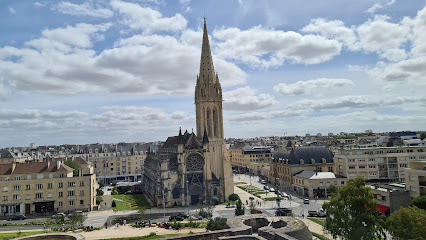
Porte des Champs
43.2 km
Explore the historical beauty of Porte des Champs in Caen, a stunning landmark that showcases the rich heritage and architectural elegance of this French city.
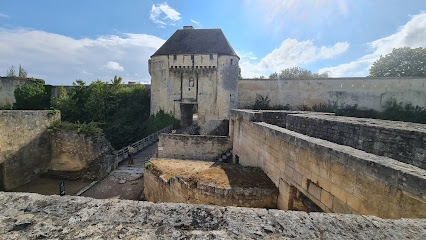
Maison des Quatrans
43.2 km
Discover the Maison des Quatrans, a beautifully preserved 15th-century timber-framed house in Caen's historic center, showcasing medieval architecture.
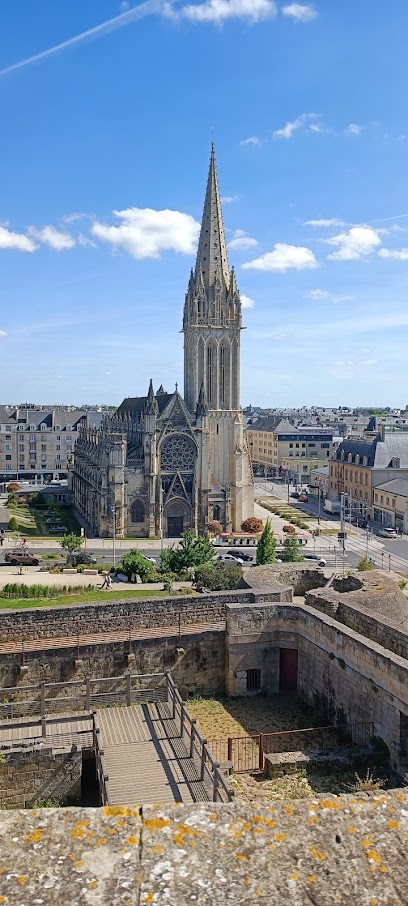
Caen Castle
43.3 km
Explore Caen Castle, a historic Norman fortress housing museums and offering panoramic city views. A cultural hub with a rich past.
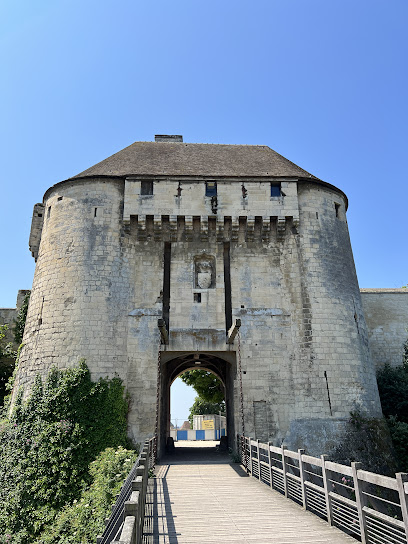
Unmissable attractions to see

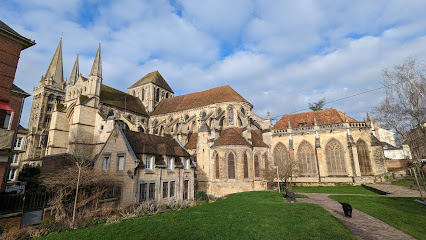
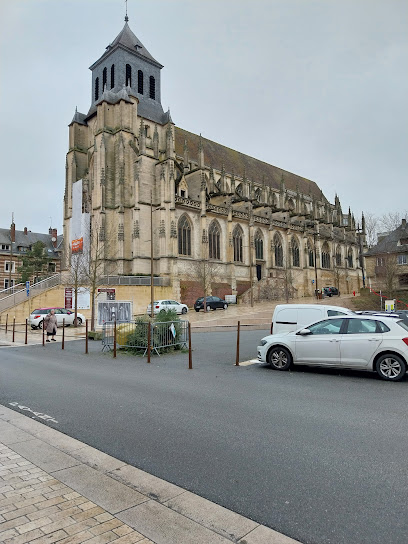
Lisieux Cathedral
0.5 km
Discover the breathtaking beauty and rich history of Lisieux Cathedral, a Gothic masterpiece in the heart of Normandy, France.
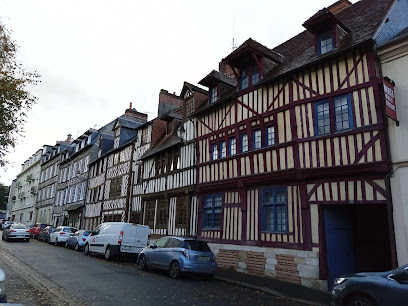
Musée d'art et d'histoire de Lisieux
0.7 km
Explore the rich history and artistic treasures of Lisieux at the Musée d'art et d'histoire, a must-visit cultural gem in Normandy.
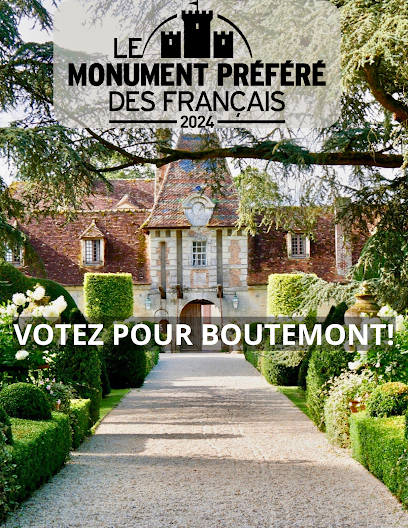
Château de Boutemont
5.2 km
Explore the captivating Château de Boutemont, a historic castle surrounded by beautiful gardens and rich culture in the heart of the French countryside.
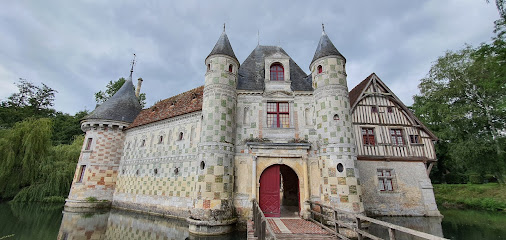
Château de Saint-Germain-de-Livet
6.0 km
Discover the exquisite beauty and rich history of Château de Saint-Germain-de-Livet, a must-visit castle and museum in Normandy, France.
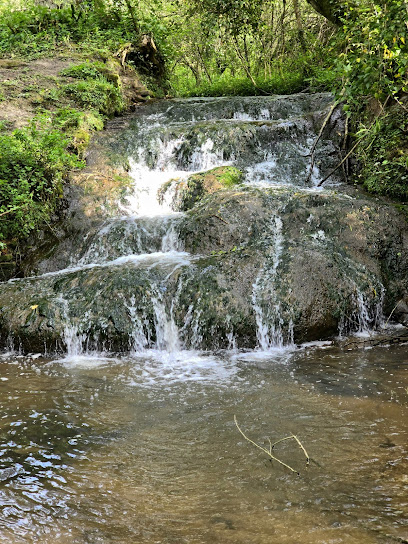
Cascade de Prêtreville
7.3 km
Explore the stunning Cascade de Prêtreville, a hidden gem in Normandy that offers breathtaking views and tranquil surroundings for nature lovers.
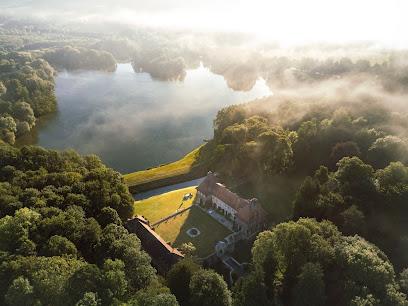
La Spiriterie Française - Château du Breuil
9.9 km
Discover the art of Calvados at Château du Breuil in Normandy: a historic distillery offering tours, tastings, and a sensory journey through French spirit-making tradition.
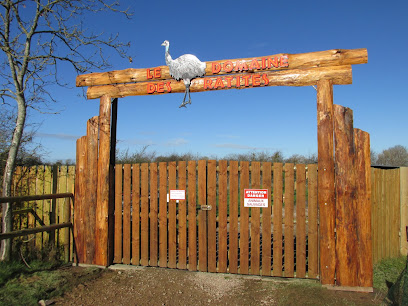
Le Clos des Ratites
10.0 km
Discover the unique world of ostriches and emus at Le Clos des Ratites, a family-friendly animal park in the beautiful countryside of Valorbiquet, France.
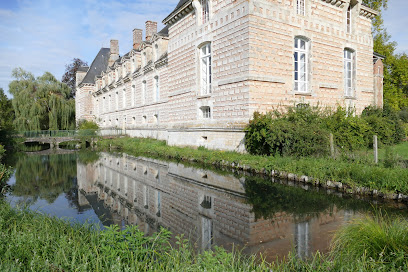
Château le Kinnor
11.4 km
Explore the stunning Château le Kinnor, a historical gem in Livarot-Pays-d'Auge, offering rich heritage and breathtaking architecture.
Route du Cidre
13.1 km
Discover the enchanting Route du Cidre in Normandy, where scenic views and delightful cider tastings await every traveler.
NOPPE
13.2 km
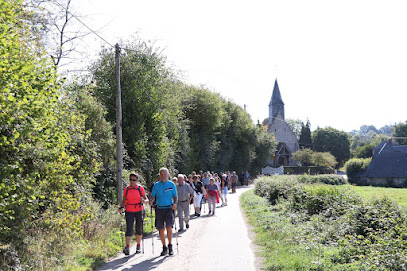
Experience the tranquility of NOPPE, a botanical garden in Cambremer, where vibrant flora and serene paths await your exploration.
Château de Crèvecœur - Fondation Musée Schlumberger
15.9 km
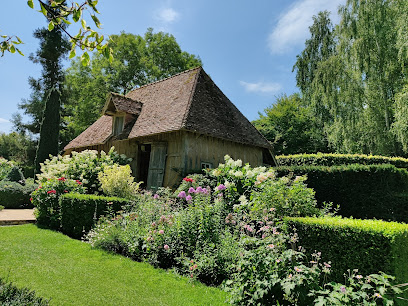
Discover the rich history and stunning architecture of Château de Crèvecœur, a captivating castle and museum in the heart of Normandy.
Domaine Familial Louis Dupont
16.5 km
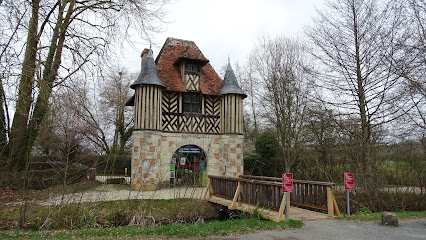
Discover the authentic taste of Normandy at Domaine Familial Louis Dupont, where tradition and innovation blend to create exceptional Calvados and ciders on the picturesque Cider Route.
Distillerie Père Magloire
17.1 km
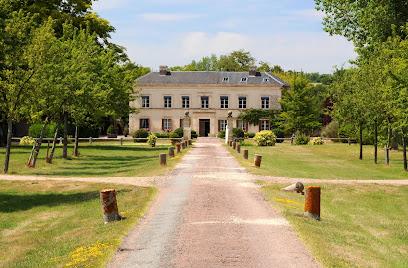
Discover the secrets of Calvados at Distillerie Père Magloire in Normandy: an immersive journey through history, tradition, and the exquisite flavors of this iconic apple brandy.
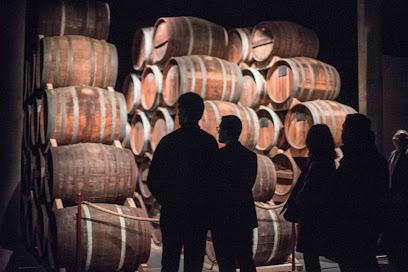
Le Clos de Chanchore
18.5 km
Experience the enchanting beauty of Le Clos de Chanchore, a serene garden retreat in Fresne-Cauverville, perfect for nature lovers and tourists.
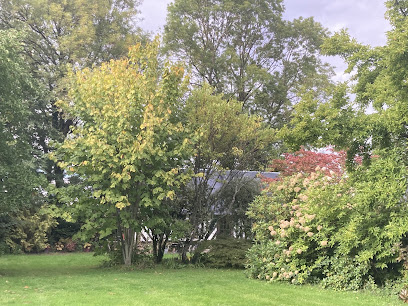
Calvados Christian Drouin
18.6 km
Discover the art of Calvados at Christian Drouin, a family-run distillery in Normandy's Pays d'Auge, where tradition meets innovation to create award-winning spirits since 1960.
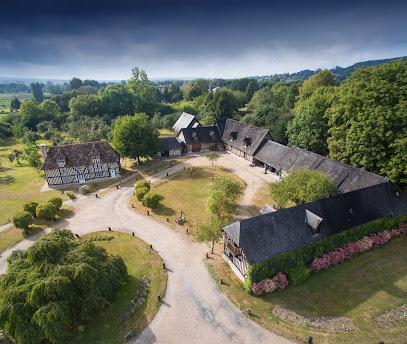
Essential places to dine

Restaurant Le Pot d'Étain
6.2 km
Experience authentic French cuisine at Restaurant Le Pot d'Étain in Manerbe—where tradition meets taste in a charming setting.
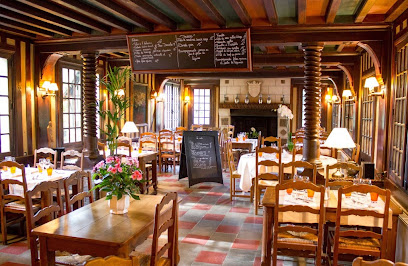
Restaurant Au P'tit Normand
13.1 km
Experience authentic French cuisine at Restaurant Au P'tit Normand in Cambremer - where tradition meets taste in every dish.
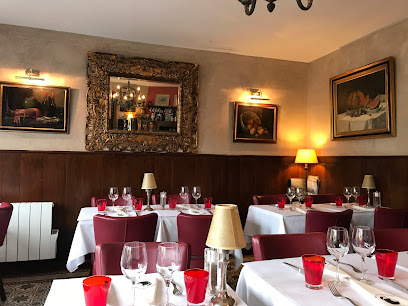
La Cle de Sole
16.3 km
Experience exquisite French cuisine at La Cle de Sole in Pont-l'Évêque – where local flavors meet culinary artistry.
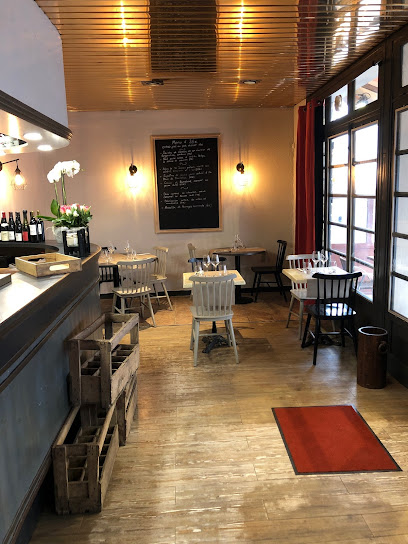
Le Normandie
16.3 km
Experience authentic French cuisine at Le Normandie in Pont-l'Évêque – where tradition meets culinary excellence.
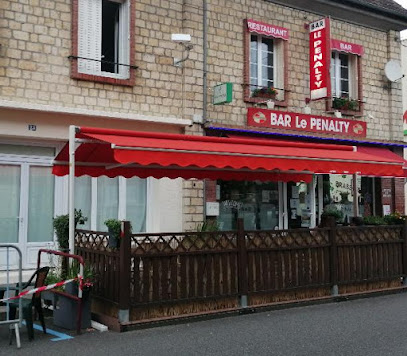
Le Penalty
23.8 km
Experience authentic French cuisine at Le Penalty in Vimoutiers—where tradition meets flavor in every dish.
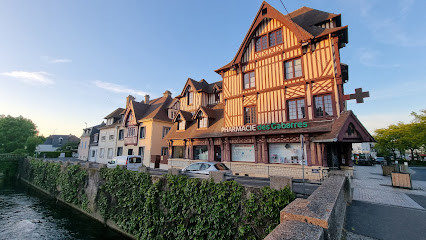
La Maison du Vert
26.1 km
Experience exquisite vegetarian French cuisine at La Maison du Vert in Ticheville—a culinary gem nestled in nature's embrace.
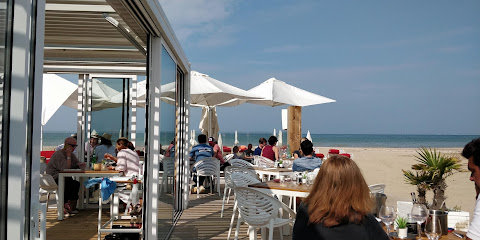
Sunset Beach
26.5 km
Discover Sunset Beach: A culinary gem in Benerville-sur-Mer offering delicious tapas and vibrant bar experiences with breathtaking coastal views.
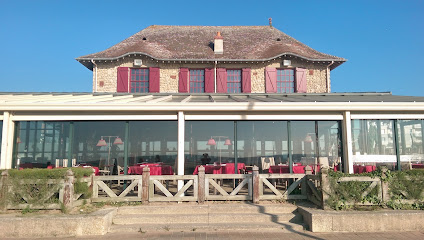
La Villa sur la Plage
26.7 km
Experience exquisite French cuisine with breathtaking seaside views at La Villa sur la Plage in Tourgéville.
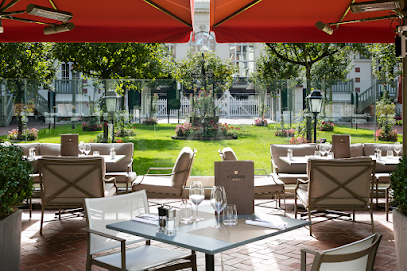
Belle Epoque
26.8 km
Discover culinary excellence at Belle Epoque in Deauville - where tradition meets innovation in every delicious dish.
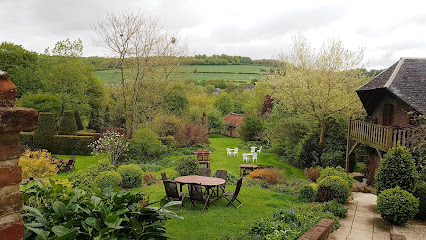
L'Auberge de la Source - Hôtel de charme et restaurant - Honfleur
27.8 km
Experience exquisite French cuisine and charming accommodations at L'Auberge de la Source in beautiful Barneville-la-Bertran.
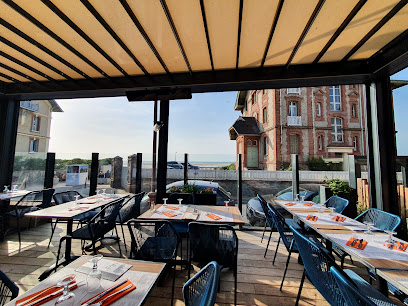
L'Arbre à Pin
28.6 km
Experience authentic Italian flavors at L'Arbre à Pin in Houlgate - where every meal is a journey to Italy.
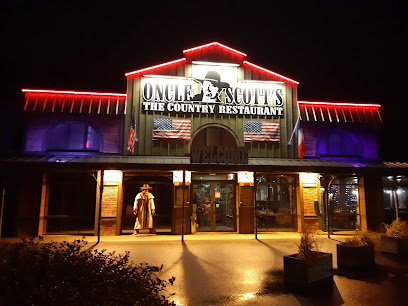
Oncle Scott's
30.3 km
Experience delightful dining at Oncle Scott's in Honfleur – where local ingredients meet culinary creativity.
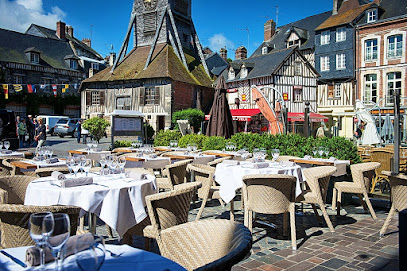
Restaurant La Lieutenance
31.0 km
Experience exquisite French fine dining at Restaurant La Lieutenance in Honfleur - where culinary artistry meets fresh seafood delights.
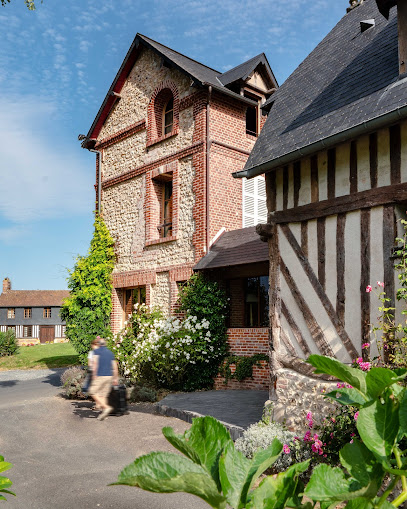
La Ferme Saint Siméon - Relais & Châteaux
31.3 km
Experience luxury at La Ferme Saint Siméon: A charming hotel blending rustic elegance with fine dining and serene spa treatments in picturesque Honfleur.
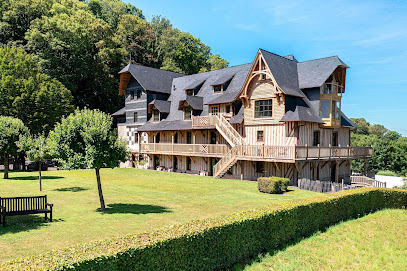
Restaurant Paris-Caen-Cherbourg
37.4 km
Experience authentic French cuisine at Restaurant Paris-Caen-Cherbourg - a charming brasserie in Nassandres sur Risle.
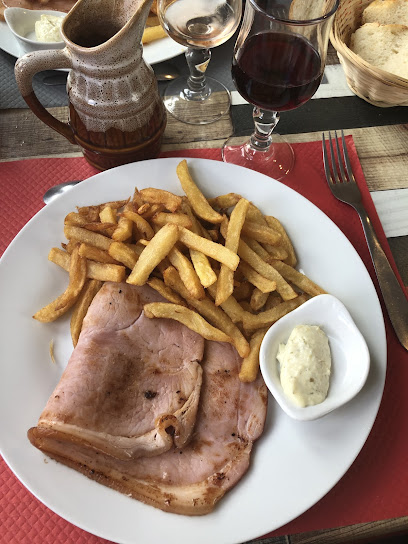
Markets, malls and hidden boutiques

Tout Simplement
0.2 km
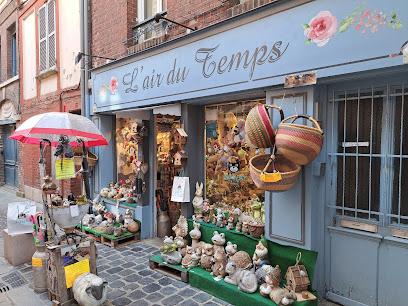
Explore Tout Simplement in Lisieux for artisan treasures and local delights that embody the essence of Normandy, perfect for unique gifts and souvenirs.
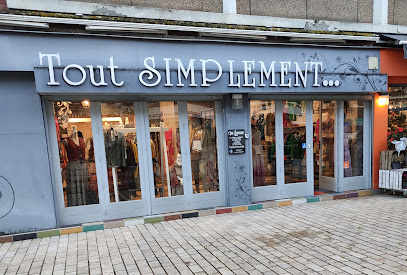
charme et douceur
0.2 km
Explore exquisite lingerie at 'charme et douceur' in Lisieux - a boutique that celebrates elegance, comfort, and personal service.
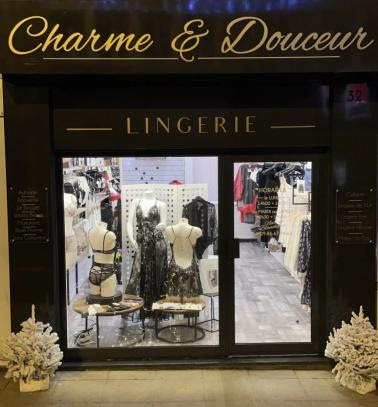
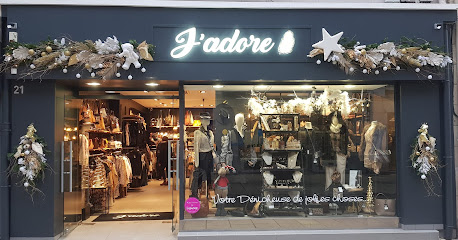
J'adore
0.3 km
Discover the essence of style at J'adore, Lisieux's premier clothing store, offering a unique selection of fashion for every occasion.
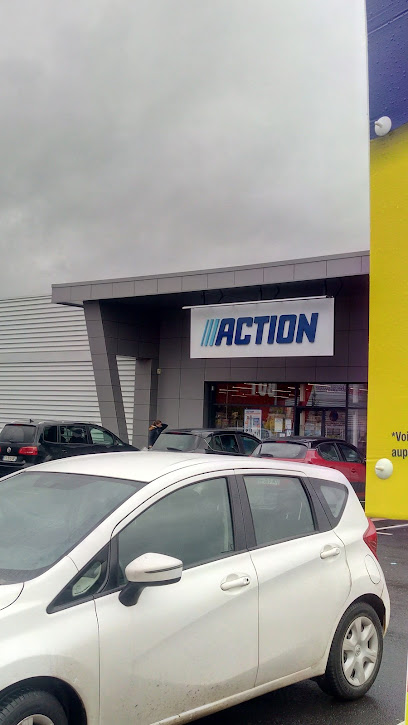
Action Pont L Eveque
15.9 km
Explore Action Pont L'Évêque for a unique shopping experience with a wide range of products from DIY supplies to home goods and more.
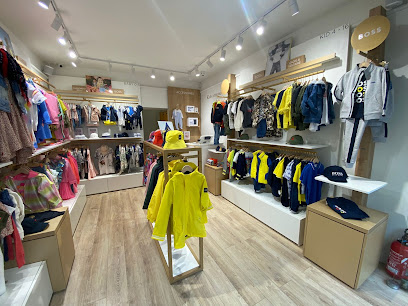
Kids around Deauville
26.6 km
Discover trendy children's clothing and accessories at Kids Around Deauville—where fashion meets fun for the little ones!
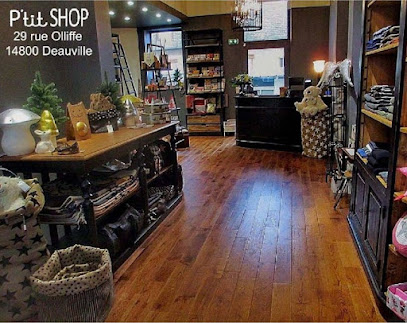
P'tit SHOP
26.6 km
Discover P'tit SHOP in Deauville, your go-to gift shop for children's clothing, toys, and unique home decor that spark joy and creativity.
AU DIABLOTIN TABAC SOUVENIR
26.9 km
Explore AU DIABLOTIN TABAC SOUVENIR in Deauville for unique gifts, beach essentials, and local treats that capture the spirit of the French coast.
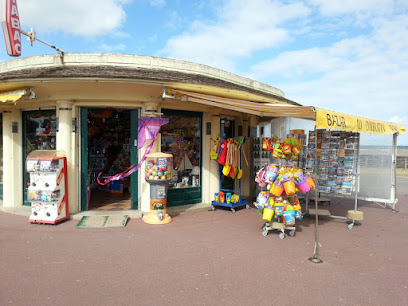
LA QUINCAILLERIE D'ALBERTINE
27.2 km
Experience the charm of Trouville-sur-Mer's fashion scene at La Quincaillerie d'Albertine, where unique accessories await every visitor.
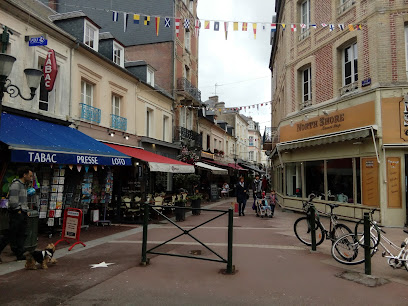
Boutique Germain
27.3 km
Explore the enchanting Boutique Germain in Bernay for unique gifts, handcrafted treasures, and local artistry that captures the essence of French culture.
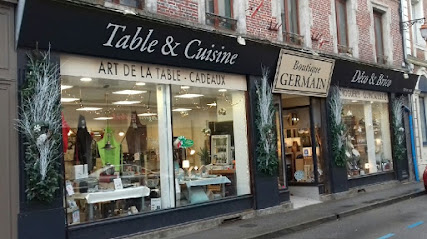
Action Dives sur Mer
28.4 km
Discover unique finds and local treasures at Action Dives sur Mer, your one-stop shop for gifts, DIY supplies, and more in Dives-sur-Mer.
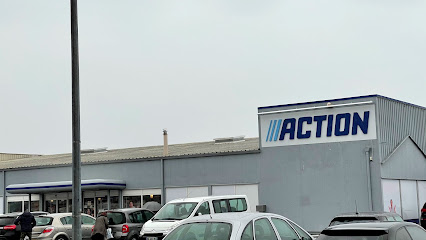
HONFLEUR NORMANDY OUTLET
30.4 km
Discover unique shopping experiences at Honfleur Normandy Outlet, surrounded by the beauty of Normandy's historic coastal town.
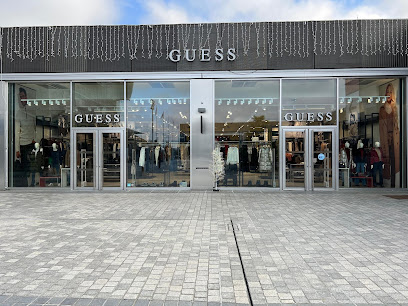
GUESS
30.4 km
Explore stylish clothing and accessories at GUESS in Honfleur's Normandy Outlet, where quality meets modern fashion at great prices.
Ma petite boutique
37.6 km
Explore vintage treasures and unique fashion finds at Ma Petite Boutique in Mesnil-en-Ouche, a must-visit for stylish tourists.
Mondeville 2
38.0 km
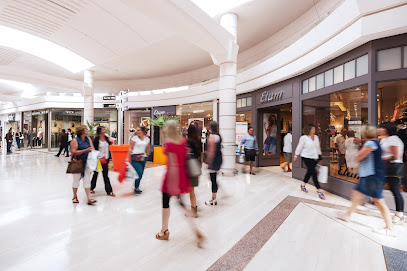
Experience the best of shopping and dining at Mondeville 2, a premier mall in Normandy offering endless choices for tourists and locals.
Smyths Toys Caen
38.1 km
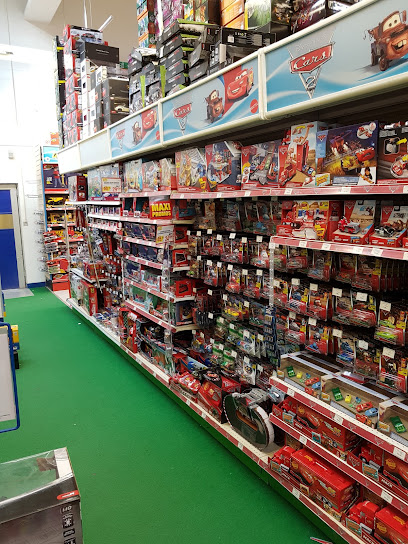
Discover endless fun and imagination at Smyths Toys Caen, a premier toy store in Mondeville, offering a vast selection for children and families.
Essential bars & hidden hideouts

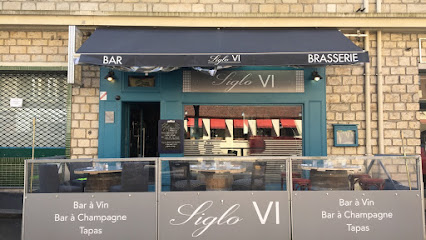
SIGLO VI
0.1 km
Experience the vibrant local culture at SIGLO VI, a charming bar in the heart of Lisieux, perfect for unwinding with friends.
La Famille
0.2 km
Experience the warmth and charm of La Famille, a cozy bar and cafe in Lisieux with a delightful selection of beverages and a friendly atmosphere.
Le 33
0.2 km
Discover the vibrant atmosphere and exquisite cocktails at Le 33, the perfect lounge in Lisieux for relaxation and socializing.
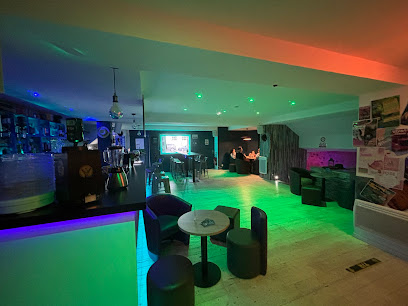
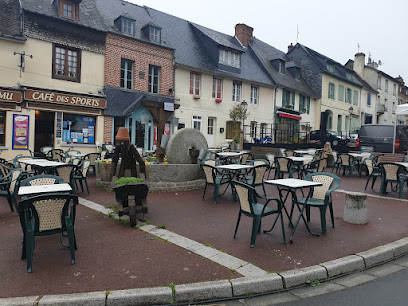
Bar des sports
13.1 km
Experience the vibrant atmosphere of Bar des Sports in Cambremer, where sports, camaraderie, and local culture blend seamlessly.
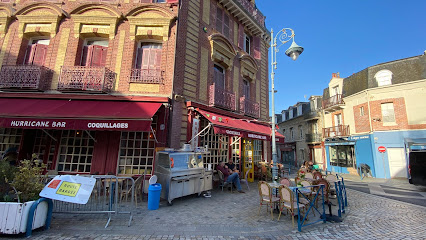
Hurricane Bar
26.3 km
Discover the vibrant atmosphere at Hurricane Bar, where cocktails, chocolates, and coastal charm come together in Villers-sur-Mer.
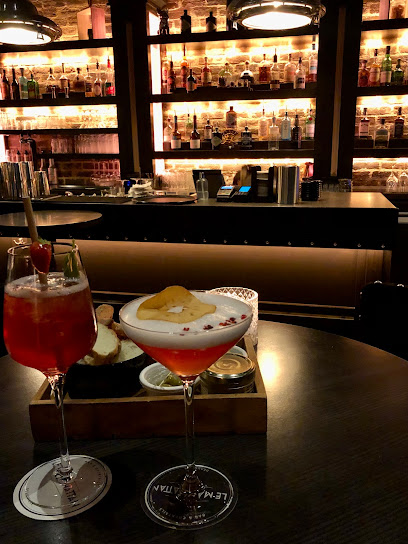
Le Manhattan
26.5 km
Experience the vibrant nightlife of Deauville at Le Manhattan, where exquisite cocktails meet chic ambiance in a stylish lounge setting.
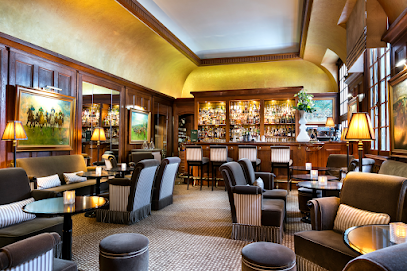
Le Bar du Normandy
26.7 km
Experience elegance and relaxation at Le Bar du Normandy in Deauville, where exquisite cocktails and a chic atmosphere await you.
Le Bar du Soleil
27.0 km
Experience the elegance of French cuisine at Le Bar du Soleil, where every meal is enhanced by stunning coastal views and a vibrant atmosphere.
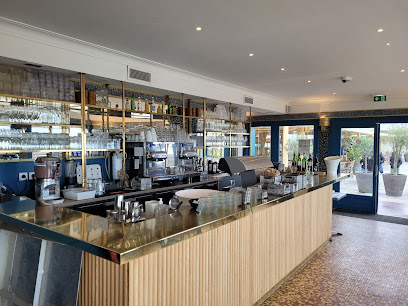
Bar à huîtres L'annexe
28.5 km
Experience the taste of the sea at Bar à huîtres L'annexe, Houlgate's premier spot for fresh oysters and local seafood delights.
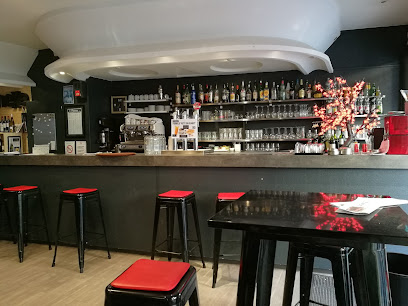
Carpedien Cabourg
29.9 km
Experience the best of French wine and cuisine at Carpedien Cabourg, a charming wine bar and restaurant overlooking the picturesque coast.
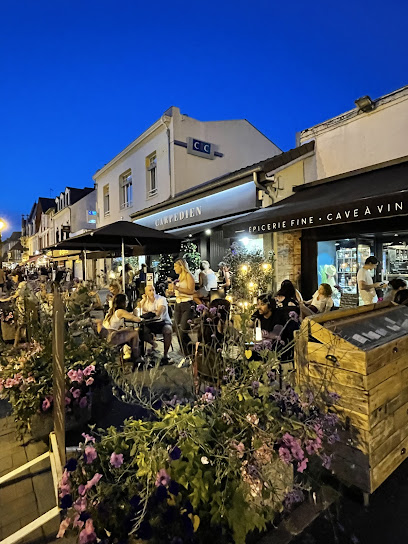
The Dad and Son
30.0 km
Discover the charm of Cabourg at The Dad and Son, a cozy bar known for its welcoming atmosphere and delightful drink selection.
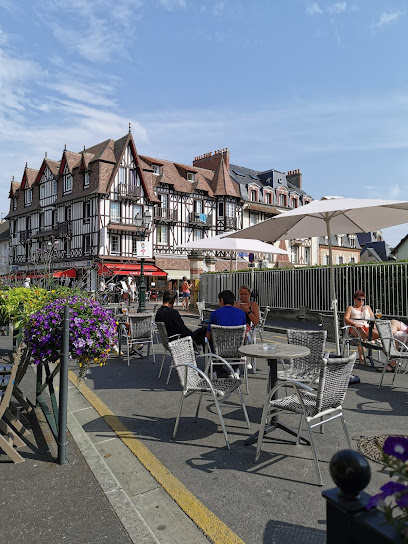
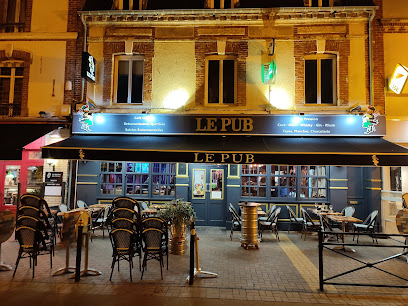
Le Pub
30.0 km
Discover the charm of Le Pub in Cabourg, where delicious cuisine meets a vibrant atmosphere, perfect for relaxation and socializing by the sea.
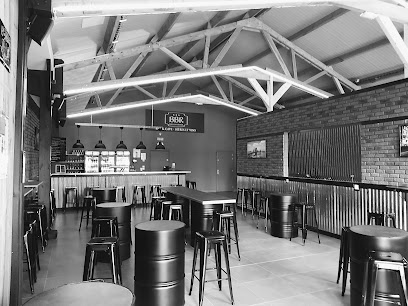
BBR
30.0 km
Experience the best of local brews and vibrant atmosphere at BBR, a premier beer hall in Moult-Chicheboville.
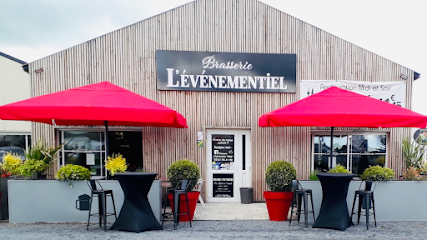
Bar Restaurant L'Evénementiel
30.1 km
Discover the vibrant culinary scene at Bar Restaurant L'Evénementiel, offering delicious dishes and an inviting atmosphere in Moult-Chicheboville.
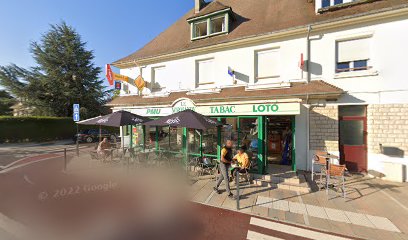
Le Normandy - Cagny
35.2 km
Experience the charm of Cagny at Le Normandy, where delightful drinks and local culture come together in a cozy atmosphere.
Nightclubs & after hour spots

Millénium
0.2 km
Join the vibrant party scene at Millénium, Lisieux’s premier disco club, where electrifying music and a lively atmosphere await you.
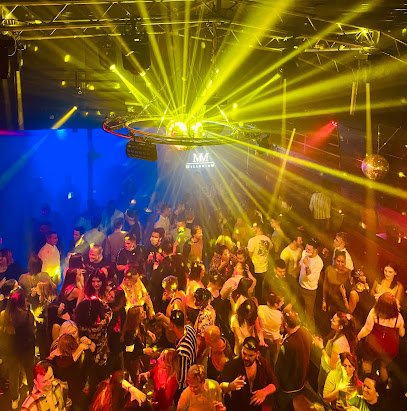
Privilège Club
16.9 km
Immerse yourself in the electric nightlife of Pont-l'Évêque at Privilège Club, where music and dance unite for an unforgettable experience.
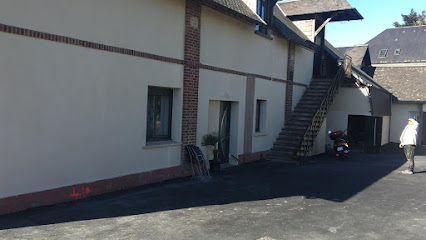
The Point Bar
26.5 km
Discover the vibrant nightlife at The Point Bar in Deauville, where dance, drinks, and unforgettable memories await.
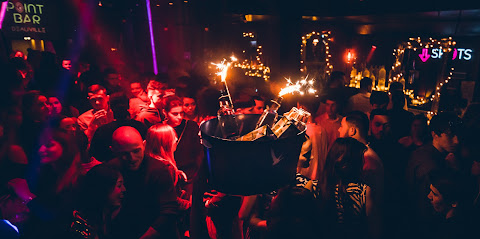
Y Club
26.5 km
Dive into Deauville's nightlife at Y Club, where electrifying music, stylish ambiance, and unforgettable moments await every visitor.
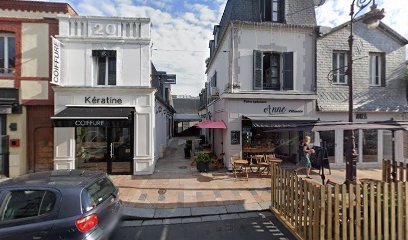
Le Chic
26.5 km
Le Chic: Deauville's premier night club, offering an unforgettable nightlife experience with electrifying music and exquisite cocktails.
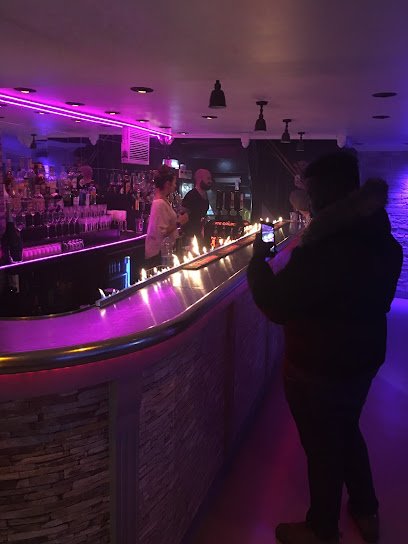
Le Club Deauville
26.5 km
Experience the electrifying nightlife of Deauville at Le Club Deauville, where music and dance come alive until dawn.
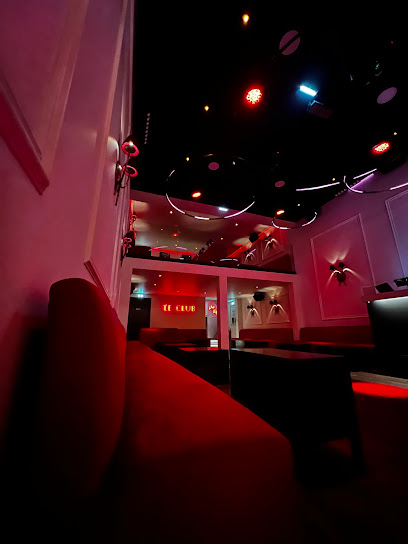
Meow
29.5 km
Discover the vibrant nightlife of Camembert at Meow, the ultimate night club for music lovers and party enthusiasts.

Havana Club
35.1 km
Dive into the lively nightlife at Havana Club, where music, dance, and vibrant atmosphere come together for an unforgettable evening in Merville-Franceville-Plage.
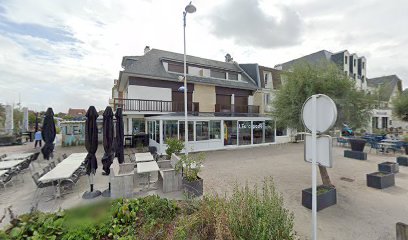
Le Cercle
39.0 km
Discover the vibrant nightlife at Le Cercle in Ouistreham, where music, dance, and excitement await every night.
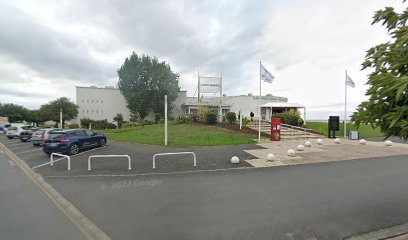
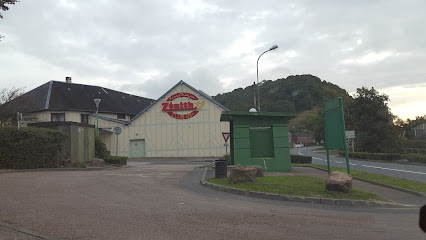
Le Zénith
39.4 km
Experience the electrifying nightlife at Le Zénith, Oudalle's premier night club offering music, dancing, and vibrant energy.
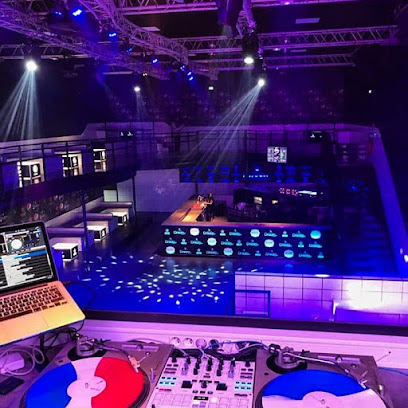
Le Dream
39.4 km
Experience the vibrant nightlife of Le Havre at Le Dream, where electrifying music, stylish ambiance, and unforgettable moments await.
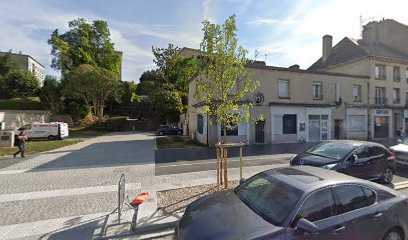
Les marches des Caen Runners
42.3 km
Discover the electrifying nightlife at Les Marches des Caen Runners, a vibrant night club in Caen, France, perfect for dancing and socializing.
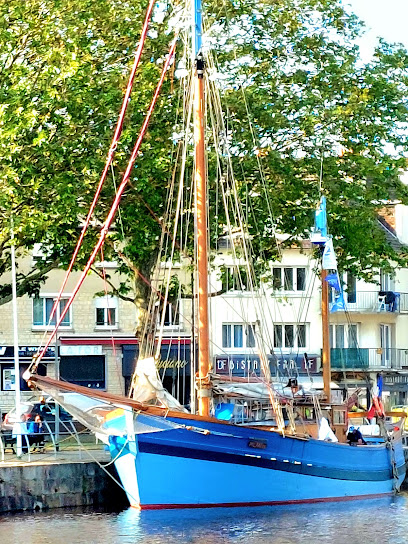
What’s
42.5 km
Discover the vibrant nightlife of Caen at What’s, the ultimate destination for music, dancing, and unforgettable experiences.
Le 32
42.7 km
Experience the heartbeat of Caen's nightlife at Le 32, a vibrant night club and bar that promises unforgettable evenings of music and dance.
Nuit Blanche
42.7 km
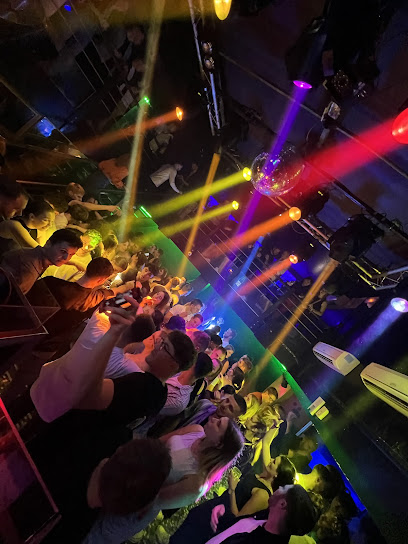
Discover the electrifying nightlife of Caen at Nuit Blanche, a vibrant night club offering a mix of music and dance in a lively atmosphere.