Towers and Walls of Aigues-Mortes: A Medieval Marvel
Explore the imposing medieval fortress of Aigues-Mortes, wander its ramparts, and discover centuries of French history amidst stunning views of the Camargue's pink salt marshes.
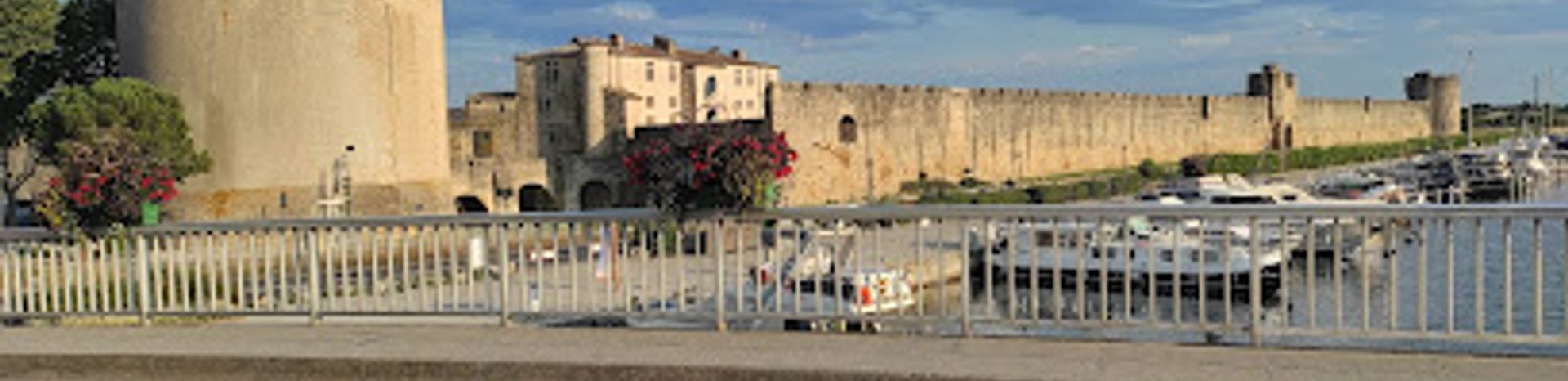
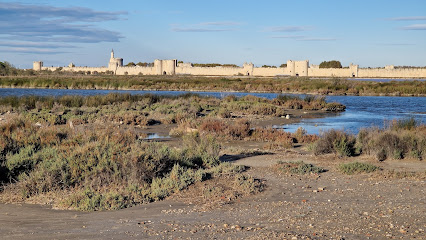
Step back in time at the Towers and Walls of Aigues-Mortes, a remarkably preserved medieval fortress in the heart of the Camargue. Built in the 13th century by Louis IX, this imposing structure served as a crucial port and defensive stronghold. Wander along the 1.6km of ramparts, punctuated by impressive towers and gates, offering panoramic views of the surrounding salt marshes and countryside. Explore the Constance Tower, notorious for its history as a prison for Protestant women. A visit here provides a fascinating glimpse into France's rich history and architectural prowess, making it a must-see destination for history buffs and casual travelers alike. Don't forget your binoculars to spot flamingos in the nearby marshes!
A brief summary to Towers and Walls of Aigues-Mortes
- Logis du gouverneur, Pl. Anatole France, Aigues-Mortes, 30220, FR
- +33466536155
- Visit website
- Monday 10 am-7 pm
- Tuesday 10 am-7 pm
- Wednesday 10 am-7 pm
- Thursday 10 am-7 pm
- Friday 10 am-7 pm
- Saturday 10 am-7 pm
- Sunday 10 am-7 pm
Local tips
- Wear comfortable shoes for walking the ramparts, as the path is uneven in places.
- Bring binoculars to enhance your views of the surrounding salt marshes and spot flamingos.
- Visit during the shoulder season (spring or fall) for fewer crowds and pleasant weather.
- Check the official website for special events or guided tours that may enhance your visit.
- Allow at least 2-3 hours to fully explore the towers, ramparts, and surrounding area.

Getting There
-
Walking
From the center of Aigues-Mortes (e.g., Place Saint-Louis), the Towers and Walls are easily accessible on foot. Orientation is straightforward as the walls enclose the entire old town. Simply walk towards any section of the visible ramparts. The main entrance, near Place Anatole France, is well-signposted from most points within the town. No special transport or tolls are required.
-
Public Transport
If arriving by train at Aigues-Mortes station, the Towers and Walls are approximately a 15-20 minute walk. Exit the station and follow the signs towards the old town (centre ville). Walk straight along Avenue de la Gare, then turn left onto Boulevard Gambetta. Continue until you reach the walls. The cost for the local train from Nimes to Aigues-Mortes is approximately €1. Aigues-Mortes station is equipped with a ticket machine that allows you to purchase tickets for €1.
-
Driving
If driving, be aware that parking inside the city walls is restricted to residents. Several paid parking lots are available just outside the walls. Follow signs for 'Parking Remparts' or 'Parking Centre Ville'. From these parking areas, the Towers and Walls are a short walk. Parking fees typically range from €1.60 per hour to €9 per day.
Discover more about Towers and Walls of Aigues-Mortes
Iconic landmarks you can’t miss

Carbonniere Tower
3.1 km
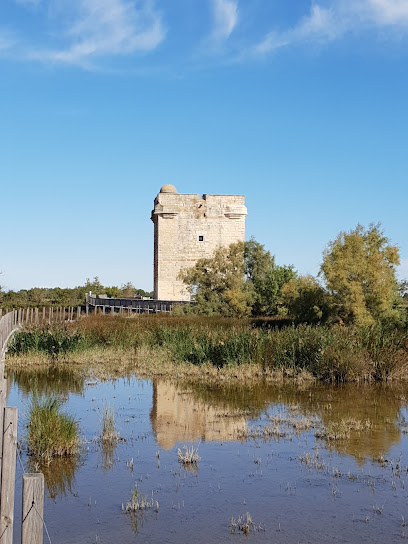
Explore the medieval Carbonniere Tower in Saint-Laurent-d'Aigouze, offering panoramic views of the Camargue's stunning natural landscape and rich history.
Petite Camargue
14.3 km
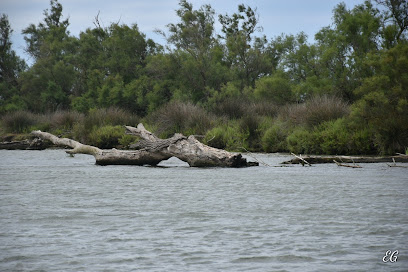
Discover Petite Camargue: A serene French plateau with wild horses, pink flamingos, and stunning wetlands near Saintes-Maries-de-la-Mer.
Promenade à cheval Chez Elise
17.7 km
Explore the Camargue's untamed beauty on horseback with guided tours for all skill levels. Discover diverse wildlife and stunning landscapes.
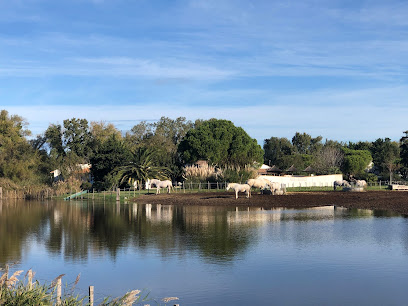
Château d'Avignon
17.8 km
Discover Château d'Avignon: A historic Camargue castle blending heritage, art, and nature in Saintes-Maries-de-la-Mer.
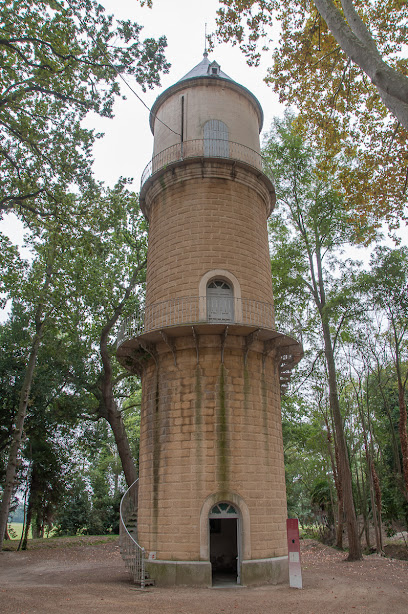
House Cheval Camargue
18.3 km
Discover the Camargue horse: history, breeding, and its role in the Camargue's unique ecosystem at this dedicated center.
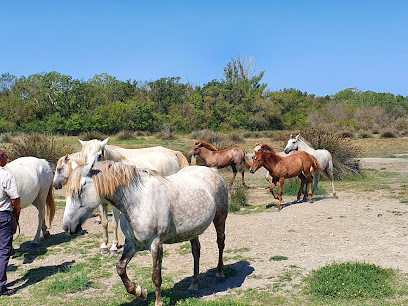
Aqueduc de Castries
21.2 km
Discover the Aqueduc de Castries, an 18th-century engineering marvel in Languedoc, France, offering scenic walks and historical insights.
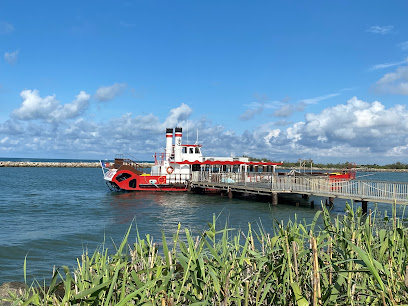
Tiki III
21.3 km
Discover the Camargue's untamed beauty on a traditional Tiki III cruise, offering unique views of wildlife and landscapes along the Petit Rhône.
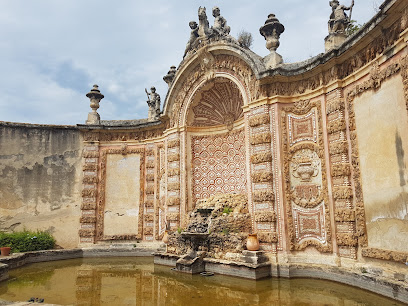
Château de la Mogère
21.6 km
Explore the enchanting Château de la Mogère, a stunning castle and tourist attraction in Montpellier, surrounded by beautiful gardens and rich history.
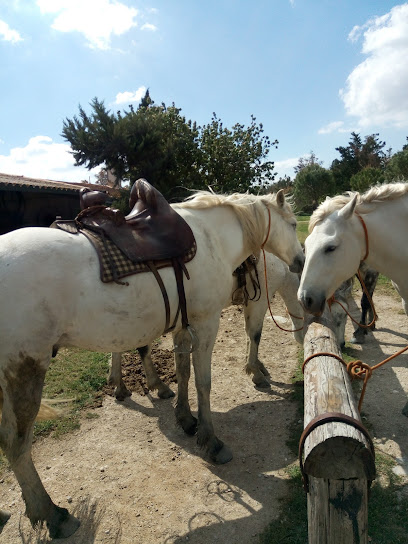
Promenade a Cheval sheepfold of Alivon in the Camargue
22.0 km
Discover the Camargue's untamed beauty on horseback at Alivon sheepfold. Guided tours, stunning landscapes, and unforgettable wildlife encounters await!
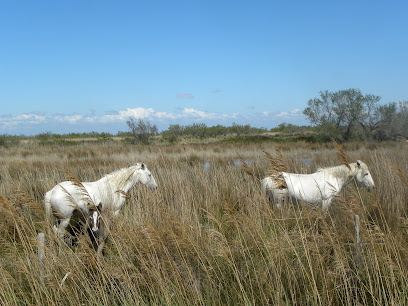
Domaine du Mas de la Cure
22.1 km
Discover the heart of Camargue at Domaine du Mas de la Cure, where history, culture, and natural beauty converge. Explore the legacy of the Camargue horse.
Place des Grands-Hommes
22.2 km
Explore the enchanting Place des Grands-Hommes in Montpellier, a unique reenactment site rich in history and culture, perfect for immersive experiences.
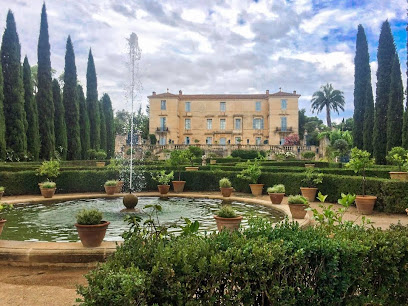
Château De Flaugergues
22.3 km
Discover the enchanting Château de Flaugergues in Montpellier, where history, elegance, and fine wines converge in a picturesque setting.
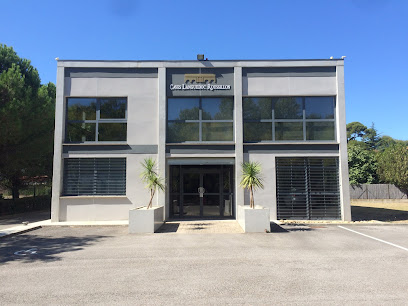
Caves Languedoc Roussillon
22.9 km
Explore the finest wines of the Languedoc region at Caves Languedoc Roussillon in Montpellier, where every sip tells a story of tradition and craftsmanship.
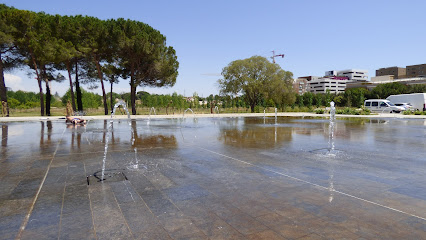
Parc Georges Charpak
23.2 km
Explore the tranquil beauty of Parc Georges Charpak in Montpellier, a perfect escape into nature with vibrant culture and recreation.
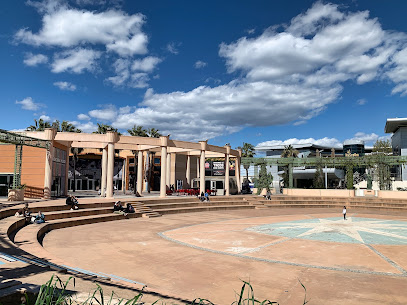
Les Villégiales Parc Marianne
23.4 km
Experience the perfect blend of art and nature at Les Villégiales Parc Marianne, a serene urban park in the heart of Montpellier.
Unmissable attractions to see

Constancy Tower
0.1 km
Explore the iconic Constancy Tower in Aigues-Mortes, a historical landmark that tells the story of France's rich heritage and offers stunning views.
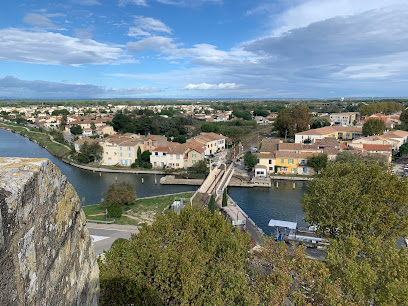
Gardette Gate
0.1 km
Explore the historic Gardette Gate in Aigues-Mortes, a stunning medieval landmark that showcases France's rich architectural heritage.
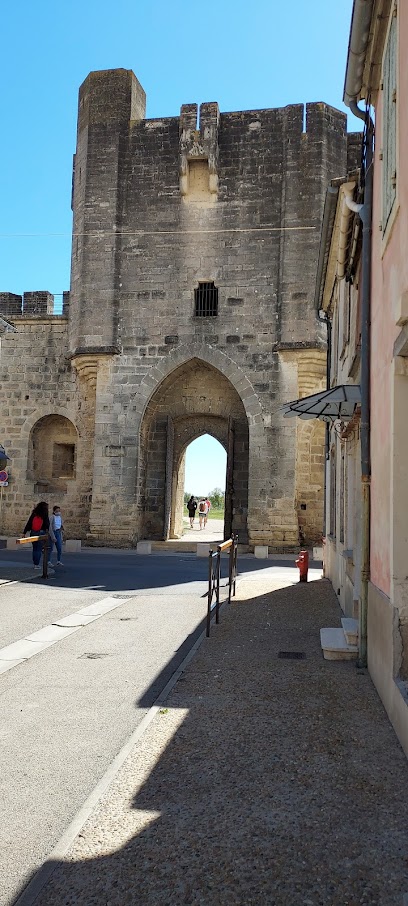
Place Saint Louis
0.1 km
Discover Place Saint Louis in Aigues-Mortes: a historic square brimming with charm, cafes, and a vibrant atmosphere, reflecting the legacy of Saint Louis and medieval Camargue.
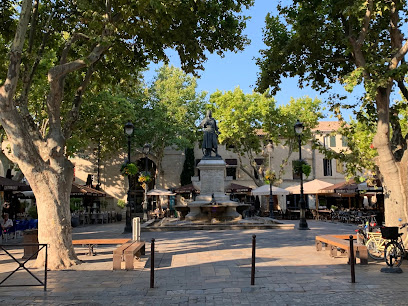
Aigues mortes
0.2 km
Discover Aigues-Mortes, a charming medieval fortress town in France, known for its stunning ramparts, local cuisine, and rich history.
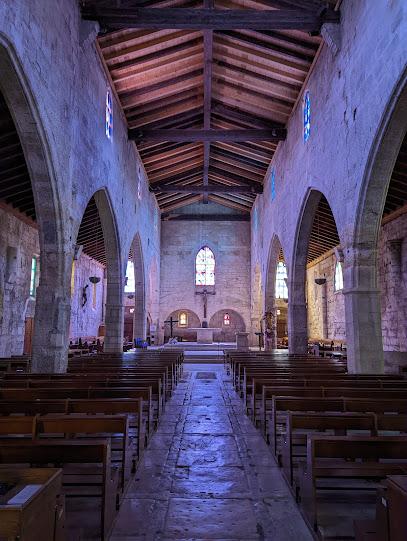
Tourist Information Centre
0.2 km
Discover the charm of Aigues-Mortes with insights from the Tourist Information Centre, your go-to resource for exploring this historic gem in Southern France.
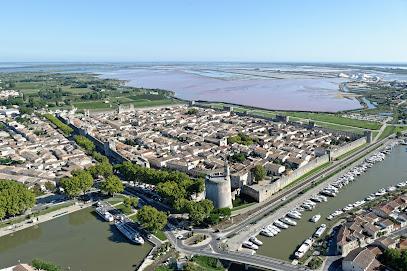
Galerie de l'Écusson - Galerie Europ'Art
0.2 km
Explore contemporary art at Galerie de l'Écusson in Aigues-Mortes, where local and international artists showcase their creative talents in a charming setting.
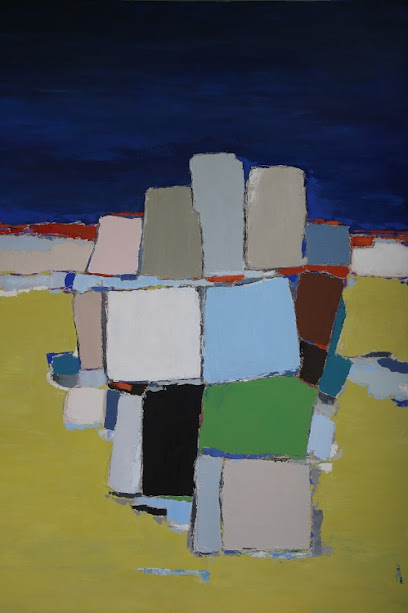
Le petit train des salins d'Aigues Mortes
1.3 km
Discover the pink wonders of Aigues-Mortes' salt marshes with a scenic Petit Train tour, offering breathtaking views and insights into the region's unique ecosystem and salt production.
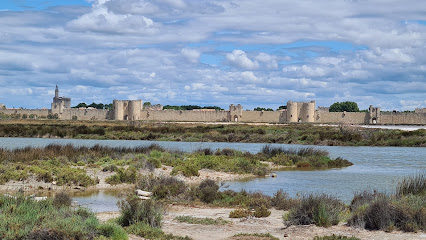
Musée Du Sel
1.3 km
Discover the fascinating story of salt production in the Camargue region at the Musée du Sel, exploring its history, techniques, and cultural significance near the medieval city of Aigues-Mortes.
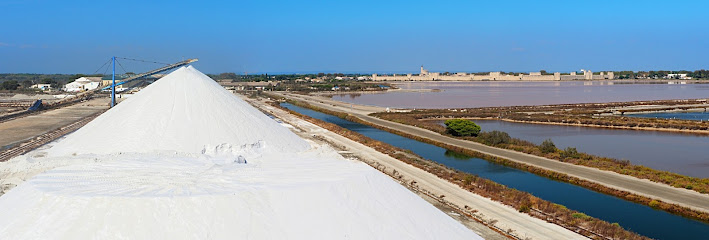
Salin d’Aigues-Mortes
1.3 km
Experience the surreal beauty of Salin d’Aigues-Mortes, where salt flats and vibrant wildlife create a unique French adventure in the heart of Camargue.
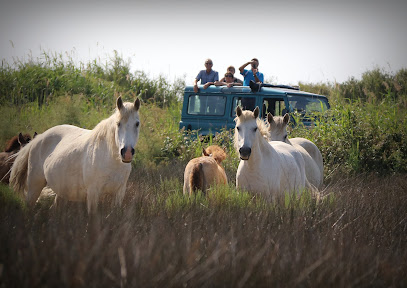
Camargue découverte safari photo 4x4, en vélo électrique, en calèche, visite de manade
2.2 km
Discover the breathtaking Camargue with exciting 4x4 safaris, electric bike tours, and immerse in the vibrant culture of traditional farming.
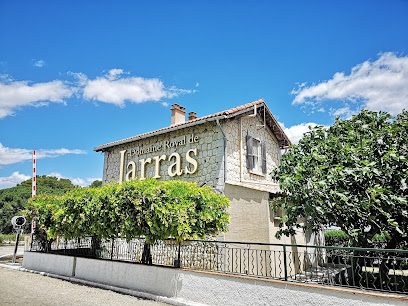
Royal Domain Jarras
2.6 km
Experience the exquisite wines and breathtaking landscapes of Royal Domain Jarras in Aigues-Mortes, a true gem for wine enthusiasts and tourists alike.
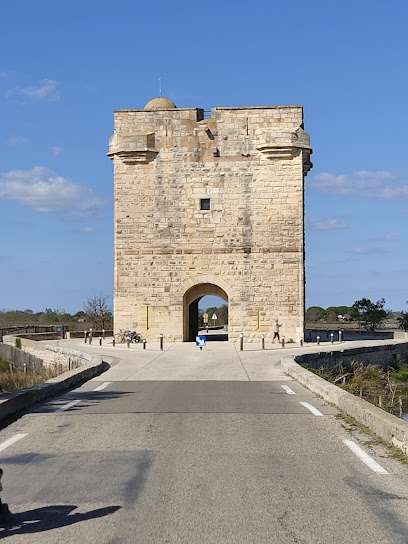
Tour Carbonnière
3.1 km
Discover the historical marvel of Tour Carbonnière in Saint-Laurent-d'Aigouze, a captivating landmark amidst natural beauty.
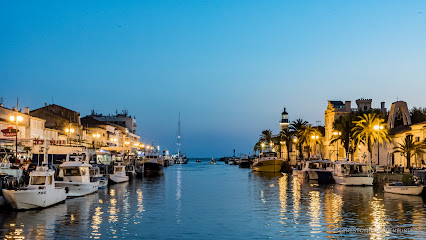
Port de pêche du Grau-Du-Roi
5.1 km
Experience the vibrant atmosphere and stunning views at Port de Pêche du Grau-Du-Roi, a must-visit marina in southern France.
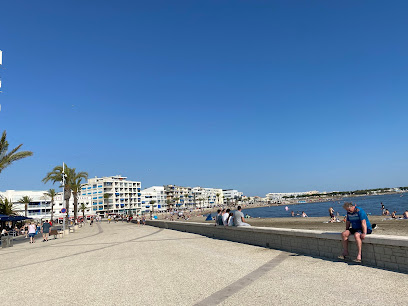
Plage Rive Gauche
5.6 km
Experience the beauty of Plage Rive Gauche, a stunning public beach in Le Grau-du-Roi, perfect for relaxation, adventure, and local culinary delights.
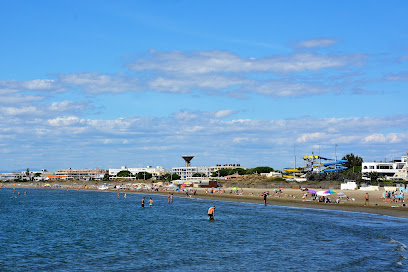
PLAGE DU BOUCANET (Le Centre)
5.6 km
Discover the beauty of Plage du Boucanet, a stunning beach in Le Grau-du-Roi, perfect for sunbathing, swimming, and family-friendly fun.
Essential places to dine

Le Cook's cafe
6.7 km
Experience authentic French and Mediterranean cuisine at Le Cook's Cafe in Le Grau-du-Roi with stunning views and delightful dishes.
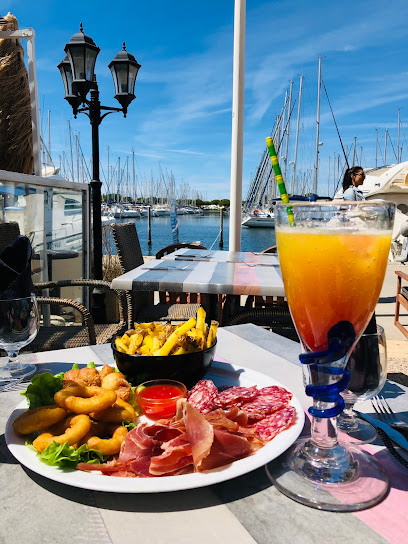
Horn's
6.7 km
Discover Horn's in Le Grau-du-Roi for exquisite French cuisine and gourmet burgers against stunning waterfront views.
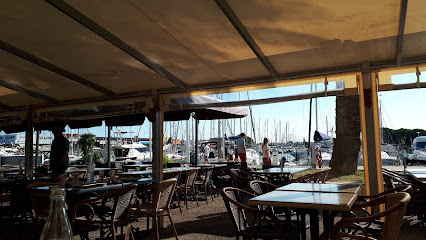
L' Amarette
6.9 km
Discover exquisite seafood at L'Amarette in Le Grau-du-Roi - where Mediterranean flavors meet French culinary traditions.
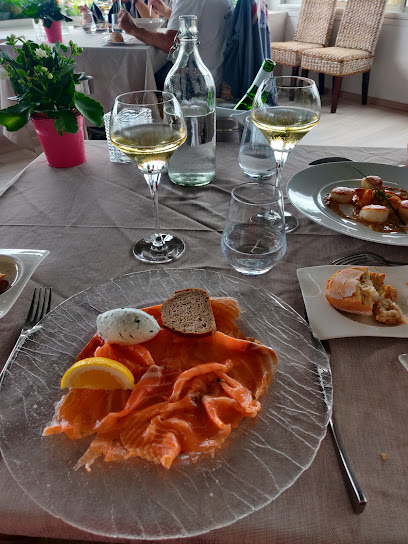
Le Spinaker
6.9 km
Experience exquisite French cuisine and refreshing cocktails at Le Spinaker by the marina in Le Grau-du-Roi.
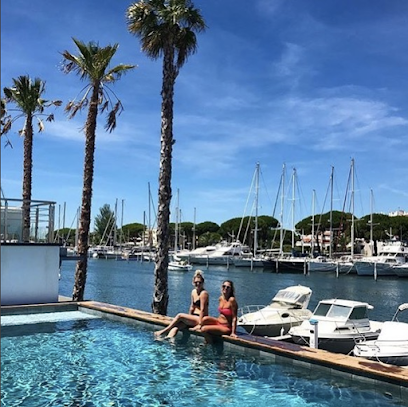
Aux Délices de la Mer
7.3 km
Discover fresh Mediterranean seafood at Aux Délices de la Mer in Le Grau-du-Roi—where every bite transports you to the heart of coastal France.
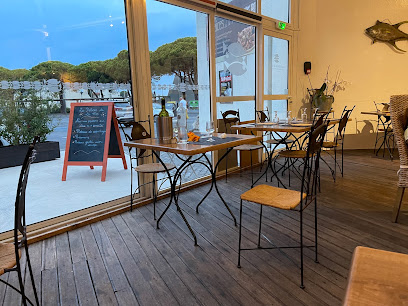
La Table de L'Oustau
7.5 km
Discover exquisite French-Mediterranean cuisine at La Table de L'Oustau in beautiful Le Grau-du-Roi.
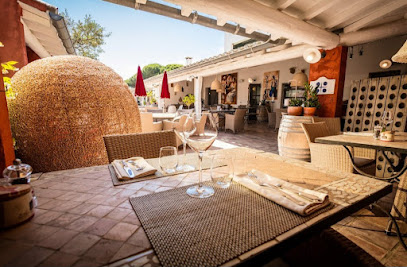
Lou Mas Doù Juge
14.3 km
Discover exquisite dining at Lou Mas Doù Juge in Saintes-Maries-de-la-Mer, where culinary tradition meets serene hospitality.

La Table des Baumelles
15.4 km
Experience authentic French cuisine at La Table des Baumelles in Saintes-Maries-de-la-Mer – where local flavors meet exquisite dining.
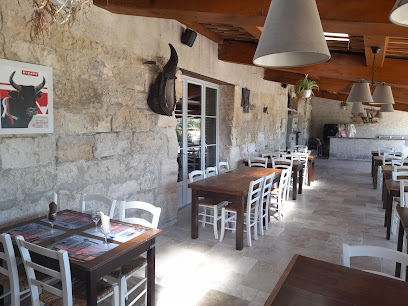
La Manade des Baumelles
15.4 km
Experience authentic French cuisine and serene lodgings at La Manade des Baumelles in Saintes-Maries-de-la-Mer.
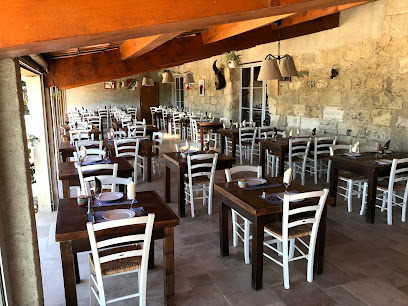
La Cabanette du Sauvage
18.0 km
Experience exquisite French cuisine at La Cabanette du Sauvage in Saintes-Maries-de-la-Mer, where every dish tells a story.
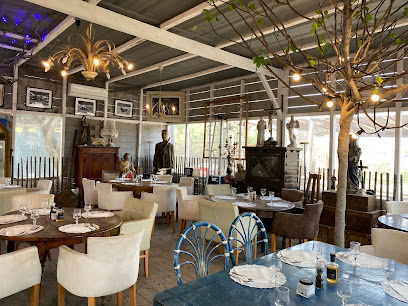
Table Sauvage
18.6 km
Discover Table Sauvage: A Culinary Haven in Saintes-Maries-de-la-Mer Offering Authentic Local Flavors.
L'Estelle en Camargue
19.9 km
Experience luxury at L'Estelle en Camargue - a serene hotel offering fine dining and live music in picturesque Saintes-Maries-de-la-Mer.
La Table de Marius
20.7 km
Experience authentic Mediterranean flavors at La Table de Marius in Saintes-Maries-de-la-Mer – where every dish tells a story.
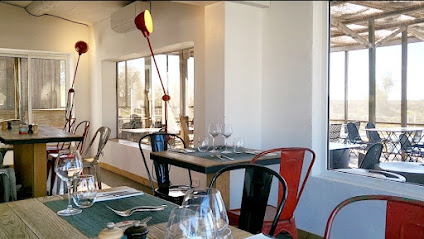
Le Resto du Paty / Les Maisons du Paty (Gîtes)
22.3 km
Experience authentic French cuisine at Le Resto du Paty in Arles - where culinary artistry meets warm hospitality.
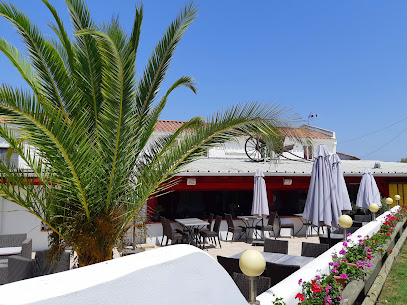
IL RISTORANTE - Le restaurant Italien de Montpellier
22.4 km
Discover authentic Italian flavors at IL RISTORANTE in Montpellier - where every meal is a celebration of Italy's rich culinary heritage.
Markets, malls and hidden boutiques

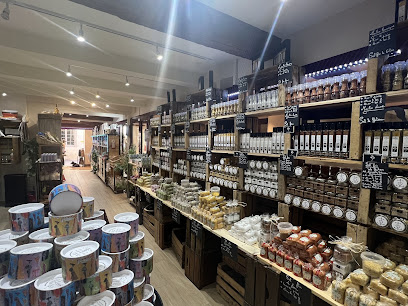
L’Atelier du Sel Camargue
0.2 km
Explore L’Atelier du Sel Camargue for unique gifts and local treasures that capture the spirit of the stunning Camargue region.
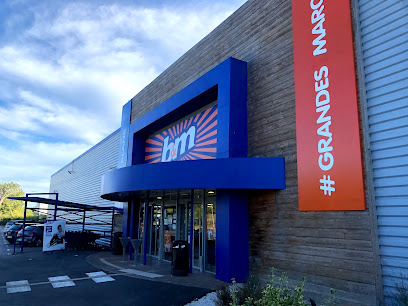
B&M
20.3 km
Explore B&M in Pérols, your ultimate destination for gifts, home goods, and unbeatable discounts in a friendly shopping environment.
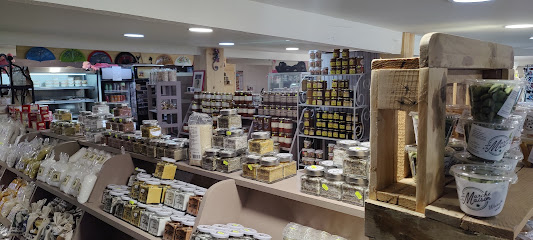
France Elite Diffusion
20.4 km
Explore French elegance at France Elite Diffusion, a chic clothing store in Pérols, offering a stylish selection of apparel and accessories for every traveler.

Marina Couture - Nine de Camargue
21.5 km
Explore bespoke fashion at Marina Couture in Saint-Gilles, where skilled craftsmanship meets personalized style in a charming atmosphere.

La Provencale
21.7 km
Explore the rich flavors of Provence at La Provencale, a charming grocery store in the heart of Arles, perfect for food lovers and tourists alike.
Shopping Centre Odysseum
22.0 km
Experience the dynamic Shopping Centre Odysseum in Montpellier, where shopping, dining, and entertainment come together for an unforgettable day out.

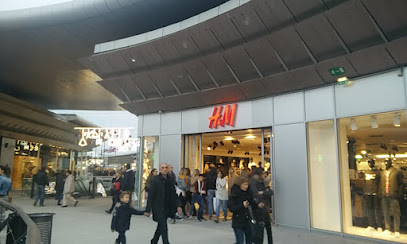
H&M
22.1 km
Explore trendy fashion at H&M Montpellier, your go-to destination for stylish apparel for the whole family.
Gaston
23.0 km
Discover the essence of Montpellier at Gaston Boutique, where local artistry meets stylish shopping in a charming atmosphere.
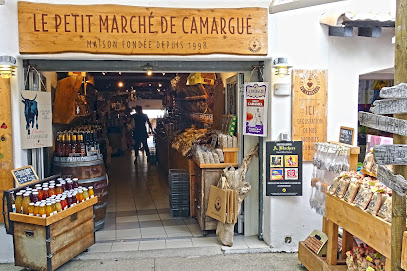
Le Petit Marche de Camargue Depuis 1998 Produits régionaux
23.1 km
Explore local flavors at Le Petit Marche de Camargue, a gourmet grocery store in Saintes-Maries-de-la-Mer, offering exquisite regional products.
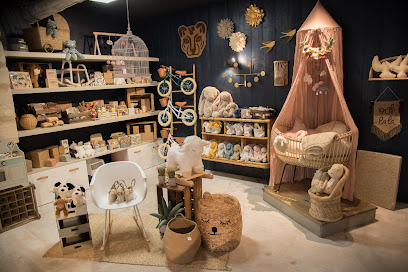
Blad de Lune
23.1 km
Discover unique souvenirs and local crafts at Blad de Lune, the charming gift shop in Saintes-Maries-de-la-Mer that captures the essence of your travels.
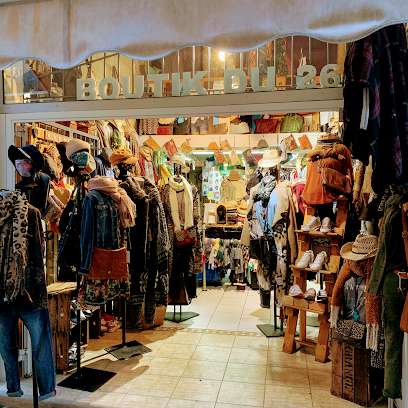
BOUTIK du 26
23.2 km
Explore unique women's fashion at BOUTIK du 26 in Saintes-Maries-de-la-Mer, where style meets the charm of the Mediterranean.
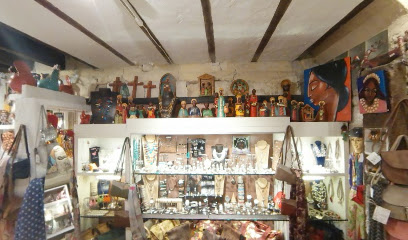
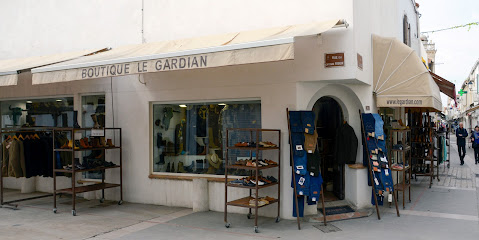
Le Gardian
23.2 km
Discover Le Gardian, the ultimate shoe and clothing boutique in Saintes-Maries-de-la-Mer, where style meets the charm of coastal living.
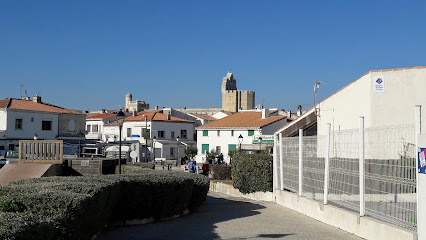
Tout pour le Gardian
23.2 km
Explore unique clothing and accessories at Tout pour le Gardian, the must-visit clothing store in Saintes-Maries-de-la-Mer, blending style and local culture.
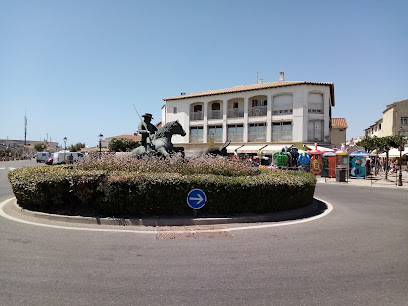
Les Amphores
23.3 km
Discover the charm of Les Amphores, a vibrant department store in Saintes-Maries-de-la-Mer, offering local products and unique souvenirs.
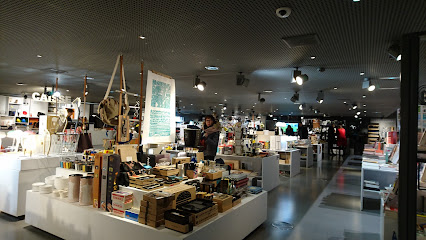
RBC MONTPELLIER - Boutique & Librairie
23.4 km
Discover RBC Montpellier, a unique boutique and bookstore offering an eclectic mix of gifts, home goods, and literature in the heart of Montpellier.
Essential bars & hidden hideouts

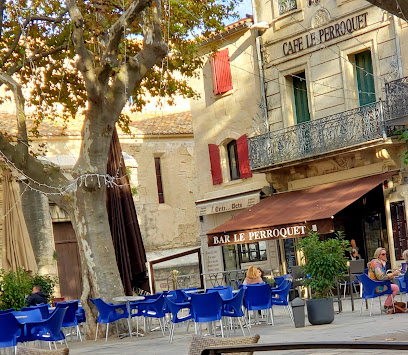
Bar Le Perroquet
0.2 km
Experience the vibrant atmosphere of Bar Le Perroquet in Aigues-Mortes, a cozy bar perfect for unwinding and enjoying local drinks.
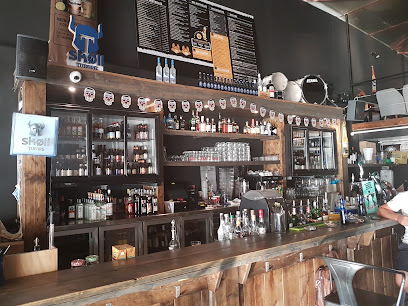
BAM BAR MUSIC
1.3 km
Discover the lively ambiance of Bam Bar Music in Aigues-Mortes, where great drinks and live music create unforgettable nights.
L'instant bar musical
3.1 km
Experience the vibrant nightlife at L'instant bar musical in Aigues-Mortes, where live music and affordable drinks create a perfect evening escape.
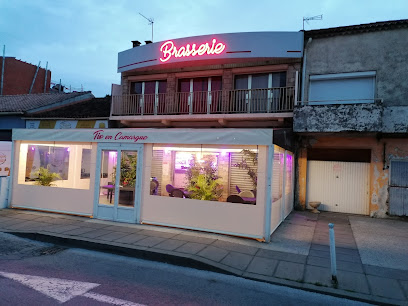
Tio en camargue
5.3 km
Experience the vibrant charm of Tio en Camargue, a seaside bar in Le Grau-du-Roi, where refreshing drinks and stunning views await.
Bar Parc Ornithologique du Pont De Gau
19.5 km
Discover the serene beauty of Bar Parc Ornithologique du Pont De Gau, where nature meets relaxation in the heart of Saintes-Maries-de-la-Mer.
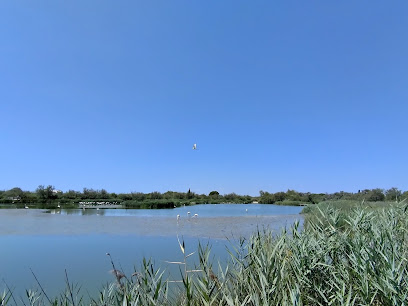
COYOT bar
23.0 km
Experience the best of Montpellier at COYOT Bar, where stunning views, creative cocktails, and vibrant nightlife come together for an unforgettable evening.
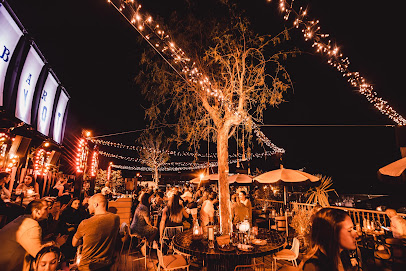
Naked
23.0 km
Experience the vibrant nightlife at Naked, a lively bar in Montpellier offering creative cocktails and a welcoming atmosphere for all visitors.
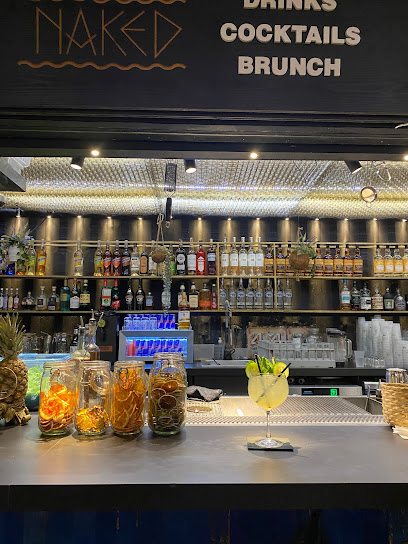
Willie Carter Sharpe
23.0 km
Experience the vibrant nightlife of Montpellier at Willie Carter Sharpe, where innovative cocktails and a cozy atmosphere await every visitor.
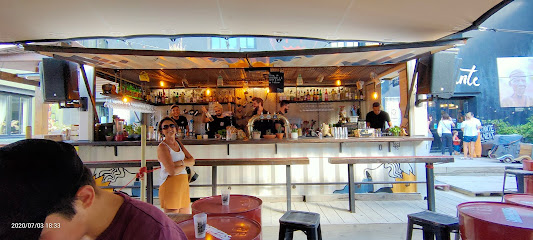
La Bogeda Kaluha
23.2 km
Experience the vibrant atmosphere at La Bogeda Kaluha, a lively bar in Saintes-Maries-de-la-Mer, perfect for drinks and local culture.
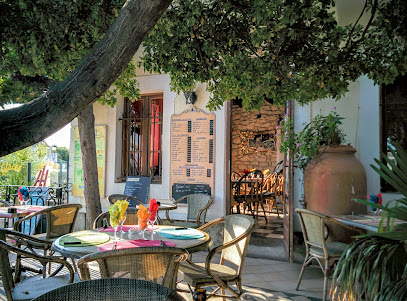
My Beers
23.4 km
Discover the finest craft beers and delightful wines at My Beers, Montpellier's premier beer hall and bar, offering a lively atmosphere and expert recommendations.
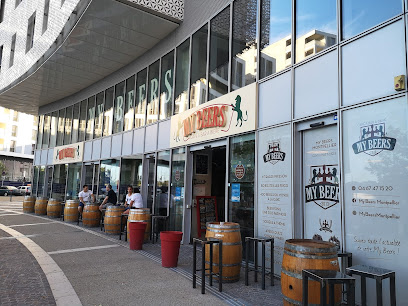
Le Bar - Hôtel Camille
23.4 km
Discover the charm of Le Bar at Hôtel Camille, where beach views and refreshing drinks create the perfect Mediterranean getaway in Saintes-Maries-de-la-Mer.
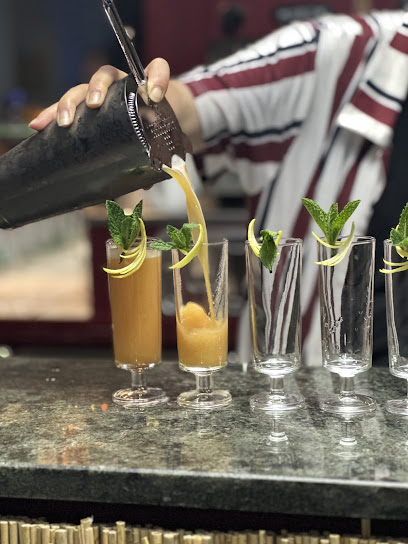
Trinquefougasse O’Sud
23.6 km
Experience the vibrant flavors of Southern France at Trinquefougasse O’Sud, a top-rated tapas and wine bar in Montpellier.
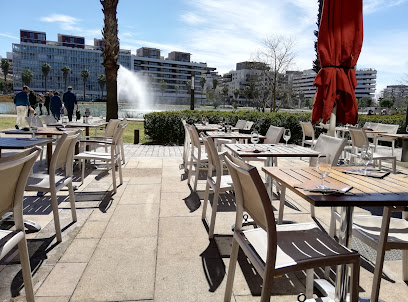
Le Comptoir
23.7 km
Experience the charm of French cuisine at Le Comptoir, a delightful bar and bistro in Montpellier, perfect for food lovers and casual diners alike.
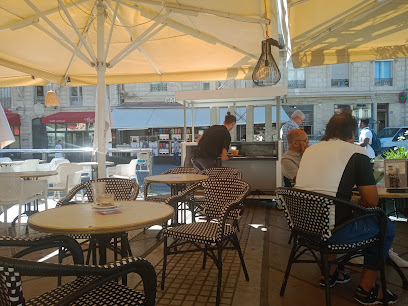
LE PATIO LATTES
23.9 km
Discover the lively spirit of Le Patio Lattes, where great food meets vibrant nightlife in a captivating bar and dance hall experience.
Under Roof Bar
24.0 km
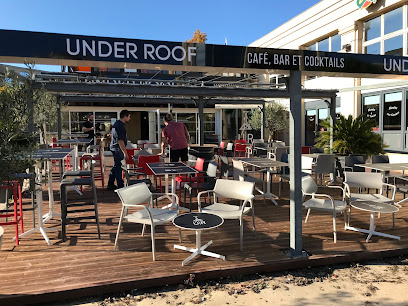
Discover Under Roof Bar in Montpellier: a lively cocktail bar and restaurant offering expertly crafted drinks and delectable dishes for an unforgettable night.