Blois Cathedral Travel Guide
Free Guide: Discover the architectural grandeur and spiritual serenity of Blois Cathedral, a captivating blend of Gothic and Renaissance styles in the heart of the Loire Valley.


A brief summary of Blois Cathedral
Discover the architectural grandeur and spiritual serenity of Blois Cathedral, a captivating blend of Gothic and Renaissance styles in the heart of the Loire Valley.
Blois Cathedral, also known as the Cathedral of St. Louis, is a captivating blend of Gothic and Renaissance architecture that dominates the Blois skyline. Rebuilt in the late 17th century after a devastating hurricane, it stands on the site of several earlier churches, with remnants of a 10th-century crypt still visible. The cathedral boasts stunning stained-glass windows, including contemporary designs by Jan Dibbets, and a magnificent organ gifted by Louis XIV. Its rich history, architectural diversity, and artistic treasures make it a must-see landmark in the Loire Valley, offering visitors a glimpse into France's royal past and artistic evolution. Explore the charming streets surrounding the cathedral, discover local shops and cafes, and immerse yourself in the city's vibrant atmosphere.
Opening hours
- Every day9 am–7 pm
Opening hours as listed on the venue’s Google Business Profile. Hours can change for services and special events, so check with the venue before you go.
- Address
- J je, 7B Pl. Saint-Louis, 41000 Blois
- Phone
- Website
Getting there
Walking
Public Transport
Taxi/Ride-Share
Driving
Discover more about Blois Cathedral
Overview
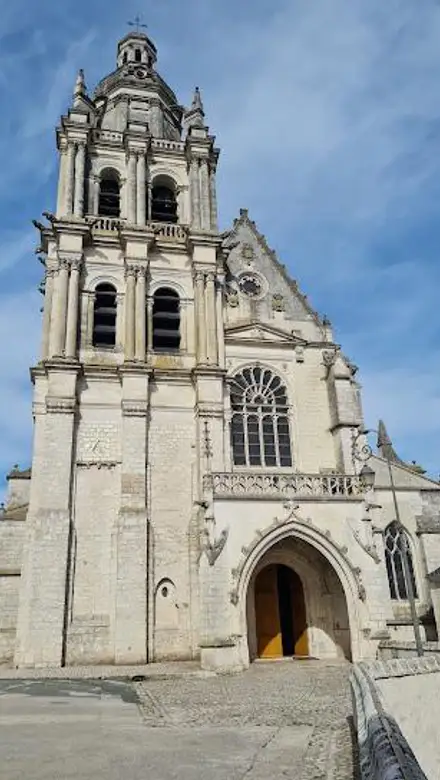
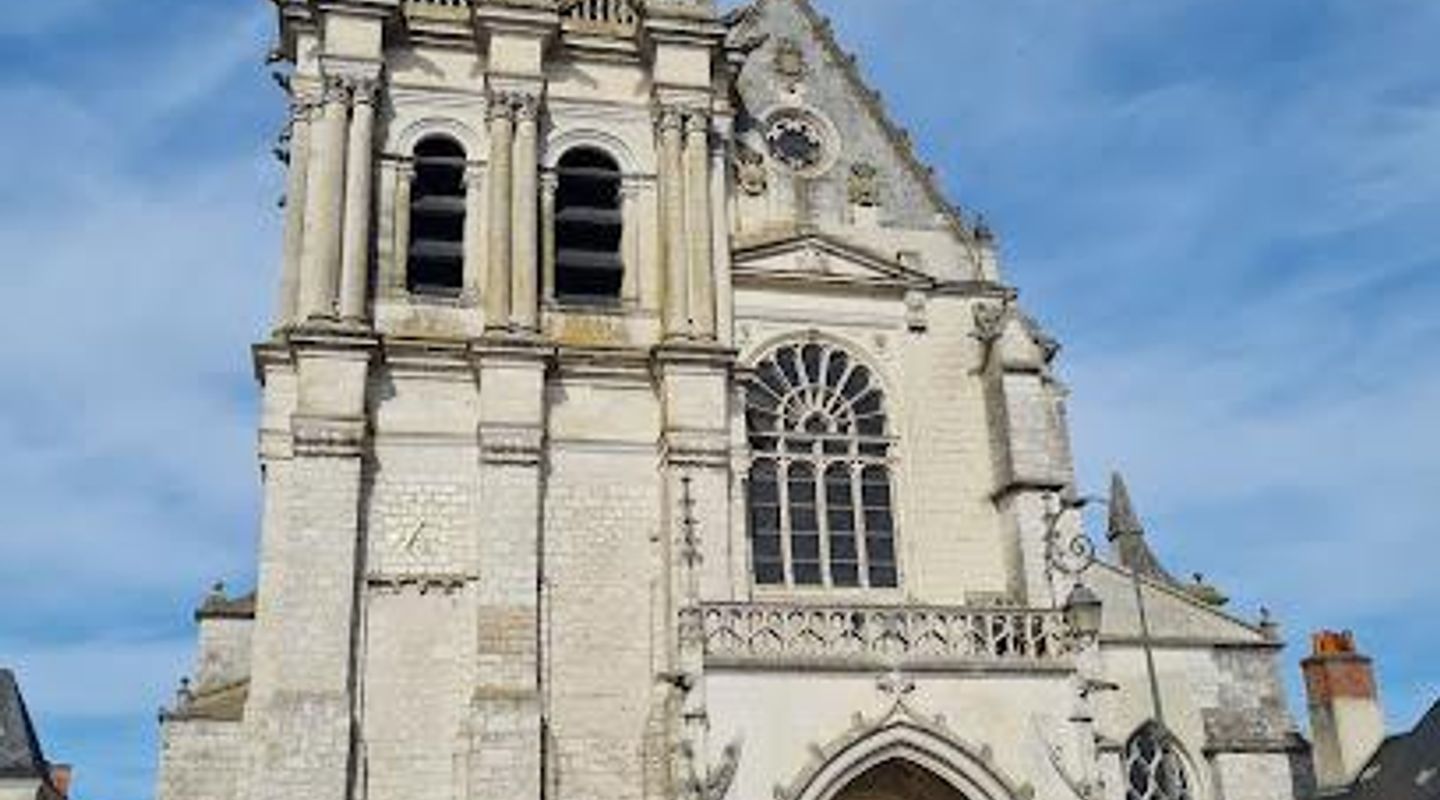
The Cathédrale Saint-Louis de Blois, a prominent landmark in the Loire Valley, stands as a testament to centuries of architectural and religious history. Located in the heart of Blois, this cathedral is not only a place of worship but also a repository of art, history, and cultural significance. Originally dedicated to Saint Peter, the site's religious history dates back to the 6th century. Over the centuries, several churches have occupied this space, each leaving its mark on the evolving structure. In the 10th century, a church was built to house the relics of Saint Solenne, Bishop of Chartres, and in the 12th century, a collegiate church was established. The building underwent reconstruction in the 16th century under François I, but a devastating hurricane in 1678 destroyed much of the structure. The cathedral's current appearance is largely the result of a late 17th-century reconstruction, initiated by Jean-Baptiste Colbert, whose wife was from Blois, and supported by Louis XIV. Architect Arnoult-Séraphin Poictevin oversaw the rebuilding in the Gothic style, which was completed between 1680 and 1700. The Renaissance facade and bell tower, however, survived the storm, creating an intriguing blend of architectural styles. The west facade showcases a mix of late-Gothic and neoclassical elements, while the bell tower, dating back to 1544, features Renaissance-style Ionic and Corinthian columns. The uppermost story is topped with a dome and lantern-tower, added in 1603, reminiscent of the Tours Cathedral. Inside, the cathedral features a wide nave with side chapels, constructed between 1680 and 1700. The chancel, with its pentagonal apse, dates from the 16th and 17th centuries, while the ambulatory and apsidal chapels were added in the 19th century. The upper windows of the chancel retain their original stained glass by Lobin, created in 1860. One of the cathedral's most striking features is its collection of stained-glass windows. The contemporary windows in the nave and aisles, created by Dutch artist Jan Dibbets between 1933 and 2000, add a modern touch to the historic building. These windows, bearing enigmatic Latin inscriptions, create a unique play of light and color within the cathedral's interior. The crypt of Saint Solenne, located beneath the chancel, offers a glimpse into the cathedral's earliest history. Traces of a Carolingian church, built in the late 10th century, can still be seen in the crypt, including parts of the nave and apse. In 1697, the church was elevated to cathedral status, and Louis XIV presented the organ console in 1704. The cathedral was officially consecrated in 1730 under the name of Saint Louis, in honor of King Louis IX of France. Today, the Cathédrale Saint-Louis de Blois is a classified Historic Monument, attracting visitors from around the world. Its blend of architectural styles, rich history, and artistic treasures make it a must-see destination in the Loire Valley. Visitors can explore the cathedral's interior, admire its stained-glass windows, and discover its hidden crypt. The cathedral also serves as a starting point for exploring the charming streets of Blois, including the nearby bishop's garden, which offers panoramic views of the city and the Loire River. The cathedral is easily accessible by public transport, with bus lines connecting it to the Blois train station. Several parking spaces are available near the cathedral, making it convenient for those arriving by car. Whether you are a history buff, an art enthusiast, or simply seeking a peaceful retreat, the Cathédrale Saint-Louis de Blois offers a captivating experience that will leave you in awe of its beauty and significance. Exploring the area surrounding the cathedral adds another layer to the visitor experience. The charming streets of Blois, with their half-timbered houses and local shops, invite leisurely strolls. The nearby Château de Blois, a former royal residence, offers a glimpse into the lives of French kings and queens. The Maison de la Magie, dedicated to the art of illusion, provides a unique and entertaining experience for visitors of all ages. The bishop's garden, located near the town hall, offers stunning views of Blois and the Loire River, providing a perfect spot for relaxation and contemplation. The Cathédrale Saint-Louis de Blois is more than just a religious building; it is a symbol of the city's rich history, architectural diversity, and artistic heritage. Its blend of Gothic and Renaissance styles, its stunning stained-glass windows, and its hidden crypt make it a unique and captivating destination in the Loire Valley. Whether you are a history buff, an art enthusiast, or simply seeking a peaceful retreat, the Cathédrale Saint-Louis de Blois offers an unforgettable experience that will leave you in awe of its beauty and significance.
Evendo Review Centre
 Google
Guest reviews
Explore Blois Cathedral on the map
A handpicked selection of must-see spots near Blois Cathedral, mapped for you.
Get your free copy of our complete guide to Blois Cathedral, delivered straight to you.
Everything on this page, from opening hours and how to get there to Eve’s tips and the best time to go, in one PDF you can read offline, print or share.
Already have an account? Sign in
Your Blois Cathedral guide is ready.
We'll send it to · Not you? Sign out

Getting your guide ready…
We are putting together a fresh copy of the Blois Cathedral guide. This can take up to a minute.
This can take a few moments. If your browser asks, choose Allow so the download can start. You'll find the guide in your Downloads folder.
Nothing happened? Download it again
Sorry, the guide is taking longer than usual. Please try again in a minute, or get it by email instead.
Unlock the best of Blois Cathedral
Skip-the-line tickets, guided tours with entry, and walking tours of the area, booked in a few clicks.


Other nearby places you may find interesting
The closest places of the same kind, if this one is not quite what you had in mind.
-
-
-
-
-


Swipe for more places
More to explore near Blois Cathedral

 Best experiences near Blois Cathedral

 Best hotels near Blois Cathedral

 Best landmarks near Blois Cathedral

 Best attractions near Blois Cathedral

 Best shops near Blois Cathedral

 Best restaurants near Blois Cathedral

 Best bars near Blois Cathedral
Do you manage this location?
Take control to get all the benefits, like improved information, better appearance, and stronger visibility across AI-powered discovery.
Explore more

Explore more of Centre-Val de Loire
Explore Centre-Val de Loire, the heart of French heritage, with its stunning châteaux, lush vineyards, and picturesque villages in the enchanting Loire Valley.
Explore Centre-Val de Loire
Explore more of France
Explore France: A land of romance, history, and unparalleled beauty, from the iconic streets of Paris to the serene landscapes of Provence and the luxury of the French Riviera.
Explore France