

Prieuré des Bronzeaux, Centre Val De Loire Travel Guide
Discover the serene Prieuré des Bronzeaux near Saint-Léger-Magnazeix, the last Grandmontine monastery in Limousin, offering a glimpse into medieval monastic life and regional artistry.
The Prieuré des Bronzeaux, nestled in the serene countryside near Saint-Léger-Magnazeix, stands as a unique testament to the Grandmontine Order. Founded in 1172, this priory is the sole surviving Grandmontine monastery in the Limousin region. Saved from ruin by dedicated preservationists, the site, a designated Monument Historique since 1999, offers visitors a glimpse into monastic life. Explore the tranquil courtyard, the chapter house, monastic refectory, and the upstairs dormitory. The priory also hosts exhibits, including a permanent display of Limousin enamelwork treasures and paintings depicting the history of the Church during the Grandmontine era. Open Sunday afternoons in July and August, or by reservation, the Prieuré des Bronzeaux provides a peaceful and historically rich experience, transporting visitors back to the Middle Ages.
A brief summary to Prieuré des Bronzeaux
- Bronzeau, Saint-Léger-Magnazeix, 87190, FR
- Click to display

Know before you go
Hi, I'm Eve. Here are a few practical things to know before exploring Prieuré des Bronzeaux.
- Visit on a Sunday afternoon in July or August for regular opening hours; otherwise, book in advance.
- Combine your visit with a walk around Saint-Léger-Magnazeix to see the Romanesque church and Roman bridge.
- Explore the permanent exhibit of Limousin enamelwork for a taste of local artistry.
Do you manage this location?
Take control to get all the benefits, like improved information, better appearance, and stronger visibility across AI-powered discovery. Learn more about listing your business on Evendo
Activate your presenceOther nearby places you may find interesting
The closest places of the same kind, if this one is not quite what you had in mind.
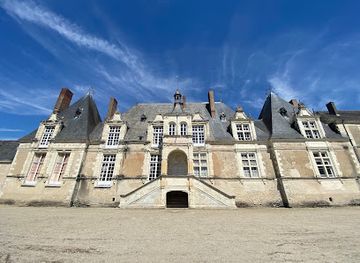
Explore Prieuré des Bronzeaux on the Map
A handpicked selection of must-see spots near Prieuré des Bronzeaux, mapped for you.
Getting There
-
Driving
From Saint-Léger-Magnazeix, follow signs towards Bronzeau. The priory is located just outside the village. Parking is available on-site. The drive is short and straightforward, taking you through the scenic countryside. Be aware that the roads are narrow in places.
-
Taxi/Ride-Share
Taxis are available in the nearby town of Bellac (+33 5 55 60 10 44) and can be booked to reach the Prieuré des Bronzeaux. A ride from Bellac will cost approximately €30-€40. Pre-booking is highly recommended, especially during peak season. Ensure the taxi knows the specific location, 'Prieuré des Bronzeaux, Bronzeau, 87190 Saint-Léger-Magnazeix'.
Discover more about Prieuré des Bronzeaux













Your all‑in‑one travel companion app
Explore expert travel guides, compare and book tours, experiences, hotels, and more—all from the palm of your hand. Download now for seamless trip planning wherever your wanderlust takes you.


Explore More of Centre Val De Loire
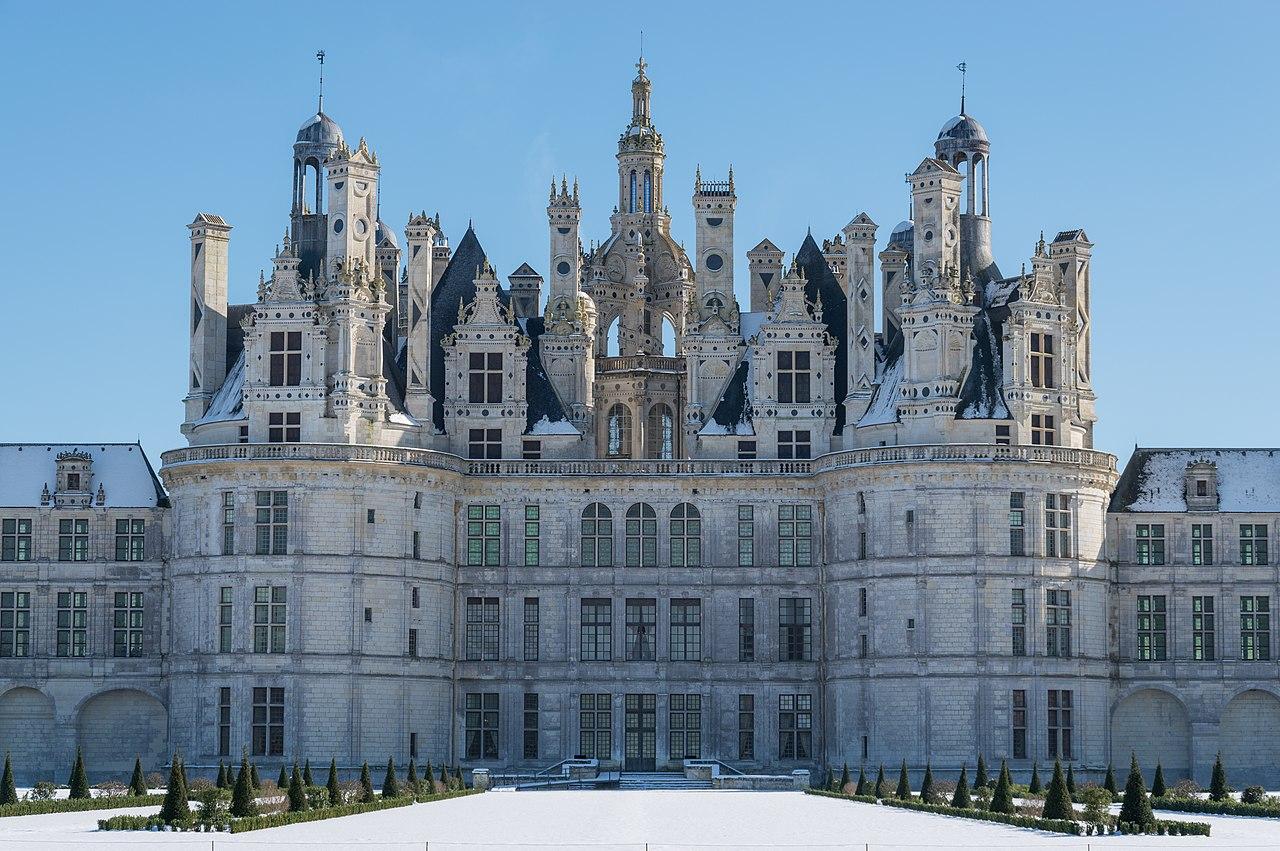
Looking beyond Prieuré des Bronzeaux? Discover Centre Val De Loire for broader travel guides, local hot-spots, and regional highlights.
Explore Centre Val De Loire
Experience the historical allure of La Maison du Passeur in Limoges, a quintessential tourist attraction showcasing the region's rich cultural heritage.

Explore the interactive world of mining at URÊKA, a unique museum in Bessines-sur-Gartempe offering educational exhibits and thrilling escape room adventures.
