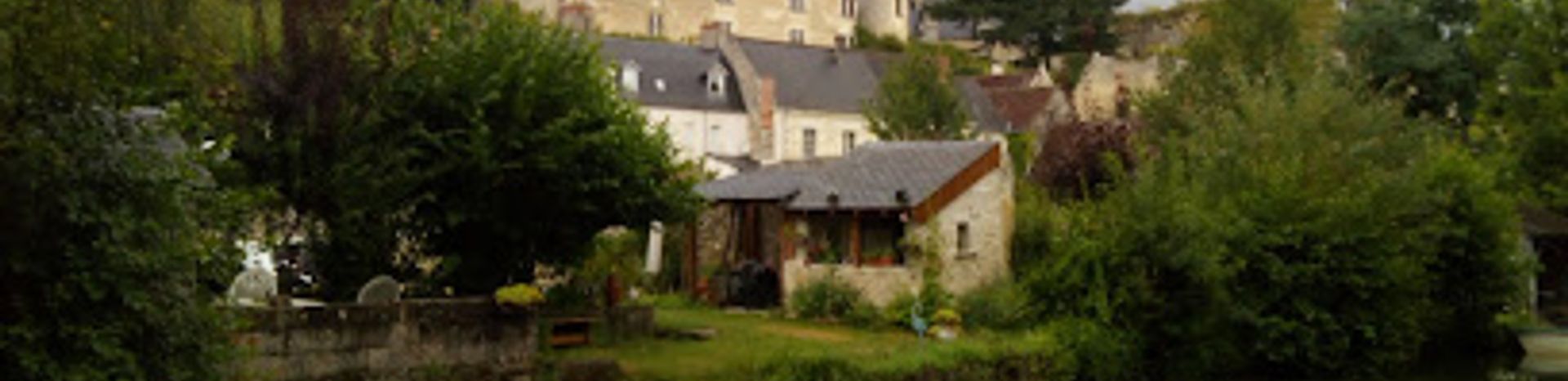
Château de Montrésor: A Loire Valley Gem
Discover a captivating blend of medieval history and Renaissance elegance at Château de Montrésor, nestled in one of France's most beautiful villages in the Loire Valley.
Nestled in the heart of the Loire Valley, Château de Montrésor is a captivating blend of medieval might and Renaissance elegance. Overlooking the Indrois Valley from the charming village of Montrésor, officially recognized as one of France's most beautiful villages, this château offers a unique glimpse into French history and aristocratic life. Originally a fortress built around 1005 by Fulk Nerra, Count of Anjou, it evolved over centuries, incorporating Renaissance architectural elements in the 15th century. Later, in the 19th century, it was meticulously restored by the Polish Count Xavier Branicki, who filled it with an eclectic collection of art, furniture, and historical artifacts, creating the unique Second Empire atmosphere that visitors experience today. Wander through its opulent rooms, explore the romantic park, and soak in the breathtaking views of the surrounding countryside for an unforgettable journey through time.
A brief summary to Château de Montrésor
- 11 Rue Xavier Branicki, Montrésor, 37460, FR
- +33247192750
- Visit website
- Monday 10 am-6 pm
- Tuesday 10 am-6 pm
- Wednesday 10 am-6 pm
- Thursday 10 am-6 pm
- Friday 10 am-6 pm
- Saturday 10 am-6 pm
- Sunday 10 am-6 pm
Local tips
- Visit during the shoulder season (May-June or September-October) to avoid the peak summer crowds and enjoy pleasant weather.
- Allow at least 2-3 hours to fully explore the château, its grounds, and the charming village of Montrésor.
- Check the château's website for special events, such as the Solar Nights sound and light show in the summer.
- Combine your visit with a trip to nearby Loches, another historic town with a beautiful château and a lively market.
- Wear comfortable shoes for walking on the cobblestone streets of Montrésor and exploring the château's grounds.

Getting There
-
Driving
If driving from a nearby town like Loches (approximately 20 minutes away), follow the D760 towards Montrésor. As you approach the village, follow signs for 'Château de Montrésor'. Parking is available along the Grande Rue near the tourist office, a short walk from the château entrance. Parking is free. Be aware that spaces can be limited during peak season.
-
Taxi/Ride-Share
From Loches, a taxi or ride-share service to Château de Montrésor will cost approximately €25-€35 and take around 20 minutes, depending on traffic. Arrange for a pick-up in advance, especially during off-peak hours, as availability in Montrésor may be limited.
-
Public Transport
While there is no direct train to Montrésor, you can take a train to Tours and then a bus to Saint-Jacques. From Saint-Jacques, take a taxi to Montrésor. The taxi will cost approximately €43–53.
Discover more about Château de Montrésor
Iconic landmarks you can’t miss

Montrésor
0.2 km
Explore Montrésor, a charming French village known for its medieval architecture, stunning landscapes, and rich cultural heritage.
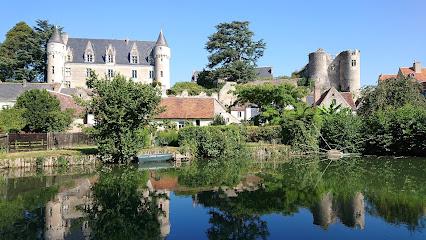
Royal City of Loches
15.7 km
Explore the Royal City of Loches, a captivating historical castle and cultural landmark in France's Loire Valley, rich in history and stunning architecture.
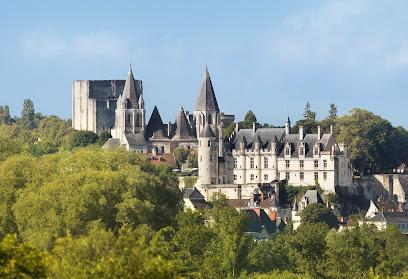
Château de Loches
15.8 km
Discover the Château de Loches, a royal city in the Loire Valley with medieval fortresses, royal residences, and stunning views.
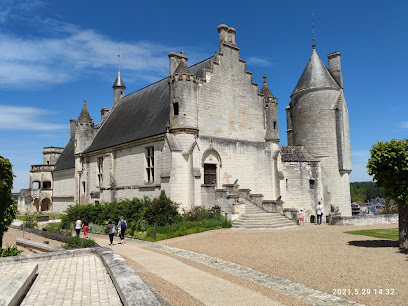
gite de la riviere
32.8 km
Experience Amboise from the heart of the city at Gîte de la Rivière, offering comfort and convenience on the scenic Quai des Marais.
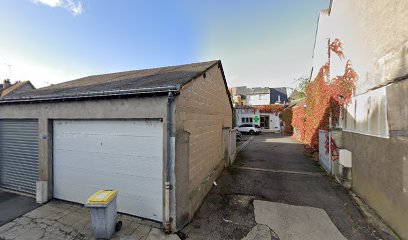
Pl. Michel Debré
32.9 km
Discover the vibrant atmosphere and historical charm of Place Michel Debré in Amboise, France, a perfect destination for culture-loving travelers.
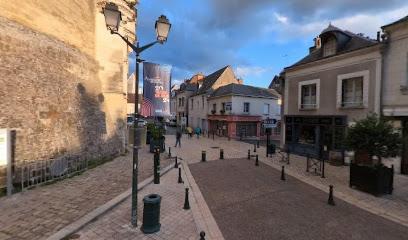
Statue Leonardo da Vinci
33.2 km
Honor the Renaissance genius Leonardo da Vinci with a visit to his statue in Amboise, a scenic tribute along the Loire River.
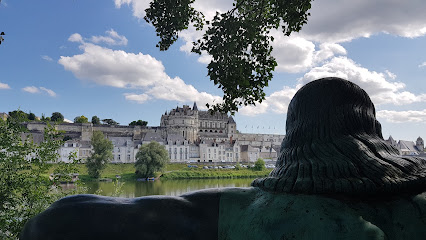
Montbazon Castle
39.5 km
Discover the rich history and stunning views at Montbazon Castle, a medieval fortress that showcases the essence of France's architectural heritage.
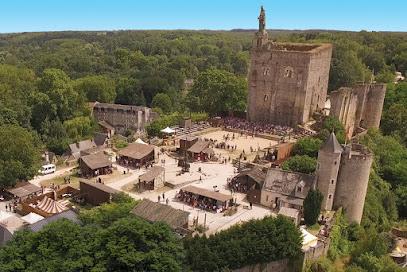
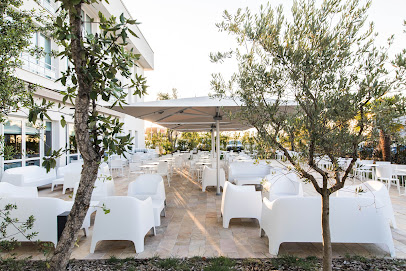
WESTOTEL TOURS VAL DE LOIRE
41.3 km
Modern 4-star hotel in the Loire Valley, offering comfortable accommodations and convenient access to châteaux and cultural attractions.
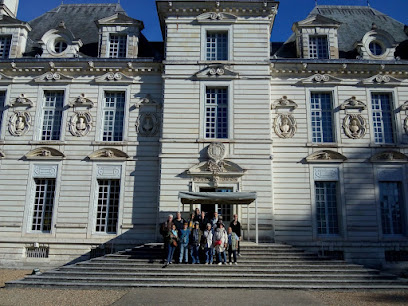
LOIRE VALLEY TOURISM
41.4 km
Discover the breathtaking beauty and rich heritage of the Loire Valley, a UNESCO World Heritage site filled with majestic châteaux and delightful vineyards.
Mister Bed Chambray-les-Tours
42.4 km
Budget-friendly hotel in Chambray-lès-Tours, offering comfortable accommodation and easy access to the Loire Valley's attractions.

Loire Valley Medieval Getaway
43.7 km
Experience medieval charm and modern comfort in the heart of the Loire Valley, surrounded by vineyards and historic sites near Rochecorbon.
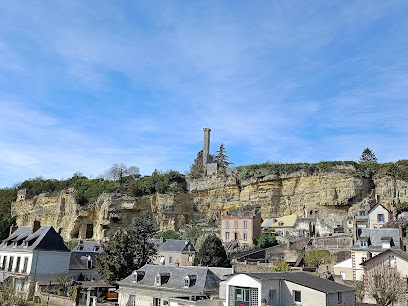
The Lantern Rochecorbon (watchtower from the 15th century)
43.9 km
Discover the enchanting beauty and rich history of The Lantern Rochecorbon, a 15th-century watchtower overlooking the stunning landscapes of the Loire Valley.
Jacquemin
45.8 km
Discover free parking at Jacquemin in Tours, your gateway to exploring the charm and history of this beautiful French city.
Experience Val de Loire
45.8 km
Uncover the breathtaking landscapes and rich cultural heritage of Val de Loire, a UNESCO World Heritage site renowned for its châteaux and vineyards.
Val de Loire Travel
46.0 km
Explore the breathtaking Loire Valley with Val de Loire Travel, your expert guide to France's stunning landscapes, historic châteaux, and vibrant culture.
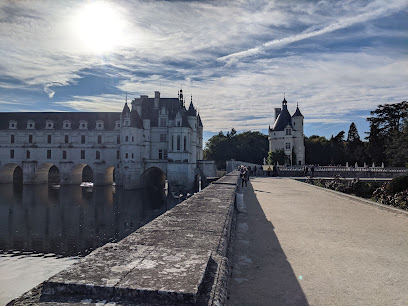
Unmissable attractions to see

Château de Montpoupon
11.7 km
Discover centuries of French history and family tradition at Château de Montpoupon, a charming Loire Valley estate with a renowned hunting museum and picturesque grounds.
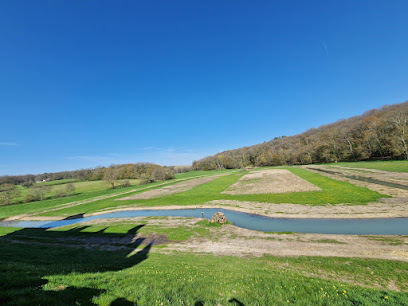
Caves Monmousseau
21.0 km
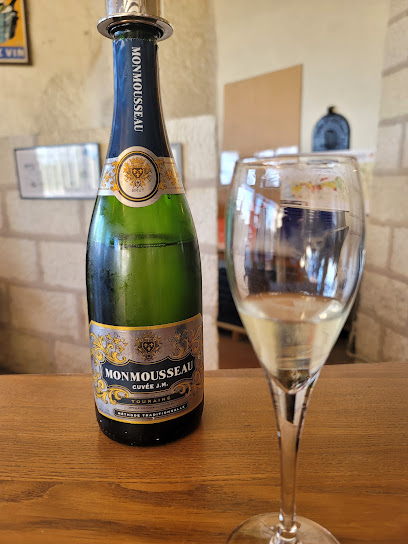
Discover the art of sparkling Loire wines in historic troglodyte cellars. Explore 15km of underground galleries and taste award-winning Crémant de Loire at Monmousseau, a family-run winery since 1886.
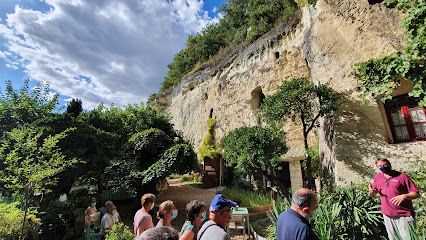
La Magnanerie, site troglodytique
21.2 km
Discover La Magnanerie, an enchanting troglodyte site in the Loire Valley, offering a unique journey through history, silkworm farming, and the captivating world of cave dwellings.
Château de Chenonceau
21.2 km
Discover Château de Chenonceau, the 'Ladies’ Château' in the Loire Valley, a Renaissance masterpiece with a rich history and stunning architecture.
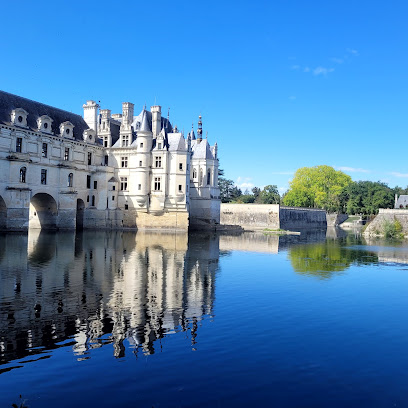
Catherine de Médicis Garden
21.3 km
Experience the elegance of the Catherine de Médicis Garden at Château de Chenonceau, a Renaissance masterpiece offering serene beauty and historical significance in the Loire Valley.
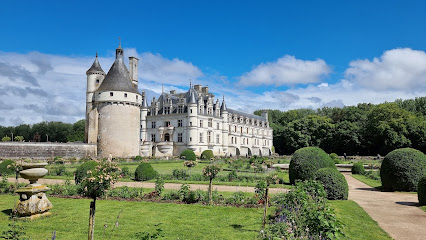
Diane de Poitiers Garden
21.3 km
Discover the enchanting Diane de Poitiers Garden in Chenonceaux, where history, beauty, and tranquility bloom in perfect harmony.
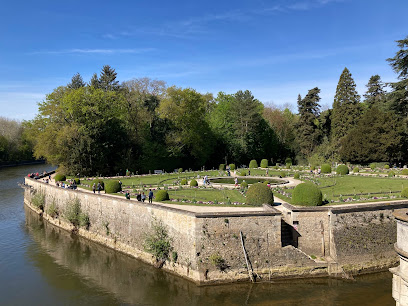
Tourist Office of Chenonceaux
22.1 km
Your essential resource for exploring the Château de Chenonceau and the enchanting Loire Valley region.
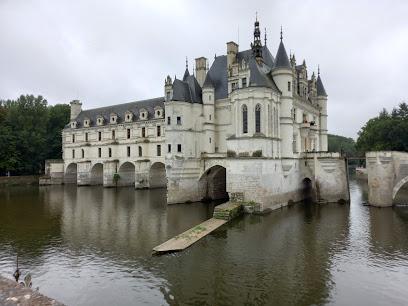
Étangs jumeaux
25.6 km
Experience the serene beauty of Étangs Jumeaux, a tranquil retreat nestled in the heart of Souvigny-de-Touraine, perfect for nature lovers and explorers.
Amboise
30.2 km
Discover the enchanting town of Amboise, home to stunning châteaux, rich history, and mouthwatering local cuisine in the heart of the Loire Valley.
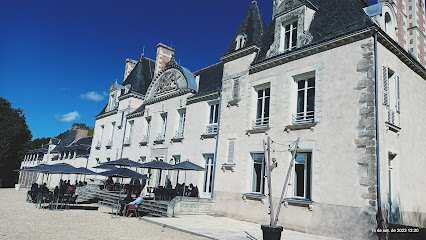
Mini Castle Park
30.2 km
Explore the enchanting Mini Castle Park in Amboise, where you can discover beautifully crafted miniature replicas of France’s most iconic castles.
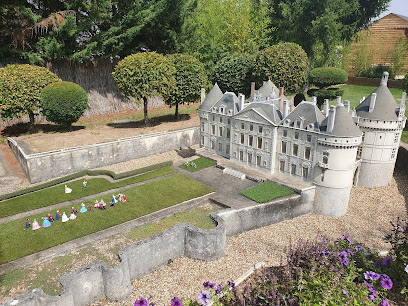
Pigeonnier Communal
31.1 km
Explore the historical Pigeonnier Communal in Saint-Martin-le-Beau, a charming pigeon loft reflecting France's rural heritage amidst scenic beauty.
Livr' libre
31.3 km
Explore Livr' libre in Saint-Martin-le-Beau, a literary haven filled with books, culture, and community events, perfect for all book lovers.
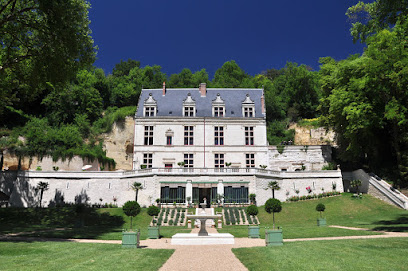
Château Gaillard
32.2 km
Explore the historical and natural beauty of Château Gaillard, a captivating castle in Amboise, France, featuring lush gardens and cultural events.
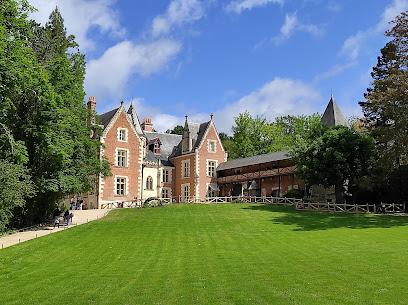
Château du Clos Lucé
32.4 km
Explore Leonardo da Vinci's last residence, Château du Clos Lucé, in Amboise, and discover his life, inventions, and legacy in the Loire Valley.
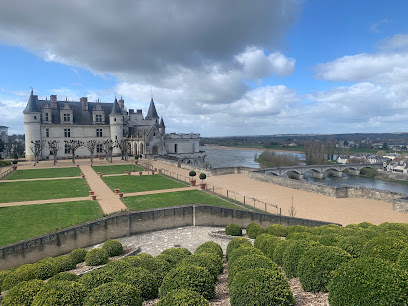
Château Royal d'Amboise
33.0 km
Discover the enchanting Château Royal d'Amboise, a majestic castle steeped in history and stunning views overlooking the Loire River.
Essential places to dine

L'Orangerie
21.4 km
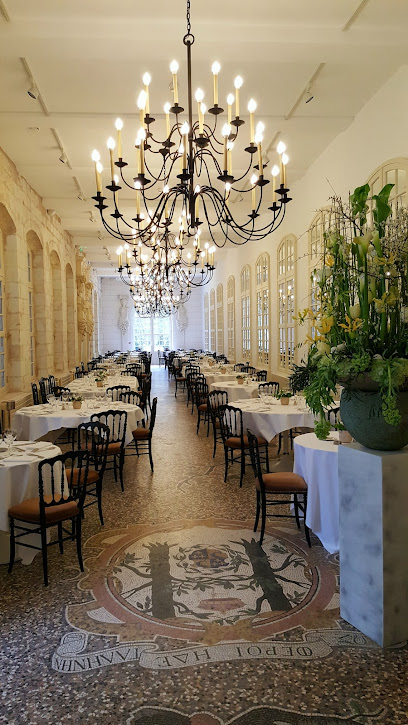
Experience culinary excellence at L'Orangerie inside Château de Chenonceau - where every meal is a celebration of French cuisine amidst breathtaking views.
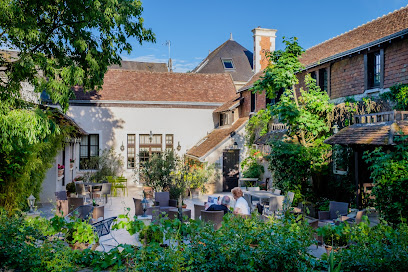
Auberge du Bon Laboureur
22.1 km
Experience unparalleled luxury at Auberge du Bon Laboureur in Chenonceaux - where haute cuisine meets exquisite hospitality.
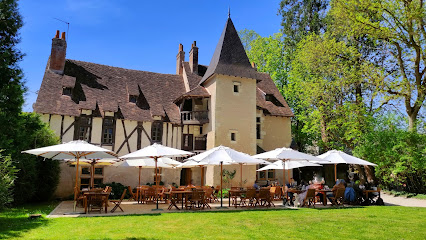
Auberge du Prieuré
32.2 km
Discover authentic French cuisine at Auberge du Prieuré in Amboise, where every dish tells a story of local tradition and flavor.
Hôtel Restaurant Le Clos d'Amboise -
32.7 km
Experience luxury and authentic French cuisine at Hôtel Restaurant Le Clos d'Amboise, your perfect getaway in picturesque Amboise.
Restaurant le 36
33.0 km
Experience authentic French cuisine at Restaurant le 36 in Amboise, where culinary artistry meets stunning riverside views.
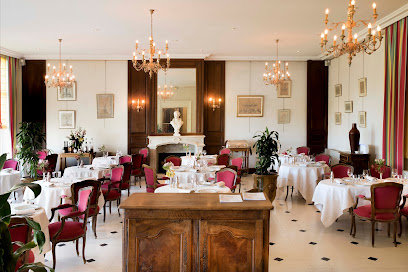
Restaurant Le Château de Pray
33.0 km
Experience exquisite French cuisine and breathtaking views at Restaurant Le Château de Pray in Amboise.
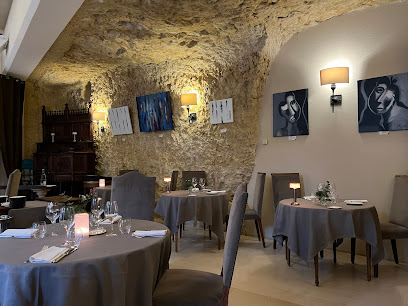
Restaurant Ardent
35.9 km
Experience exquisite haute French cuisine at Restaurant Ardent in the enchanting Loire Valley, where every dish is crafted with passion and local ingredients.
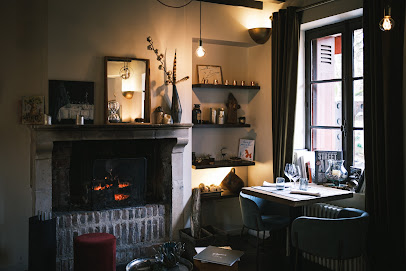
Hôtel des bords de Loire
36.1 km
Discover comfort and exquisite regional flavors at Hôtel des Bords de Loire, your gateway to exploring the majestic Loire Valley.
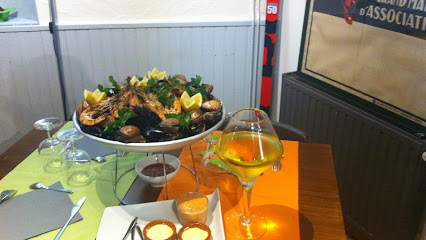
La Madeleine de Proust
36.3 km
Experience authentic French cuisine at La Madeleine de Proust in Chaumont-sur-Loire - where culinary artistry meets local charm.
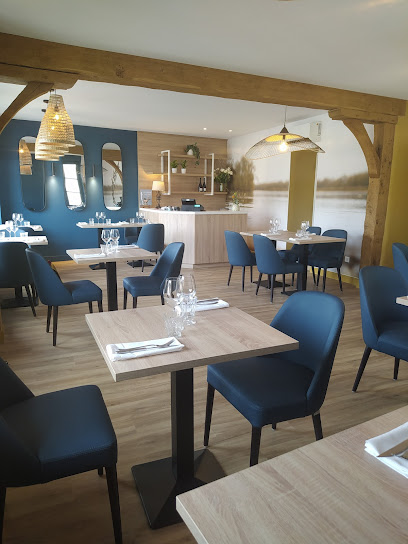
Auberge de la Caillère
38.0 km
Experience exquisite French cuisine and charming accommodations at Auberge de la Caillère in Candé-sur-Beuvron.
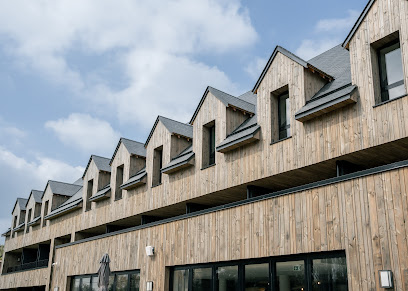
LES HAUTS DE LOIRE
39.5 km
Discover luxury at Les Hauts de Loire – a serene retreat with gourmet dining and spa indulgence in the beautiful Loire Valley.
Les Hautes Roches
42.9 km
Experience luxury and gourmet dining at Les Hautes Roches, where scenic views meet haute French cuisine along the enchanting Loire River.
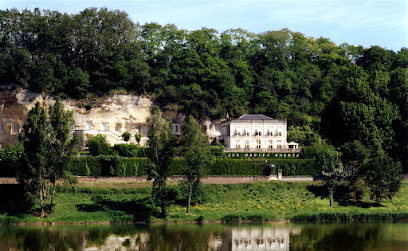
La Roche Le Roy
43.6 km
Experience Haute French cuisine at La Roche Le Roy in Tours – where culinary artistry meets exquisite taste.
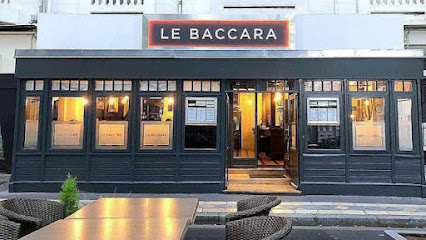
Le Baccara
45.8 km
Experience the best of French cuisine at Le Baccara in Tours - where tradition meets innovation in every bite.
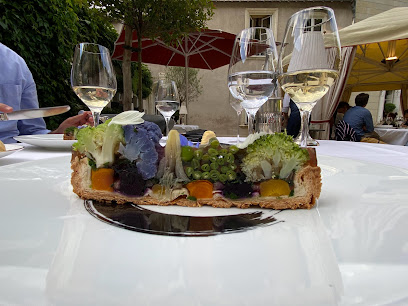
Le Chien Jaune
46.4 km
Experience authentic French cuisine at Le Chien Jaune in Tours, where traditional flavors meet modern elegance.
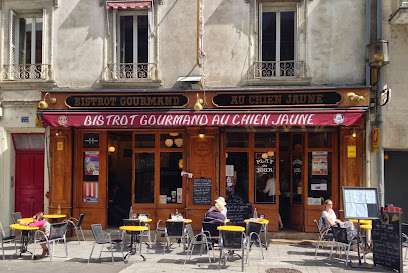
Markets, malls and hidden boutiques

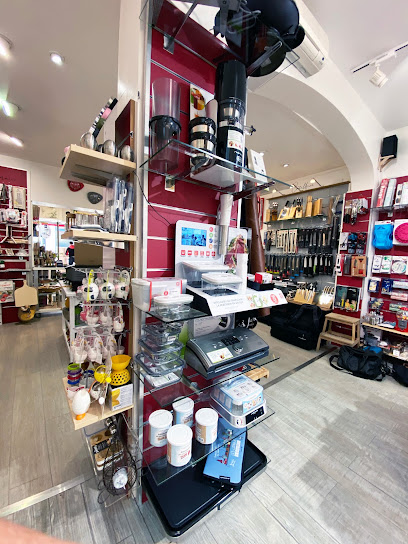
Un Coin de France Sarl
32.9 km
Explore culinary treasures at Un Coin de France Sarl, a kitchen supply store in the heart of Amboise, offering quality tools for every chef.
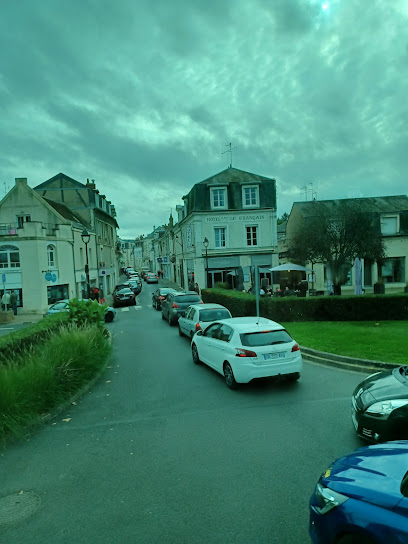
Touraine Voyages
32.9 km
Explore the enchanting Loire Valley with Touraine Voyages, your expert travel agency in Amboise for personalized tours and unforgettable experiences.
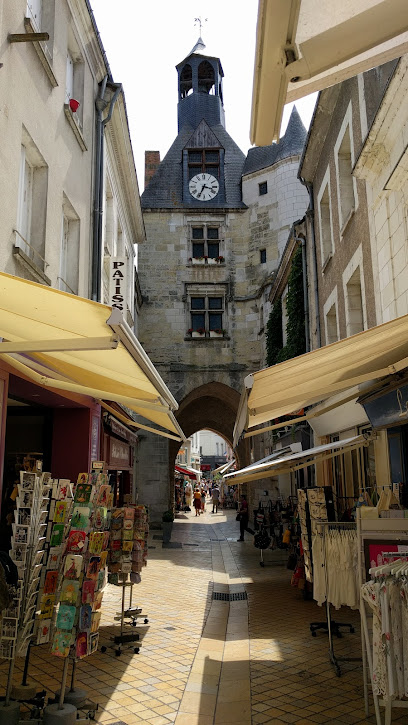
Tour de l'Horloge
32.9 km
Discover stunning views and rich history at the Tour de l'Horloge in Amboise, a must-see observation deck overlooking the Loire River.
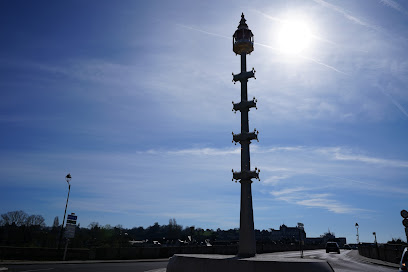
La Tour d'Or Blanc de J.M. Othoniel
33.5 km
Explore La Tour d'Or Blanc de J.M. Othoniel, a captivating cultural landmark in Amboise, France, blending contemporary art with historical charm.
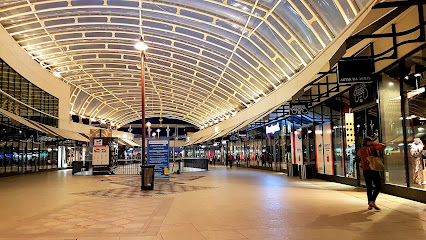
L'Heure Tranquille
45.9 km
Experience the vibrant shopping and dining at L'Heure Tranquille, the heart of Tours, where fashion meets entertainment and culinary delights await.
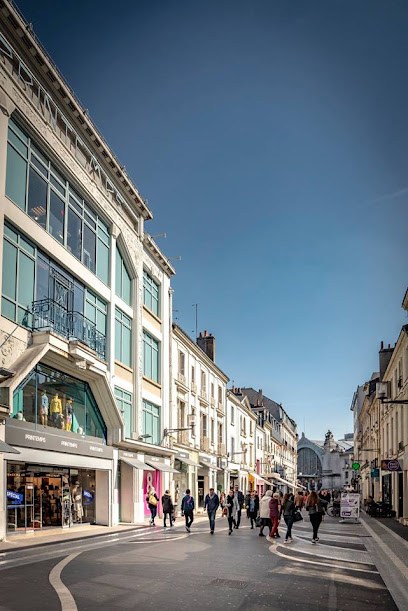
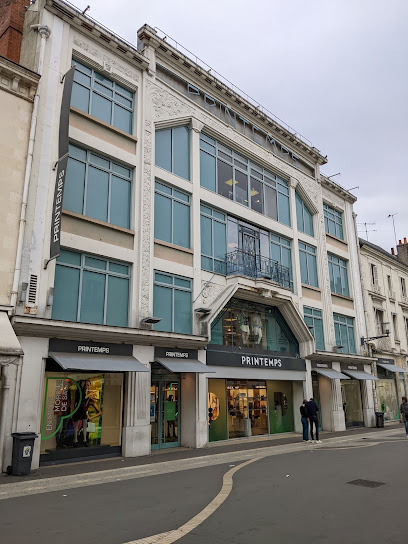
Printemps Tours
46.4 km
Shop at Printemps Tours, where fashion meets elegance in a vibrant atmosphere filled with diverse boutiques and quality selections.
FOSSIL Concession Printemps Tours
46.4 km
Discover stylish gifts and accessories at FOSSIL Concession Printemps Tours, where elegance meets craftsmanship in the heart of France.
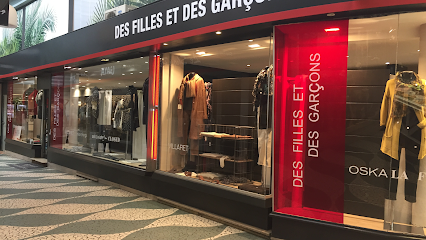
Des Filles et des Garçons
46.5 km
Discover the essence of French fashion at Des Filles et des Garçons, a trendy clothing store in Tours, offering unique styles and local designer pieces.
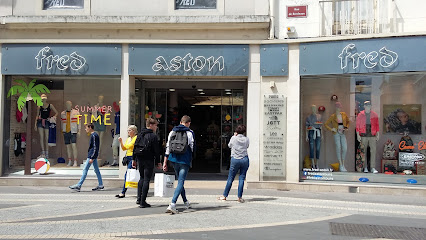
FRED ASTON
46.5 km
Explore FRED ASTON in Tours for a unique blend of men's and women's fashion, showcasing contemporary styles and timeless elegance.
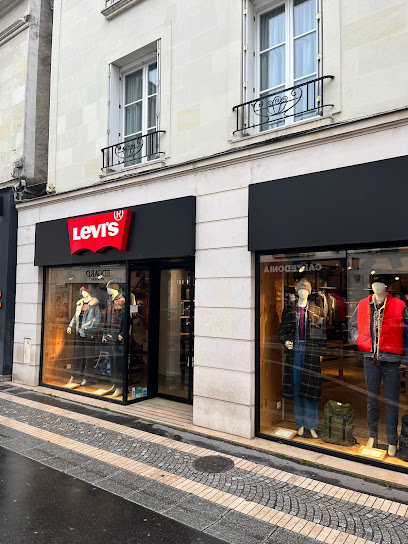
Levi's R Store
46.5 km
Discover the essence of denim fashion at Levi's R Store in Tours, where style meets quality for an unforgettable shopping experience.
Boutique Pandora
46.5 km
Explore the exquisite collection of jewelry and fashion accessories at Boutique Pandora in Tours, a must-visit destination for style enthusiasts.
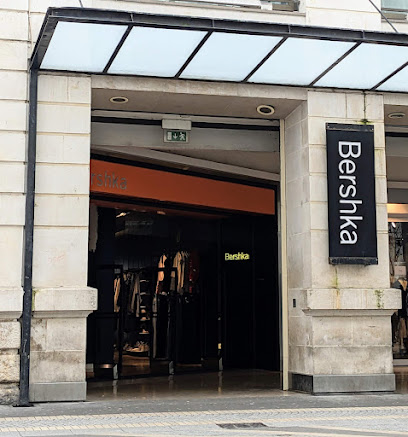
Bershka
46.5 km
Explore Bershka in Tours for the latest trends in men's and women's fashion, from stylish shoes to trendy accessories, all under one roof.
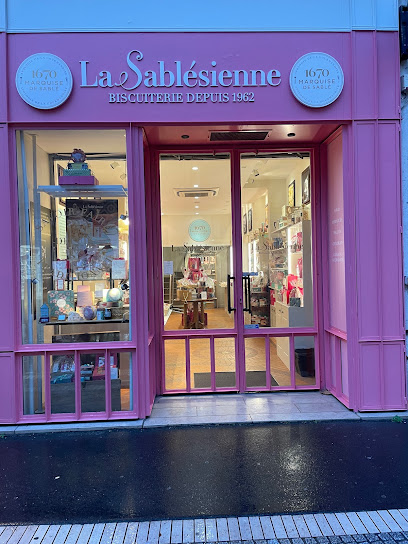
La Sablésienne
46.5 km
Discover the charm of La Sablésienne in Tours, where local craftsmanship meets authentic French culture through unique artisanal products.
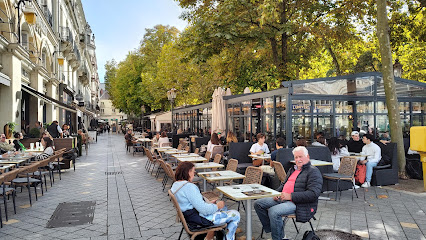
PASSAGE DU PALAIS
46.5 km
Explore the vibrant Passage du Palais in Tours, where shopping meets culture in a stunning architectural setting.
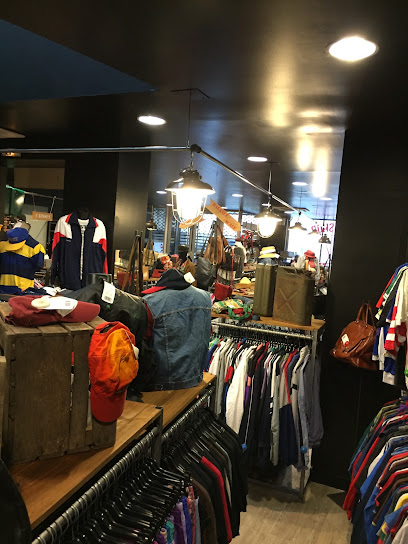
Kilo Shop Kawaii Tours
46.6 km
Explore the charm of sustainable fashion at Kilo Shop Kawaii Tours, where vintage meets contemporary style in a delightful shopping experience.
Essential bars & hidden hideouts

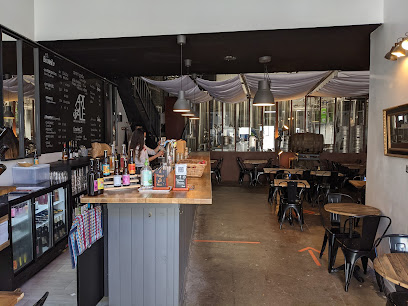
ART IS AN ALE BREWING Taproom
32.8 km
Discover the vibrant craft beer culture at Art Is An Ale Brewing Taproom in Amboise, where every sip tells a story of artistry and passion.
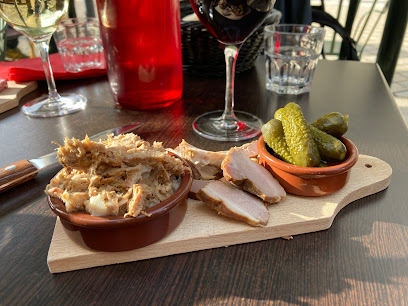
Bistrot L'Atelier
32.9 km
Experience the essence of French culture at Bistrot L'Atelier, a charming wine bar in Amboise offering exquisite local wines and delightful cuisine.
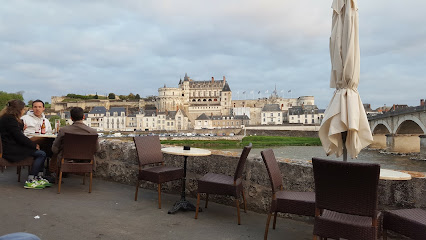
Le Shaker
33.2 km
Experience the best of tapas and local wines at Le Shaker in Amboise, where culinary delights meet a charming riverside atmosphere.
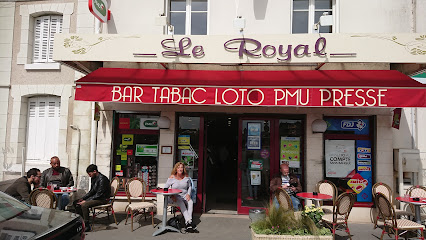
Le Royal
33.5 km
Discover the charm of Amboise at Le Royal, an affordable Bar PMU where local culture and vibrant atmosphere await you.
Sauvage
33.7 km
Discover the charm of Sauvage, a delightful wine bar in Chargé, offering exquisite wines and delicious deli fare in a cozy atmosphere.
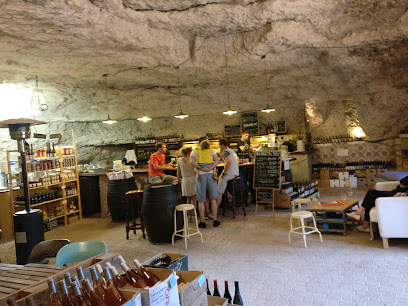
ART IS AN ALE BREWING
34.0 km
Discover the artistry of craft beer at Art Is An Ale Brewing in Nazelles-Négron, where passion meets flavor in every pint.
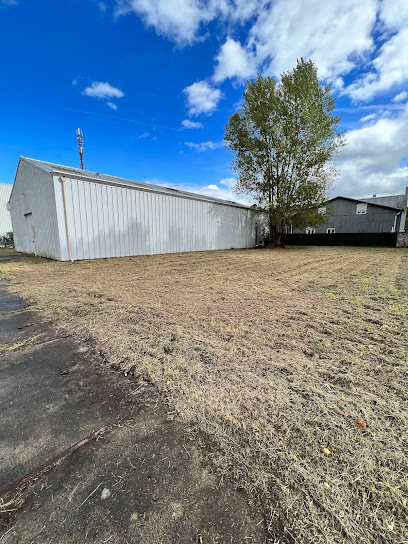
UNE GABARE à HUSSEAU - Bières locales à Husseau à Montlouis sur Loire (37)
35.3 km
Experience the best of local craft brewing at Une Gabare à Husseau, a charming brewpub in the heart of Montlouis-sur-Loire.
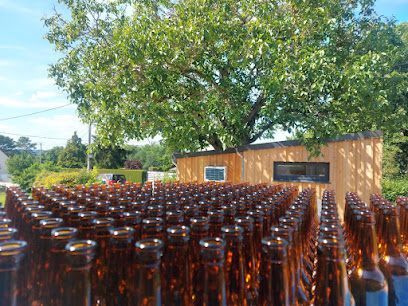
Le lamantin qui guinche
36.4 km
Enjoy live music and delicious snacks at Le Lamantin Qui Guinche, the vibrant bar in Chaumont-sur-Loire for an unforgettable night out.
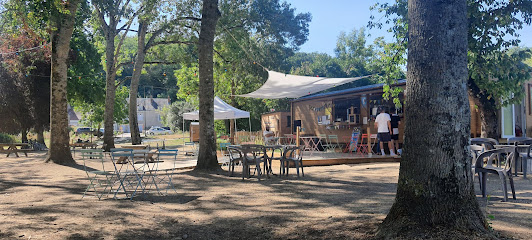
Bar L’entre potes
37.1 km
Experience the charm of Montlouis-sur-Loire at Bar L’entre potes, where a diverse selection of beers meets a warm, inviting atmosphere.
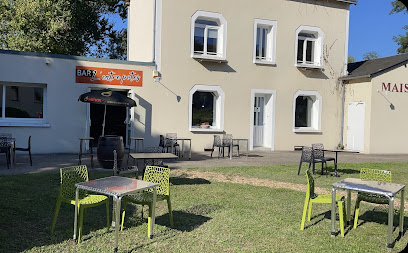
Le Captain's
38.1 km
Discover Le Captain's: the ideal bar in Saint-Ouen-les-Vignes for refreshing drinks, local flavors, and a warm, welcoming atmosphere.
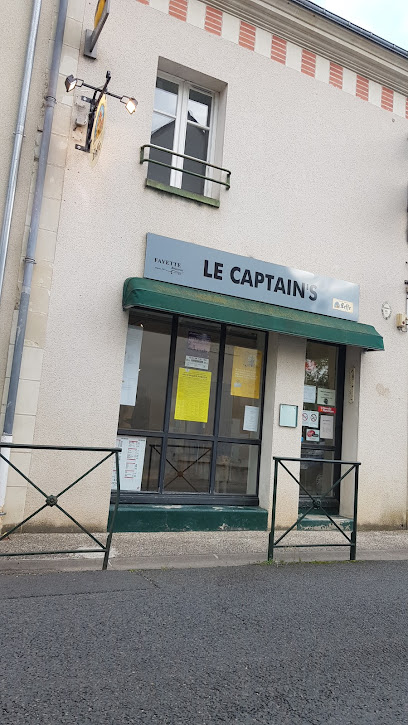
Le Bergerac
38.3 km
Explore the charm of Veuzain-sur-Loire at Le Bergerac, where delightful cuisine and a warm atmosphere await every visitor.
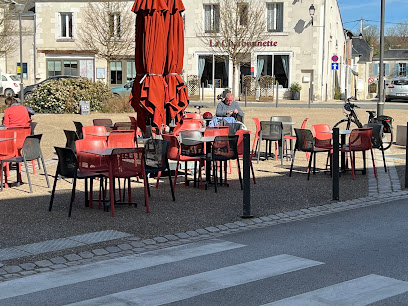
Eden Bar
43.5 km
Experience the charm of Reugny at Eden Bar, where authentic French cuisine meets a welcoming atmosphere in a delightful setting.
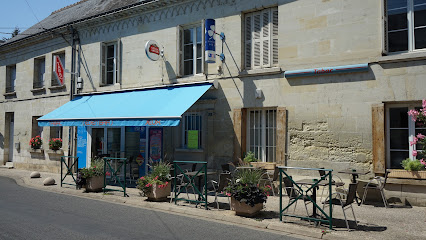
Bar Le Corsaire
45.5 km
Experience the vibrant nightlife of Tours at Bar Le Corsaire, where nautical charm meets delicious cocktails.
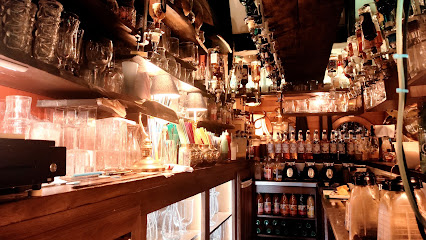
Le Gambrinus - Bar à biere - Cave à biere - Beer Garden
46.0 km
Discover the vibrant beer culture of Tours at Le Gambrinus, a premier beer hall offering a wide selection of brews and delicious bites.
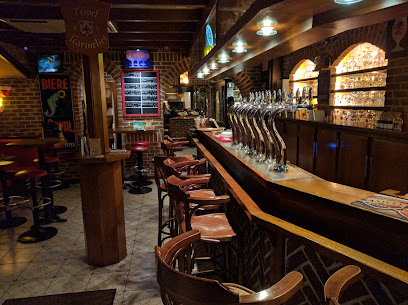
Beer Academy
46.7 km
Experience the best of local and international craft beers at Beer Academy in Tours, a lively bar and pub perfect for socializing and unwinding.
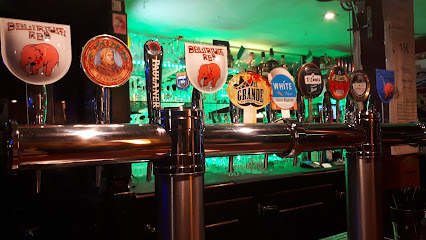
Nightclubs & after hour spots

The New Vegas
25.8 km
Dive into the electrifying nightlife at The New Vegas, the top disco club in La Croix-en-Touraine, offering unforgettable dance experiences and vibrant entertainment.
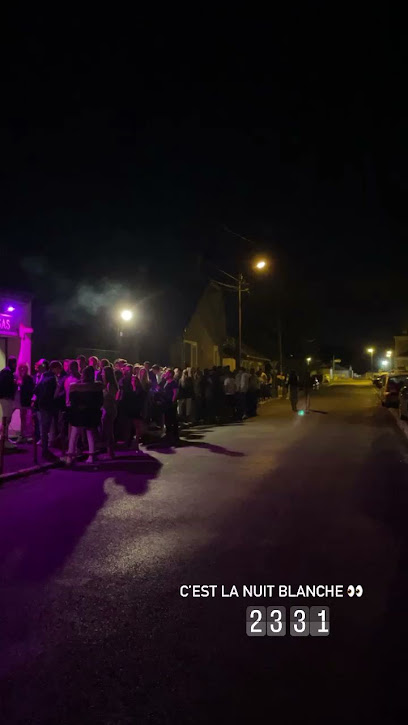
Light Club - Villeperdue
42.0 km
Dive into the electrifying nightlife of Villeperdue at Light Club, a premier destination for music, dance, and unforgettable moments.
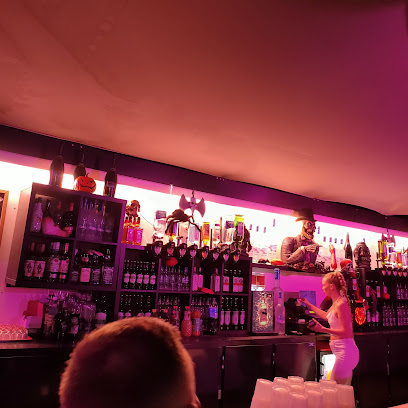
LE PYM'S
45.5 km
Experience the vibrant nightlife at Le PYM'S, Tours' top disco club, where dancing and fun come alive in an electrifying atmosphere.
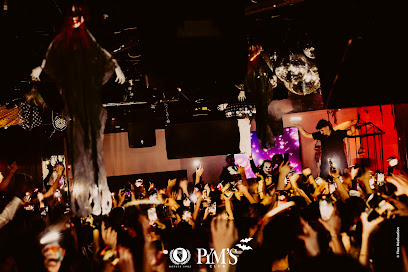
RED Club - club boîte de nuit Tours
45.8 km
Discover the electrifying atmosphere of RED Club in Rochecorbon, a premier disco club featuring live music, dancing, and unforgettable nights out.
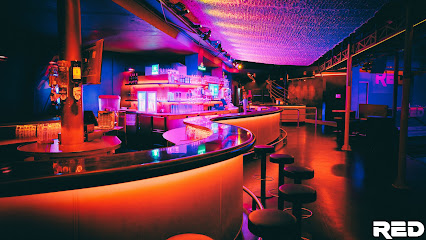
La Fabrika - Tours
46.5 km
Discover the vibrant nightlife of Tours at La Fabrika, a unique blend of Latin American cuisine and lively club atmosphere.
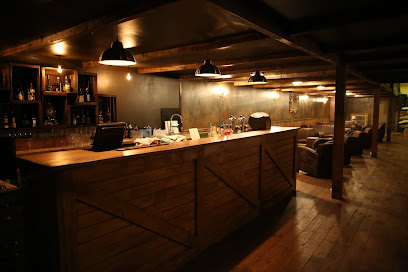
Le Lady’s
46.8 km
Discover the energetic nightlife of Tours at Le Lady’s, a premier girl bar and lounge offering lively entertainment and a welcoming atmosphere.
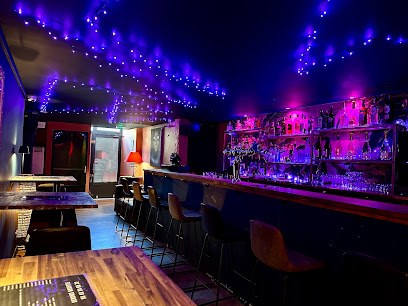
LE FEELING
47.0 km
Unleash your inner superstar at Le Feeling Karaoke Bar in Tours - where unforgettable nights and vibrant energy meet!

Le milord - Tours
47.0 km
Discover the lively nightlife at Le Milord, a premier night club in Tours offering live music, dance, and a vibrant atmosphere for unforgettable evenings.
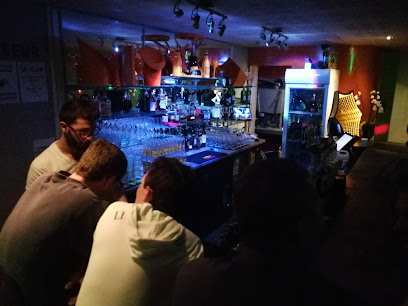
Le Pacio
47.1 km
Immerse yourself in the vibrant nightlife of Tours at Le Pacio, where electrifying music and lively dance await.
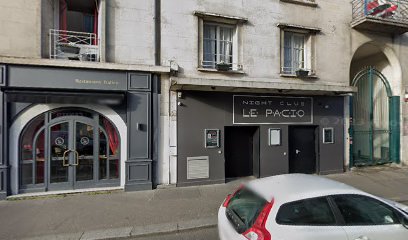
Le Marquis - Tours
47.3 km
Experience the vibrant nightlife at Le Marquis, Tours' top disco club, where music, dance, and excitement come alive every night.
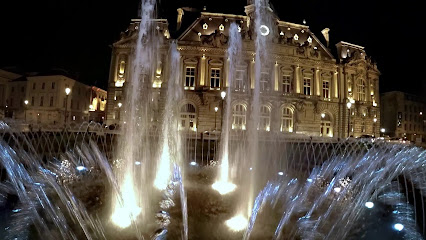
LA COUR DES GRANDS
47.3 km
Discover the elegant ambiance of La Cour des Grands, a chic lounge in Tours, perfect for cocktails and relaxation.
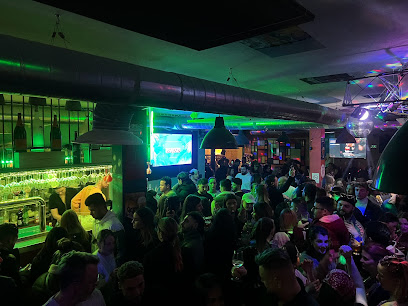
La Suite Club
47.3 km
Discover the pulse of Tours' nightlife at La Suite Club, where music, dancing, and vibrant energy create unforgettable memories.
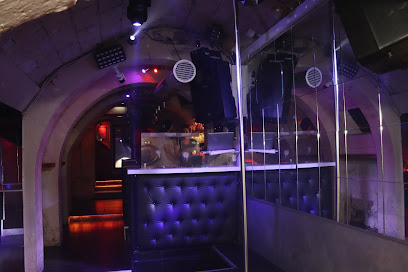
Citizen Bar
47.3 km
Discover the heart of Tours' nightlife at Citizen Bar, where great music and affordable drinks create unforgettable memories.
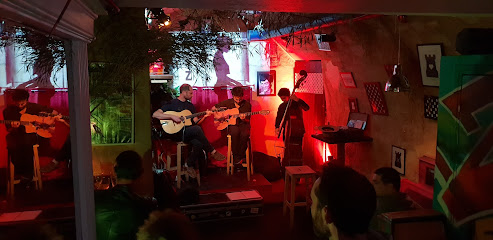
L'Excalibur - Tours
47.4 km
Experience the vibrant nightlife of Tours at L'Excalibur, where music, dance, and drinks come together for an unforgettable evening.
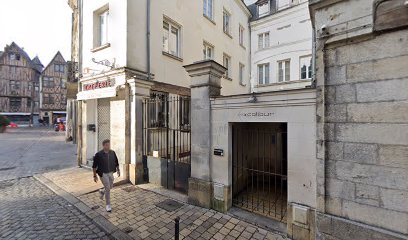
L'elite Club - Blois
49.2 km
Experience the vibrant nightlife at L'elite Club in Blois, where energetic music and stylish atmosphere create unforgettable nights.