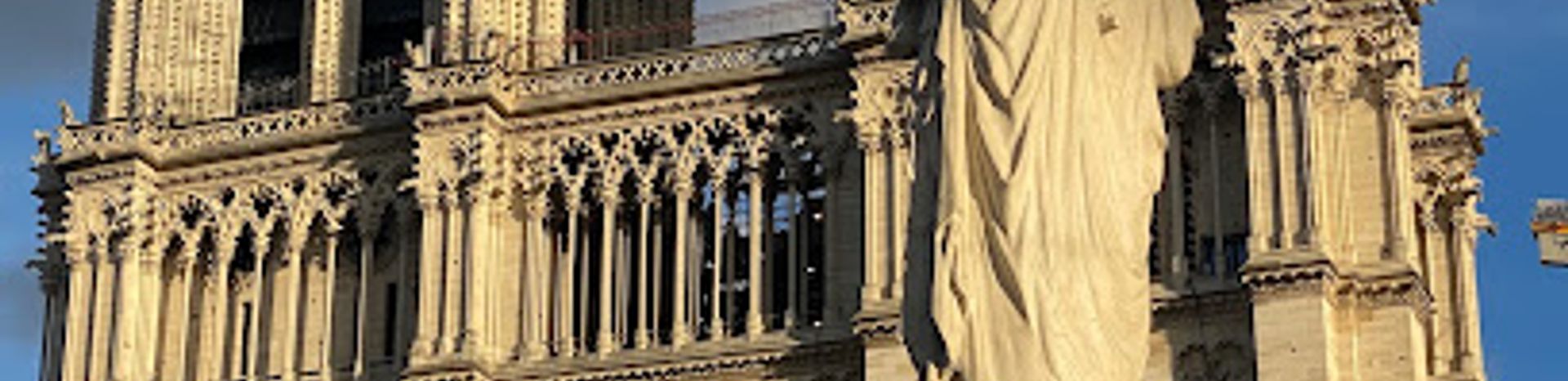
Cathédrale Notre-Dame de Paris: A Symbol of Resilience
Experience the grandeur of Parisian Gothic architecture at the historic Notre-Dame Cathedral, now open after extensive restoration.
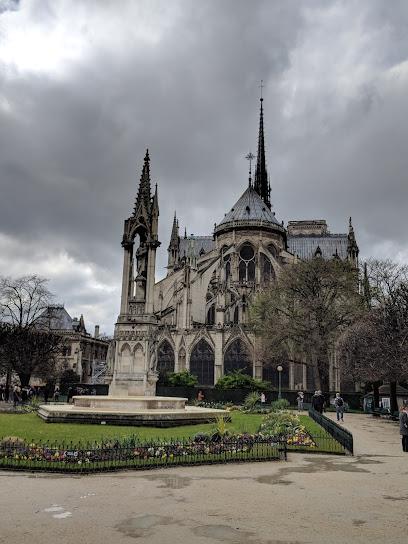
Notre-Dame de Paris, a historic cathedral on Île de la Cité, is a masterpiece of French Gothic architecture and a symbol of Paris. Construction began in 1163 and it has been modified over centuries. It reopened in December 2024 after restoration work following the 2019 fire.
A brief summary to Cathédrale Notre-Dame de Paris
- 6 Parvis Notre-Dame - Pl. Jean-Paul II, Paris, 75004, FR
- +33142345610
- Visit website
Local tips
- Entry to the main floor is free, but reserving a time slot online is recommended due to high demand.
- Guided tours are available and recommended for a deeper understanding of the cathedral's history and restoration.
- Be respectful as Notre-Dame is a place of worship; some areas are reserved for prayer.
- Visit early in the morning on a weekday to avoid long queues and for better photo opportunities.

Getting There
-
Public Transport
The Cathédrale Notre-Dame de Paris is accessible via the Paris Metro. The closest station is Cité (Line 4), a short walk from the cathedral. Alternatively, Saint-Michel Notre-Dame (RER B or C) is another nearby stop. A single ticket for public transport in Paris costs €2.50. You can purchase a Paris Visite pass for unlimited travel throughout Île-de-France, including access to airports, starting at €29.90 for one day.
-
Taxi
Taxis are available in Paris and can take you directly to Cathédrale Notre-Dame de Paris at 6 Parvis Notre-Dame - Pl. Jean-Paul II, 75004 Paris. Taxi fares in Paris include a basic rate of €8, which includes 4.3 km. Additional charges apply per kilometer, with rates varying depending on the time of day and day of the week. A short trip in the city center will likely cost between €10 and €20. Keep in mind that booking a taxi in advance has a supplement of €7.
-
Walking
Cathédrale Notre-Dame de Paris is located on Île de la Cité, easily accessible by foot from many central Paris locations. From the Louvre Museum, cross the Pont Neuf and follow the Seine River eastward. The walk is approximately 15-20 minutes, offering scenic views along the way. From the Latin Quarter, cross the Pont Saint-Michel to reach the Île de la Cité. The cathedral is a short walk from there.
Discover more about Cathédrale Notre-Dame de Paris
Iconic landmarks you can’t miss

Notre Dame
0.1 km
Discover the timeless beauty and architectural grandeur of Notre Dame, an iconic symbol of Paris's rich heritage and history.
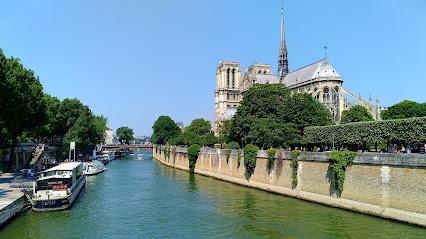
Pont au Double
0.1 km
Experience the charm of Pont au Double, an iconic bridge in Paris offering stunning views of the Seine and Notre-Dame Cathedral, perfect for leisurely strolls.
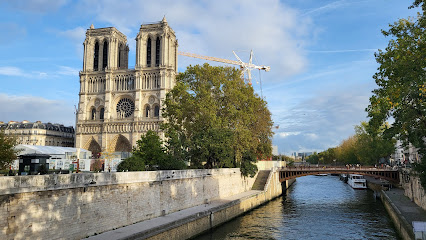
Pont de l'Archevêché
0.2 km
Experience the enchanting beauty of Pont de l'Archevêché, a historic bridge in Paris offering breathtaking views and a romantic atmosphere by the Seine.
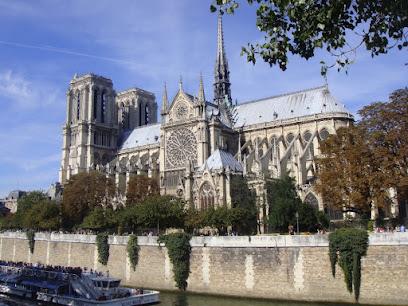
Petit Pont
0.2 km
Discover the enchanting Petit Pont, a historic bridge linking Île de la Cité and the Latin Quarter in the heart of Paris, with breathtaking views and charm.
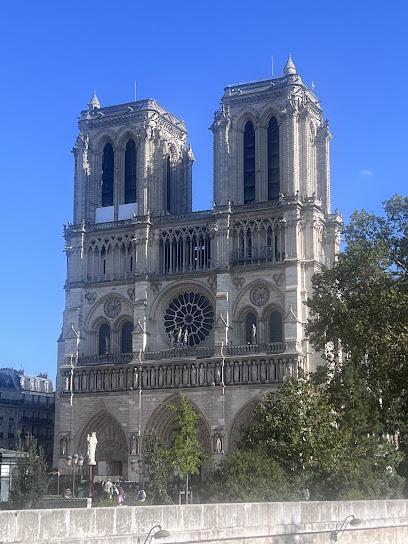
Saint-Julien-le-Pauvre
0.2 km
Discover the tranquil beauty and rich history of Saint-Julien-le-Pauvre, a captivating Catholic church in the heart of Paris's Latin Quarter.
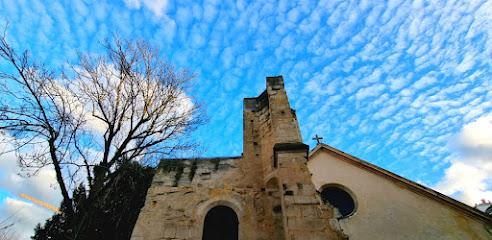
11 Pont Louis-Philippe
0.3 km
Experience the enchanting beauty of Pont Louis-Philippe, a picturesque bridge in Paris offering stunning views and a charming atmosphere.
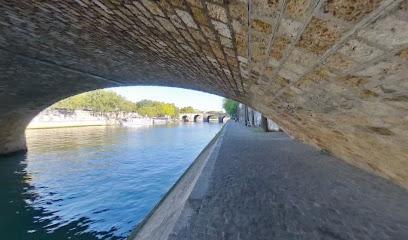
Rue de la Huchette
0.3 km
Explore the enchanting Rue de la Huchette, a vibrant Parisian street filled with culture, cuisine, and historic charm in the heart of the Latin Quarter.
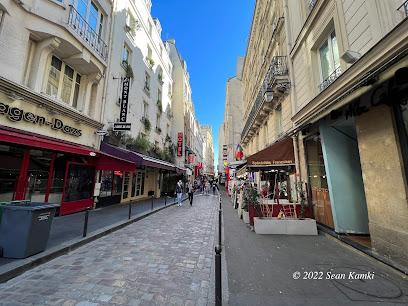
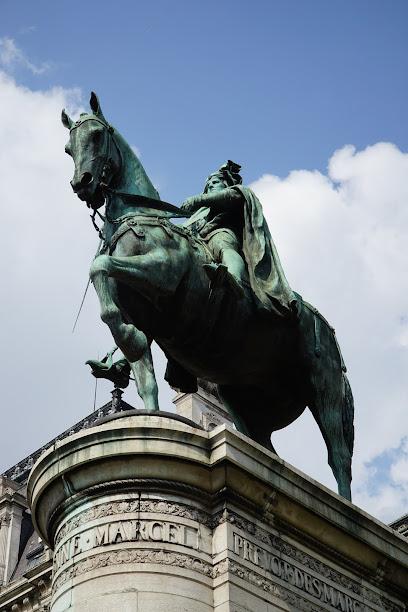
Statue d'Étienne Marcel
0.3 km
Explore the Statue of Étienne Marcel in Paris, a stunning sculpture celebrating the city's rich history and vibrant culture along the Seine River.
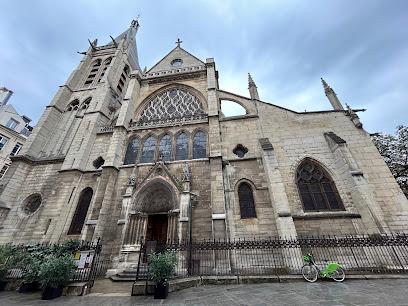
Church of Saint-Séverin
0.3 km
Explore the enchanting Church of Saint-Séverin, a Gothic jewel in Paris's Latin Quarter, offering history, serenity, and stunning architecture.
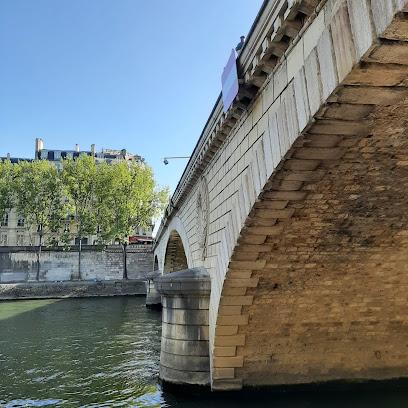
Pont Louis-Philippe
0.4 km
Discover the enchanting Pont Louis-Philippe, a historic bridge in Paris offering stunning views and rich cultural experiences alongside the Seine.
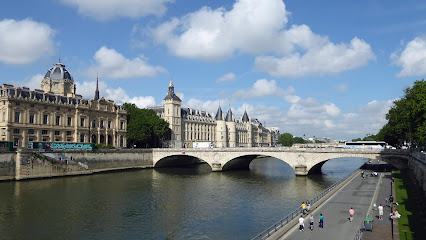
Pont Notre-Dame
0.4 km
Walk across centuries of Parisian history on this iconic bridge, offering stunning views of the Seine River and Île de la Cité.
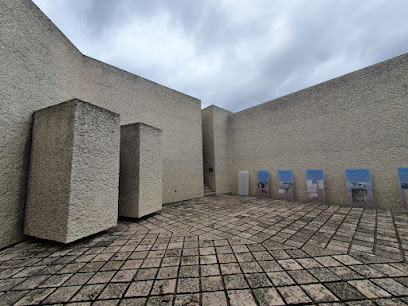
Memorial to The Massacre of October 17th, 1961
0.4 km
Explore the Memorial to The Massacre of October 17th, 1961 on Île de la Cité—an important historical landmark that honors the legacy of resilience and human rights.
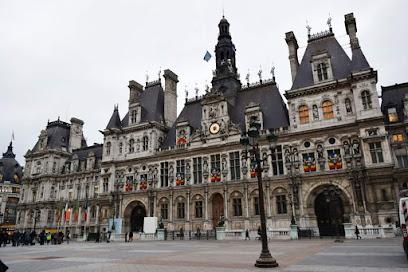
Quai de l'Hôtel de ville
0.4 km
Experience the charm of Quai de l'Hôtel de Ville, where iconic architecture meets vibrant Parisian life along the banks of the Seine.
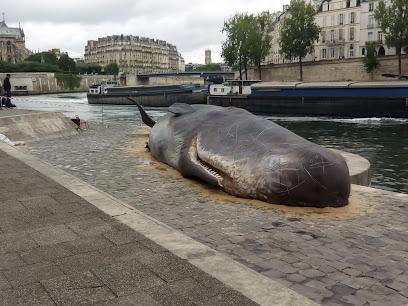
Quai de la Tournelle
0.4 km
Experience the charm of Quai de la Tournelle, a serene riverside spot in Paris offering stunning views, cozy cafes, and an ideal setting for relaxation.
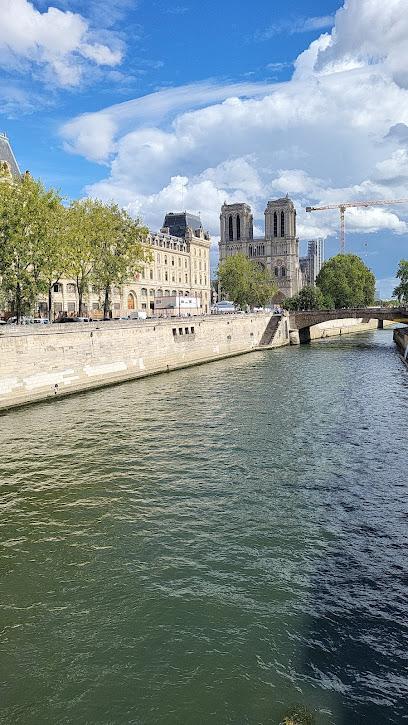
Pont Saint-Michel
0.4 km
Discover the beauty of Pont Saint-Michel, a historic bridge in Paris offering stunning views and a perfect spot for memorable moments.
Unmissable attractions to see

Square Jean XXIII
0.1 km
Discover the serene beauty of Square Jean XXIII, a lush park nestled beside Notre-Dame Cathedral, a perfect escape for tourists in Paris.
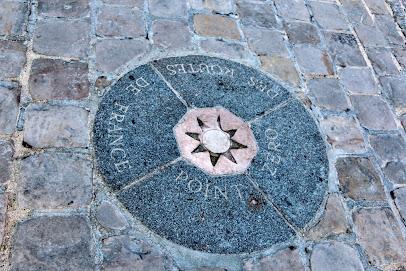
Point zéro des routes de France
0.1 km
Explore the iconic Point Zéro des Routes de France, a historical landmark in the heart of Paris, symbolizing the nation's connection to its roads.
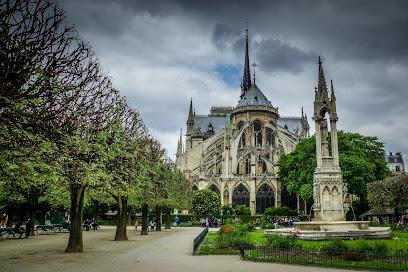
Fontaine de la Vierge
0.1 km
Discover the serene beauty of Fontaine de la Vierge, a hidden gem in Paris featuring stunning sculptures and a tranquil atmosphere.
Archaeological Crypt of the Ile de la Cité
0.2 km
Explore the depths of history at the Archaeological Crypt of the Ile de la Cité, a treasure trove of ancient Parisian heritage beneath Notre-Dame.
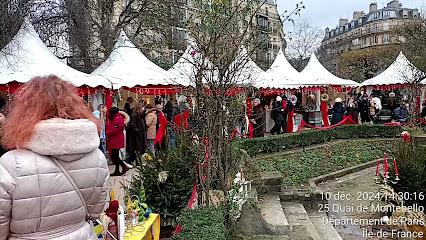
Marché de Noël de Notre-Dame
0.2 km
Discover the enchanting Marché de Noël de Notre-Dame, a festive Christmas market in the heart of Paris, offering unique gifts and delicious seasonal treats.
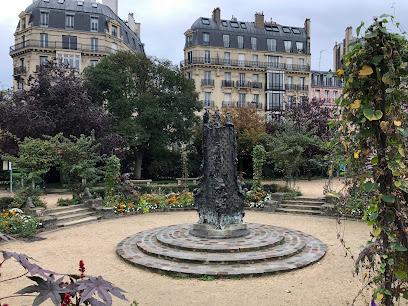
Square René Viviani
0.2 km
Unwind in the serene beauty of Square René Viviani, a historic garden with stunning views of Notre-Dame, perfect for relaxation and exploration.
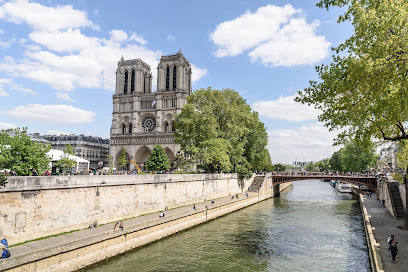
Square de l'Île-de-France
0.2 km
Experience the serene charm of Square de l'Île-de-France, a tranquil Parisian plaza perfect for relaxation and picturesque views of the Seine.
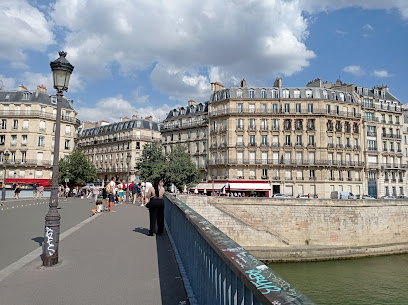
Pont Saint-Louis
0.2 km
Discover the charming Pont Saint-Louis, a picturesque pedestrian bridge in Paris connecting Île de la Cité and Île Saint-Louis, offering stunning views and a romantic ambiance.
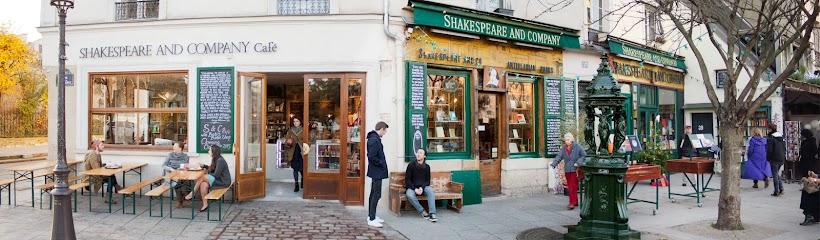
Shakespeare and Company
0.2 km
Explore the literary charm of Shakespeare and Company, Paris's iconic bookstore, where history and literary culture come alive.
Deportation Martyrs Memorial
0.2 km
Explore the Deportation Martyrs Memorial in Paris, a profound site honoring the victims of the Holocaust, fostering remembrance and reflection.
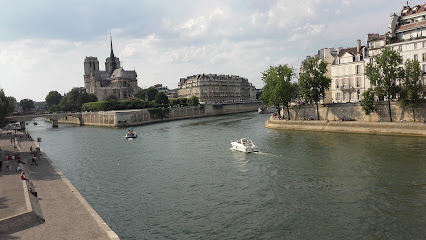
ضياء الدين باريس
0.3 km
Experience the allure of Pont d'Arcole in Paris, where history and breathtaking views of the Seine River come together in perfect harmony.
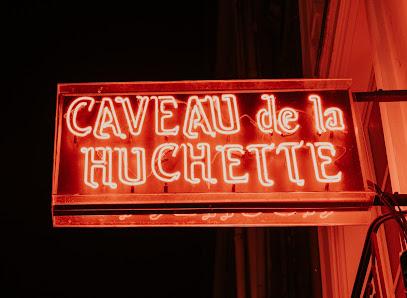
Le Caveau de la Huchette
0.3 km
Discover the iconic Le Caveau de la Huchette, a historic jazz club in Paris's Latin Quarter, offering vibrant live music and a quintessential Parisian nightlife experience.
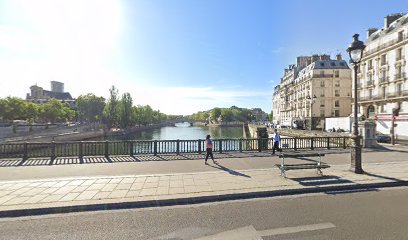
Île de la Cité
0.3 km
Discover the enchanting Île de la Cité, home to Notre-Dame and Sainte-Chapelle, a historic gem in the heart of Paris, rich in culture and beauty.
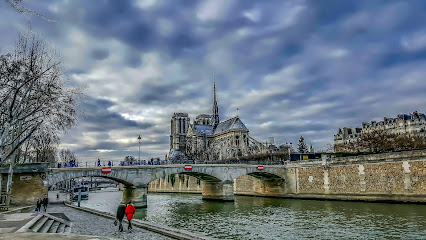
Pont d'Arcole
0.3 km
Discover the enchanting Pont d'Arcole, a stunning bridge in Paris offering breathtaking views and a glimpse into the city's rich history and architecture.
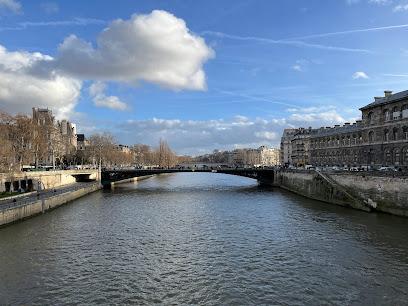
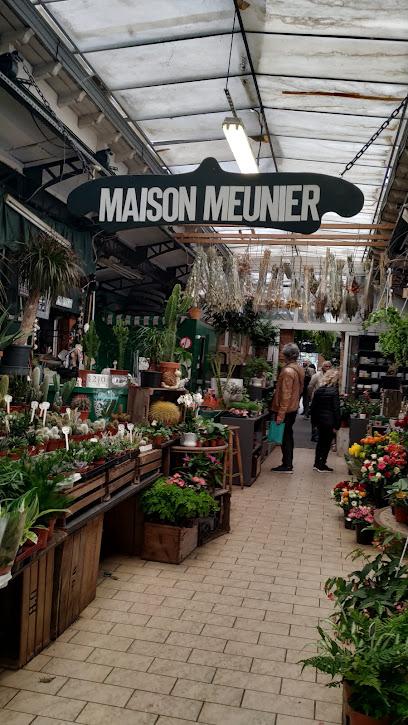
Marché aux Fleurs Reine Elizabeth II de Paris
0.3 km
Discover the enchanting Marché aux Fleurs Reine Elizabeth II, a vibrant flower market in the heart of Paris, offering a stunning array of blooms and plants.
Essential places to dine

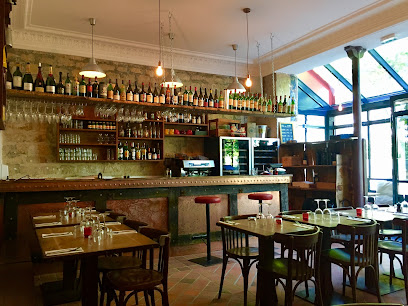
Comme Chai Toi
0.1 km
Savor exquisite French cuisine at Comme Chai Toi – a picturesque bistro along the Seine offering fresh flavors and fine wines.
Le Petit Châtelet
0.2 km
Discover authentic French cuisine at Le Petit Châtelet in Paris - where every meal is a celebration of culinary excellence and Parisian charm.
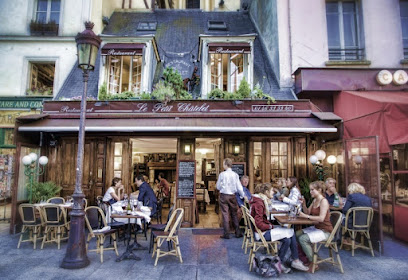
LE LATIN SAINT JACQUES
0.3 km
Discover the authentic flavors of France at Le Latin Saint Jacques Bistro in the heart of Paris.
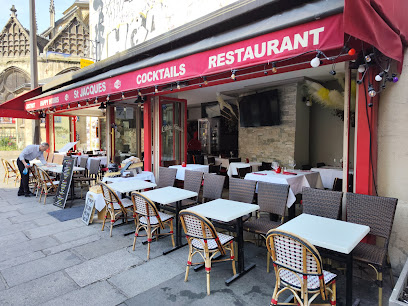
Aux Anysetiers du Roy
0.4 km
Discover authentic French cuisine at Aux Anysetiers du Roy on Île Saint-Louis – where every meal tells a story.
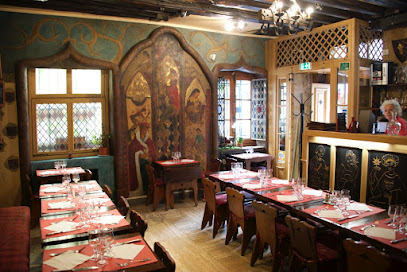
Le Trumilou
0.4 km
Experience authentic French cuisine at Le Trumilou, a charming bistro by the Seine in Paris offering family-friendly dining with stunning views.
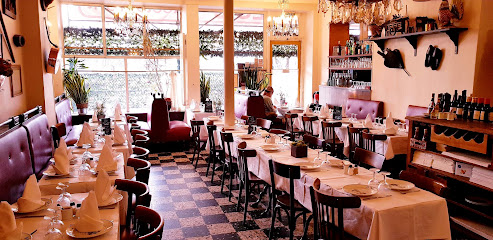
La Petite Expérience
0.4 km
Discover culinary excellence at La Petite Expérience - where modern French cuisine meets delightful tapas in Paris.
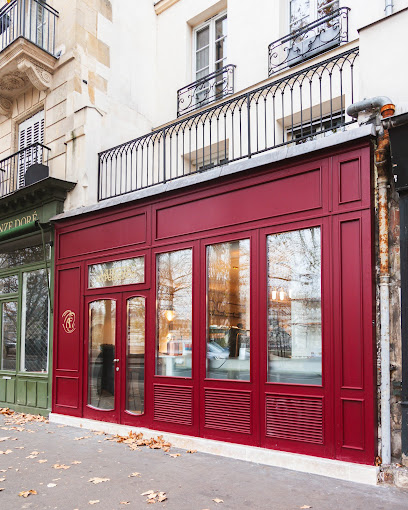
Bel Canto Paris
0.4 km
Indulge in exquisite French cuisine while enjoying live opera performances at Bel Canto Paris, where gastronomy meets artistry.
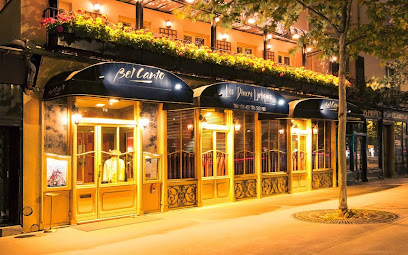
Chez Kelly
0.4 km
Experience authentic French cuisine at Chez Kelly in Paris' Latin Quarter - where tradition meets taste in every dish.
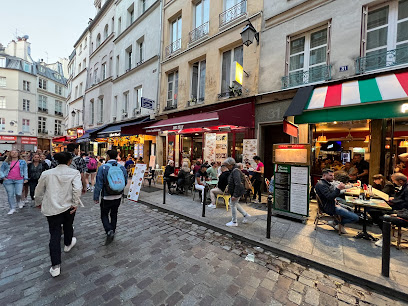
Alliance
0.4 km
Discover the essence of haute French cuisine at Alliance, where every dish tells a story and every moment is unforgettable.
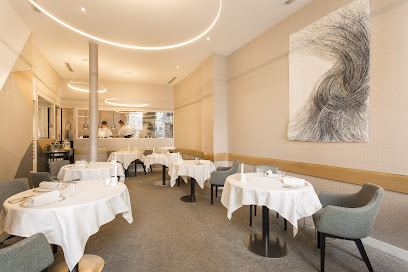
Le vent d'Armor
0.4 km
Experience exquisite seafood and haute French cuisine at Le Vent d'Armor along the Seine River in Paris.
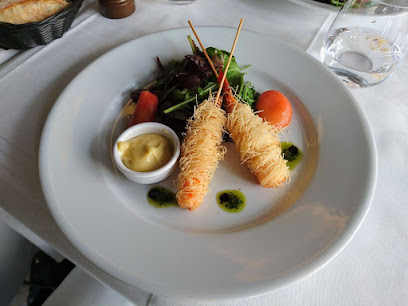
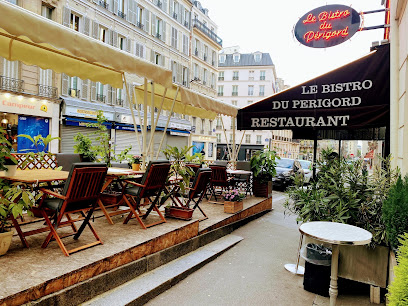
Le Bistrot Du Perigord
0.5 km
Experience authentic French cuisine at Le Bistrot Du Perigord in Paris – where every dish tells a story of tradition and flavor.
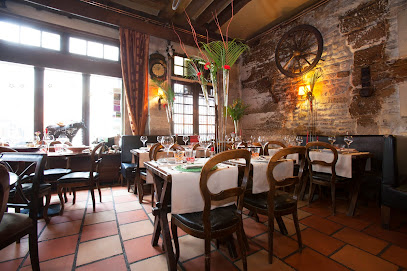
L'Îlot Vache
0.5 km
Experience authentic French cuisine at L'Îlot Vache in Paris – where tradition meets flavor in an enchanting setting.
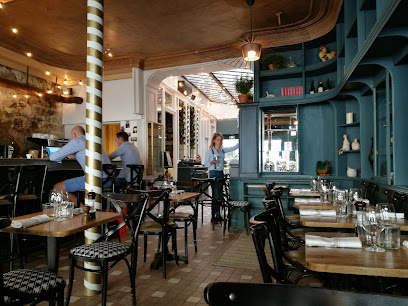
Les Fous de l'Île
0.5 km
Experience authentic French cuisine at Les Fous de l'Île, a charming bistro on Île Saint-Louis offering delightful dishes and an inviting atmosphere.
Restaurant Le Coupe-Chou
0.6 km
Experience exquisite haute French cuisine at Restaurant Le Coupe-Chou in Paris—where tradition meets modernity in every bite.
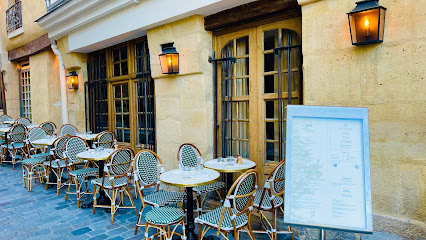
Le Petit Prince de Paris
0.6 km
Experience fine dining at its best in Paris with exquisite French cuisine at Le Petit Prince de Paris.
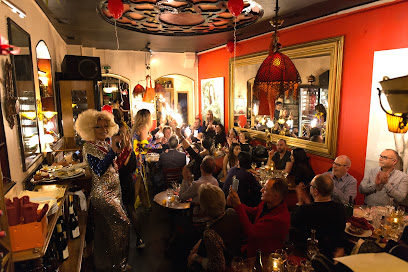
Markets, malls and hidden boutiques

I Love Souvenirs
0.2 km
Explore 'I Love Souvenirs' in Paris for unique gifts and authentic mementos that capture the spirit of the City of Light.
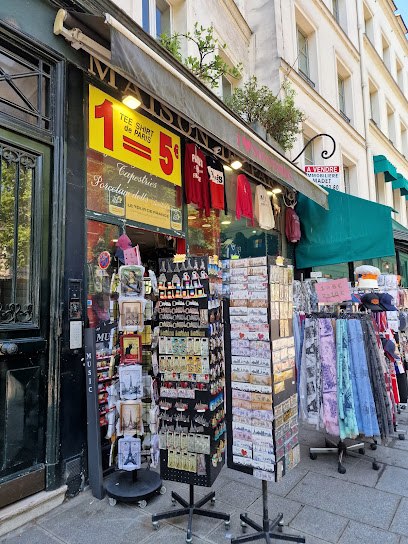
Mega Souvenirs
0.3 km
Discover unique Parisian gifts and souvenirs at Mega Souvenirs, your go-to shop for authentic keepsakes in the heart of the City of Light.
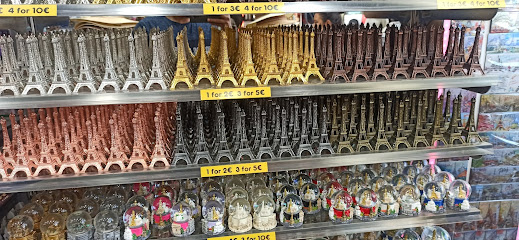
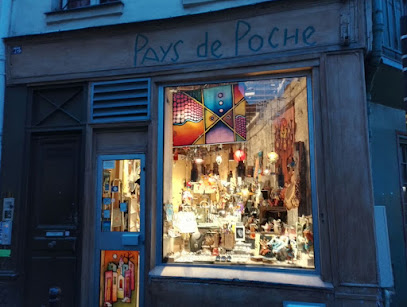
Pays de Poche
0.3 km
Explore Pays de Poche, a unique gift shop in Paris offering handcrafted treasures and authentic souvenirs that embody the spirit of French artistry.
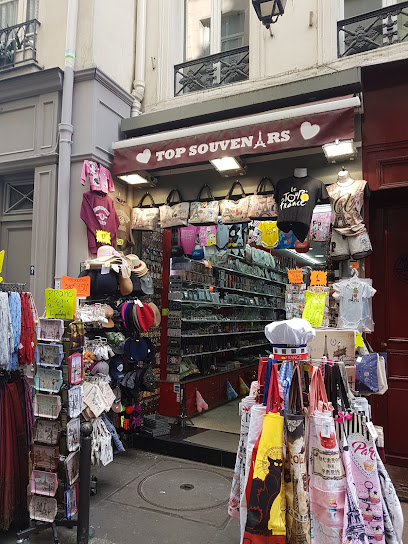
Top Souvenirs
0.3 km
Explore a curated selection of authentic Parisian souvenirs and exquisite gift baskets at Top Souvenirs in the heart of Paris.
Gift shop Paris INC
0.3 km
Discover unique souvenirs and handcrafted treasures at Gift Shop Paris INC, a charming gift shop in the heart of Paris.
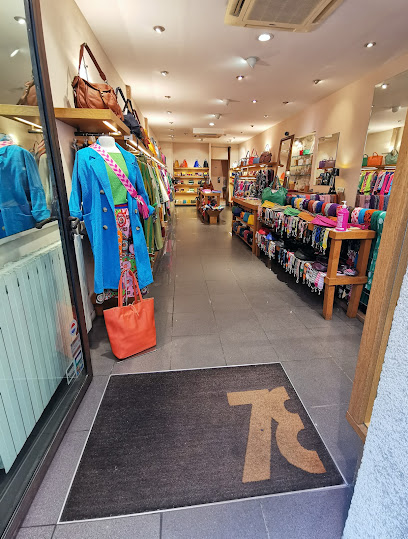
78isl
0.4 km
Explore unique women's fashion, accessories, and leather goods at 78isl, a charming boutique in the heart of Paris.
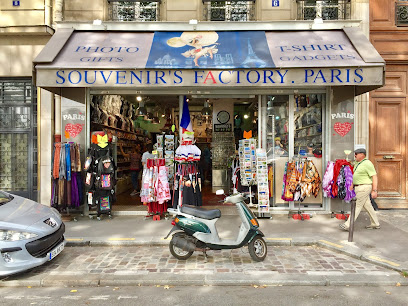
Souvenir’s Factory
0.4 km
Discover unique Parisian souvenirs and gifts at Souvenir’s Factory, where local craftsmanship meets the charm of the City of Lights.
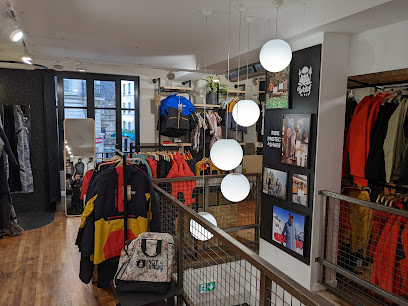
Picture Store Paris
0.5 km
Explore eco-friendly fashion at Picture Store Paris, where style meets sustainability in the heart of the city.
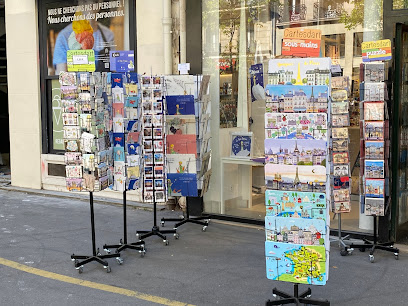
Paris est toujours Paris SAINT MICHEL
0.5 km
Explore a charming gift shop at Paris est toujours Paris SAINT MICHEL, where unique souvenirs and local artisan crafts await every traveler.
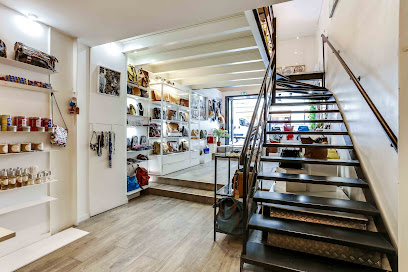
UPPER CONCEPT STORE
0.5 km
Discover the UPPER CONCEPT STORE, a vibrant gift shop and coworking space in Paris offering unique artisanal products and a lively cultural atmosphere.
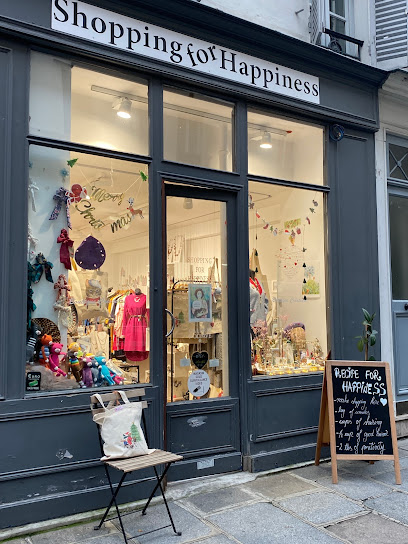
Shopping for Happiness
0.5 km
Explore the vibrant clothing boutique 'Shopping for Happiness' in Paris, a haven for fashion enthusiasts seeking unique apparel and accessories.
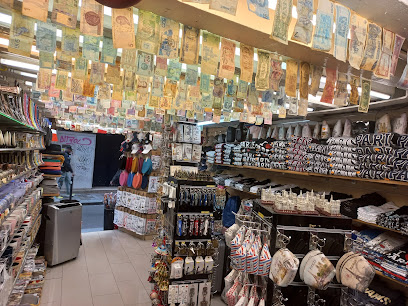
ARN Souvenirs
0.6 km
Discover unique Parisian souvenirs at ARN Souvenirs, where every item tells a story of the City of Light.
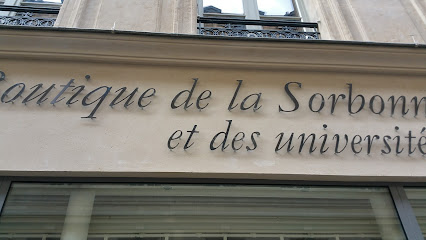
Boutique de la Sorbonne et des Universités de Paris
0.6 km
Discover the Boutique de la Sorbonne for exquisite clothing and unique paper goods in the heart of Paris's historic Latin Quarter.
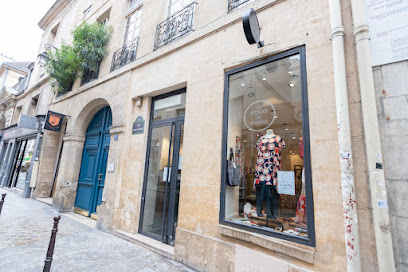
Les Stocks du Marais
0.7 km
Discover the chicest women's clothing boutique in Paris, Les Stocks du Marais, where style meets affordability in the heart of the Marais district.
Azarka
0.7 km
Explore Azarka, where fashion meets quality in a stylish shopping experience for men and women.
Essential bars & hidden hideouts

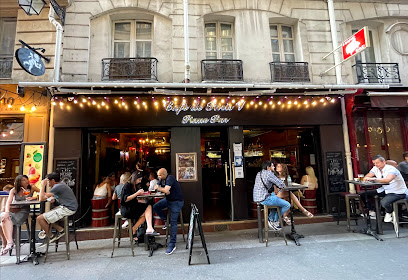
Café de Paris V
0.3 km
Experience the enchanting atmosphere of Café de Paris V, a top piano bar in Paris, offering live music, delightful cocktails, and unforgettable memories.
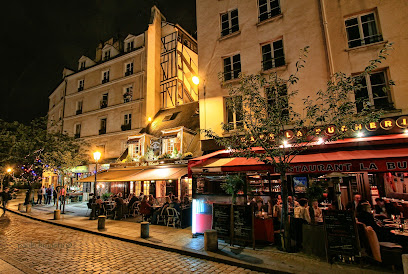
Pub Saint-Michel
0.3 km
Discover Pub Saint-Michel, a lively bar in Paris offering a mix of great drinks, live music, and an unforgettable atmosphere.
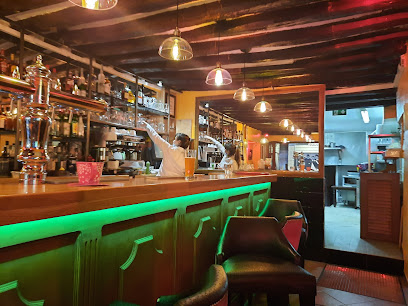
Alexandre BAR PUB Paris 05
0.3 km
Experience the vibrant nightlife of Paris at Alexandre BAR PUB, where cocktails meet salsa in an unforgettable atmosphere.
Pub
0.3 km
Experience the authentic Parisian pub culture with a delightful selection of drinks and traditional dishes in a cozy atmosphere.
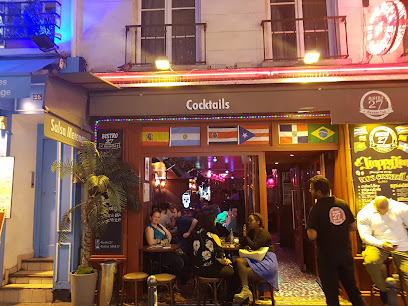
Bull's Brothers Pub
0.4 km
Discover the vibrant nightlife and friendly atmosphere at Bull's Brothers Pub, a must-visit spot in the heart of Paris.
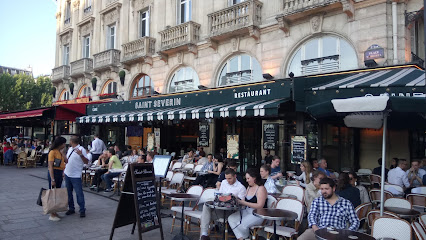
Pub Saint Hilaire
0.6 km
Explore the vibrant nightlife at Pub Saint Hilaire, a unique blend of traditional pub charm and modern cocktail culture in the heart of Paris.
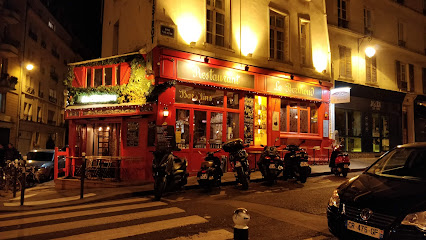
Le Dernier Bar avant la Fin du Monde
0.6 km
Discover the whimsical charm and vibrant atmosphere of Le Dernier Bar avant la Fin du Monde, a must-visit bar and restaurant in the heart of Paris.
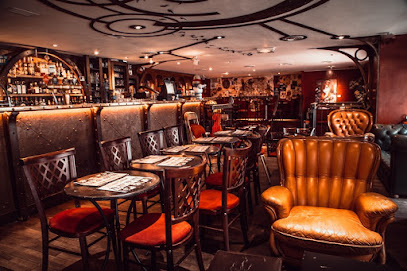
Le Melocoton Bar
0.7 km
Discover the vibrant nightlife at Le Melocoton Bar in Paris, where creative cocktails and craft beers await in a cozy, charming atmosphere.
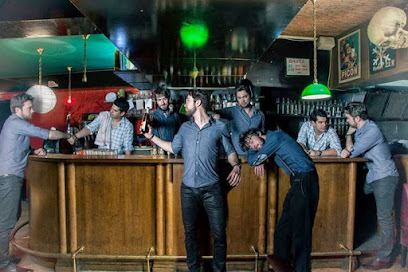
STOLLY'S
0.7 km
Discover Stolly's Bar in Paris: A lively spot for cocktails and socializing, perfect for experiencing the city's vibrant nightlife.
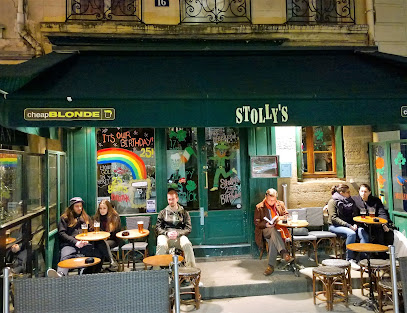
LIZARD
0.7 km
Experience the vibrant atmosphere of Lizard, a must-visit pub in Paris, offering delectable cocktails, gourmet burgers, and unforgettable nightlife.
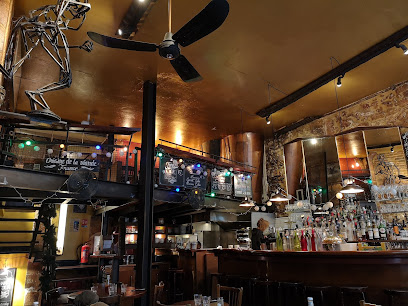
The Characters Bar Paris
0.7 km
Discover the vibrant atmosphere of The Characters Bar in Paris, where innovative cocktails meet a lively nightlife scene, perfect for socializing and relaxation.
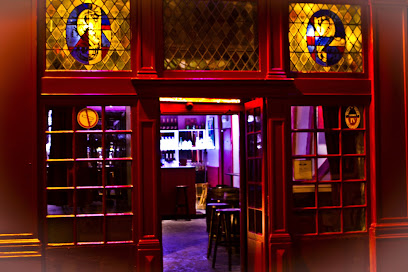
La Resistance
0.8 km
Experience the vibrant nightlife of Paris at La Resistance, a cocktail bar in the Marais with innovative drinks and a stylish ambiance.
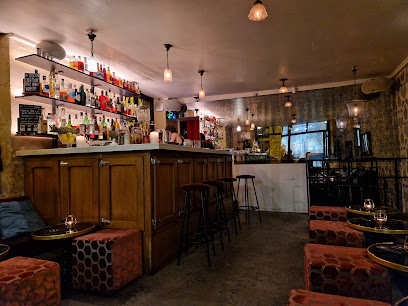
Yono Bar
0.8 km
Discover Yono Bar in Paris: A vibrant cocktail bar offering creative drinks and a lively atmosphere perfect for unwinding in the City of Light.
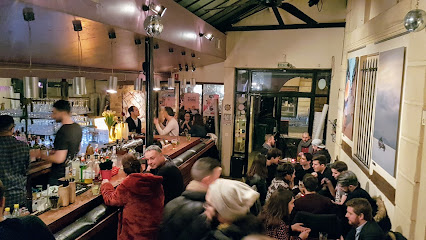
Mad Maker Pub
0.8 km
Discover the lively Mad Maker Pub in Paris, a perfect spot for cocktails, beers, and unforgettable nightlife experiences.

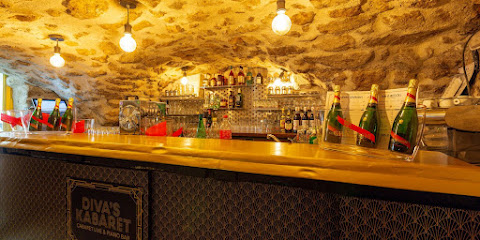
Bar à Cocktails / Beef Cave
0.8 km
Discover the lively atmosphere and exquisite cocktails at Bar à Cocktails / Beef Cave, the ultimate destination for nightlife in Paris.
Nightclubs & after hour spots

St July
0.3 km
Experience the electrifying nightlife at St July, Paris' top night club, where music, dance, and unforgettable moments come together.
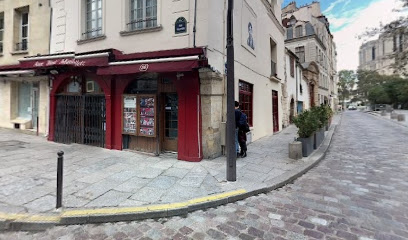
Le Caveau des Oubliettes
0.3 km
Experience the heart of Parisian nightlife at Le Caveau des Oubliettes, where live jazz meets exquisite cocktails in an enchanting atmosphere.
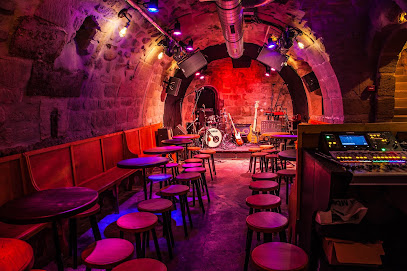
Babylon Club
0.3 km
Discover the electric atmosphere of Babylon Club, a premier disco club and bar in Paris, perfect for an unforgettable night out.
Taken Club
0.4 km
Discover the ultimate nightlife experience at Taken Club, a stylish disco in the heart of Paris, where music and dance come alive.
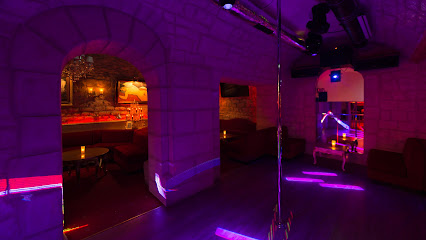
Le Roméo
0.4 km
Dive into the vibrant nightlife of Paris at Le Roméo, a disco club that promises an unforgettable experience with music, dancing, and a lively atmosphere.
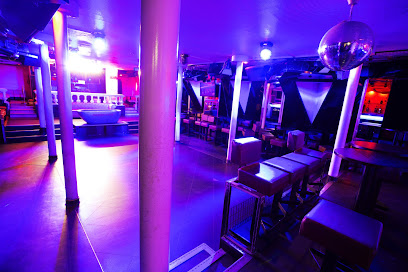
La Villa Notte
0.6 km
Experience the vibrant nightlife of Paris at La Villa Notte, where music, dance, and cocktails come together for an unforgettable evening.
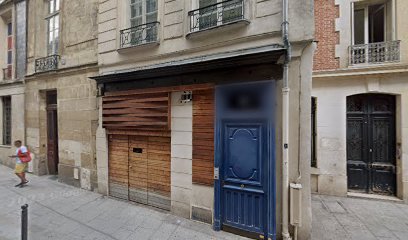
Club Joséphine
0.6 km
Immerse yourself in the electrifying nightlife of Paris at Club Joséphine, a premier disco club known for its lively music and vibrant atmosphere.
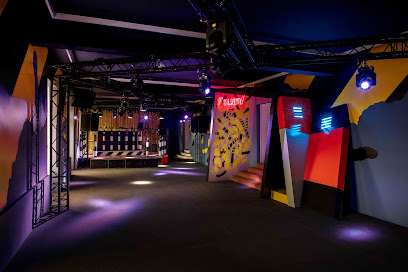
38Riv Jazz Club
0.6 km
Discover the vibrant sounds of jazz in Paris at 38Riv Jazz Club, a premier live music venue offering unforgettable performances and a lively atmosphere.
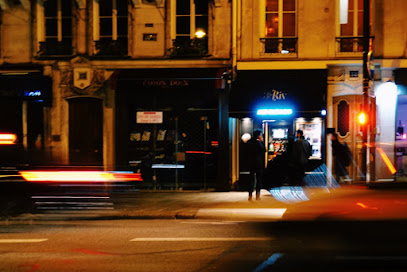
Le Klub
0.7 km
Experience the vibrant nightlife of Paris at Le Klub, where eclectic music meets an electrifying atmosphere for an unforgettable night out.
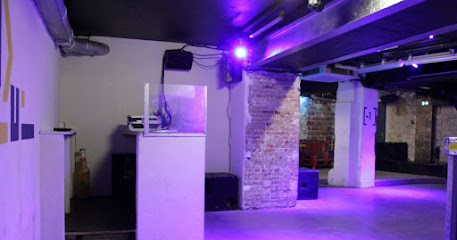
la beaute pure
0.7 km
Experience the vibrant nightlife of Paris at La Beauté Pure, a stylish night club near the Panthéon, where unforgettable memories await.
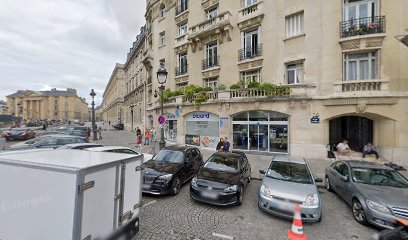
freedj
0.7 km
Experience the electrifying nightlife at Freedj, a vibrant nightclub in Paris known for its inclusive atmosphere and diverse crowd.
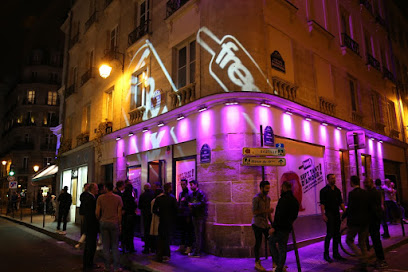
Heaven Party Paris
0.8 km
Discover the electrifying nightlife at Heaven Party Paris, a vibrant night club and bar that promises unforgettable memories in the heart of the city.
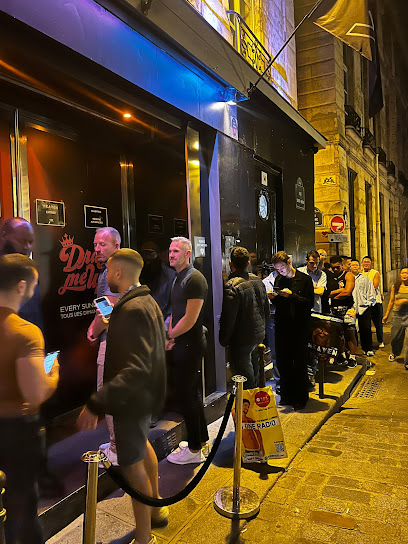
Jammin Club
0.8 km
Jammin Club: A Pulse of Parisian Nightlife Where Beats and Culture Unite.
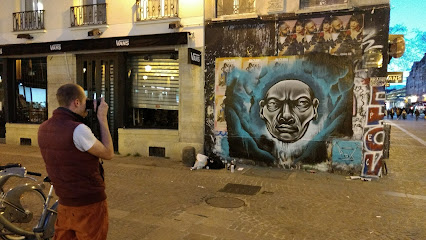
Club Saint M'Art PARIS
0.8 km
Discover the electrifying nightlife of Paris at Club Saint M'Art, a must-visit disco club that promises unforgettable dance experiences.
Pamela
0.9 km
Discover the vibrant nightlife of Paris at Pamela, a stylish nightclub known for its energetic atmosphere and eclectic music, perfect for dancing the night away.