Porte de Roubaix: A Historic Gateway to Lille
Discover the historic Porte de Roubaix in Lille, a 17th-century gate offering a glimpse into the city's past and a gateway to its vibrant present.
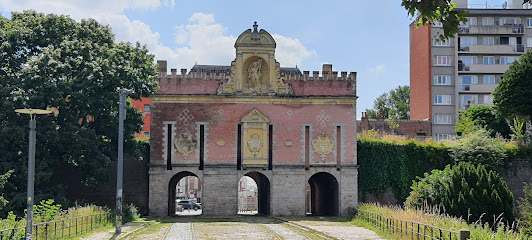
The Porte de Roubaix, also known as Porte Saint-Maurice, is a 17th-century city gate in Lille, France, marking the northern edge of the old city. Built between 1617 and 1622, it stands as a reminder of Lille's history under Spanish rule and its strategic importance as a fortified city.
A brief summary to Porte de Roubaix
- Pl. Saint-Hubert, Lille, 59000, FR
- +33328141255
Local tips
- Take a stroll through Parc Henri Matisse, easily accessible through the gate, for a relaxing break.
- Visit the gate during the golden hour for the best photo opportunities, as the setting sun casts a warm glow on its facade.
- Explore the nearby Euralille district, a modern business and shopping area, for a contrast to the historical gate.
- Check out the 'Old Men's House' dating from 1624, located to the left of the gate.

Getting There
-
Walking
From the Grand Place, head north on Rue de la Monnaie. Continue until you reach the Rue de la Liberté intersection. Turn left and walk straight until you arrive at Place Saint-Hubert, where the Porte de Roubaix is located. The walk is approximately 10 minutes.
-
Public Transport
Take Metro lines M1 or M2 to the Gare Lille Flandres station. From there, the Porte de Roubaix is a 6-7 minute walk. Alternatively, take Tram lines R or T to Gare Lille Flandres. A single ticket costs €1.80 and is valid for 1 hour.
-
Taxi
From Lille Europe train station, a taxi to Porte de Roubaix takes approximately 10 minutes, depending on traffic. The estimated cost is €15-€20. Ride-sharing services like Uber are also available.
Discover more about Porte de Roubaix
Iconic landmarks you can’t miss

Pl. des Buisses
0.3 km
Discover the vibrant heart of Lille at Pl. des Buisses, where history meets modern charm in a bustling urban square.

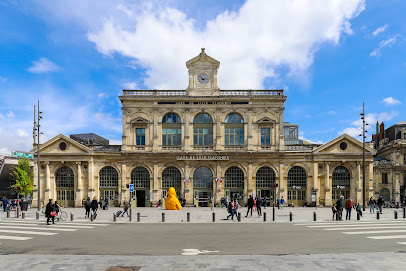
Lille-Flandres station
0.3 km
Discover Lille's main railway station, a unique architectural landmark with a Parisian past, connecting you to regional and international destinations.
Effia
0.3 km
Secure and centrally located parking in Lille, steps away from the Opera House, Grand Place, and historic city center.
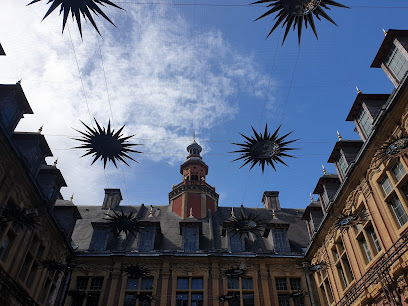
ibis Styles Lille Centre Grand-Place
0.3 km
Stay in style at the heart of Lille, steps from Grand Place, with modern comfort and easy access to city attractions and transport.
Hôtel Mercure Lille Centre Grand-Place
0.4 km
Stay in a classic Haussmannian building in the heart of Lille, steps from the Grand Place and Opera, with modern comforts and eco-friendly practices.
Place du Lion d'Or
0.4 km
Discover Place du Lion d'Or in Lille: a charming square where history, architecture, and local culture converge for an authentic French experience.
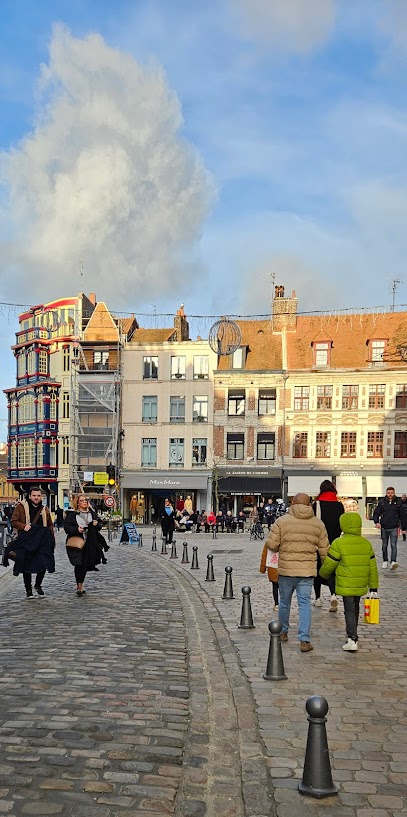
Pl. Louise de Bettignies
0.4 km
Experience the vibrant atmosphere of Place Louise de Bettignies in Lille, a cultural hub filled with cafes, history, and beautiful architecture.
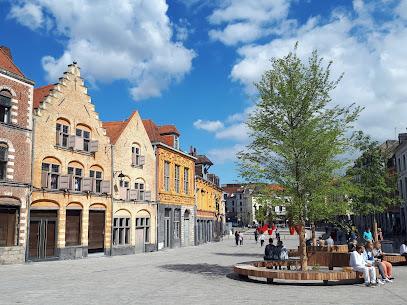
Place Louise de Bettignies
0.4 km
Discover Lille's heart at Place Louise de Bettignies: a blend of history, culture, and vibrant city life in a charming French square.
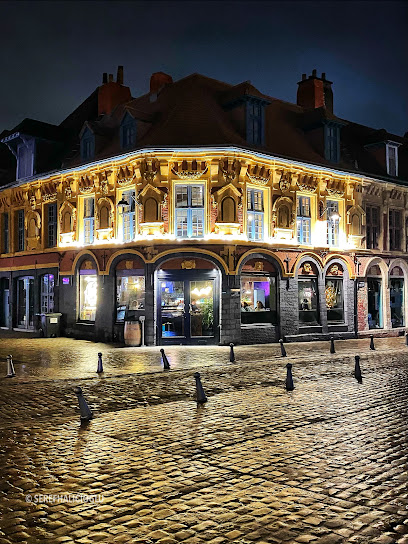
Pl. du Théâtre
0.5 km
Experience the vibrant culture and historic charm of Pl. du Théâtre, the heart of Lille, where art and life come together in a beautiful square.
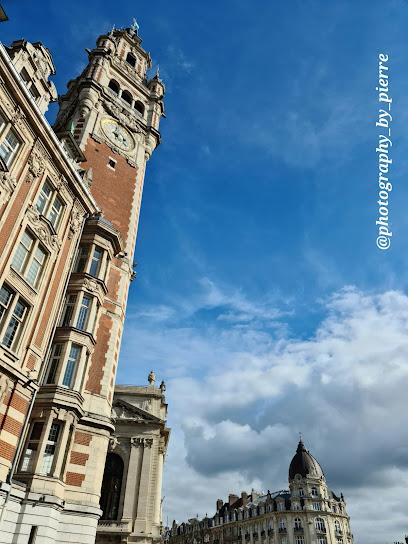
Ilôt Comtesse
0.5 km
Explore the historical charm of Ilôt Comtesse in Lille, where captivating architecture and vibrant culture create an unforgettable experience.
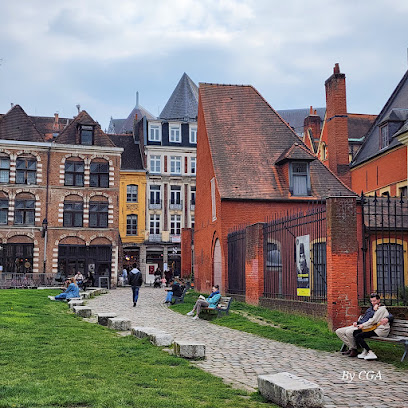
Pl. du Général de Gaulle
0.6 km
Experience the lively ambiance and historical charm of Pl. du Général de Gaulle, the heart of Lille, where culture and cuisine blend seamlessly.
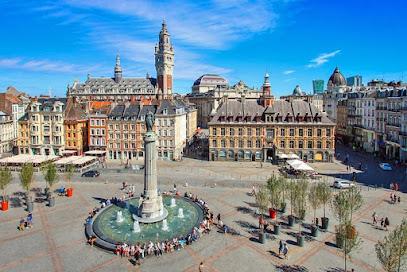
Place du Général de Gaulle, Lille, France
0.6 km
Experience the vibrant heart of Lille at Place du Général de Gaulle, a historic square filled with stunning architecture and lively culture.
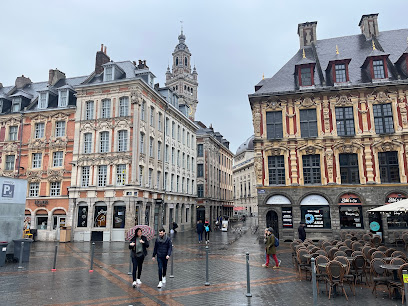
Grand Place
0.6 km
Experience the grandeur of Lille's Grand Place, a historic square where Flemish architecture meets vibrant city life and cultural events.
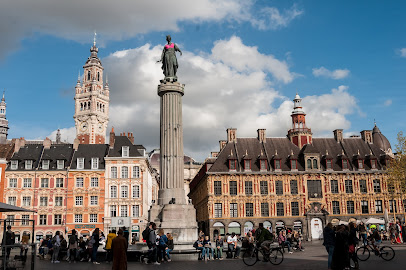
Rue Esquermoise & Place du Général de Gaulle
0.6 km
Experience the vibrant culture and rich history of Lille at the intersection of Rue Esquermoise and Place du Général de Gaulle.
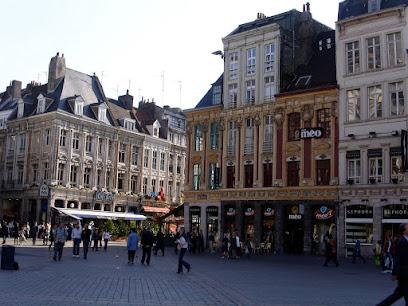
Place aux oignons
0.7 km
Discover Lille's hidden gem: a historic square with charming architecture, vibrant cafes, and a captivating atmosphere in the heart of Vieux Lille.
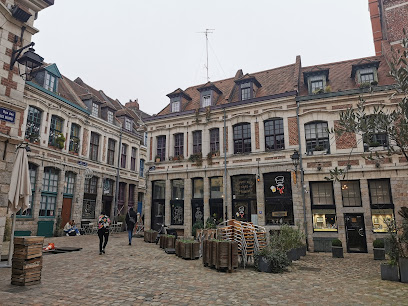
Unmissable attractions to see

Place Saint-Hubert
0.0 km
Experience the vibrant atmosphere of Place Saint-Hubert, a charming square in Lille, where history and local culture come alive in a picturesque setting.
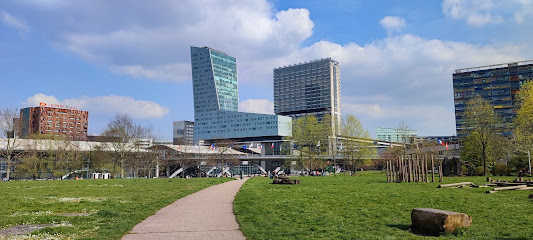
Henri Matisse Park
0.2 km
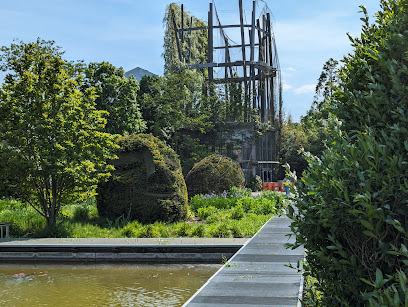
Experience the beauty and tranquility of Henri Matisse Park, a serene escape in Lille adorned with art and nature.
Musée des Canonniers de Lille
0.2 km
Uncover the military history of France at Musée des Canonniers de Lille, an engaging army museum set in a serene park setting for the history lovers.
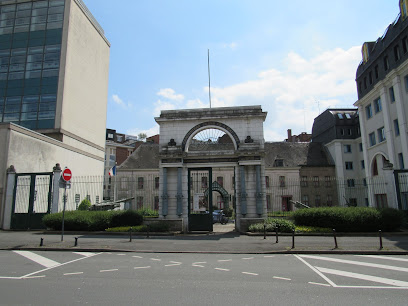
Utopia Lille 3000
0.3 km
Explore Utopia Lille 3000, a vibrant cultural hub in Lille, showcasing contemporary art and innovative exhibitions in a stunning architectural setting.
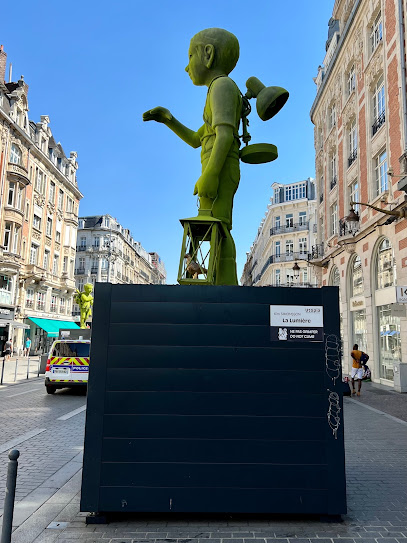
Skulpturen
0.4 km
Explore Skulpturen in Lille, where contemporary art meets serene landscapes in an inspiring outdoor sculpture park.
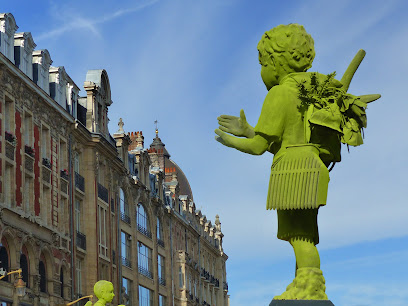
Lille Opera
0.4 km
Discover the enchanting Lille Opera, a stunning architectural masterpiece and cultural hub in the heart of Lille, France. Experience world-class performances and vibrant arts.
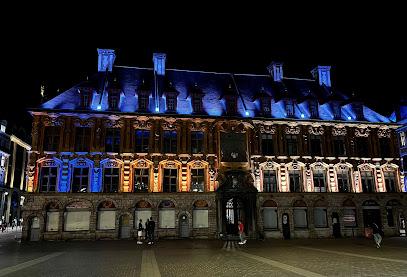
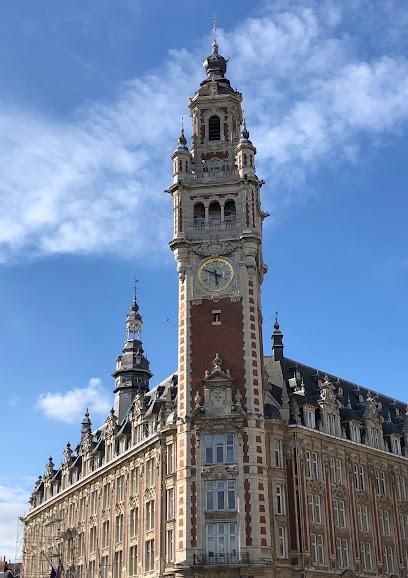
CCI de Lille
0.5 km
Explore the CCI de Lille, where commerce meets culture in the heart of Lille's vibrant economic landscape.
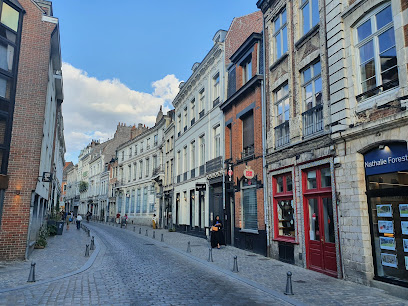
Le Vieux Lille
0.5 km
Explore the enchanting cobblestone streets and vibrant culture of Le Vieux Lille, a historic neighborhood filled with charm and culinary delights.
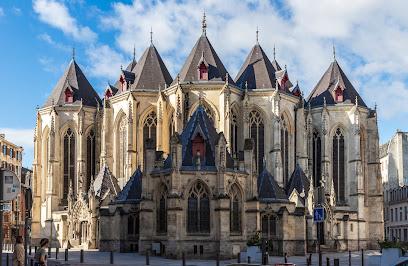
Église Saint-Maurice de Lille
0.5 km
Explore the breathtaking Église Saint-Maurice de Lille, a Gothic masterpiece filled with stunning artwork and rich history in the heart of Lille.
Carrousel de Noël
0.5 km
Discover the enchanting Carrousel de Noël in Lille, where festive lights, local crafts, and seasonal treats create a magical holiday experience.
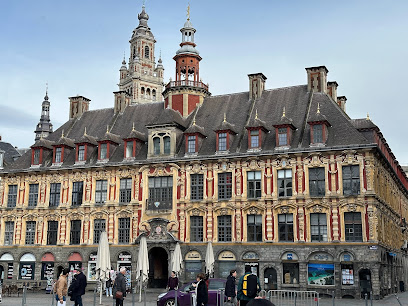
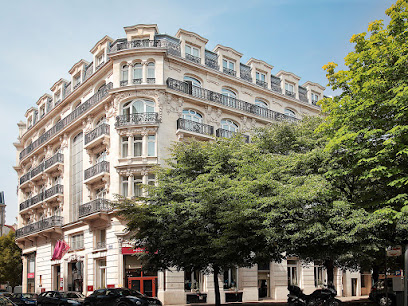
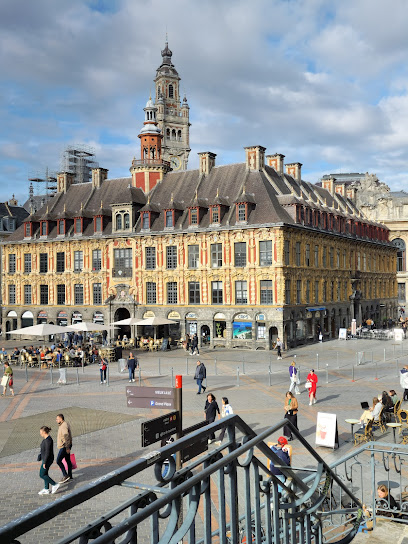
La Vieille Bourse
0.5 km
Explore La Vieille Bourse, Lille's stunning historical monument brimming with culture, architecture, and vibrant local life in the heart of northern France.
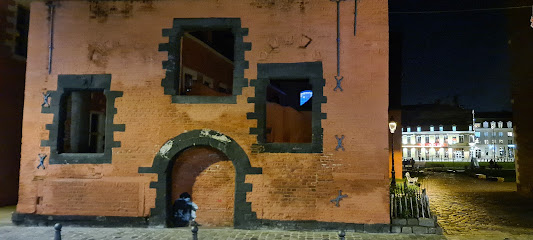
Pan de Mur de la rue de la Monnaie, vestige de l'ancien moulin à eau Saint-Pierre
0.5 km
Explore the remnants of Lille's historic watermill—an iconic attraction reflecting the city's rich industrial heritage.
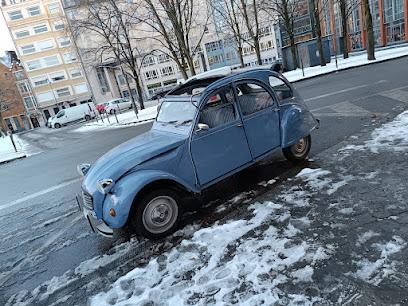
Tradi'Balade Lille
0.5 km
Experience the charm of Lille like never before with Tradi'Balade's unique sightseeing tours in vintage 2CVs and engaging walking adventures.
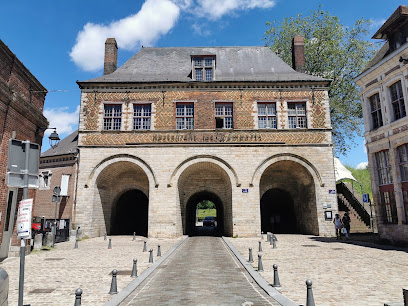
Porte de Gand
0.5 km
Explore the historic Porte de Gand in Lille, a stunning monument that showcases the city's rich architectural heritage and vibrant local culture.
Jardin des Géants
0.5 km
Explore Jardin des Géants, a unique park in La Madeleine featuring whimsical sculptures and vibrant gardens offering a serene escape into nature.
Essential places to dine

Mama Restaurant Lille
0.1 km
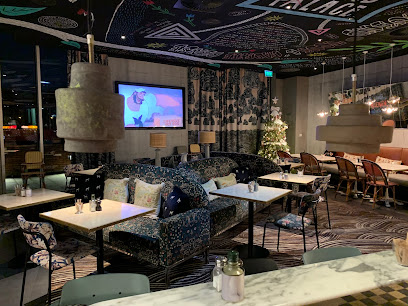
Discover the vibrant culinary scene at Mama Restaurant Lille - where global flavors meet local charm in a stylish setting.
Le Jane - Restaurant gastronomique à Lille
0.2 km
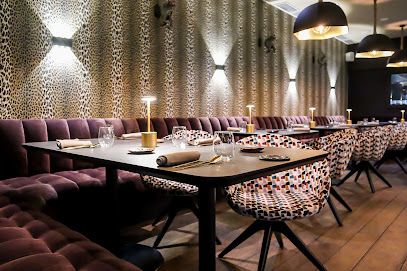
Experience exquisite French and Mediterranean cuisine at Le Jane in Lille - where culinary artistry meets exceptional service.
Melting-Pot
0.4 km
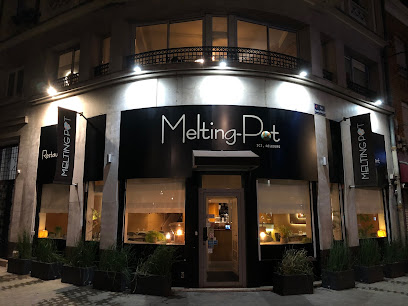
Discover authentic French cuisine at Melting-Pot in Lille - a charming eatery offering delectable dishes in a cozy setting.
Le Lion Bossu
0.4 km
Experience exquisite French fine dining at Le Lion Bossu in Lille – where culinary artistry meets tradition.
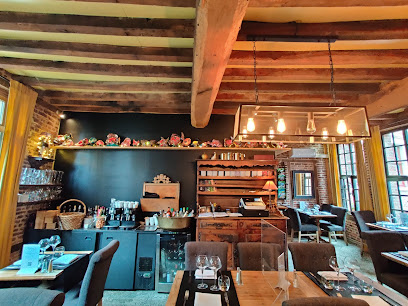
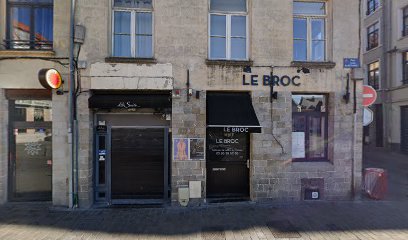
Le Broc du Vieux Lille
0.4 km
Experience authentic French cuisine at Le Broc du Vieux Lille – where tradition meets taste in the heart of Lille.
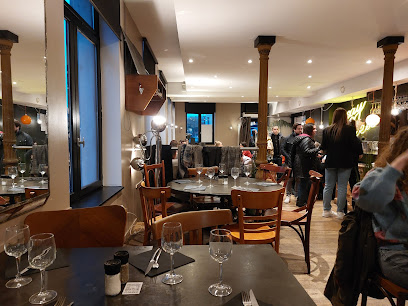
La Fleur de Lille
0.5 km
Experience authentic French cuisine at La Fleur de Lille - a family-friendly bistro offering delightful dishes made with fresh ingredients.
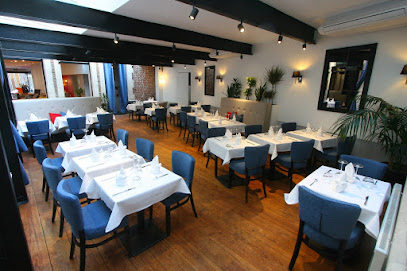
A Taaable
0.5 km
Experience the essence of French cuisine at A Taaable in Lille, where each dish tells a story of tradition and flavor.
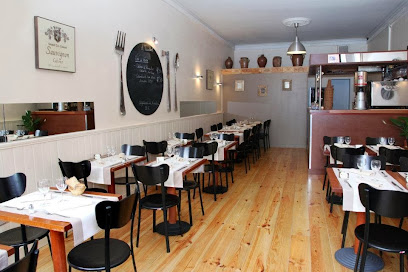
Estaminet Chez La Vieille
0.5 km
Discover Estaminet Chez La Vieille: A charming family-friendly restaurant offering authentic French cuisine in Lille's heart.
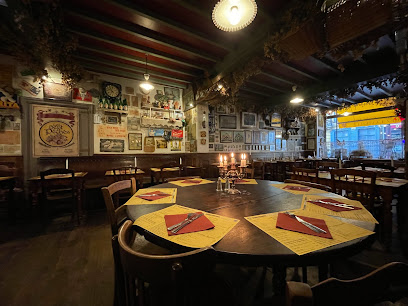
Les Fils à Maman Lille
0.5 km
Discover the heartwarming flavors of French comfort food at Les Fils à Maman Lille – where nostalgia meets culinary creativity.
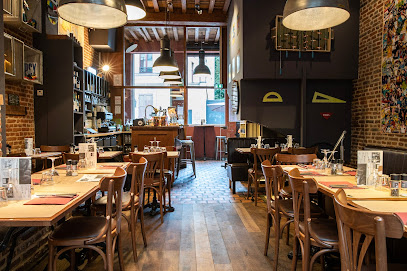
Estaminet Les Ptiots
0.5 km
Discover authentic French cuisine at Estaminet Les Ptiots in Lille—a charming bistro offering local flavors and warm hospitality.
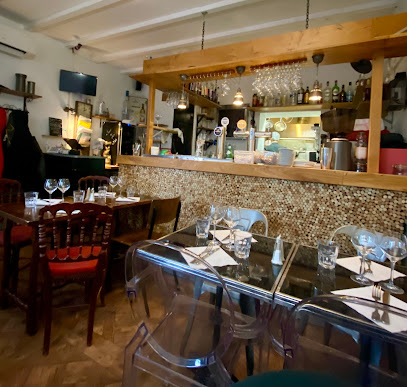
Le Pot Beaujolais
0.5 km
Discover the authentic flavors of France at Le Pot Beaujolais, Lille's charming restaurant and bar offering exquisite dishes in a cozy setting.
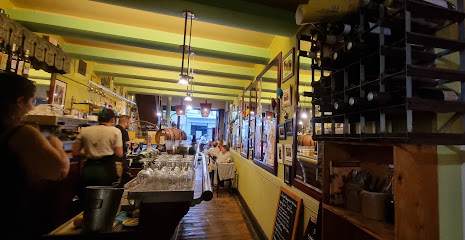
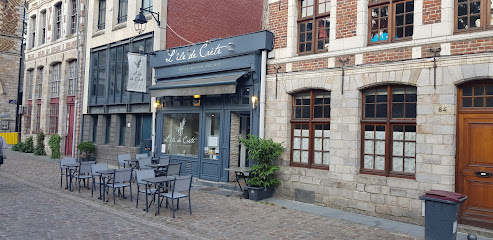
L'île de Crète
0.5 km
Explore L'île de Crète: A blend of stunning landscapes, rich history, and delectable Mediterranean cuisine awaits you on this enchanting Greek island.
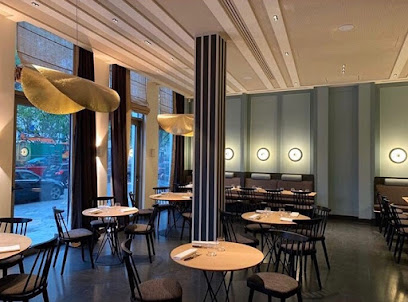
Le Restaurant du Cerisier
0.5 km
Discover exquisite haute French cuisine at Le Restaurant du Cerisier in Lille, where each dish is a masterpiece waiting to be savored.
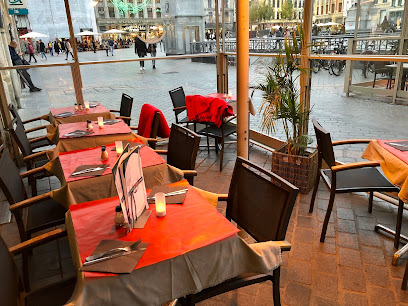
La Houblonnière
0.5 km
Discover authentic French cuisine at La Houblonnière in Lille, where culinary tradition meets contemporary dining in a charming setting.
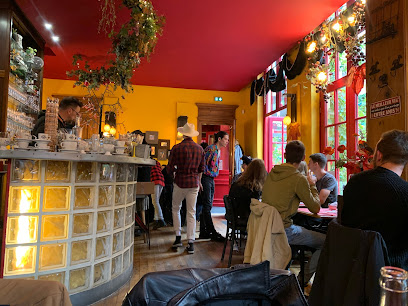
Les Compagnons de la Grappe
0.6 km
Discover authentic French cuisine at Les Compagnons de la Grappe in Lille, where every dish tells a story of tradition and flavor.
Markets, malls and hidden boutiques

Westfield Euralille
0.3 km
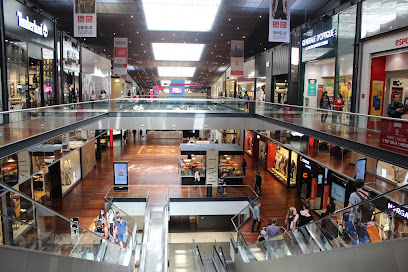
Experience the best of shopping, dining, and entertainment at Westfield Euralille, a premier destination in Lille, France.
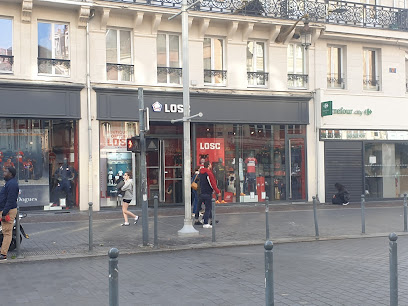
Boutique LOSC Lille Centre
0.4 km
Explore the latest fashion trends at Boutique LOSC Lille Centre, a stylish clothing store in the vibrant heart of Lille, France.
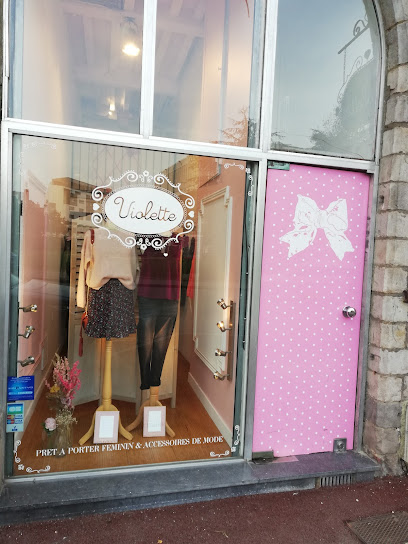
Boutique Violette
0.4 km
Discover unique women's fashion at Boutique Violette in Lille, where style meets local culture in a charming shopping experience.
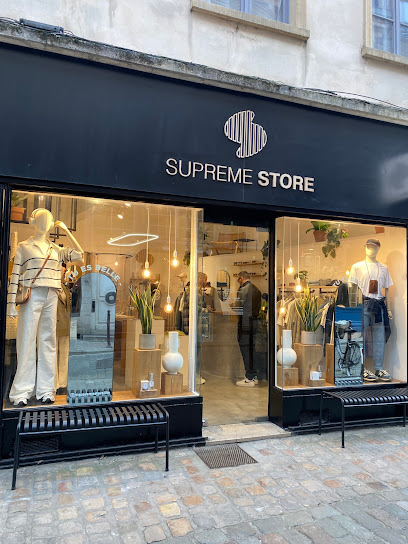
Supreme Store www.supremestore.fr
0.4 km
Explore the vibrant Supreme Store in Lille, where contemporary fashion meets a chic shopping experience for both men and women.
Les Piplettes
0.4 km
Discover stylish women's apparel in Lille at Les Piplettes, where fashion meets sophistication in a boutique setting.
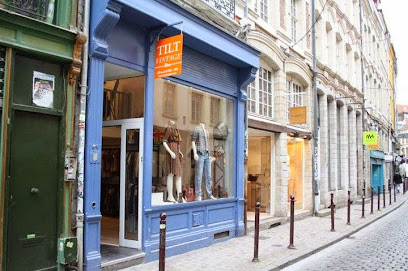
Tilt Vintage Lille
0.4 km
Explore the charm of vintage fashion at Tilt Vintage Lille, where every piece has a story waiting to be discovered.
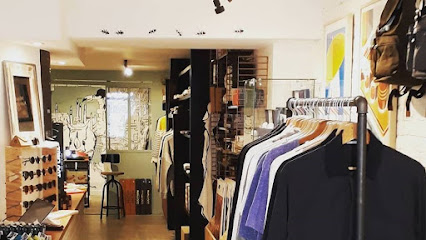
Champ Libre
0.4 km
Explore Champ Libre, Lille's charming gift shop with unique fashion accessories and men's clothing for unforgettable souvenirs.
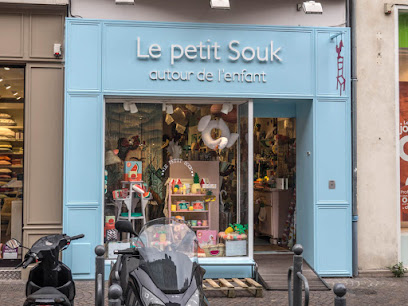
Le petit Souk Lille
0.5 km
Explore the enchanting Le Petit Souk in Lille, a treasure trove of unique gifts, toys, and home goods that capture the spirit of France.
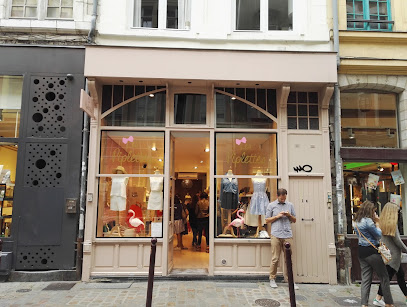
Bellerose
0.5 km
Discover Bellerose in Lille for trendy clothing options for men, women, and children, blending style and comfort in a vibrant shopping atmosphere.
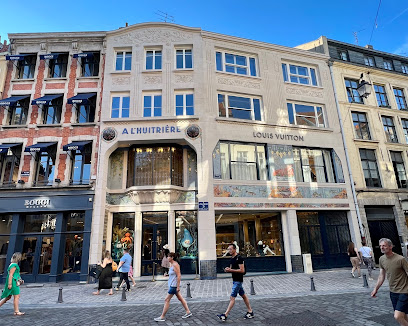
Louis Vuitton
0.5 km
Discover the elegance and luxury of Louis Vuitton in Lille, offering exquisite leather goods and fashion accessories in a stunning shopping environment.
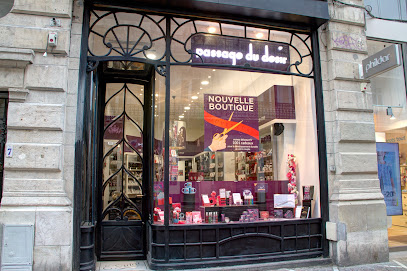
Passage du Désir, l'anti sex shop
0.5 km
Explore the playful side of shopping at Passage du Désir, Lille's unique gift shop offering an array of adult and novelty items.
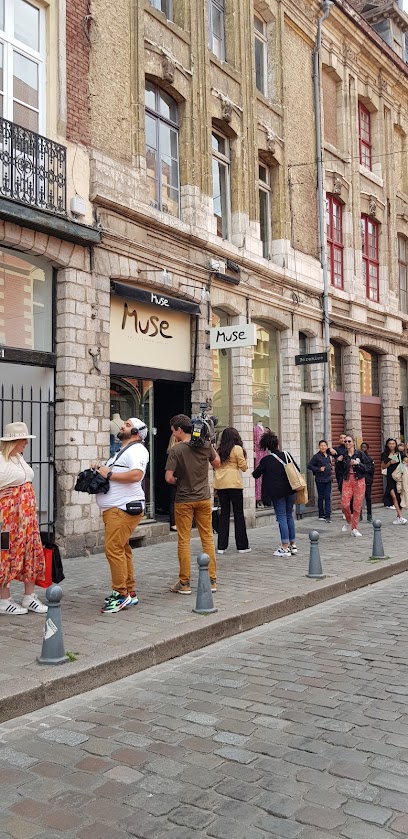
Muse
0.5 km
Explore Muse in Lille for stylish women's clothing, exquisite jewelry, and unique accessories that redefine fashion.
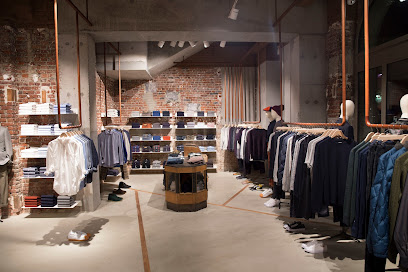
Série Noire
0.5 km
Explore the chic and stylish Série Noire in Lille, where fashion meets quality in a delightful shopping experience.
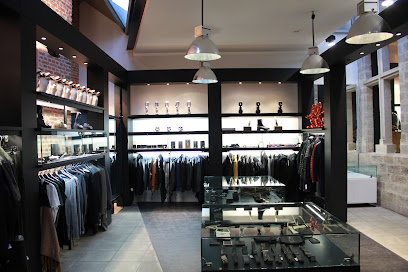
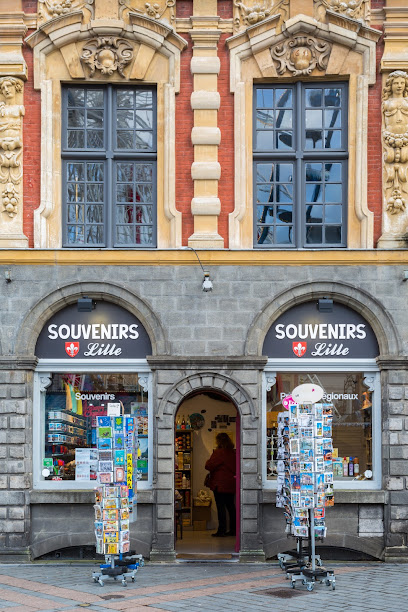
Souvenirs Lille - Grand Place
0.5 km
Explore Souvenirs Lille - Grand Place, where unique keepsakes and local artistry embody the essence of Lille, perfect for travelers seeking memorable gifts.
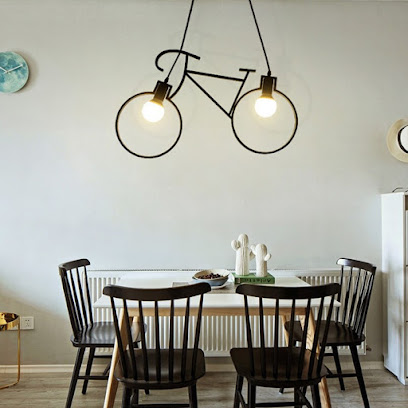
Le Clap Store - Concept Store cadeaux et déco
0.6 km
Discover Le Clap Store in Lille – a treasure trove of unique gifts and home decor, blending French creativity with local charm.
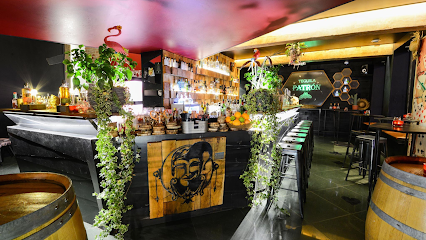
Essential bars & hidden hideouts

Joker Cocktails & Bar
0.5 km
Discover Joker Cocktails & Bar in Lille for unique cocktails and a lively atmosphere, perfect for an unforgettable night out.
Le Bar Parallèle & Falafel
0.6 km
Discover Le Bar Parallèle & Falafel in Lille, where vibrant bar culture meets authentic falafel cuisine for an unforgettable dining experience.
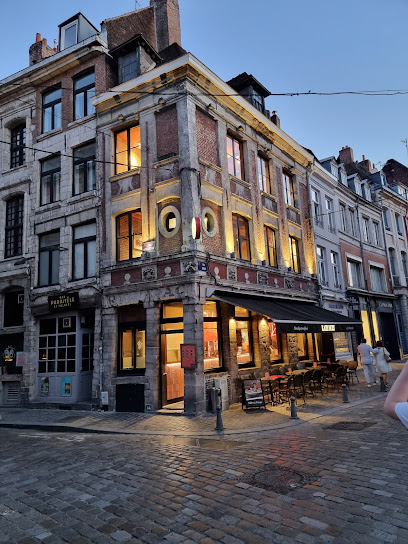
Dernier Bar avant la Fin du Monde - Lille
0.7 km
Experience Lille's vibrant nightlife at Dernier Bar avant la Fin du Monde, where unique cocktails meet nostalgic arcade fun.
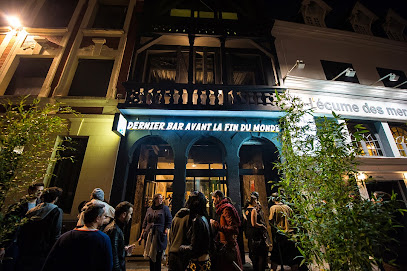
Le Braz
0.8 km
Experience the charm of Le Braz, Lille's trendy wine bar offering an exquisite selection of wines in a cozy atmosphere.
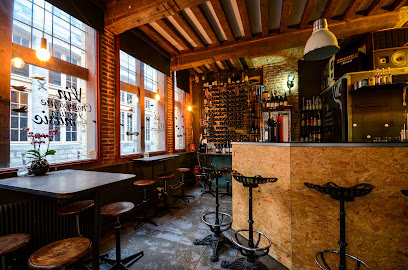
La Pirogue
0.8 km
Discover La Pirogue, Lille's lively cocktail bar offering creative drinks and a vibrant atmosphere perfect for unwinding after a day of exploration.
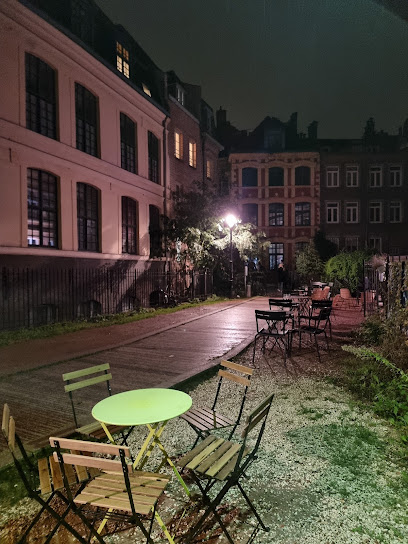
Le Kremlin
0.8 km
Experience the vibrant nightlife of Lille at Le Kremlin, a lively bar offering a superb selection of drinks and an unforgettable atmosphere.
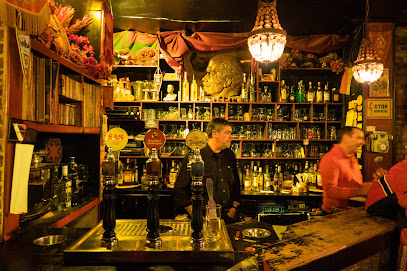
Le Lobby
0.8 km
Discover the lively atmosphere of Le Lobby, a must-visit pub in Lille, offering an extensive drink menu and a welcoming vibe perfect for socializing.
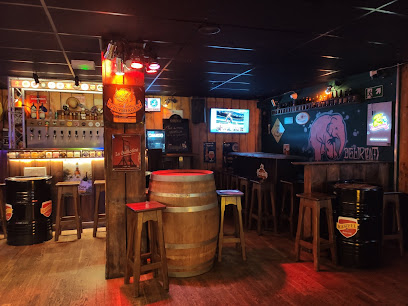
Vintage bar
0.9 km
Discover Le Vintage Bar in Lille, a cozy haven for tourists, offering a delightful selection of drinks and a charming ambiance.
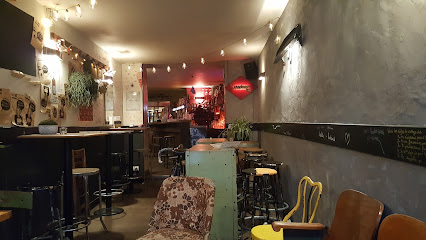
L'Illustration
0.9 km
Discover L'Illustration, Lille's vibrant cocktail bar where art meets mixology, perfect for a night out filled with creativity and flavor.
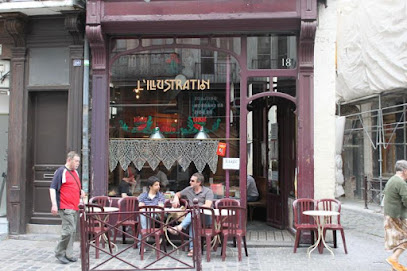
Little Havana
0.9 km
Experience the vibrant spirit of Little Havana, Lille's premier cocktail bar, where flavor and fun come together in a tropical escape.
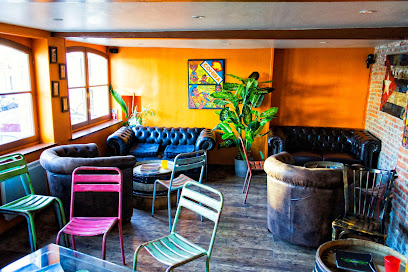
Au Boudin Bar
0.9 km
Experience the perfect blend of Italian cuisine and local beers at Au Boudin Bar, a vibrant hotspot in Lille's lively dining scene.
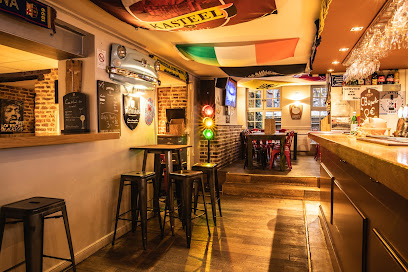
Quai Des Bananas
1.0 km
Discover the lively ambiance and exquisite cocktails at Quai Des Bananas, a must-visit cocktail bar in the heart of Lille.
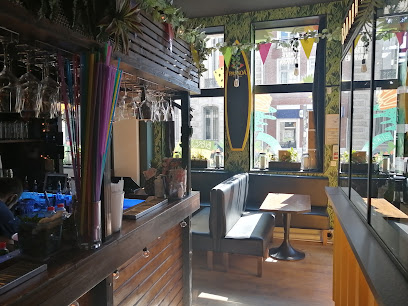
Base Camp
1.3 km
Discover Lille's nightlife at Base Camp, a vibrant bar known for its lively atmosphere and extensive drink selection, perfect for a night out.
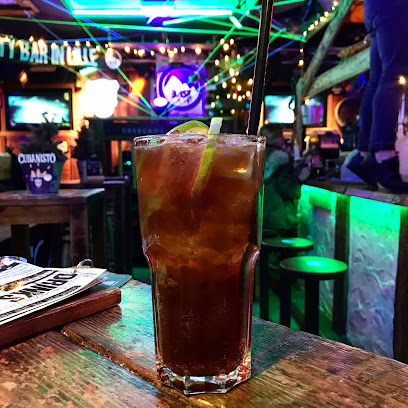
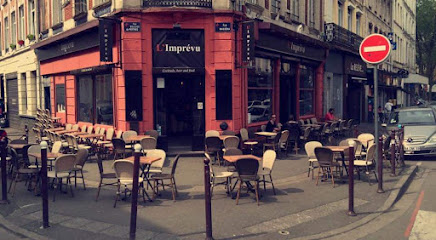
L'imprévu
1.3 km
Discover the lively atmosphere and innovative cocktails at L'imprévu, Lille's premier cocktail bar and sports bar destination.
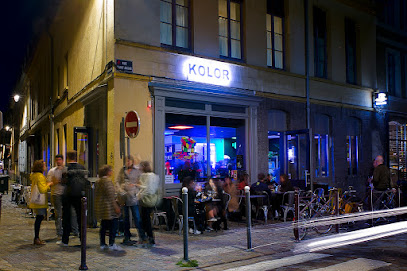
Kolor Bar
1.3 km
Discover the lively spirit of Lille at Kolor Bar, where vibrant cocktails and a welcoming atmosphere create unforgettable nightlife experiences.
Nightclubs & after hour spots

Nox Club
0.3 km
Experience Lille's vibrant nightlife at Nox Club, where electrifying music and a dynamic atmosphere make for unforgettable nights out.
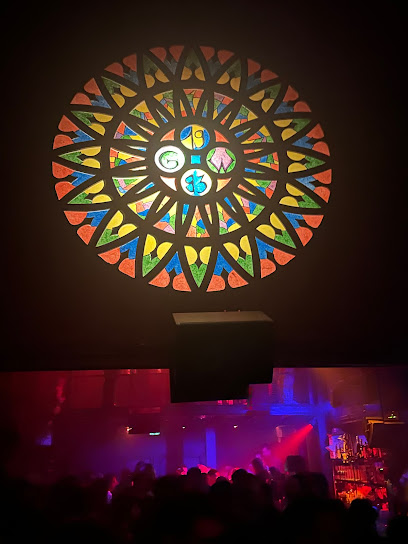
La Suite
0.4 km
Discover La Suite, Lille's premier night club, offering an electrifying atmosphere, top DJs, and a vibrant crowd for an unforgettable night out.
Le Baron
0.5 km
Experience the vibrant nightlife of Lille at Le Baron, a premier night club and bar offering unforgettable music and a lively atmosphere.
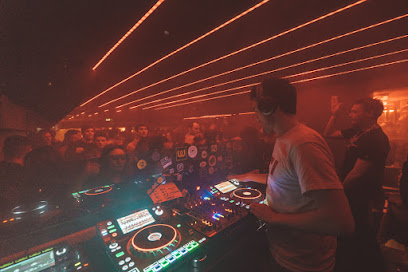
The BOX Club
0.7 km
Discover the electrifying atmosphere of The BOX Club, Lille's premier disco club for unforgettable nights filled with music and dancing.
Les Folies
0.7 km
Discover the electrifying nightlife at Les Folies in Lille, where music, dancing, and vibrant social scenes come alive until dawn.
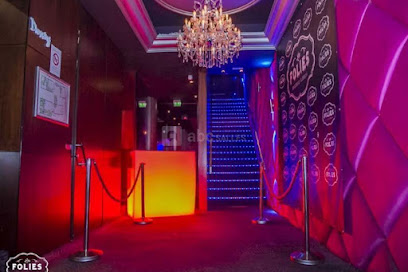
Le Privilege
0.8 km
Discover the vibrant nightlife of Lille at Le Privilege, a lively gay bar and cocktail haven perfect for an unforgettable evening.
La Cabane
1.1 km
Discover La Cabane, Lille's iconic night club, where music, dance, and vibrant nightlife come together for an unforgettable experience.
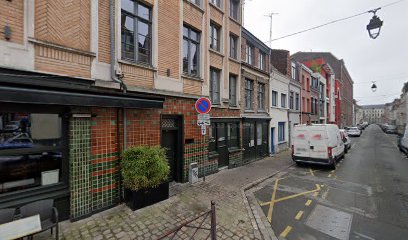
Le Ch'ti Palais
1.2 km
Dive into Lille's nightlife at Le Ch'ti Palais, a vibrant night club where music, dance, and unforgettable moments await you.
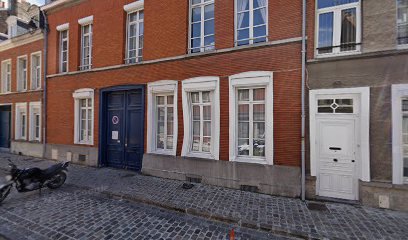
The Room
1.2 km
Discover the electrifying nightlife at The Room, Lille's premier night club, where vibrant music and unforgettable experiences await every night.
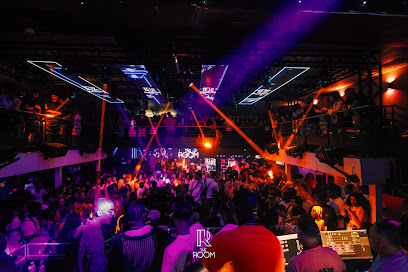
La Relève
1.3 km
Dive into Lille's vibrant nightlife at La Relève, where music, dance, and unforgettable memories await until dawn.
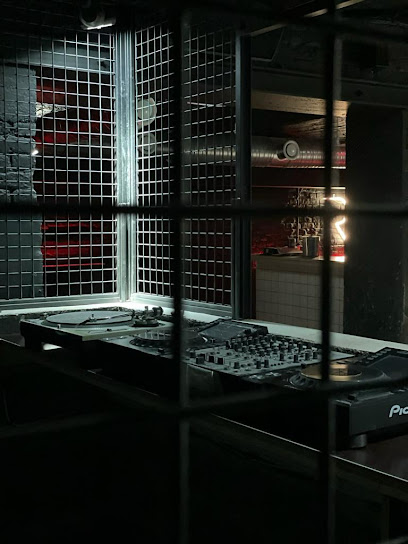
La Boucherie Discothèque
1.3 km
Discover the electrifying nightlife of Lille at La Boucherie Discothèque, where vibrant music and dance await every night.
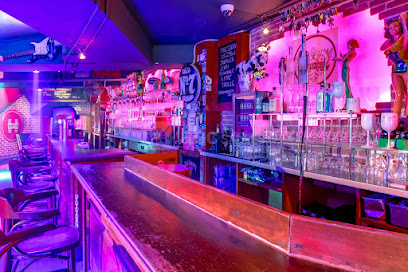
JOY CLUB LILLE
1.3 km
Discover Joy Club Lille, where electrifying music and vibrant nightlife create unforgettable memories in the heart of Lille.
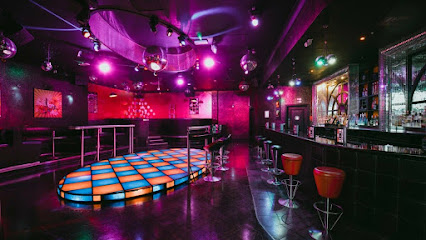
The Hive
1.4 km
Dive into Lille's nightlife at The Hive, a vibrant night club that offers electrifying music, dancing, and an unforgettable atmosphere.
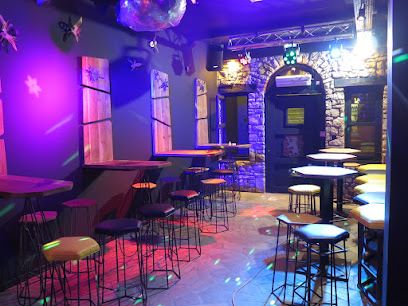
Le Network
1.4 km
Discover the electrifying nightlife of Lille at Le Network, a premier disco club where music and dance unite in a vibrant atmosphere.
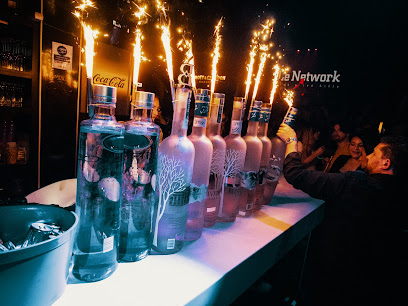
Duke's Club
1.5 km
Experience the pulsating nightlife of Lille at Duke's Club, where music, dancing, and unforgettable memories await you.