

Loire Valley Travel Guide - Free Web & App
Your ultimate guide to Loire Valley. Discover top landmarks, proposed trips, and local tips. Free on the web or via the Evendo companion app.


Loire Valley, France, combines Renaissance châteaux, gardens, vineyards and cycling routes with riverside towns, historic heritage and refined regional cuisine.
Landscape and Character
The Loire Valley stretches across central and western France, following the country’s longest river through a varied landscape of wooded estates, open farmland, vineyards, limestone villages and historic towns. The destination is not a single tightly defined administrative area, but a broad cultural landscape most closely associated with the middle Loire between Sully-sur-Loire, Orléans, Blois, Amboise, Tours and Saumur. Its best-known central section, extending from Sully-sur-Loire to Chalonnes, is recognised by UNESCO for the relationship between river, settlement, agriculture and architecture.Read more about Loire Valley
Châteaux and Royal History
Vineyards, Towns and Outdoor Life
When is the best time to visit Loire Valley?
Best: June–July, September · 25–28°C| Month | High (°C) | Rainfall (mm) |
|---|---|---|
| January | 8 | 50 |
| February | 10 | 45 |
| March | 15 | 40 |
| April | 19 | 35 |
| May | 22 | 30 |
| June (best) | 26 | 25 |
| July (best) | 28 | 25 |
| August | 28 | 30 |
| September (best) | 25 | 35 |
| October | 19 | 40 |
| November | 13 | 45 |
| December | 9 | 50 |
Getting to and around Loire Valley
How to get there
Transportation
Best attractions in Loire Valley
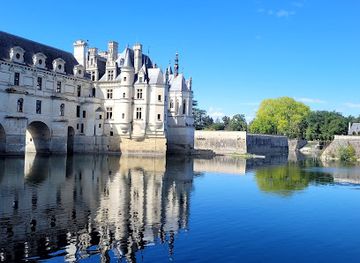
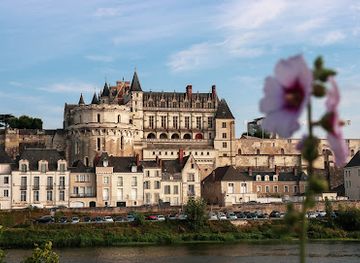
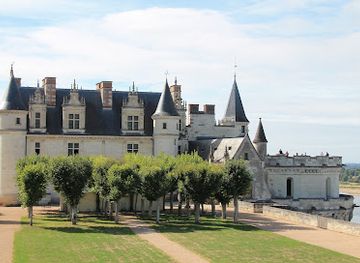
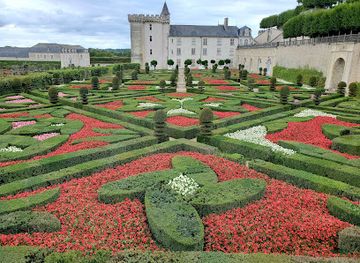
The Loire Valley’s principal attractions are its château estates and the landscapes that surround them. Chambord combines a monumental Renaissance residence with extensive woodland and parkland, while Chenonceau crosses the River Cher and is closely associated with the women who shaped its history. Château Royal de Blois presents several architectural periods around one courtyard, Amboise overlooks the Loire beside the Clos Lucé, and Azay-le-Rideau rises from water in a wooded setting. Villandry is known for its formally organised gardens, while Chinon’s fortress occupies a rocky spur above the Vienne. Beyond the headline monuments, visitors can explore the medieval streets of Loches, the troglodyte landscapes around Saumur and Montsoreau, the vineyards of Vouvray and Chinon, and the river scenery encountered along the Loire à Vélo cycle route.
-
Tourist attraction
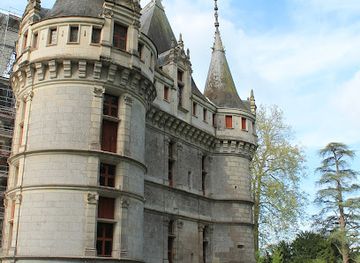
Château d'Azay-le-Rideau
Explore the stunning Château d'Azay-le-Rideau, a Renaissance gem surrounded by lush gardens and rich history in the heart of France.
-
Tourist attraction
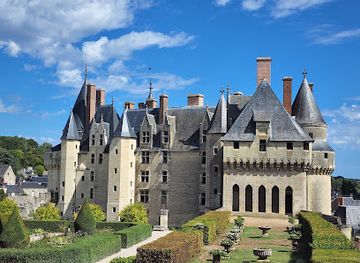
Château de Langeais
Explore the enchanting Château de Langeais, a stunning medieval castle in the heart of the Loire Valley, rich in history and breathtaking architecture.
-
Tourist attraction
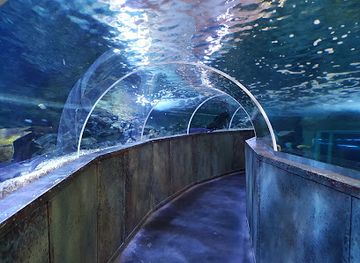
Grand Aquarium de Touraine
Experience the enchanting marine life at the Grand Aquarium de Touraine, an exquisite destination for families and nature lovers in Lussault-sur-Loire.
-
Tourist attraction
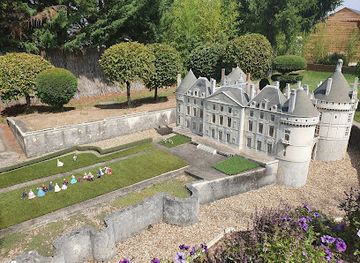
Mini Castle Park
Explore the enchanting Mini Castle Park in Amboise, where you can discover beautifully crafted miniature replicas of France’s most iconic castles.
Best landmarks in Loire Valley
The Loire itself is the valley’s defining natural landmark, flowing through sandbanks, islands, flood meadows, levees and historic settlements before reaching the Atlantic. Its tributaries add equally important features: the Cher passes beneath Chenonceau, the Vienne meets the Loire near Candes-Saint-Martin, and the Indre winds through the setting of Azay-le-Rideau. Among built landmarks, Chambord’s vast Renaissance silhouette, Amboise’s cliff-top château, Chinon’s medieval fortress and Saumur’s hilltop château are especially prominent. The limestone of Touraine and Saumur has shaped both architecture and settlement, including troglodyte homes and cellars cut into the valley sides. The formal gardens of Villandry and the river-facing towns of Blois, Montsoreau and Langeais show how estates, urban life and cultivated landscapes developed together around the Loire corridor.
-
Castle
Château de Chenonceau
Discover Château de Chenonceau, the 'Ladies' Castle' in the Loire Valley, a Renaissance masterpiece with a rich history and stunning architecture.
-
Castle
Château Royal d'Amboise
Explore a royal residence overlooking the Loire, discover the tomb of Leonardo da Vinci, and immerse yourself in French Renaissance history.
-
Castle
Château du Clos Lucé
Explore the enchanting Château du Clos Lucé, the last residence of Leonardo da Vinci, where art, history, and nature converge in beautiful Amboise.
-
Castle
Château de Villandry
Explore the stunning Château de Villandry, a Renaissance castle in the Loire Valley with breathtaking gardens and rich historical significance.
Explore Loire Valley on the map
Plan your trip on one map. See where the top attractions, landmarks, restaurants and hotels are, and book hotels and experiences in a few clicks.
Best hotels in Loire Valley
Best restaurants in Loire Valley
Dining in the Loire Valley ranges from traditional restaurants and hotel dining rooms to village cafés, market stalls, cellar tastings and country inns. Regional cooking draws on ingredients associated with the river and its fertile banks, including freshwater fish where offered, seasonal vegetables, orchard fruit, mushrooms, rillettes, pâtés and goat’s cheeses such as Sainte-Maure-de-Touraine. Vouvray, Montlouis-sur-Loire, Chinon, Bourgueil, Saumur and Sancerre provide distinct wine traditions, while the broader region is known for wines made from varieties including Chenin Blanc, Cabernet Franc and Sauvignon Blanc. Tours, Blois, Amboise, Saumur, Chinon and Angers have the widest concentration of restaurants and food shops; around rural châteaux and vineyards, options may be sparse, so a market lunch or provisions from a bakery and local producer can be practical.
-
French
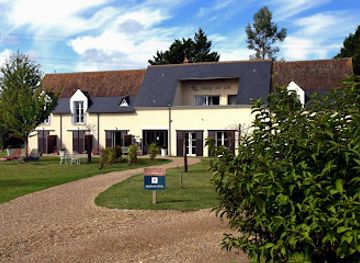
Auberge Pom'Poire
Experience exquisite French cuisine at Auberge Pom'Poire in Azay-le-Rideau—a perfect blend of fine dining and cozy hospitality.
-
Restaurant
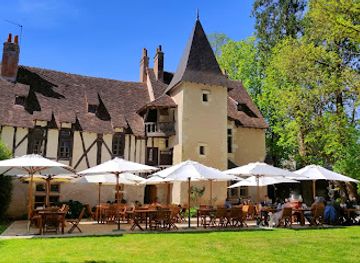
Auberge du Prieuré
Discover authentic French cuisine at Auberge du Prieuré in Amboise, where every dish tells a story of local tradition and flavor.
-
French
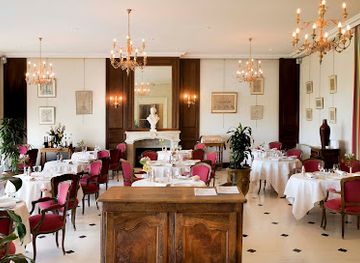
Restaurant le 36
Experience authentic French cuisine with stunning river views at Restaurant le 36 in Amboise – where every meal is a celebration.
-
Fine Dining
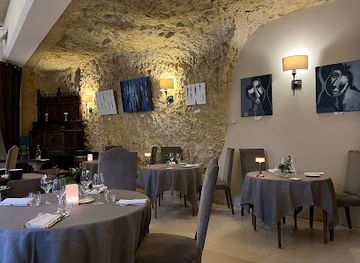
Restaurant Le Château de Pray
Experience exquisite French cuisine and breathtaking views at Restaurant Le Château de Pray in Amboise.
Best bars in Loire Valley
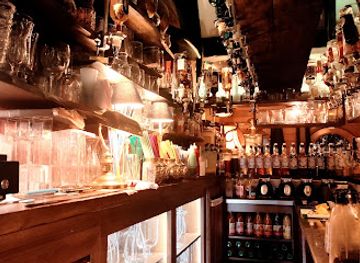
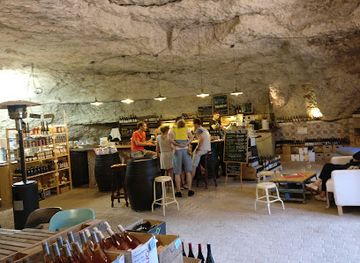
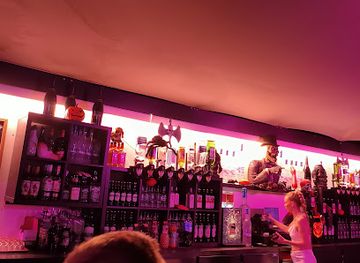
Evenings in the Loire Valley are generally centred on convivial dining, wine bars, traditional cafés and village pubs rather than large-scale clubbing. Tours has the broadest urban choice, with bars and late-opening venues concentrated around its historic centre and student areas, while Orléans, Angers, Blois and Saumur offer a wider evening scene than the countryside. Amboise and Chinon are suited to quieter evenings in restaurants, hotel bars and established local establishments, with seasonal cultural programming varying by town. In rural vineyard country, cellar tastings and meals may extend into the evening but are normally organised around the producer’s arrangements rather than a permanent nightlife circuit. Check local transport before drinking, as rural connections become limited after daytime services.
-
Bar
Bar Le Corsaire
Experience the vibrant nightlife of Tours at Bar Le Corsaire, where nautical charm meets delicious cocktails.
-
Tapas Bar
Le Shaker
Experience the best of tapas and local wines at Le Shaker in Amboise, where culinary delights meet a charming riverside atmosphere.
-
Wine bar
Sauvage
Discover the charm of Sauvage, a delightful wine bar in Chargé, offering exquisite wines and delicious deli fare in a cozy atmosphere.
-
Cocktail bar
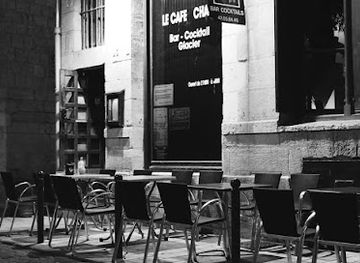
Bar Café Chaud
Experience the vibrant nightlife of Tours at Bar Café Chaud, where cocktails, jazz, and dancing create unforgettable memories.

Best nightclubs in Loire Valley
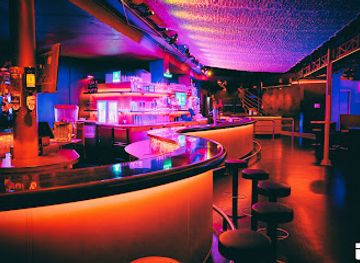
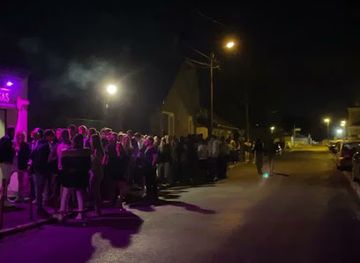
Evenings in the Loire Valley are generally centred on convivial dining, wine bars, traditional cafés and village pubs rather than large-scale clubbing. Tours has the broadest urban choice, with bars and late-opening venues concentrated around its historic centre and student areas, while Orléans, Angers, Blois and Saumur offer a wider evening scene than the countryside. Amboise and Chinon are suited to quieter evenings in restaurants, hotel bars and established local establishments, with seasonal cultural programming varying by town. In rural vineyard country, cellar tastings and meals may extend into the evening but are normally organised around the producer’s arrangements rather than a permanent nightlife circuit. Check local transport before drinking, as rural connections become limited after daytime services.
-
Disco club
RED Club - club boîte de nuit Tours
Discover the energetic nightlife at RED Club, Rochecorbon's premier disco club offering music, dance, and unforgettable experiences.
-
Disco club
The New Vegas
Dive into the electrifying nightlife at The New Vegas, the top disco club in La Croix-en-Touraine, offering unforgettable dance experiences and vibrant entertainment.
-
Night club
Light Club - Villeperdue
Dive into the electrifying nightlife of Villeperdue at Light Club, a premier destination for music, dance, and unforgettable moments.
Best shops in Loire Valley
Shopping is concentrated in gateway towns rather than at isolated river viewpoints or château grounds. Tours, Blois, Amboise, Saumur, Chinon and Angers have food shops, galleries, bookshops, markets and independent retailers, while estate shops and vineyard cellars offer bottles from appellations such as Vouvray, Montlouis-sur-Loire, Chinon, Bourgueil and Saumur. Regional purchases may include goat’s cheese, preserves, orchard products, rillettes, local honey and seasonal produce, subject to the individual producer’s availability. Saumur and the surrounding Anjou-Touraine area are also associated with wine, food and equestrian traditions, while ceramics, prints and garden-related goods appear in craft and heritage outlets. In smaller villages, opening patterns and retail choice can be limited, making town markets and established local food shops useful places to find regional products.
-
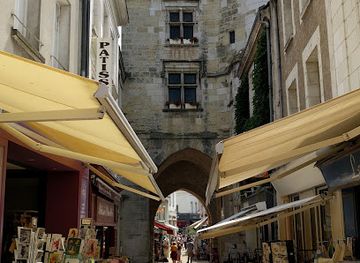
Observation deck
Tour de l'Horloge
Discover stunning views and rich history at the Tour de l'Horloge in Amboise, a must-see observation deck overlooking the Loire River.
-
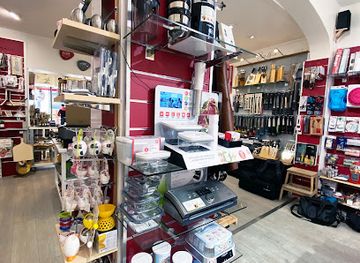
Kitchen supply store
Un Coin de France Sarl
Explore culinary treasures at Un Coin de France Sarl, a kitchen supply store in the heart of Amboise, offering quality tools for every chef.
-
Travel agency
Touraine Voyages
Explore the enchanting Loire Valley with Touraine Voyages, your expert travel agency in Amboise for personalized tours and unforgettable experiences.
-
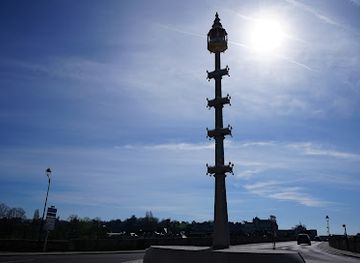
Cultural landmark
La Tour d'Or Blanc de J.M. Othoniel
Explore La Tour d'Or Blanc de J.M. Othoniel, a captivating cultural landmark in Amboise, France, blending contemporary art with historical charm.
Get your free copy of our complete guide to Loire Valley, delivered straight to you.
Everything on this page, from attractions and restaurants to essentials and local phrases, in one PDF you can read offline, print or share.
Already have an account? Sign in
Your Loire Valley guide is ready.
We'll send it to · Not you? Sign out

Getting your guide ready…
We are putting together a fresh copy of the Loire Valley guide. This can take up to a minute.
This can take a few moments. If your browser asks, choose Allow so the download can start. You'll find the guide in your Downloads folder.
Nothing happened? Download it again
Sorry, the guide is taking longer than usual. Please try again in a minute, or get it by email instead.
Loire Valley essentials
Currency and Payment
Safety
Emergency Situations
Do's and Don'ts
Local Tips
From Eve
Local phrases worth knowing
You don't need to get them perfect. A few words go a long way, and locals appreciate the effort.
Basics
| English | Local | Say it |
|---|---|---|
| Hello | Bonjour | [bohn-zhoor] |
| Goodbye | Au revoir | [oh ruh-vwahr] |
| Yes | Oui | [wee] |
| No | Non | [nohn] |
| Please/You're welcome | S'il vous plaît/De rien | [seel voo pleh/dee ryen] |
| Thank you | Merci | [mehr-see] |
| Excuse me/Sorry | Excusez-moi/Désolé | [ehk-skyoo-zay mwah/deh-zoh-lay] |
| How are you? | Comment ça va? | [koh-mohn sah vah] |
| Fine. And you? | Bien. Et vous? | [byen. ay voo] |
| Do you speak English? | Parlez-vous anglais? | [pahr-lay voo ahn-glay] |
| I don't understand | Je ne comprends pas | [zhuh nuh kohm-prahnd pah] |
Eating & Drinking
| English | Local | Say it |
|---|---|---|
| I'd like to see the menu, please | Je voudrais voir la carte, s'il vous plaît | [zhuh voo-dray vwahr lah kart, seel voo pleh] |
| I don't eat meat | Je ne mange pas de viande | [zhuh nuh mahnzh pah duh vyahnd] |
| Cheers! | Santé! | [sahn-tay] |
| I would like to pay, please | Je voudrais payer, s'il vous plaît | [zhuh voo-dray pay-yay, seel voo pleh] |
Emergencies
| English | Local | Say it |
|---|---|---|
| Help! | Au secours! | [oh sey-koor] |
| Go away! | Allez-vous en! | [ah-lay vooz ahn] |
| Call the Police! | Appelez la police! | [ah-peh-lay lah poh-lees] |
| Call a doctor! | Appelez un médecin! | [ah-peh-lay uh may-deh-sahn] |
| I'm lost | Je suis perdu | [zhuh swee pehr-doo] |
| I'm ill | Je suis malade | [zhuh swee mah-lahd] |
Shopping
| English | Local | Say it |
|---|---|---|
| I'd like to buy... | Je voudrais acheter... | [zhuh voo-dray zheh-tay...] |
| I'm just looking | Je regarde juste | [zhuh ruh-gahrd zhewst] |
| How much is it? | Combien ça coûte? | [kohm-byen sah koot] |
| That's too expensive | C'est trop cher | [say troh shehr] |
| Can you lower the price? | Pouvez-vous baisser le prix? | [poo-veh voo beh-say luh pree] |
Time & Numbers
| English | Local | Say it |
|---|---|---|
| What time is it? | Quelle heure est-il? | [kell uhr eh-teel] |
| It's one o'clock | Il est une heure | [eel eh tun uhr] |
| Half past (10) | Dix heures et demie | [dees uhr ay duh-mee] |
| Morning | Matin | [mah-tahn] |
| Afternoon | Après-midi | [ah-pray mee-dee] |
| Evening | Soir | [swahr] |
| Yesterday | Hier | [yehr] |
| Today | Aujourd'hui | [oh-zhoor-dwee] |
| Tomorrow | Demain | [duh-mahn] |
| 1 | Un | [uh] |
| 2 | Deux | [duh] |
| 3 | Trois | [trwah] |
| 4 | Quatre | [kah-truh] |
| 5 | Cinq | [sank] |
| 6 | Six | [sees] |
| 7 | Sept | [seht] |
| 8 | Huit | [weet] |
| 9 | Neuf | [nuff] |
| 10 | Dix | [dees] |
Transport & Directions
| English | Local | Say it |
|---|---|---|
| Where's a/the...? | Où est le/la...? | [oo eh luh/lah] |
| What's the address? | Quelle est l'adresse? | [kell eh la-dress] |
| Can you show me (on the map)? | Pouvez-vous me montrer (sur la carte)? | [poo-veh voo muh mohn-tray (soor lah kart)] |
| When's the next (bus)? | Quand est le prochain (bus)? | [kahn eh luh proh-shahn (bus)] |
| A ticket (to ....) | Un billet (pour ....) | [uhn bee-yay (poor)] |
History of Loire Valley
River, Limestone and Early Settlement
The Loire Valley is a geological and geographical landscape before it is a historical one. The river and its tributaries shaped broad floodplains, terraces and islands through long-term erosion and deposition, while limestone provided building material for settlements, churches, troglodyte dwellings and underground cellars in parts of Touraine, Anjou and Saumur. Human occupation developed around fertile soils, river crossings and defensible heights, leaving prehistoric and Gallo-Roman remains across the wider valley. The Loire also became a natural corridor for movement and trade, linking inland communities with the Atlantic and helping towns grow at bridges, ports and strategic confluences.
Medieval Strongholds and River Towns
During the medieval period, the Loire corridor was divided among powerful lordships and influenced by the rivalry between the French crown and the Plantagenet territories. Fortified centres such as Chinon, Loches, Langeais and Saumur guarded strategic routes, while monasteries, market towns and river ports shaped local economic life. The medieval legacy remains visible in castle keeps, town walls, churches and historic street plans. Chinon is particularly associated with the Angevin world and with the political events surrounding Henry II and Richard the Lionheart, while the surrounding countryside developed through agriculture, viticulture and commerce rather than royal residence alone.
The Royal Renaissance in the Loire
The French monarchy’s growing presence in the late fifteenth and early sixteenth centuries transformed the valley. Charles VIII, Louis XII and François I developed residences and patronised architecture influenced by Italian Renaissance ideas, drawing courtiers, artists and administrators to towns such as Blois and Amboise. Leonardo da Vinci spent his final years at Clos Lucé in Amboise under François I’s protection. Chambord expressed the scale of royal ambition, Chenonceau reflected the influence of powerful women at court, and numerous estates were remodelled with formal gardens, galleries and ceremonial spaces. The valley’s château landscape dates largely from this period of political and cultural concentration.
Wars, Courtly Change and Agricultural Continuity
The religious conflicts of the sixteenth century affected towns and estates throughout the Loire region, while the monarchy gradually shifted its principal focus towards Paris and Versailles. Royal residences continued to be maintained, but many aristocratic properties changed hands or were adapted to agricultural and residential purposes. River transport, grain production, forestry and wine-growing remained central to local economies. Later political upheavals, including the French Revolution, altered ownership patterns and institutions without erasing the valley’s architectural inheritance. Villages, vineyards, farmsteads and market towns preserved a landscape in which grand residences stood alongside productive rural estates.
Heritage, Gardens and Conservation
From the nineteenth century onwards, improved roads and railways made the Loire Valley more accessible to tourists, artists and heritage enthusiasts. Restoration campaigns revived major châteaux, while historic gardens were redesigned or reconstructed as part of a growing interest in France’s architectural past. The river itself remained commercially and environmentally important, although modern flood management, agriculture and urban development changed parts of its banks. UNESCO inscription of the Loire Valley between Sully-sur-Loire and Chalonnes in 2000 recognised the cultural landscape as a whole: not simply isolated monuments, but the continuing relationship between the river, towns, vineyards, gardens, farmland and historic buildings.
Loire Valley in Photos
Browse through our photo collection highlighting the charm and character of the destination.
Cities in Loire Valley
The towns and cities of Loire Valley, and the easiest places to base yourself.

Swipe for more cities
Neighbouring destination travel guides
The closest destinations to Loire Valley, if you have time for more than one.
-

-

-

-
-


Swipe for more destinations
Explore more

Explore more of Centre-Val de Loire
Explore Centre-Val de Loire, the heart of French heritage, with its stunning châteaux, lush vineyards, and picturesque villages in the enchanting Loire Valley.
Explore Centre-Val de Loire
Explore more of France
Explore France: A land of romance, history, and unparalleled beauty, from the iconic streets of Paris to the serene landscapes of Provence and the luxury of the French Riviera.
Explore France