

Récollets Cloister Travel Guide
Free Guide: Discover the Récollets Cloister in Metz: A medieval haven blending history, stunning Gothic architecture, and ecological initiatives in a serene garden setting.


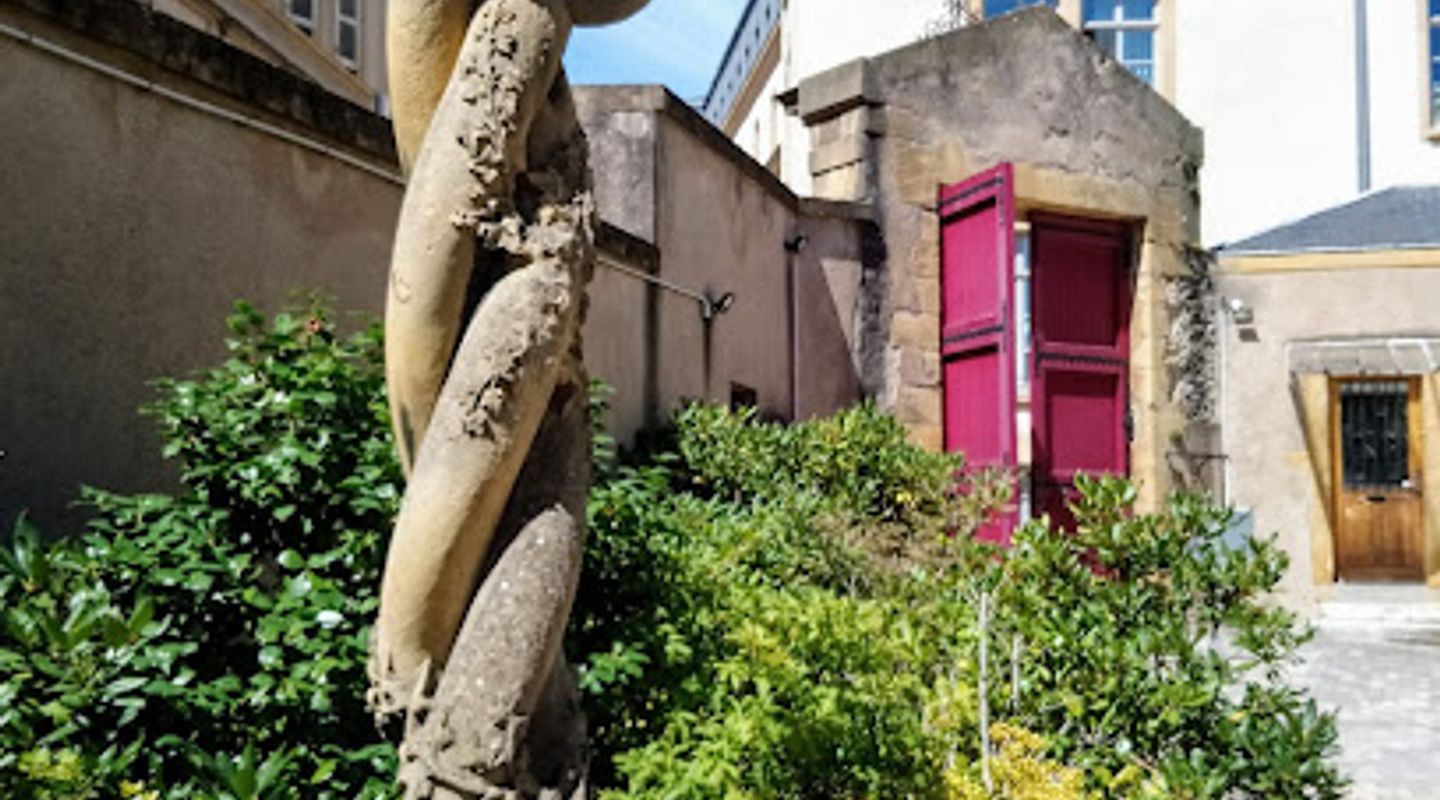
A brief summary of Récollets Cloister
Discover the Récollets Cloister in Metz: A medieval haven blending history, stunning Gothic architecture, and ecological initiatives in a serene garden setting.
The Récollets Cloister in Metz is a beautifully preserved medieval structure offering a serene escape in the heart of the city. Originally established in the 13th century by the Cordeliers, it later became home to the Récollets, who significantly expanded the site. Today, the cloister houses the European Institute of Ecology and the Municipal Archives, blending historical architecture with contemporary environmental initiatives. Visitors can explore the tranquil gardens, including a medicinal herb garden, and admire the Gothic architecture, making it a unique destination for history buffs and nature lovers alike. Its central location makes it easily accessible and a worthwhile addition to any Metz itinerary, providing a peaceful retreat from the bustling city streets.
Opening hours
- Mon8:30 am–6 pm
- Tue8:30 am–6 pm
- Wed8:30 am–6 pm
- Thu8:30 am–6 pm
- Fri8:30 am–6 pm
- SatClosed
- SunClosed
Opening hours as listed on the venue’s Google Business Profile. Hours can change for services and special events, so check with the venue before you go.
- Address
- 1 Rue des Récollets, 57000 Metz
- Phone
- Website
Getting there
Walking
Public Transport
Taxi/Ride-Share
Driving
Discover more about Récollets Cloister
Overview
Nestled in the heart of Metz, the Récollets Cloister stands as a testament to the city's rich history and its commitment to ecological preservation. This architectural gem, located at 1 Rue des Récollets, offers visitors a unique blend of medieval charm and contemporary relevance. The cloister's story begins in the 13th century when the Cordeliers, a Franciscan order, established a presence in Metz around 1230. Over the subsequent decades, they constructed a convent, with the cloister itself completed by 1310 and the church finished in 1376. This establishment quickly became a significant center for the order, hosting one of its general schools. The architecture reflects the Gothic style prevalent during that era, with vaulted galleries and intricate details that evoke a sense of reverence and contemplation. In 1603, the Récollets, another branch of the Franciscan order, replaced the Cordeliers, giving the cloister its current name. During their tenure, particularly in the 18th century, they added several buildings, further expanding the complex. The Récollets remained in the edifice until the French Revolution, after which the site underwent various transformations. During the French Revolution in 1791, the army of the Rhine was installed there. The convent's church and the fourth gallery of the cloister were destroyed in 1804. In the 19th century, the buildings housed an orphanage. Since 1972, the convent has been home to the European Institute of Ecology founded by the deputy mayor Jean-Marie Pelt and since 2002, the municipal archives of the city of Metz. Today, the Récollets Cloister serves a dual purpose, housing both the Municipal Archives and the European Institute of Ecology. This unique combination underscores Metz's dedication to preserving its historical records while fostering environmental awareness and sustainability. The Municipal Archives, located in the cloister's east wing, safeguard a wealth of documents that chronicle the city's past. Researchers and history enthusiasts can delve into these archives to uncover fascinating insights into Metz's evolution over the centuries. The European Institute of Ecology, founded by the esteemed biologist Jean-Marie Pelt, is dedicated to promoting ecological research, education, and awareness. The institute's presence within the cloister creates a harmonious synergy between history and environmentalism, highlighting the importance of preserving both our cultural heritage and the natural world. The cloister's architecture is a captivating blend of Gothic and later styles. The vaulted galleries, though rare in Metz, showcase the architectural techniques of the time, while the use of wood reflects common practices in civil architecture. Visitors can admire the funeral stones and recumbent effigies embedded in the cloister walls, as well as ancient columns adorned with floral motifs, likely remnants of the former chapel. These architectural details offer glimpses into the cloister's rich past and the individuals who shaped its history. One of the cloister's most enchanting features is its garden, a tranquil oasis that invites contemplation and relaxation. The garden is divided into several sections, each with its own unique character and purpose. A medicinal herb garden, reminiscent of those tended by monks in centuries past, showcases a variety of plants used for healing purposes. Another section features toxic and dangerous plants, highlighting the importance of understanding the potential risks associated with the natural world. The Récollets Cloister is more than just a historical monument; it is a living testament to Metz's commitment to sustainability and environmental stewardship. The cloister's gardens serve as a hub for ecological initiatives, bringing together associations and institutions dedicated to addressing climate change and promoting ecological transition. This forward-thinking approach ensures that the cloister remains relevant and impactful in the 21st century. Visiting the Récollets Cloister is a journey through time and a celebration of nature. Whether you are drawn to its architectural beauty, its historical significance, or its ecological mission, the cloister offers a multifaceted experience that will leave you inspired and enriched. Take a leisurely stroll through the gardens, breathe in the fresh air, and allow yourself to be transported to a world where history and nature intertwine in perfect harmony. The Récollets Cloister is easily accessible and offers a range of activities for visitors of all ages. Guided tours provide in-depth insights into the cloister's history and architecture, while self-guided explorations allow you to discover its hidden corners at your own pace. The cloister also hosts a variety of events throughout the year, including exhibitions, concerts, and workshops, making it a vibrant cultural hub for the community. As you explore the Récollets Cloister, take a moment to reflect on the generations of individuals who have walked its halls, tended its gardens, and contributed to its rich history. From the Cordeliers who first established the convent to the Récollets who expanded it, and the ecologists who now champion its environmental mission, the cloister has been shaped by countless hands and hearts. Its enduring legacy serves as a reminder of the importance of preserving our cultural heritage and protecting the natural world for generations to come. The Récollets Cloister is a must-see destination for anyone visiting Metz. Its unique blend of history, architecture, and ecology makes it a truly special place that will leave a lasting impression. Whether you are a history buff, a nature lover, or simply seeking a peaceful escape, the cloister offers something for everyone. Come and discover the magic of the Récollets Cloister and experience the beauty of Metz in a whole new light.
Evendo Review Centre
 Google
Guest reviews
Explore Récollets Cloister on the map
A handpicked selection of must-see spots near Récollets Cloister, mapped for you.
Get your free copy of our complete guide to Récollets Cloister, delivered straight to you.
Everything on this page, from opening hours and how to get there to Eve’s tips and the best time to go, in one PDF you can read offline, print or share.
Already have an account? Sign in
Your Récollets Cloister guide is ready.
We'll send it to · Not you? Sign out

Getting your guide ready…
We are putting together a fresh copy of the Récollets Cloister guide. This can take up to a minute.
This can take a few moments. If your browser asks, choose Allow so the download can start. You'll find the guide in your Downloads folder.
Nothing happened? Download it again
Sorry, the guide is taking longer than usual. Please try again in a minute, or get it by email instead.
Other nearby places you may find interesting
The closest places of the same kind, if this one is not quite what you had in mind.
-
-
-
-
-


Swipe for more places
More to explore near Récollets Cloister

 Best experiences near Récollets Cloister
 Best hotels near Récollets Cloister
 Best landmarks near Récollets Cloister
 Best attractions near Récollets Cloister
 Best shops near Récollets Cloister
 Best restaurants near Récollets Cloister
 Best bars near Récollets Cloister
Do you manage this location?
Take control to get all the benefits, like improved information, better appearance, and stronger visibility across AI-powered discovery.
Explore more

Explore more of Lorraine
Discover Lorraine: A beautiful blend of history, art, and nature in France's captivating northeastern region.
Explore Lorraine
Explore more of France
Explore France: A land of romance, history, and unparalleled beauty, from the iconic streets of Paris to the serene landscapes of Provence and the luxury of the French Riviera.
Explore France
