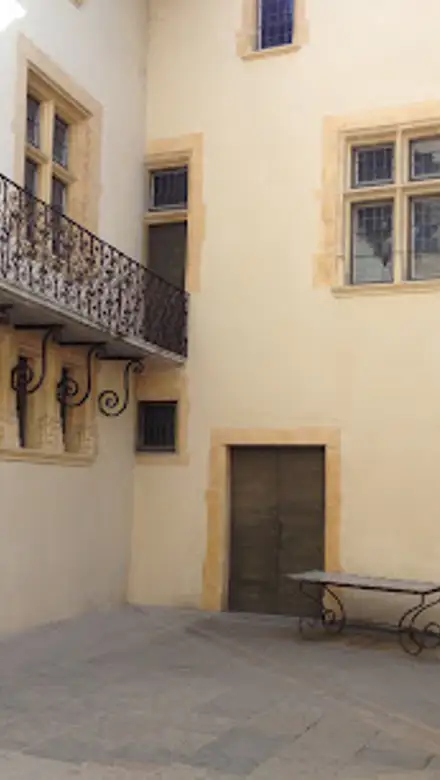
Eingang einer Traboule, Lyon Travel Guide
Free Guide: Discover Lyon's hidden passageways: Explore the historic traboules, secret routes through buildings and courtyards, revealing centuries of history and architectural marvels.


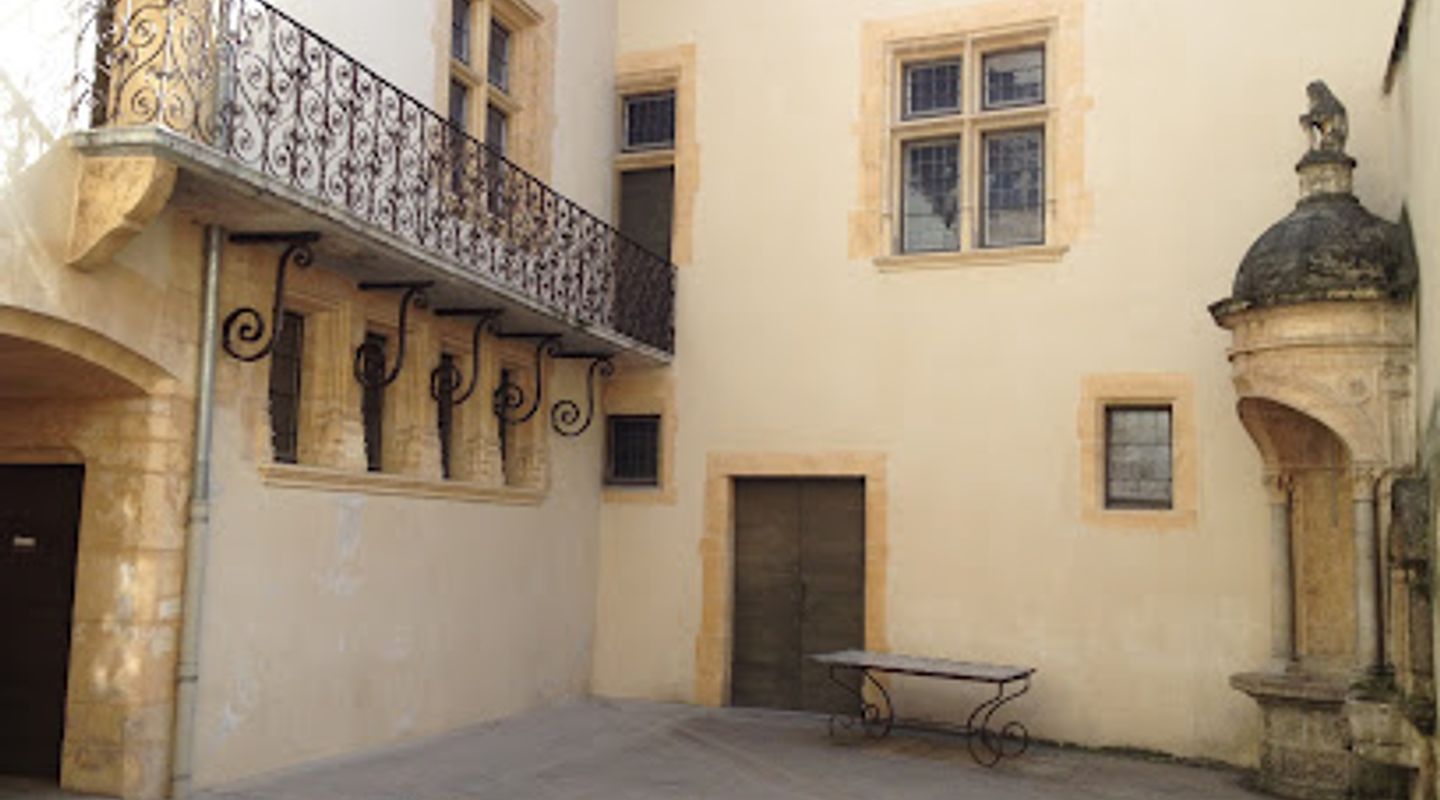
A brief summary of Eingang einer Traboule
Discover Lyon's hidden passageways: Explore the historic traboules, secret routes through buildings and courtyards, revealing centuries of history and architectural marvels.
Venture into the heart of Lyon and discover the enchanting world of its traboules, hidden passageways that weave through buildings and courtyards. These unique architectural features, dating back to the 4th century, offer a glimpse into the city's rich history and cultural heritage. The entrance at 27 Rue du Bœuf provides access to one of the most iconic traboules, a journey through time and a testament to Lyon's captivating past. Explore these secret paths, once used by silk workers and members of the French Resistance, and uncover the stories etched within their walls. Remember to be respectful of residents as you explore these unique passages.
- Address
- 27 Rue du Bœuf, 69005 Lyon
Getting there
Walking
Public Transport
Taxi/Ride-Share
Driving
Discover more about Eingang einer Traboule
Overview
Lyon, a city celebrated for its gastronomy and historical significance, holds a secret world within its ancient walls: the traboules. These hidden passageways, whose name derives from the Latin 'trans ambulare' (to pass through), offer a unique pedestrian experience, connecting streets by traversing through buildings and courtyards. The traboule at 27 Rue du Bœuf is a prime example, inviting visitors to step back in time and explore a fascinating aspect of Lyon's urban fabric. The origins of Lyon's traboules trace back to the 4th century when inhabitants of Lugdunum (the Roman name for Lyon) sought a direct route to the Saône River for water access. These passages became vital arteries of the city, evolving over centuries to serve various purposes. During the flourishing silk trade in the 19th century, the 'canuts,' Lyon's silk workers, utilized the traboules to transport their delicate fabrics, shielding them from the elements and prying eyes. These passageways facilitated the swift movement of goods from workshops to merchants, contributing to Lyon's reputation as a silk capital. The traboules also played a crucial role during World War II when members of the French Resistance used them to evade the occupying German forces. These secret routes provided safe passage for clandestine meetings and operations, turning the traboules into a network of defiance and resilience. The entrance at 27 Rue du Bœuf, like many others, served as a silent witness to acts of bravery and resistance, adding another layer to its historical significance. Today, Lyon boasts around 400 traboules, with a select few open to the public, carefully preserved and marked with bronze plaques. The traboule at 27 Rue du Bœuf is one of the most renowned, offering a captivating journey through a series of interconnected courtyards and staircases. As you venture through this traboule, you'll encounter architectural marvels, including Renaissance facades, spiral staircases, and vaulted ceilings, each reflecting a unique period in Lyon's history. Exploring the traboules is akin to embarking on a treasure hunt, with each passage revealing a new perspective on the city's past. The longest traboule in Vieux Lyon connects 54 Rue Saint-Jean with 27 Rue du Bœuf, offering an extended exploration of this hidden world. The Cour des Voraces in the Croix-Rousse district is another notable traboule, showcasing a remarkable six-story staircase that exemplifies the ingenuity and architectural prowess of Lyon's builders. Visiting the traboules requires a sense of respect and awareness, as many of them pass through private residences. The Courtyard and Traboule Agreement, established in 1990, ensures the preservation of these passageways while balancing the needs of residents and visitors. The agreement stipulates that the city contributes to the maintenance, cleaning, and lighting of the traboules in exchange for public access during the day. Visitors are encouraged to adhere to the Charter of Good Practices, which promotes quiet and respectful behavior to maintain the tranquility of the residents. To fully appreciate the history and significance of the traboules, consider joining a guided tour. Knowledgeable guides provide insights into the architectural styles, historical anecdotes, and the social context of these hidden passages. Alternatively, you can explore the traboules independently, armed with a map and a sense of adventure. The Lyon Tourism Office offers free maps highlighting the open traboules, allowing you to create your own itinerary and discover the secrets of Lyon at your own pace. The traboule at 27 Rue du Bœuf is more than just a passageway; it's a portal into Lyon's soul, a testament to its resilience, ingenuity, and rich cultural heritage. As you traverse its hidden paths, you'll gain a deeper understanding of the city's past and a profound appreciation for its enduring spirit. Remember to look for the small bronze seal that marks the entrance, and prepare to be transported to another world, a world of secrets, stories, and architectural wonders. Whether you're a history enthusiast, an architecture aficionado, or simply a curious traveler, a visit to the traboules of Lyon is an essential experience. The entrance at 27 Rue du Bœuf beckons you to step off the beaten path and discover the hidden heart of this captivating city. So, venture forth, explore the traboules, and unlock the secrets of Lyon's past.
Evendo Review Centre
 Google
Guest reviews
Explore Eingang einer Traboule on the map
A handpicked selection of must-see spots near Eingang einer Traboule, mapped for you.
Get your free copy of our complete guide to Eingang einer Traboule, delivered straight to you.
Everything on this page, from opening hours and how to get there to Eve’s tips and the best time to go, in one PDF you can read offline, print or share.
Already have an account? Sign in
Your Eingang einer Traboule guide is ready.
We'll send it to · Not you? Sign out

Getting your guide ready…
We are putting together a fresh copy of the Eingang einer Traboule guide. This can take up to a minute.
This can take a few moments. If your browser asks, choose Allow so the download can start. You'll find the guide in your Downloads folder.
Nothing happened? Download it again
Sorry, the guide is taking longer than usual. Please try again in a minute, or get it by email instead.
Other nearby places you may find interesting
The closest places of the same kind, if this one is not quite what you had in mind.
-
-
-
-
-


Swipe for more places
More to explore near Eingang einer Traboule

 Best experiences near Eingang einer Traboule
 Best hotels near Eingang einer Traboule
 Best landmarks near Eingang einer Traboule
 Best attractions near Eingang einer Traboule
 Best shops near Eingang einer Traboule
 Best restaurants near Eingang einer Traboule
 Best bars near Eingang einer Traboule
Do you manage this location?
Take control to get all the benefits, like improved information, better appearance, and stronger visibility across AI-powered discovery.
Explore more

Explore more of Lyon
Explore Lyon, France's culinary heart, rich in history, culture, and world-class cuisine, nestled between the Rhône and Saône rivers.
Explore Lyon
Explore more of France
Explore France: A land of romance, history, and unparalleled beauty, from the iconic streets of Paris to the serene landscapes of Provence and the luxury of the French Riviera.
Explore France