Basilique Saint-Martin d'Ainay: A Romanesque Gem
Discover Lyon's oldest church, a Romanesque masterpiece with a rich history, nestled in the heart of the Presqu'île district, showcasing centuries of architectural and religious heritage.
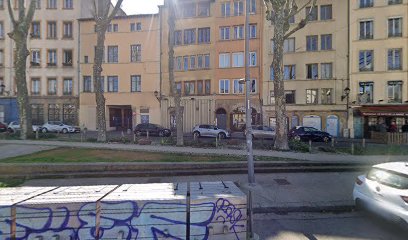
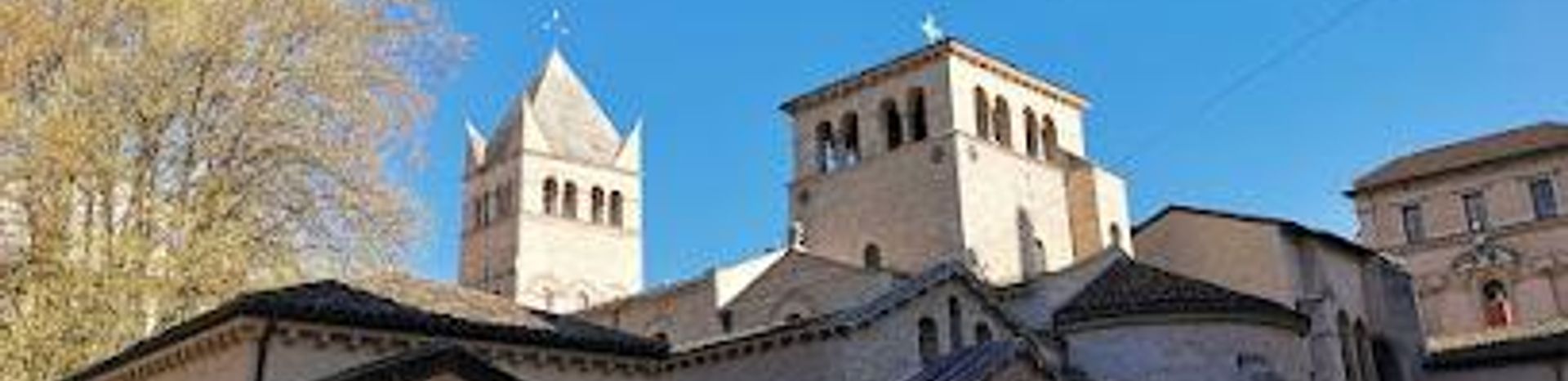
The Basilique Saint-Martin d'Ainay, nestled in Lyon's Presqu'île district, is a captivating journey through time. This Romanesque church, dating back to the 11th century, stands on the site of a former Benedictine abbey, with possible origins stretching back to the 5th century. Its architecture showcases a blend of styles, from pre-Romanesque to neo-Romanesque, reflecting its long and storied past. The basilica has witnessed Lyon's evolution, surviving wars, revolutions, and restorations. Today, it offers visitors a serene escape and a glimpse into the city's rich religious and architectural heritage. Explore its chapels, admire the intricate details of its capitals, and soak in the atmosphere of this historic sanctuary. The Basilica is a testament to Lyon's enduring spirit, making it a must-see for history buffs and architecture enthusiasts alike.
A brief summary to Paroisse Catholique Saint Martin d'Ainay
- 11 Rue Bourgelat, Lyon, 69002, FR
- +33472400250
- Visit website
- Monday 9 am-11:30 am
- Tuesday 9 am-11:30 am
- Wednesday 9 am-11:30 am
- Thursday 9 am-11:30 am
- Friday 9 am-11:30 am
- Saturday 9:30 am-11:45 am
- Sunday 9 am-12:30 pm
Local tips
- Check the opening hours in advance, as they can vary, especially on Sundays and holidays. Mass schedules are also available on the parish website.
- Take a stroll through the Ainay district after your visit to appreciate the area's historic charm, including the Voûte d'Ainay and the antique shops on Rue Auguste Comte.
- Look for guided tours offered by the Friends of Saint-Martin d'Ainay to delve deeper into the basilica's history and architectural details.
- Combine your visit with a trip to Place Bellecour, a short walk away, and explore other attractions on the Presqu'île.
- Note that the church is an active place of worship; dress respectfully and be mindful of services in progress.

Getting There
-
Public Transport
The Basilique Saint-Martin d'Ainay is easily accessible by public transport. The closest metro station is Ampère - Victor Hugo (Line A), about a 2-minute walk away. From the station, walk north on Rue Victor Hugo, then turn left onto Rue Bourgelat. The basilica will be on your left. A single TCL ticket costs €2.00 and is valid for one hour, allowing transfers between metro, tram, and bus lines.
-
Walking
If you are already on the Presqu'île, walking is a pleasant option. From Place Bellecour, walk south along Rue Victor Hugo for about 10 minutes. Turn left onto Rue Bourgelat. The basilica will be on your left. The walk is mostly flat and offers views of the surrounding neighborhood.
-
Taxi/Ride-Share
Taxis and ride-sharing services like Uber are readily available in Lyon. A short ride from Place Bellecour to the basilica costs approximately €8-€12, depending on traffic and surge pricing.
-
Driving
If driving, be aware that parking in the area can be limited. The LPA Saint-Georges underground parking lot is a secure option located about a 7-minute walk from the basilica. Expect to pay around €25 per day. There is a drop-off point in front of the church on Rue Bourgelat, allowing you to drop off passengers and luggage before parking.
Discover more about Paroisse Catholique Saint Martin d'Ainay
Iconic landmarks you can’t miss

Pl. Carnot
0.3 km
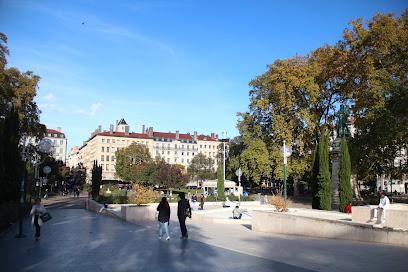
Discover Place Carnot in Lyon, a vibrant street filled with history, culture, and culinary delights that captures the spirit of the city.
Statue of the Republic
0.3 km
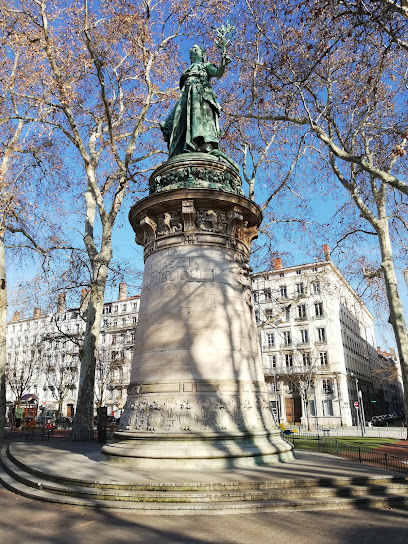
Explore the grandeur of the Statue of the Republic in Lyon, a must-visit historical landmark showcasing the city's rich culture and heritage.
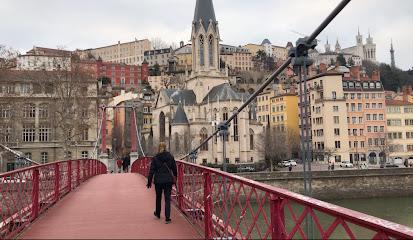
Passerelle Saint Georges de Lyon
0.4 km
Discover the breathtaking beauty of Passerelle Saint Georges, a must-visit pedestrian bridge in Lyon offering stunning views and a lively atmosphere.
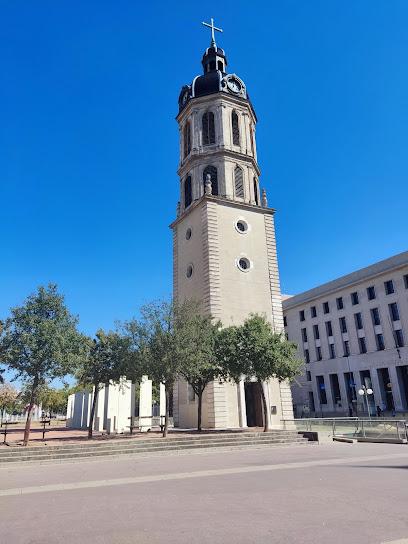
Clocher de Hôpital de la Charité de Lyon
0.6 km
Explore the Clocher de l'Hôpital de la Charité de Lyon, a historical landmark showcasing the city's rich heritage and stunning architecture.
5 Imp. Turquet
0.6 km
Discover the architectural brilliance of 5 Imp. Turquet in Lyon, where history and modernity meet in a captivating urban landscape.
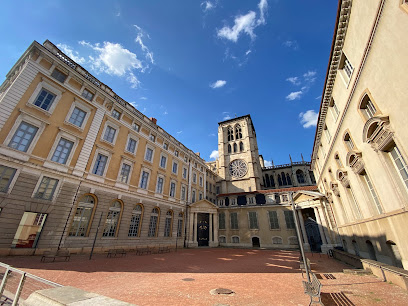
Palais Saint-Jean
0.7 km
Discover the rich history and stunning architecture of Palais Saint-Jean, a must-visit museum and historical landmark in Lyon's vibrant cultural scene.
Minimes Théatres Romains
0.7 km
Explore the ancient Minimes Théâtres Romains in Lyon and immerse yourself in the rich history and vibrant culture of this stunning French city.
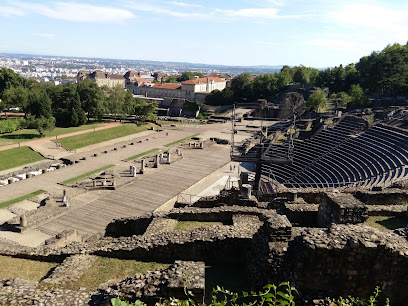
Visiter Lyon (Patrimoine)
0.7 km
Discover Lyon's rich heritage with Visiter Lyon (Patrimoine) - your gateway to cultural exploration and historical insights.
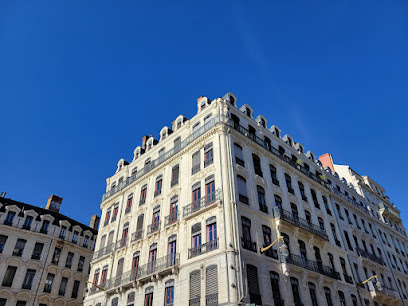
Pl. Saint-Jean
0.8 km
Discover the enchanting Pl. Saint-Jean in Lyon, where historic architecture meets vibrant culture and culinary delights in the heart of France.
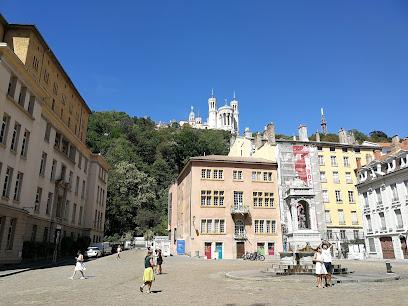
Odeon of Lyon
0.8 km
Explore the Odeon of Lyon, a magnificent ancient Roman amphitheater that embodies the rich history and cultural heritage of this vibrant French city.
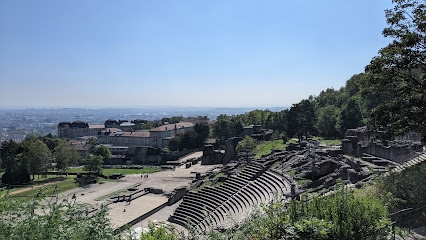
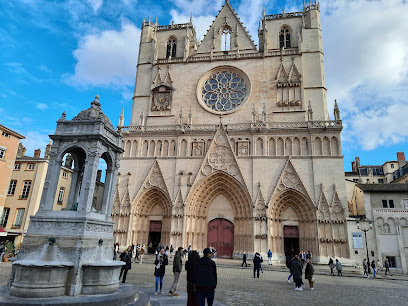
Fontaine Saint Jean
0.8 km
Explore the enchanting Fontaine Saint Jean, a historical monument in Lyon that beautifully showcases the city's rich artistic heritage and vibrant culture.
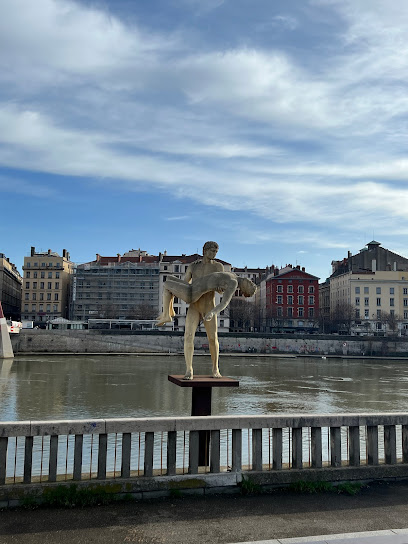
The Weight of Oneself
0.9 km
Explore 'The Weight of Oneself' in Lyon, a mesmerizing sculpture that invites reflection and captures the essence of the human experience in art.
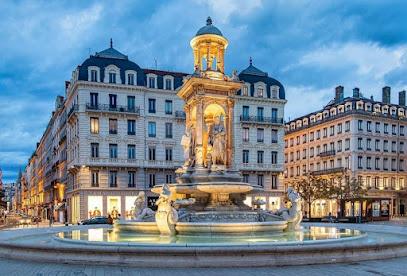
Pl. des Jacobins
0.9 km
Explore the enchanting Pl. des Jacobins in Lyon, where history meets vibrant local culture in a picturesque urban square.
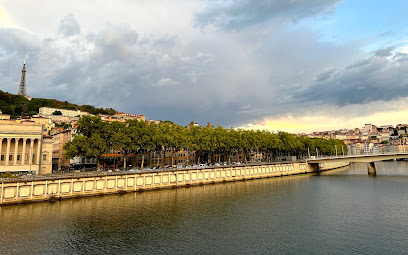
Passerelle du Palais-de-Justice
0.9 km
Explore Lyon's history and breathtaking views at Passerelle du Palais-de-Justice, a must-see bridge connecting past and present.
Place des Jacobins
0.9 km
Discover the vibrant heart of Lyon at Place des Jacobins, where history, culture, and modernity converge in a picturesque town square.
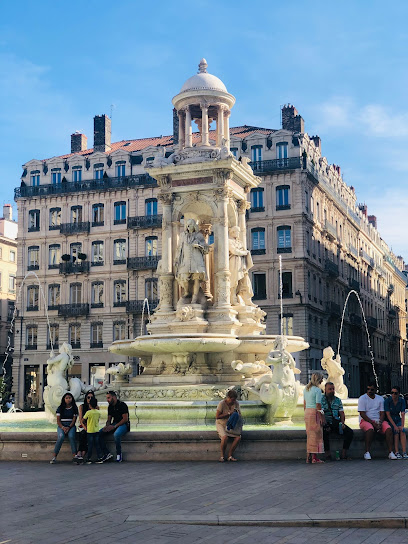
Unmissable attractions to see

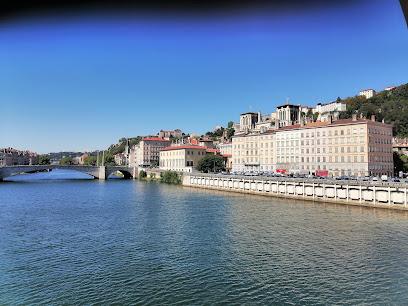
Quais de Saône
0.3 km
Explore the enchanting Quais de Saône in Lyon, where stunning views, local markets, and vibrant culture come together along the beautiful riverside.
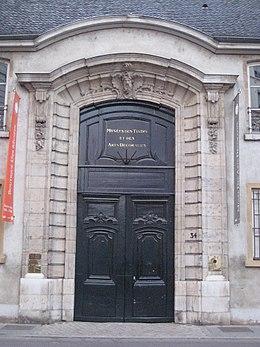
Musée des Tissus et des Arts Décoratifs
0.3 km
Explore over 4,500 years of textile artistry and decorative design at Lyon's Musée des Tissus et des Arts Décoratifs, home to a world-renowned collection.
Le Tronc de Lyon
0.4 km
Immerse yourself in the rich culture and history at Le Tronc de Lyon, a must-visit tourist attraction in the heart of Lyon, France.
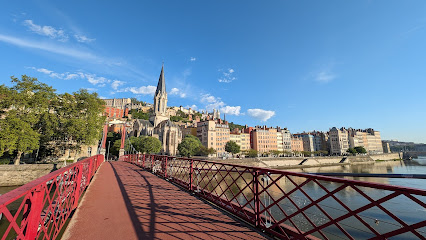
Jardin des Curiosités
0.4 km
Explore the magical Jardin des Curiosités in Lyon, a serene garden combining nature and art with breathtaking city views.
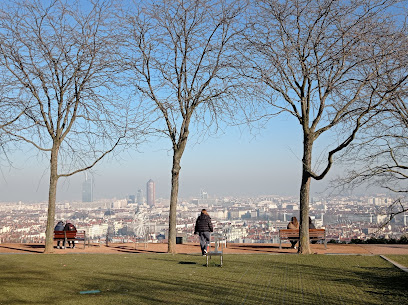
Quartier Saint-Georges
0.5 km
Explore the enchanting Quartier Saint-Georges in Lyon, a historical neighborhood filled with charm, culture, and culinary delights.
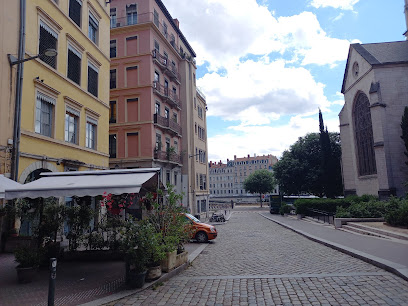
Office du Tourisme et des Congrès de la Métropole de Lyon
0.6 km
Discover Lyon's rich culture and history at the Office du Tourisme et des Congrès, your one-stop destination for travel tips and tours.
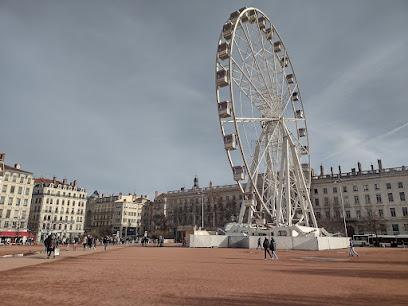
Place Bellecour
0.6 km
Experience Lyon's heart at Place Bellecour, one of Europe's largest squares, rich in history and surrounded by shops, cafes, and attractions.

Church of Saint-Just, Lyon
0.6 km
Discover Lyon's Église Saint-Just: a resilient landmark with a rich history, stunning architecture, and artistic treasures, nestled in the heart of the city's historic district.
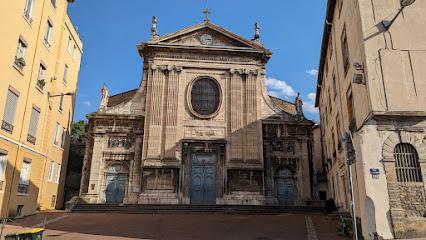
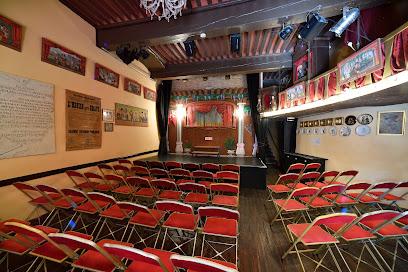
La Maison de Guignol
0.7 km
Experience the timeless charm of Guignol at Lyon's historic puppet theatre, a cultural gem in the heart of Vieux Lyon, offering laughter and tradition for all ages.
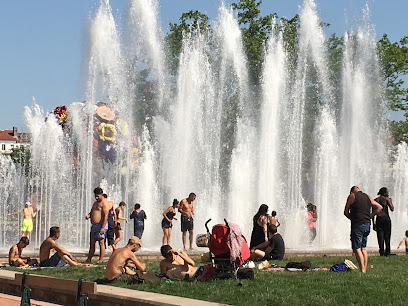
Fontaine de Place Antonin Poncet
0.7 km
Experience the modern charm of Lyon at Fontaine de Place Antonin Poncet, a refreshing oasis blending contemporary design with historical echoes in the city's heart.
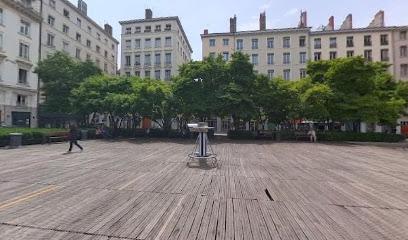
Place des Célestins
0.8 km
Discover the charm of Place des Célestins, a vibrant town square in Lyon, rich in history, culture, and local flavor.
Célestins, Théâtre de Lyon
0.8 km
Experience over two centuries of dramatic arts at Lyon's historic Célestins Theatre, a stunning Italian-style venue showcasing classical and contemporary performances in the heart of the city.

Cathédrale Saint-Jean-Baptiste
0.8 km
Discover Lyon's Cathédrale Saint-Jean-Baptiste, a captivating blend of Romanesque and Gothic architecture, rich history, and stunning artistry in the heart of Vieux Lyon.

Jardin Archéologique
0.8 km
Discover Lyon's hidden history in the tranquil Jardin Archéologique, where ancient ruins and lush greenery intertwine, offering a unique glimpse into the city's Gallo-Roman and early Christian past.
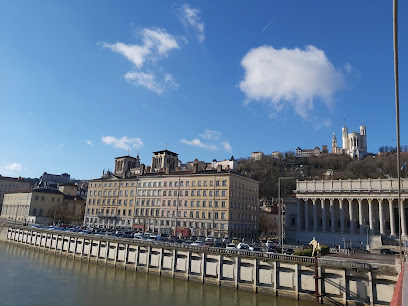
Fresque d'Église Saint Just
0.9 km
Discover Lyon's spiritual heritage at the Fresque d'Église Saint Just, a captivating mural in the charming Saint-Just neighborhood, offering a glimpse into the city's rich past and artistic innovation.
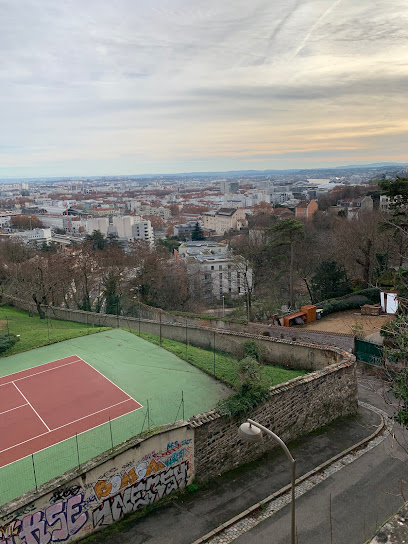
Essential places to dine

L'Établi
0.2 km
Discover exquisite French-Mediterranean cuisine at L'Établi, where every dish tells a story in the heart of Lyon.
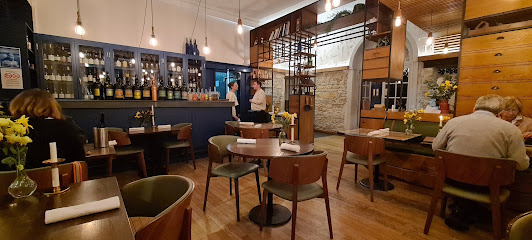
La Table d’Ambre
0.3 km
Experience exquisite French cuisine at La Table d’Ambre in Lyon - where tradition meets innovation in a stunning setting.
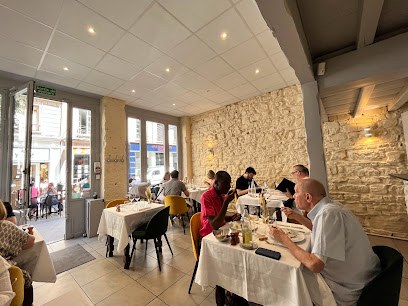
ART Restaurant Lyon
0.3 km
Experience modern French cuisine at ART Restaurant Lyon - where culinary artistry meets exceptional service in a vibrant setting.
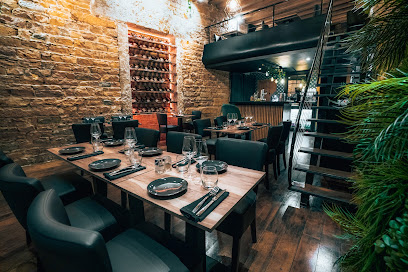
LES 3 DOMES
0.5 km
Experience exquisite French cuisine with breathtaking views at Les 3 Dômes, one of Lyon's premier dining destinations.
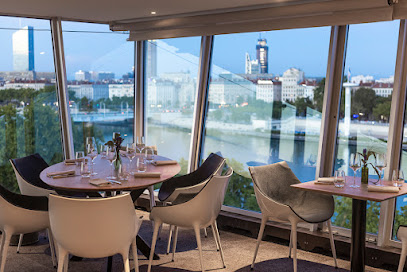
Restaurant Gastronomique Christian Tetedoie
0.7 km
Experience the pinnacle of French fine dining at Restaurant Gastronomique Christian Tetedoie in Lyon, where culinary artistry meets breathtaking views.
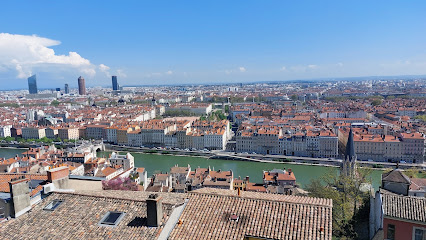
LE ROOFTOP TETEDOIE
0.7 km
Experience gourmet dining at Le Rooftop Tête d'Oie while enjoying stunning views over Lyon's enchanting skyline.
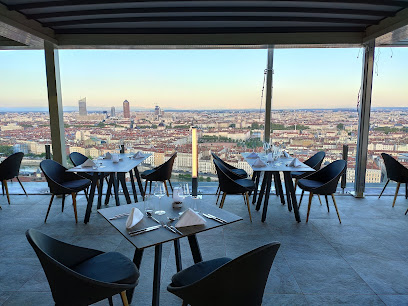
La Sommeliere
0.7 km
Experience the essence of French fine dining at La Sommeliere in Lyon, where tradition meets innovation in every exquisite dish.
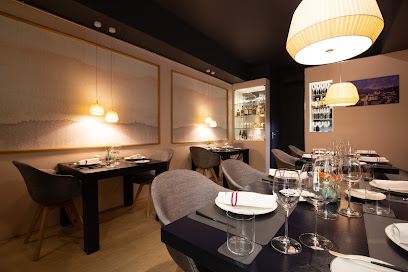
Monsieur P
0.7 km
Experience exquisite French haute cuisine at Monsieur P in Lyon - where tradition meets innovation in every dish.
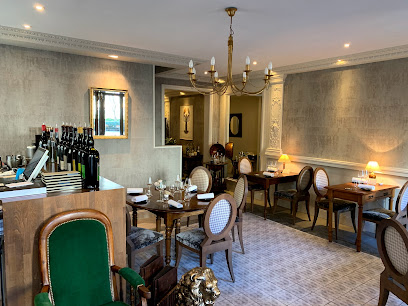
L'acteur - Bouchon Lyonnais
0.8 km
Experience authentic Lyonnais cuisine at L'acteur - a charming bouchon in the heart of Lyon offering traditional dishes and warm hospitality.
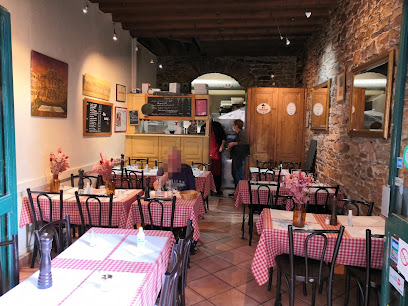
La Petite Table des Nuits
0.8 km
Experience authentic French cuisine at La Petite Table des Nuits in Lyon, where delightful flavors and warm hospitality await every visitor.
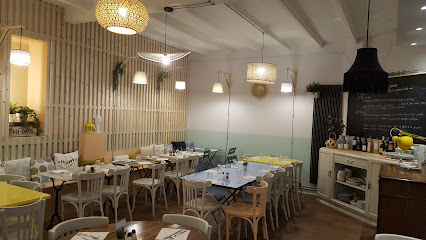
LE F2
0.9 km
Discover the essence of modern French cuisine at LE F2 in Lyon – where tradition meets innovation in every dish.
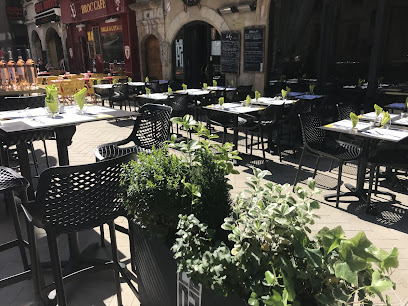
Le Bœuf d'Argent
0.9 km
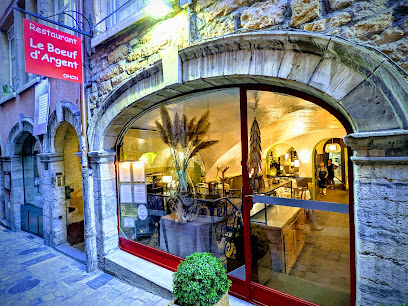
Experience exquisite French cuisine at Le Bœuf d'Argent in Lyon—where tradition meets innovation in every dish.
Jérémy Galvan
0.9 km
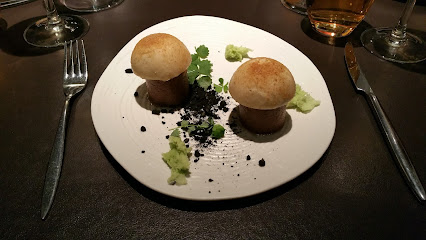
Experience the pinnacle of French gastronomy at Jérémy Galvan, where exquisite flavors meet artistic presentation in a charming Lyon setting.
Au 14 Février
1.0 km
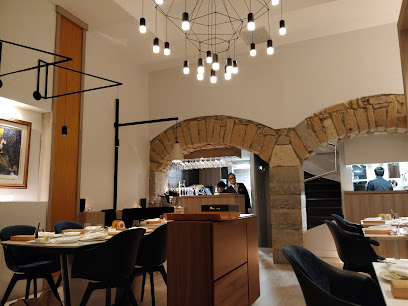
Discover modern French cuisine at Au 14 Février in Lyon, where traditional flavors meet innovative culinary artistry for an unforgettable dining experience.
RESTAURANT LE VIEUX LYON
1.0 km
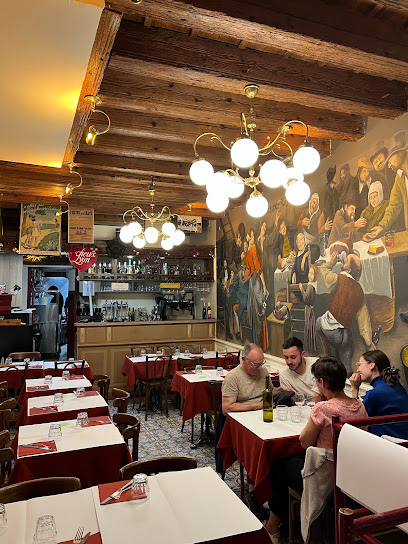
Experience authentic French cuisine at Restaurant Le Vieux Lyon, where tradition meets taste in a charming atmosphere.
Markets, malls and hidden boutiques

Shops Lyon
0.1 km
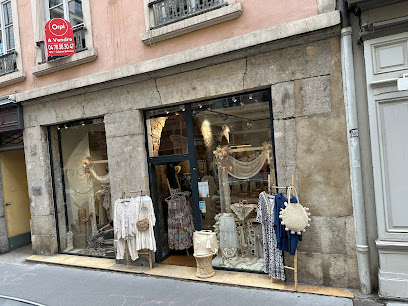
Explore Shops Lyon for a unique blend of women's fashion, accessories, and gifts in the heart of France's beautiful city.
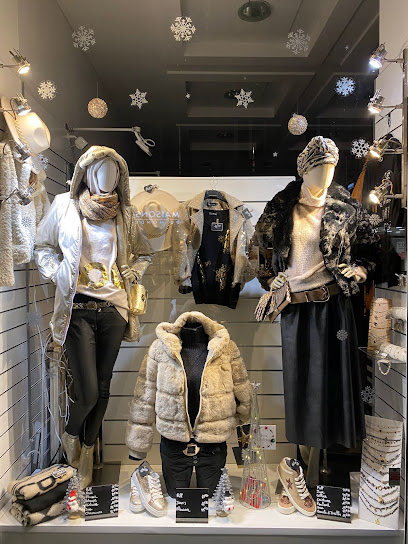
FASHION STORE
0.2 km
Explore the trendy Fashion Store in Lyon, where stylish clothing meets a chic shopping experience, perfect for fashion-forward tourists.
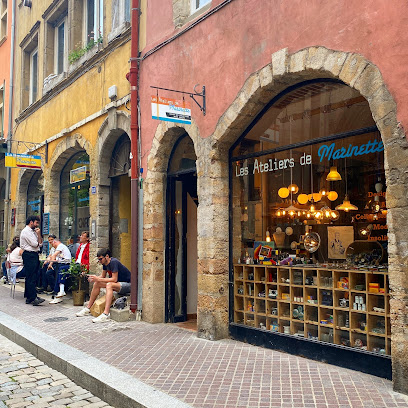
Workshops Marinette
0.5 km
Explore the charm of Workshops Marinette in Lyon, a vintage store offering unique crafts and antiques that reflect the rich artistry of French culture.
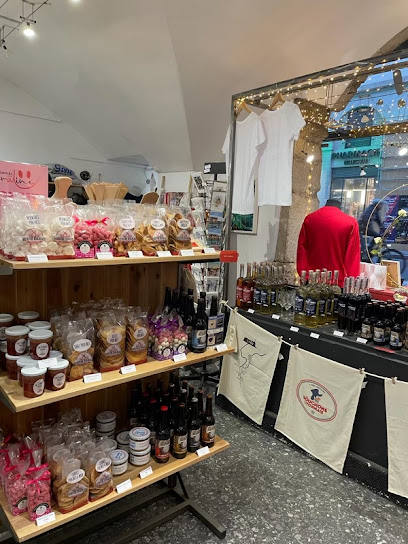
Oh My Gone
0.7 km
Discover unique gifts and exquisite gift baskets that embody the essence of Lyon at Oh My Gone, your go-to gift shop in the heart of the city.
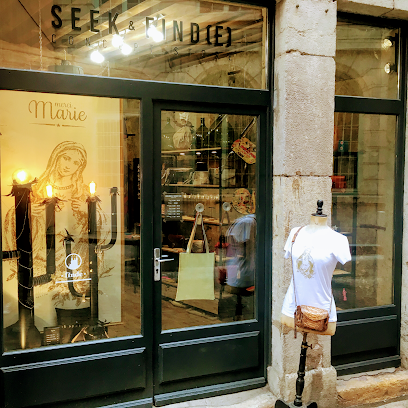
Seek & Find(e)
0.7 km
Explore Seek & Find(e) in Lyon for unique gifts that embody the city's charm and craftsmanship, perfect for memorable souvenirs.
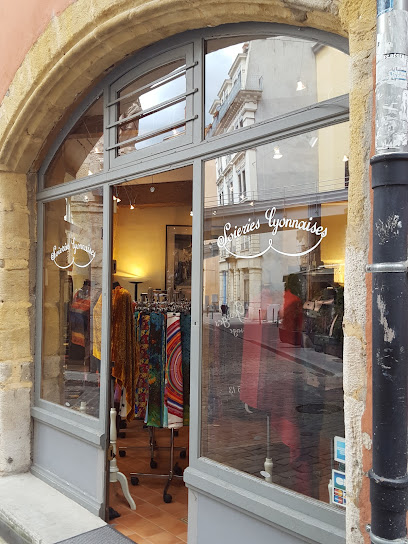
Silk Saint Georges
0.7 km
Explore the exquisite world of silk at Silk Saint Georges in Lyon, where fashion meets history in a charming museum setting.
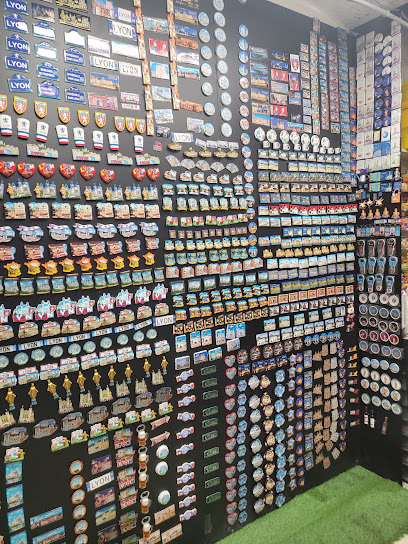
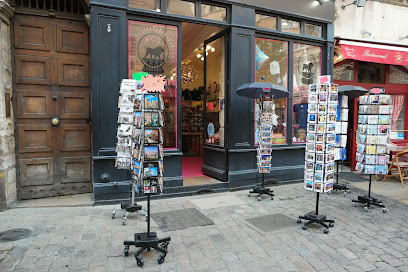
Souvenir de Lyon
0.8 km
Explore the charm of Lyon through unique souvenirs at Souvenir de Lyon, your go-to gift shop for authentic local treasures.
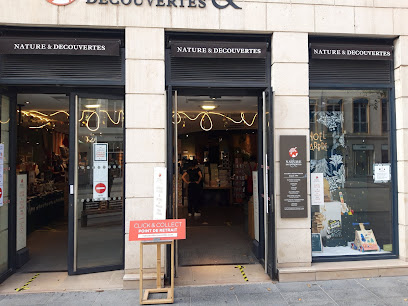
Nature and Discoveries
0.8 km
Discover unique eco-friendly gifts at Nature and Discoveries in Lyon, where nature meets creativity in the heart of the city.
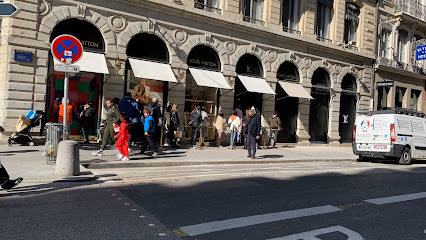
Louis Vuitton Lyon
0.8 km
Explore the luxurious Louis Vuitton store in Lyon, featuring exquisite leather goods and fashion accessories that define elegance and style.
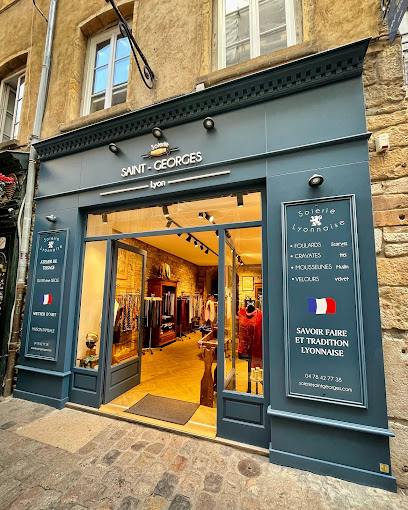
Soierie Saint-Georges
0.9 km
Discover the heart of Lyon's silk weaving tradition at Soierie Saint-Georges, where artistry meets history in every exquisite piece.
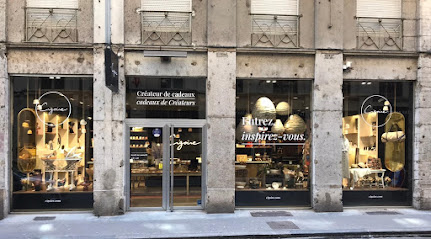
Cigoire - Boutique de cadeaux Lyon
0.9 km
Explore Cigoire in Lyon for exquisite gifts, fashionable clothing, and unique accessories that embody French elegance and charm.
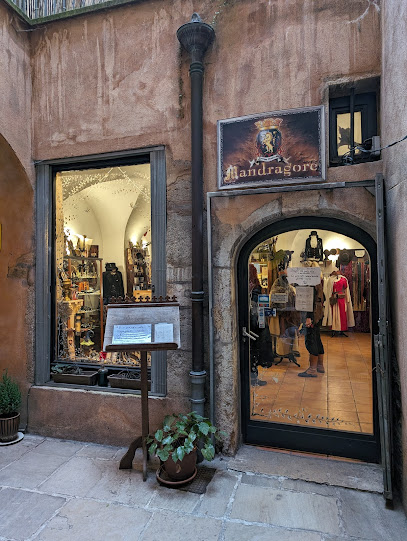
Mandragore
0.9 km
Discover Mandragore, an enchanting gift shop in Lyon, offering unique items from rare books to magical treasures for every traveler.
Souvenirs de Lyon. Com
1.0 km
Discover the charm of Lyon through unique souvenirs and local gifts at Souvenirs de Lyon, the perfect place for memorable treasures.
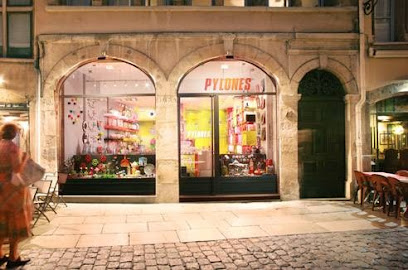
Pylones
1.0 km
Explore Pylones in Lyon for a delightful selection of quirky gifts, stylish accessories, and unique home decor that make perfect souvenirs.
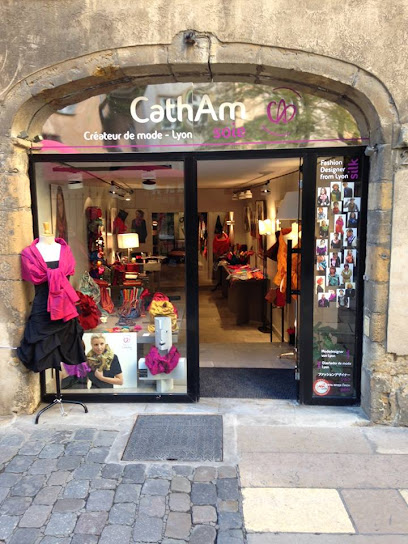
CathAm Soie
1.0 km
Explore unique silk and tweed accessories at CathAm Soie, a charming family-owned boutique in the heart of Lyon, perfect for discerning fashion lovers.
Essential bars & hidden hideouts

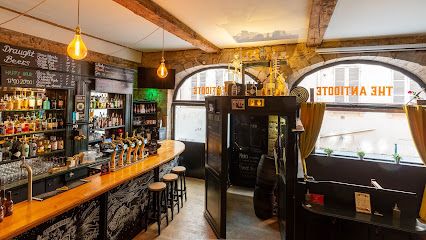
Antidote
0.4 km
Experience the vibrant nightlife at Antidote, a lively bar in Lyon offering live music, sports, and a fantastic selection of beers.
Wanderlust Lyon
0.4 km
Discover Wanderlust Lyon, a vibrant cocktail bar that combines travel themes with expertly crafted drinks in the heart of Lyon's nightlife.
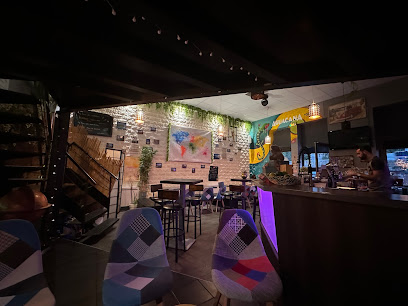
Le Melhor
0.5 km
Experience the epitome of luxury at Le Melhor, Lyon's premier bar offering exquisite cocktails and a vibrant ambiance along the Rhône River.
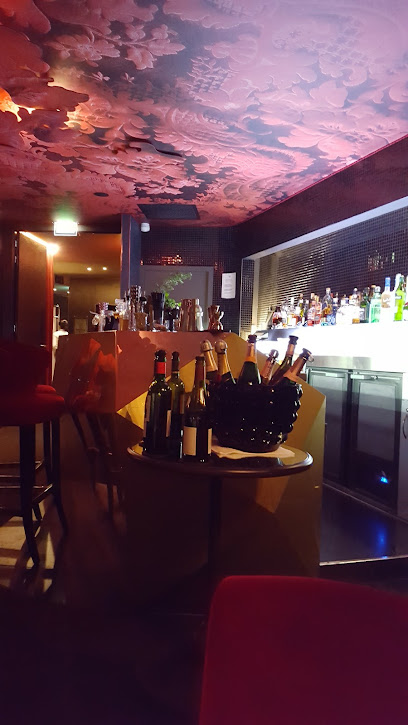
LOUNGE & LOGE
0.6 km
Discover the charm of Lyon at Lounge & Loge, a cozy café and lounge perfect for relaxation and local cuisine.
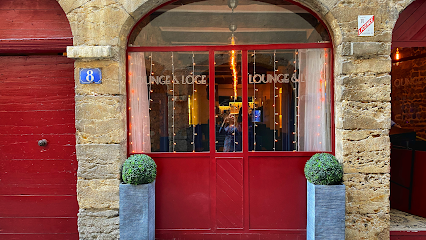
St Andrew's
0.7 km
Discover St Andrew's in Lyon: A lively bar offering cocktails, tapas, and live music for an unforgettable night out.
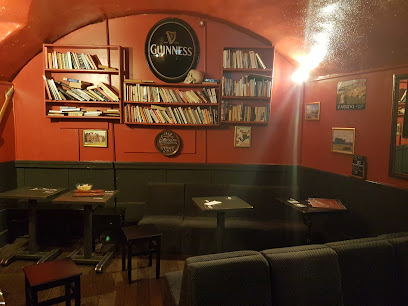
Betty's Bar
0.7 km
Discover Betty's Bar in Lyon, where delicious bagels, gourmet hamburgers, and craft beers create a unique dining experience in a vibrant atmosphere.
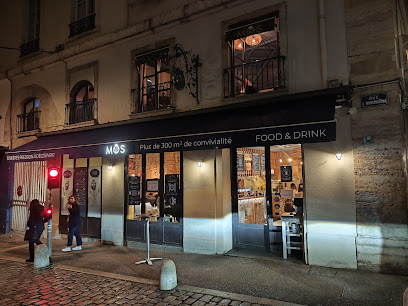
MOS - Maker of Stories
0.7 km
Discover MOS - Maker of Stories in Lyon: a lively bar and restaurant where culinary creativity meets vibrant storytelling.
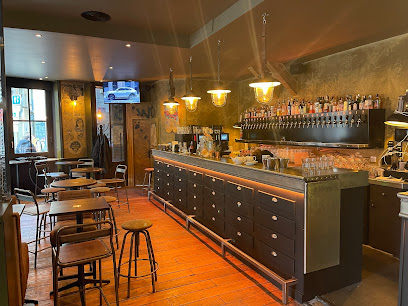
Funky Monky Lyon - Bar - Restaurant - Tapas
0.9 km
Discover the taste of Lyon at Funky Monky, a lively tapas bar offering an array of flavors and a vibrant atmosphere for a memorable dining experience.
L'Officine
0.9 km
Discover the exquisite cocktail culture at L'Officine, a stylish bar nestled in the historic Grand Hôtel-Dieu in Lyon.
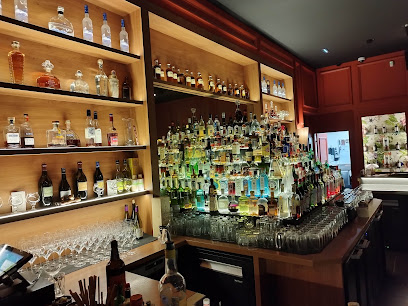
Le Lion Bar
0.9 km
Experience the vibrant atmosphere of Le Lion Bar, a top cocktail and tapas destination in the heart of Lyon, perfect for both relaxation and celebration.
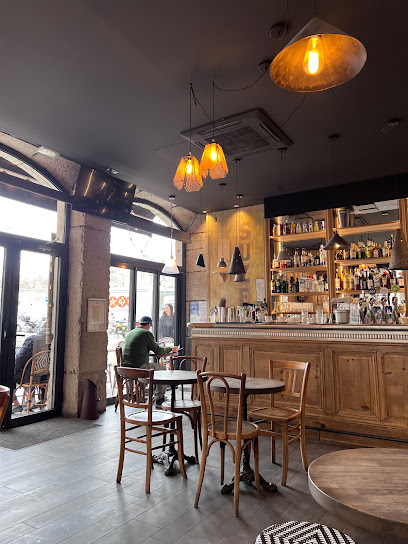
Le Welsh Beer Bar
1.0 km
Discover Lyon's vibrant beer culture at Le Welsh Beer Bar, where craft brews and friendly vibes await every visitor.
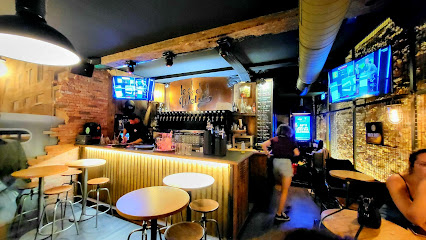
Le Pub Danois
1.0 km
Discover the lively atmosphere of Le Pub Danois in Lyon, where great drinks and local culture come together along the beautiful Rhône River.
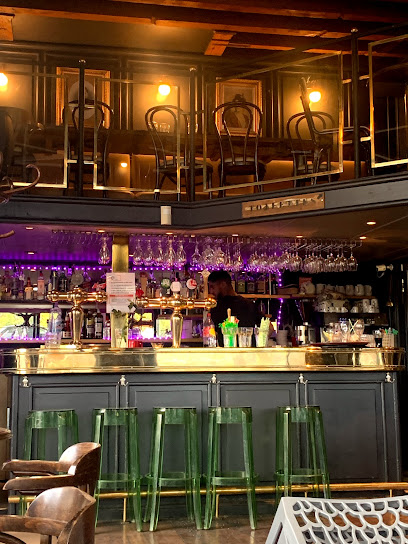
Look Bar
1.0 km
Discover the vibrant atmosphere of Look Bar in Lyon, where vinyl music and unique decor create the perfect backdrop for a memorable night out.
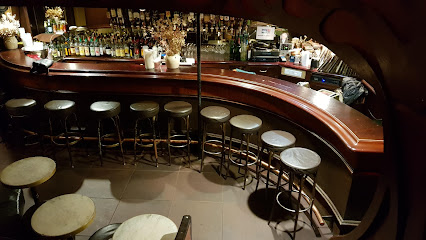
La Fonderie
1.0 km
Discover La Fonderie in Lyon: a cocktail bar offering exquisite drinks and a lively atmosphere by the beautiful Rhône River.
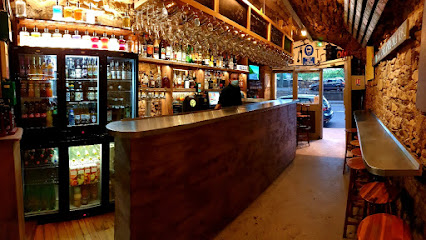
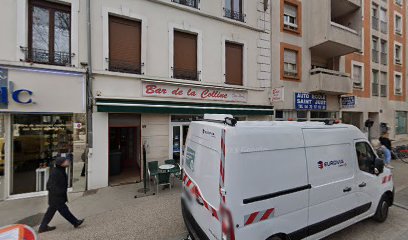
Bar De La Colline
1.0 km
Experience the charm of Lyon at Bar De La Colline, where delightful drinks and a cozy atmosphere create the perfect retreat.
Nightclubs & after hour spots

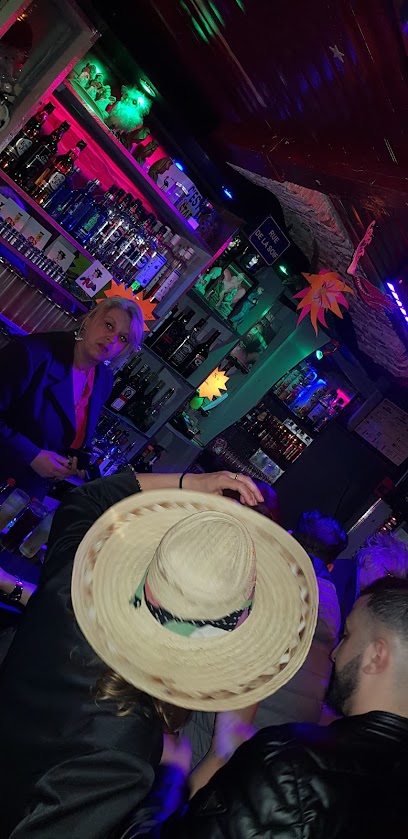
Disco pub Tata mona
0.6 km
Discover the vibrant nightlife at Disco Pub Tata Mona, a top night club in Lyon offering music, drinks, and unforgettable dance experiences.
l’appart le 24
0.6 km
Discover the electrifying nightlife of Lyon at l’appart le 24, where DJ beats and vibrant crowds create an unforgettable experience.
Saône Night
0.9 km
Discover the essence of Lyon's nightlife at Saône Night, where music, dance, and vibrant energy create unforgettable memories.
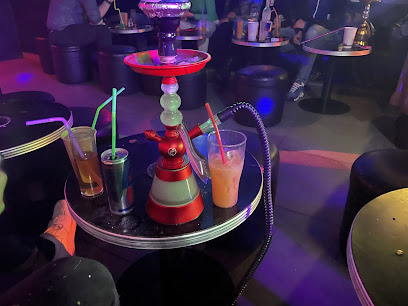
Black&White Club
1.0 km
Unleash your night at Black&White Club, Lyon's premier nightlife destination with vibrant energy and eclectic music.
Le Menestrel
1.0 km
Discover the vibrant nightlife of Lyon at Le Menestrel, a premier disco club where music and dance come alive.
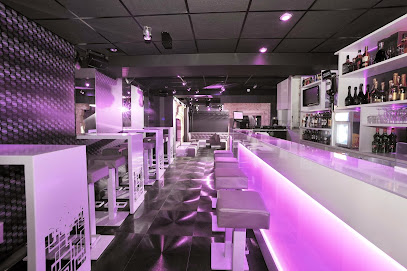
L'Ambassade
1.0 km
Discover the vibrant nightlife of Lyon at L'Ambassade, where music and energy create unforgettable experiences in the heart of the city.
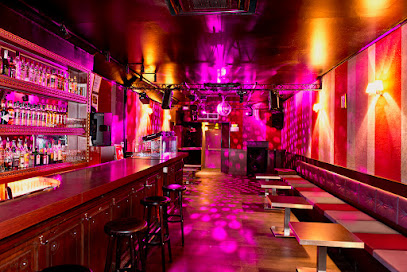
Lyon fc
1.1 km
Dive into the heart of Lyon's nightlife at Lyon FC, where every night is a celebration with dancing, drinks, and unforgettable moments.
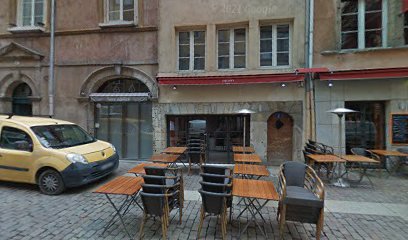
La Grange au Bouc
1.1 km
Discover the best of Lyon's nightlife at La Grange au Bouc, a vibrant night club offering unforgettable music and energetic dance experiences.
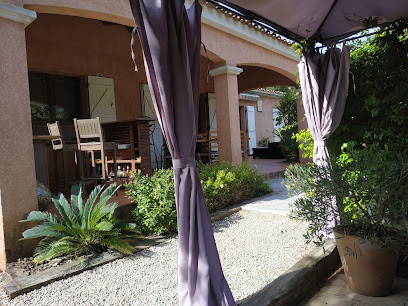
Loft Club Lyon
1.3 km
Discover the heartbeat of Lyon's nightlife at Loft Club, where music, dance, and excitement converge in an unforgettable atmosphere.
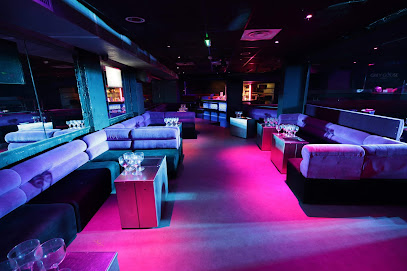
Hot Club Lyon
1.4 km
Discover the soulful sounds of jazz in Lyon at Hot Club, an intimate venue perfect for music lovers seeking local culture and vibrant nightlife.
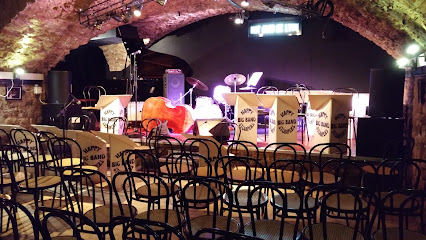
Dream's Club
1.4 km
Discover the vibrant nightlife at Dream's Club in Lyon, a top destination for dancing and socializing in a lively atmosphere.
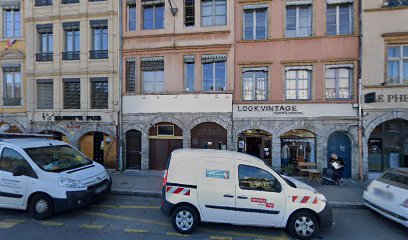
New. Ibiza
1.5 km
Discover the electrifying nightlife of New. Ibiza in Lyon, where music, dancing, and an unforgettable atmosphere await every night.
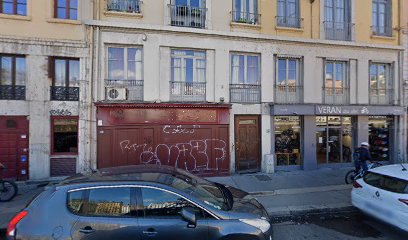
La Luna Club
1.5 km
Discover the vibrant nightlife at La Luna Club, Lyon's top karaoke bar, where every night is a musical adventure filled with fun and excitement.
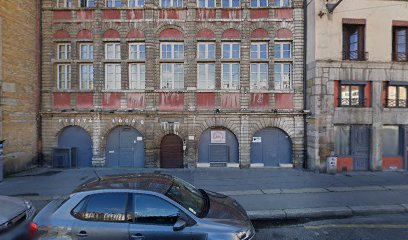
The Cloe, Bar Hostesses in Lyon (Old Lyon)
1.5 km
Discover the vibrant nightlife at The Cloe, a unique night club and bar in the heart of Old Lyon, where fun meets French culture.
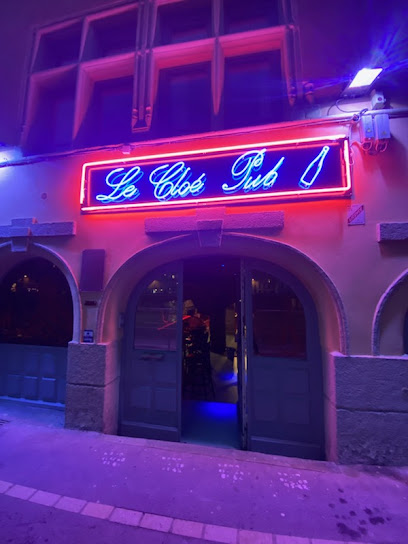
Le Flamenco Rock
1.5 km
Discover the vibrant nightlife of Lyon at Le Flamenco Rock, where music and dance come alive in an unforgettable atmosphere.