Background

Musée du Poitou Protestant: A Journey Through History and Faith

Discover the compelling history of French Protestantism at Musée du Poitou Protestant in Beaussais-Vitré, exploring faith, resilience, and cultural impact through immersive exhibits and guided tours.

4.4

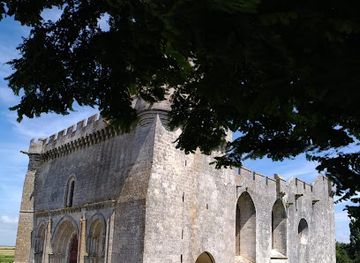
The Musée du Poitou Protestant, nestled in the commune of Beaussais-Vitré, offers a compelling glimpse into the history of Protestantism in the Poitou region of France. Housed within a Romanesque church transformed into a temple in 1802, the museum vividly narrates the stories of the Protestant community from the 16th century through the 18th century. Visitors can explore exhibits detailing the arrival of Calvin in Poitiers, the tumultuous Wars of Religion, the impact of the Edict of Nantes, and the subsequent era of exile and secret assemblies. The museum also sheds light on the unique cultural and economic contributions of Protestants to the region, providing a rich and immersive experience for those seeking to understand this important chapter in French history. With guided tours, landscape markers, and a Huguenot path, the Musée du Poitou Protestant offers a multifaceted exploration of faith, resilience, and cultural identity in the heart of the Poitou region.

A brief summary to Musée du Poitou Protestant

  • Wednesday 2:45 pm-4 pm
  • Thursday 2:45 pm-4 pm
  • Friday 2:45 pm-4 pm

Local tips

  • Check the museum's website for seasonal hours and special events before planning your visit.
  • Allow at least 2-3 hours to fully explore the museum's exhibits and grounds.
  • Consider combining your visit with a walk along the Huguenot Trail to discover more of the region's Protestant heritage.
widget icon

Getting There

  • Driving

    If arriving by car from Niort, take the D650 towards Melle, then follow the D737 to Beaussais-Vitré. Once in the village, follow signs for the 'Musée du Poitou Protestant,' located on Place de la Mairie. Parking is available near the town hall and the lavoir, a short walk from the museum. Parking is free.

  • Public Transport

    From Niort, take line 148 bus towards Melle. The bus stops at Place De La Breche and arrives at Place De La Gare in Beaussais-Vitré. From there, it's a short walk to Place de la Mairie where the museum is located. The bus ticket costs approximately €3.

Unlock the Best of Musée du Poitou Protestant

Buy tickets

    No tickets available

Book tours with entry

    No tours available

Book tours without entry

    No tours available

Discover more about Musée du Poitou Protestant

The Musée du Poitou Protestant, or Museum of Protestantism in Poitou, stands as a significant cultural and historical landmark in the commune of Beaussais-Vitré, in the Deux-Sèvres department of France. This museum is dedicated to preserving and interpreting the history of Protestantism in the Poitou region, offering visitors a unique opportunity to delve into the stories, struggles, and triumphs of the Protestant community from the 16th to the 18th centuries. The museum is housed in a building with a rich history of its own. Originally a Romanesque church dating back to the 12th century, it was converted into a Protestant temple in 1802. The architecture itself serves as a tangible link to the past, with the choir of the church classified as a historical monument, bearing witness to centuries of religious and cultural transformation. The serene setting of the museum, surrounded by lush greenery, provides a contemplative atmosphere for exploring the exhibits. The Musée du Poitou Protestant presents a comprehensive overview of Protestant history in the region, beginning with the arrival of Calvinism in Poitiers in 1534. Exhibits detail the spread of the Reformation, the ensuing Wars of Religion that pitted Catholics against Protestants, and the eventual Edict of Nantes in 1598, which granted Protestants certain rights and freedoms. However, this period of relative peace was short-lived, as subsequent monarchs gradually curtailed these rights, leading to renewed persecution and ultimately the revocation of the Edict of Nantes in 1685. The museum poignantly recounts the stories of those who faced religious persecution, highlighting the experiences of Huguenots, French Protestants, who were forced to convert, flee, or practice their faith in secret. The exhibits explore the impact of the dragonnades, a policy of forced lodging of soldiers in Protestant homes to intimidate them into converting. Visitors will learn about the "Desert," a period when Protestants held clandestine religious assemblies in remote areas to avoid detection. One of the most compelling aspects of the Musée du Poitou Protestant is its focus on personal narratives. The museum brings to life the story of Jean Migault, a 17th-century schoolteacher from Thorigné who was forced into exile in the Netherlands. Migault's diary, written for his children, provides a firsthand account of the challenges and sacrifices faced by Protestants during this tumultuous era. Through Migault's words, visitors gain a deeper understanding of the human cost of religious intolerance and the resilience of those who remained true to their beliefs. The museum's exhibits extend beyond historical events to explore the cultural and economic contributions of Protestants to the Poitou region. Visitors will learn about the rise of mutualism, a system of cooperative self-help organizations that provided support to Protestant communities. The museum also sheds light on the unique aspects of local culture shaped by Protestant traditions, including family cemeteries and landscape markers. To enhance the visitor experience, the Musée du Poitou Protestant offers guided tours led by knowledgeable staff. These tours provide valuable context and insights into the exhibits, allowing visitors to delve deeper into the history and significance of Protestantism in the region. The museum also features multimedia presentations, including videos that bring historical events to life. For those interested in exploring the region's Protestant heritage further, the museum serves as a starting point for the "Huguenot Trail," a scenic route that connects various sites of historical and cultural significance. This trail leads to the Centre Jean Rivierre, a documentation center dedicated to Protestant history and genealogy, offering resources for those seeking to trace their family roots. The Musée du Poitou Protestant is more than just a museum; it is a place of remembrance, education, and cultural exchange. It serves as a reminder of the importance of religious freedom and the enduring legacy of those who fought for it. Whether you are a history enthusiast, a student of religion, or simply curious about the cultural heritage of the Poitou region, a visit to this museum is sure to be a rewarding and enlightening experience. The museum is open seasonally, typically from April to October, with varying hours depending on the time of year. It is advisable to check the museum's website or contact them directly for the most up-to-date information on opening hours and admission fees. The admission fees are around 6€ for adults and 3€ for children (8-14 years old). Beaussais-Vitré itself is a charming commune with a rich history and a welcoming atmosphere. Visitors to the Musée du Poitou Protestant will find themselves immersed in a region steeped in tradition and natural beauty. The surrounding countryside offers opportunities for hiking, cycling, and exploring the picturesque villages and landscapes of the Poitou region. The village also has another protestant temple which was built in 1869 by the architect M. Vallet. In conclusion, the Musée du Poitou Protestant is a must-see destination for anyone interested in the history of Protestantism in France. Its engaging exhibits, knowledgeable staff, and serene setting make it a truly memorable experience. By preserving and sharing the stories of the Protestant community in Poitou, the museum plays a vital role in promoting understanding, tolerance, and appreciation for cultural diversity.

Popular Experiences near Musée du Poitou Protestant

Popular Hotels near Musée du Poitou Protestant

Select Currency