Journey Through Time at the Tumulus of Bougon
Explore the ancient Tumulus of Bougon, a captivating Neolithic site in France with monumental burial mounds and a fascinating museum, offering a unique journey through prehistoric times.
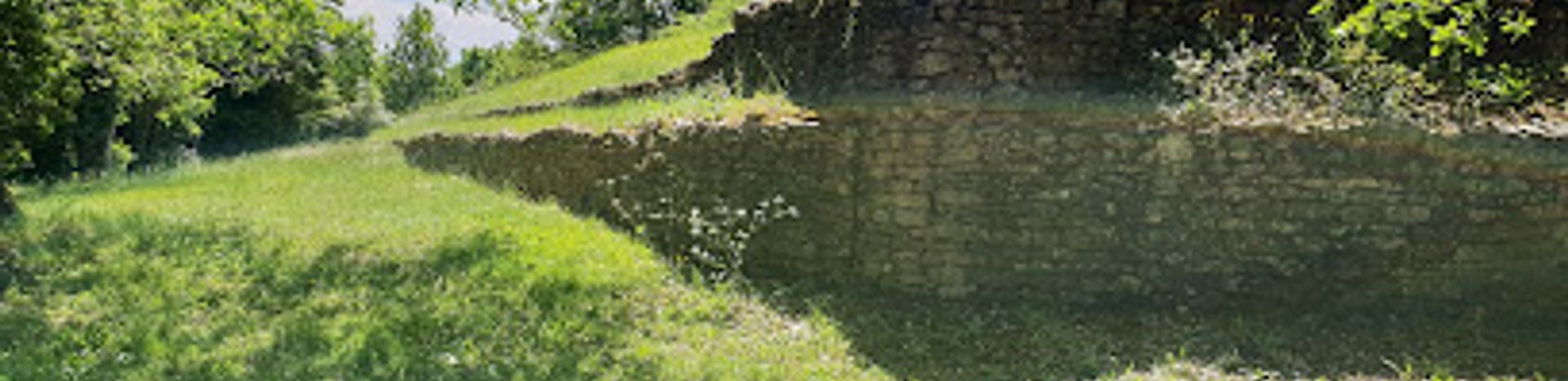
Step back millennia at the Tumulus of Bougon, a remarkable Neolithic site in the Deux-Sèvres department of France. This necropolis, dating back to 4800 BC, features five distinct tumuli (burial mounds), making it one of Europe's oldest and most significant examples of megalithic architecture. Explore the museum, built around the ruins of a Cistercian priory, to delve into the lives of the people who constructed these monumental tombs. Wander through the archaeological site, marvel at the sheer scale of the tumuli, and contemplate the mysteries of the Neolithic period. With its blend of history, archaeology, and stunning rural setting, the Tumulus of Bougon offers a unique and enriching experience for visitors of all ages, providing a tangible link to our distant past. Don't miss this chance to witness a site that predates the Egyptian pyramids by over two thousand years.
A brief summary to Tumulus of Bougon
- La Chapelle de, Bougon, 79800, FR
- +33549051213
- Visit website
- Tuesday 10 am-6:30 pm
- Wednesday 10 am-6:30 pm
- Thursday 10 am-6:30 pm
- Friday 10 am-6:30 pm
- Saturday 10 am-11 pm
- Sunday 10 am-6:30 pm
Local tips
- Visit during the high season (summer) to enjoy guided tours and demonstrations of prehistoric craft techniques included in the entrance ticket.
- Consider purchasing the annual pass for unlimited access to the museum and site throughout the cultural season.
- Explore the outdoor experimental archaeology displays, including the reconstructed longhouse, to gain insights into Neolithic life.

Getting There
-
Driving
From the town of Saint-Maixent-l'École, follow the D938 towards La Mothe-Saint-Héray. After approximately 8km, turn onto the D74 towards Bougon. The Tumulus of Bougon is well-signposted from this point. Parking is available on-site and is free of charge.
-
Public Transport
While there isn't a direct public transport route to the Tumulus of Bougon, you can take a regional train (TER) to the nearby town of Saint-Maixent-l'École. From there, a taxi or ride-share service is required to cover the remaining distance to Bougon (approximately 12km). A taxi from Saint-Maixent-l'École to the Tumulus of Bougon will cost approximately €20-€30. Check local taxi services for exact fares.
Discover more about Tumulus of Bougon
Iconic landmarks you can’t miss

Ancien Chateau du Parthenay
33.6 km
Discover the enchanting Ancien Chateau du Parthenay, a medieval castle steeped in history and surrounded by the charming town of Parthenay.
Baptistère Saint-Jean
38.9 km
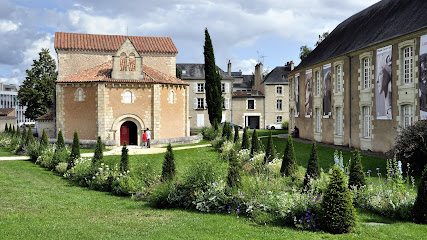
Explore the historic Baptistère Saint-Jean, a jewel of early Christian architecture in Poitiers, steeped in history and serenity.
Notre Dame des Dunes
39.3 km
Explore the architectural beauty and spiritual serenity of Notre Dame des Dunes in Poitiers, a must-visit landmark for tourists seeking cultural enrichment.
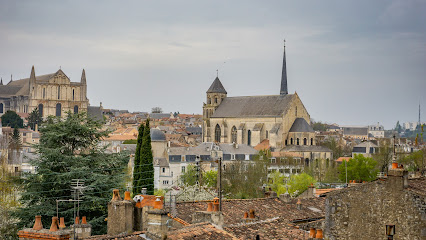
Embarcadère Prada
40.4 km
Discover the enchanting canals of Marais Poitevin with Embarcadère Prada, your gateway to scenic boat tours in the heart of France's Green Venice.
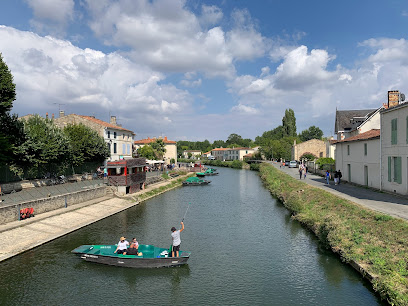
Pier of the Green Venice
46.7 km
Experience the serene beauty of the Green Venice with boat rentals, surrounded by stunning landscapes and tranquil waterways in Le Mazeau.
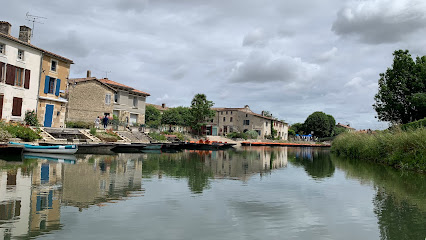
Château Verteuil-sur-Charente
49.6 km
Explore the enchanting Château Verteuil-sur-Charente, a historical castle that offers breathtaking views, rich heritage, and serene gardens in the heart of France.
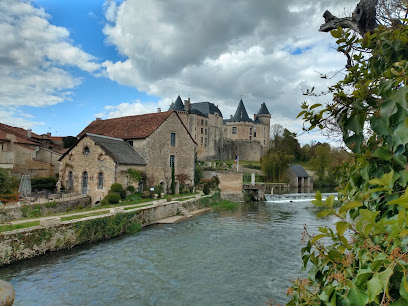
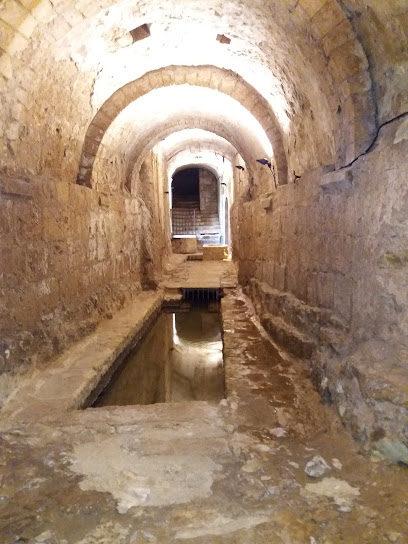
Fontaine Souterraine
50.2 km
Discover Airvault's Fontaine Souterraine: a historic underground spring with unique architecture and a fascinating past.
Marais poitevin
52.6 km
Experience the serene beauty of Marais Poitevin, France's enchanting 'Green Venice', ideal for relaxation, outdoor adventures, and delightful local cuisine.
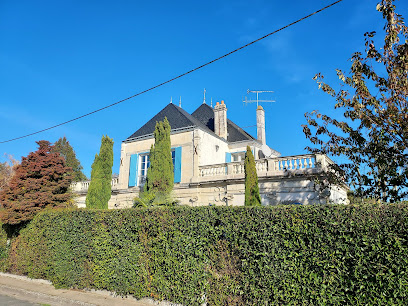
Château de Coussay
55.2 km
Discover the enchanting Château de Coussay, a historic castle that embodies the charm of French heritage and picturesque landscapes.
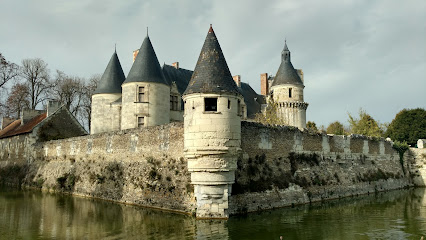
Château de Glénay
55.4 km
Discover the serene beauty and rich history of Château de Glénay, a hidden gem in the heart of France's picturesque countryside.
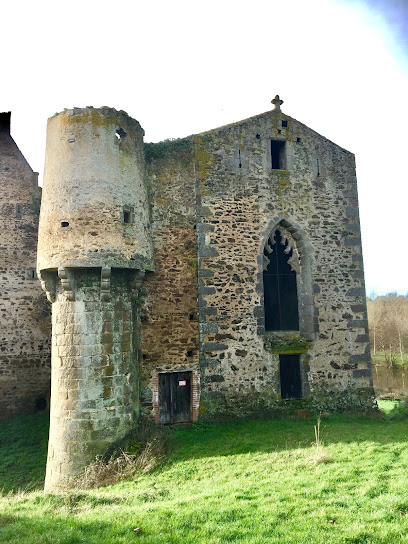
Château de Touffou
56.9 km
Discover the elegance and history of Château de Touffou, a captivating French castle surrounded by beautiful gardens in Bonnes.
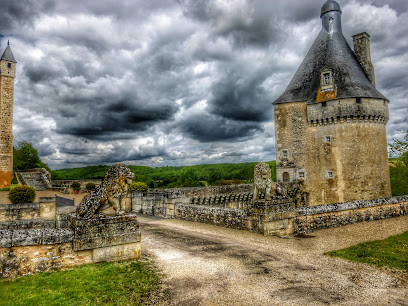
Pole-nature of the Marais Poitevin
59.6 km
Discover the ecological marvels of the Marais Poitevin at the Pole-nature, a wildlife refuge and environmental education center in Taugon, France.
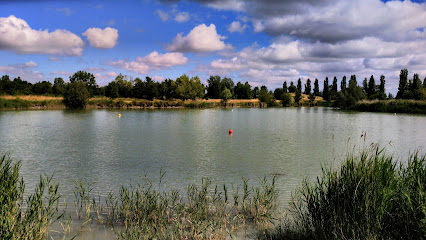
Charente
60.3 km
Experience the picturesque charm of the Charente River in France, a perfect blend of nature, history, and outdoor adventure.
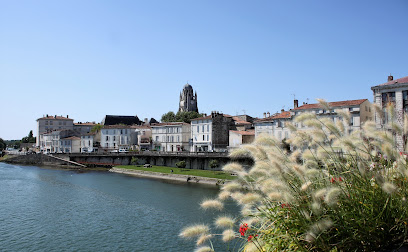
Pierre du sacrifice
61.6 km
Discover the mysterious Pierre du Sacrifice in Cellettes, an archaeological gem that unveils the ancient rituals and rich history of France.
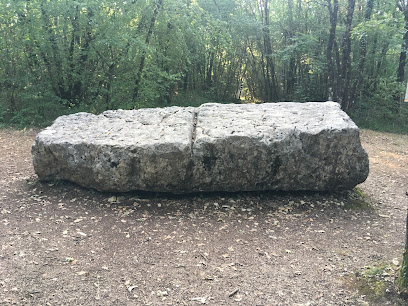
Château d'Oiron
63.8 km
Explore the enchanting Château d'Oiron, a captivating museum and castle blending art, history, and stunning architecture in the heart of France.
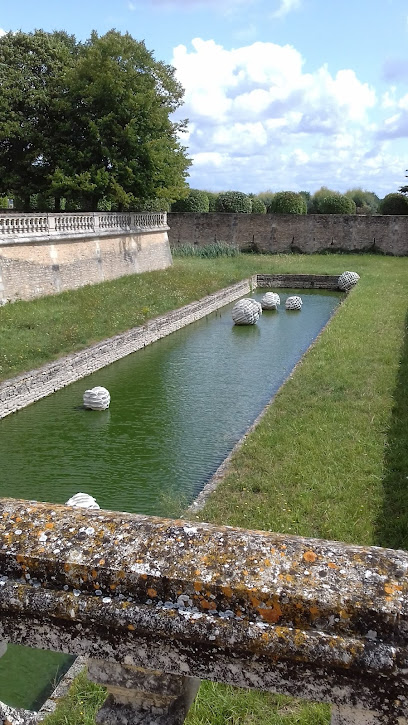
Unmissable attractions to see

Musée du Poitou Protestant
11.8 km
Discover the compelling history of French Protestantism at Musée du Poitou Protestant in Beaussais-Vitré, exploring faith, resilience, and cultural impact through immersive exhibits and guided tours.
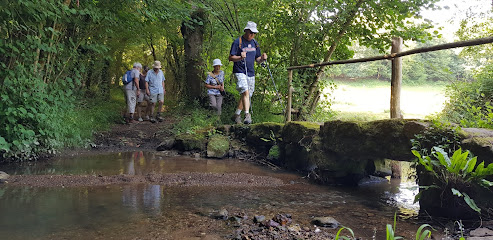
Musée de Rauranum
16.8 km
Discover Gallo-Roman history at Musée de Rauranum in Rom, France. Explore artifacts, interactive exhibits, and guided tours for an immersive experience.
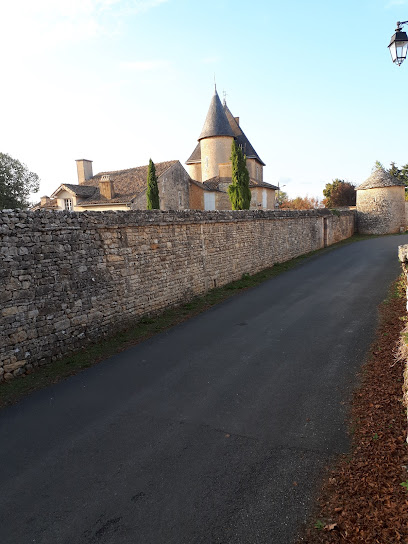
Arboretum du Chemin de la Découverte
17.6 km
Explore a world of trees and local heritage on a repurposed railway line in Melle's enchanting Arboretum du Chemin de la Découverte.
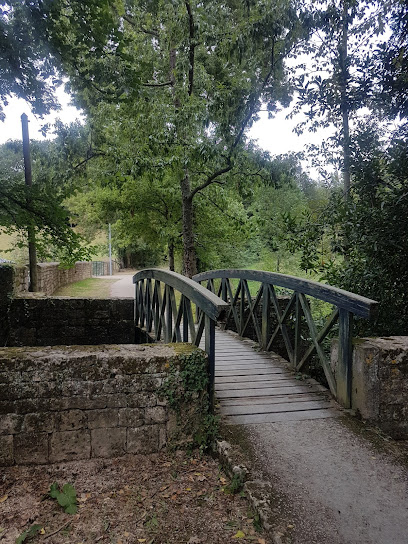
Silver Mine Frankish kings
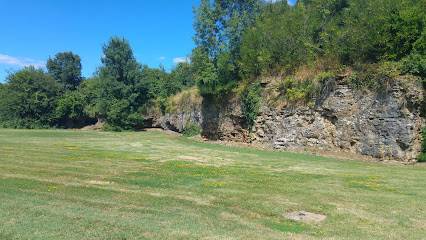
19.0 km
Unearth the secrets of medieval mining at the Silver Mine of the Frankish Kings, a historical treasure in Melle, France. Explore ancient tunnels and Carolingian heritage.
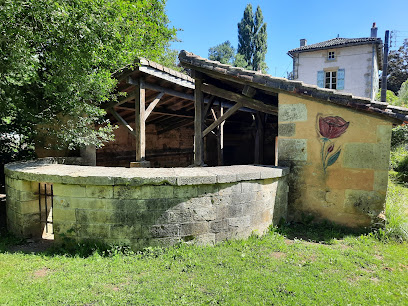
Le Lavoir de Loubeau
19.1 km
Discover Melle's historic Le Lavoir de Loubeau, a charming washhouse offering a glimpse into the past and a peaceful retreat.
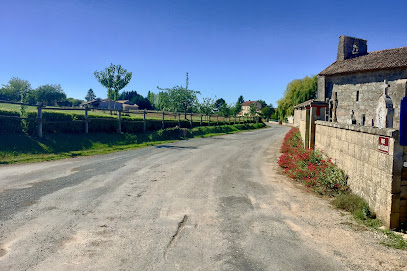
Lanterne des Morts & Tombeaux Mérovingiens
20.6 km
Discover a medieval lantern of the dead and Merovingian tombs in Pers, France, offering a glimpse into early French history and funerary traditions.
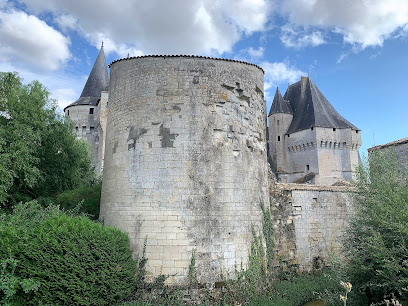
Castle Cherveux
22.5 km
Explore the stunning Castle Cherveux, a medieval gem in Cherveux, France, surrounded by enchanting gardens and rich history.
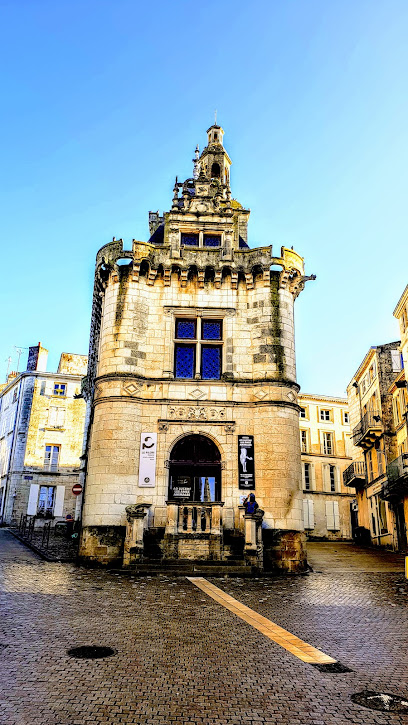
Pilory Museum of Niort
30.8 km
Explore contemporary art in a historic Renaissance setting at Niort's Pilory Museum, a visual arts space with free admission.
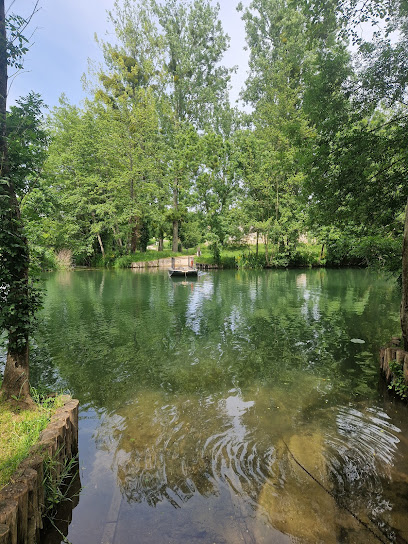
Château de Mursay
30.9 km
Discover the romantic ruins of Château de Mursay in Échiré, a historic site with ties to French royalty and literary giants, offering a peaceful escape into the past along the Sèvre Niortaise river.
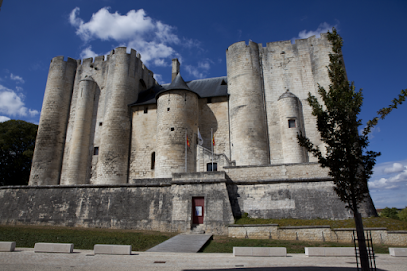
Donjon de Niort
31.1 km
Explore the historic Donjon de Niort, a medieval castle with twin towers offering a glimpse into Niort's past.
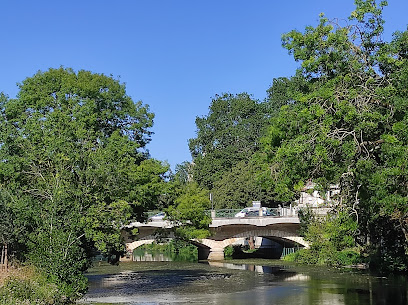
Port Boinot
31.4 km
Discover Niort's revitalized heart at Port Boinot: a blend of history, nature, and culture in a stunning urban park, once home to the Boinot factories, now a vibrant green space.
Looky Land
34.3 km
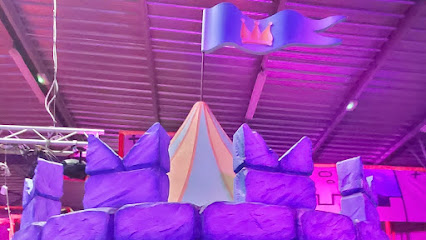
An indoor amusement park in Poitiers with slides, ball pools, and a mini-disco, perfect for kids aged 12 months to 12 years.
Château du Theil
37.9 km
Experience the grandeur of a 16th-century French château, now a luxurious hotel and gourmet restaurant, nestled in the tranquil countryside near Saint-Aubin-le-Cloud.
Lac de Viennay
38.2 km
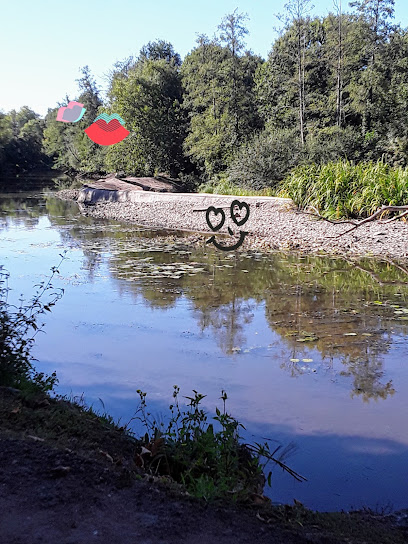
Discover the serene beauty of Lac de Viennay, a tranquil lake in the Gâtine region of France, perfect for relaxation, fishing, hiking, and immersing yourself in nature's embrace.
Picnic
39.9 km
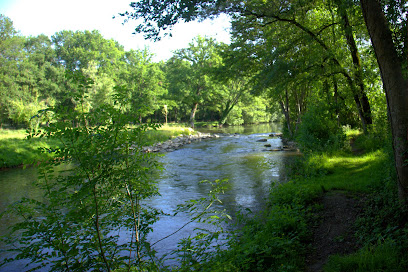
A serene picnic spot by the Charente River in Savigné, perfect for a relaxing escape into the French countryside.
Essential places to dine

La Belle Etoile
31.9 km
Discover the elegance of Haute French cuisine at La Belle Etoile in Niort - where every dish tells a story.
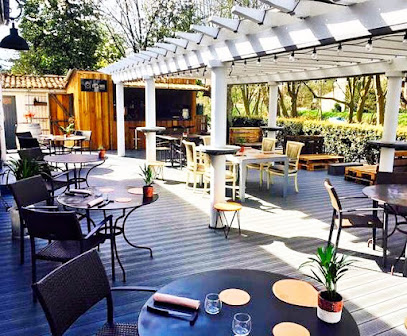
Marais Gourmand
33.9 km
Discover authentic French cuisine at Marais Gourmand in Faye-sur-Ardin, where fresh ingredients meet traditional recipes for an unforgettable dining experience.
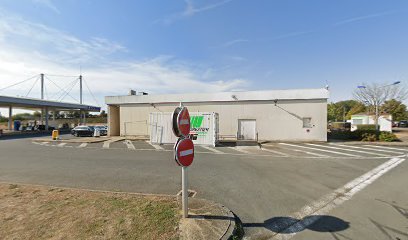
Auberge _ de la Roussille
34.2 km
Discover fine dining at Auberge de la Roussille, where exquisite French cuisine meets elegant ambiance in Niort.
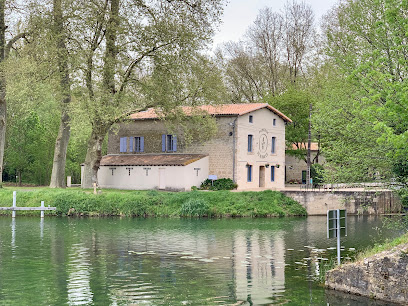
Domaine de La Tuilerie
34.3 km
Experience authentic French cuisine at Domaine de La Tuilerie in Bessines, where delightful flavors meet stunning surroundings.
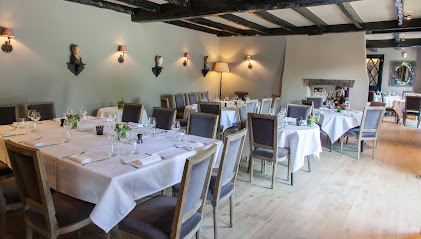
Le bœuf en écailles
36.1 km
Experience authentic French cuisine at Le bœuf en écailles in Magné – where every dish tells a story.
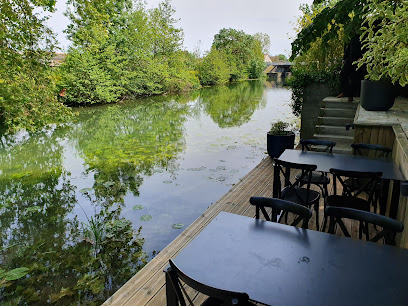
Restaurant le Carré d'Eau
36.1 km
Discover the essence of French cuisine at Restaurant le Carré d'Eau in Magné – where local flavors meet culinary excellence.
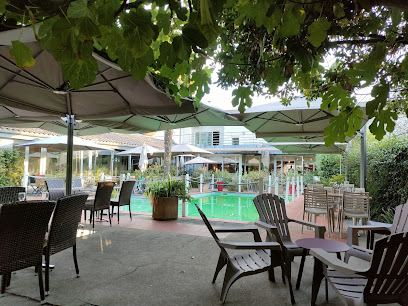
Auberge du Noyer
36.3 km
Discover authentic French cuisine at Auberge du Noyer - a charming restaurant and bed & breakfast nestled in Londigny's picturesque countryside.
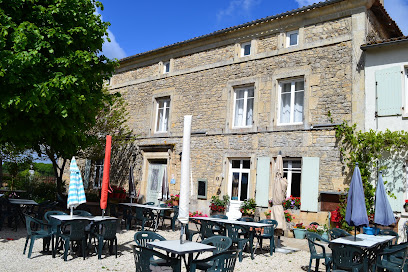
Hostel Le Cul de Paille
38.4 km
Experience authentic French cuisine at Hostel Le Cul de Paille in Poitiers - where every meal tells a story.
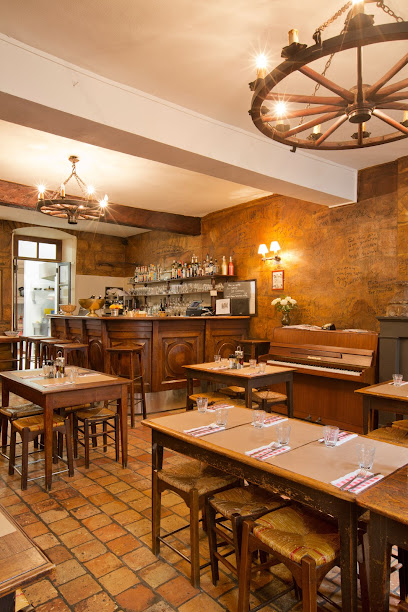
Brasserie de la Repentie
39.9 km
Discover authentic French cuisine at Brasserie de la Repentie in Magné – where tradition meets taste in a cozy atmosphere.
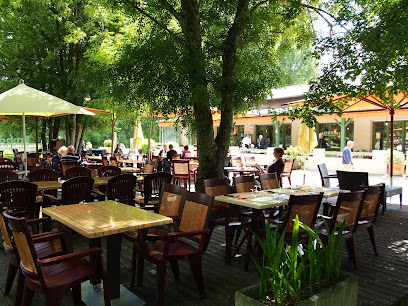
La Pigouille
40.2 km
Experience exquisite French cuisine at La Pigouille while enjoying scenic boat rentals in the heart of Coulon's beautiful waterways.
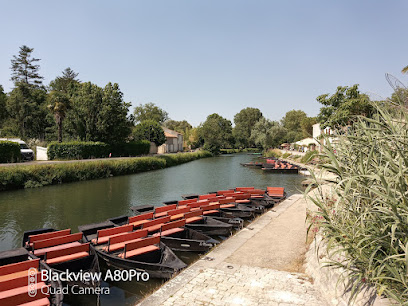
South Dock
40.2 km
Discover authentic French cuisine at South Dock in Coulon, where every dish tells a story amidst serene riverside views.
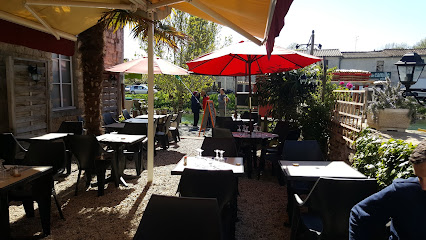
L'Atelier Gourmand
40.2 km
Experience authentic French cuisine at L'Atelier Gourmand in Coulon – a culinary haven offering exquisite flavors and charming ambiance.
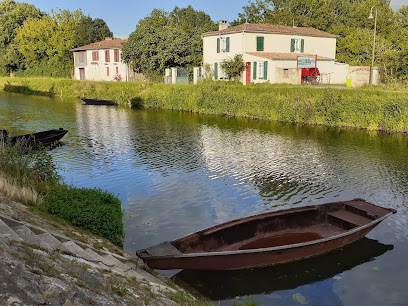
Marais Social Club
40.2 km
Experience the flavors of Coulon at Marais Social Club – where local cuisine meets warm hospitality.
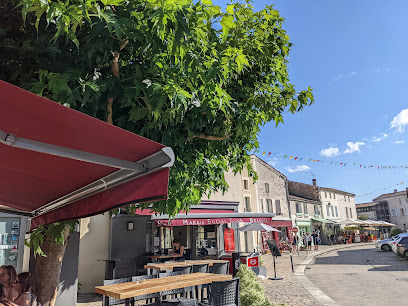
Le Central
40.3 km
Discover authentic French cuisine at Le Central in Coulon - where local flavors meet warm hospitality.
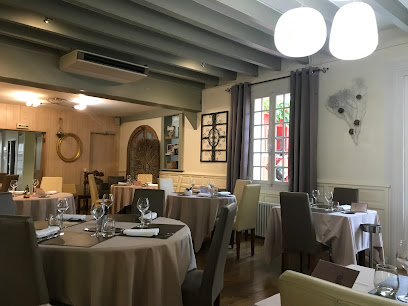
Terrasse de La Roselière
40.5 km
Discover local flavors at Terrasse de La Roselière, where scenic views meet delicious fast food in beautiful Coulon.
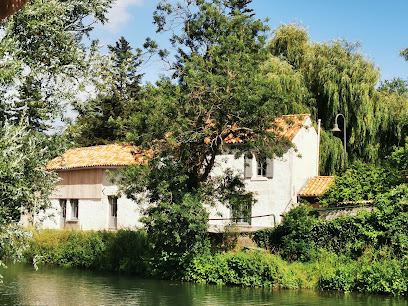
Markets, malls and hidden boutiques

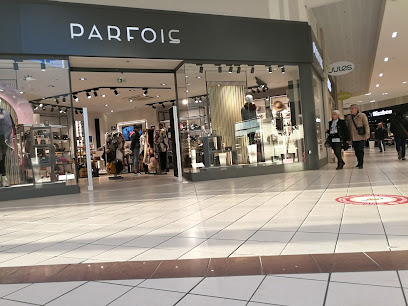
La Galerie - Niort
24.6 km
Discover La Galerie in Niort: A vibrant shopping mall featuring boutiques, dining options, and a unique cultural experience, perfect for all visitors.
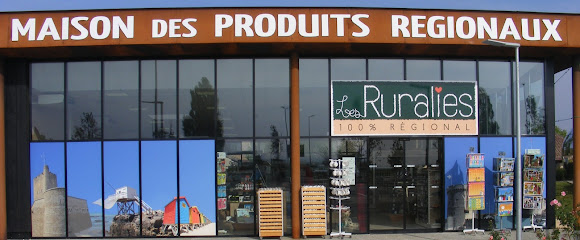
The Ruralies sarl - House of Local Products
25.5 km
Explore The Ruralies sarl for an authentic taste of Poitou-Charentes, featuring local delicacies and unique handcrafted gifts in Aiffres.
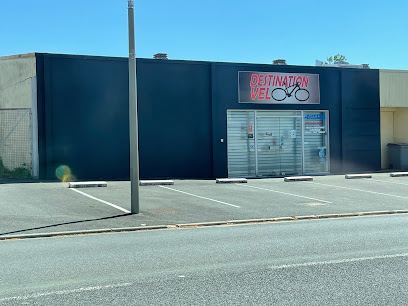
Destination Vélo
29.0 km
Discover the best bicycles and cycling gear at Destination Vélo, your starting point for exploring the scenic routes around Niort, France.
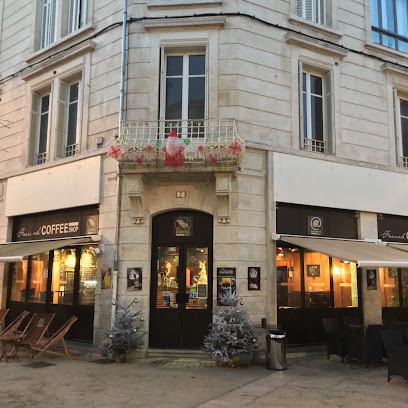
French Coffee Shop
30.8 km
Experience the authentic taste of France at the French Coffee Shop in Niort, where delightful pastries and exquisite coffee await.
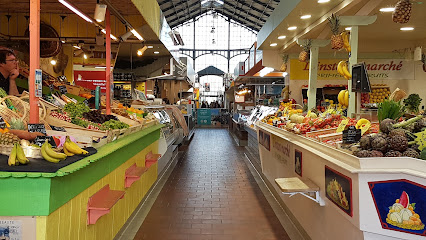
Indoor Market of Niort
31.0 km
Explore the Indoor Market of Niort, a vibrant hub of local produce, artisanal goods, and cultural experiences in the heart of France.
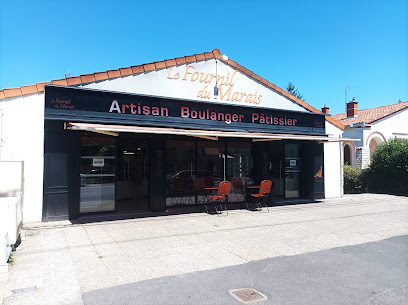
Le Fournil du Marais
32.2 km
Experience the authentic taste of France at Le Fournil du Marais, a charming bakery in Niort offering fresh pastries and artisanal bread.
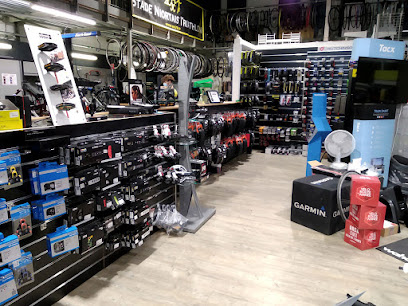
CULTURE VELO NIORT-BESSINES
33.4 km
Unleash your cycling spirit at Culture Vélo Niort-Bessines, where quality bicycles and expert repairs meet the beauty of Bessines' landscapes.
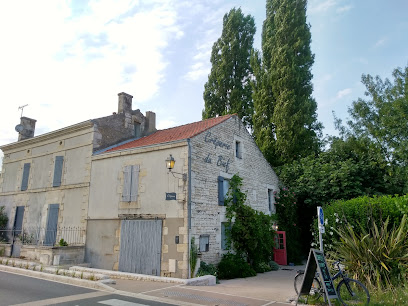
Crêperie du Bief
37.1 km
Experience the authentic taste of Brittany at Crêperie du Bief, where sweet and savory crêpes delight every palate in a charming setting.
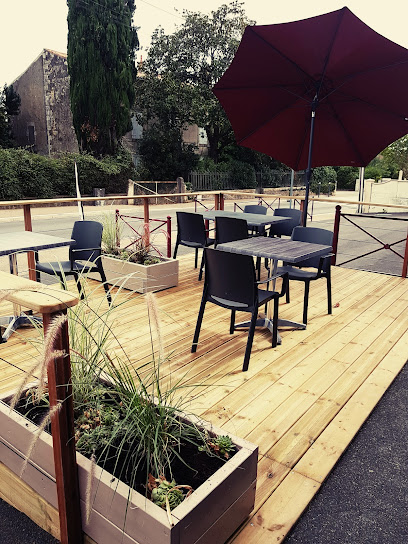
Le Fournil Du Marais Poitevin
37.5 km
Experience the charm of French baking at Le Fournil Du Marais Poitevin, where every pastry tells a story of tradition and flavor.
Super U et Drive
38.1 km
Super U et Drive in Magné: Your one-stop supermarket for groceries, car rentals, and local delicacies, ensuring a seamless experience for every traveler.
Foliae Concept-Store Végétal Poitiers
38.6 km
Explore Foliae Concept-Store Végétal in Poitiers for unique plant-themed gifts and eco-friendly treasures that celebrate nature's beauty.
Cordeliers
38.7 km
Discover Cordeliers in Poitiers: Your ultimate shopping destination for fashion, food, and fun in the heart of France.
Jeanne Grâce
38.8 km
Explore the artistic essence of Poitiers at Jeanne Grâce, a boutique and gallery showcasing local artistry and creativity.
La cabane Maraîchine
39.9 km
Explore La Cabane Maraîchine for unique souvenirs and local gift baskets that capture the essence of Magné, perfect for travelers seeking memorable keepsakes.
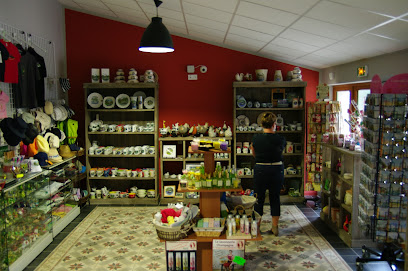
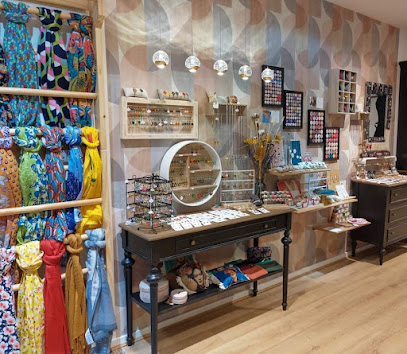
Chic Ethnique
40.2 km
Explore the stylish collections at Chic Ethnique, Poitiers' premier women's clothing store offering the latest trends in fashion.
Essential bars & hidden hideouts

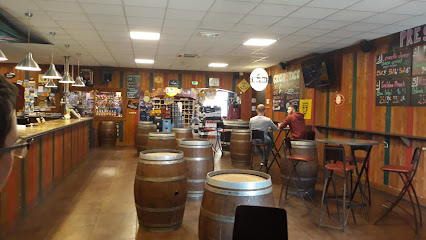
V and B Niort
26.9 km
Discover the vibrant atmosphere of V and B Niort, where craft beer and fine wine meet in a charming setting perfect for relaxation and enjoyment.
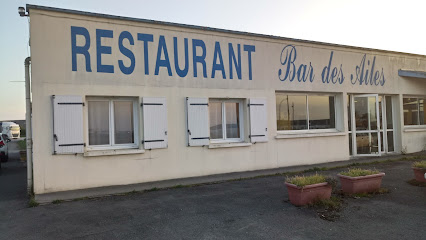
Sarl Bar Des Ailes
27.0 km
Discover the charm of French cuisine at Sarl Bar Des Ailes, a cozy restaurant and bar in Niort offering delightful dishes and a warm atmosphere.
TEMPLE BAR
30.7 km
Discover the lively atmosphere of Temple Bar in Niort, where great drinks, live music, and good company create unforgettable nights.
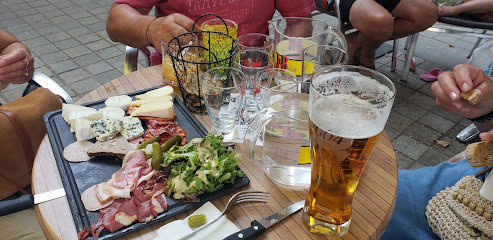
LE CROQUE BEDAINE
30.8 km
Savor the flavors of Niort at Le Croque Bedaine, where fast food meets bar culture for a unique dining experience.
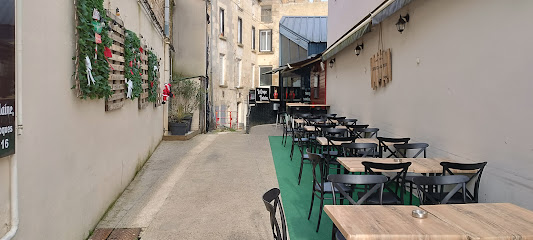
11 Bis Troquet Lounge
31.0 km
Discover the lively ambiance and exquisite cocktails at 11 Bis Troquet Lounge, a must-visit cocktail bar in Niort's vibrant nightlife scene.
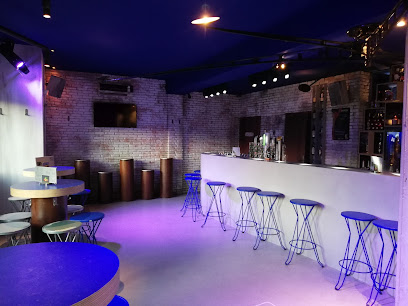
Le Chêne Vert - Restaurant, Bar, PMU, FDJ, Soirées Concert
37.3 km
Experience the heart of French cuisine and vibrant nightlife at Le Chêne Vert in Magné, a perfect blend of tasty dishes and live music.
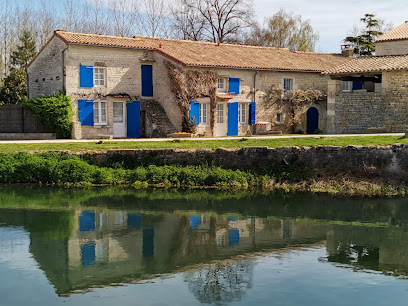
Le Lich'Bar
37.8 km
Discover the unique charm of Le Lich'Bar in Civray, where delightful drinks and a friendly ambiance await you.
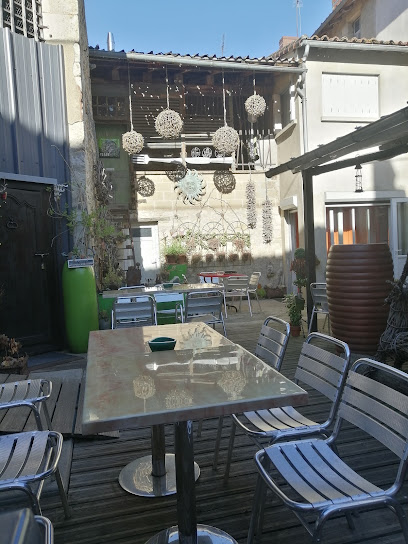
Le Bar A Bulles
38.4 km
Experience the vibrant atmosphere of Le Bar A Bulles in Poitiers, where great drinks and friendly vibes await every visitor.
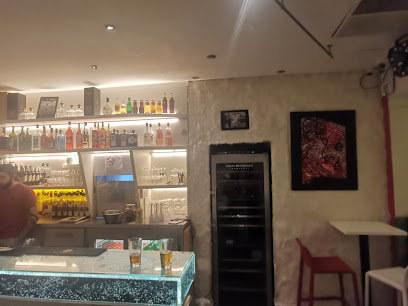
Crafty Brewpub
39.0 km
Experience the rich flavors of Crafty Brewpub in Poitiers, where craft beers and live music create an unforgettable night out in France.
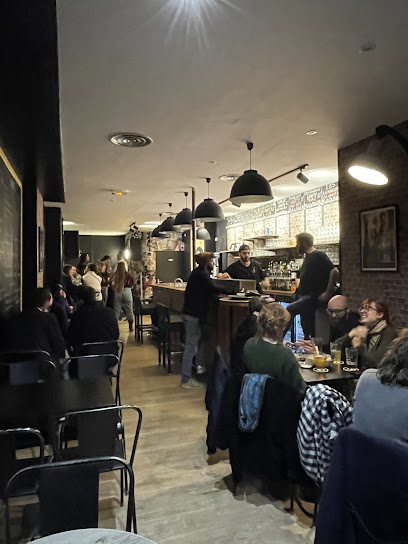
Embarcadere Loisirs du Marais
40.6 km
Discover the tranquil charm of Embarcadere Loisirs du Marais, a perfect getaway for refreshing drinks amidst the stunning landscapes of Marais Poitevin.
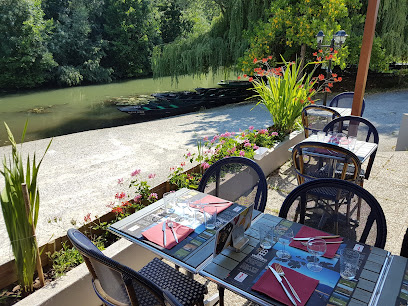
bar les forges
43.0 km
Experience the vibrant atmosphere and local brews at Bar Les Forges, a must-visit beer hall in Taizé-Aizie.
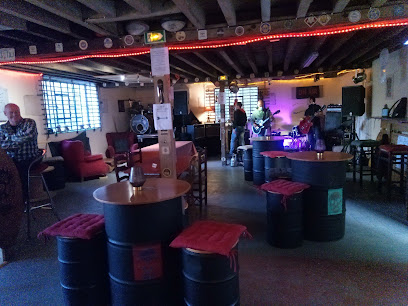
VOODOO BAR
43.9 km
Discover Voodoo Bar in Ruffec: A vibrant lounge offering exquisite cocktails and a lively atmosphere for a memorable night out.
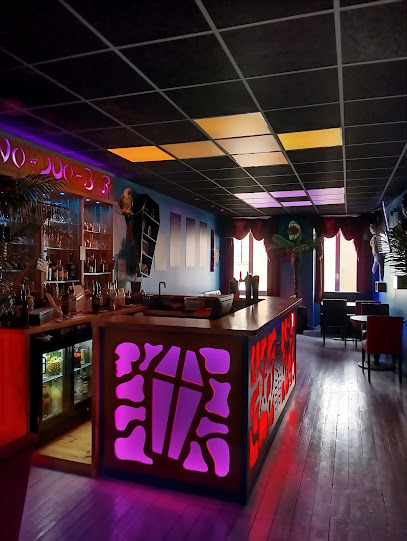
Brasserie la Finambule
46.0 km
Discover the essence of French brewing at Brasserie la Finambule, where tradition meets taste in a charming brewpub atmosphere.
Le Bar à Teurtous
48.7 km
Discover the cozy ambiance of Le Bar à Teurtous in Arçais, where local flavors and friendly service meet in a picturesque setting.
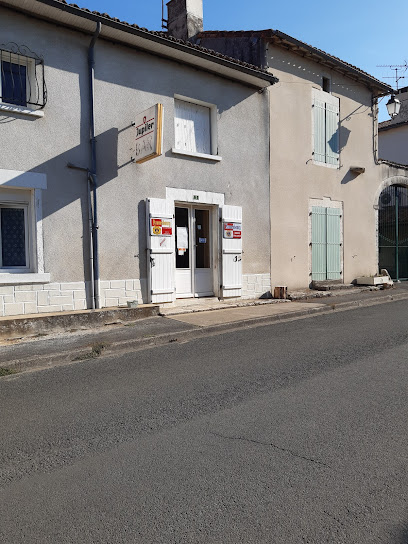
Jupiler Bar
49.9 km
Discover the cozy ambiance and local charm of Jupiler Bar, a perfect spot for relaxation and drinks in Verteuil-sur-Charente.
Nightclubs & after hour spots

The George Sand Club
38.6 km
Discover the vibrant nightlife at The George Sand Club in Poitiers, where the music and atmosphere create unforgettable memories.
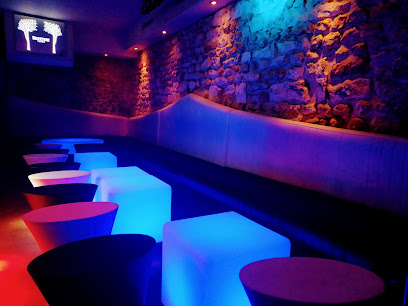
Club Marpen
52.3 km
Experience the vibrant nightlife of Lonnes at Club Marpen, where electrifying music and a lively atmosphere await every guest.
L'opium night club
64.6 km
Experience the electrifying nightlife at L'opium Night Club in Saint-Sauveur-d'Aunis, where music and dance come alive until dawn.
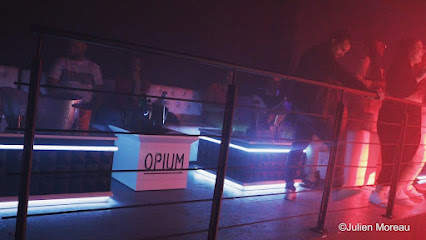
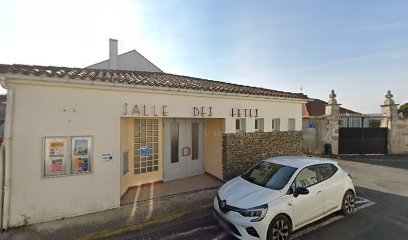
Salle des fêtes
71.6 km
Discover the nightlife of Marans at Salle des fêtes, a vibrant night club offering music, dancing, and unforgettable experiences.
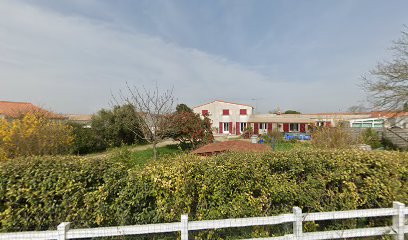
La Machine A Chanter
75.3 km
Discover the heart of French nightlife at La Machine A Chanter, a lively DJ and karaoke bar in Saint-Ouen-d'Aunis, perfect for music lovers.
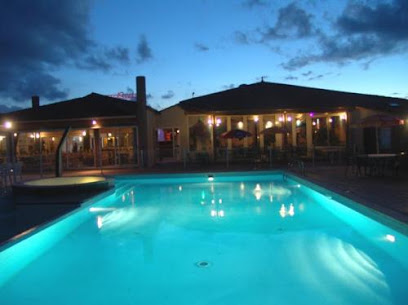
Xtrem Club
77.4 km
Discover the electrifying atmosphere of Xtrem Club, a premier nightlife destination in Monsireigne that offers live music, cocktails, and unforgettable experiences.
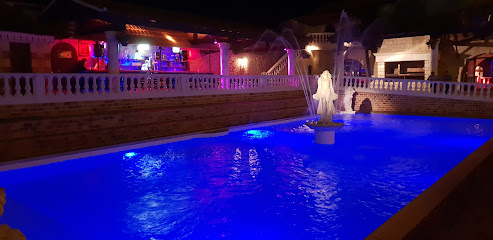
Discothèque Le Manoir
80.4 km
Discover the electrifying nightlife at Discothèque Le Manoir, a premier disco club in Sainte-Hermine, where the music never stops and fun takes the lead.
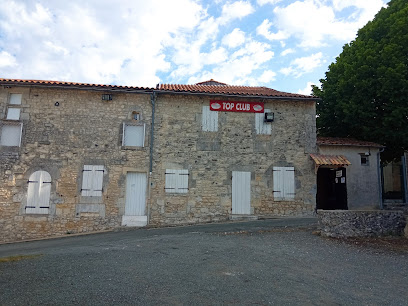
Top Club
82.0 km
Dive into the lively nightlife of Dompierre-sur-Charente at Top Club, where music and fun await every night!
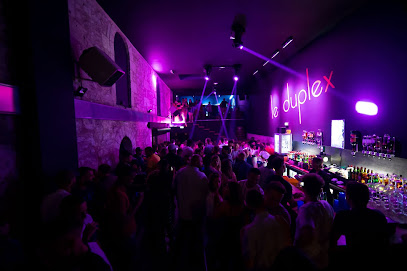
LE DUPLEX
82.4 km
Discover the pulse of Angoulême's nightlife at LE DUPLEX, a premier night club offering an unforgettable night of music and dance.
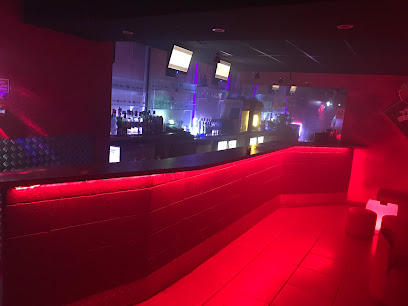
Le Tropic club
83.1 km
Experience the electrifying nightlife at Le Tropic Club in Angoulême, where vibrant music and dancing create unforgettable memories.
LE CLUB 80
83.1 km
Dive into the energetic nightlife of Angoulême at LE CLUB 80, where music and dance create unforgettable experiences.
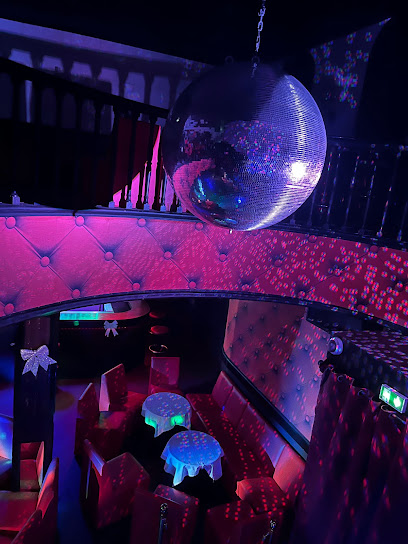
Chez Auguste La Nuit (La Rochelle)
86.8 km
Discover the vibrant nightlife at Chez Auguste La Nuit, a top night club in La Rochelle offering drinks, dancing, and unforgettable experiences.
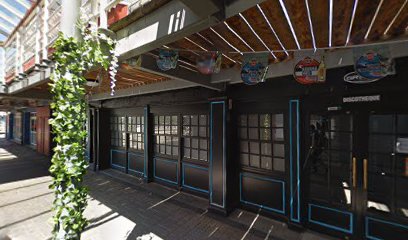
THE WHITE RABBIT - Nightclub
86.9 km
Discover the vibrant nightlife of La Rochelle at The White Rabbit Nightclub, where electrifying music and a lively atmosphere await.
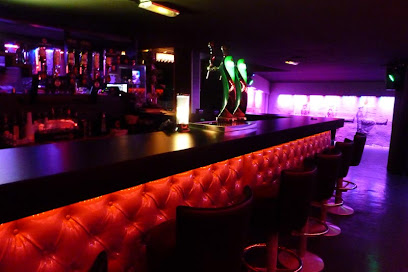
Le Plan B
87.2 km
Experience the vibrant nightlife of La Rochelle at Le Plan B, where karaoke, cocktails, and a welcoming atmosphere await all visitors.
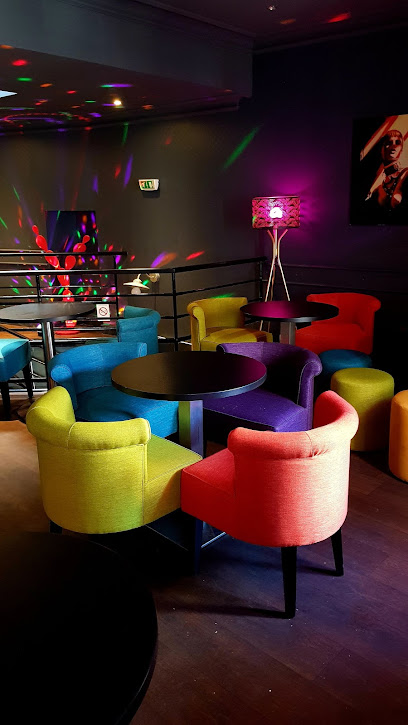
Privilège Club
87.3 km
Discover the vibrant nightlife of La Rochelle at Privilège Club, a premier destination for music, dancing, and unforgettable memories.