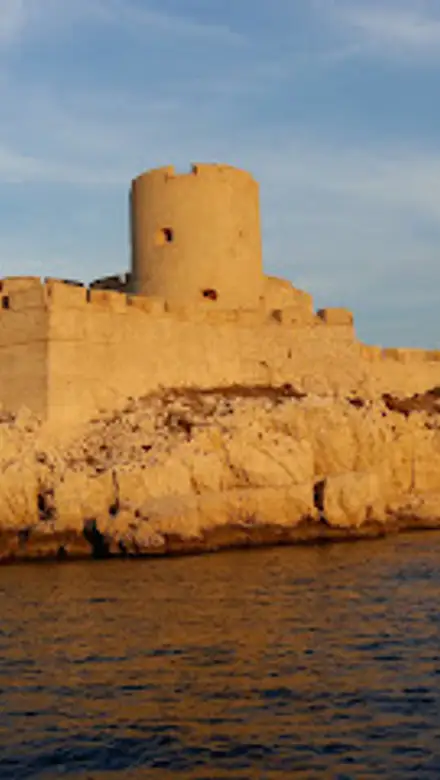
Château d'If, Marseille Travel Guide
Free Guide: Explore the Château d'If, Marseille's historic island fortress and former prison, made famous by Alexandre Dumas's 'The Count of Monte Cristo,' offering stunning views and a glimpse into France's past.


A brief summary of Château d'If
Explore the Château d'If, Marseille's historic island fortress and former prison, made famous by Alexandre Dumas's 'The Count of Monte Cristo,' offering stunning views and a glimpse into France's past.
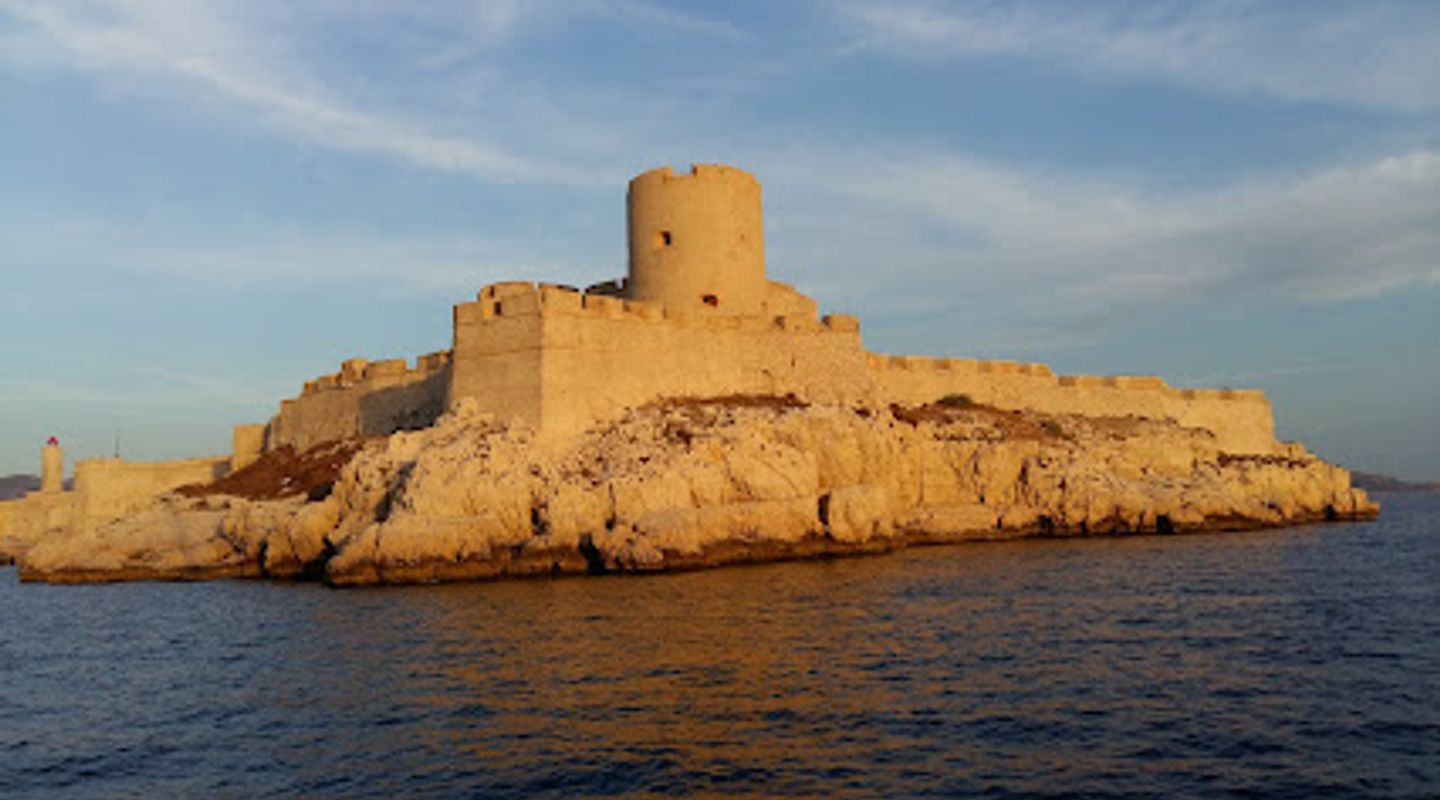
The Château d'If, a formidable fortress perched on a small island in the Bay of Marseille, is steeped in history and legend. Built in the early 16th century by King Francis I, it initially served as a strategic defense against sea-based attacks. However, it soon transitioned into a state prison, gaining notoriety for housing political prisoners, religious figures, and, most famously, inspiring Alexandre Dumas's tale of the Count of Monte Cristo. Today, visitors can explore the castle's ramparts, cells, and stunning views of Marseille, immersing themselves in its captivating past and literary connections. The island offers a unique perspective on Marseille's maritime history and provides a thrilling glimpse into the lives of those who were once confined within its walls. A visit to the Château d'If is a journey through time, blending historical fact with captivating fiction.
Opening hours
- Every day10 am–6 pm
Opening hours as listed on the venue’s Google Business Profile. Hours can change for services and special events, so check with the venue before you go.
- Address
- Embarcadère Frioul If, 1 Quai de la Fraternité, 13001 Marseille
- Phone
- Website
Getting there
Ferry
Discover more about Château d'If
Overview
Rising dramatically from the azure waters of the Mediterranean, the Château d'If stands as a testament to Marseille's rich and often turbulent past. This imposing fortress, located on the Île d'If, the smallest island in the Frioul archipelago, has served as both a formidable defense and a notorious prison, its walls echoing with tales of political intrigue, religious persecution, and literary inspiration. Commissioned by King Francis I in 1524, the Château d'If was initially conceived as a strategic stronghold to protect Marseille from potential invaders. Its construction, completed in 1531, marked a significant step in securing the city's coastline. The fortress, with its square structure, three-story building, and three cylindrical towers, was equipped with large gun embrasures, ready to deter any sea-based attacks. However, its military role remained largely symbolic, as it never faced a direct assault. It was in the late 16th century that the Château d'If began its transformation into a state prison, a role that would define its legacy for centuries to come. Its isolated location and imposing structure made it an ideal place to incarcerate political opponents, religious dissidents, and other individuals deemed threats to the established order. Over the years, the castle housed a diverse array of prisoners, from Protestants during the Wars of Religion to Republicans following the riots of 1848 and the coup d'état of 1851. The conditions within the Château d'If varied greatly depending on the prisoner's status and wealth. Common criminals were relegated to the dark, damp cells on the ground floor, where disease and despair were rampant. In contrast, wealthier prisoners could afford more spacious cells with windows and fireplaces, though even these afforded little comfort. The walls of the cells bear witness to the lives of those who were confined within, with inscriptions and graffiti offering glimpses into their hopes, fears, and daily struggles. Among the Château d'If's most famous (and in some cases, fictional) inmates are figures that have captured the imagination of generations. Jean-Baptiste Chataud, suspected of causing the Great Plague of Marseille in 1720, was imprisoned here. The Comte de Mirabeau, a prominent figure in the French Revolution, also spent time within its walls. Legend has it that the Man in the Iron Mask, the mysterious prisoner whose identity remains unknown, was also held at the Château d'If, though historical evidence suggests otherwise. However, it is Alexandre Dumas's novel, *The Count of Monte Cristo*, that has cemented the Château d'If's place in popular culture. The novel tells the story of Edmond Dantès, a young sailor wrongly accused of treason and imprisoned in the Château d'If. After years of confinement, Dantès escapes with the help of a fellow prisoner, Abbé Faria, and embarks on a quest for revenge against those who wronged him. Dumas's vivid portrayal of the Château d'If as a place of despair and isolation has captivated readers for generations, transforming the fortress into a symbol of injustice, resilience, and the enduring power of hope. Today, the Château d'If stands as a popular tourist destination, attracting visitors from around the world who come to explore its historic ramparts, peer into its gloomy cells, and imagine the lives of those who were once imprisoned within. The castle offers stunning panoramic views of Marseille and the surrounding coastline, providing a unique perspective on the city's maritime heritage. Visitors can reach the Château d'If by taking a short ferry ride from the Vieux-Port (Old Port) of Marseille. Upon arrival, they can explore the castle's various levels, including the ramparts, towers, and former prison cells. Informative exhibits and displays provide insights into the castle's history and its role in *The Count of Monte Cristo*. Guided tours are also available, offering a more in-depth exploration of the site. A visit to the Château d'If is more than just a sightseeing trip; it is a journey through time, a chance to connect with history, and an opportunity to reflect on the enduring power of the human spirit. Whether you are a history buff, a literature enthusiast, or simply a curious traveler, the Château d'If is sure to leave a lasting impression. The Château d'If is open to visitors year-round, with varying hours depending on the season. It is closed on Mondays from October to March, as well as on January 1st, May 1st, and December 25th. It is advisable to check the official website for the most up-to-date information on opening hours and admission fees. Remember to wear comfortable shoes, as there is a fair amount of walking involved, and be prepared for the possibility of strong winds, especially during the off-season. As you stand on the ramparts of the Château d'If, gazing out at the vast expanse of the Mediterranean Sea, you can almost hear the echoes of the past, the whispers of prisoners, and the echoes of Edmond Dantès's triumphant escape. It is a place where history and legend intertwine, creating a truly unforgettable experience.
Evendo Review Centre
 Google
Guest reviews
Explore Château d'If on the map
A handpicked selection of must-see spots near Château d'If, mapped for you.
Get your free copy of our complete guide to Château d'If, delivered straight to you.
Everything on this page, from opening hours and how to get there to Eve’s tips and the best time to go, in one PDF you can read offline, print or share.
Already have an account? Sign in
Your Château d'If guide is ready.
We'll send it to · Not you? Sign out

Getting your guide ready…
We are putting together a fresh copy of the Château d'If guide. This can take up to a minute.
This can take a few moments. If your browser asks, choose Allow so the download can start. You'll find the guide in your Downloads folder.
Nothing happened? Download it again
Sorry, the guide is taking longer than usual. Please try again in a minute, or get it by email instead.
Unlock the best of Château d'If
Skip-the-line tickets, guided tours with entry, and walking tours of the area, booked in a few clicks.

Other nearby places you may find interesting
The closest places of the same kind, if this one is not quite what you had in mind.
-
-
-
-
-


Swipe for more places
More to explore near Château d'If

 Best experiences near Château d'If
 Best hotels near Château d'If
 Best landmarks near Château d'If
 Best attractions near Château d'If
 Best shops near Château d'If
 Best restaurants near Château d'If
 Best bars near Château d'If
Do you manage this location?
Take control to get all the benefits, like improved information, better appearance, and stronger visibility across AI-powered discovery.
Explore more

Explore more of Marseille
Discover Marseille: A captivating blend of ancient history, vibrant culture, and stunning Mediterranean landscapes. Explore the Old Port, historic landmarks, and lively markets.
Explore Marseille
Explore more of France
Explore France: A land of romance, history, and unparalleled beauty, from the iconic streets of Paris to the serene landscapes of Provence and the luxury of the French Riviera.
Explore France