Birthplace of Chateaubriand
Discover the birthplace of François-René de Chateaubriand in Saint-Malo, a glimpse into the life of the father of French Romanticism and a journey through history.
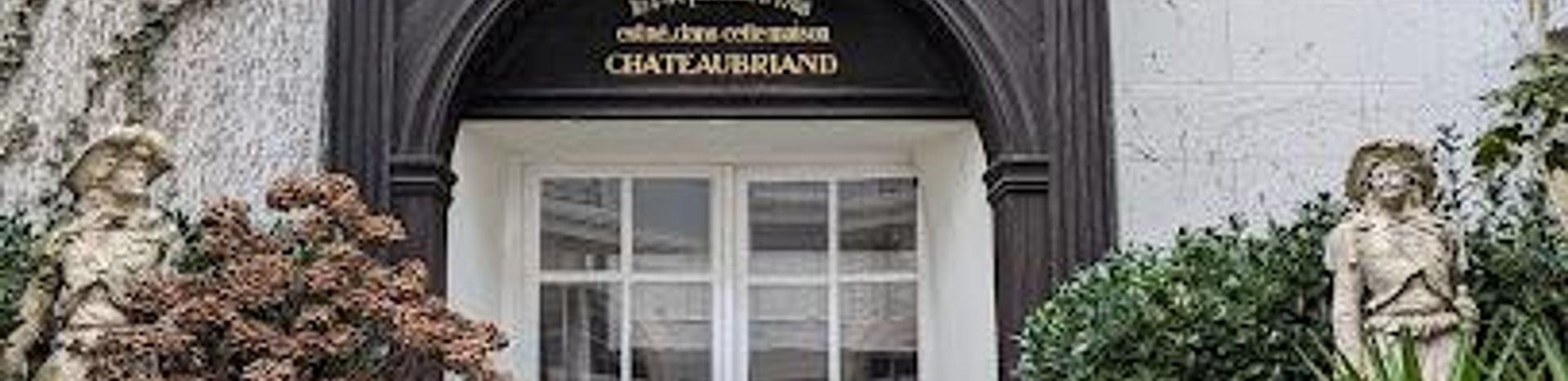
Step back in time and visit the birthplace of François-René de Chateaubriand, the celebrated French writer and political figure, in the heart of Saint-Malo's walled city. Located at 3 Rue Chateaubriand, this historical landmark offers a glimpse into the early life of the man considered the founder of French Romanticism. While the building itself has evolved over the centuries, its significance as the place where Chateaubriand was born in 1768 remains palpable. Explore the charming cobblestone street, imagine the city as it was in the 18th century, and discover the legacy of one of France's most influential literary figures. A visit here provides a deeper understanding of Chateaubriand's connection to Saint-Malo and the inspiration he drew from this coastal city.
A brief summary to Birthplace Chateaubriand
- 3 Rue Chateaubriand, Saint-Malo, 35400, FR
- Monday 12 am-12 am
- Tuesday 12 am-12 am
- Wednesday 12 am-12 am
- Thursday 12 am-12 am
- Friday 12 am-12 am
- Saturday 12 am-12 am
- Sunday 12 am-12 am
Local tips
- Combine your visit with a walk along the ramparts of Saint-Malo for stunning coastal views.
- Check the tide times to visit Chateaubriand's tomb on the Île du Grand Bé, accessible only at low tide.
- Explore the Intra-Muros (walled city) for a complete immersion in Saint-Malo's rich history and culture.

Getting There
-
Walking
From the Saint-Malo Intra-Muros Tourist Office, walk north along the main street (Rue de Dinan) for approximately 200 meters. Turn left onto Rue Chateaubriand. The Birthplace of Chateaubriand is located on the right side of the street at number 3. The walk is short and straightforward, taking about 5 minutes. The area is pedestrian-friendly.
-
Public Transport
If arriving by bus to Intra-Muros, disembark at the 'Intra-Muros' stop, which is the main bus stop just outside the city walls. From there, enter the walled city through the Porte de Dinan. Once inside, walk straight ahead on Rue de Dinan, then turn left onto Rue Chateaubriand. The Birthplace is a short walk from the gate. A single bus ticket costs €1.70 and is valid for one hour and 30 minutes on the bus.
-
Taxi/Ride-Share
Taxis and ride-sharing services can drop you off at the entrance to Intra-Muros (usually near Porte de Dinan or Porte Saint-Vincent) as vehicles are restricted inside the walls. From there, follow the walking directions. A short taxi ride from the Saint-Malo train station to Intra-Muros will cost approximately €10-€15 during the day.
-
Driving
Parking within Intra-Muros is very limited and can be expensive. Consider parking outside the walls at Parking Paul Féval (rue Paul Féval) and taking the free shuttle bus (Express Féval or line 2) to the Intra-Muros bus stop. Alternatively, the Q-Park Saint-Vincent offers underground parking near the Saint-Vincent Gate, but it can be costly. Parking at Paul Féval costs €3.30 per day. Q-Park Saint-Vincent rates vary, but expect to pay around €2.70 per hour.
Discover more about Birthplace Chateaubriand
Iconic landmarks you can’t miss

Micro Zoo Saint-Malo
0.1 km
Explore Micro Zoo Saint-Malo - a captivating fusion of wildlife, education, and fun in the heart of a historic coastal city.
Appartement Jean Noel Saint Malo
0.1 km
Discover the charm of Saint-Malo from the comfort of Appartement Jean Noel, your perfect indoor lodging retreat in the heart of this historic city.
Office de Tourisme de Saint-Malo
0.2 km
Explore the wonders of Saint-Malo with expert guidance at the Office de Tourisme, your essential resource for local insights and travel tips.
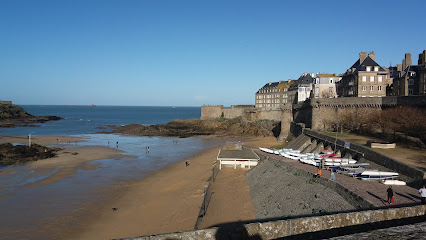
Saint-Vincent Cathedral of Saint-Malo
0.2 km
Discover the architectural beauty and historical significance of Saint-Vincent Cathedral, a must-see gem in the heart of Saint-Malo.

Big Gate
0.2 km
Explore the Big Gate in Saint-Malo, a stunning historical landmark inviting you into a world of maritime heritage and captivating charm.
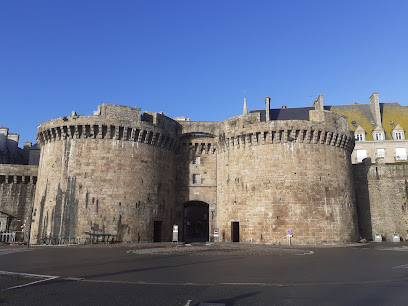
House Quebec
0.3 km
Explore the House Quebec in Saint-Malo for an immersive experience of the rich cultural ties between Quebec and France, set in a stunning coastal city.
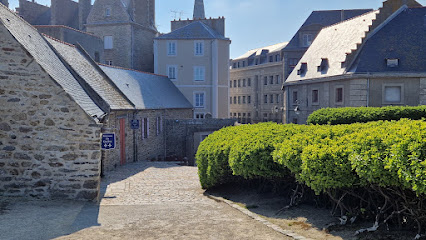
Place des Frères Lamennais
0.3 km
Explore the tranquil beauty of Place des Frères Lamennais, a serene city park in the heart of Saint-Malo, perfect for relaxation and cultural experiences.
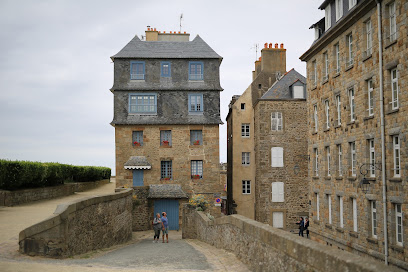
Champs-Vauvert Cavalier
0.3 km
Explore the historic Champs-Vauvert Cavalier in Saint-Malo, a stunning landmark showcasing the city's rich maritime heritage and breathtaking coastal views.
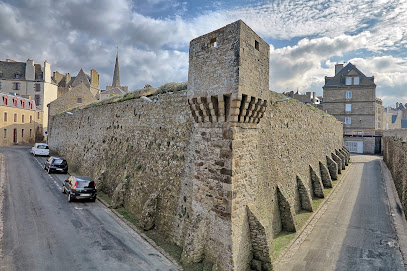
Saint-Malo Intra-Muros
0.3 km
Discover the historic beauty of Saint-Malo Intra-Muros, a fortified coastal town with stunning views, rich history, and delightful French cuisine.
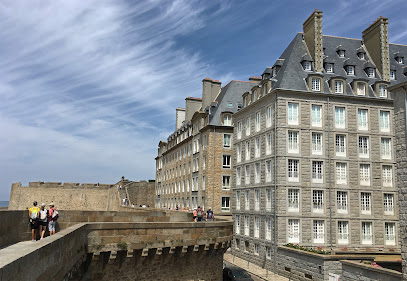
Les Remparts de Saint-Malo
0.3 km
Explore the iconic Les Remparts de Saint-Malo, where history meets breathtaking ocean views in a captivating coastal adventure.
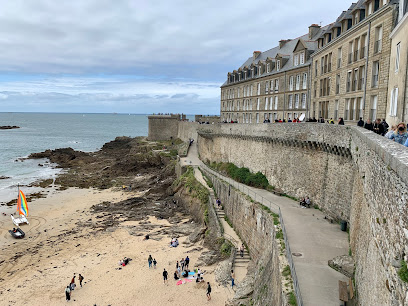
Palais du Grand Large - Saint-Malo
0.4 km
Explore the vibrant Palais du Grand Large in Saint-Malo, where stunning coastal views meet exciting exhibitions and unforgettable events.
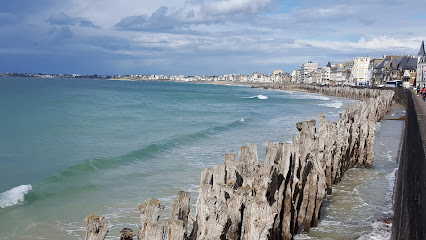
Plage de Bon-Secours
0.5 km
Experience the tranquil beauty of Plage de Bon-Secours, a stunning beach in Saint-Malo, perfect for sunbathing, swimming and savoring local culture.
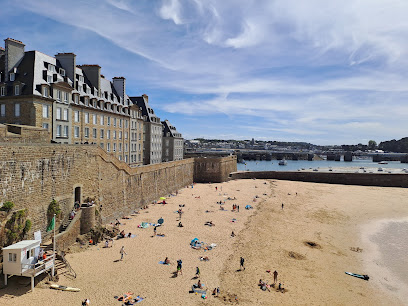
Holland Bastion
0.5 km
Explore the historic Holland Bastion in Saint-Malo, a magnificent landmark offering rich history and stunning coastal views.
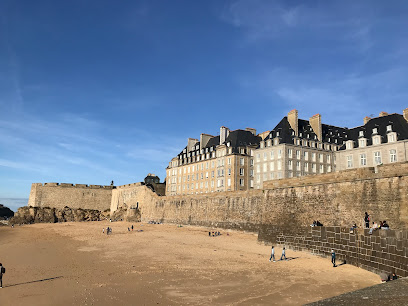
Tombeau de Chateaubriand
0.7 km
Discover the serene beauty and literary legacy at Tombeau de Chateaubriand in Saint-Malo, a must-visit monument for travelers and history enthusiasts.
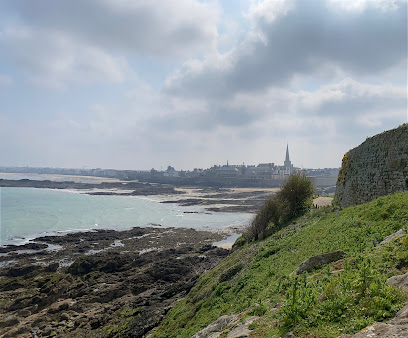
Petit Be Fort
1.1 km
Explore Petit Be Fort, a stunning historical landmark in Saint-Malo, rich in maritime history and surrounded by breathtaking coastal views.
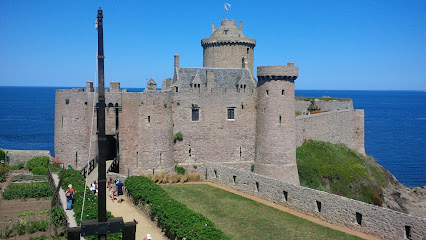
Unmissable attractions to see

Pl. Vauban
0.0 km
Discover Place Vauban in Saint-Malo, the perfect starting point to explore the ramparts, historic Intra-Muros, and captivating maritime history of this charming French city.
Pl. Chateaubriand
0.1 km
Discover the enchanting Pl. Chateaubriand, a vibrant square in Saint-Malo perfect for relaxation, dining, and soaking up local culture.
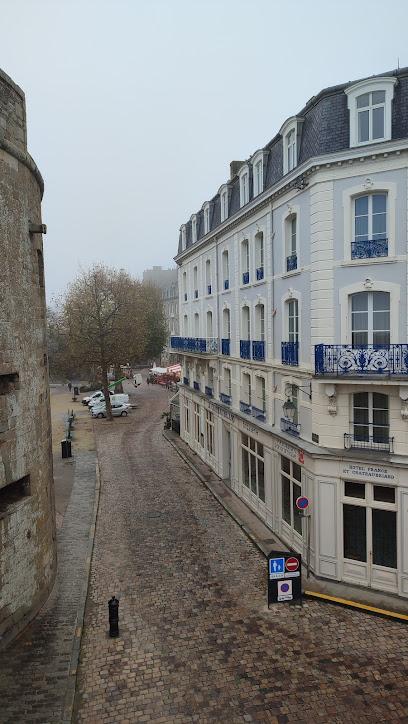
Porte Saint Thomas
0.1 km
Discover Porte Saint Thomas in Saint-Malo, a historic gateway offering stunning views and a glimpse into the city's maritime past, inviting you to explore its rich heritage and architectural grandeur.
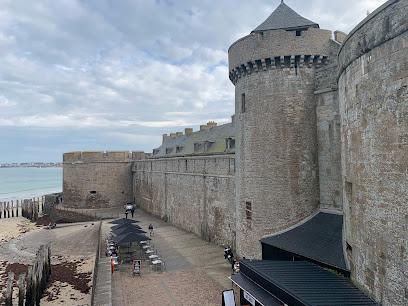
Rue du Pelicot - historic road
0.1 km
Discover Rue du Pelicot in Saint-Malo: A historic gem with cobblestone streets, timber-framed houses, and captivating glimpses into the past.
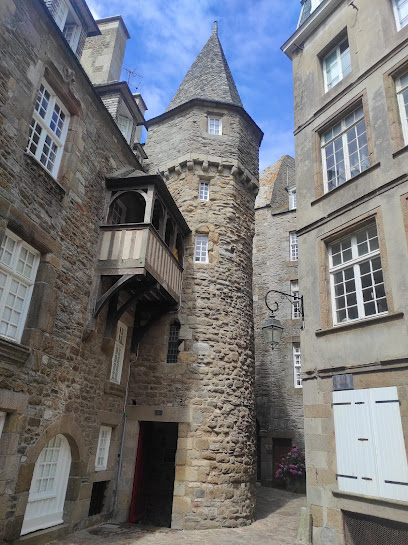
Maison de la Duchesse Anne - Saint-Malo
0.1 km
Discover the medieval charm of Maison de la Duchesse Anne in Saint-Malo, a historic house with unique architecture and a rich past.
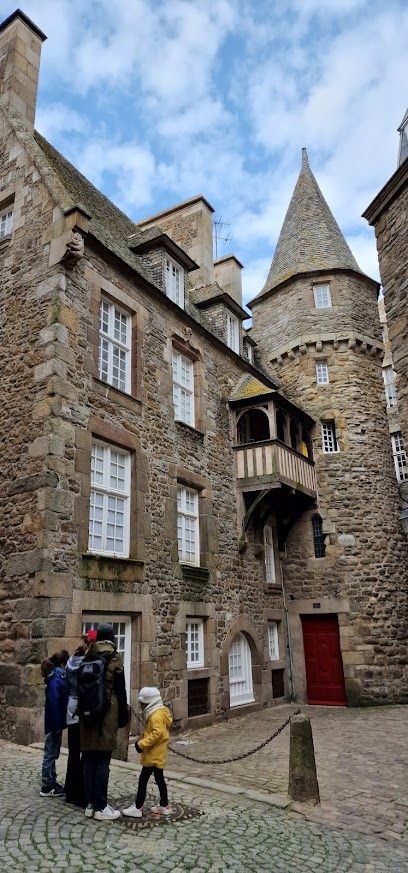
Saint-Malo Castle
0.2 km
Explore the historic Château de Saint-Malo, a symbol of Breton resilience and maritime heritage, offering panoramic views and a journey through time.
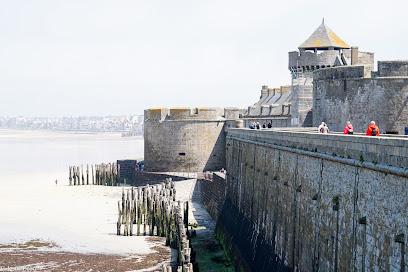
Douves Garden
0.2 km
Find serenity in Saint-Malo's Douves Garden, a peaceful green space offering a tranquil escape at the foot of the city's historic ramparts.
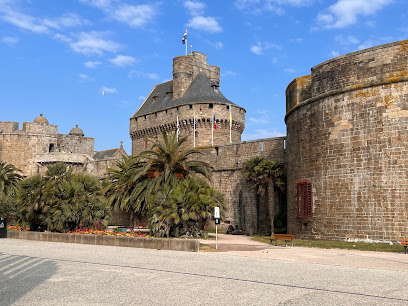
Plage de l’éventail
0.2 km
Discover Plage de l'Éventail in Saint-Malo: a blend of history and relaxation on Brittany's scenic coast.
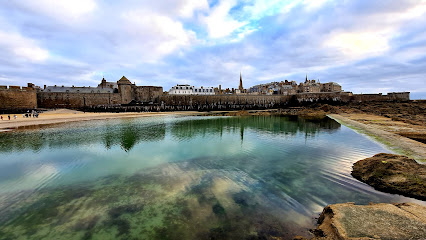
La Cité Corsaire
0.3 km
Explore Saint-Malo, the Corsair City: a historic walled port in Brittany with ramparts, forts, and stunning coastal views.
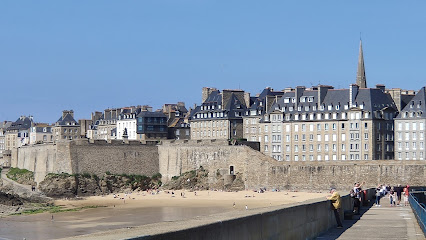
Bateau de Kito
0.3 km
Explore the historic Bateau de Kito in Saint-Malo, a maritime attraction showcasing stunning views and Brittany's nautical heritage.
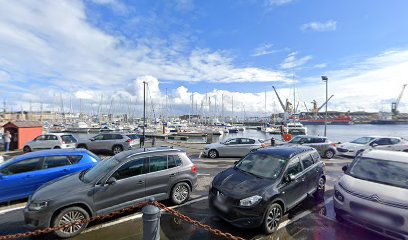
Bidouane Tower
0.3 km
Explore Bidouane Tower in Saint-Malo: a historic sentinel offering panoramic views and a glimpse into the city's maritime past.
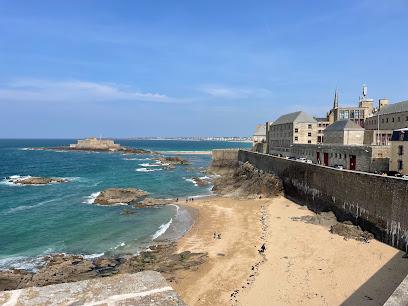
Porte des Bes
0.4 km
Discover the historic Porte des Bes in Saint-Malo, a 17th-century gate offering a glimpse into the city's fortified past and architectural grandeur.
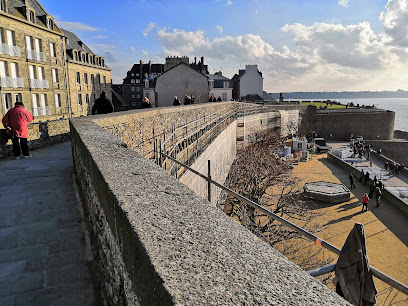
Tour Notre Dame
0.4 km
Explore Tour Notre Dame in Saint-Malo, a historic tower offering stunning views and a glimpse into the city's rich maritime past.
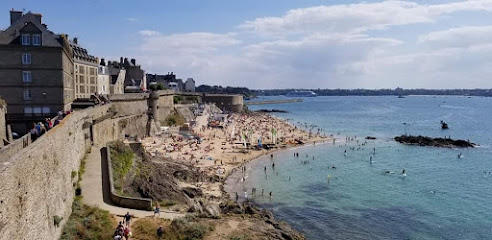
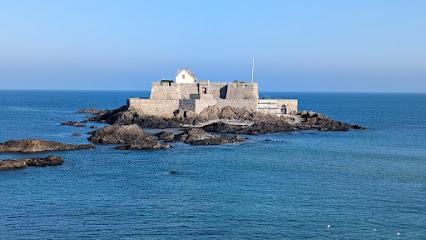
National Fort
0.4 km
Explore Fort National in Saint-Malo: a historic fortress accessible at low tide, offering panoramic views and a glimpse into the past.
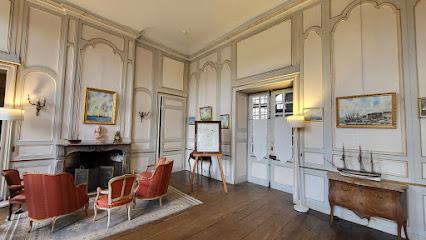
Demeure de Corsaire
0.5 km
Explore the world of Saint-Malo's privateers in an authentic 18th-century mansion, a window into the city's maritime past.
Essential places to dine

Restaurant panoramique Le 5 Saint-Malo
0.0 km
Discover breathtaking views and exquisite French cuisine at Restaurant Panoramique Le 5 in Saint-Malo.
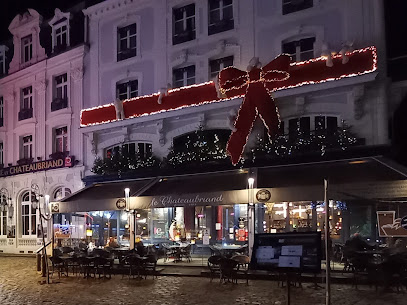
Annadata
0.1 km
Experience exquisite organic fine dining at Annadata in Saint-Malo—where every dish tells a story of freshness and flavor.
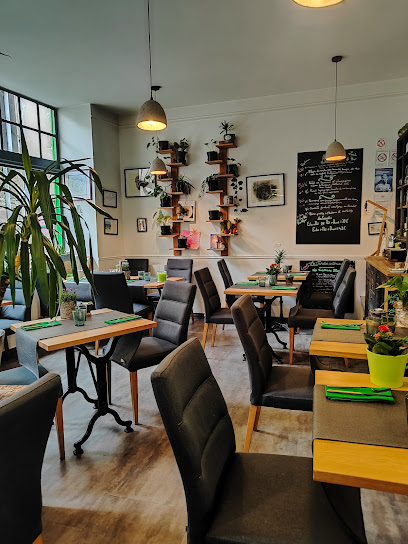
Brasserie du Lion D'Or
0.1 km
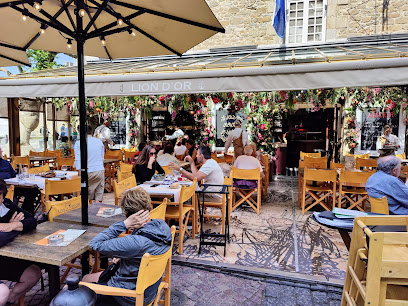
Experience exquisite French cuisine at Brasserie du Lion D'Or in Saint-Malo - where tradition meets modern culinary artistry.
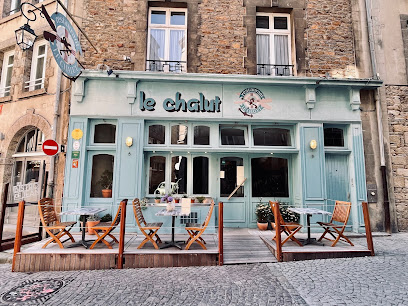
Le Chalut
0.1 km
Discover exquisite French cuisine at Le Chalut in Saint-Malo, where fresh seafood meets elegant dining.
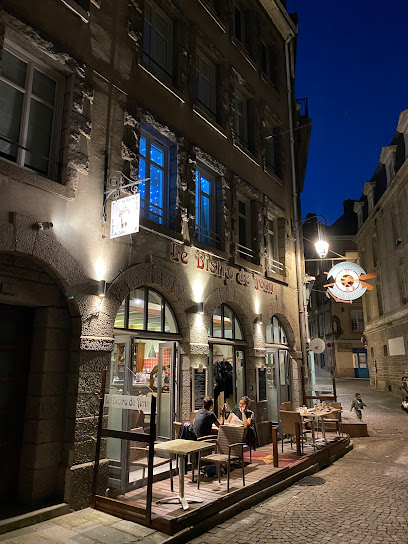
Le Bistro de Jean
0.1 km
Experience authentic French cuisine at Le Bistro de Jean in Saint-Malo, where every dish tells a story of tradition and flavor.
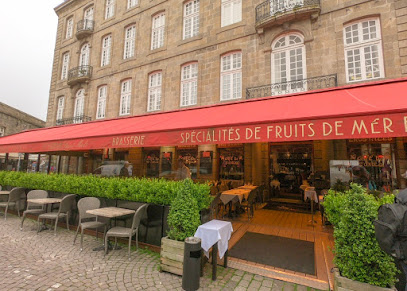
Le Café de Saint Malo
0.1 km
Experience authentic French dining at Le Café de Saint Malo, where fresh seafood meets traditional culinary excellence in a charming coastal setting.
FIDELIS
0.1 km
Discover the essence of French gastronomy at FIDELIS in Saint-Malo - where every dish tells a story.
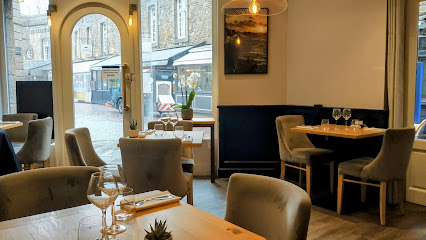
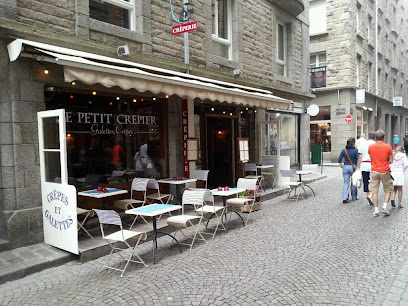
Le Petit Crêpier
0.2 km
Discover authentic Brittany flavors at Le Petit Crêpier in Saint-Malo - indulge in delicious crepes crafted from fresh local ingredients.
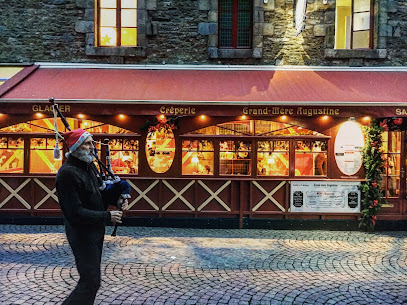
Grand Mère Augustine
0.2 km
Discover authentic Brittany flavors at Grand Mère Augustine, a beloved creperie in Saint-Malo offering delightful sweet and savory crepes.
le père bougeard
0.2 km
Discover authentic Breton flavors at Le Père Bougeard, where delicious crêpes meet warm hospitality in picturesque Saint-Malo.
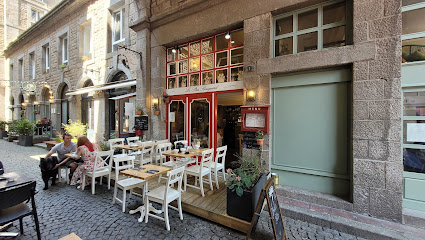
Le Bistrot de Cathy
0.2 km
Discover authentic French cuisine at Le Bistrot de Cathy in Saint-Malo – a delightful blend of tradition and local flavors.
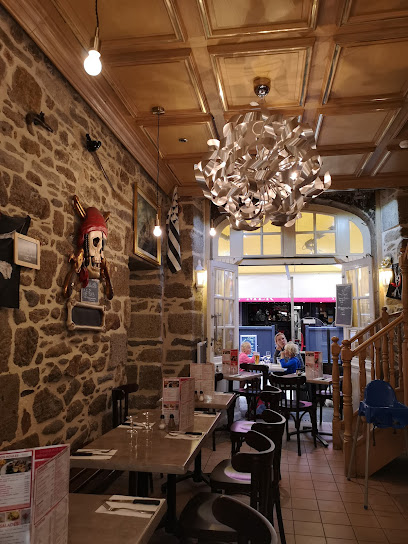
La Tempête
0.2 km
Experience the authentic flavors of Brittany at La Tempête in Saint-Malo - where tradition meets culinary excellence.
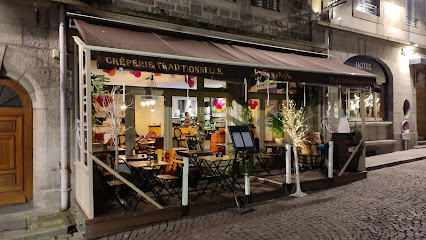
Crêperie Le Tournesol
0.2 km
Discover authentic Breton flavors at Crêperie Le Tournesol in Saint-Malo—where every crêpe tells a delicious story.
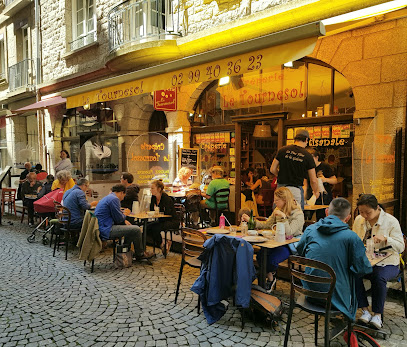
Bergamote
0.3 km
Discover the heart of French gastronomy at Bergamote in Saint-Malo – where every crêpe tells a story.
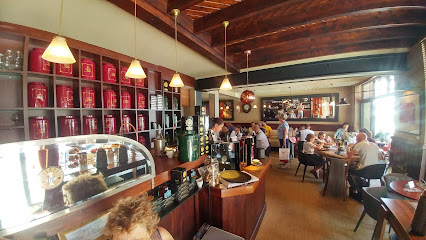
L’entracte
0.3 km
Experience authentic French cuisine at L’entracte in Saint-Malo – where every meal tells a story.
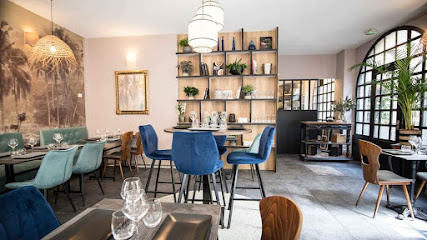
Markets, malls and hidden boutiques

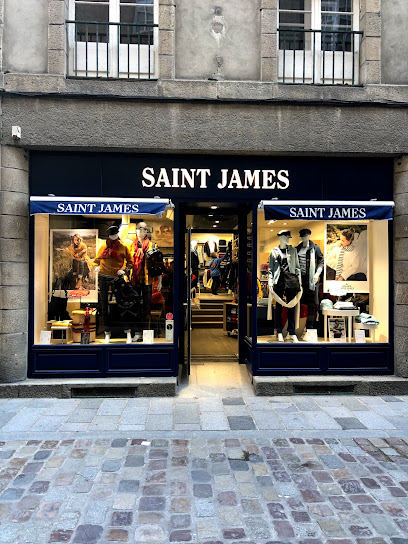
SAINT JAMES - Saint Malo
0.1 km
Explore Saint James in Saint Malo for a unique shopping experience filled with stylish men's and women's clothing that captures the essence of French fashion.
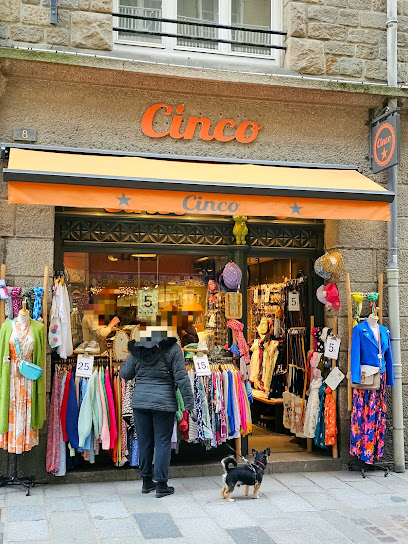
Cinco
0.1 km
Discover unique local crafts and stylish fashion at Cinco, the charming boutique in the heart of Saint-Malo, France's historic coastal gem.
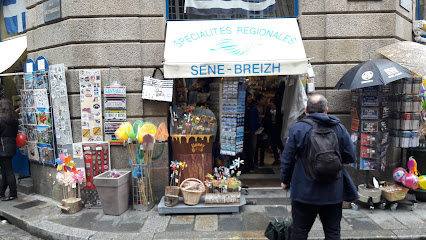
Sene-Breizh
0.1 km
Explore Sene-Breizh in Saint-Malo for exquisite gift baskets filled with local delicacies and artisanal treasures from Brittany.
Orson Bay Saint-Malo
0.1 km
Discover stylish women's clothing at Orson Bay in Saint-Malo, where contemporary fashion meets coastal charm in a delightful shopping experience.
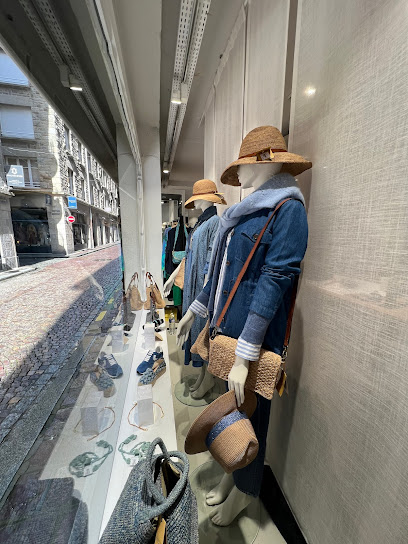
Boutique Marouch
0.1 km
Discover elegance and style at Boutique Marouch, Saint-Malo's premier destination for women's clothing and fashion accessories.
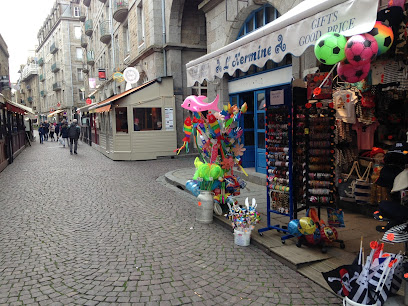
Joret Janick
0.2 km
Discover unique gifts and local treasures at Joret Janick, a charming gift shop in the heart of Saint-Malo, perfect for every traveler.
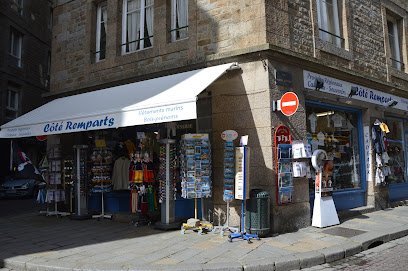
Côté Remparts - Saint-Malo
0.2 km
Explore Côté Remparts in Saint-Malo for unique gifts, stylish clothing, and local specialties that capture the essence of Brittany.
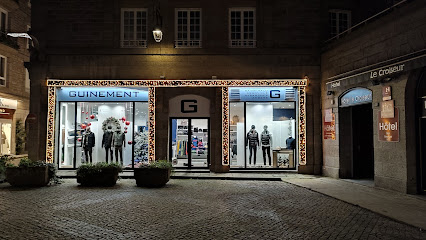
GUINEMENT BOUTIQUES
0.2 km
Discover stylish men's fashion at Guinement Boutiques in Saint-Malo, where quality meets contemporary elegance in a charming setting.
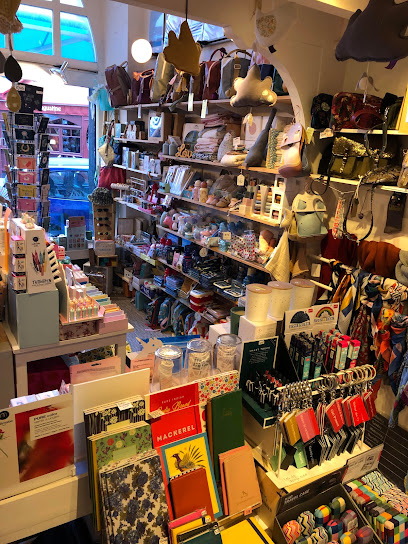
Nanna Bazaar-My Little Concept Store
0.2 km
Explore Nanna Bazaar, a charming gift shop in Saint-Malo, offering unique handcrafted items and local treasures that embody the spirit of this coastal town.
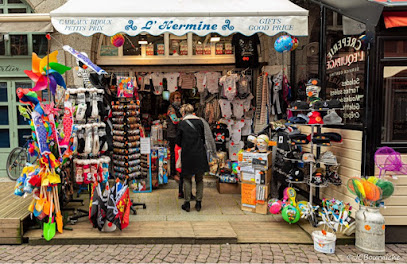
L'Hermine
0.2 km
Discover L'Hermine, a unique gift shop in Saint-Malo offering handcrafted souvenirs and local treasures to cherish your French escape.
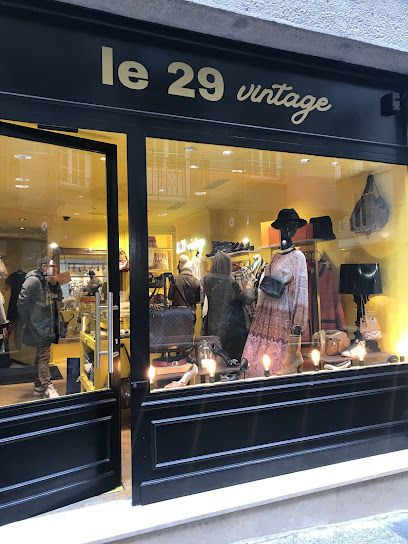
le 29 Saint Malo
0.2 km
Discover stylish women's clothing at Le 29 Saint Malo, where French elegance meets modern trends in a charming boutique setting.
La Manufacture Saint-Malo
0.2 km
Explore La Manufacture Saint-Malo, where local craftsmanship meets exquisite shopping in the heart of this historic coastal city.
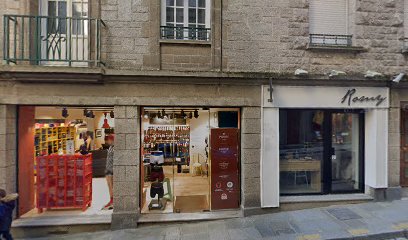
Boutique 727 Sailbags
0.2 km
Explore Boutique 727 Sailbags in Saint-Malo for exquisite leather goods inspired by nautical heritage. Unique gifts and artisan craftsmanship await you.
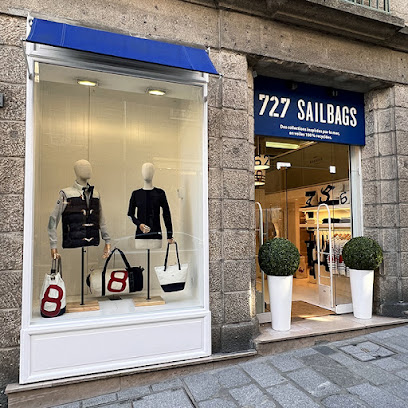
Trésors de St Malo
0.2 km
Explore Trésors de St Malo, a charming store offering local crafts, gourmet treats, and unique souvenirs in the heart of Saint-Malo.
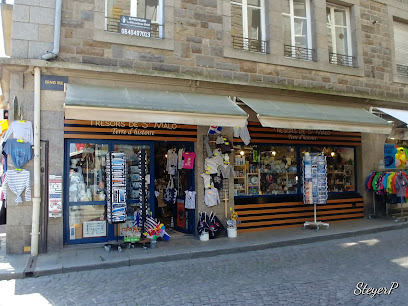
V'Mode
0.3 km
Discover unique women's fashion at V'Mode, a stylish boutique in the heart of Saint-Malo, where coastal charm meets contemporary style.
Essential bars & hidden hideouts

L'Alchimiste
0.0 km
Experience the charm of L'Alchimiste, a cozy bar in Saint-Malo offering delightful drinks and a vibrant atmosphere perfect for tourists.
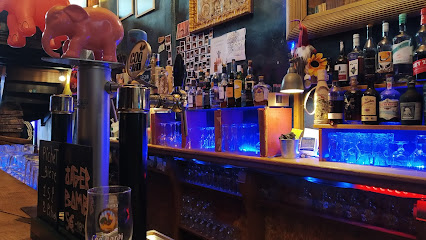
Saint Patrick
0.1 km
Discover the lively atmosphere and local flavors at Saint Patrick Pub, a charming spot in the heart of Saint-Malo, perfect for relaxation and socializing.
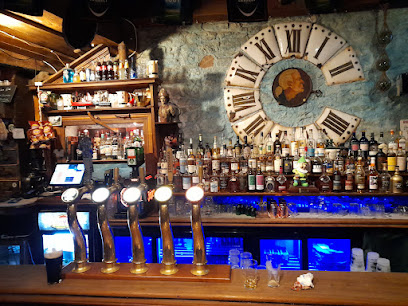
La Java Café
0.1 km
Discover La Java Café in Saint-Malo: A vibrant bar and café offering delicious treats and a unique atmosphere for tourists and locals alike.
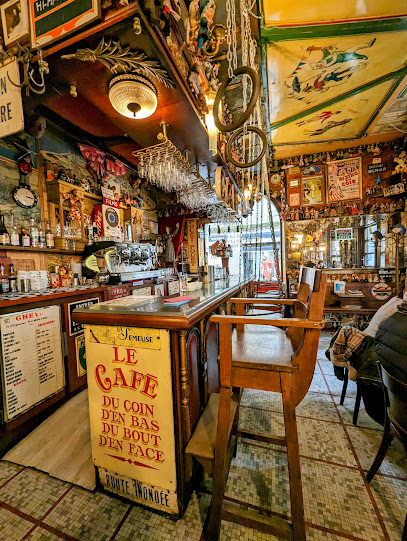
La Mer à Boire Saint-Malo
0.3 km
Experience the best of French wines in the heart of Saint-Malo at La Mer à Boire, a welcoming wine bar with an impressive selection and cozy atmosphere.
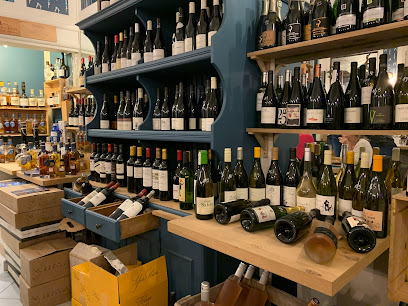
L'Equinoxial
0.3 km
Experience the lively atmosphere of L'Equinoxial in Saint-Malo, where sports, Irish charm, and delicious food come together in a vibrant setting.
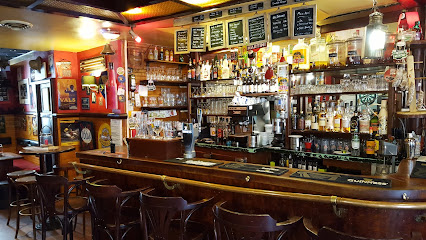
The Riff Magnetic
0.3 km
Discover the lively atmosphere of The Riff Magnetic, a top live music bar in Saint-Malo, where great tunes and good times await.
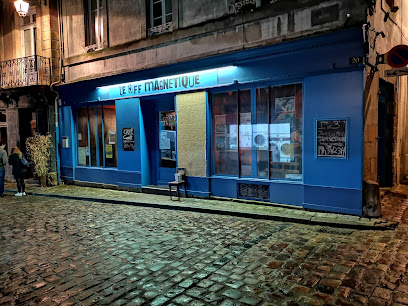
Le Galion
0.3 km
Experience exquisite seafood and vibrant atmosphere at Le Galion, Saint-Malo's top bar and restaurant with stunning harbor views.
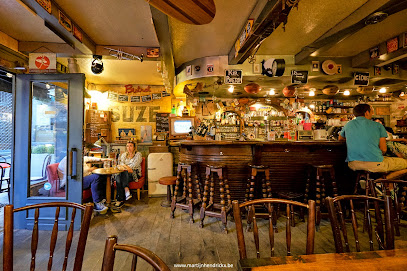
Bar L'Aviso
0.3 km
Experience the vibrant blend of cocktails and Irish pub culture at Bar L'Aviso in the heart of Saint-Malo.
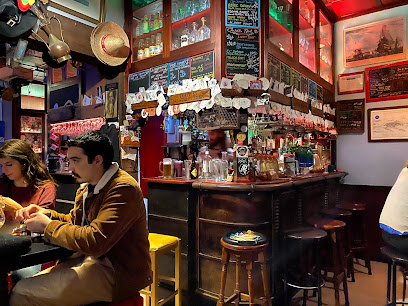
L'Alambic
0.3 km
Discover L'Alambic in Saint-Malo, where exceptional coffee meets a cozy atmosphere, perfect for relaxation and enjoyment.
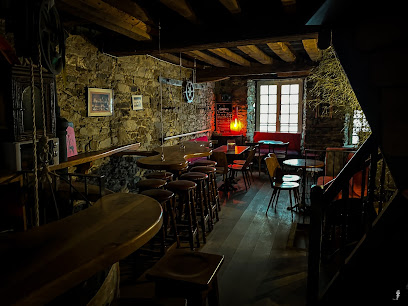
L’Encrier
0.4 km
Discover the coastal charm of L’Encrier, a vibrant bar in Saint-Malo offering an exquisite selection of drinks and a welcoming atmosphere for all.
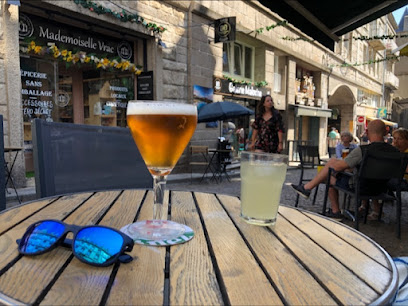
Le Quoicoubar
0.4 km
Experience the lively atmosphere and local flavors at Le Quoicoubar, a top bar destination in the heart of Saint-Malo.
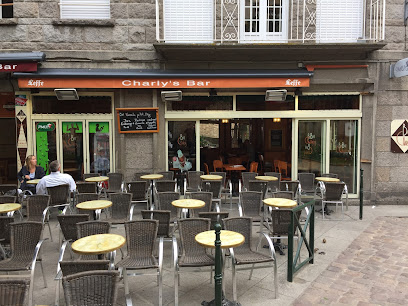
La Fabrique Bar Saint Malo
0.4 km
Discover La Fabrique Bar in Saint-Malo: a lively spot for craft cocktails, local beers, and unforgettable live music experiences.
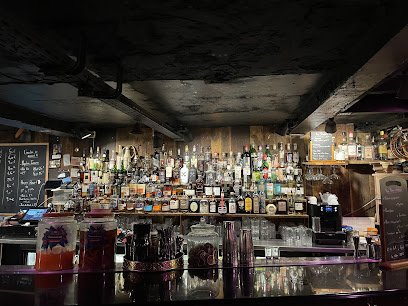
l'Embraque
0.4 km
Experience the lively atmosphere of l'Embraque, a premier beer hall in Saint-Malo, offering local brews and delightful snacks in a charming setting.
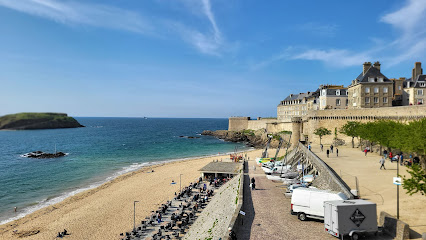
La Belle Epoque
0.5 km
Discover La Belle Epoque, a charming bar and coffee shop in Saint-Malo, where vintage ambiance meets delightful beverages and local flavor.
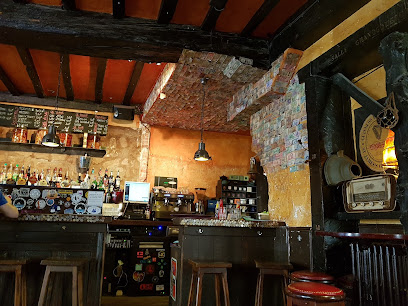
Le Dock
0.8 km
Discover Le Dock in Saint-Malo: A delightful brasserie offering exquisite French cuisine and breathtaking waterfront views.
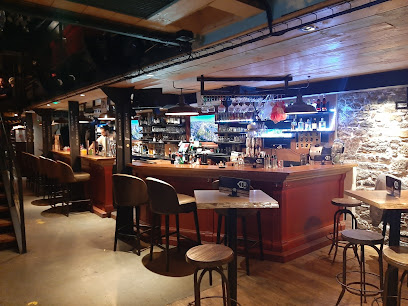
Nightclubs & after hour spots

Shamrock
0.3 km
Experience the lively spirit of Ireland at Shamrock, a charming pub in Saint-Malo offering cocktails and a welcoming atmosphere.
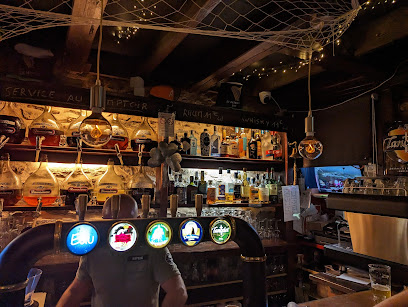
109 le Club
0.4 km
Discover the vibrant nightlife of Saint-Malo at 109 le Club, a unique blend of entertainment, culture, and relaxation.
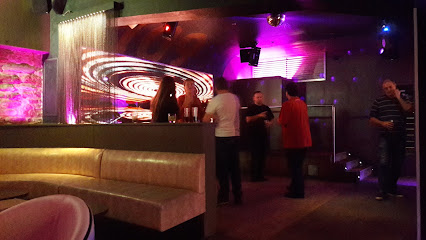
Le Cartel Saint-Malo
1.4 km
Discover the vibrant atmosphere of Le Cartel Saint-Malo, where bubble tea, hookah, and karaoke come together for a memorable night out.
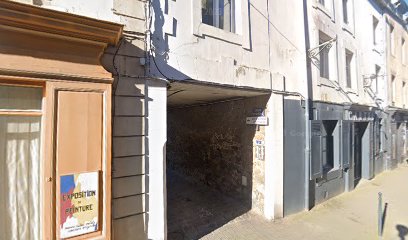
La Fabrique À Concert
1.7 km
Immerse yourself in the vibrant world of jazz at La Fabrique À Concert, the heartbeat of live music in Saint-Malo, France.
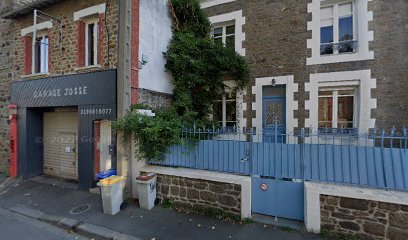
L'Escalier Club
4.8 km
Discover the electrifying nightlife at L'Escalier Club, the premier disco club in Saint-Malo, where unforgettable nights and vibrant dance floors await.
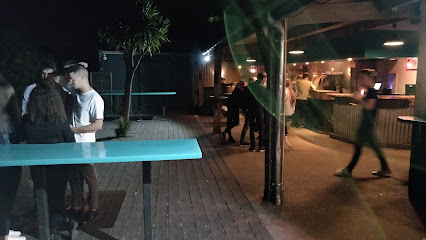
La Chaumière Dinard/St-Lunaire
6.5 km
Experience the vibrant nightlife at La Chaumière, a premier disco club in Saint-Lunaire, where music and laughter create unforgettable moments.
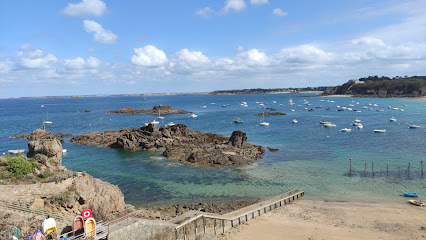
Disco New Bronson
24.3 km
Discover the pulsating nightlife of Dol-de-Bretagne at Disco New Bronson - where the dance floor awaits your moves.
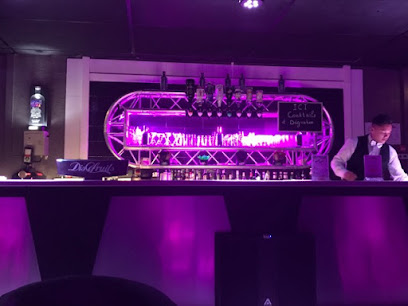
Mont Saint-Michel Bay
27.0 km
Discover the breathtaking beauty of Mont Saint-Michel Bay, where stunning tides and rich history create an unforgettable coastal experience in France.
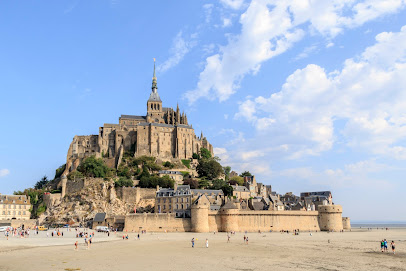
Cabaret Saint-Michel
32.1 km
Discover the magic of Cabaret Saint-Michel in Roz-sur-Couesnon, where exquisite dining meets captivating live performances for an unforgettable evening.
Chez Jane Bar & Broc
35.8 km
Discover the cozy ambiance and local flavors at Chez Jane Bar & Broc in Carolles, a perfect retreat for travelers seeking relaxation.
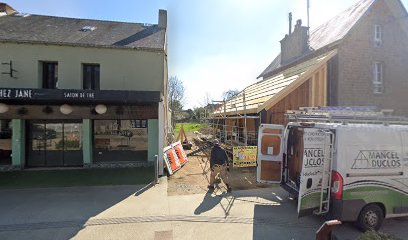
Au gré du vent
36.3 km
Discover Au gré du vent, a charming bar in Jullouville offering a delightful taste of local culture and stunning coastal views.
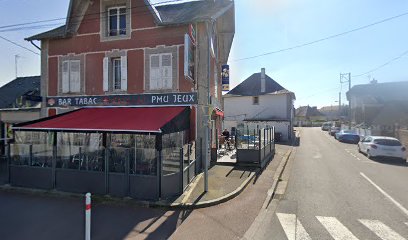
Bar Tabac de la plage
37.0 km
Experience the charm of Normandy at Bar Tabac de la Plage, where seaside relaxation meets welcoming hospitality in Saint-Pair-sur-Mer.
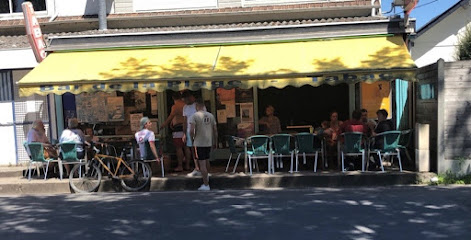
Passerelle d'accès au Mont Saint-Michel
38.0 km
Experience the beauty of the Passerelle d'accès au Mont Saint-Michel, your gateway to a historic island wonder in France, surrounded by stunning tidal views.
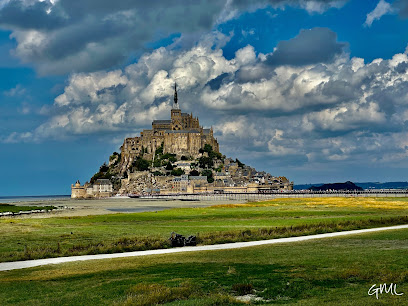
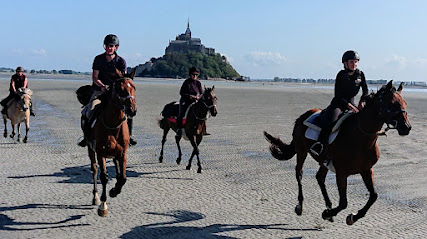
Cheval Plaisir Mont Saint Michel
38.8 km
Discover the enchanting Cheval Plaisir Mont Saint Michel, where unforgettable pony experiences await amidst stunning landscapes near the iconic Mont Saint Michel.
Coco Plage
42.1 km
Experience the vibrant nightlife at Coco Plage, a lively night club by the sea in Bréville-sur-Mer, where music and fun meet stunning ocean views.