
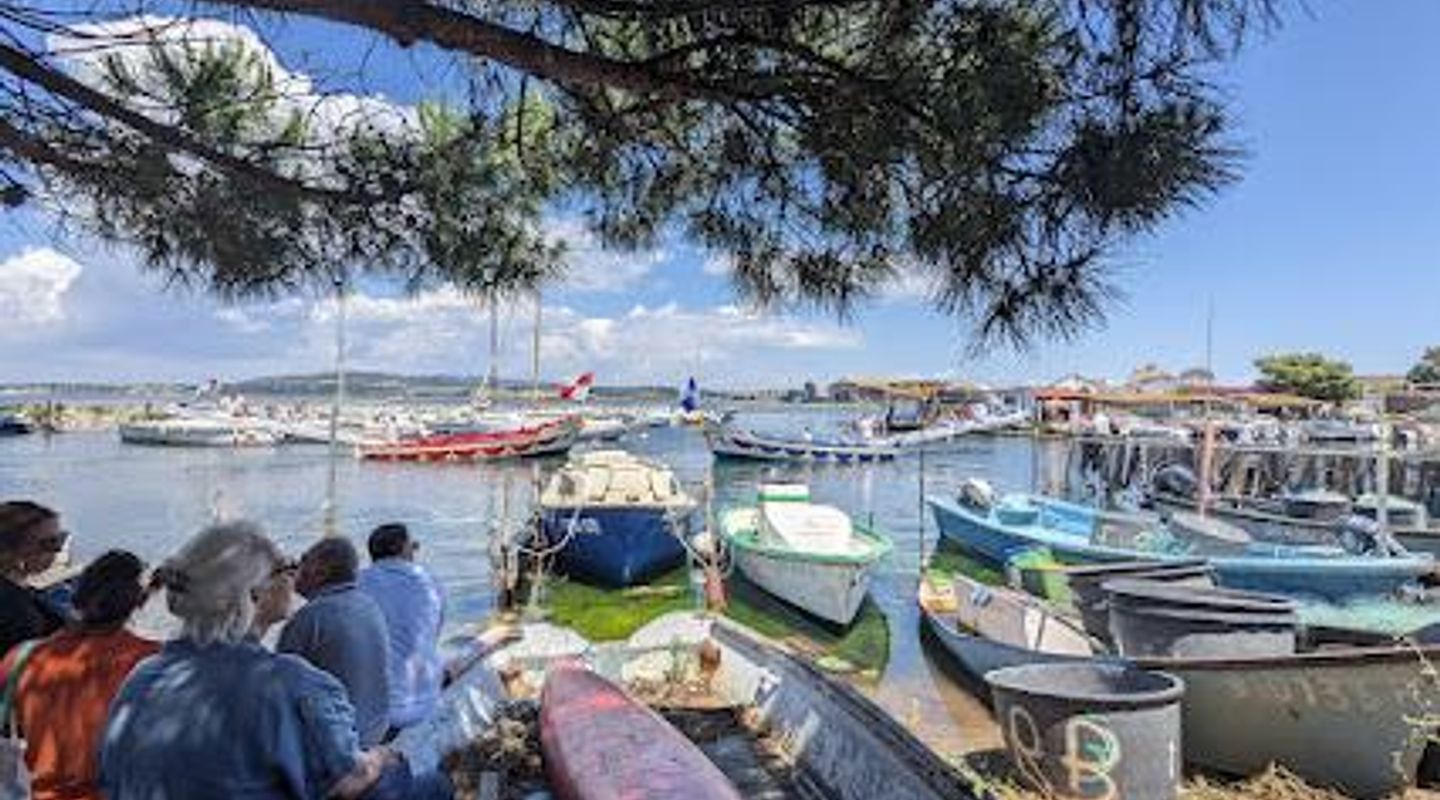
La Pointe Courte, Languedoc Travel Guide
Discover La Pointe Courte in Sète: a timeless fishing village with colorful houses, authentic charm, and a glimpse into traditional Mediterranean life, immortalized by Agnès Varda's film.
La Pointe Courte, a captivating fishing district in Sète, offers a glimpse into a traditional way of life. Established in the mid-19th century, this area, nestled between the Étang de Thau lagoon and the Canal Royal, exudes an authentic charm with its colorful houses, narrow streets, and fishing nets drying along the quays. Immortalized by Agnès Varda's film, La Pointe Courte, the neighborhood retains a unique atmosphere, where fishermen still gather to mend nets and locals greet each other across the water. A visit here is a step back in time, a chance to experience the true soul of Sète, away from the bustling city center. It's a place where the scent of fresh fish lingers in the air and the spirit of a close-knit community thrives, offering a truly unforgettable experience.
A brief summary to La Pointe Courte
- 13-1 Rue des Sardelles, Sète, 34200, FR

Know before you go
Hi, I'm Eve. Here are a few practical things to know before exploring La Pointe Courte.
- Explore the area on foot to fully appreciate the narrow streets and authentic atmosphere, respecting the tranquility of the residents.
- Visit during the week to avoid weekend crowds and experience the village's quieter, more authentic side.
- Try the local seafood at one of the restaurants for a taste of the area's culinary heritage.
- Look out for the local cats, often found lounging around the fishing nets and boats.
- Consider visiting in October to witness the traditional sea bream fishing.
Do you manage this location?
Take control to get all the benefits, like improved information, better appearance, and stronger visibility across AI-powered discovery. Learn more about listing your business on Evendo
Activate your presenceOther nearby places you may find interesting
The closest places of the same kind, if this one is not quite what you had in mind.

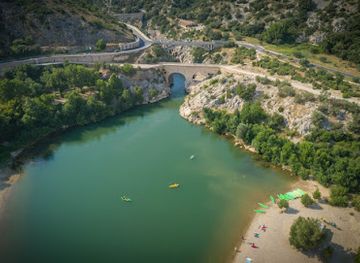
Explore La Pointe Courte on the Map
A handpicked selection of must-see spots near La Pointe Courte, mapped for you.
Unlock the Best of La Pointe Courte
Buy tickets
-
No tickets available
Book tours with entry


Book tours without entry
-
No tours available
Getting There
-
Walking
From the Sète train station, La Pointe Courte is approximately a 7-minute walk. Exit the station and walk towards the canals. Pass under the railway bridge and continue along the Quai de la Daurade. Cross the Pont Sadi Carnot (drawbridge). After crossing the bridge, turn left and follow the road under the railway line. This leads directly into La Pointe Courte. Note that the parking is limited in La Pointe Courte due to its heritage status.
-
Public Transport
Several bus lines (09, 11, 13, 2, 20, 21) stop near La Pointe Courte. The closest bus stop is Quai du Pavois d'Or, which is a 2-minute walk to the village. A single bus ticket costs around €1.60 and is valid for one hour including connections. Tickets can be purchased from the driver or via the Sète Agglopôle Mobilité app.
-
Taxi/Ride-Share
A taxi or ride-share from the Sète train station to La Pointe Courte will cost approximately €10-€15, depending on traffic. The journey takes around 5-10 minutes. Note that traffic can be heavy during peak season.
-
Driving
If driving, follow signs for Sète Centre-Ville. As you approach the canals, look for signs directing you towards La Pointe Courte. Limited visitor parking is available at the entrance to La Pointe Courte. Parking is also available near the green lighthouse and near the restaurants. Parking rates vary, but expect to pay around €2 per hour. Free parking is available at Parking Mas Coulet, with free shuttle boats to the city center during the summer.
Discover more about La Pointe Courte













Your all‑in‑one travel companion app
Explore expert travel guides, compare and book tours, experiences, hotels, and more—all from the palm of your hand. Download now for seamless trip planning wherever your wanderlust takes you.


Explore More of Languedoc
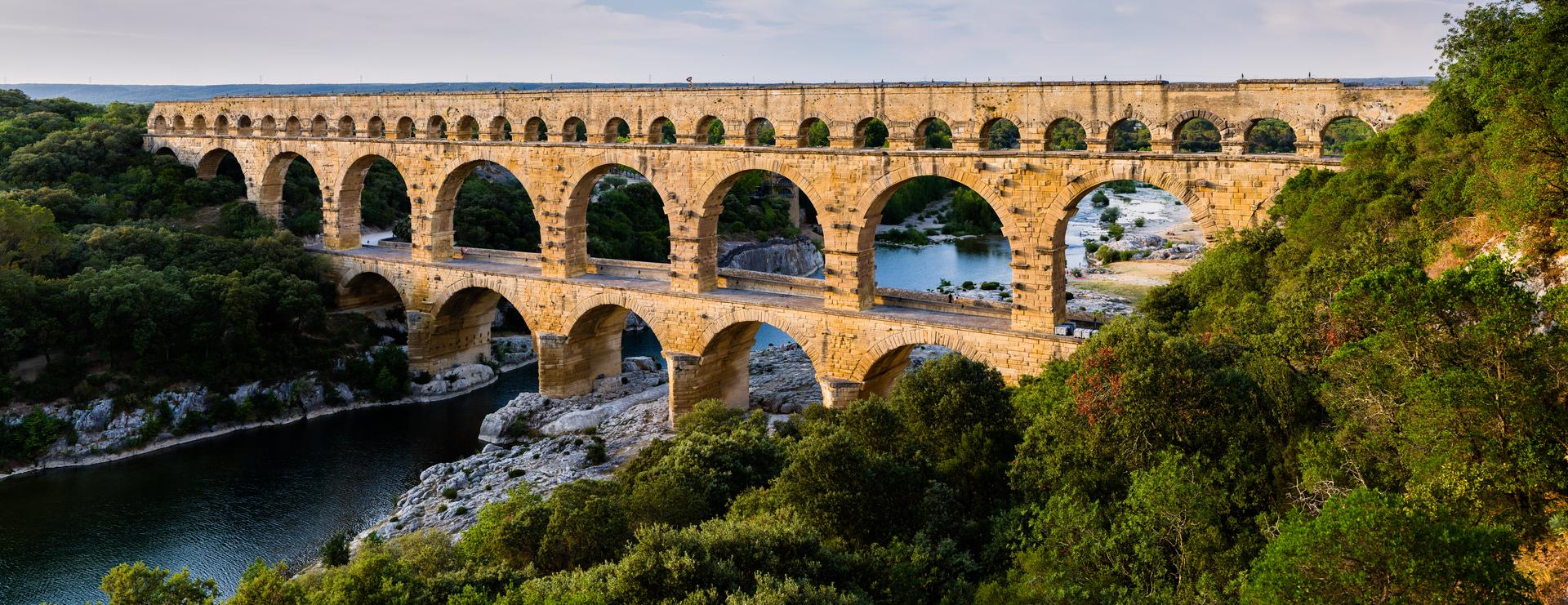
Looking beyond La Pointe Courte? Discover Languedoc for broader travel guides, local hot-spots, and regional highlights.
Explore Languedoc
Discover the authentic taste of Languedoc-Roussillon at Mas de l'Oncle, a family-run winery committed to organic practices and crafting exceptional wines near the charming village of Bessan.
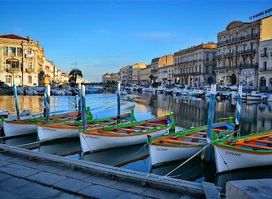
Experience the vibrant atmosphere and rich culture of Canal Royal in Sète, the Mediterranean jewel of southern France.
