Glade of the Armistice: Where World War I Ended
Visit the Glade of the Armistice in Compiègne Forest, a historic site where World War I ended and a symbol of remembrance and reflection.
The Glade of the Armistice, located in the Forest of Compiègne, is a poignant war memorial marking the site where the armistice ending World War I was signed in 1918. It also holds the somber distinction of being where France surrendered to Nazi Germany in 1940. The site features a replica of the railway carriage where the armistices were signed, a museum, and monuments commemorating the historic events.
A brief summary to Glade of the Armistice
- Route de Soissons, Compiègne, 60200, FR
- +33344851418
- Visit website
- Monday 10 am-5 pm
- Tuesday 10 am-5 pm
- Wednesday 10 am-5 pm
- Thursday 10 am-5 pm
- Friday 10 am-5 pm
- Saturday 10 am-5 pm
- Sunday 10 am-5 pm
Local tips
- Allow at least an hour for your visit to fully explore the museum and the clearing.
- Check the museum's opening hours, as they vary depending on the season.
- Wear comfortable shoes for walking around the forest clearing.
- Consider visiting on November 11th (Armistice Day) for special commemorations.

Getting There
-
Public Transport
From Compiègne, take line 106 bus towards Le Francport. The bus departs from Hippolyte Bottier station and arrives at LE FRANCPORT - Rue Victor Hugo. From there, it's a short walk to the Glade of the Armistice. The bus journey takes approximately 22 minutes. Bus services are limited, operating twice daily from Monday to Saturday. Check the current bus schedule to coordinate your visit. A single bus ticket costs approximately €2.
-
Taxi
Taxis are readily available in Compiègne. A taxi ride from the center of Compiègne to the Glade of the Armistice takes about 8 minutes and typically costs between €16 and €20. This is the quickest way to reach the site from Compiègne.
-
Driving
From Compiègne, head east on the N31. At the Aumont roundabout, continue on the D546 to the Francport roundabout, where you will find the car park for the Glade of the Armistice. Parking is free. Follow the signs for Mémorial de l'Armistice. From the parking area, a short walk through the forest leads to the clearing.
Discover more about Glade of the Armistice
Iconic landmarks you can’t miss

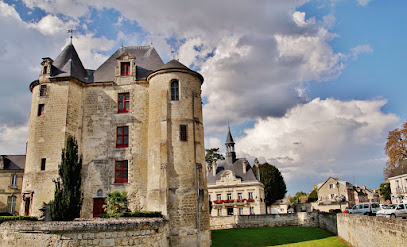
Castle Vic sur Aisne
15.3 km
Explore the breathtaking beauty and rich history of Castle Vic sur Aisne, an enchanting venue perfect for romantic getaways and unforgettable events.
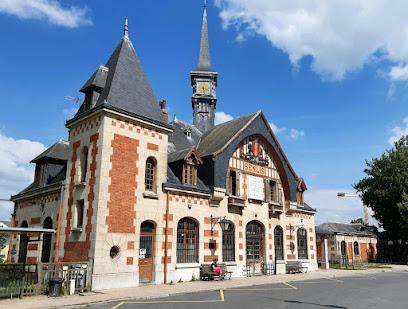
Ancienne gare de Senlis
33.4 km
Explore the historic Ancienne Gare de Senlis, a captivating landmark that reflects the rich heritage and beauty of the town, nestled in the heart of Picardy.
Château de Montataire
38.5 km
Discover the enchanting Château de Montataire, a historic castle and event venue in Montataire, France, perfect for tourists and history lovers alike.
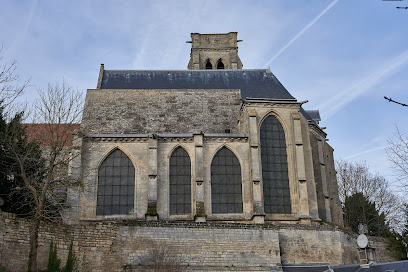
Goudurix
40.8 km
Experience the thrill of Goudurix at Parc Astérix, where roller coaster adventures meet enchanting themes inspired by ancient cultures.
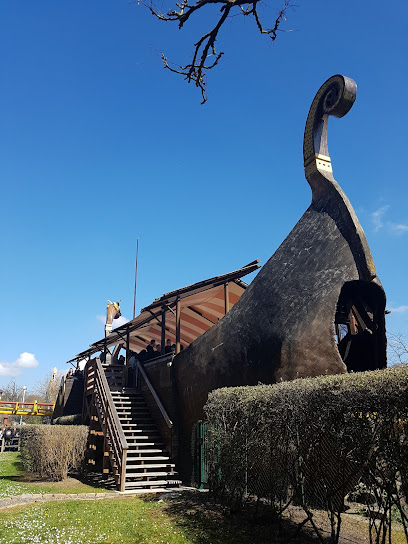
Château de Fère-en-Tardenois
50.8 km
Discover the enchanting Château de Fère-en-Tardenois, a historical castle offering stunning views and rich stories in the heart of France's Champagne region.
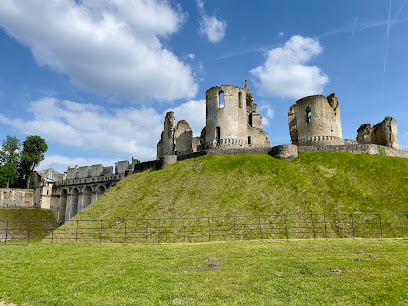
Louvres
51.6 km
Discover the charm of Louvres, a picturesque city rich in history, vibrant culture, and scenic landscapes, perfect for a memorable getaway.
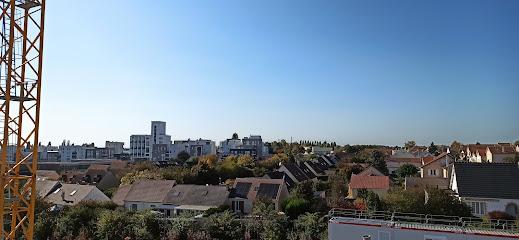
Tourist Office of the Pays de Laon
54.1 km
Explore Laon's rich history and stunning views from the Tourist Office of the Pays de Laon, your essential guide to local attractions.
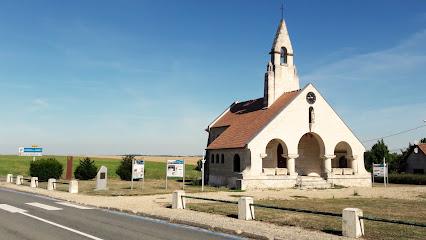
Memorial Chapel to WWI Chemin des Dames
55.1 km
Explore the Memorial Chapel to WWI Chemin des Dames in Cerny-en-Laonnois, a serene tribute to the bravery and sacrifice of soldiers in World War I.
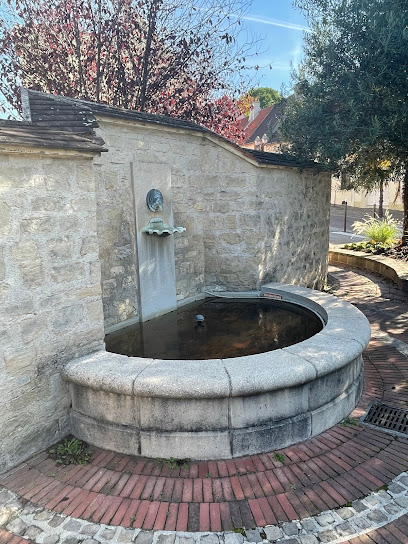
Fontaine Saint-Jacques de Compostelle
55.2 km
Explore the serene Fontaine Saint-Jacques de Compostelle, a historical landmark on the Camino de Santiago in Roissy-en-France, where beauty meets rich heritage.
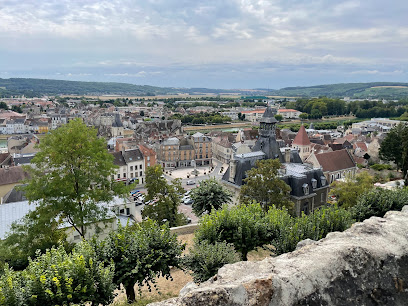
Chateau-Thierry castle
55.5 km
Discover the enchanting Chateau-Thierry Castle, a historical gem in France that combines stunning architecture with rich medieval heritage.
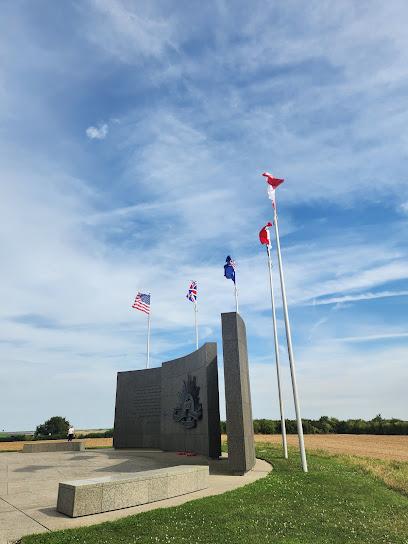
Australian Corps Memorial Park
57.4 km
A serene and historically significant memorial park in Le Hamel, France, honoring the Australian Corps' contributions during World War I.
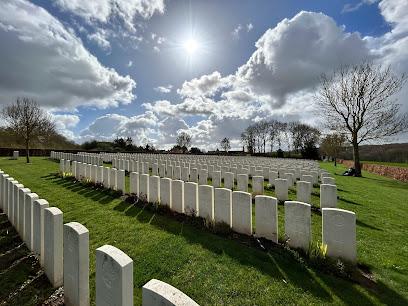
Adelaide Cemetery
57.4 km
A serene WWI cemetery in Villers-Bretonneux, honoring the fallen with a special connection to Australia.
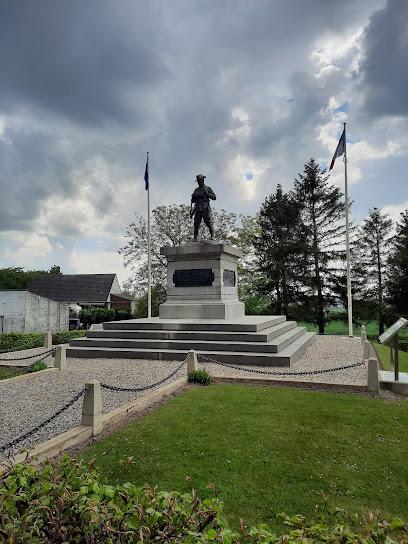
Australian 2nd Division Memorial - Mont St Quentin
57.9 km
A poignant World War I memorial in Péronne, France, honoring the Australian 2nd Division's bravery and sacrifice at the Battle of Mont St Quentin.
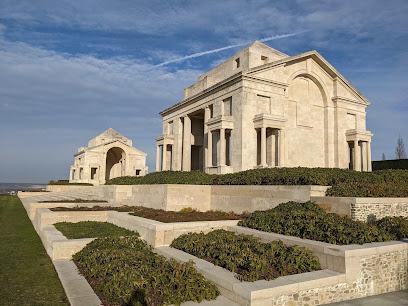
Villers-Bretonneux Military Cemetery
58.5 km
A poignant World War I memorial and cemetery honoring the courage and sacrifice of Australian and British Empire soldiers in Villers-Bretonneux, France.
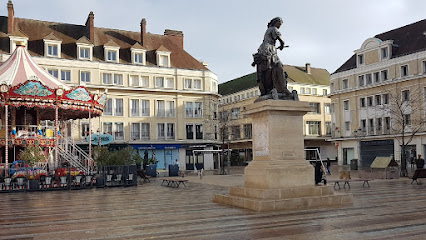
Statue of Jeanne Hachette
59.5 km
Explore the Statue of Jeanne Hachette in Beauvais, an iconic historical landmark celebrating the bravery and resilience of a local heroine amidst a charming square.
Unmissable attractions to see

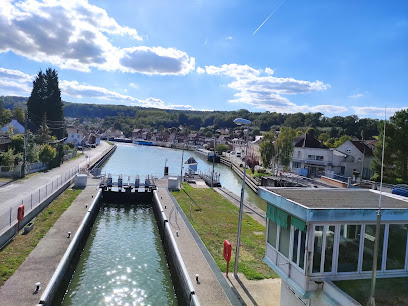
Ecluse de Janville
5.1 km
Discover a historic lock on the Canal de l'Oise, offering a glimpse into France's inland navigation heritage.
Parc du Château de Compiègne
5.2 km
Discover a blend of royal history and natural beauty at Parc du Château de Compiègne, a 'Remarkable Garden' seamlessly connected to Compiègne Forest.
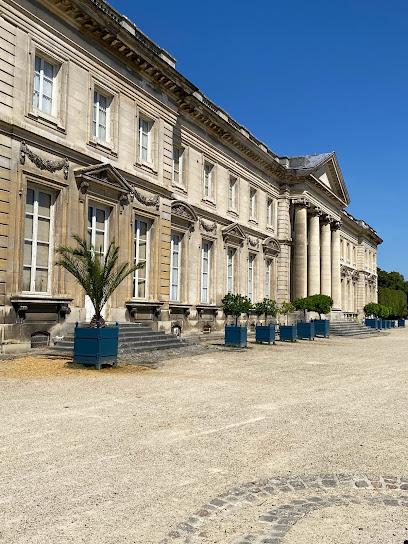
Château de Compiègne
5.4 km
Explore French history at the Château de Compiègne, a majestic royal and imperial residence with stunning architecture and gardens.
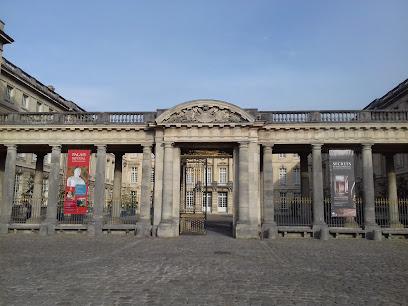
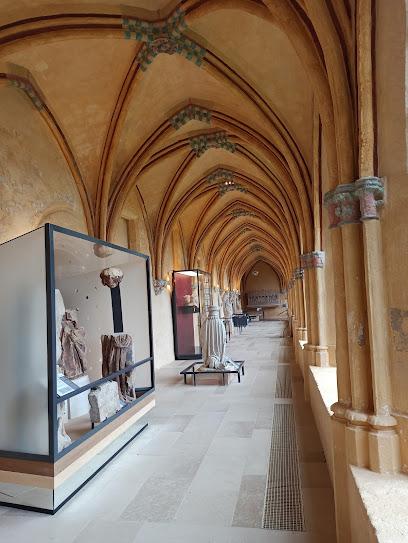
Musée du Cloître Saint-Corneille
5.9 km
Discover medieval and Renaissance religious art within the serene, historically rich setting of a beautifully restored cloister in Compiègne.
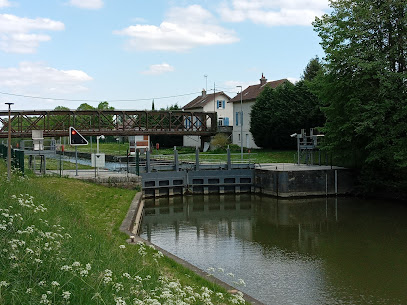
Ecluse de Venette
7.3 km
Discover the historic Écluse de Venette on the Oise River, a vital landmark in Venette, France, showcasing centuries of navigation and engineering.
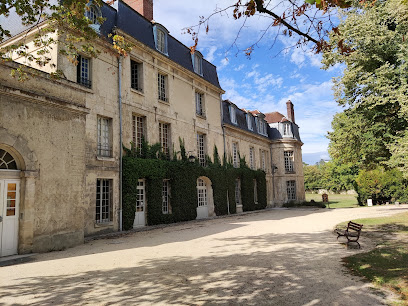
Parc de Bayser
8.0 km
Escape to Parc de Bayser in Compiègne: a historic park with lush greenery, a rose garden, and fun activities for all ages!
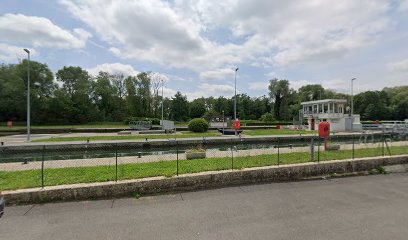
Ecluse n°3 de Bellerive
8.2 km
Discover the serene beauty and engineering marvel of Ecluse n°3 de Bellerive in Cambronne-lès-Ribécourt, a perfect escape into nature and history.
Château de Pierrefonds
10.4 km
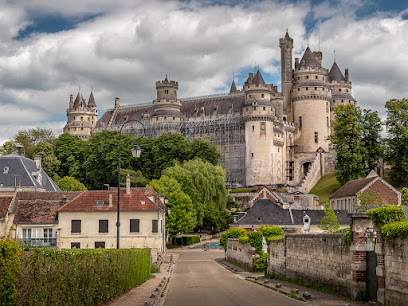
Explore a majestic castle in Pierrefonds, France, blending medieval history with 19th-century architectural fantasy.
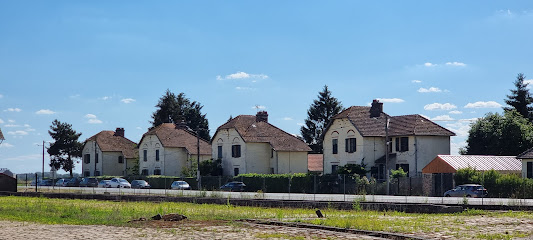
Sucrerie De Francières
18.5 km
Explore a preserved 19th-century sugar factory in Francières, France, and discover the sweet history of sugar production in the region.
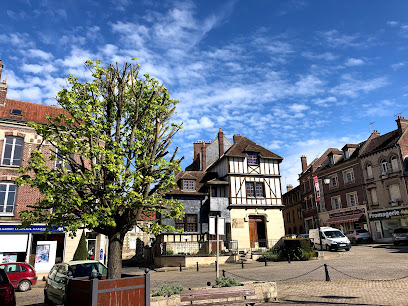
Musée Jean Calvin
18.5 km
Discover the life and legacy of John Calvin at his presumed birthplace in Noyon, exploring the history of the Protestant Reformation.
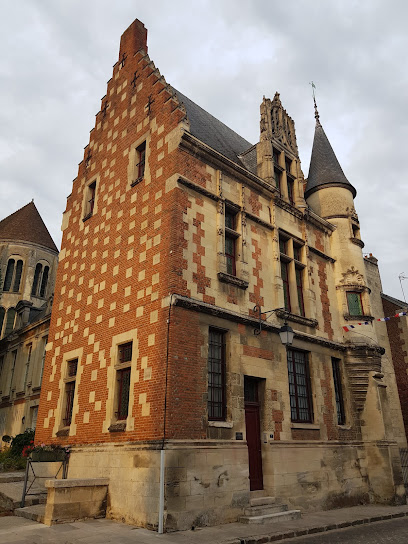
Museum Noyonnais
18.5 km
Explore Noyon's captivating past at the Musée du Noyonnais, housed in the historic Episcopal Palace, featuring artifacts from antiquity to today.
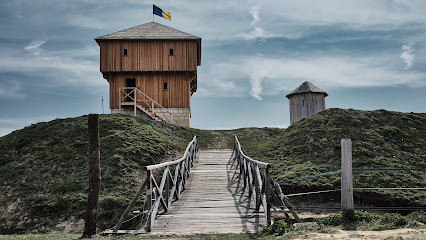
La Tour Roland
19.1 km
Step back in time at La Tour Roland, a reconstructed medieval village offering an immersive glimpse into 12th-century Picardy in Lassigny, France.
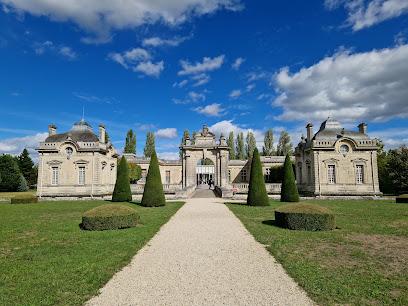
Castle of Blérancourt Franco-American Museum
20.7 km
Explore centuries of Franco-American friendship through art, history, and gardens at the Castle of Blérancourt Franco-American Museum.
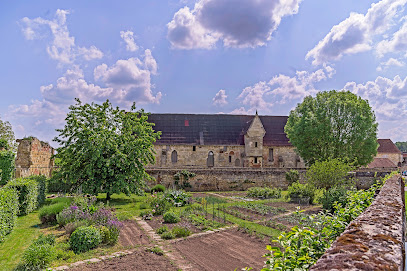
Abbaye de Saint-Martin-aux-Bois
26.5 km
Discover a hidden Gothic treasure in the Oise: Abbaye de Saint-Martin-aux-Bois, a historic abbey with stunning architecture and rich heritage.
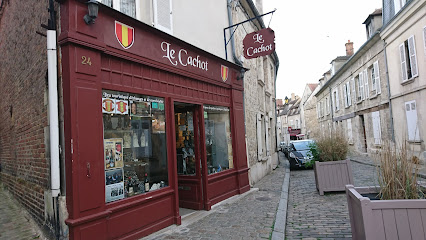
Le Cachot
33.9 km
Step back in time at Le Cachot in Senlis: Experience medieval history, captivating tours, and delightful dining in a 12th-century setting.
Essential places to dine

Les Ferlempins
5.7 km
Discover Les Ferlempins in Compiègne: A luxurious French dining experience where haute cuisine meets tradition.
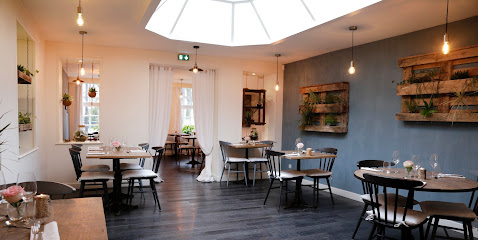
Château De Quesmy - Traiteur - Haut De France - Picardie - Aisne, Somme, Oise
25.9 km
Discover culinary excellence at Château De Quesmy – an elegant caterer and French restaurant set in picturesque Picardie.
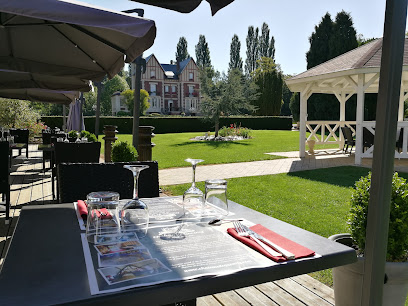
Asia Gourmet
32.8 km
Discover authentic Asian flavors at Asia Gourmet in Roye - your go-to destination for exquisite Chinese and Japanese cuisine.
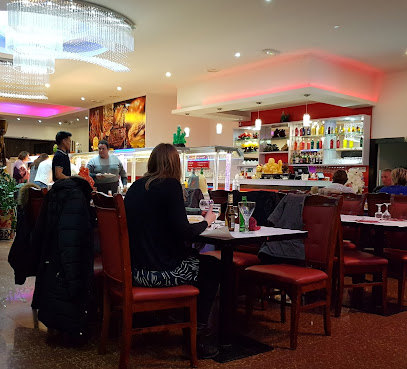
Auberge de la Grange aux Loups
36.4 km
Experience authentic French cuisine at Auberge de la Grange aux Loups in Apremont - where tradition meets flavor.
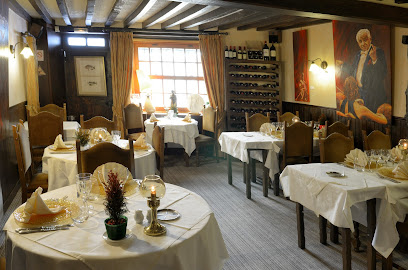
L'Orée de la Forêt
38.9 km
Discover the exquisite flavors of French cuisine at L'Orée de la Forêt, where elegance meets nature in a fine dining experience.
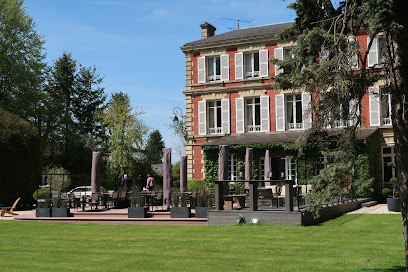
Le Cosy restaurant
49.8 km
Experience authentic French cuisine at Le Cosy Restaurant in Breteuil - where every dish tells a story of flavor and tradition.
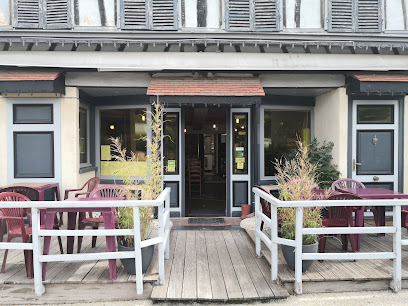
Le Moulin Des Ecrevisses
54.3 km
Experience exquisite Haute French cuisine at Le Moulin Des Ecrevisses, where culinary artistry meets elegance in Ailly-sur-Noye.
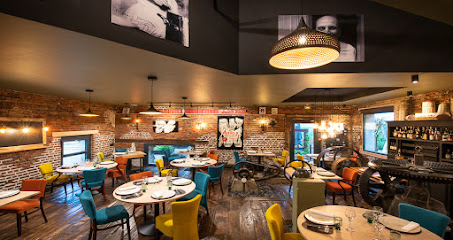
Restaurant Les Epis d'Or
58.8 km
Experience authentic French cuisine at Restaurant Les Epis d'Or in Champagne-sur-Oise, where exquisite flavors meet cozy ambiance.

L'Auberge Fleurie
64.2 km
Discover authentic French cuisine at L'Auberge Fleurie - where tradition meets comfort in charming Heilly.
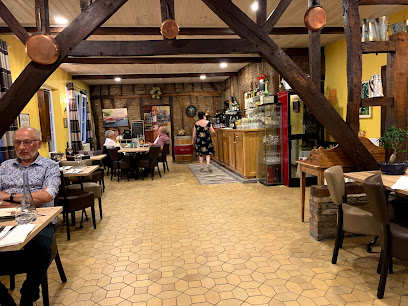
L'Auberge du Village
64.6 km
Discover authentic French cuisine at L'Auberge du Village in Conty, where tradition meets culinary excellence in a charming setting.
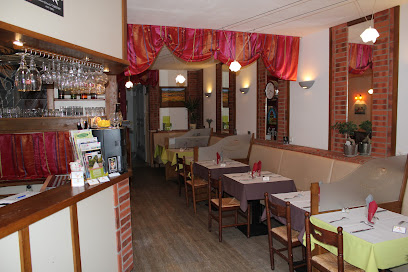
La Table Du Marais
64.6 km
Experience exquisite French cuisine at La Table Du Marais in Amiens - where tradition meets modern culinary artistry.
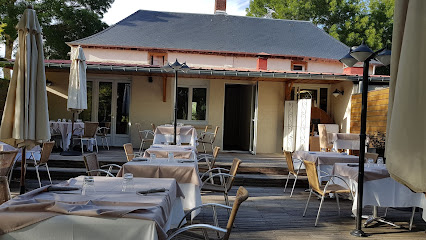
Aubergade
65.3 km
Experience the elegance of French cuisine at Aubergade in Dury - where every dish tells a story of tradition and flavor.
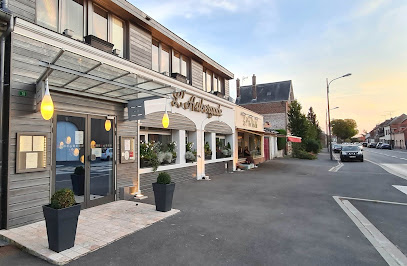
Auberge Le Pré Porus
65.7 km
Discover authentic French cuisine in Amiens at Auberge Le Pré Porus – where tradition meets taste.
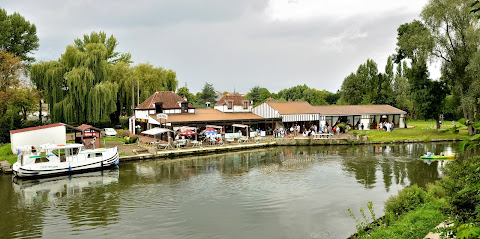
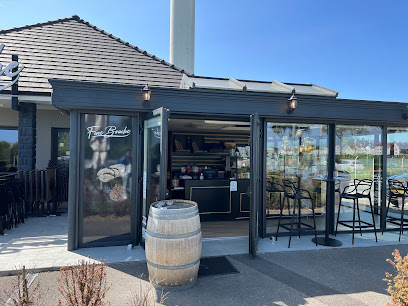
FINE BOUCHE
66.1 km
Discover the exquisite flavors of French cuisine at Fine Bouche in Dury - where every dish tells a story.
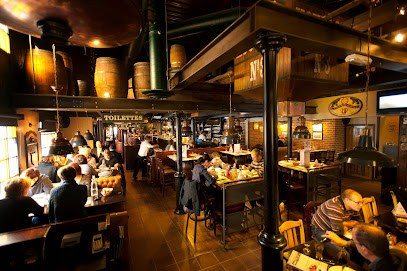
Restaurant Le Comptoir du Malt Amiens Sud
66.5 km
Experience authentic French cuisine and craft brews at Restaurant Le Comptoir du Malt in Amiens Sud - a family-friendly culinary delight.
Markets, malls and hidden boutiques

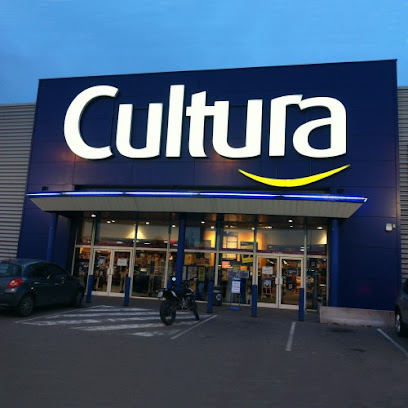
Cultura Compiègne
9.3 km
Discover Cultura Compiègne, your ultimate destination for books, crafts, and unique gifts in the heart of Venette.
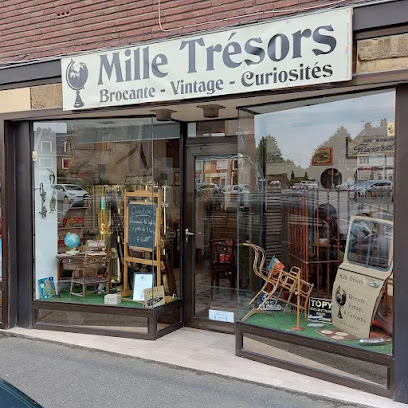
Mille Trésors
31.3 km
Discover unique antiques and collectibles at Mille Trésors in Roye, a charming store filled with vintage treasures and history.
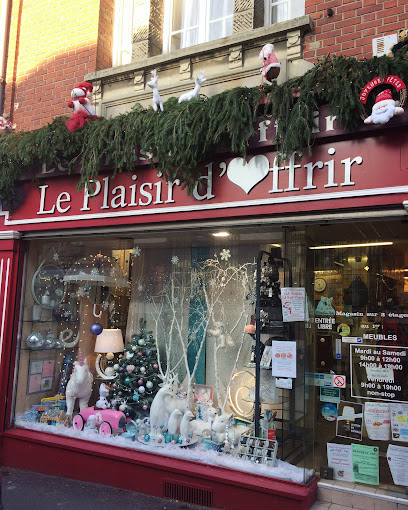
Le Plaisir d'Offrir
34.5 km
Explore Le Plaisir d'Offrir in Montdidier for unique gifts and local artisan treasures, perfect for memorable souvenirs.
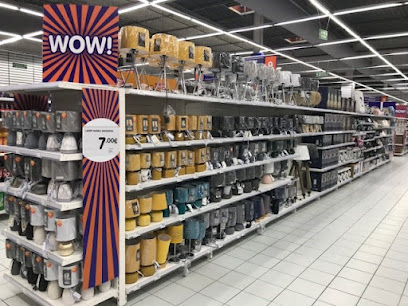
B&M
35.2 km
Discover unbeatable deals at B&M in Creil, the ultimate destination for budget-friendly shopping and unique finds for every need.
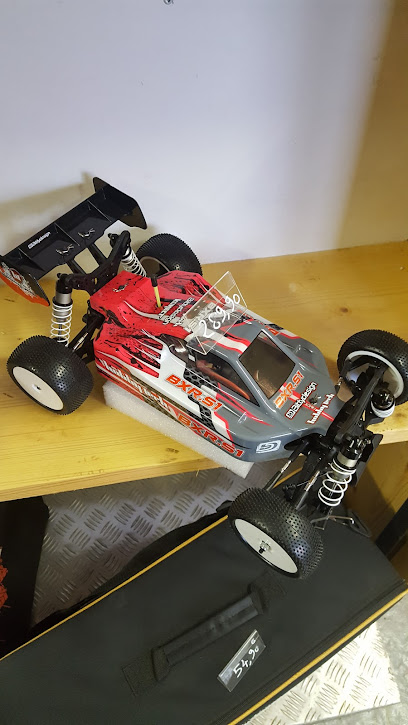
rc haute picardie
40.2 km
Explore RC Haute Picardie - Your ultimate destination for scale models, outdoor sports gear, and delightful toys in Arvillers.
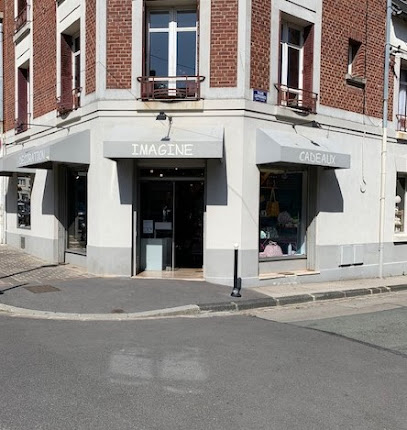
Imagine
49.7 km
Discover Imagine in Breteuil: Your one-stop shop for unique gifts, home goods, and exquisite jewelry that embodies local charm.
DILARI Online Store
50.0 km
Explore stylish and comfortable children's clothing at DILARI Online Store, your go-to destination for kids' fashion and essentials.

Aéroville
55.9 km
Explore Aéroville, a premier shopping mall in Roissy-en-France, offering diverse retail, dining, and entertainment experiences for tourists.
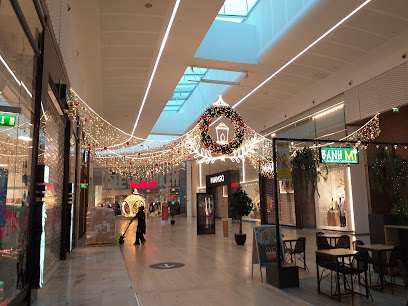
Usines.Center
58.0 km
Discover great bargains and top brands at Usines.Center, a premier shopping mall in Gonesse, France, offering factory outlets and diverse dining options.
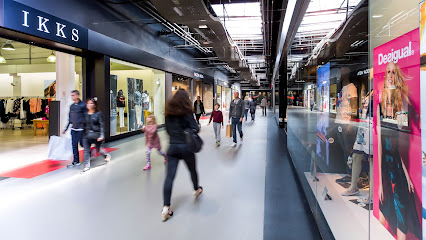
8 shop
60.7 km
Explore the latest in women's fashion at 8 Shop, Corbie's go-to destination for trendy clothing and accessories.
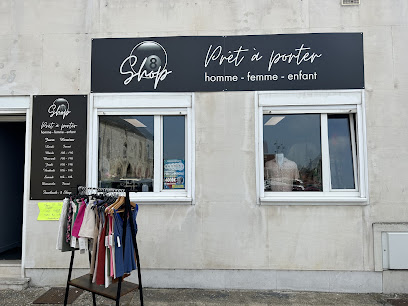
Centre commercial Grand A
62.0 km
Explore a shopper's paradise at Centre Commercial Grand A, where diverse stores and delightful dining await in Glisy.
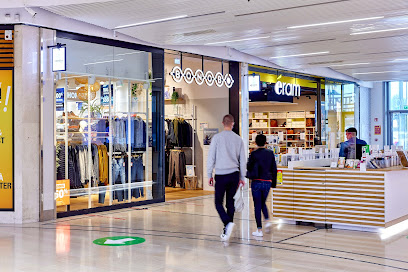
Parfois
62.0 km
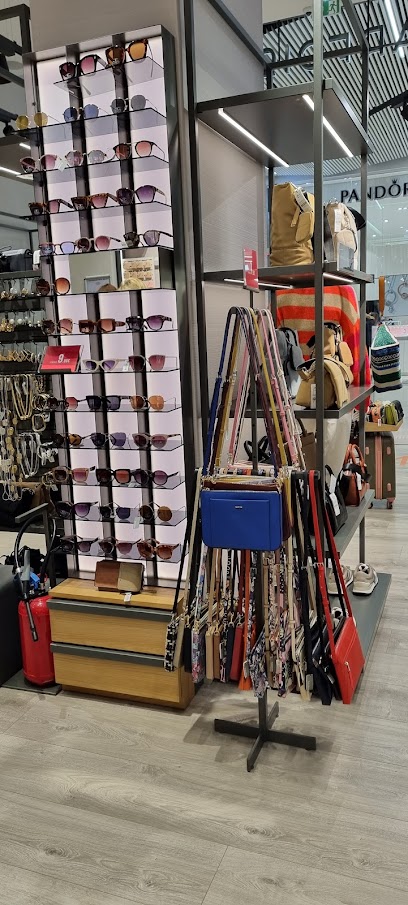
Explore a chic collection of fashion accessories at Parfois, the perfect stop for stylish travelers seeking unique additions to their wardrobe.
Action
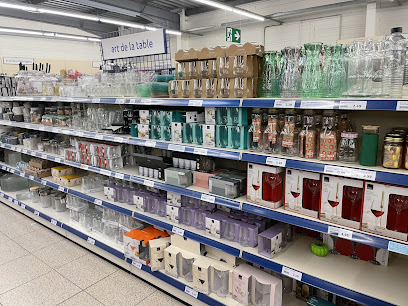
62.7 km
Explore Action in Longueau for unbeatable prices on home goods, DIY supplies, gifts, and more – a must-visit for every tourist!
Ceremony's
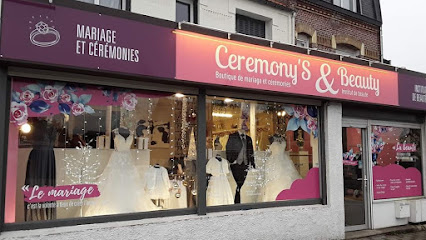
63.0 km
Explore Ceremony's in Longueau, your ultimate destination for exquisite bridal gowns and personalized wedding planning services.
Action Le Blanc Mesnil
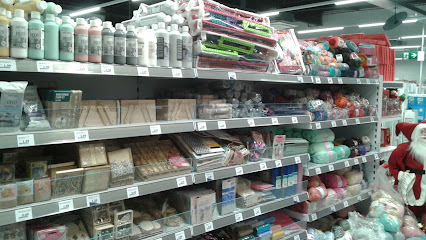
63.6 km
Discover an eclectic range of gifts, home goods, and DIY supplies at Action Le Blanc Mesnil, the ultimate shopping destination near Paris.
Essential bars & hidden hideouts

Le Long Bar
5.9 km
Discover the vibrant nightlife of Compiègne at Le Long Bar, where exquisite cocktails and a lively atmosphere await every visitor.
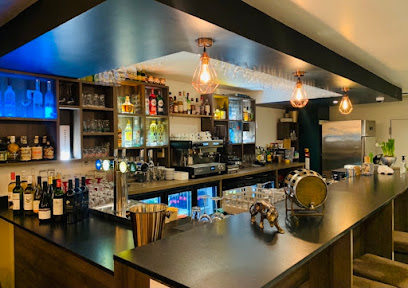
Le Cosy bar lounge
6.0 km
Discover the lively ambiance and delicious drinks at Le Cosy Bar Lounge, the perfect spot for nightlife in Compiègne!
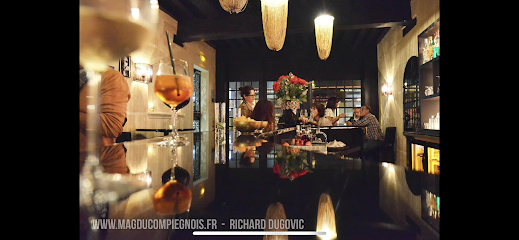
Red Bear
6.1 km
Discover the lively spirit of Compiègne at Red Bear, where excellent drinks and a warm atmosphere await you.
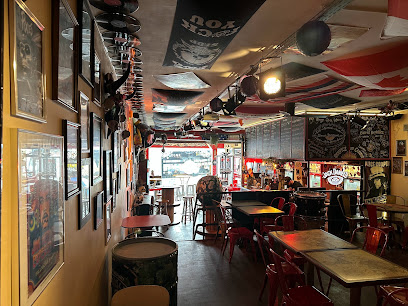
Le Flash
17.6 km
Experience the vibrant atmosphere of Le Flash in Hémévillers, a local bar perfect for enjoying drinks and socializing.
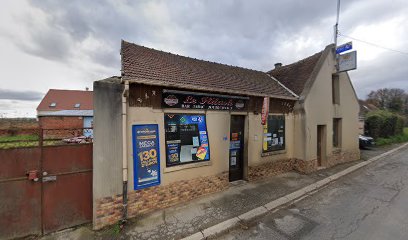
100 Pression
18.4 km
Discover the allure of 100 Pression, a cozy bar in Noyon offering a delightful selection of drinks in a welcoming atmosphere.
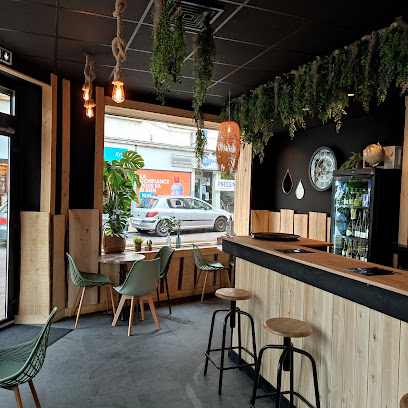
L'Endroit
42.2 km
Discover the charm of L'Endroit, a cozy bar in Saint-Leu-d'Esserent, where locals and tourists gather for delightful drinks and good company.
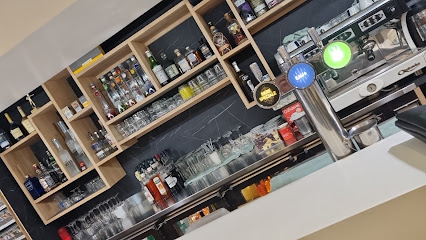
L'happy
59.2 km
Experience the vibrant cocktail culture at L'happy in Beauvais—where creativity meets conviviality in every sip.
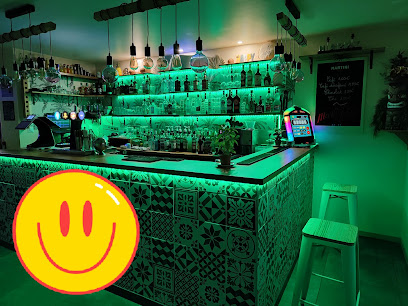
L’AFTER BEAUVAIS
59.4 km
Discover the vibrant atmosphere of L’AFTER BEAUVAIS, a beer hall and lounge offering delicious pizzas and tapas in the heart of Beauvais.
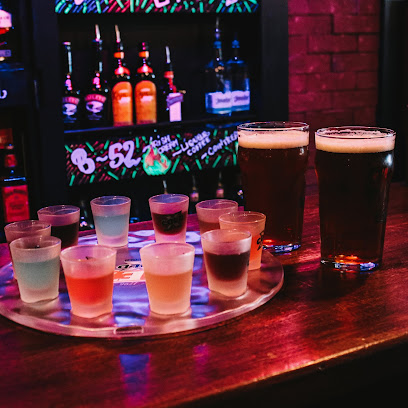
Le Kingston
59.9 km
Experience Beauvais nightlife at Le Kingston, a cozy pub serving local drinks and live entertainment in a vibrant atmosphere.
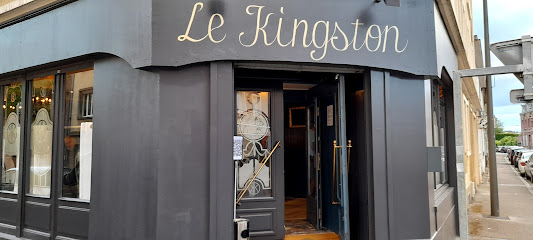
Bar de l'Escalier
67.2 km
Experience the vibrant atmosphere of Bar de l'Escalier, a cozy gem in Amiens, perfect for enjoying drinks and local culture.
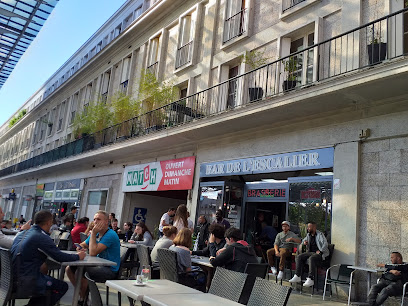
Tower's Pub
67.3 km
Discover the lively atmosphere of Tower's Pub in Amiens, where traditional Irish charm meets delicious food and drinks in a welcoming setting.
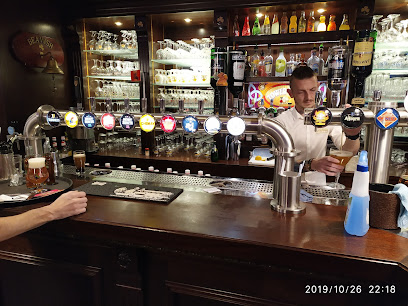
Hecquet Philippe
67.3 km
Discover Hecquet Philippe, a charming bar in Amiens, where every drink comes with a touch of French hospitality and warmth.
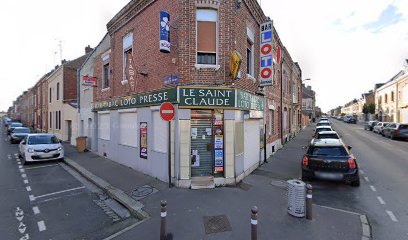
English Pub
67.6 km
Experience the warmth and charm of the English Pub in Amiens, where delightful food and a wide selection of drinks await every visitor.
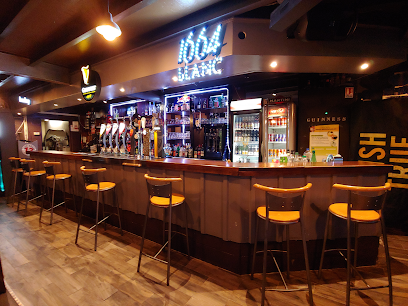
Au Coin ! Bistrot-Bar Chic Ermont
67.6 km
Experience the charm of French cuisine and vibrant nightlife at Au Coin ! Bistrot-Bar Chic in Ermont, where every meal is a celebration.
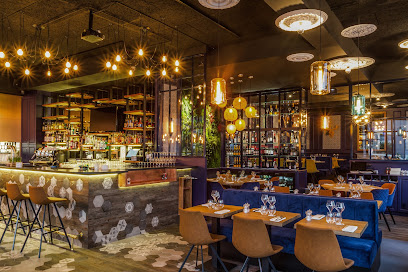
O Paradise
67.6 km
Experience a vibrant blend of halal cuisine, exotic cocktails, and shisha at O Paradise, the must-visit restaurant in Amiens.
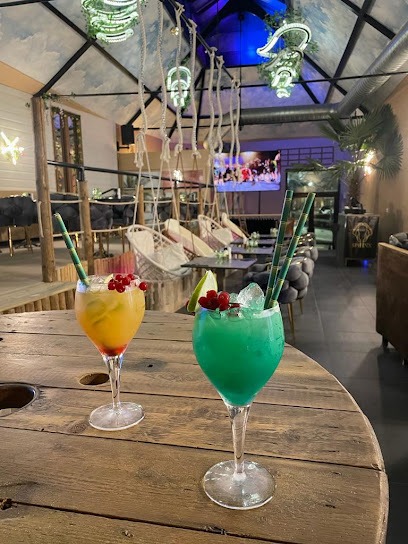
Nightclubs & after hour spots

Le Quennezil
2.1 km
Discover the pulse of Compiègne's nightlife at Le Quennezil, a vibrant night club known for its energetic atmosphere and eclectic music.
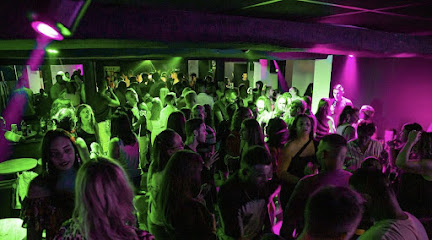
Underground
5.9 km
Immerse yourself in the electrifying nightlife of Underground, Compiègne's premier lounge and club, featuring top DJs and creative cocktails.
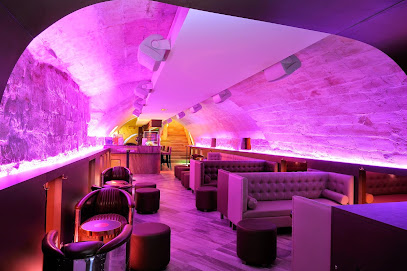
Le Loft - Soissons
31.1 km
Explore the vibrant nightlife of Soissons at Le Loft, a disco club offering unforgettable dance experiences and a lively atmosphere.
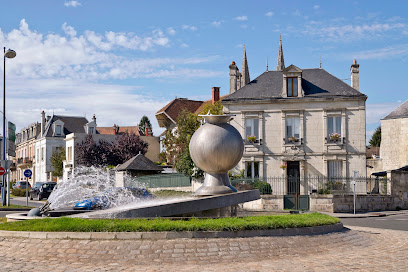
L'Odyssée Discothèque - Laon
53.5 km
Discover the vibrant nightlife of Laon at L'Odyssée Discothèque, where music, dancing, and fun come together for an unforgettable experience.
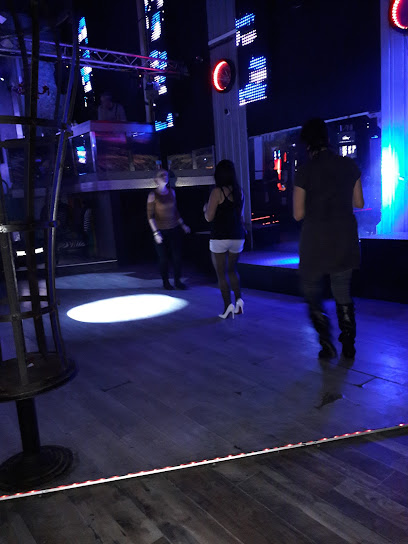
Vegas Club
58.5 km
Discover the excitement of Vegas Club, a premier disco in L'Isle-Adam offering exhilarating nightlife and unforgettable dance experiences.
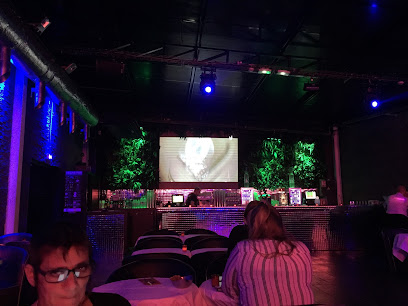
L’Annexe
67.8 km
Explore the vibrant nightlife of Amiens at L’Annexe, a premier night club where music and dance blend into an unforgettable experience.
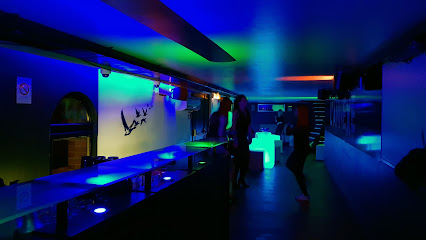
Le Cœur Samba
68.1 km
Discover the heartbeat of Amiens nightlife at Le Cœur Samba, a vibrant disco club where every night is a celebration of dance and music.
Le MOON
68.1 km
Experience the vibrant nightlife at Le MOON, Amiens' premier night club, where music and energy create unforgettable memories.
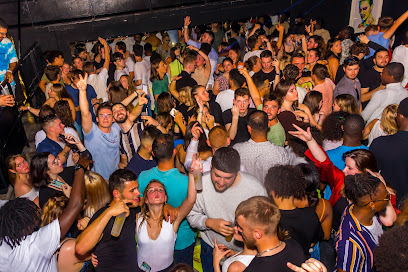
Le SALOON
68.1 km
Discover the vibrant nightlife of Amiens at Le SALOON, the ultimate disco club experience with great music and an electrifying atmosphere.
Musiques de Jazz et d'ailleurs
68.2 km
Experience the magic of jazz at the Amiens Jazz Festival, where music, culture, and community come together in a vibrant celebration.
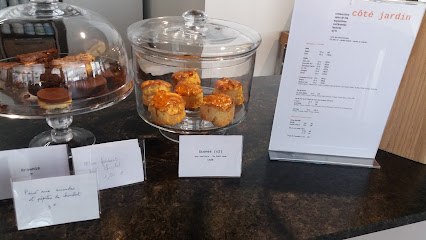
Le Pacha
68.4 km
Discover the lively atmosphere at Le Pacha, a premier bar in Amiens, perfect for unwinding with friends and enjoying a diverse drink selection.
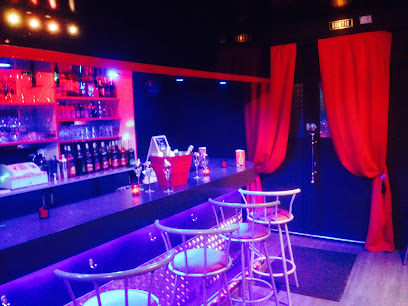
BABINSKI PARIS
71.7 km
Discover the electrifying nightlife of Babinski Paris, where music meets dance in an unforgettable club experience.
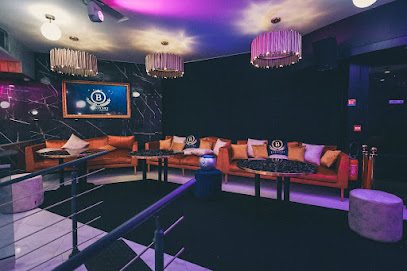
Le Pandora club
72.2 km
Discover the vibrant nightlife of Montmartre at Le Pandora Club, where electrifying music and unforgettable experiences await until dawn.
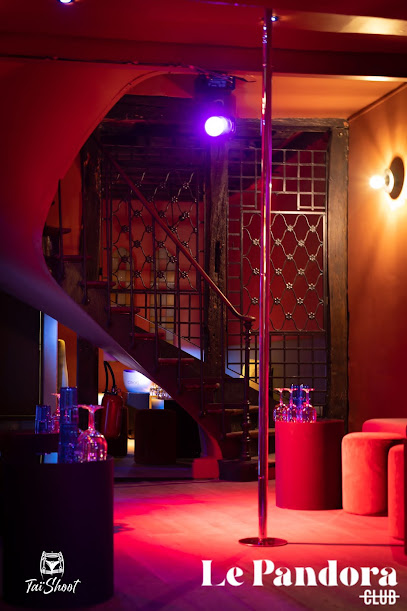
Divan du Monde
73.2 km
Dive into the heart of Parisian nightlife at Divan du Monde, a premier night club and live music venue for an unforgettable experience.
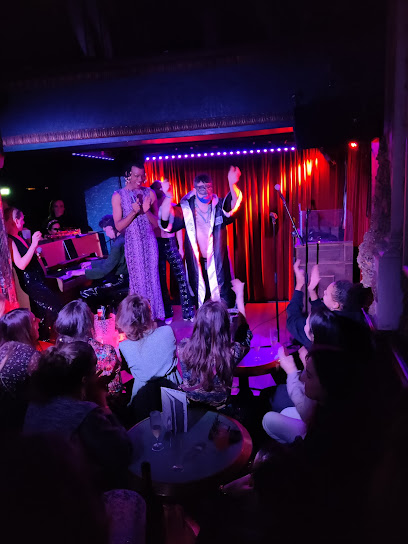
La Machine du Moulin Rouge
73.3 km
Discover the heart of Parisian nightlife at La Machine du Moulin Rouge, where live music and vibrant energy come together for an unforgettable experience.