

Free Picardy Travel Guide & Mobile App
Explore Picardy with free travel guides. Discover regional history, expert tips, proposed trips, and audio guides on web or mobile app.


Explore Picardy in northern France for Gothic cathedrals, Somme Bay wetlands, royal estates, wartime heritage and generous regional food.
Read more about Picardy
When is the best time to visit Picardy?
Best: June–August · 22–24°C| Month | High (°C) | Rainfall (mm) |
|---|---|---|
| January | 6 | 49 |
| February | 7 | 41 |
| March | 11 | 45 |
| April | 15 | 45 |
| May | 19 | 51 |
| June (best) | 22 | 56 |
| July (best) | 24 | 56 |
| August (best) | 23 | 55 |
| September | 20 | 54 |
| October | 16 | 57 |
| November | 11 | 59 |
| December | 7 | 61 |
Getting to and around Picardy
How to get there
Transportation
Top city travel guides in Picardy
The cities of Picardy, and the easiest places to base yourself.
-
-

-
-

-

-


Swipe for more cities
Destinations in Picardy
Resorts, valleys and scenic spots worth a trip of their own.

Swipe for more destinations
Best attractions in Picardy
Picardy's attractions range from major Gothic monuments to open landscapes shaped by water, agriculture and war. Amiens Cathedral is the region's essential architectural visit, complemented by the Hortillonnages, the Musée de Picardie and the canals of the city centre. On the coast, the Somme Bay offers birdwatching, salt-marsh scenery and walking or cycling around Saint-Valery-sur-Somme and Le Crotoy, while the Parc du Marquenterre provides structured access to the bay's wetland wildlife. The Oise combines royal and aristocratic heritage at Chantilly and Compiègne with the reconstructed medieval appearance of Pierrefonds and the gardens of rural estates. Beauvais and Senlis add important historic townscapes. In Aisne, visitors can explore Laon's cathedral quarter, the Familistère at Guise, the Chemin des Dames and the First World War museums and cemeteries around the Aisne and Marne sectors. The region is particularly rewarding for walking, cycling, heritage interpretation and landscape-based travel rather than for a single concentrated resort experience.
-
Aquarium
Nausicaa Centre National De La Mer
Explore the depths of the ocean at Nausicaá, Europe's largest aquarium, and discover a world of marine wonders and conservation efforts.
-
Castle
Château de Chantilly
Explore the enchanting Château de Chantilly, a stunning castle with rich history, exquisite art collections, and breathtaking gardens near Paris.
-
Catholic cathedral
Cathédrale Notre-Dame d'Amiens
Experience the grandeur of France's largest Gothic cathedral, a UNESCO World Heritage site with stunning architecture and rich history.
-
Castle
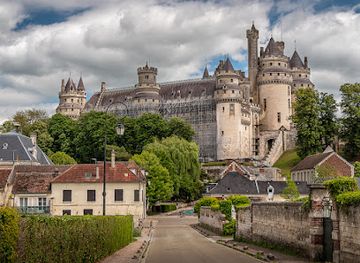
Château de Pierrefonds
Explore a majestic castle in Pierrefonds, France, blending medieval history with 19th-century architectural fantasy.


Best landmarks in Picardy
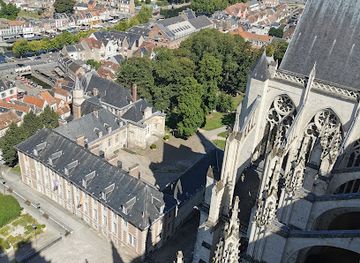
Amiens Cathedral is Picardy's defining landmark: its scale, coherent thirteenth-century Gothic design and detailed sculptural façade make it one of the region's most important monuments. Beauvais Cathedral is notable for the extraordinary height and ambition of its Gothic choir, even though the medieval project was never completed as planned. Laon Cathedral dominates its hilltop city, its towers and stone mass visible across the surrounding plain. In the Oise, the Château de Chantilly combines a historic estate, formal water features and the nineteenth-century Château de Pierrefonds offers a highly influential restoration of a medieval fortress. The ruins of Coucy Castle in Aisne evoke the power of a medieval seigneurial stronghold, while the fortified churches of Thiérache reveal how religious buildings were adapted for defence. Along the coast, the broad tidal setting of the Somme Bay is itself a geographical landmark, changing character with the light, weather and movement of the water.
-
Monument
Arc de Triomphe
Experience the grandeur of Paris at the Arc de Triomphe, a monumental tribute to French heritage and history.
-
Basilica
Basilique du Sacré-Cœur de Montmartre
Experience the breathtaking beauty and spirituality of the Basilica of Sacré-Cœur, a must-see landmark in the heart of Montmartre, Paris.
-
Cultural landmark
Louvre Pyramid
Discover the Louvre Pyramid, a stunning architectural gem and gateway to the world's largest art museum in the heart of Paris, France.
-
Theme park
Parc Asterix
Discover the excitement of Parc Astérix, a thrilling theme park near Paris, blending adventure with French culture and the beloved Asterix comics.


Explore Picardy on the map
Plan your trip on one map. See where the top cities, national parks and sights are, and book hotels and experiences in a few clicks.
Best hotels in Picardy
Best restaurants in Picardy
Picardy's cuisine reflects fertile farmland, dairy production, orchards and the waters of the Somme and Channel coast. Ficelle picarde, a savoury crêpe generally filled with ham, mushrooms and cream, is the best-known regional speciality, while gâteau battu is a rich, brioche-like cake associated particularly with the Somme. Local menus may include duck, rabbit, seasonal vegetables, freshwater fish and coastal mussels, alongside breads, tarts and farmhouse cheeses. The Somme Bay brings seafood and shellfish to restaurants in coastal towns, although availability follows season and landing conditions. Cider and apple-based drinks are found in parts of the west, while northern French beer is widely represented across the region. Look to market stalls, bakeries, traditional estaminet-style restaurants, village inns and contemporary dining rooms for different expressions of local produce; menus often change with the agricultural calendar.
-
French
Le Quai
Discover authentic French cuisine at Le Quai in Amiens – where every meal is a celebration of flavor along the scenic Somme River.
-
Restaurant
Les Bouchées Doubles
Experience exquisite French cuisine at Les Bouchées Doubles in Amiens – where every meal is a delightful journey into culinary artistry.
-
Haute French
Le Moulin Des Ecrevisses
Experience exquisite Haute French cuisine at Le Moulin Des Ecrevisses, where culinary artistry meets elegance in Ailly-sur-Noye.
-
Restaurant
Le Lobby - Les Marissons
Discover gourmet delights at Le Lobby in Amiens - where exceptional cuisine meets an exquisite wine selection.


Best bars in Picardy
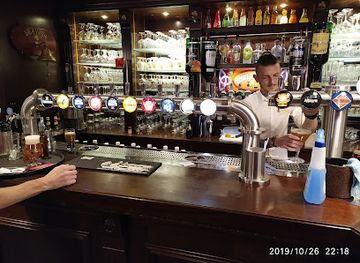
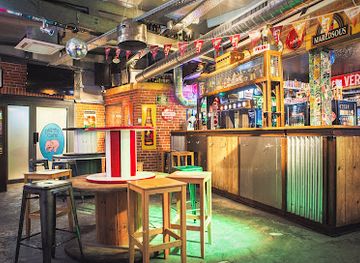
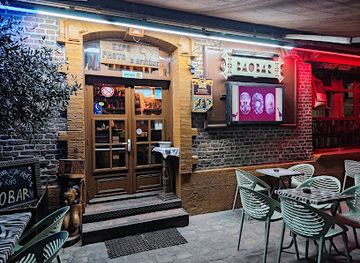
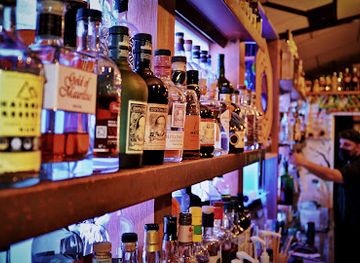
Evening life in Picardy is concentrated in Amiens and the larger towns rather than spread across the countryside. Amiens offers the broadest choice of bars, cafés, live music and late venues, particularly around the central streets and areas frequented by its student population, while Beauvais, Compiègne, Saint-Quentin, Soissons and Laon provide smaller town-centred scenes. Coastal settlements such as Saint-Valery-sur-Somme and Le Crotoy are more oriented towards restaurants, hotel bars and seasonal evening activity than large nightclubs. In rural communities, traditional cafés, brasseries, village fêtes and occasional concerts are more significant than late-night entertainment. Local breweries and regional beers are commonly available, but nightlife is best approached as part of a meal, conversation or cultural event rather than as a dedicated club destination.
-
Pub
Tower's Pub
Tower's Pub in Amiens offers an authentic Irish pub experience with delicious food, a wide selection of drinks, and a vibrant atmosphere for all.
-
Bar
Delirium Café
Discover the vibrant atmosphere and extensive beer selection at Delirium Café in Amiens, a top destination for beer lovers.
-
Bar
Baobar
Experience the lively ambiance of Baobar, a must-visit bar and restaurant in Amiens offering delicious food and drinks in a vibrant setting.
-
Bar
NETWORK - Bar des copains - Bar à cocktails
Experience the vibrant nightlife of Amiens at NETWORK - Bar des copains, a trendy cocktail bar offering expertly crafted drinks and a lively atmosphere.
Best nightclubs in Picardy
Evening life in Picardy is concentrated in Amiens and the larger towns rather than spread across the countryside. Amiens offers the broadest choice of bars, cafés, live music and late venues, particularly around the central streets and areas frequented by its student population, while Beauvais, Compiègne, Saint-Quentin, Soissons and Laon provide smaller town-centred scenes. Coastal settlements such as Saint-Valery-sur-Somme and Le Crotoy are more oriented towards restaurants, hotel bars and seasonal evening activity than large nightclubs. In rural communities, traditional cafés, brasseries, village fêtes and occasional concerts are more significant than late-night entertainment. Local breweries and regional beers are commonly available, but nightlife is best approached as part of a meal, conversation or cultural event rather than as a dedicated club destination.
-
Lounge
Underground
Immerse yourself in the electrifying nightlife of Underground, Compiègne's premier lounge and club, featuring top DJs and creative cocktails.
-
Disco club
Vegas Club
Discover the excitement of Vegas Club, a premier disco in L'Isle-Adam offering exhilarating nightlife and unforgettable dance experiences.
-
Night club
Vogue Club
Experience the vibrant nightlife of Reims at Vogue Club, where live music and energetic dancing create unforgettable nights.
-
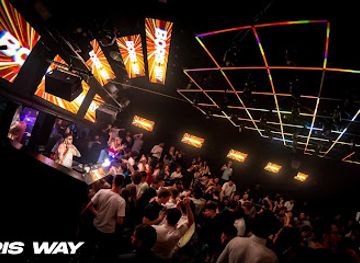
Night club
Le France
Experience the electrifying nightlife at Le France, Pendé's premier night club, where music and dancing come alive until dawn.



Best shops in Picardy
Shopping in Picardy is centred on market towns, traditional high streets and regional food rather than on a single major luxury district. Amiens provides the widest choice of department stores, independent boutiques, bookshops, galleries and food retailers, while Beauvais, Compiègne, Saint-Quentin, Laon and Senlis each have distinct central shopping areas. Weekly markets are useful for seasonal produce, cheese, bread, preserves and prepared foods, although days and locations vary by commune. Coastal towns add shops selling seafood products, local delicacies and practical equipment for walking and birdwatching. In rural areas, look for farm shops and direct-sales stalls offering cider, apples, honey and other produce. Suitable souvenirs include locally made foods, books on cathedral architecture or First World War history, and crafts from independent galleries; check provenance when buying antiques or military objects.
-
Shopping mall
Centre commercial Grand A
Explore a shopper's paradise at Centre Commercial Grand A, where diverse stores and delightful dining await in Glisy.
-
Shopping mall
Shopping Promenade Coeur Picardie
Discover the vibrant Shopping Promenade Coeur Picardie in Amiens, where shopping, dining, and entertainment come together in a delightful experience.
-
Book store
Cultura
Explore Cultura in Amiens: A vibrant cultural hub for books, crafts, music, and games, perfect for finding unique gifts and souvenirs.
-
Book store
Cultura Compiègne
Discover Cultura Compiègne, your ultimate destination for books, crafts, and unique gifts in the heart of Venette.


Get your free copy of our complete guide to Picardy, delivered straight to you.
Everything on this page, from attractions and restaurants to essentials and local phrases, in one PDF you can read offline, print or share.
Already have an account? Sign in
Your Picardy guide is ready.
We'll send it to · Not you? Sign out

Getting your guide ready…
We are putting together a fresh copy of the Picardy guide. This can take up to a minute.
This can take a few moments. If your browser asks, choose Allow so the download can start. You'll find the guide in your Downloads folder.
Nothing happened? Download it again
Sorry, the guide is taking longer than usual. Please try again in a minute, or get it by email instead.
Picardy essentials
Currency and Payment
Safety
Emergency Situations
Do's and Don'ts
Local Tips
From Eve
Local phrases worth knowing
You don't need to get them perfect. A few words go a long way, and locals appreciate the effort.
Basics
| English | Local | Say it |
|---|---|---|
| Hello | Salut | [sah-loo] |
| Goodbye | Au revoir | [oh ruh-vwahr] |
| Yes | Oui | [wee] |
| No | Non | [noh] |
| Please/You're welcome | S'il vous plaît | [seel voo pleh] |
| Thank you | Merci | [mehr-see] |
| Excuse me/Sorry | Excusez-moi | [ehk-skew-zay mwah] |
| How are you? | Comment ça va? | [koh-mohn sah vah] |
| Fine. And you? | Bien. Et vous? | [byehn eh voo] |
| Do you speak English? | Parlez-vous anglais? | [par-lay voo ahn-glay] |
| I don't understand | Je ne comprends pas | [zhuh nuh kom-prahn pah] |
Eating & Drinking
| English | Local | Say it |
|---|---|---|
| I'd like to see the menu, please | Je voudrais voir le menu, s'il vous plaît | [zhuh voo-dray vwar luh meh-nu, seel voo pleh] |
| I don't eat meat | Je ne mange pas de viande | [zhuh nuh mahnj pah duh vyahnd] |
| Cheers! | Santé! | [sahn-tay] |
| I would like to pay, please | Je voudrais payer, s'il vous plaît | [zhuh voo-dray pay-ay, seel voo pleh] |
Emergencies
| English | Local | Say it |
|---|---|---|
| Help! | Au secours! | [oh se-kour] |
| Go away! | Allez-vous-en! | [ah-lay voo-zahn] |
| Call the Police! | Appelez la police! | [ah-peh-lay lah poh-lees] |
| Call a doctor! | Appelez un médecin! | [ah-peh-lay uhn meh-deh-sin] |
| I'm lost | Je suis perdu | [zhuh swee pair-doo] |
| I'm ill | Je suis malade | [zhuh swee mah-lahd] |
Shopping
| English | Local | Say it |
|---|---|---|
| I'd like to buy... | Je voudrais acheter... | [zhuh voo-dray ah-she-tay] |
| I'm just looking | Je regarde juste | [zhuh ruh-gard zhust] |
| How much is it? | C'est combien? | [say kohm-byen] |
| That's too expensive | C'est trop cher | [say troh shair] |
| Can you lower the price? | Pouvez-vous baisser le prix? | [poo-vay voo beh-say luh pree] |
Time & Numbers
| English | Local | Say it |
|---|---|---|
| What time is it? | Quelle heure est-il? | [kehl uhr eh-teel] |
| It's one o'clock | Il est une heure | [eel eh oon uhr] |
| Half past (10) | Dix heures et demie | [dees uhr eh duh-mee] |
| Morning | Matin | [mah-tan] |
| Afternoon | Après-midi | [ah-preh mee-dee] |
| Evening | Soir | [swahr] |
| Yesterday | Hier | [ee-air] |
| Today | Aujourd'hui | [oh-zhoor-dwee] |
| Tomorrow | Demain | [duh-man] |
| 1 | Un | [uhn] |
| 2 | Deux | [duhr] |
| 3 | Trois | [trwah] |
| 4 | Quatre | [katr] |
| 5 | Cinq | [sank] |
| 6 | Six | [sees] |
| 7 | Sept | [set] |
| 8 | Huit | [weet] |
| 9 | Neuf | [nuhf] |
| 10 | Dix | [dees] |
Transport & Directions
| English | Local | Say it |
|---|---|---|
| Where's a/the...? | Où est un/une...? | [oo eh uhn/oon] |
| What's the address? | Quelle est l'adresse? | [kehl eh luh-dress] |
| Can you show me (on the map)? | Pouvez-vous me montrer (sur la carte)? | [poo-vay voo muh mohn-tray (sur lah kart)] |
| When's the next (bus)? | Quand est le prochain (bus)? | [kahn eh luh pro-shen (buss)] |
| A ticket (to ....) | Un billet (pour....) | [uhn bee-yay (poor....)] |
History of Picardy
Prehistoric Landscapes and Ancient Settlement
The Somme valley contains important evidence of early human activity, particularly around Abbeville and Amiens, where nineteenth-century discoveries helped establish the antiquity of human occupation in Europe. The river terraces, chalk plateaux and flint deposits provided both raw materials and routes through the landscape. Later prehistoric communities farmed the fertile plains and built enclosed settlements and burial monuments. Although much of the archaeology is encountered through museums and excavated remains rather than visible monuments, it explains why the Somme corridor became such a persistent centre of settlement.
Roman Samarobriva and the Early Christian Towns
Roman Picardy was crossed by roads linking the Channel coast, Paris, the Rhine frontier and other parts of northern Gaul. Samarobriva, the Roman predecessor of Amiens, became an important settlement on the Somme, while Soissons and other centres developed their own administrative and commercial roles. Roman agriculture, road building and river transport left a lasting imprint on the region's settlement pattern. Christianity later reshaped the main towns, providing the institutional foundations for the bishoprics and monasteries whose churches would dominate Picardy's medieval skyline.
Medieval Counties, Cathedrals and Trade
During the Middle Ages, Picardy occupied a strategic position between the French royal domain, Flanders, Normandy and the territories of the Low Countries. Towns benefited from cloth production, markets and river routes, while powerful counts, bishops and religious institutions competed to shape the region. The great cathedrals at Amiens, Beauvais, Laon, Noyon and Soissons belong to this period of urban growth and ecclesiastical ambition. Fortified towns and castles, including Coucy, reflected the political importance of a landscape repeatedly exposed to warfare.
The Hundred Years' War and Royal Consolidation
Picardy was a major theatre of the Hundred Years' War because of its position between France and the English-held territories to the north and west. The Battle of Crécy, fought in 1346 in what is now the Somme department, demonstrated the changing character of medieval warfare. Towns and villages suffered from campaigns, raids and political uncertainty. Over subsequent centuries the French monarchy strengthened its authority across the region, while places such as Compiègne and Senlis became closely associated with royal travel, administration and court culture.
Religious Conflict and the French Monarchy
The sixteenth and seventeenth centuries brought religious tensions, economic change and the gradual centralisation of royal power. Picardy's towns contained important churches, abbeys and civic institutions, while its frontier location gave it continuing military significance. Royal forests around Compiègne and the great estate at Chantilly illustrate how the monarchy and aristocracy used the region for hunting, residence and display. The development of roads, canals and improved agricultural production later strengthened links between inland communities, Paris and the northern markets.
Agriculture, Industry and Transport
From the eighteenth century onwards, Picardy combined intensive agriculture with manufacturing and expanding transport networks. Textile production was important in several towns, while sugar-beet processing, food industries and small-scale craft production developed alongside mechanised farming. The arrival of railways connected Amiens, Saint-Quentin, Compiègne, Beauvais and other centres more closely to Paris, the coast and northern France. In Aisne, the Familistère at Guise represented an ambitious nineteenth-century experiment in collective housing and social organisation linked to industrial production.
The First World War and the Remade Landscape
Between 1914 and 1918, Picardy became one of the principal battle zones of the Western Front. The Somme offensive of 1916 devastated communities and left extensive cemeteries and memorials across the countryside. Further east, the Chemin des Dames and the Aisne valley saw major offensives and prolonged fighting, while Château-Thierry and the surrounding area became important during the German spring offensive and the Allied counteroffensive of 1918. Reconstruction altered many towns, but memorials, cemeteries and preserved positions continue to shape the region's historical landscape.
Picardy in Photos
Browse through our photo collection highlighting the charm and character of the destination.
Neighbouring regions of Picardy
The closest regions to Picardy, if you have time for more than one.
-

-

-

-

-


Swipe for more regions
Explore more

Explore more of France
Explore France: A land of romance, history, and unparalleled beauty, from the iconic streets of Paris to the serene landscapes of Provence and the luxury of the French Riviera.
Explore France