

Pyrenees, France Travel Guide
Discover the Pyrenees in France: A paradise of majestic peaks, rich history, and thrilling outdoor adventures in one of Europe's most breathtaking mountain ranges.
Nestled between France and Spain, the Pyrenees mountain range is a natural wonder that offers visitors an enchanting blend of breathtaking landscapes, rich history, and diverse outdoor activities. The Pyrenees stretch over 430 kilometers and are home to lush valleys, cascading waterfalls, and majestic peaks that soar above 3,000 meters, providing a stunning backdrop for any adventure. The region is a paradise for outdoor enthusiasts, offering a myriad of activities such as hiking, skiing, and mountain biking. The Pyrenees National Park, located on the French side, is a haven for nature lovers, with its well-preserved flora and fauna, including the elusive Pyrenean chamois and the majestic Griffon vulture. For those seeking a more leisurely experience, the charming villages scattered throughout the mountains offer a glimpse into the traditional Pyrenean way of life, complete with quaint stone houses, local markets, and delicious regional cuisine. In addition to its natural beauty, the Pyrenees are steeped in history and culture. The region is dotted with historic sites, such as the medieval castles and Romanesque churches that stand as testaments to its storied past. Visitors can also explore the thermal spas, which have been cherished since Roman times for their therapeutic properties. Whether you're looking to immerse yourself in nature, delve into history, or simply relax and unwind, the Pyrenees in France offer a truly unforgettable experience.

Know before you go
Hi, I'm Eve. Here are a few practical things to know before exploring Pyrenees.
- Pack layers of clothing, as the weather can change quickly in the mountains.
- Don't miss the local markets for fresh produce and regional specialties.
- Visit the thermal spas for a relaxing and rejuvenating experience after a day of hiking.
- Check the seasonal availability of activities such as skiing and hiking before planning your trip.
- Hire a local guide to explore hidden trails and learn more about the region's history and wildlife.
Explore Pyrenees: Things to Do, Places to Eat, Hotels & More
Handpicked recommendations for top attractions, local dining, accommodations, and more

Best attractions in Pyrenees
Top-rated picks
Best Attractions

Parc national des Pyrénées
Explore the breathtaking landscapes and diverse wildlife of Parc National des Pyrénées, a gem in the heart of the French Pyrenees.

La Fontaine de Fontestorbes
Experience the serene beauty of La Fontaine de Fontestorbes, a stunning fountain in Belesta, France, perfect for nature lovers and photography enthusiasts.

Grotte du Mas d'Azil
Explore a prehistoric cave in the French Pyrenees, drive through a mountain, and discover the secrets of the Azilian culture.

National Museum and the Château de Pau - Official
Explore the Château de Pau, birthplace of Henri IV, with its stunning architecture, royal tapestries, and panoramic views of the Pyrenees.

Best landmarks in Pyrenees
Top-rated picks
Best Landmarks
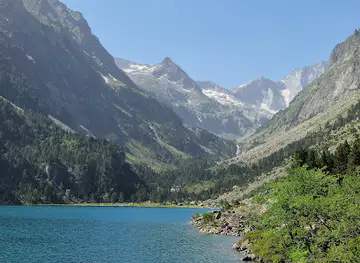
Parc national des Pyrénées
Explore the breathtaking landscapes, rich biodiversity, and cultural heritage of Parc National des Pyrénées, a must-visit destination for nature lovers.

Regional Park of the Catalan Pyrenees
Experience the breathtaking beauty of the Regional Park of the Catalan Pyrenees, where nature thrives and adventure awaits in every corner.
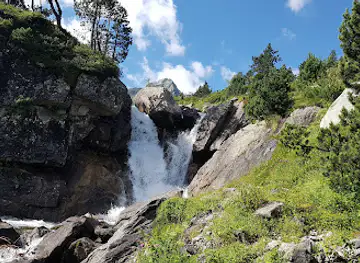
Pont d'Espagne
Explore the breathtaking beauty of Pont d'Espagne, a stunning bridge and hiking area in the Pyrenees, perfect for nature lovers and adventure seekers alike.

Animal Park of the Pyrenees
Explore the enchanting Animal Park of the Pyrenees, where wildlife and stunning landscapes come together for an unforgettable family adventure.

Best restaurants in Pyrenees
Top-rated picks
Best Restaurants

Les Aryelets
Discover the essence of French cuisine at Les Aryelets in Aulon—where every dish tells a story.

Restaurant l'Arbizon
Experience exquisite French cuisine and gourmet hamburgers at Restaurant l'Arbizon in charming Arreau - a culinary delight amidst stunning mountain views.

Restaurant de France
Experience authentic French cuisine in Sarrancolin at Restaurant de France—where every meal tells a story amidst stunning mountain views.

La table de Saoussas
Experience authentic French cuisine amidst breathtaking mountain views at La Table de Saoussas in Loudenvielle.

Best bars in Pyrenees
Top-rated picks
Best Bars
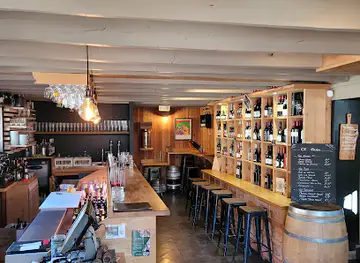
Au balcon
Discover the exquisite flavors of Au Balcon, where French cuisine meets a cozy wine bar in the heart of Saint-Lary-Soulan.

Le Maillol Café
Experience the lively ambiance of Le Maillol Café in Font-Romeu, where delicious tapas and crafted cocktails meet stunning mountain views.

Bar restaurant Claire Montagne
Discover the cozy charm of Bar Restaurant Claire Montagne, where traditional French cuisine meets breathtaking alpine views in Gavarnie-Gèdre.
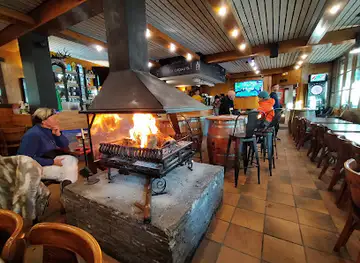
Bar Le Dahu
Discover the lively spirit of Bar Le Dahu in Font-Romeu-Odeillo-Via, where locals and tourists unite over drinks in a cozy alpine setting.

Best nightclubs in Pyrenees
Top-rated picks
Best Nightclubs

DUPLEX Nightclub
DUPLEX Nightclub in Biarritz: A premier disco club offering an unforgettable nightlife experience with vibrant music, stylish cocktails, and an electric atmosphere.

La Noche
Dance the night away at La Noche, Lons' vibrant disco club, where music meets excitement for an unforgettable nightlife experience.

Le Ti Club
Discover the electrifying nightlife at Le Ti Club, Argelès-sur-Mer's premier disco club, where unforgettable dance experiences await.

Durango
Unleash your night at Durango, the ultimate night club in the heart of the city, where vibrant energy meets unforgettable entertainment.

Best shops in Pyrenees
Top-rated picks
Best Shops

Pyrénées Andorra
Discover the ultimate shopping destination in Andorra with Pyrénées Andorra, your gateway to fashion, dining, and local experiences in the heart of the Pyrenees.

Grotte de Fontrabiouse
Experience the stunning beauty of Grotte de Fontrabiouse, an enchanting cave system in the French Pyrenees, perfect for family adventures and geological exploration.

Telemark Pyrenees
Discover Telemark Pyrenees: Your ultimate adventure hub for skiing and rock climbing in the breathtaking French Pyrenees.

Mohair Pyrénées
Explore Mohair Pyrénées, where exquisite yarns and local craftsmanship meet in the heart of Camarade, France.

Explore Pyrenees on the Map
A handpicked selection of must-see spots in Pyrenees, mapped for you.
Pyrenees Essentials
-
The Pyrenees in France are accessible from several major cities. The nearest international airports are in Toulouse, Pau, and Biarritz. From these airports, you can rent a car or use public transportation, such as trains and buses, to reach your destination in the Pyrenees. The TGV high-speed train also connects Paris to Toulouse and Pau, with local trains available for further travel into the Pyrenees.
-
While in the Pyrenees, a car rental is the most convenient way to explore the region due to its mountainous terrain and remote locations. However, there are public transportation options including regional trains and buses that connect the main towns and cities. Cycling is also popular, especially for those looking to take on the famous mountain routes. Taxis and local shuttles are available for shorter trips.
-
The official currency in France is the Euro (€). Credit and debit cards are widely accepted in most establishments, including hotels, restaurants, and shops. However, it is advisable to carry some cash, especially when visiting smaller villages and rural areas. ATMs are available in most towns, but may be scarce in remote locations.
-
The Pyrenees is generally a safe destination for tourists. However, it is wise to take standard precautions such as avoiding isolated areas at night and being vigilant in crowded places. There are no specific high-crime areas, but petty theft can occur in tourist hotspots. Always keep an eye on your belongings and avoid showing large amounts of cash or valuable items.
-
In case of an emergency, dial 112 for immediate assistance. This number connects you to emergency services including police, fire brigade, and medical help. It is advisable to have travel insurance that covers medical emergencies. The region has hospitals and medical facilities in larger towns, while smaller villages may have local clinics. Pharmacies are available for minor health issues and over-the-counter medications.
-
Fashion: Do dress in layers and wear comfortable, sturdy shoes suitable for hiking. Avoid overly casual attire in restaurants. Religion: Do respect local religious customs and dress modestly when visiting churches or religious sites. Public Transport: Do be punctual and purchase tickets in advance when possible. Don’t eat or drink on public transport. Greetings: Do greet people with a 'Bonjour' and a friendly handshake. Don’t use informal greetings unless you know the person well. Eating & Drinking: Do try local specialties and wine. Don’t forget to say 'Bon appétit' before starting a meal.
-
To experience the Pyrenees like a local, visit the weekly markets in towns such as Lourdes and Saint-Jean-Pied-de-Port to buy fresh local produce and artisan goods. Engage with locals by learning a few basic French phrases, as this is often appreciated. Hiking is a way of life here, so make sure to explore some of the scenic trails. Don't miss out on trying local cheeses, cured meats, and wines. Participate in local festivals and events to get a true sense of the culture and traditions.
When is the best time to visit Pyrenees?
Useful Local Phrases for Pyrenees
You don't need to speak the language perfectly. Even learning a few simple words can make conversations warmer—and locals usually appreciate the effort.
— Eve

Here are the phrases I use most often in Pyrenees. Try a few—you'll be surprised how far they go! 😊
❤️
-
- HelloBonjour
[Bon-zhoor] - GoodbyeAu revoir
[Oh ruh-vwahr] - YesOui
[Wee] - NoNon
[Nohn] - Please/You're welcomeS'il vous plaît/De rien
[Seel voo pleh/duh ree-ehn] - Thank youMerci
[Mehr-see] - Excuse me/SorryExcusez-moi/Désolé
[Ex-kew-zay mwah/Day-zoh-lay] - How are you?Comment ça va?
[Koh-mohn sah vah] - Fine. And you?Bien. Et vous?
[Byehn. Ay voo] - Do you speak English?Parlez-vous anglais?
[Par-lay voo ahn-glay] - I don't understandJe ne comprends pas
[Zhuh nuh kohm-prahnd pah]
- HelloBonjour
-
- I'd like to see the menu, pleaseJe voudrais voir le menu, s'il vous plaît
[Zhuh voo-dray vwahr luh muh-nyuh, seel voo pleh] - I don't eat meatJe ne mange pas de viande
[Zhuh nuh mahnj pah duh vyand] - Cheers!Santé!
[Sahn-tay] - I would like to pay, pleaseJe voudrais payer, s'il vous plaît
[Zhuh voo-dray pay-ay, seel voo pleh]
- I'd like to see the menu, pleaseJe voudrais voir le menu, s'il vous plaît
-
- Help!Au secours!
[Oh suh-koor] - Go away!Allez-vous en!
[Ah-lay vooz ahn] - Call the Police!Appelez la police!
[Ah-play lah po-lees] - Call a doctor!Appelez un médecin!
[Ah-play uh med-sahn] - I'm lostJe suis perdu(e)
[Zhuh swee pair-doo(eh)] - I'm illJe suis malade
[Zhuh swee mah-lahd]
- Help!Au secours!
-
- I'd like to buy...Je voudrais acheter...
[Zhuh voo-dray ash-tay...] - I'm just lookingJe regarde juste
[Zhuh ruh-gard joo-st] - How much is it?Combien ça coûte?
[Kohm-byen sah koot] - That's too expensiveC'est trop cher
[Say troh shair] - Can you lower the price?Pouvez-vous baisser le prix?
[Poo-vay voo bay-say luh pree]
- I'd like to buy...Je voudrais acheter...
-
- What time is it?Quelle heure est-il?
[Kell uhr eh-teel] - It's one o'clockIl est une heure
[Eel eh oohn uhr] - Half past (10)Dix et demi
[Dee ay duh-mee] - MorningMatin
[Mah-tahn] - AfternoonAprès-midi
[Ah-pray mee-dee] - EveningSoir
[Swahr] - YesterdayHier
[Yehr] - TodayAujourd'hui
[Oh-zhoor-dwee] - TomorrowDemain
[Duh-mahn] - 1Un
[Oohn] - 2Deux
[Duh] - 3Trois
[Twa] - 4Quatre
[Katr] - 5Cinq
[Sank] - 6Six
[Sees] - 7Sept
[Set] - 8Huit
[Weet] - 9Neuf
[Nuhf] - 10Dix
[Dee]
- What time is it?Quelle heure est-il?
-
- Where's a/the...?Où est...?
[Oo eh] - What's the address?Quelle est l'adresse?
[Kell eh la-dress] - Can you show me (on the map)?Pouvez-vous me montrer (sur la carte)?
[Poo-vay voo muh mohn-tray (soor lah kart)] - When's the next (bus)?Quand est le prochain (bus)?
[Kahnd eh luh proh-shahn (boos)] - A ticket (to ....)Un billet (pour ....)
[Oohn bee-yeh (poor)]
- Where's a/the...?Où est...?
History of Pyrenees
-
The Pyrenees have been inhabited since prehistoric times, with evidence of human presence dating back to the Paleolithic era. Cave paintings, such as those found in the Grotte de Niaux, reveal the rich artistic expressions of early inhabitants. These ancient artworks provide a glimpse into the lives and beliefs of the region's earliest settlers.
-
During the Roman Empire, the Pyrenees served as a natural border between the provinces of Hispania and Gaul. The Romans built roads and fortifications in the region, facilitating trade and military movement. Remnants of Roman architecture, such as the Pont du Diable in Céret, highlight the strategic importance of the Pyrenees in ancient times.
-
In the Middle Ages, the Pyrenees were a patchwork of small, independent kingdoms and counties. Notable among these was the County of Foix, which played a significant role in the power dynamics of medieval France and Spain. The imposing Château de Foix stands as a testament to the region's feudal past and its strategic military importance.
-
The Pyrenees were a stronghold for the Cathar movement, a Christian sect deemed heretical by the Catholic Church. The Albigensian Crusade, launched in the 13th century, aimed to eradicate Catharism from the region. The ruins of Montségur Castle, perched high in the mountains, serve as a poignant reminder of the brutal conflict and the Cathars' resistance.
-
In 1659, the Treaty of the Pyrenees was signed, ending the Franco-Spanish War. The treaty established the Pyrenees as the border between France and Spain, significantly altering the political landscape of the region. The agreement also led to the exchange of territories and the fortification of border towns like Saint-Jean-Pied-de-Port.
-
During World War II, the Pyrenees played a crucial role as a route for resistance fighters and refugees fleeing Nazi-occupied France. The rugged terrain provided cover for clandestine operations and escape routes into Spain. Memorials and museums, such as the Musée de la Résistance in Montauban, commemorate the bravery and sacrifices of those involved.
-
The Pyrenees are home to a rich tapestry of cultures and languages. The region is a melting pot of French, Spanish, and Basque influences, each contributing to its unique identity. Traditional festivals, such as the Fêtes de Bayonne, and the preservation of local languages like Occitan and Basque, showcase the enduring cultural heritage of the Pyrenees.
Cities in Pyrenees
Browse our curated selection of top destinations, scenic points, and must-visit spots in the area.


Neighbouring destination travel guides
Browse our curated selection of top destinations, scenic points, and must-visit spots in the area.


Your all‑in‑one travel companion app
Explore expert travel guides, compare and book tours, experiences, hotels, and more—all from the palm of your hand. Download now for seamless trip planning wherever your wanderlust takes you.


Explore More of Midi-Pyrénées

Looking beyond Pyrenees? Discover Midi-Pyrénées for broader travel guides, local hot-spots, and regional highlights.
Explore Midi-PyrénéesExplore More of France

Looking beyond Pyrenees? Discover France for broader travel guides, local hot-spots, and regional highlights.
Explore FrancePyrenees in Photos
Browse through our photo collection highlighting the charm and character of the destination.


The Enchanting Pyrenees: Nature's Splendor in France
Nestled between France and Spain, the Pyrenees mountain range is a natural wonder that offers visitors an enchanting blend of breathtaking landscapes, rich history, and diverse outdoor activities. The Pyrenees stretch over 430 kilometers and are home to lush valleys, cascading waterfalls, and majestic peaks that soar above 3,000 meters, providing a stunning backdrop for any adventure. The region is a paradise for outdoor enthusiasts, offering a myriad of activities such as hiking, skiing, and mountain biking. The Pyrenees National Park, located on the French side, is a haven for nature lovers, with its well-preserved flora and fauna, including the elusive Pyrenean chamois and the majestic Griffon vulture. For those seeking a more leisurely experience, the charming villages scattered throughout the mountains offer a glimpse into the traditional Pyrenean way of life, complete with quaint stone houses, local markets, and delicious regional cuisine. In addition to its natural beauty, the Pyrenees are steeped in history and culture. The region is dotted with historic sites, such as the medieval castles and Romanesque churches that stand as testaments to its storied past. Visitors can also explore the thermal spas, which have been cherished since Roman times for their therapeutic properties. Whether you're looking to immerse yourself in nature, delve into history, or simply relax and unwind, the Pyrenees in France offer a truly unforgettable experience.