From Eve
Know before you go
Hi, I'm Eve. Here are a few practical things to know before exploring Pont Alexandre III.
Local know-how to help you travel smarter and make the most of every moment.

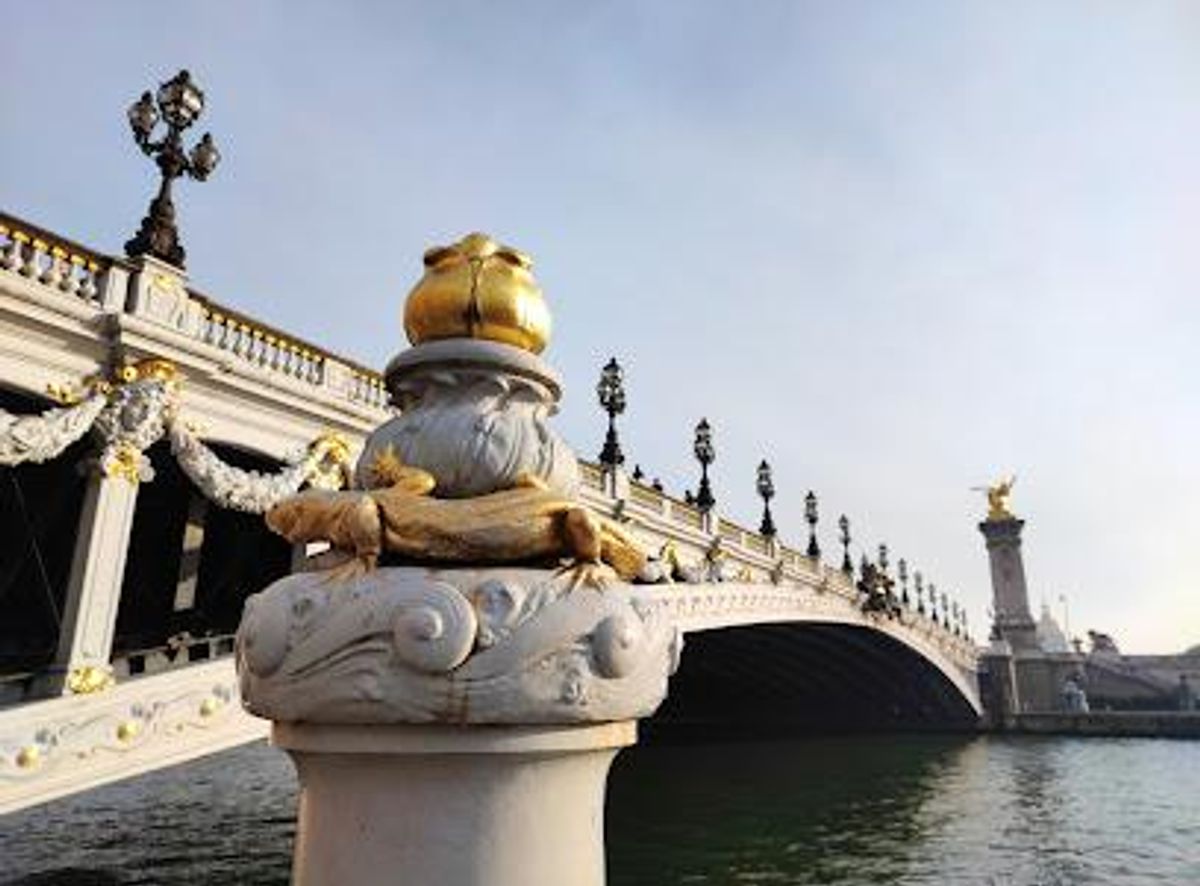
A Belle Époque masterpiece, Pont Alexandre III offers stunning views and symbolizes Franco-Russian friendship with its ornate design and gilded details.
Pont Alexandre III is an ornate bridge in Paris, built in the late 19th century to honor the Franco-Russian Alliance. Connecting the Champs-Élysées area with the Invalides, it's renowned for its gilded statues, Art Nouveau lamps, and stunning views of the Seine and Eiffel Tower.
Opening times, essentials, and a few local tips gathered into one calmer, easier-to-scan planning section.
Hi, I'm Eve. Here are a few practical things to know before exploring Pont Alexandre III.
Local know-how to help you travel smarter and make the most of every moment.
Public Transport
From central Paris, take Metro Line 1 or 13 to Champs-Élysées – Clemenceau station (closest to the bridge on the 8th arrondissement side) or Line 8 or 13 to Invalides station (closest on the 7th arrondissement side). A single Metro ticket costs €2.50. Alternatively, several bus lines stop near the bridge, including lines 42, 73, and 93 at Champs-Élysées – Clemenceau, lines 83, 87, and 93 at Invalides, and lines 63 and 93 at Pont Alexandre III.
Walking
If you are near the Champs-Élysées, Grand Palais, or Les Invalides, walking to the Pont Alexandre III is a scenic option. From the Champs-Élysées, walk towards the Seine and the Grand Palais, and you'll easily spot the bridge. From Les Invalides, walk towards the river, and the bridge will be directly in front of you. The bridge connects these landmarks, making it a natural part of a walking tour.
Taxi/Ride-sharing
Taxis and ride-sharing services like Uber are readily available in Paris. A short taxi ride from the Eiffel Tower or Louvre Museum to Pont Alexandre III typically costs between €8 and €15, depending on traffic and time of day. Keep in mind that there is a pickup fee of €4.10, and the mileage rate ranges from €1.22 to €1.74 per kilometer. There may be an additional charge of €4 if there are 5 or more passengers.
Use Tower Bridge as your starting point for nearby food, family ideas, nightlife, and more local discoveries.

Explore expert travel guides, compare and book tours, experiences, hotels, and more—all from the palm of your hand. Download now for seamless trip planning wherever your wanderlust takes you.
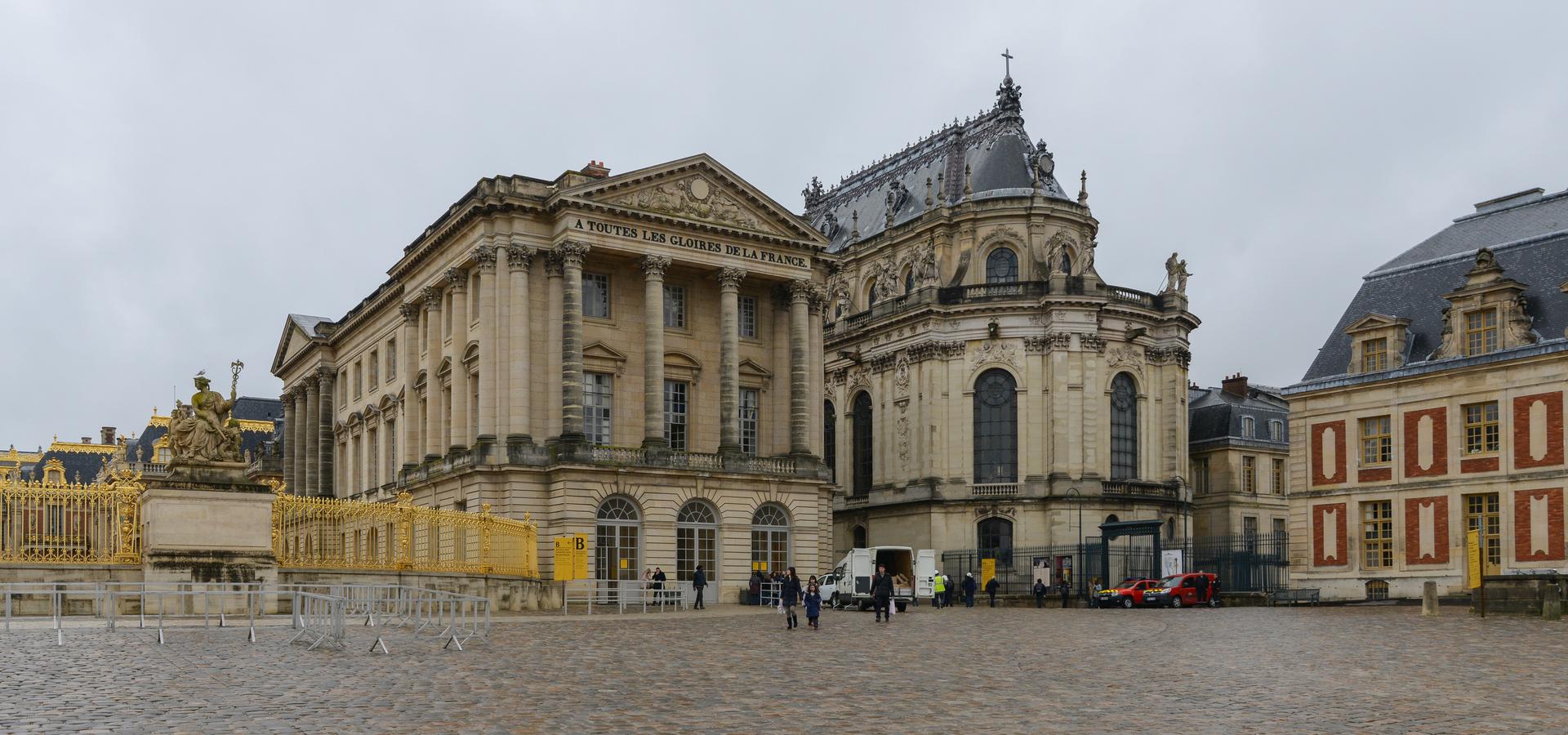
Discover the grandeur of Versailles, a city steeped in royal history and French elegance, just a short trip from Paris. Explore its iconic palace, charming streets, and lush gardens.
Tell me more about Versailles