New Pavilion: A Schinkel Masterpiece in Charlottenburg
Discover the New Pavilion in Charlottenburg Palace Gardens: A Neoclassical masterpiece by Karl Friedrich Schinkel showcasing Prussian art and royal history in a serene setting.
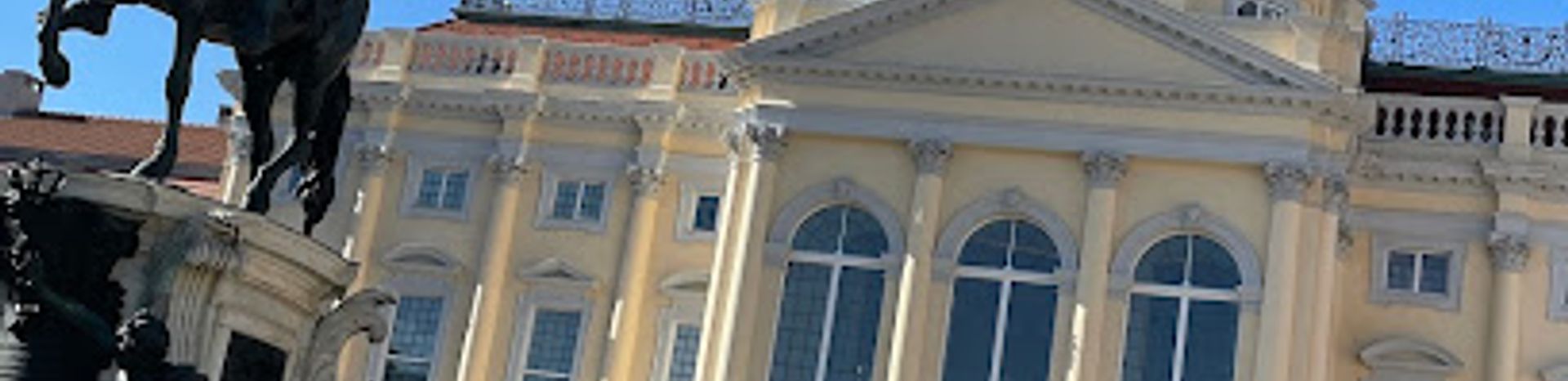
Nestled within the serene Charlottenburg Palace Gardens, the New Pavilion, also known as the Schinkel Pavilion, is a captivating architectural gem designed by Karl Friedrich Schinkel. Commissioned by King Frederick William III in the early 19th century as a summer retreat, this Neoclassical villa draws inspiration from Italian designs and offers a glimpse into Prussian art and history. Severely damaged during WWII, it was meticulously reconstructed and now houses a remarkable collection of paintings, sculptures, and furniture from the Schinkel era, including works by Caspar David Friedrich and Karl Blechen. A visit promises a tranquil escape and a journey back in time to experience the refined elegance of Prussian royalty and the artistic genius of Schinkel.
A brief summary to New pavilion in the palace garden of Charlottenburg
- Spandauer Damm 10-22, Berlin, Charlottenburg-Wilmersdorf, 14059, DE
- +493319694200
- Visit website
Local tips
- Visit on a Sunday, as the New Pavilion is only open to the public on Sundays from April to October.
- Purchase the Charlottenburg+ ticket for access to all museum institutions in the Charlottenburg Palace Gardens, including the New Pavilion.
- Join a guided tour to fully appreciate the history, architecture, and art collection within the New Pavilion.

Getting There
-
Public Transport
From central Berlin, take the U7 U-Bahn line to Richard-Wagner-Platz or Sophie-Charlotte-Platz. From either station, it's approximately a 15-minute walk to the Charlottenburg Palace Gardens. Alternatively, take the S-Bahn (lines S41, S42, or S46) to Westend station, followed by a slightly longer walk. Several bus lines (109, 309, M45) stop at Luisenplatz/Schloss Charlottenburg, which is a short walk from the palace gardens entrance. A single BVG ticket (AB zone) costs €3.50.
-
Taxi/Ride-Share
A taxi or ride-share from central Berlin to Charlottenburg Palace Gardens will typically cost between €15-€25, depending on traffic and the exact starting point. The journey usually takes 20-30 minutes. Ask to be dropped off near Spandauer Damm 10-22 for closest access to the gardens.
-
Driving
If driving, navigate to Spandauer Damm 10-22, 14059 Berlin. Paid parking is available near the Charlottenburg Palace Gardens, with hourly rates typically around €2-€3. Parking spaces are limited, especially during peak season, so arriving early is recommended. Consider using public transport as an alternative due to parking constraints.
Discover more about New pavilion in the palace garden of Charlottenburg
Iconic landmarks you can’t miss

Denkmal des Großen Kurfürsten Friedrich Wilhelm
0.2 km
Witness Prussian history at the Denkmal des Großen Kurfürsten Friedrich Wilhelm in Berlin's Charlottenburg Palace, a symbol of power, ambition, and complex legacies.
Schlossbrunnen
0.3 km
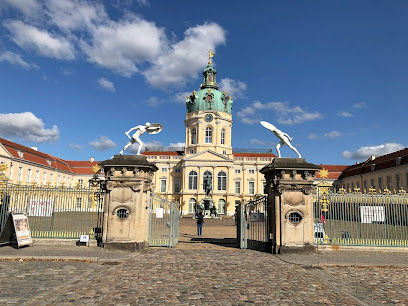
Experience the charm of Schlossbrunnen, a historical landmark in Berlin, surrounded by picturesque gardens and rich heritage.
Charlottenburg
0.6 km
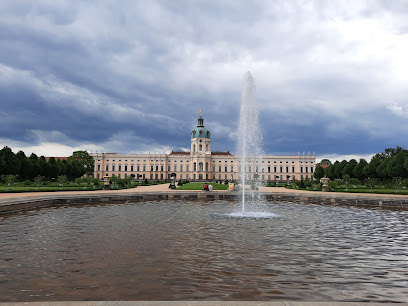
Explore the elegant borough of Charlottenburg in Berlin, where history, culture, and modernity blend beautifully for an unforgettable experience.
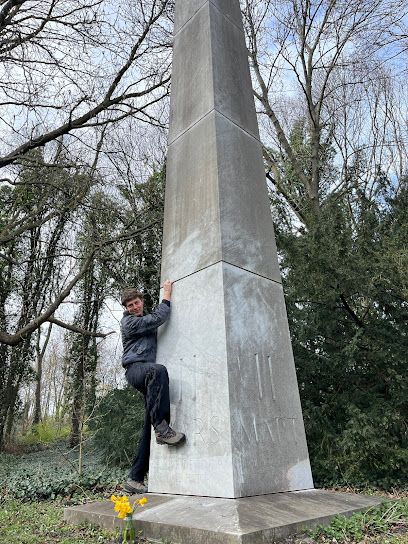
Obelisk
0.9 km
Discover Berlin's thought-provoking Obelisk in Charlottenburg Palace Garden, a unique monument challenging historical significance and celebrating the beauty of the everyday, created by Braco Dimitrijević.
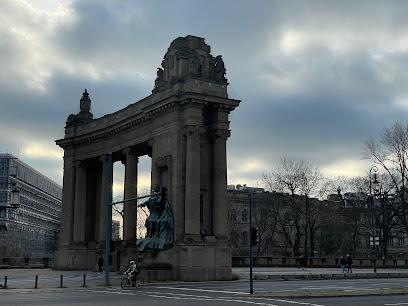
Charlottenburg Gate
2.3 km
Explore the architectural beauty and historical significance of the Charlottenburg Gate, a must-visit monument in Berlin's vibrant Charlottenburg district.
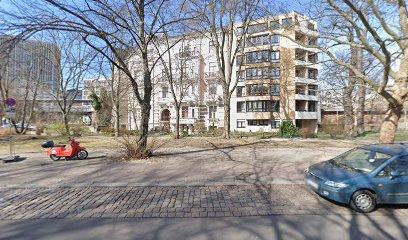
Klopstockstraße 1
2.7 km
Explore the architectural beauty of Klopstockstraße 1 in Berlin, a blend of history and modern design in the heart of Mitte.
Str. des 17. Juni 100
2.7 km
Explore the historic Str. des 17. Juni in Berlin, a stunning avenue filled with cultural landmarks, lush parks, and vibrant events that capture the city's essence.
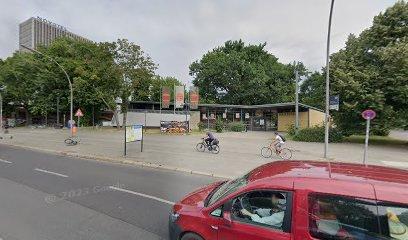
Kurfürstendamm 224
2.9 km
Discover Kurfürstendamm 224, an architectural treasure in Berlin that blends history and modernity in the vibrant heart of the city.
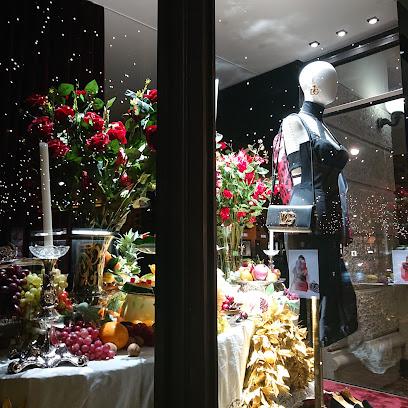
Kurfürstendamm
3.1 km
Explore Kurfürstendamm, Berlin's iconic shopping boulevard, where luxury meets culture in a vibrant urban setting.
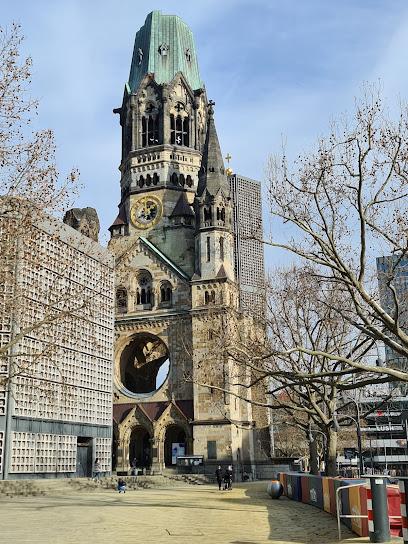
Rosa Luxemburg Memorial
3.3 km
Explore the Rosa Luxemburg Memorial in Berlin, a serene tribute to the revolutionary thinker and a reflection of her enduring legacy in the heart of the city.
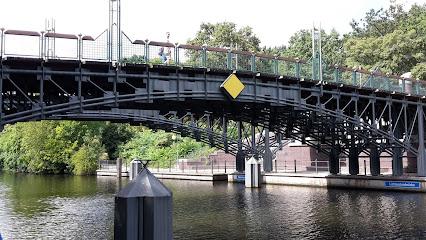
Tauentzienstraße
3.4 km
Explore the essence of Berlin at Tauentzienstraße, a vibrant shopping street filled with iconic stores, charming cafes, and rich cultural experiences.
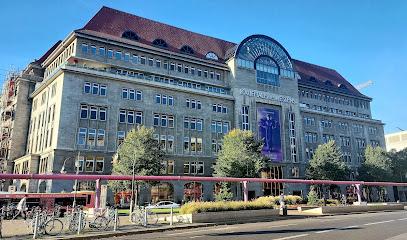
Großer Stern
3.5 km
Discover the historic Großer Stern in Berlin, a vibrant square featuring the iconic Victory Column and lush gardens, perfect for leisurely exploration.
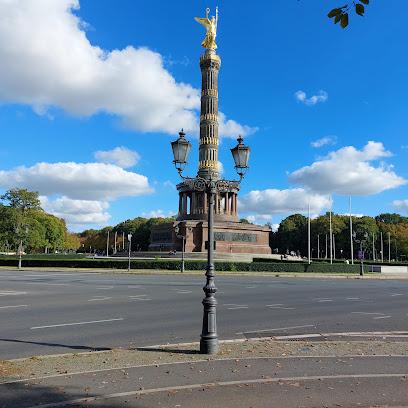
Bismarck-Nationaldenkmal
3.5 km
Discover the Bismarck National Monument in Berlin's Tiergarten, a powerful symbol of German history and unity, reflecting the legacy of Otto von Bismarck.
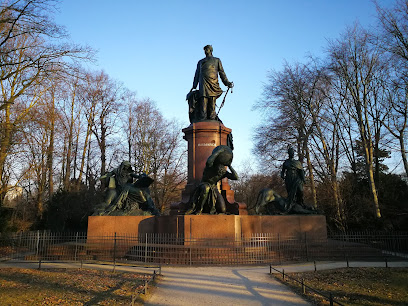
Victory Column
3.5 km
Discover Berlin's iconic Victory Column, a symbol of triumph and history, offering stunning views and a serene escape in the heart of the city.
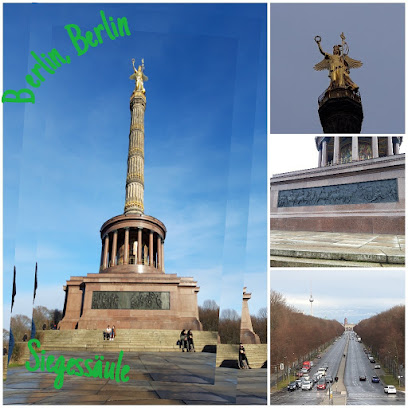
Wittenbergpl.
3.7 km
Experience the rich history and vibrant culture of Tempelhof-Schöneberg, Berlin, where modernity meets tradition in a lively urban setting.
Unmissable attractions to see

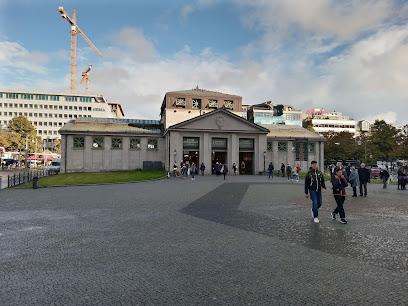
Charlottenburg Palace - New Wing
0.1 km
Discover the beauty of Charlottenburg Palace - New Wing, a historical landmark in Berlin that merges exquisite architecture with rich royal history.
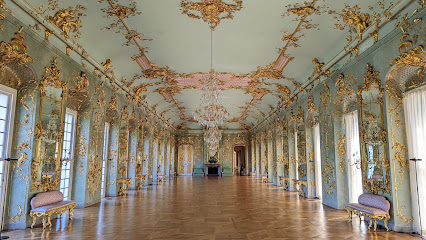
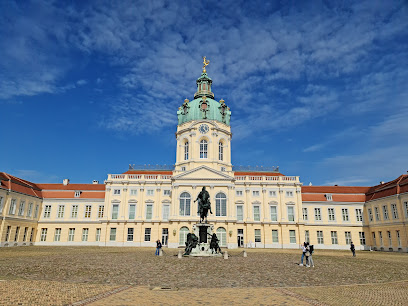
Charlottenburg Palace
0.2 km
Explore Charlottenburg Palace: A captivating Baroque masterpiece in Berlin, showcasing royal history and stunning gardens.
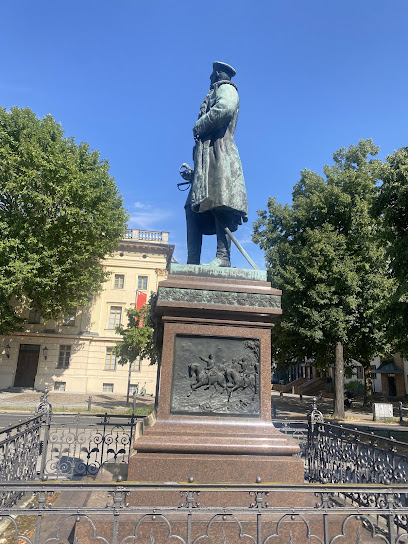
Monument to Albrecht von Preussen
0.3 km
Explore the Monument to Albrecht von Preussen in Berlin, a stunning tribute to history set within beautiful parkland.
Bröhan Museum
0.4 km
Explore the Bröhan Museum in Berlin, where Art Nouveau, Art Deco, and Functionalism come alive through stunning collections and exhibitions.
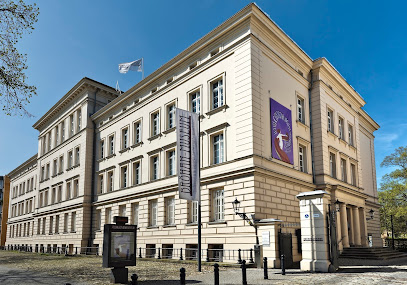
ORANGERIE CHARLOTTENBURG | spaces mgt GmbH
0.4 km
Explore Berlin's Orangerie Charlottenburg, a blend of historic elegance and natural beauty in the heart of the city.
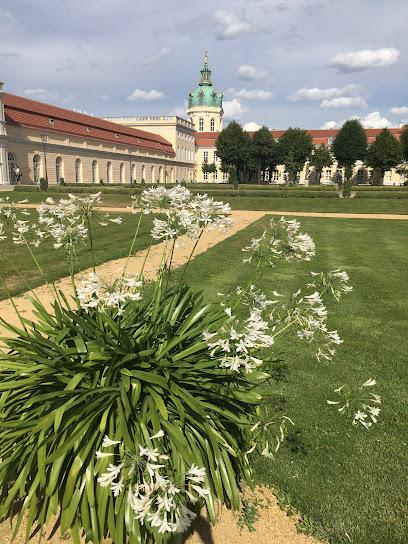
Caprivibrücke
0.5 km
Discover the enchanting Caprivibrücke in Berlin, where history meets stunning views in a picturesque setting perfect for tourists.
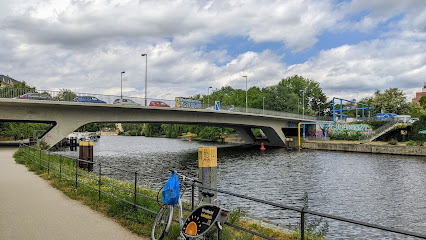
Schloss Charlottenburg – Theaterbau
0.5 km
Explore the grandeur of Schloss Charlottenburg, Berlin's largest palace, where history, art, and royal elegance converge in a stunning environment.
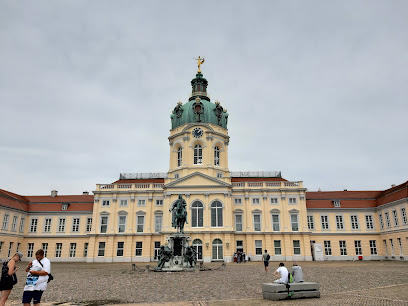
Schlossgarten Charlottenburg
0.5 km
Explore the enchanting Schlossgarten Charlottenburg, a historical park in Berlin filled with beautiful gardens, lakes, and cultural heritage.
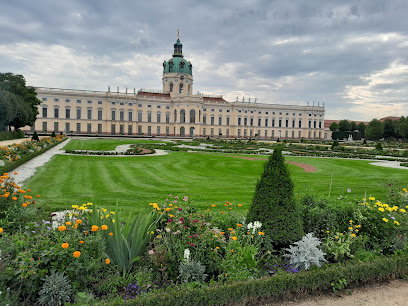
Rosengarten
0.6 km
Explore the Rosengarten in Berlin, a serene garden filled with thousands of roses, perfect for leisurely strolls and tranquil picnics amidst nature's beauty.
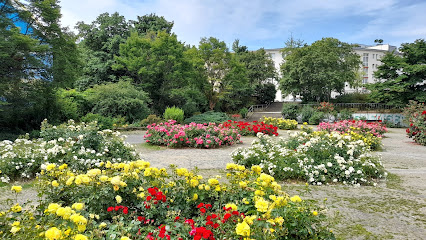
Mittelpromenade der Schlossstraße am Schloss Charlottenburg
0.6 km
Experience the enchanting beauty of Mittelpromenade at Schloss Charlottenburg, a tranquil haven in the heart of Berlin's rich history.
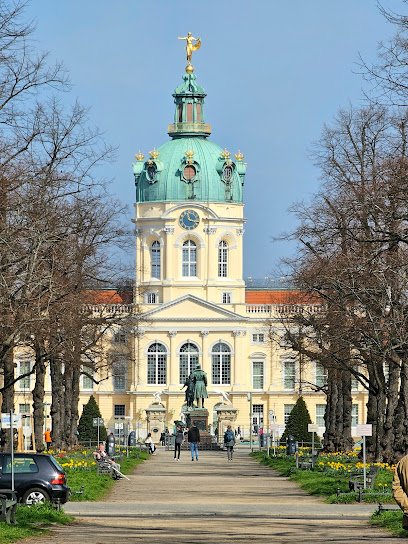
Villa Oppenheim - Museum Charlottenburg-Wilmersdorf
0.6 km
Discover the charm of Villa Oppenheim, a hidden museum in Berlin with a rich art collection and beautiful gardens, perfect for cultural exploration.
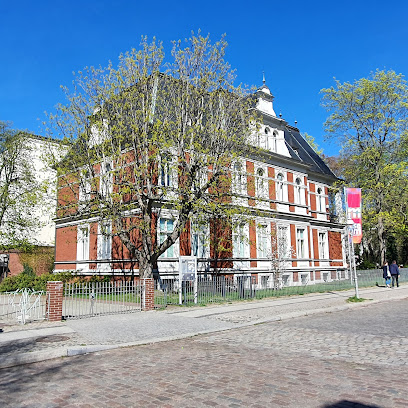
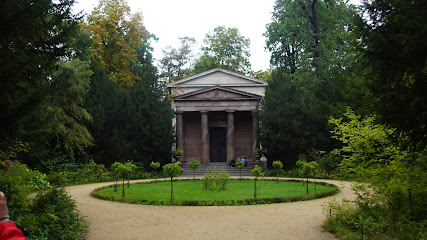
Mausoleum in the Palace Garden Charlottenburg
0.6 km
Discover the serene beauty of the Mausoleum in the Palace Garden Charlottenburg, a historical landmark steeped in royal heritage and architectural splendor.
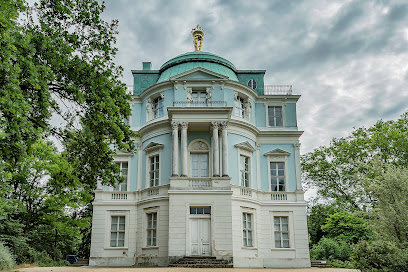
Belvedere in the palace garden of Charlottenburg
0.7 km
Discover the enchanting Belvedere in Charlottenburg's palace garden, a historical landmark showcasing regal architecture and serene beauty.
Whale Mural
1.2 km
Explore the stunning Whale Mural in Berlin, a vibrant masterpiece of street art celebrating marine life and creativity in the heart of the city.

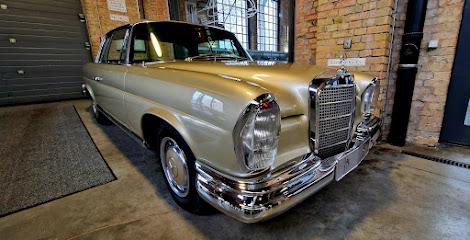
Classic-Remise Berlin
1.7 km
Explore Classic-Remise Berlin, a unique destination blending automotive history with a vibrant cafe culture, ideal for car enthusiasts and casual visitors.
Essential places to dine

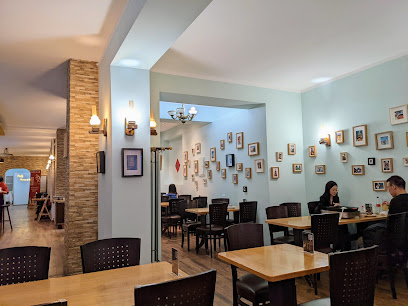
Holly
0.6 km
Experience authentic Chinese flavors at Holly in Berlin's Charlottenburg district - where every dish tells a story.
Schnitzelei
1.1 km
Experience authentic German cuisine at Schnitzelei in Charlottenburg - home to delectable schnitzels and delightful tapas!
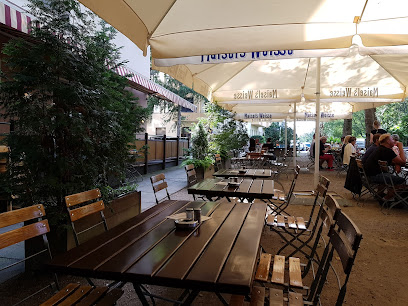
De Maufel
1.7 km
Discover De Maufel: A fine dining experience blending exquisite French and German cuisines in Berlin's charming Charlottenburg-Wilmersdorf district.
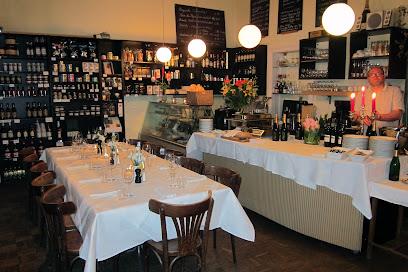
Focaccino
1.8 km
Experience authentic Southern Italian and Sicilian cuisine at Focaccino, where every dish tells a story of culinary tradition.
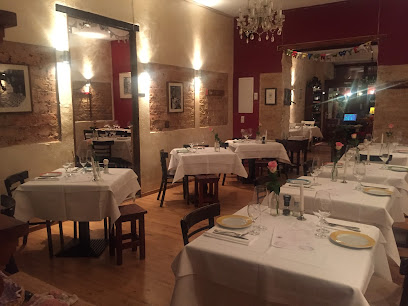
Buschbeck's Restaurant
1.8 km
Experience the essence of German culinary traditions at Buschbeck's Restaurant in Berlin - where every meal tells a story.
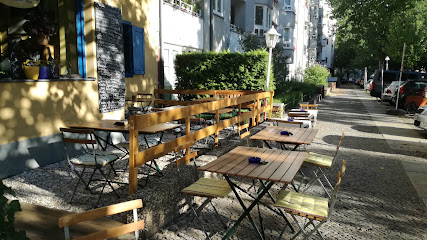
Belmondo
2.1 km
Experience the best of French haute cuisine at Belmondo in Berlin - where tradition meets elegance in every dish.
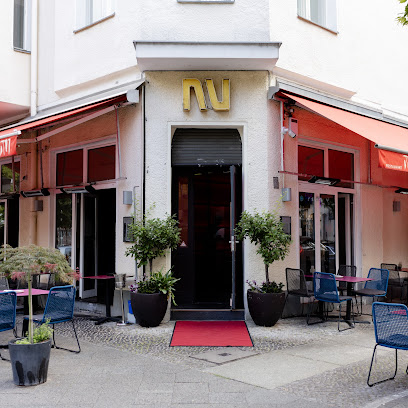
NU RESTAURANT
2.3 km
Experience the best of Asian Fusion at NU Restaurant in Berlin – where culinary creativity meets vibrant flavors in an inviting atmosphere.
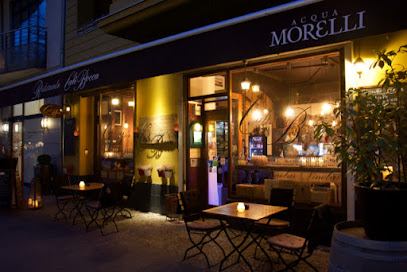
CaliBocca Restaurant & Wine Bar
2.3 km
Experience authentic Italian cuisine and exquisite wines at CaliBocca Restaurant & Wine Bar in Berlin's charming Charlottenburg district.
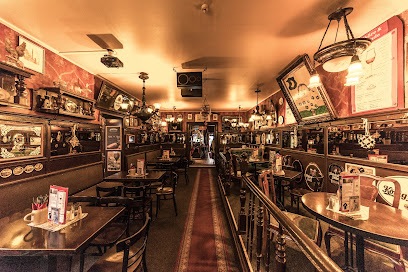
Dicke Wirtin
2.3 km
Discover Dicke Wirtin in Berlin: A delightful German restaurant offering authentic dishes and warm hospitality in Charlottenburg.
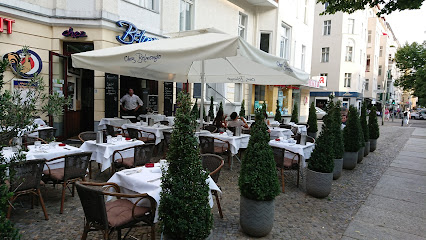
Restaurant Marjellchen
2.4 km
Experience authentic German cuisine at Restaurant Marjellchen in Berlin's Charlottenburg district - where tradition meets taste.
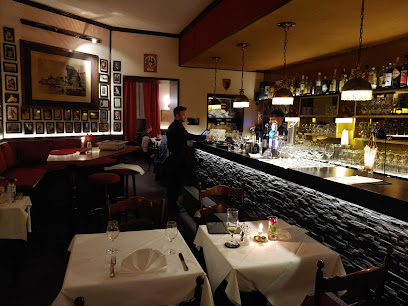
Bellucci
2.5 km
Experience authentic Italian cuisine at Bellucci in Berlin - where Mediterranean flavors meet elegance and charm.
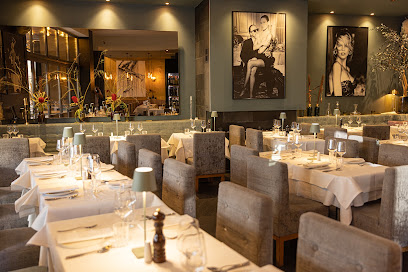
Golden Phoenix - Restaurant
2.9 km
Experience the exquisite fusion of Chinese and French cuisine at Golden Phoenix in Berlin's Charlottenburg-Wilmersdorf district.
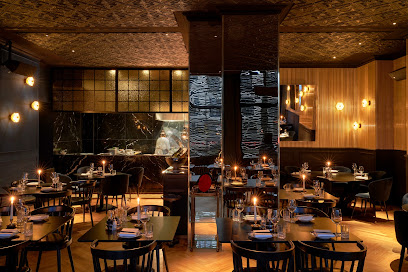
NENI Berlin
3.1 km
Discover NENI Berlin - A Mediterranean haven serving Israeli-inspired dishes with vibrant flavors in an inviting atmosphere.
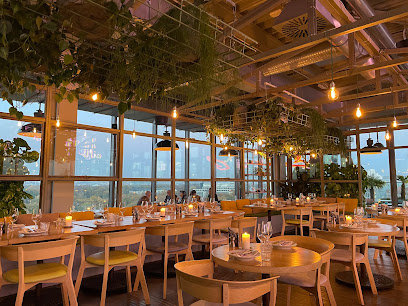
Heising
3.1 km
Experience the elegance of haute French cuisine at Heising, Berlin's premier destination for gourmet dining.
Hugos
3.5 km
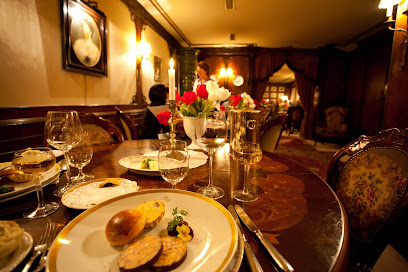
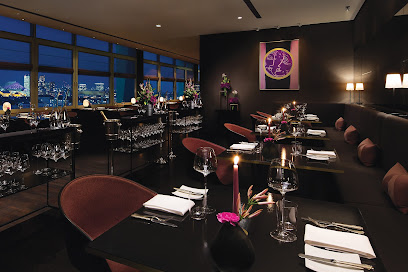
Experience fine dining at Hugos in Berlin, where exquisite cuisine meets breathtaking views for an unforgettable culinary journey.
Markets, malls and hidden boutiques

Komm & Sieh - City-Boutique
0.6 km
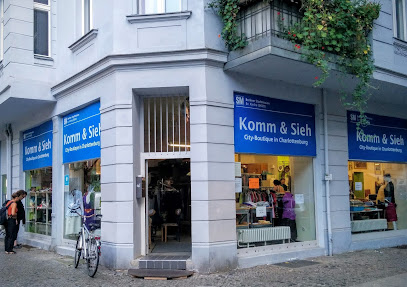
Explore sustainable fashion at Komm & Sieh - City-Boutique, Berlin's premier destination for unique vintage clothing and accessories.
B & T Shop
0.9 km
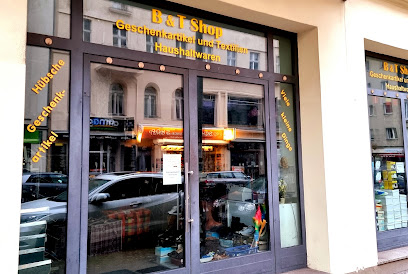
Discover Berlin's charm at B & T Shop, a hidden gem for unique gifts and local handicrafts in the heart of Charlottenburg-Wilmersdorf.
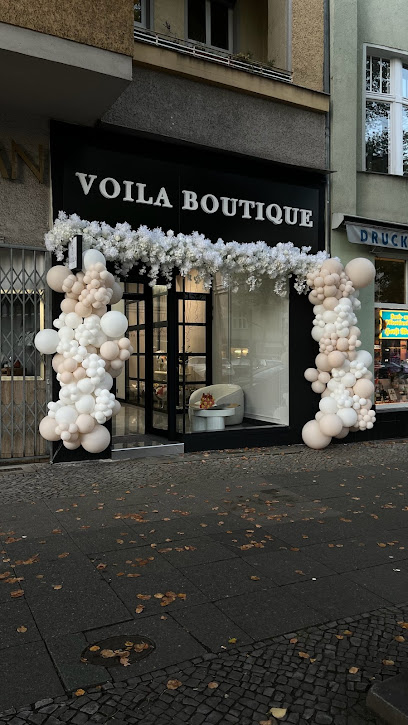
Voila Boutique Berlin
1.5 km
Discover unique gifts, artisanal chocolates, and stunning floral arrangements at Voila Boutique Berlin, a charming destination for all your shopping needs.
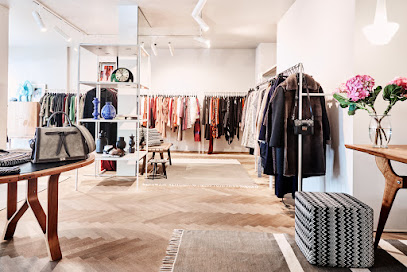
Romans Berlin Concept Store | Baumstamm vor Laden
2.5 km
Explore Romans Berlin Concept Store, a chic boutique offering unique women's clothing and stylish interior decor in the heart of Berlin.
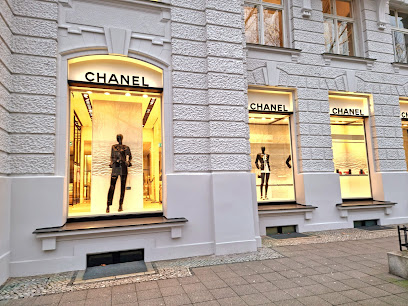
CHANEL BOUTIQUE BERLIN
2.5 km
Discover the elegance of Chanel at the heart of Berlin's luxury shopping scene on Kurfürstendamm.
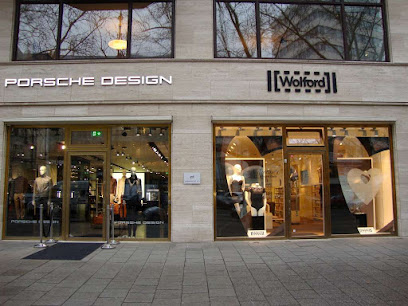
Wolford Boutique Berlin
2.5 km
Explore luxury and elegance at Wolford Boutique Berlin, your go-to destination for exquisite women's clothing, lingerie, and accessories on Kurfürstendamm.
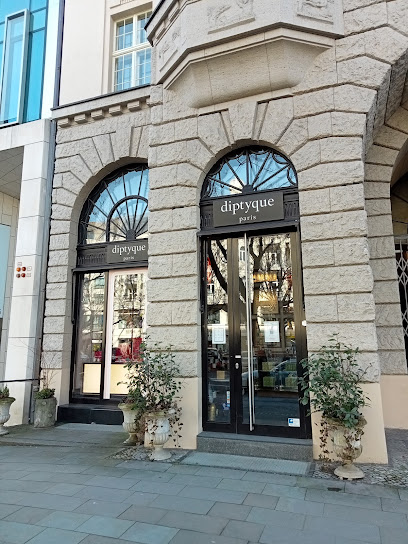
diptyque Boutique Charlottenburg
2.6 km
Discover the luxurious world of fragrances at diptyque Boutique Charlottenburg, Berlin's premier destination for exquisite perfumes and candles.
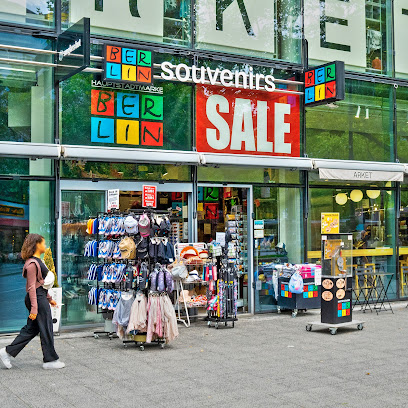
Berlin store at Neues Kranzler Eck
2.9 km
Explore the heart of Berlin's shopping scene at the Berlin Store at Neues Kranzler Eck, your destination for unique souvenirs and local treasures.
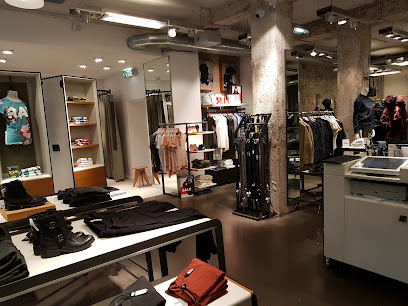
G-Star RAW Store
2.9 km
Explore cutting-edge denim fashion at G-Star RAW Store in Berlin's iconic shopping district, Kurfürstendamm.
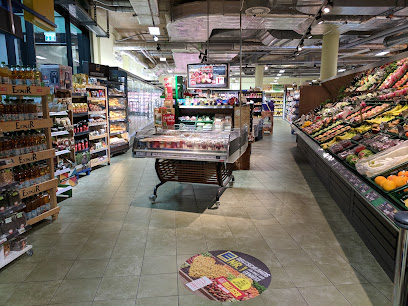
Bikini Berlin
3.0 km
Discover the innovative shopping and cultural vibrancy of Bikini Berlin, a unique mall experience in the heart of the city.
Concept Store - Laden am Kirchplatz
3.1 km
Explore the unique gifts, fashion, and cozy café at Laden am Kirchplatz, a must-visit concept store in Berlin's Charlottenburg-Wilmersdorf.
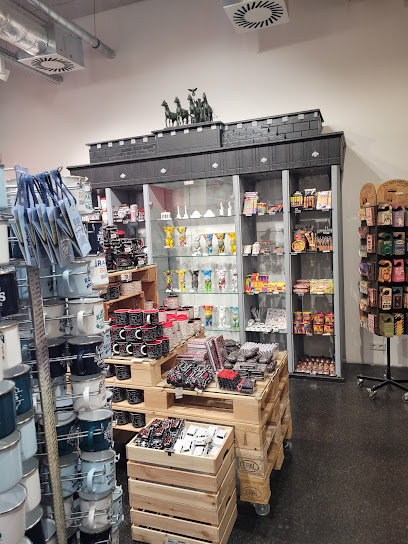
I Love Berlin
3.2 km
Discover unique souvenirs and gifts at 'I Love Berlin', where local culture meets unforgettable shopping experiences in the heart of the city.
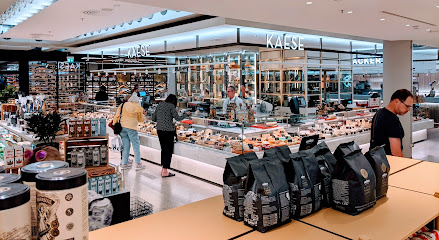
KaDeWe - Kaufhaus des Westens
3.6 km
Explore KaDeWe - Kaufhaus des Westens, an iconic shopping destination in Berlin offering luxury brands, gourmet food, and a taste of history.
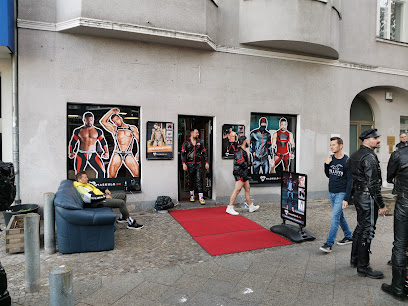
Outtox Berlin city store (by Maskulo Germany)
4.0 km
Explore Outtox Berlin for unique clothing that embodies style and individuality in the heart of Germany's vibrant capital.
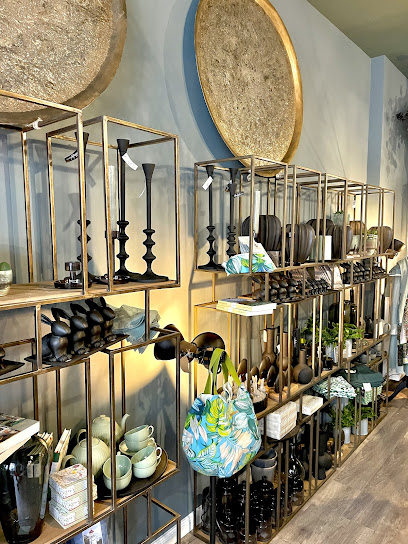
Andreas Murkudis
5.0 km
Explore avant-garde fashion at Andreas Murkudis, a unique clothing store in Berlin's Mitte district showcasing curated collections.
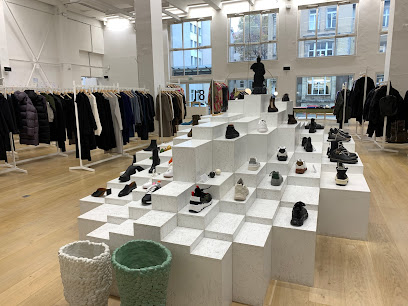
Essential bars & hidden hideouts

Schloß-BAR
1.0 km
Discover the vibrant nightlife of Berlin at Schloß-BAR, where great drinks meet a cozy atmosphere.
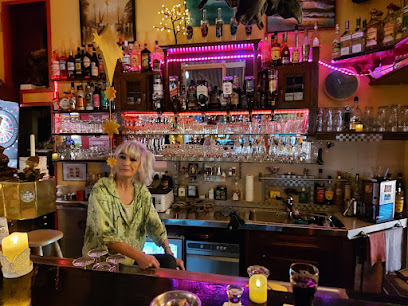
Blacklist Bar
1.6 km
Immerse yourself in Berlin's nightlife at Blacklist Bar, where expertly crafted cocktails and a vibrant atmosphere await you.
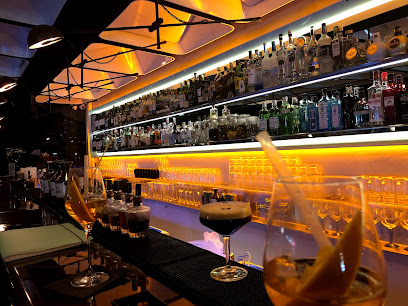
Galander Charlottenburg
1.8 km
Experience the vibrant cocktail culture of Berlin at Galander Charlottenburg, where creativity meets comfort in a stylish setting.
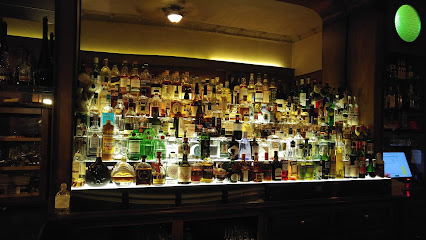
KLO Berlin
2.3 km
Experience the best of Berlin's nightlife at KLO, a vibrant gastropub known for craft beers, innovative cocktails, and delicious pub fare.
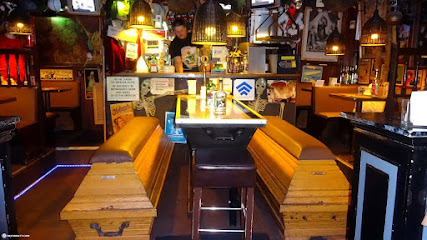
Bar am Steinplatz
2.3 km
Discover the chic ambiance and exquisite cocktails at Bar am Steinplatz, a stylish bar in the heart of Berlin perfect for unwinding after a day of exploration.
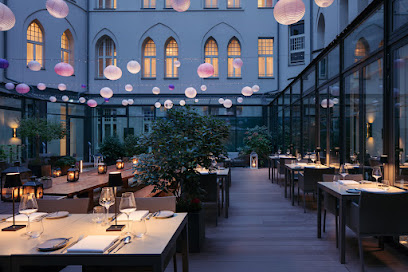
Gainsbourg Le Club - Bar Americain
2.5 km
Experience the vibrant American bar culture at Gainsbourg Le Club in Berlin, offering expertly crafted cocktails and an inviting atmosphere.
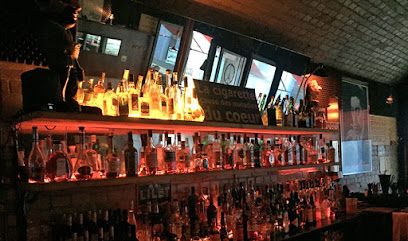
Paris Bar
2.5 km
Savor the essence of France at Paris Bar, a chic dining and nightlife destination in Berlin's vibrant Charlottenburg-Wilmersdorf.
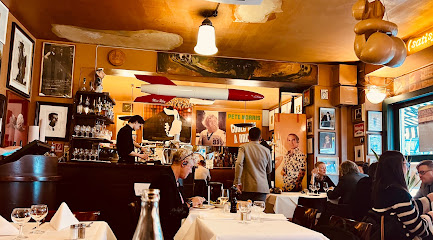
Van Gogh
2.6 km
Discover Van Gogh, a vibrant cocktail bar in Berlin's Charlottenburg, where innovative drinks and a lively atmosphere create unforgettable nights.
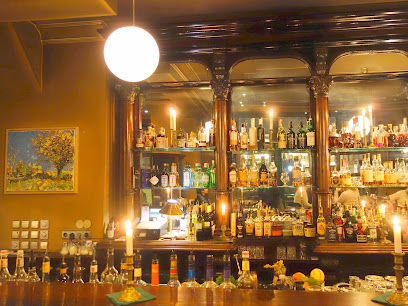
Bar Zentral
2.7 km
Experience Berlin's nightlife at Bar Zentral, a premier cocktail bar known for its exquisite drinks and vibrant atmosphere.
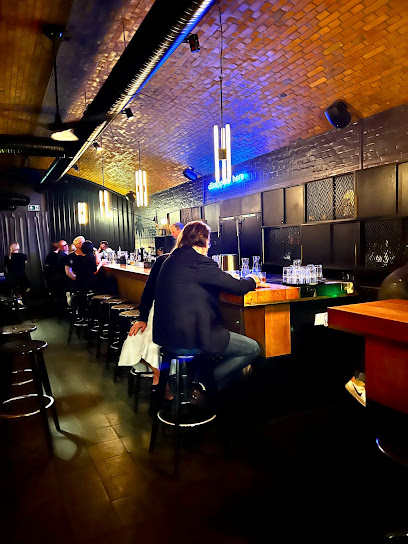
Lang Bar
2.9 km
Experience the elegance of Lang Bar in Berlin, a sophisticated venue for exquisite cocktails and a vibrant nightlife atmosphere.
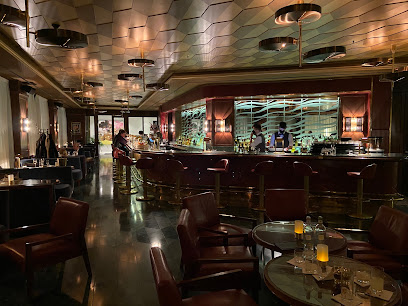
Monkey Bar
3.1 km
Discover Monkey Bar, Berlin's trendy cocktail bar with stunning skyline views, inventive drinks, and a vibrant atmosphere for unforgettable nights.
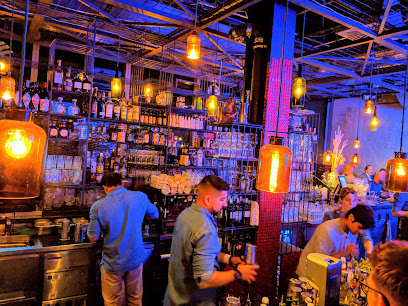
Rum Trader
3.2 km
Discover the vibrant cocktail scene of Berlin at Rum Trader, where expertly crafted drinks meet a cozy atmosphere in the heart of the city.
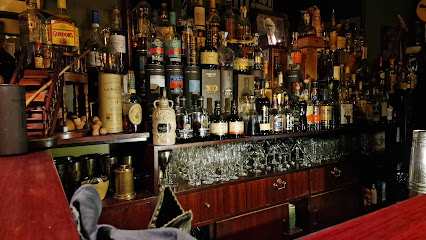
Hildegard Bar
3.3 km
Experience the vibrant cocktail culture at Hildegard Bar in Berlin, where innovative drinks and a welcoming atmosphere await.
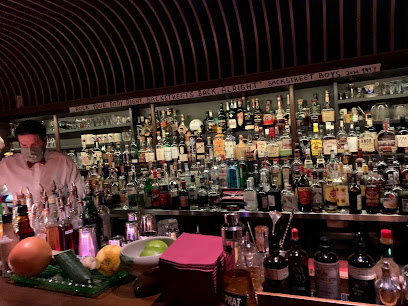
The Unique Bar Berlin
4.2 km
Discover the vibrant nightlife at The Unique Bar Berlin, where exquisite cocktails and a stylish atmosphere await you in the heart of the city.
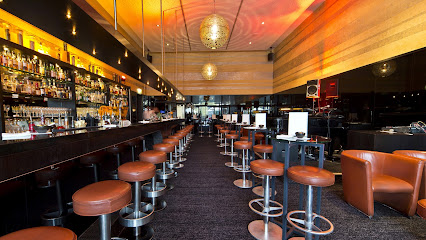
Stagger Lee
4.4 km
Experience the best of Berlin nightlife at Stagger Lee, a cocktail bar offering innovative drinks and a vibrant atmosphere in Tempelhof-Schöneberg.