East Side Gallery, Berlin Travel Guide
Free Guide: Experience history and art at the East Side Gallery, the world's largest open-air gallery on a remaining section of the Berlin Wall, symbolizing freedom and unity.


A brief summary of East Side Gallery
Experience history and art at the East Side Gallery, the world's largest open-air gallery on a remaining section of the Berlin Wall, symbolizing freedom and unity.
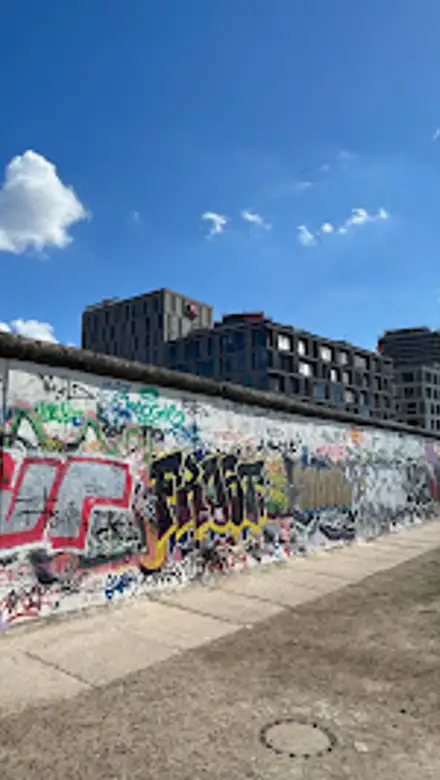
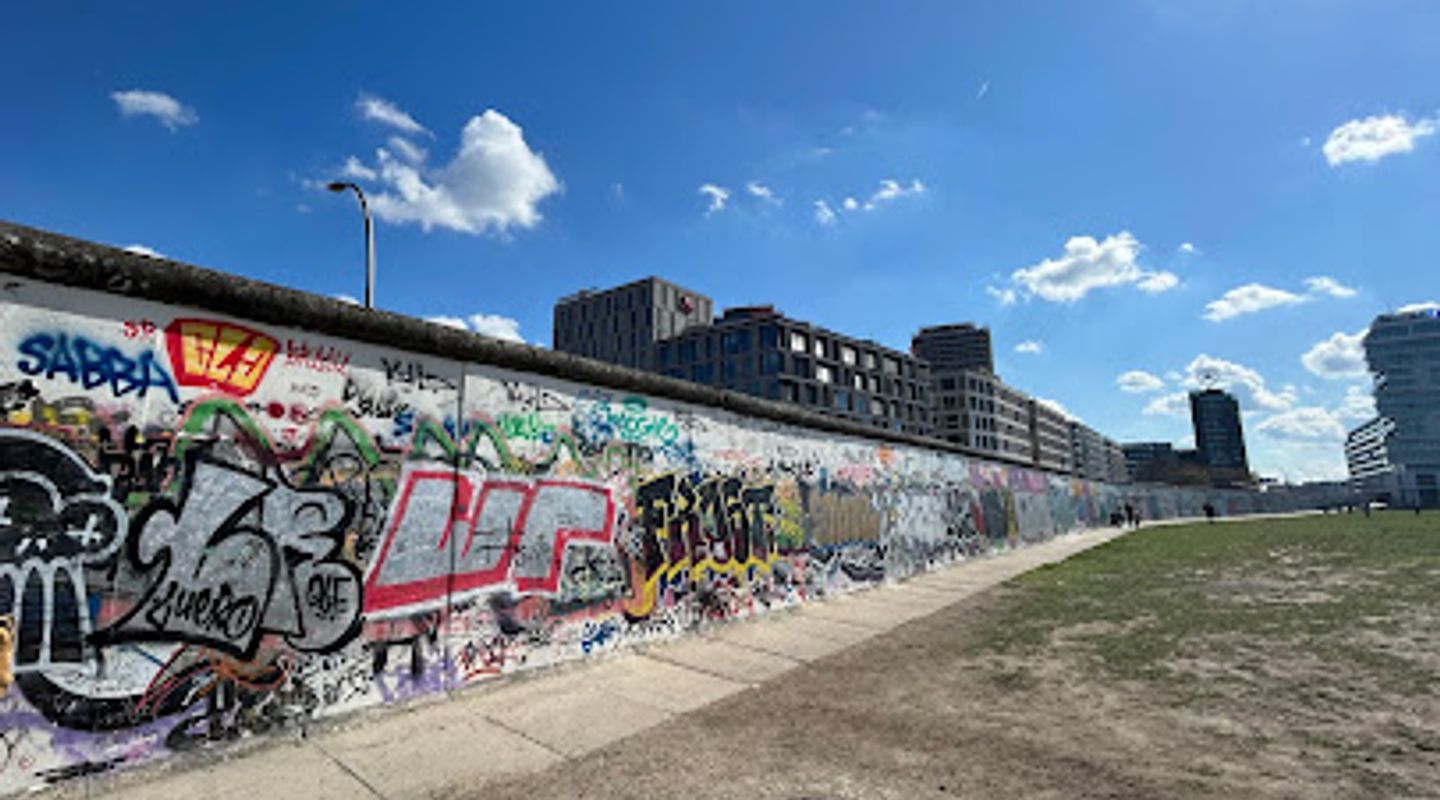
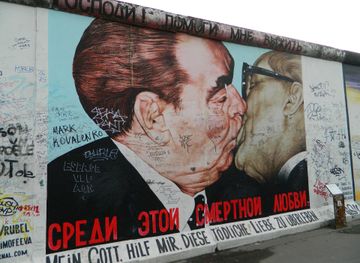
The East Side Gallery, a 1.3-kilometer stretch of the Berlin Wall, stands as a powerful symbol of freedom and artistic expression. Following the wall's fall in 1989, over a hundred artists from around the world transformed this once-dividing barrier into the world's largest open-air art gallery. Located along the Spree River, the gallery showcases a diverse collection of murals reflecting the euphoria and hope of a world emerging from the Cold War. Iconic images, such as the Fraternal Kiss and the Trabant breaking through the wall, capture the spirit of change and reconciliation. Today, the East Side Gallery attracts millions of visitors annually, offering a poignant reminder of Berlin's divided past and its vibrant present. It's a must-see destination for anyone seeking to understand Berlin's history and experience its unique artistic energy, providing a space for reflection and inspiration.
Opening hours
- Every dayOpen 24 hours
Opening hours as listed on the venue’s Google Business Profile. Hours can change for services and special events, so check with the venue before you go.
- Address
- Mühlenstraße, 10243 Berlin
- Phone
- Website
Getting there
Public Transport
Taxi/Ride-Share
Driving
Discover more about East Side Gallery
Overview
The East Side Gallery is more than just a collection of art; it's a living monument to a pivotal moment in history. Stretching 1.3 kilometers along Mühlenstraße, beside the Spree River, this iconic landmark represents the triumph of freedom over oppression and the power of art to transcend political boundaries. Following the fall of the Berlin Wall on November 9, 1989, a sense of euphoria swept through Berlin and the world. Almost immediately, artists from 21 countries converged on the eastern side of the wall, eager to express their joy and contribute to a new era of unity. What was once a symbol of division became a canvas for creativity, as these artists transformed the dreary concrete barrier into a vibrant display of hope and reconciliation. The East Side Gallery officially opened on September 28, 1990, just months before Germany formally reunified. The project was initially coordinated by artists Heike Stephan and David Monty, later Christine MacLean oversaw the project, managing the participating artists, securing sponsorships, and developing publicity strategies. The murals reflected a wide range of emotions and perspectives, from celebrations of newfound freedom to concerns about the uncertainties of the future. Political statements mingled with surreal imagery, creating a powerful visual narrative of a world in transition. Among the most recognizable works are Dmitri Vrubel's "Fraternal Kiss," depicting Leonid Brezhnev and Erich Honecker in a socialist embrace, and Birgit Kinder's "Trabant Breaking Through the Wall," symbolizing the collapse of the Eastern Bloc. These images, along with many others, have become iconic symbols of the East Side Gallery and the fall of the Berlin Wall. Over the years, the East Side Gallery has faced numerous challenges, including vandalism, environmental damage, and the pressures of urban development. In 2009, a major restoration project was undertaken to preserve the artwork for future generations. Many of the original artists returned to repaint their murals, using more durable materials to withstand the elements. The Berlin Wall Foundation has been responsible for the preservation of the East Side Gallery since November 2018. Today, the East Side Gallery stands as a protected historical monument, attracting over three million visitors annually. As they stroll along the Spree, visitors can reflect on the history of the Berlin Wall and the stories behind the artwork. The gallery serves as a reminder of the importance of freedom, democracy, and artistic expression. The East Side Gallery's significance extends beyond its historical context. It has become a symbol of Berlin's unique identity – a city that has risen from the ashes of war and division to become a vibrant center of culture and creativity. The gallery embodies the spirit of resilience, innovation, and artistic freedom that defines Berlin today. Visiting the East Side Gallery is a powerful and moving experience. It's a chance to connect with history, appreciate art, and reflect on the enduring human spirit. Whether you're a seasoned traveler or a first-time visitor to Berlin, the East Side Gallery is an essential destination that will leave a lasting impression. The East Side Gallery is easily accessible by public transportation, with several U-Bahn and S-Bahn stations located nearby. The gallery is open 24 hours a day, and admission is free. Guided tours are available for those who want to learn more about the history and artwork of the East Side Gallery. While visiting the East Side Gallery, take some time to explore the surrounding area. The trendy districts of Kreuzberg and Friedrichshain offer a wide range of cafes, restaurants, bars, and shops. The Oberbaum Bridge, a historic landmark that once served as a border crossing between East and West Berlin, is also located nearby. The East Side Gallery is more than just a tourist attraction; it's a place of remembrance, reflection, and inspiration. It's a testament to the power of art to heal, to unite, and to inspire hope for a better future. A visit to the East Side Gallery is an unforgettable experience that will stay with you long after you leave Berlin.
Evendo Review Centre
 Google
Guest reviews
Explore East Side Gallery on the map
A handpicked selection of must-see spots near East Side Gallery, mapped for you.
Get your free copy of our complete guide to East Side Gallery, delivered straight to you.
Everything on this page, from opening hours and how to get there to Eve’s tips and the best time to go, in one PDF you can read offline, print or share.
Already have an account? Sign in
Your East Side Gallery guide is ready.
We'll send it to · Not you? Sign out

Getting your guide ready…
We are putting together a fresh copy of the East Side Gallery guide. This can take up to a minute.
This can take a few moments. If your browser asks, choose Allow so the download can start. You'll find the guide in your Downloads folder.
Nothing happened? Download it again
Sorry, the guide is taking longer than usual. Please try again in a minute, or get it by email instead.
Unlock the best of East Side Gallery
Skip-the-line tickets, guided tours with entry, and walking tours of the area, booked in a few clicks.
 Tour with entry
Berlin’s Hidden Chronicles A Self-Guided Journey
from $3.19 Tour with entry
Podcast Tour Echoes in the Concrete of Berlin's Techno Underground
from $5.11 Tour with entry
Berlin Self Guided Audio Experience
from $5.70 Tour with entry
Kreuzberg Public History Walks Borders Resistance Reinvention
from $10.68


Other nearby places you may find interesting
The closest places of the same kind, if this one is not quite what you had in mind.
-
-
-
-
-


Swipe for more places
More to explore near East Side Gallery

 Best experiences near East Side Gallery
 Best hotels near East Side Gallery
 Best landmarks near East Side Gallery
 Best attractions near East Side Gallery
 Best shops near East Side Gallery
 Best restaurants near East Side Gallery
 Best bars near East Side Gallery
Do you manage this location?
Take control to get all the benefits, like improved information, better appearance, and stronger visibility across AI-powered discovery.
Explore more
Explore more of Friedrichshain
Explore Friedrichshain: Berlin's eclectic neighbourhood brimming with history, vibrant street art, bustling markets, and a nightlife that never sleeps.
Explore Friedrichshain
Explore more of Berlin
Berlin: A fascinating blend of history, culture, and modernity, offering everything from historic landmarks to vibrant nightlife and culinary delights.
Explore Berlin