
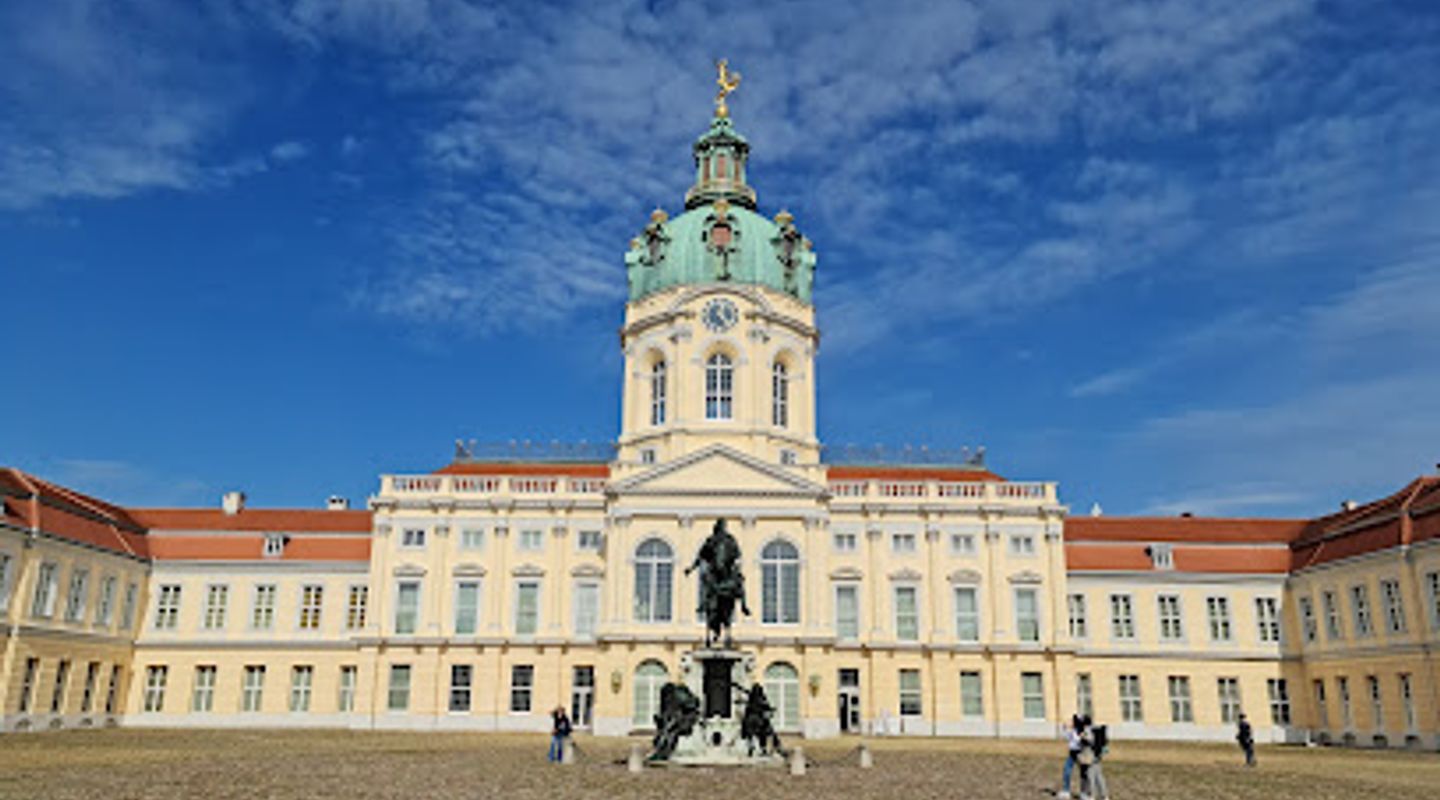
Charlottenburg Palace, Berlin Travel Guide
Explore Berlin's largest palace, a stunning baroque complex with lavish state rooms, exquisite art collections, and tranquil gardens, reflecting centuries of Prussian history.
Charlottenburg Palace, Berlin's largest palace, offers a captivating journey through Prussian history and royal life. Originally a summer residence for Queen Sophie Charlotte, it evolved into a grand baroque complex, reflecting changing architectural tastes over centuries. Explore lavish state rooms, admire exquisite art collections (including French paintings and Prussian crown jewels), and wander through the extensive palace gardens. Don't miss the Belvedere tea house, the New Pavilion, and the serene mausoleum. Whether you're drawn to history, art, or tranquil gardens, Charlottenburg Palace promises an enriching and unforgettable experience, easily accessible and a must-see in Berlin.
A brief summary to Charlottenburg Palace
- Spandauer Damm 10-22, Berlin, Charlottenburg-Wilmersdorf, 14059, DE
- Click to display
- Click to display
- Monday 10 am-5:30 pm
- Tuesday 10 am-5:30 pm
- Wednesday 10 am-5:30 pm
- Thursday 10 am-5:30 pm
- Friday 10 am-5:30 pm
- Saturday 10 am-5:30 pm
- Sunday 10 am-5:30 pm

Know before you go
Hi, I'm Eve. Here are a few practical things to know before exploring Charlottenburg Palace.
- Purchase the Charlottenburg+ ticket for access to all the museums and sites within the palace grounds, including the Old Palace, New Wing, New Pavilion, Belvedere, and Mausoleum.
- Visit during the warmer months (May-October) to fully enjoy the palace gardens and the buildings on the grounds, as some may be closed during the winter.
- Arrive early in the morning, especially during peak season (June-August), to avoid long queues at the ticket office.
- Download the Sanssouci app for multimedia tours of the Old Palace and New Wing, available in multiple languages.
- Check the schedule for classical concerts and elegant dinners held at the Orangery for a unique cultural experience.
Do you manage this location?
Take control to get all the benefits, like improved information, better appearance, and stronger visibility across AI-powered discovery. Learn more about listing your business on Evendo
Activate your presenceOther nearby places you may find interesting
The closest places of the same kind, if this one is not quite what you had in mind.


Explore Charlottenburg Palace on the Map
A handpicked selection of must-see spots near Charlottenburg Palace, mapped for you.
Unlock the Best of Charlottenburg Palace
Book tours with entry


Getting There
-
Public Transport
From central Berlin, take the U7 line to Richard-Wagner-Platz or Sophie-Charlotte-Platz, both a short walk to the palace. Alternatively, use the S-Bahn lines S41, S42, or S46 to Westend station, followed by a brief walk. Several buses (109, 309, M45) stop at Luisenplatz/Schloss Charlottenburg, right by the palace. A single BVG ticket (AB zone) costs €3.20.
-
Taxi/Ride-Share
A taxi or ride-share from central Berlin (e.g., Brandenburg Gate) to Charlottenburg Palace typically costs between €20-€25 and takes approximately 20 minutes, depending on traffic.
-
Driving
If driving, navigate to Spandauer Damm 10-22, 14059 Berlin. Limited paid parking is available near the palace. Expect to pay around €3 per hour or €20 for a full day. Consider using a parking app like Mobypark to find and reserve parking in advance, potentially saving up to 60%.
Discover more about Charlottenburg Palace













Your all‑in‑one travel companion app
Explore expert travel guides, compare and book tours, experiences, hotels, and more—all from the palm of your hand. Download now for seamless trip planning wherever your wanderlust takes you.


Explore More of Berlin
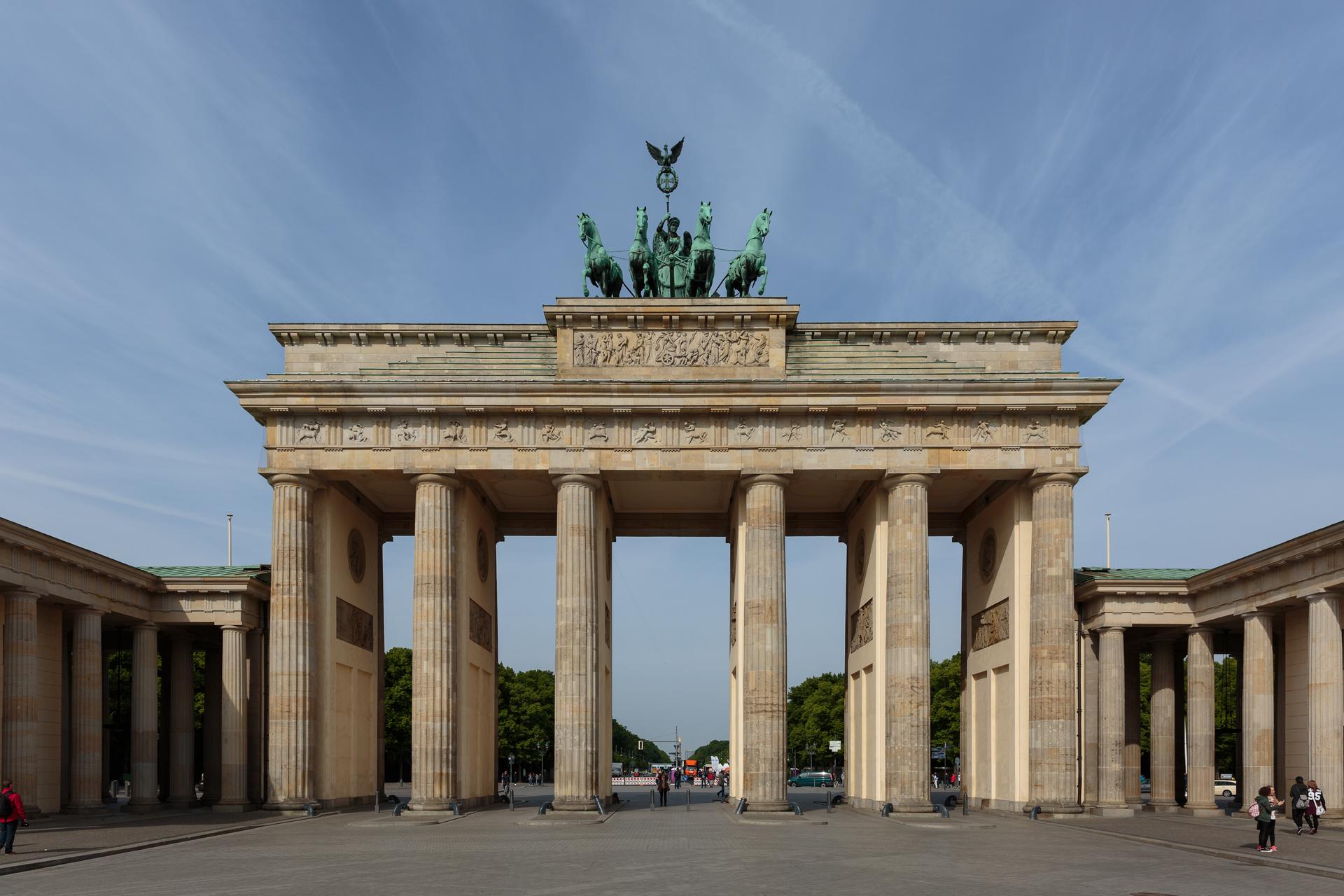
Looking beyond Charlottenburg Palace? Discover Berlin for broader travel guides, local hot-spots, and regional highlights.
Explore Berlin
Explore the poignant Plötzensee Memorial Park in Berlin, a serene site dedicated to remembrance and reflection on the victims of political persecution.
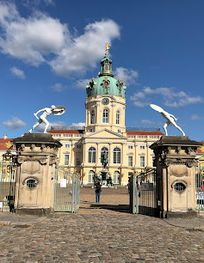
Witness Prussian history at the Denkmal des Großen Kurfürsten Friedrich Wilhelm in Berlin's Charlottenburg Palace, a symbol of power, ambition, and complex legacies.
