Background

Glienicke Bridge: A Cold War Landmark

Walk the historic 'Bridge of Spies' connecting Berlin and Potsdam, a Cold War landmark offering stunning views and a poignant reminder of a divided past.

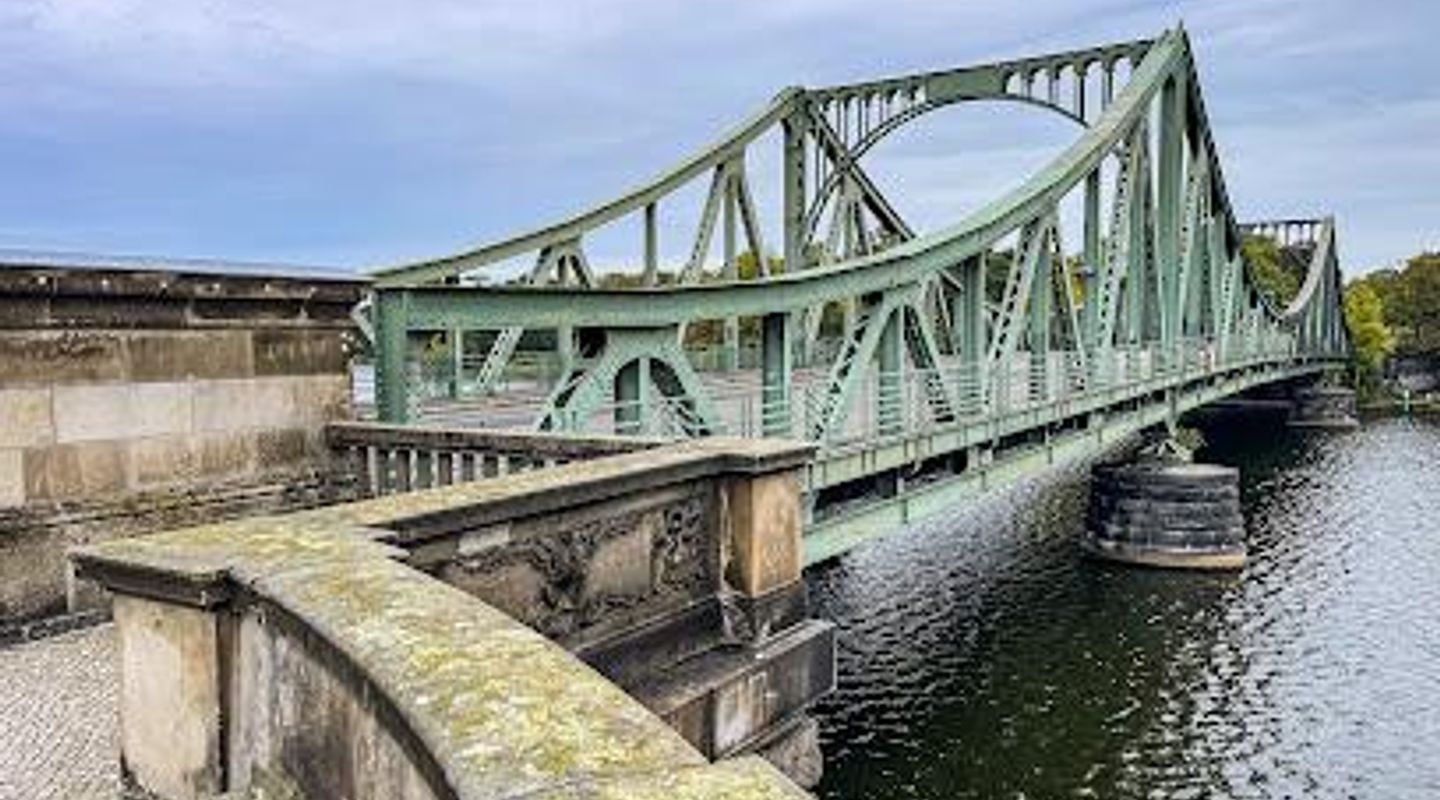
The Glienicke Bridge, spanning the Havel River between Berlin and Potsdam, is more than just a picturesque crossing; it's a landmark steeped in Cold War history. Known as the "Bridge of Spies," it served as a dramatic stage for the exchange of captured agents between East and West. Today, it stands as a symbol of reunification, offering stunning views of the surrounding Havel landscape, including Glienicke Palace and Babelsberg Park. Visitors can stroll across the bridge, reflecting on its pivotal role in history and enjoying the serene beauty of the area. The bridge provides a tangible link to a divided past, making it a compelling destination for history buffs and those seeking a poignant reminder of the Cold War era. Its location amidst beautiful parks and palaces further enhances its appeal, offering a blend of historical significance and scenic charm. A visit to the Glienicke Bridge is a journey through time, offering a unique perspective on a world once separated.

A brief summary to Glienicker Brücke

  • Königstraße, Berlin, 14467, DE

Local tips

  • Visit the nearby Glienicke Palace and its gardens for a glimpse into Prussian history and stunning architecture.
  • Explore Babelsberg Park, a UNESCO World Heritage site, offering picturesque landscapes and historical landmarks.
  • Take a guided tour to learn more about the bridge's role in Cold War espionage and the stories behind the spy exchanges.
widget icon

Getting There

  • Public Transport

    From Wannsee S-Bahn station in Berlin (accessible via S1 or S7 lines), take Bus 316 to the 'Glienicker Lake' stop, which is directly adjacent to the bridge. Alternatively, from Potsdam Hauptbahnhof, take Tram 93 to 'Glienicker Brücke' stop. A single ride on either bus or tram costs approximately €3.00.

  • Taxi/Ride-Share

    A taxi or ride-share from Wannsee S-Bahn station to the Glienicke Bridge will take approximately 10-15 minutes and cost around €15-€20. From Potsdam city center, a similar ride will also take about 10-15 minutes and cost roughly the same.

  • Walking

    From Glienicke Palace, it's a pleasant 15-20 minute walk along Königstraße to reach the Glienicke Bridge. The walk is mostly flat and offers scenic views of the surrounding area.

Unlock the Best of Glienicker Brücke

Buy tickets

    No tickets available

Book tours with entry

    No tours available

Book tours without entry

    No tours available

Discover more about Glienicker Brücke

The Glienicke Bridge, gracefully arching over the Havel River, is a site of immense historical significance, forever etched in the annals of the Cold War. Connecting Berlin and Potsdam, this unassuming bridge became a world stage for espionage and clandestine exchanges between the superpowers, earning it the moniker "Bridge of Spies." Originally constructed in 1907, the current steel truss bridge is the fourth iteration at this location, succeeding earlier wooden and stone structures. While its architecture is noteworthy, it is the bridge's role during the Cold War that truly captivates visitors. After World War II, the Glienicke Bridge found itself at the border between West Berlin and East Germany, becoming a heavily guarded crossing point. Closed to most civilian traffic, it gained notoriety as the chosen site for several high-profile spy swaps between the United States and the Soviet Union. The most famous exchange occurred in 1962, when captured U-2 pilot Francis Gary Powers was traded for Soviet spy Rudolf Abel. This dramatic event, immortalized in books and films, solidified the bridge's place in popular culture and transformed it into a symbol of Cold War tensions. Further exchanges took place in 1985 and 1986, each adding to the bridge's mystique and intrigue. Today, the Glienicke Bridge stands as a monument to a divided past, a tangible reminder of the ideological chasm that once separated East and West. Visitors can walk across the bridge, imagining the tense atmosphere that prevailed during the Cold War era. Plaques and informational displays along the bridge provide historical context, recounting the stories of the spies who crossed its path and the political machinations that unfolded in its shadow. Beyond its historical significance, the Glienicke Bridge offers breathtaking views of the surrounding landscape. To the east, the bridge offers views of Glienicke Palace, a stunning example of neoclassical architecture with its sprawling gardens. To the west, the vista extends to Babelsberg Park, a UNESCO World Heritage site featuring picturesque gardens and Babelsberg Palace. The Havel River itself adds to the scenic charm, with its tranquil waters reflecting the surrounding greenery. A visit to the Glienicke Bridge is an immersive experience that combines history, culture, and natural beauty. It's a place to reflect on the past, appreciate the present, and contemplate the future. Whether you're a history enthusiast, a nature lover, or simply seeking a unique travel destination, the Glienicke Bridge offers something for everyone. While visiting the Glienicke Bridge, take the time to explore the surrounding area. Glienicke Palace, with its Mediterranean-inspired architecture and meticulously landscaped gardens, is a must-see. Babelsberg Park, with its romantic pathways and stunning views, offers a tranquil escape from the city. The nearby city of Potsdam, with its rich history and cultural attractions, is also worth a visit. The Glienicke Bridge is more than just a bridge; it's a symbol of resilience, reconciliation, and the enduring power of the human spirit. It's a place where history comes alive, where the past informs the present, and where the future holds the promise of peace and understanding. Walking across the Glienicke Bridge is an experience that will stay with you long after you've left, a reminder of the importance of dialogue, diplomacy, and the pursuit of a better world. The bridge is easily accessible by public transportation, making it a convenient destination for travelers. Whether you're arriving from Berlin or Potsdam, a short bus or train ride will bring you to this iconic landmark. Once there, take your time to explore the bridge, soak in the atmosphere, and reflect on the events that shaped its history. The Glienicke Bridge is a destination that will leave a lasting impression, a testament to the power of history and the enduring beauty of the human spirit. The Glienicke Bridge is not merely a structure of steel and concrete; it is a living monument to a pivotal period in world history. It stands as a silent witness to the Cold War's tensions, the daring exchanges of spies, and the eventual reunification of a divided nation. Its location, nestled amidst stunning palaces and serene landscapes, further enhances its allure, making it a destination that appeals to history buffs, nature lovers, and anyone seeking a meaningful travel experience. A visit to the Glienicke Bridge is a journey through time, a chance to connect with the past, and a reminder of the importance of peace and understanding in our world.

Popular Experiences near Glienicker Brücke

Popular Hotels near Glienicker Brücke

Select Currency