A Fragment of History: Piece of the Berlin Wall
Reflect on Berlin's divided past with a visit to a preserved segment of the Berlin Wall, a poignant reminder of the Cold War and the triumph of reunification in the heart of the city.
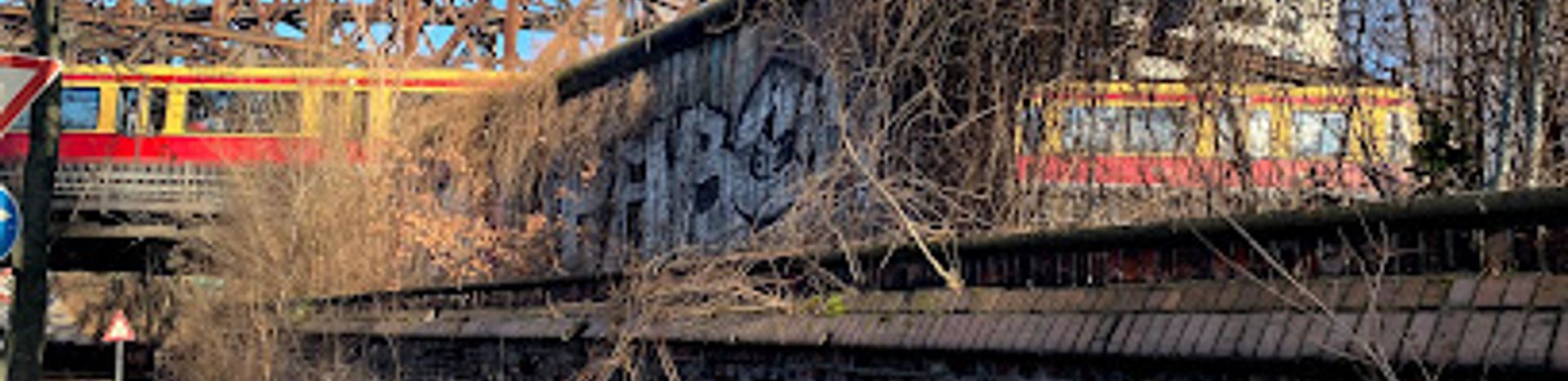
A preserved segment of the Berlin Wall serves as a stark reminder of Berlin's divided past and the Cold War era. Located in the Mitte district, this historical landmark offers a tangible connection to a pivotal period in the 20th century. While not the extensive East Side Gallery, this piece provides a more intimate and contemplative experience, allowing visitors to reflect on the physical and ideological barriers that once separated East and West Berlin. The site is easily accessible and provides a powerful, unvarnished glimpse into the city's complex history, making it a worthwhile stop for those seeking a deeper understanding of Berlin's identity. It's a place for quiet reflection on the impact of division and the triumph of reunification.
A brief summary to Piece of the Berlin Wall
- Berlin, Mitte, DE
Local tips
- Combine your visit with a trip to the Berlin Wall Memorial on Bernauer Strasse for a more comprehensive understanding of the Wall's history.
- Take time for quiet reflection at the site to contemplate the impact of the Wall on the lives of Berliners.
- Explore the surrounding Mitte district to discover other historical landmarks and cultural attractions.

Getting There
-
Public Transport
For the final approach to a piece of the Berlin Wall in the Mitte district, public transport is readily available. Several U-Bahn (subway) and S-Bahn (suburban train) stations are within walking distance. Depending on the specific location of the Wall segment, consider using the U8 line to Bernauer Straße station or the S-Bahn lines S1, S2, S25, or S26 to Nordbahnhof station. From either station, it's a short walk, following signs to the Berlin Wall Memorial or related historical sites. A single public transport ticket within Berlin AB zone costs €3.80, or a short trip ticket (Kurzstrecke) for a few stops is €2.60.
-
Taxi/Ride-Share
If arriving by taxi or ride-sharing service, provide the driver with the general address in the Mitte district near Bernauer Strasse. From a central location in Berlin, a taxi ride would likely cost between €10-€15, depending on traffic and distance. Ride-sharing services like Uber operate in Berlin, with fares comparable to traditional taxis. Be aware of potential surge pricing during peak hours. A short trip of up to 2km, if hailed on the street, has a fixed rate of €6, but you must inform the driver immediately upon entering the taxi.
-
Walking
If you are already in the Mitte district, walking to a piece of the Berlin Wall is a viable option. Use a map application to guide you to the specific location. Look for signs indicating the Berlin Wall Memorial or other related historical sites. The walk may involve navigating city streets and pedestrian walkways. No costs are associated with walking, but be prepared for varying weather conditions.
-
Driving
Driving directly to a piece of the Berlin Wall in Mitte is possible, but parking can be limited and expensive. Public parking is available in the area, but spaces may be scarce, especially during peak tourist season. Expect to pay around €3 per hour or €12 for a full day of parking. Alternatively, parking garages are available, but they may be further away from the specific location. Consider using public transport or a taxi/ride-share service to avoid parking hassles.
Discover more about Piece of the Berlin Wall
Iconic landmarks you can’t miss

Piece of the Berlin Wall
0.0 km
Explore the iconic Berlin Wall, a historical landmark that symbolizes the division and reunification of Berlin, rich in art and stories of resilience.
Visitor Center of the Berlin Wall Memorial
0.9 km
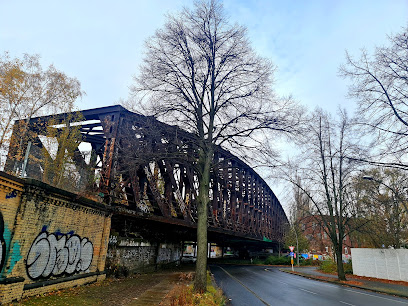
Explore the history of the Berlin Wall at the Visitor Center on Bernauer Strasse, the perfect starting point for understanding the division and reunification of Berlin.
Memorial Günter Litfin
1.0 km
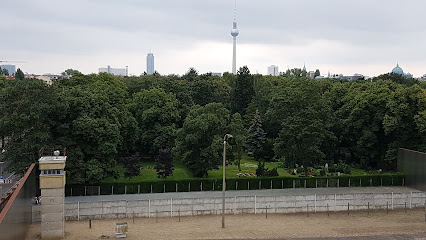
Explore the Memorial Günter Litfin in Berlin, a powerful tribute to freedom and the victims of the Berlin Wall's oppressive regime.
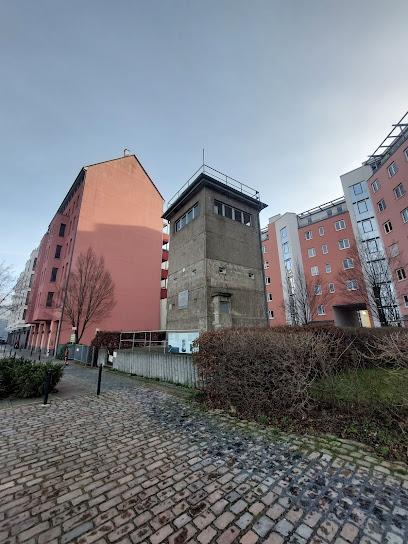
Elisabeth-Schwarzhaupt-Platz 3
1.0 km
Experience the serene beauty of Elisabeth-Schwarzhaupt-Platz, a tranquil urban oasis in the heart of Berlin, perfect for relaxation and leisure.
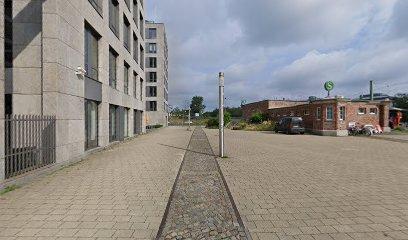
Bernauer Str.
1.1 km
Experience Berlin's rich history and vibrant culture at Bernauer Strasse, where the past and present intertwine in a remarkable urban landscape.
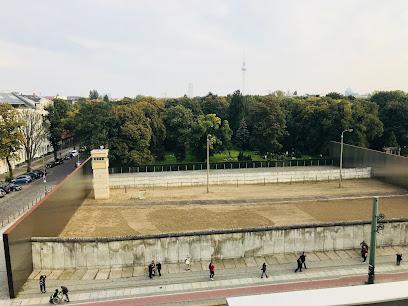
Invalidenstraße 10
1.2 km
Experience the architectural beauty of Invalidenstraße 10, a blend of history and modernity in the heart of Berlin's Mitte borough.
Sandkrugbrücke
1.4 km
Explore the picturesque Sandkrugbrücke in Berlin's Mitte district, a charming bridge offering stunning views and a glimpse into the city's rich history.
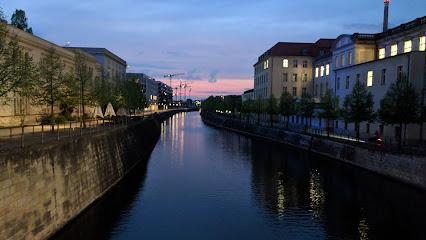
Friedrichstraße 205
1.5 km
Discover the architectural beauty and cultural vibrancy of Friedrichstraße 205, a historic landmark in the heart of Berlin's Mitte district.
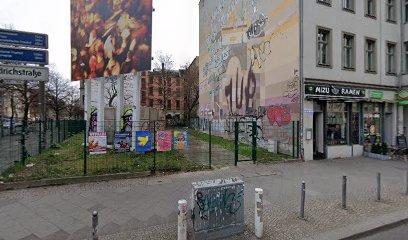
Bernauer Str. 63
1.6 km
Discover the historic significance of Bernauer Str. 63 in Berlin, a poignant reminder of the city's divided past and a vibrant cultural hub.
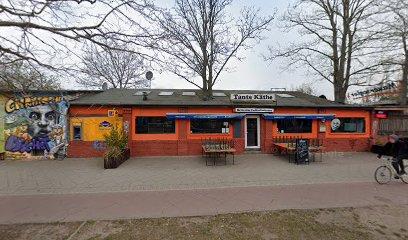
Berlin Wall Remains
1.6 km
Discover a preserved segment of the Berlin Wall on Lehrter Strasse, offering a poignant glimpse into Berlin's divided past and a space for quiet reflection in the heart of Mitte.
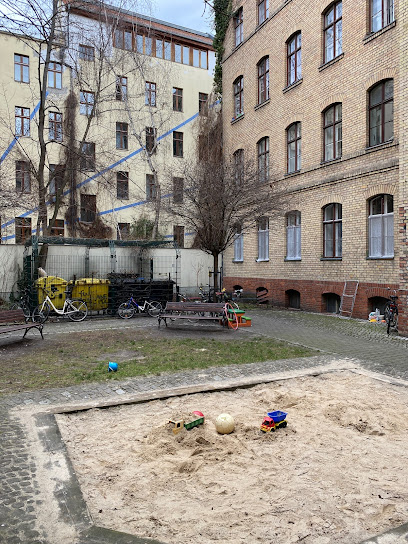
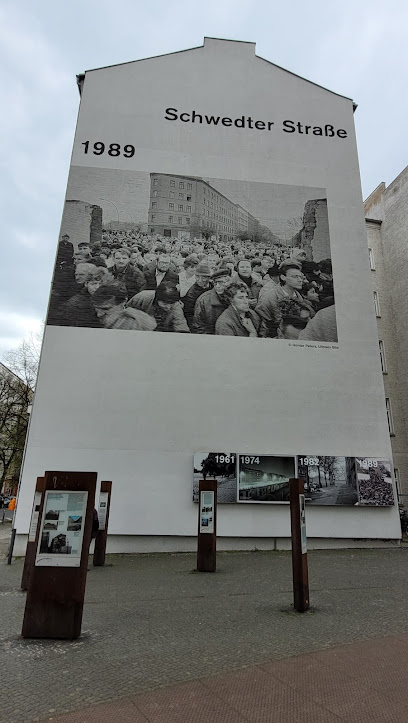
The Berlin Wall and its Fall at Schwedter Strasse
1.7 km
Explore the historical significance of the Berlin Wall and its fall at Schwedter Strasse, a poignant space of remembrance in the heart of Berlin.
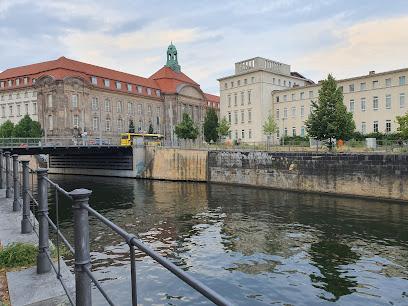
Alexanderufer
1.7 km
Discover the beauty and tranquility of Alexanderufer in Berlin, a perfect blend of history, culture, and stunning riverside views.
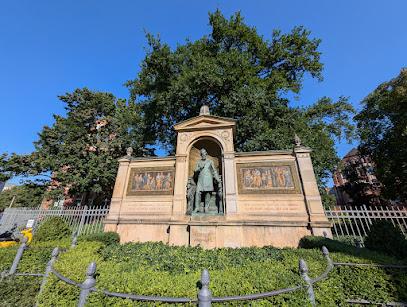
Albrecht von Graefe
1.8 km
Explore the Albrecht von Graefe sculpture in Berlin, a tribute to medical innovation and artistic mastery in the heart of the city.
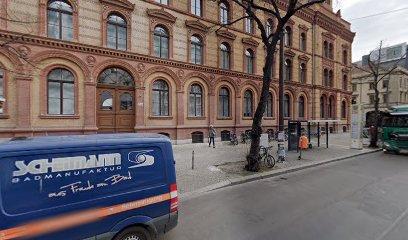
Oranienburger Str. 36
1.8 km
Discover the historic Oranienburger Str. 36, a symbol of Berlin's rich history and vibrant culture, nestled in the heart of the city's Mitte district.
Friedrichstraße 107
1.9 km
Explore Friedrichstraße 107, a stunning architectural gem in Berlin's Mitte, embodying the city's rich history and vibrant modern culture.
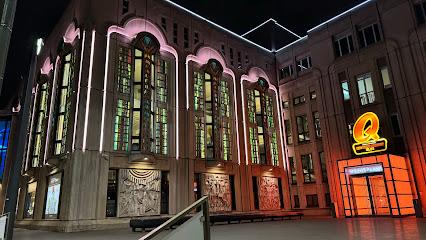
Unmissable attractions to see

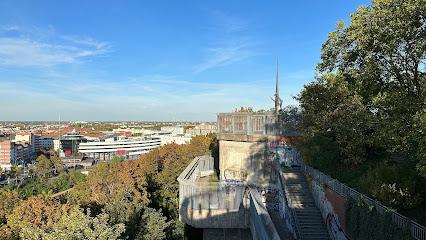
Flakturm Humboldthain
0.9 km
Explore the historical Flakturm Humboldthain in Berlin, a monumental flak tower reflecting the city's resilience during WWII.
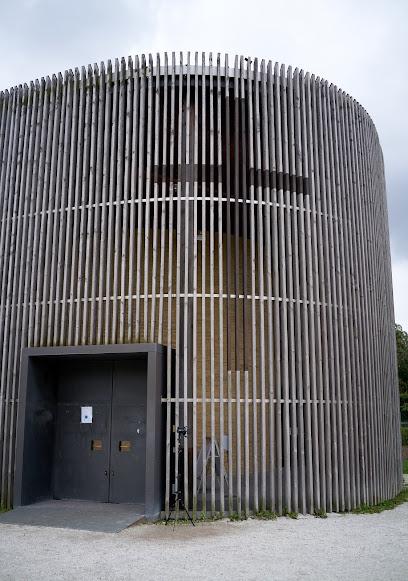
Chapel of Reconciliation
1.0 km
Explore the Chapel of Reconciliation in Berlin, a historic site symbolizing peace and unity, nestled near the remnants of the Berlin Wall.
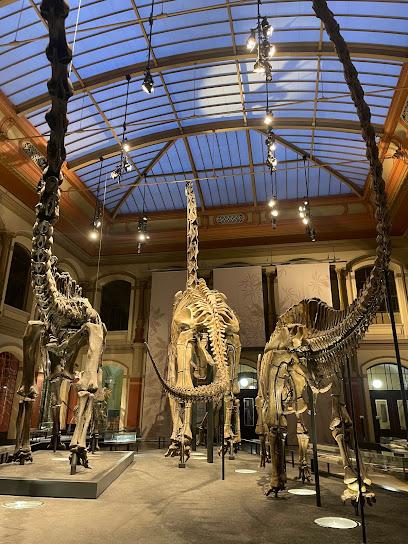
Museum für Naturkunde
1.0 km
Explore the Museum für Naturkunde in Berlin, a premier destination for natural history enthusiasts offering fascinating exhibits and educational experiences.
Berlin Underworld
1.1 km
Unearth the hidden history of Berlin at the Berlin Underworld Museum, where remarkable stories of resilience and innovation await beneath the city's surface.
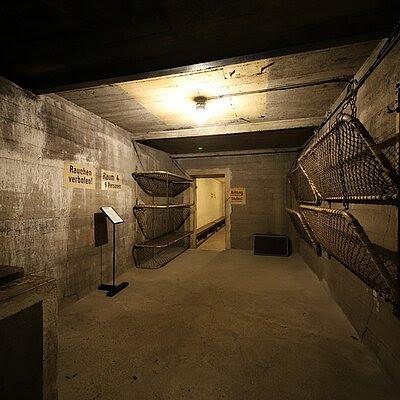
Invalidenpark
1.2 km
Discover the serene beauty of Invalidenpark in Berlin, a perfect blend of nature and history in the heart of the city.
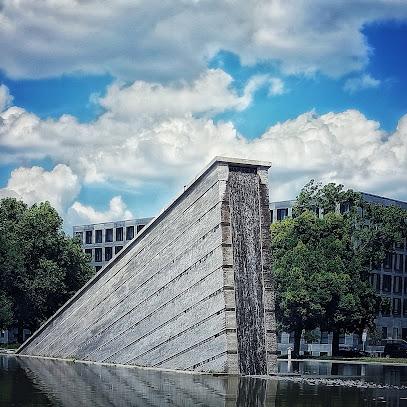
Robert-Koch-Platz
1.3 km
Explore the tranquil beauty of Robert-Koch-Platz, a historic park in the heart of Berlin's Mitte, perfect for relaxation and cultural exploration.
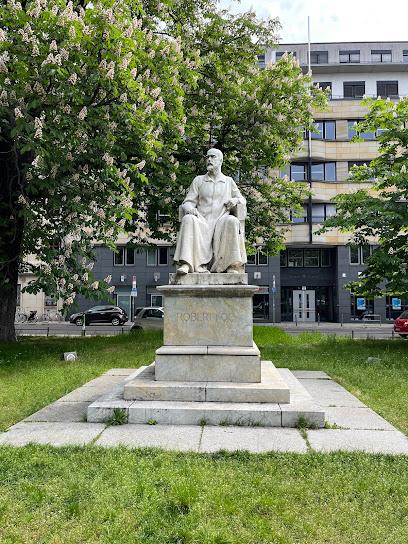
Hamburger Bahnhof – Nationalgalerie der Gegenwart
1.4 km
Discover contemporary art at Hamburger Bahnhof, Berlin's renowned museum housed in a historic railway station, featuring iconic modern masterpieces.
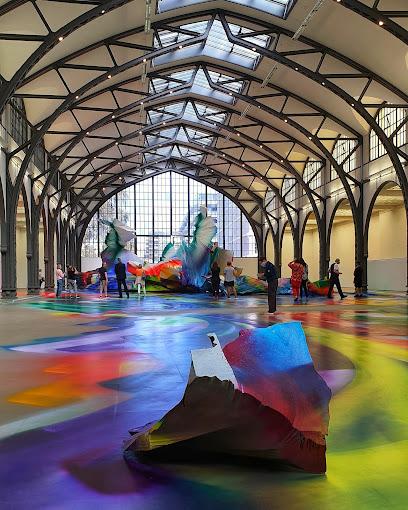
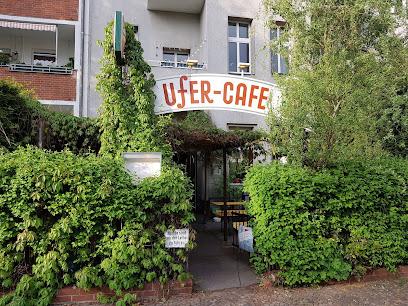
Ufer Café Berlin-Gesundbrunnen
1.5 km
Experience the charm of Ufer Café in Berlin-Gesundbrunnen, a cozy bar offering delightful drinks and scenic waterfront views.
Bibliothek am Luisenbad
1.5 km
Explore the Bibliothek am Luisenbad in Berlin, a cultural gem that unites history, literature, and community events within its tranquil spaces.
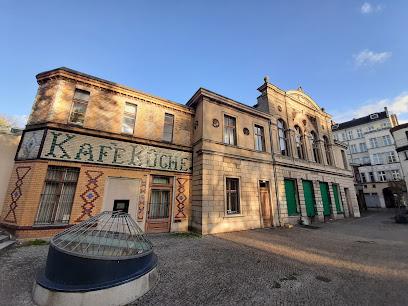
Berlin Museum of Medical History of the Charité
1.6 km
Dive into the rich history of medicine at the Berlin Museum of Medical History, where the past meets the present in an engaging exploration of healthcare evolution.
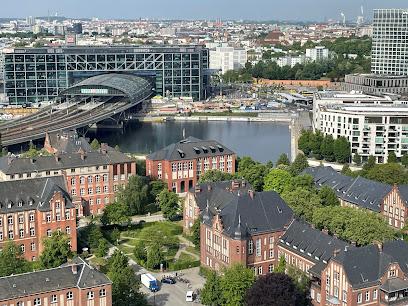
Mauerpark
1.6 km
Experience Berlin's vibrant spirit at Mauerpark: history, flea market finds, karaoke, and more in a park built on the former Berlin Wall.
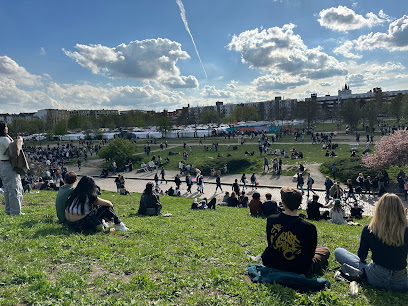
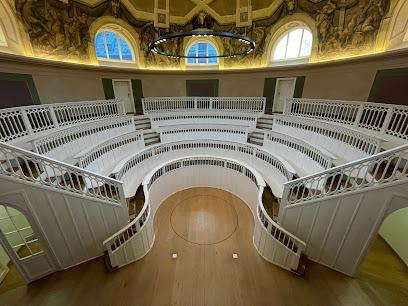
Veterinary Anatomy Theater
1.7 km
Explore the Veterinary Anatomy Theater in Berlin, a historical gem showcasing the fascinating world of veterinary science and animal anatomy.
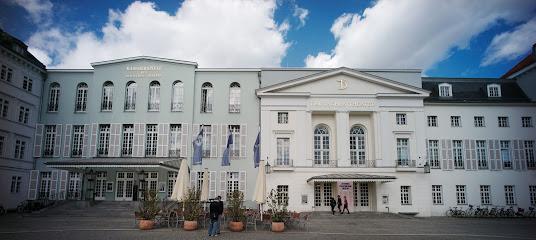
Deutsches Theater
1.7 km
Experience the essence of Berlin's performing arts at Deutsches Theater, a historic venue featuring a rich repertoire of plays and captivating performances.
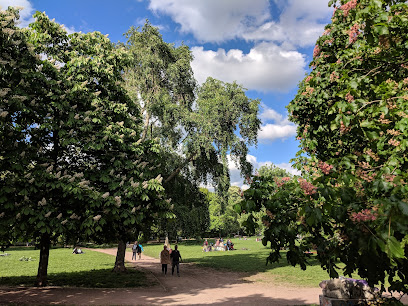
Falkplatz
1.8 km
Discover Falkplatz, a serene park in Berlin's Prenzlauer Berg, perfect for relaxation, community, and leisurely exploration.
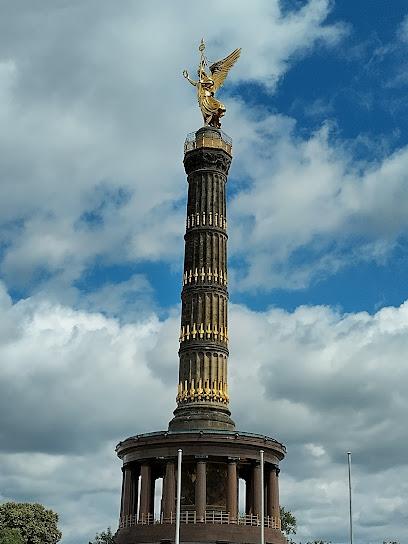
Berlin WelcomeCard - Berlins offizielles Touristenticket
1.8 km
Discover Berlin's charm with the Berlin WelcomeCard - your key to unlimited travel and exclusive discounts at top attractions.
Essential places to dine

Hackethal's
0.4 km
Discover Hackethal's: A German restaurant and pub in Berlin offering traditional cuisine in a cozy setting.
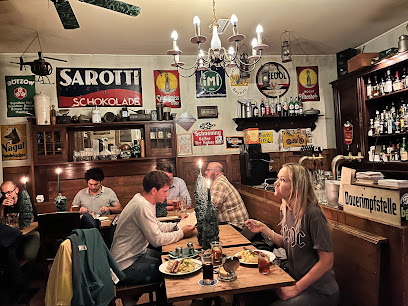
Restaurant Esszimmer
0.9 km
Savor authentic German cuisine in a cozy atmosphere at Restaurant Esszimmer - a must-visit dining destination in Berlin.
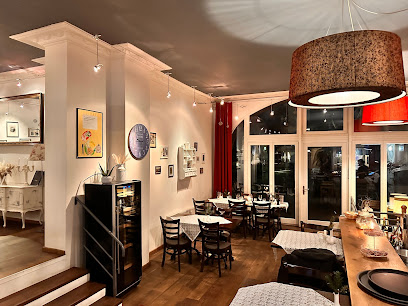
ernst
0.9 km
Experience culinary artistry at Ernst in Berlin—where German precision meets Japanese elegance in every exquisite dish.
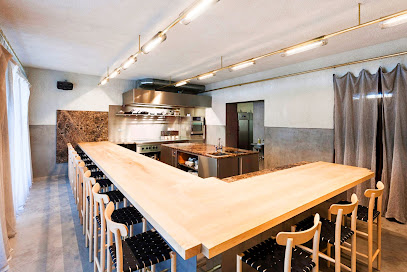
Schnitzelei Mitte
1.4 km
Experience authentic German cuisine at Schnitzelei Mitte, featuring exquisite schnitzels and tapas in Berlin's lively Mitte district.
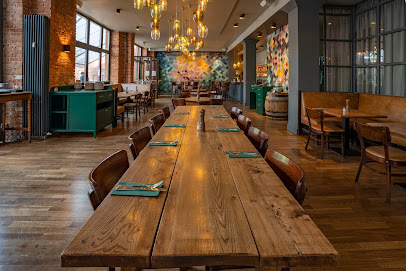
Katz Orange
1.4 km
Discover Katz Orange: An eclectic fine dining experience in Berlin's Mitte district offering exquisite German cuisine and an inviting atmosphere.
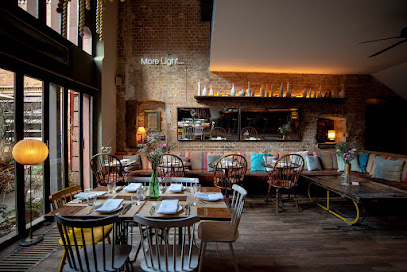
Friedel Richter Restaurant
1.5 km
Experience modern German cuisine at Friedel Richter Restaurant in Berlin's Mitte district – where tradition meets innovation.
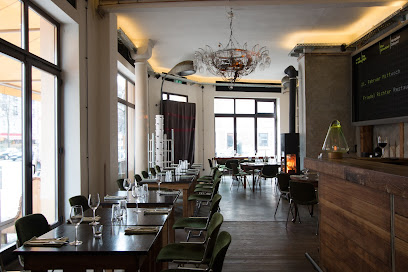
MontRaw Restaurant
1.6 km
Experience authentic Mediterranean cuisine in Berlin's Mitte district at MontRaw Restaurant - where every dish tells a story.
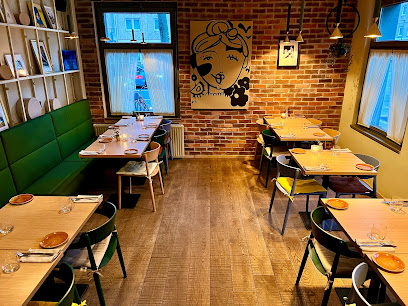
Pantry
1.6 km
Discover an eclectic dining experience at Pantry in Berlin - where fusion cuisine meets elegance in the heart of Mitte.
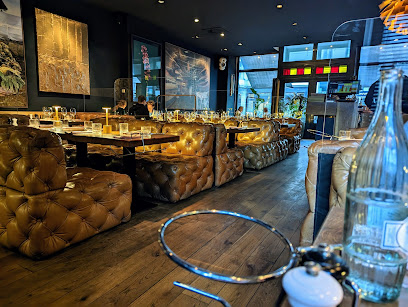
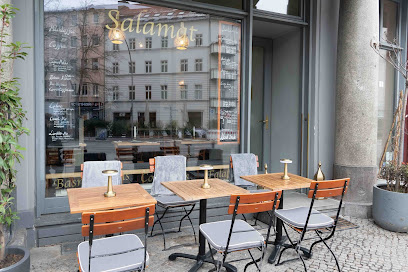
Salamat
1.6 km
Discover authentic Middle Eastern flavors at Salamat in Berlin's Mitte district – where every dish tells a story.
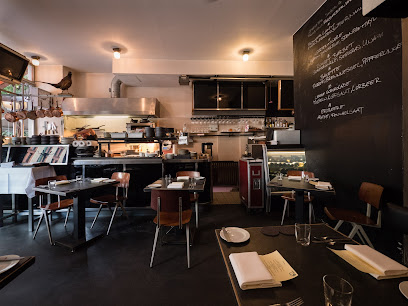
Bandol sur mer
1.6 km
Experience the exquisite flavors and breathtaking scenery of Bandol sur Mer on your next visit to the French Riviera.
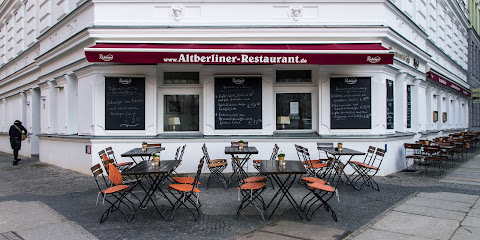
Altberliner Restaurant
1.7 km
Discover Berlin's culinary heritage at Altberliner Restaurant - where authentic German flavors come alive.
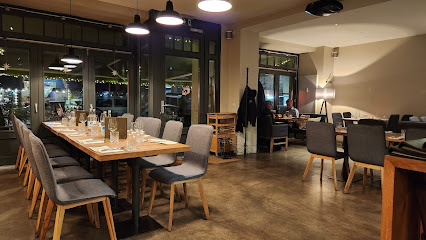
acht&dreissig
1.8 km
Savor traditional German dishes at acht&dreissig in Berlin, where authentic flavors meet inviting ambiance.
Holy Everest
1.8 km
Experience authentic Nepalese cuisine at Holy Everest in Berlin's Pankow district - where every dish tells a story!
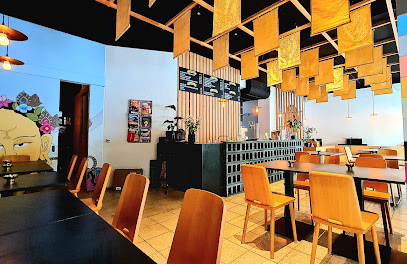
Boulevard Friedrichstrasse
2.0 km
Experience authentic German cuisine at Boulevard Friedrichstrasse, where tradition meets taste in the heart of Berlin.
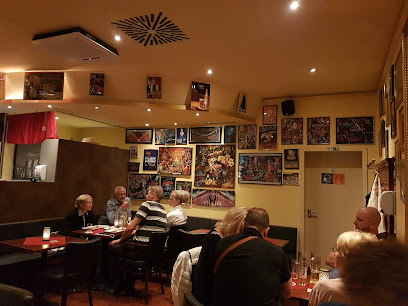
MaMi's Food&Wine
2.0 km
Discover culinary excellence at MaMi's Food&Wine in Berlin – where tradition meets innovation in every delicious bite.
Markets, malls and hidden boutiques

Fashionfouvintage
1.7 km
Explore Fashionfouvintage in Berlin for a unique vintage clothing experience, showcasing timeless styles from various eras that inspire and delight.
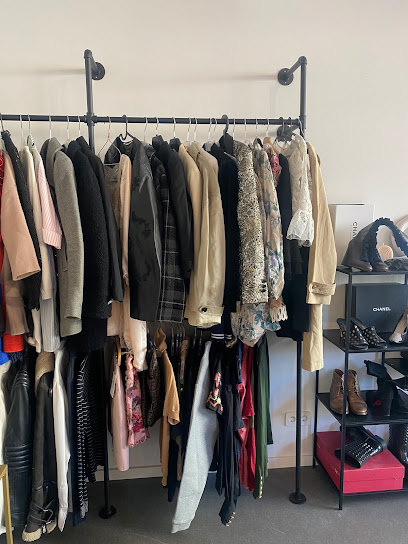
Loretta
1.8 km
Explore Loretta, Berlin's ultimate vintage clothing store, for unique fashion finds and a delightful shopping experience.
Jyoti - FairWorks
1.9 km
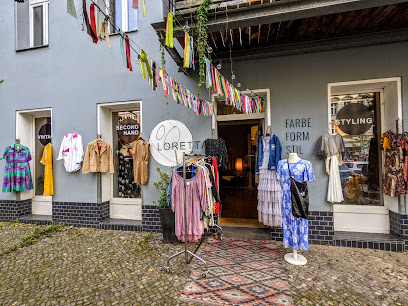
Explore Jyoti - FairWorks in Berlin for ethically sourced clothing, unique accessories, and a commitment to fair trade fashion.
Rotation Boutique / Nachhaltige Mode / Schallplatten
1.9 km
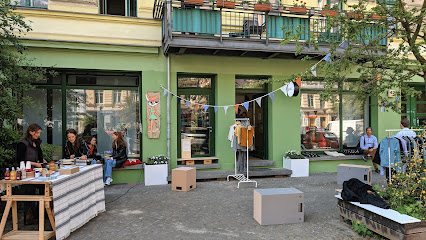
Discover the intersection of sustainable fashion and music at Rotation Boutique in Berlin's Mitte district, where style meets eco-consciousness.
Pauls Boutique/Berlin
1.9 km
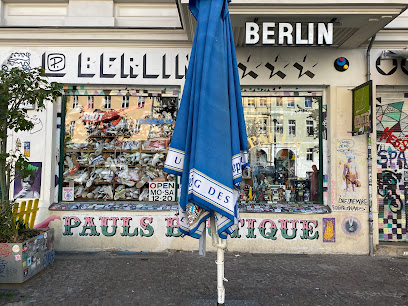
Explore Paul’s Boutique in Berlin for unique vintage clothing and sustainable fashion treasures. A must-visit thrift store in the heart of Pankow.
ein000 - Eintausend Berlin Shopping Guide
2.0 km
Explore ein000 for a unique shopping experience, showcasing Berlin's contemporary fashion and local designs in the heart of the city.
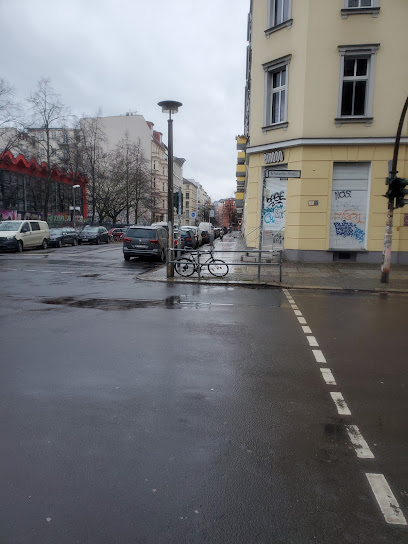
Flagshipstore
2.0 km
Explore Flagshipstore Berlin for a unique selection of eclectic European fashion in a vibrant shopping atmosphere.
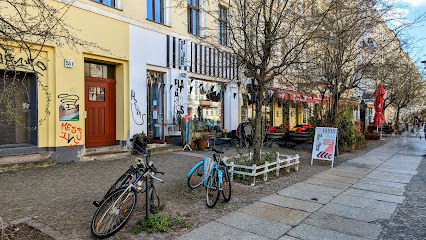
Dudes Factory
2.0 km
Discover Dudes Factory, Berlin's iconic streetwear store, offering unique designs that embody the city's dynamic fashion scene.
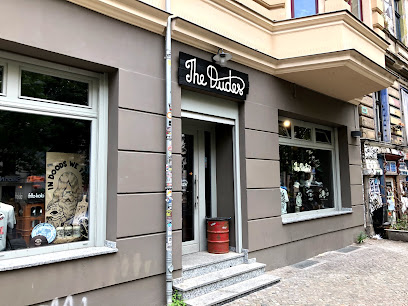
wunderwerk store Berlin-Prenzlauer Berg
2.1 km
Explore sustainable fashion at Wunderwerk Store in Berlin-Prenzlauer Berg, where contemporary design meets eco-conscious shopping.
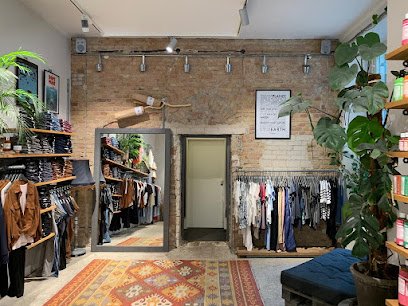
das goodshaus. Lifestyle Concept Store
2.1 km
Explore das goodshaus, a unique lifestyle concept store in Berlin, offering a delightful selection of gifts and artistic stationery.
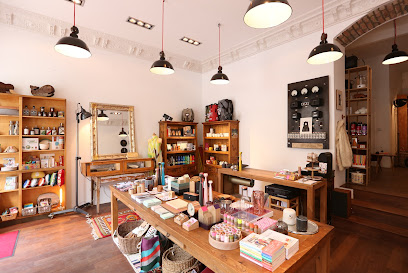
Kauf Dich Glücklich Mode
2.2 km
Discover unique fashion at Kauf Dich Glücklich Mode, a stylish clothing store in Berlin's Mitte district, where creativity meets contemporary style.
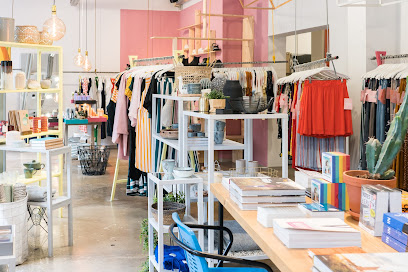
A Kind of Guise Store
2.2 km
Explore A Kind of Guise Store in Berlin for unique, high-quality clothing that blends contemporary style with sustainable practices.
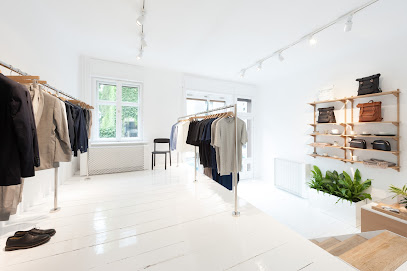
Quadrat Shop Polish Designers and FRIENDS
2.2 km
Explore Quadrat Shop in Berlin for exclusive Polish designer collections that blend tradition with modern fashion trends.
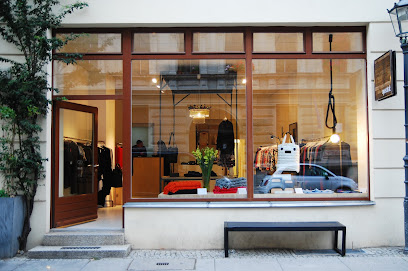
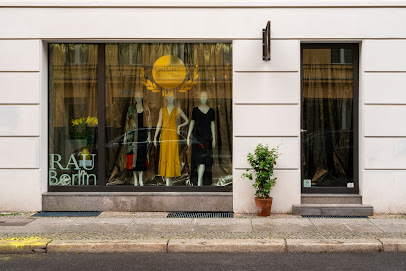
RAU Berlin Boutique
2.2 km
Explore the unique fashion offerings at RAU Berlin Boutique, the perfect blend of contemporary style and local craftsmanship in the heart of Berlin.
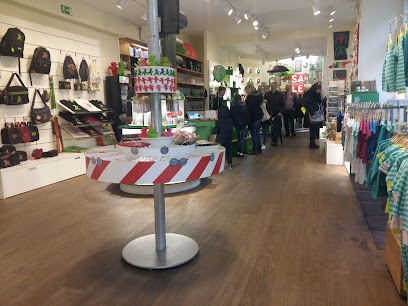
AMPELMANN shop in the Hackescher Markt
2.2 km
Explore the charming AMPELMANN shop in Hackescher Markt for unique Berlin souvenirs that capture the city's spirit and culture.
Essential bars & hidden hideouts

BESTE Bar
1.3 km
Discover BESTE Bar, a lively hub in Berlin's Mitte district, where affordable drinks and a vibrant atmosphere await every night.
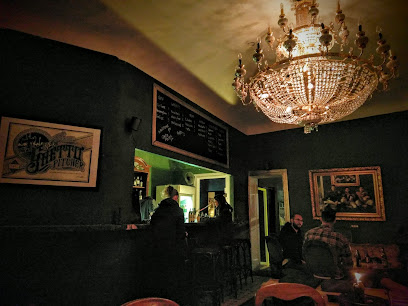
BrewDog Berlin Mitte
1.4 km
Discover the vibrant atmosphere and diverse craft beer selection at BrewDog Berlin Mitte, where every sip tells a story.
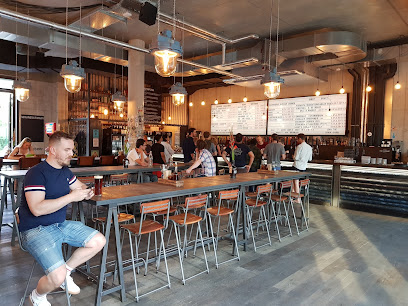
Reingold
1.4 km
Experience the vibrant nightlife of Berlin at Reingold, a cocktail bar in Mitte known for its expertly crafted drinks and lively atmosphere.
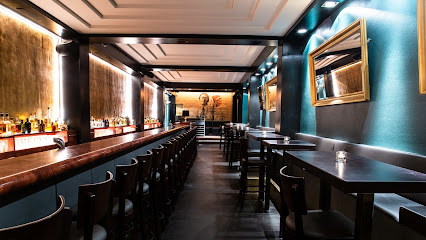
Melody Nelson bar
1.5 km
Discover the vibrant atmosphere of Melody Nelson, Berlin's chic bistro and cocktail bar, perfect for unwinding and socializing.
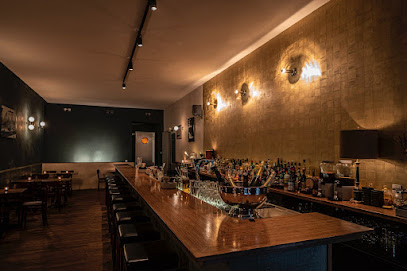
Buck and Breck
1.6 km
Discover Buck and Breck, a stylish cocktail bar in Berlin's Mitte district, where expertly crafted drinks and a cozy atmosphere await.
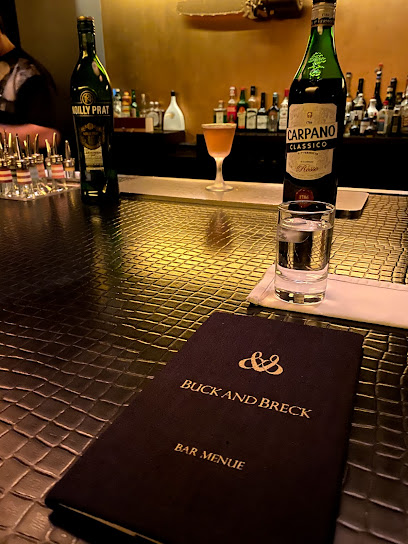
Bar Amélie
1.8 km
Discover Berlin's vibrant cocktail scene at Bar Amélie, where expertly crafted drinks meet a cozy atmosphere in the heart of the city.
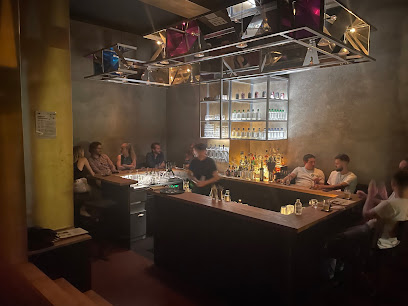
X-Terrain
1.8 km
Discover the eclectic vibe of X-Terrain, a unique bar in Berlin's Mitte with creative cocktails and a lively atmosphere perfect for nightlife enthusiasts.
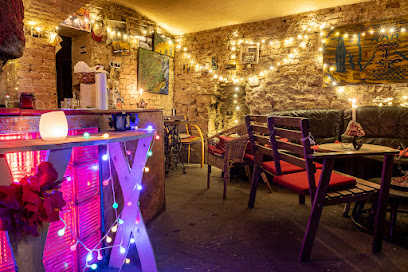
BonBon Bar Berlin
1.8 km
Discover the lively ambiance and eclectic cocktails at BonBon Bar, a must-visit for an unforgettable night out in Berlin's vibrant Mitte district.
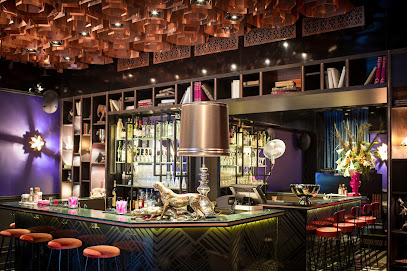
Sharlie Cheen Bar
1.8 km
Discover Sharlie Cheen Bar: A lively Berlin hotspot known for its innovative cocktails and vibrant nightlife experience in the heart of Mitte.
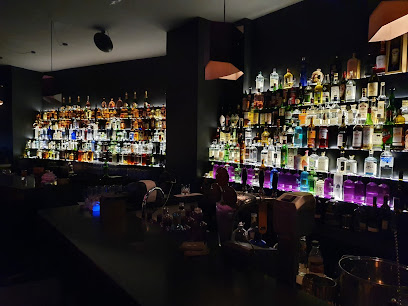
Mein Haus am See
1.8 km
Experience the vibrant fusion of bar, cafe, and nightlife at Mein Haus am See in Berlin's Mitte district, a perfect spot for relaxation and entertainment.
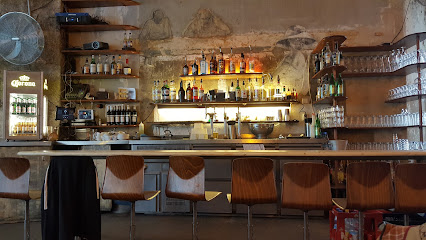
100 Gramm Bar
1.8 km
Discover 100 Gramm Bar in Berlin, the ultimate cocktail destination blending stylish ambiance with unique mixology in the heart of the city.
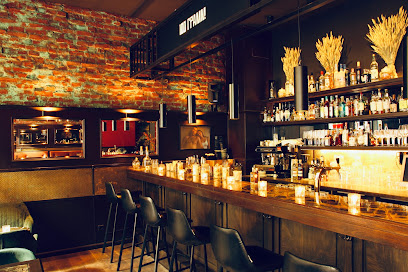
My Bar ICI
1.9 km
Discover the vibrant atmosphere and exquisite drink selection at My Bar ICI, a must-visit bar in the heart of Berlin's Mitte district.
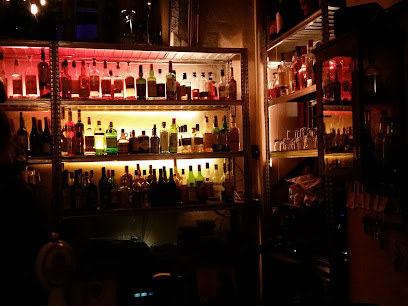
meisterschueler
2.0 km
Discover Meisterschueler in Berlin – a captivating cocktail bar that intertwines art and mixology for an unforgettable experience.
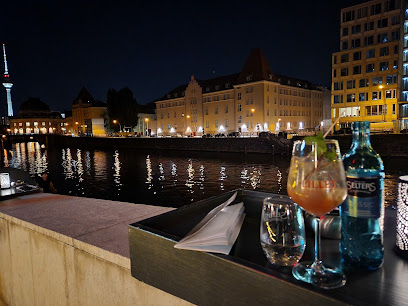
Kaminbar
2.1 km
Discover the artistic charm of Kaminbar in Berlin, where cocktails meet creativity in a vibrant atmosphere filled with live music and local art.
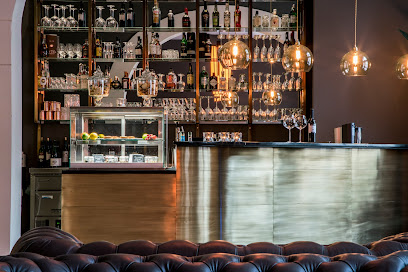
Emi Wynehouse Pop-Up Bar
2.3 km
Discover the unique charm of Emi Wynehouse Pop-Up Bar, where eclectic cocktails and vibrant nightlife collide in the heart of Berlin.
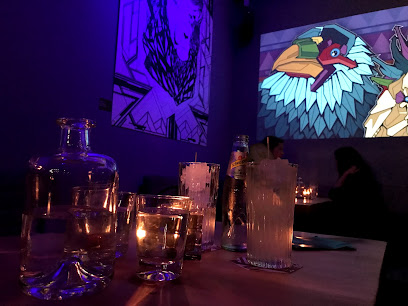
Nightclubs & after hour spots

Flow Bar/Club - Berlin
1.8 km
Experience the pulse of Berlin's nightlife at Flow Bar/Club, where vibrant beats and stylish ambiance meet for an unforgettable night out.
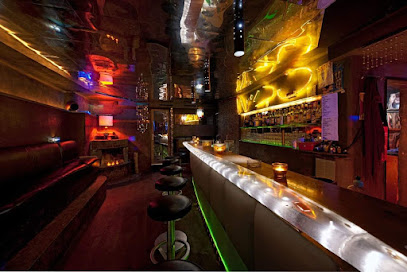
FRANNZ Club
2.3 km
Experience the vibrant nightlife of Berlin at FRANNZ Club, where music, drinks, and great company come together for an unforgettable evening.
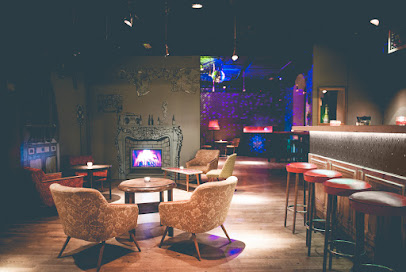
schöne party
2.3 km
Discover vibrant nightlife at schöne party, a lively night club in Berlin's Pankow district, perfect for dancing and socializing.
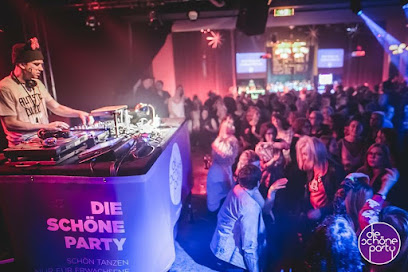
Alte Kantine
2.3 km
Discover the electric atmosphere of Alte Kantine, Berlin's vibrant night club offering music, dancing, and a lively bar experience.
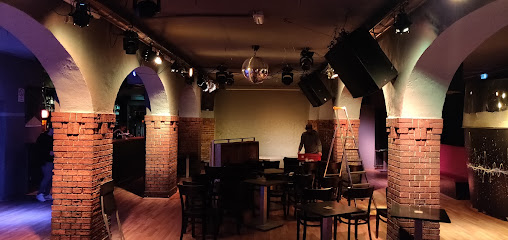
NIGHT
2.4 km
Discover the electrifying nightlife scene at NIGHT, a premier club and cocktail bar in Berlin, where unforgettable memories are made.
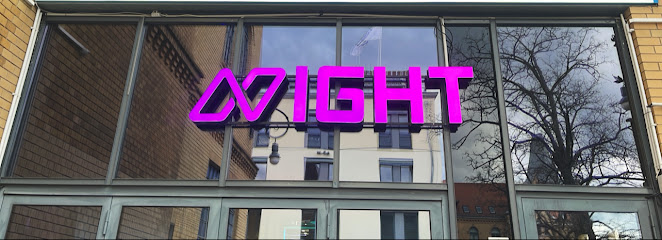
Club 23
2.4 km
Discover the heart of Berlin's nightlife at Club 23, where music, dancing, and vibrant energy await you for an unforgettable night.
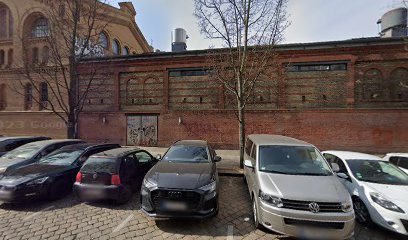
Soda Club Berlin
2.4 km
Discover the vibrant nightlife of Berlin at Soda Club, a perfect blend of music, dining, and excitement in Pankow.
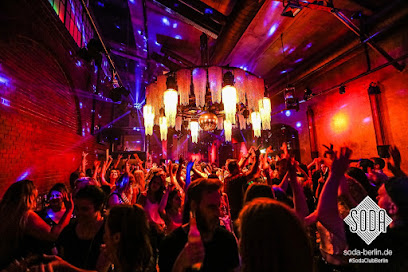
El ocaso
2.5 km
Experience the pulsating nightlife of Berlin at El Ocaso, a vibrant night club known for its eclectic music and stylish atmosphere.
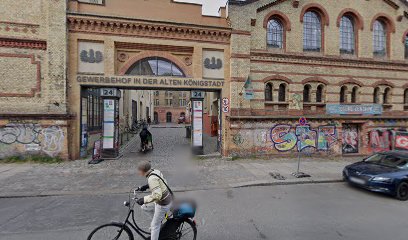
Steinhaus Berlin
2.5 km
Discover the heart of Berlin's nightlife at Steinhaus Berlin, where vibrant music and an electrifying atmosphere await every night.
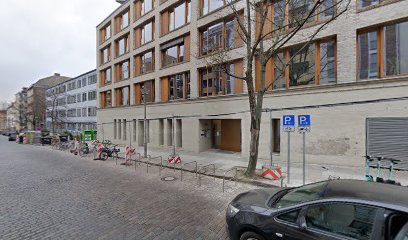
Hafenbar Berlin
2.8 km
Discover the electrifying nightlife of Hafenbar Berlin, where vibrant music and dance come together for an unforgettable experience.
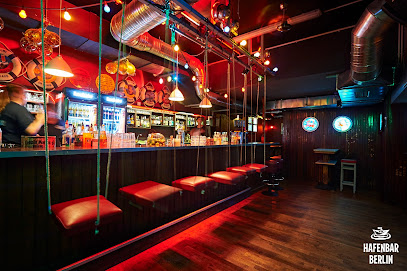
M-BIA Club Berlin
2.8 km
Discover the vibrant nightlife of Berlin at M-BIA Club, where electrifying music and an unforgettable atmosphere await you.
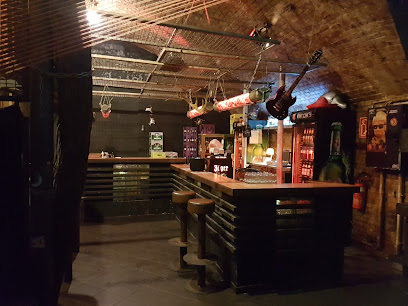
Dunckerclub
3.1 km
Experience the electrifying atmosphere of Dunckerclub, Berlin's ultimate rock music destination, where live performances ignite the night.
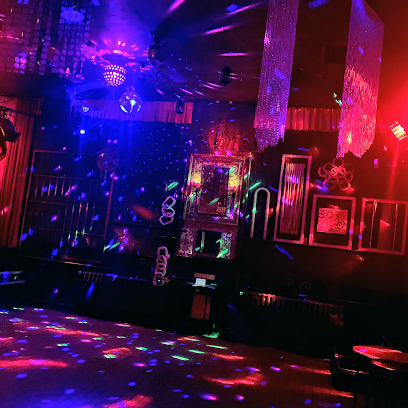
ASeven Club & Eventlocation
3.1 km
Experience the pulse of Berlin's nightlife at ASeven Club & Eventlocation, where vibrant music and exciting events come alive.
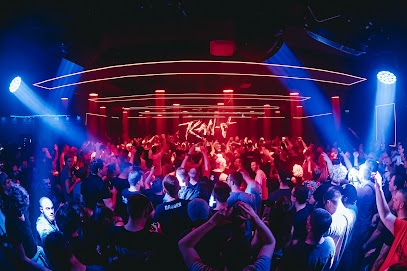
Sky Club - Berlin
3.1 km
Sky Club in Berlin: Discover the heart of nightlife with electrifying music, stunning visuals, and an unforgettable clubbing experience.
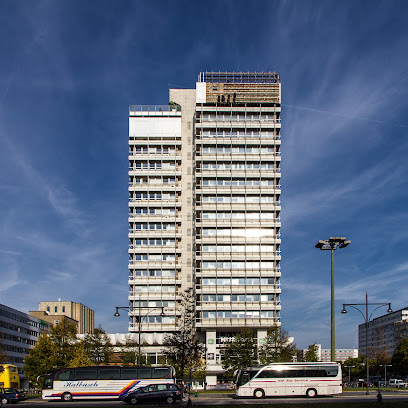
House of Weekend
3.1 km
Experience the best of Berlin's nightlife at House of Weekend, where the city comes alive with music, dancing, and breathtaking skyline views.