
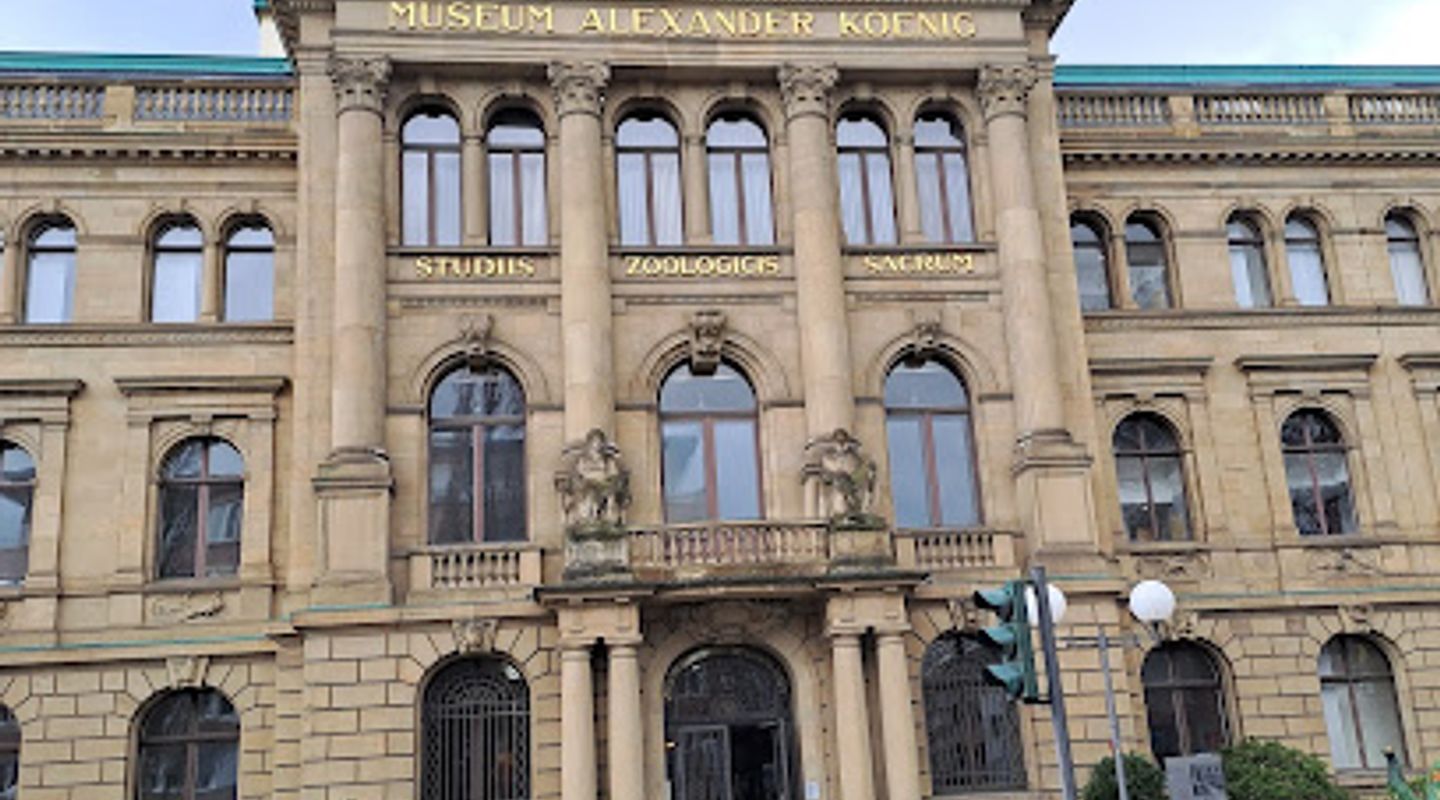
Museum Koenig Bonn, Bonn Travel Guide
Explore the wonders of biodiversity at Museum Koenig Bonn, a leading natural history museum with captivating exhibits and a rich history, located in the heart of Bonn's Museumsmeile.
Museum Koenig in Bonn is a leading natural history museum, showcasing the Earth's biodiversity through captivating exhibits. Founded by Alexander Koenig, the museum features realistic dioramas of diverse ecosystems, from the African savanna to polar regions, offering an immersive experience for all ages. Don't miss the main exhibition “Our Blue Planet – Living in a Network”, which highlights the interconnectedness of life and the impact of human activities on species extinction. The museum also played a role in German history, hosting the opening session of the Parliamentary Council in 1948. With its blend of education, research, and historical significance, Museum Koenig is a must-see attraction for nature enthusiasts and families alike. The museum shop offers unusual gift ideas and interesting facts.
A brief summary to Museum Koenig Bonn
- Adenauerallee 160, Bonn, 53113, DE
- Click to display
- Click to display
- Tuesday 10 am-6 pm
- Wednesday 10 am-9 pm
- Thursday 10 am-6 pm
- Friday 10 am-6 pm
- Saturday 10 am-6 pm
- Sunday 10 am-6 pm

Know before you go
Hi, I'm Eve. Here are a few practical things to know before exploring Museum Koenig Bonn.
- Visit on Wednesdays when the museum is open until 9 PM for a quieter experience and more time to explore the exhibits.
- Check the museum's website for special exhibitions and events happening during your visit for a unique and enhanced experience.
- Consider taking public transport, as parking is limited around the museum, especially on weekends and public holidays.
- Don't miss the interactive exhibits, which are particularly engaging for children and offer a hands-on learning experience.
- Allocate at least 3-4 hours to fully explore the museum's extensive collection and exhibits.
Do you manage this location?
Take control to get all the benefits, like improved information, better appearance, and stronger visibility across AI-powered discovery. Learn more about listing your business on Evendo
Activate your presenceOther nearby places you may find interesting
The closest places of the same kind, if this one is not quite what you had in mind.
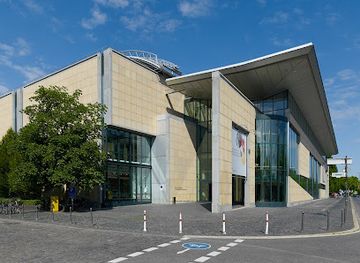
Explore Museum Koenig Bonn on the Map
A handpicked selection of must-see spots near Museum Koenig Bonn, mapped for you.
Unlock the Best of Museum Koenig Bonn
Buy tickets
-
No tickets available
Book tours with entry


Getting There
-
Public Transport
From Bonn Hauptbahnhof (main train station), take the underground lines 16, 63, or 66 in the direction of Bad Godesberg or Bad Honnef to the 'Museum Koenig' stop. The journey takes approximately 4 minutes. From the station exit, the museum is a short walk away. A single ticket (Preisstufe 1b) costs €2.20.
-
Bus
From Bonn city center, you can take Bus Line 610 or 611 from the Bonn ZOB (central bus station). Ride until you reach the 'Museumsmeile' stop. From the bus stop, continue walking along Adenauerallee for about 5 minutes, and you will find Museum Koenig Bonn located at Adenauerallee 160. A single ticket (Preisstufe 1b) costs €2.20.
-
Taxi/Ride-Share
A taxi or ride-share from Bonn Hauptbahnhof to Museum Koenig takes approximately 3 minutes, depending on traffic. The estimated cost is between €7 and €11.
-
Driving
If driving, follow signs for 'Museumsmeile'. Note that parking at the museum is limited, especially on weekends and public holidays. The surrounding streets are mostly residents' parking zones and are regularly monitored. Consider using the multi-story car park near the Art and Exhibition Hall (Bundeskunsthalle), which is about a 10-minute walk away. Parking fees at the car park vary, but expect to pay around €2.50 per hour.
Discover more about Museum Koenig Bonn













Your all‑in‑one travel companion app
Explore expert travel guides, compare and book tours, experiences, hotels, and more—all from the palm of your hand. Download now for seamless trip planning wherever your wanderlust takes you.


Explore More of Bonn
Looking beyond Museum Koenig Bonn? Discover Bonn for broader travel guides, local hot-spots, and regional highlights.
Explore Bonn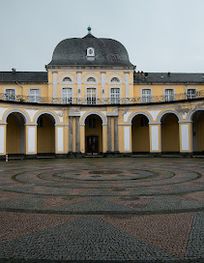
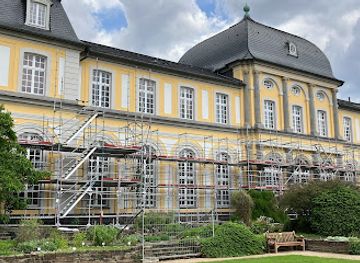
Discover Poppelsdorf Palace in Bonn: A baroque masterpiece with stunning botanical gardens, offering a serene escape into history and nature, perfect for a day of exploration and relaxation.
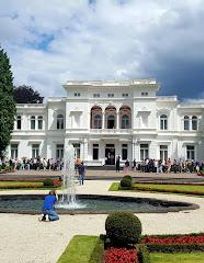
Discover Villa Hammerschmidt in Bonn, the German Federal President's secondary residence, a symbol of history and tranquility on the Rhine, offering a glimpse into Germany's political past.
