Quay Bonn-Bundeshaus: A Riverside Promenade with History
Discover Bonn's vibrant Quay Bonn-Bundeshaus: Where history meets scenic beauty along the Rhine, offering a unique blend of culture, politics, and riverside charm.
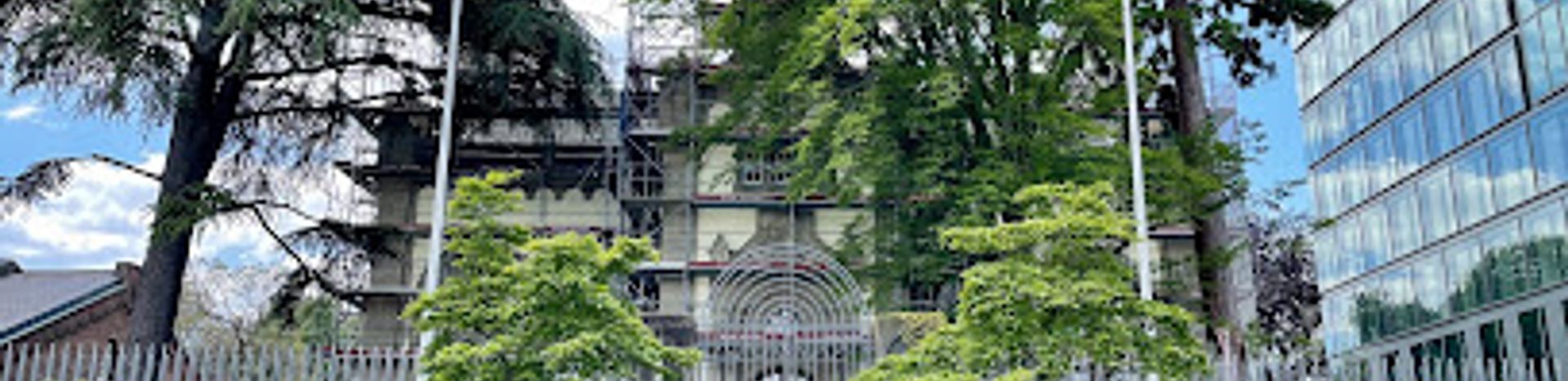
The Quay Bonn-Bundeshaus is a picturesque waterfront area along the Rhine River in Bonn, Germany, blending natural beauty with significant historical and cultural landmarks. Once the heart of West Germany's parliamentary democracy, the area offers stunning river views, green spaces, and access to important political institutions like the Bundeshaus. Visitors can enjoy leisurely strolls, explore nearby cafes, and attend various cultural events. The quay provides a vibrant atmosphere, ideal for relaxation and exploration, making it a must-visit destination for tourists seeking to experience Bonn's charm and political heritage. Its location near the UN Campus adds an international dimension, while the proximity to the Haus der Geschichte allows for deeper historical insights. Whether you're interested in history, culture, or simply a scenic walk, the Quay Bonn-Bundeshaus offers a rich and diverse experience.
A brief summary to Quay Bonn-Bundeshaus
- Platz d. Vereinten Nationen, Bonn, 53113, DE
- +49228775000
- Visit website
Local tips
- Visit during the golden hour for stunning photography opportunities along the Rhine River.
- Check the local event calendar for festivals and exhibitions happening at the quay.
- Bring a picnic blanket to enjoy a relaxing meal by the riverside.
- Explore nearby cafes for authentic local cuisine and outdoor seating.
- Take a walk along the Democracy Trail to explore the former government district and learn about Bonn's political history.

Getting There
-
Public Transport
From Bonn Hauptbahnhof (main train station), take tram line 61 or 62 in the direction of Bad Honnef or Siegburg. Disembark at the stop 'Platz der Vereinten Nationen.' From there, it's a short walk to the Quay Bonn-Bundeshaus. Exit the tram station and walk towards the river; the Quay will be directly ahead. A single ticket costs approximately €2.80.
-
Bus
From Bonn Hauptbahnhof, take bus line 610 or 611 towards Bad Honnef. Get off at 'Platz der Vereinten Nationen.' Once you exit the bus, you will see the Quay Bonn-Bundeshaus right in front of you as you walk toward the river. A single ticket costs approximately €2.80.
-
Walking
If you are in Bonn city center (Marktplatz), head southwest towards the Bonn Minster (Bonn Minster is a well-known landmark). From the Minster, walk along the Rheingasse street until you reach the Rhine River bank. Turn left and follow the path along the river. Continue walking for about 15-20 minutes until you see the Platz der Vereinten Nationen. The Quay Bonn-Bundeshaus will be on your right at the edge of the square.
-
Taxi/Ride-Share
A taxi or ride-share from Bonn Hauptbahnhof to the Quay Bonn-Bundeshaus will take approximately 5-10 minutes, depending on traffic. The estimated cost is between €10-€15.
-
Driving
If driving, navigate to Platz der Vereinten Nationen, 53113 Bonn. Public parking is available at Parking WCCB and Museumsmeile. Parking fees typically range from €2-€3 per hour.
Discover more about Quay Bonn-Bundeshaus
Iconic landmarks you can’t miss

Quay Bonn-Bundeshaus
0.0 km
Discover Bonn's vibrant Quay Bonn-Bundeshaus: Where history meets scenic beauty along the Rhine, offering a unique blend of culture, politics, and riverside charm.
Hammerschmidt Villa
0.5 km
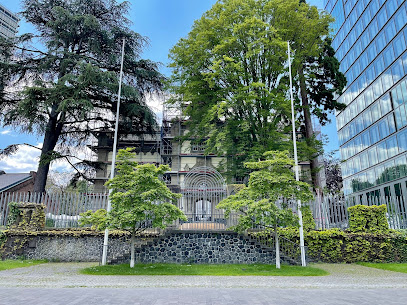
Discover Villa Hammerschmidt in Bonn, the German Federal President's secondary residence, a symbol of history and tranquility on the Rhine, offering a glimpse into Germany's political past.
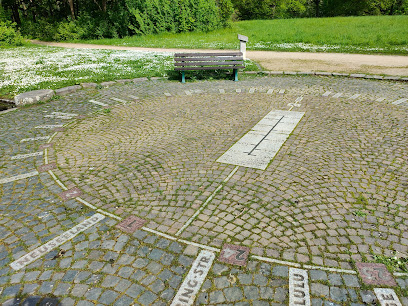
Bodensonnenuhr
1.1 km
Discover the Bodensonnenuhr in Bonn's Rheinaue: Where art, science, and nature converge in a captivating lakeside setting, offering a timeless experience for all visitors.
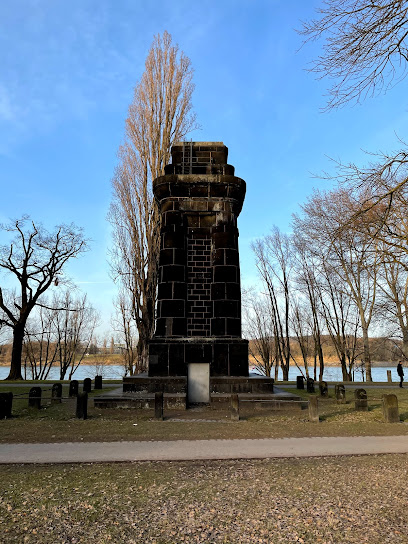
Bismarckturm
1.1 km
Explore the historical Bismarckturm in Bonn's Rheinaue park: a monument to Otto von Bismarck offering a glimpse into Germany's past within a beautiful natural setting.
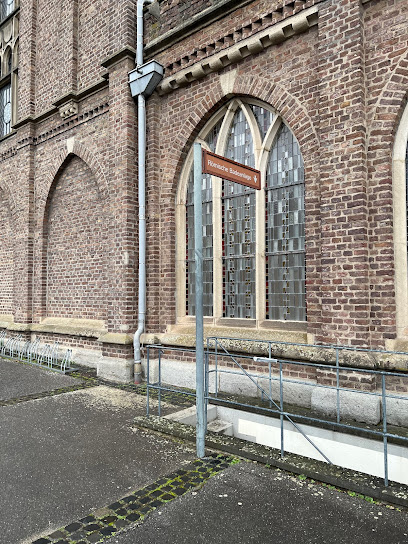
Römische Badeanlage
1.8 km
Uncover Bonn's Roman past at the Römische Badeanlage: Explore remarkably preserved ancient bath ruins beneath the city and step back nearly 2,000 years into history.
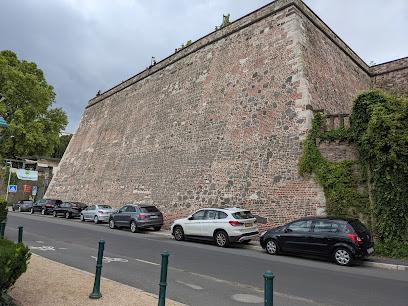
Stadtbefestigung Alter Zoll
2.0 km
Explore Bonn's historic Alter Zoll, a 17th-century bastion offering panoramic Rhine views, tranquil gardens, and a glimpse into the city's rich past, perfect for history buffs and nature lovers.
Koblenzer Tor
2.1 km
Discover Bonn's past at the Koblenzer Tor, a neo-Gothic gatehouse offering a glimpse into the city's 19th-century fortifications and its enduring historical significance on Adenauerallee.
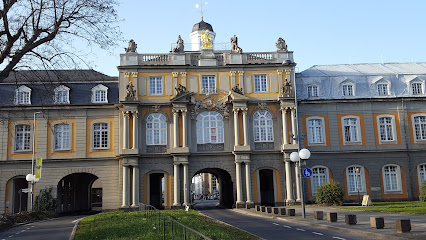
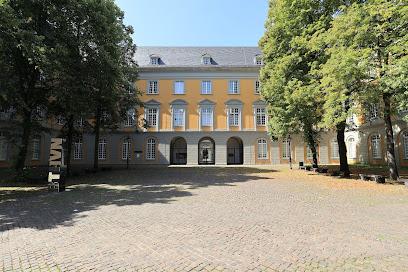
Schloßkirche Bonn
2.2 km
Discover Bonn's hidden gem: The Schloßkirche, a historic church nestled within the University, offering a serene escape and a glimpse into the city's cultural heritage.
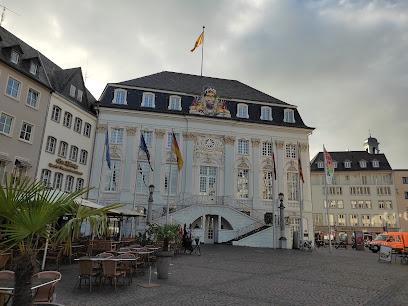
Altes Rathaus
2.2 km
Discover Bonn's iconic Altes Rathaus: a Rococo masterpiece in the heart of the city, steeped in history and surrounded by vibrant culture on the bustling Marktplatz.
Historický plán města
2.3 km
Explore Bonn's captivating past through an intricate historical city map, tracing its evolution from Roman settlement to Germany's former capital.
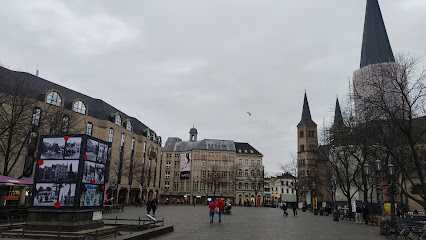
Minster of St. Martin's
2.3 km
Explore the Minster of St. Martin's in Bonn, a historic Catholic church showcasing stunning Gothic architecture and a rich cultural heritage.
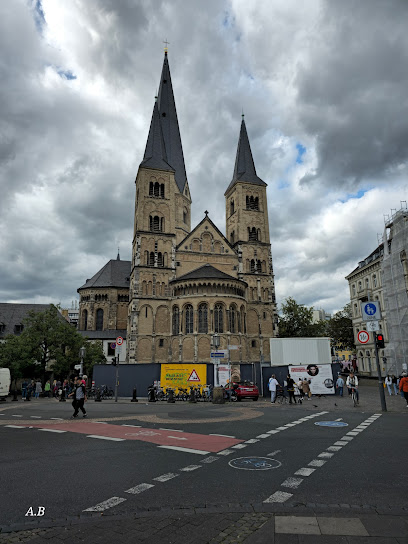
Foyer am Bonner Münster
2.3 km
Discover Bonn's historical heart at the Foyer am Bonner Münster, a modern gateway to a Romanesque basilica and medieval cloisters, blending architecture and history.
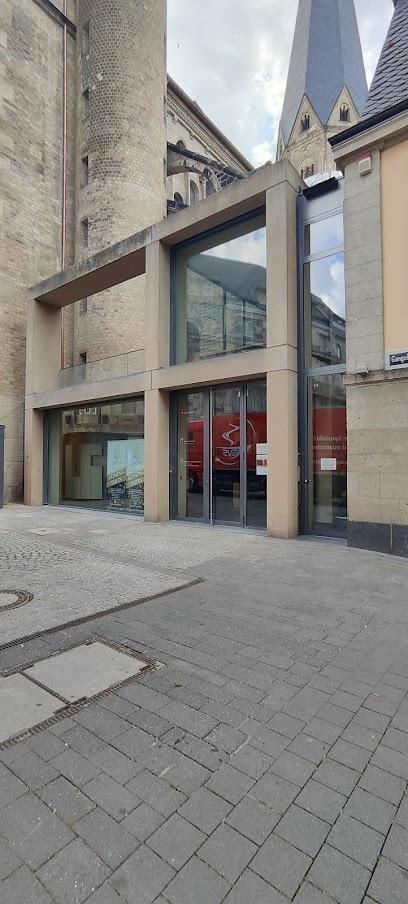
Martinsbrunnen
2.3 km
Discover Bonn's Martinsbrunnen: A historic fountain symbolizing charity and resilience, nestled in the heart of the city near the iconic Bonn Minster.
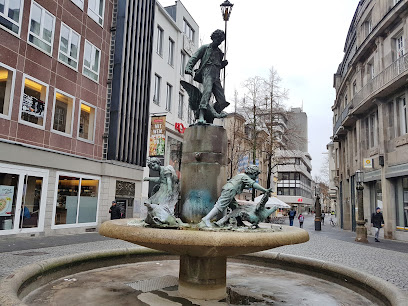
Marktplatz
2.3 km
Experience the vibrant heart of Bonn at Marktplatz, a historical square offering markets, stunning architecture, and a taste of local life, all in the city's central hub.
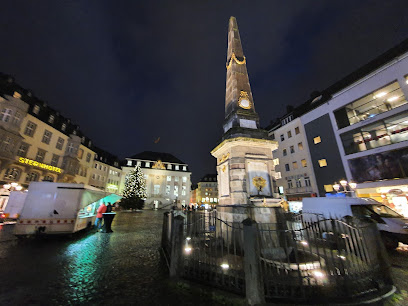
St. Remigius, Bonn
2.3 km
Discover St. Remigius in Bonn: A historic Gothic church with ties to Beethoven, offering a serene escape in the heart of the city and a glimpse into Bonn's rich past.
Unmissable attractions to see

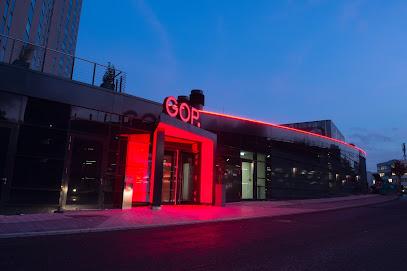
GOP Varieté-Theater Bonn
0.1 km
Discover Bonn's vibrant arts scene at GOP Varieté-Theater, where captivating performances and exquisite dining come together for an unforgettable experience.
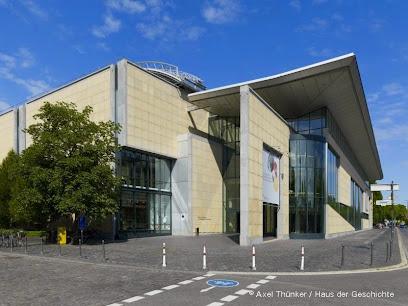
House of the History of the Federal Republic of Germany
0.4 km
Discover the rich history of Germany from 1949 to the present at the House of the History of the Federal Republic, a captivating museum in Bonn.
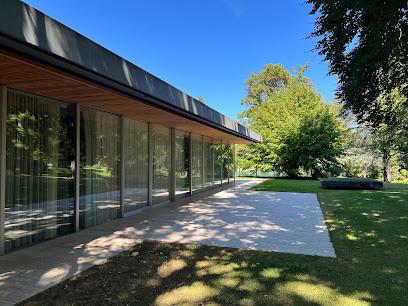
Chancellor's Bungalow
0.4 km
Discover the rich political history of Germany at the Chancellor's Bungalow in Bonn, a must-see museum filled with fascinating exhibits and beautiful gardens.
Art museum
0.5 km
Explore the rich collection of contemporary art at Bonn's renowned Kunstmuseum, a cultural gem in Germany perfect for art lovers and curious travelers.
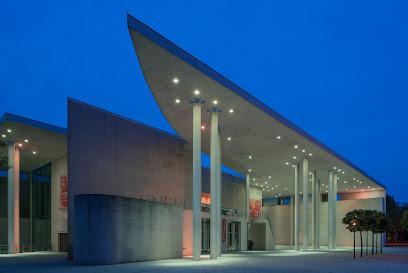
Kunst- und Ausstellungshalle der Bundesrepublik Deutschland
0.6 km
Explore the vibrant art scene at the Kunst- und Ausstellungshalle der Bundesrepublik Deutschland, a cultural gem in Bonn showcasing diverse exhibitions and beautiful gardens.
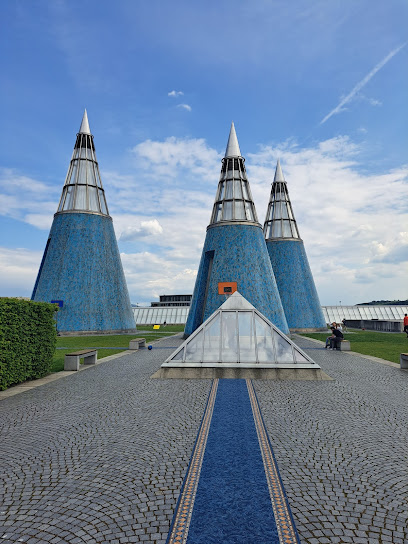
Skulpturenpfad am Post Tower
0.7 km
Explore the Skulpturenpfad am Post Tower in Bonn, where contemporary art meets serene landscapes for a memorable cultural experience.
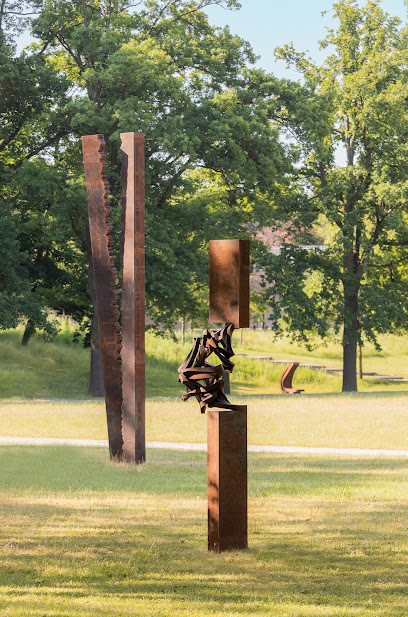
Museum Koenig Bonn
0.7 km
Explore the rich biodiversity and captivating exhibits at Museum Koenig Bonn, a premier natural history museum in the heart of Bonn.
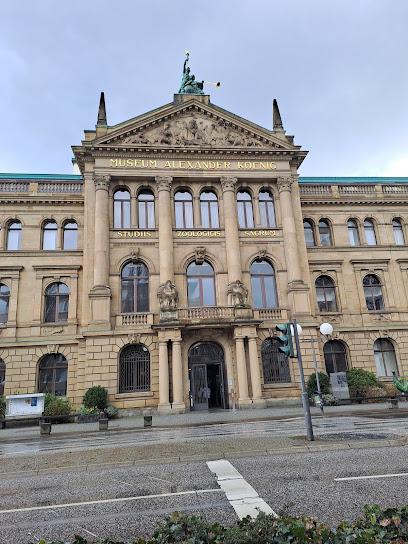
Mammutbaum
0.9 km
Discover the Mammutbaum in Bonn - a breathtaking giant sequoia that embodies nature's beauty and resilience, perfect for travelers and nature enthusiasts.
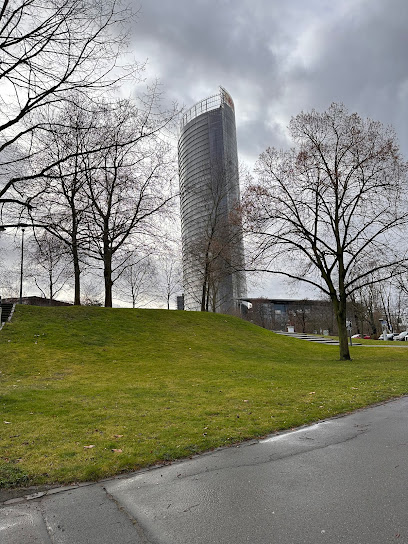
Fernrohr Rheinblick
1.1 km
Explore the serene beauty of Fernrohr Rheinblick, a tranquil spot along the Rhine River in Bonn, perfect for relaxation and stunning views.
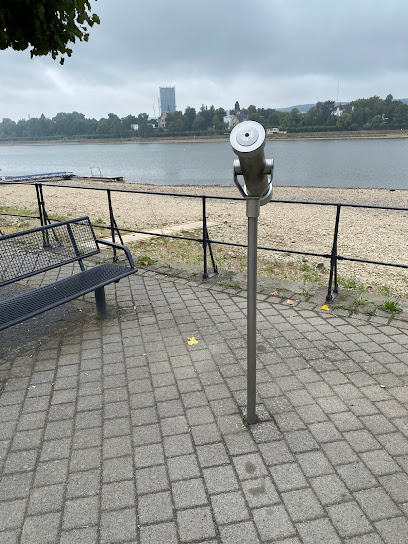
Japanischer Garten
1.2 km
Explore the serene beauty of the Japanischer Garten in Bonn, a tranquil oasis showcasing exquisite Japanese garden design and nature's artistry.
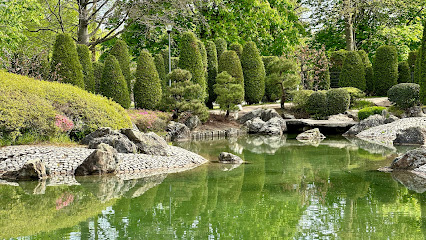
Löffelwald
1.2 km
Explore the serene beauty of Löffelwald in Bonn, a tranquil forest retreat perfect for nature lovers and families alike.
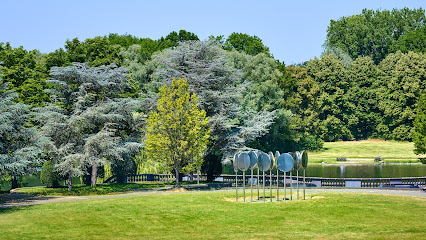
Kriegerdenkmal
1.4 km
Discover the Kriegerdenkmal in Bonn, a historic landmark that honors valor and sacrifice amidst beautiful gardens and a serene atmosphere.
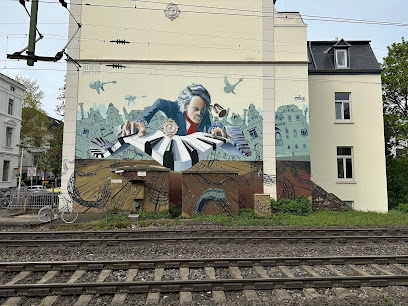
Mural art of Beethoven
1.5 km
Explore the Mural Art of Beethoven in Bonn, a vibrant tribute to the legendary composer that enhances the city's rich cultural tapestry.
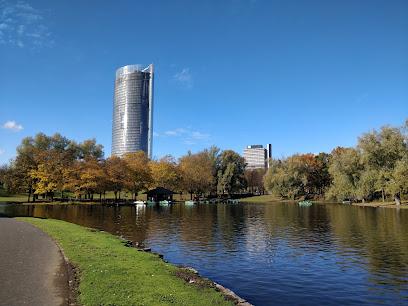
Freizeitpark Rheinaue
1.6 km
Explore the lush landscapes and recreational wonders of Freizeitpark Rheinaue, Bonn's premier state park for relaxation and outdoor fun.
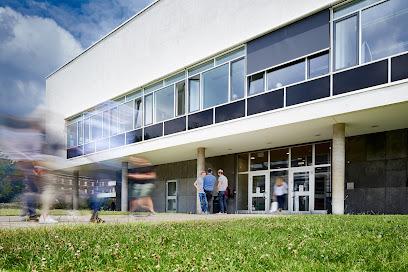
Bonn University and State Library
1.7 km
Explore the Bonn University and State Library, a haven of knowledge and architectural beauty in the heart of Bonn, Germany.
Essential places to dine

Forissimo Ristorante Italiano
0.5 km
Experience authentic Italian cuisine at Forissimo Ristorante Italiano in Bonn - where every dish tells a story.
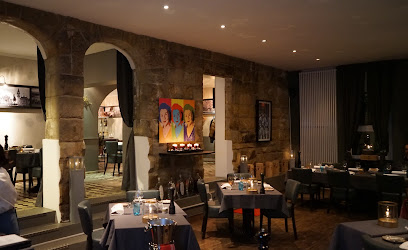
Remise Bonn
0.5 km
Experience exquisite German cuisine at Remise Bonn - where local flavors meet elegant dining in the heart of Bonn.
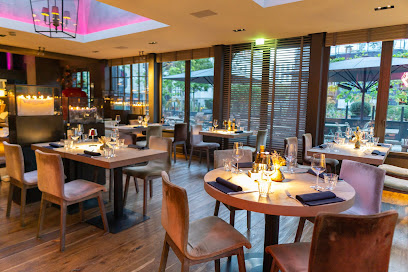
Restaurant Zum Treppchen seit 1883 in Bonn Süd-Stadt
1.5 km
Experience authentic European dining with exquisite meat dishes at Restaurant Zum Treppchen in Bonn's historic Süd-Stadt.
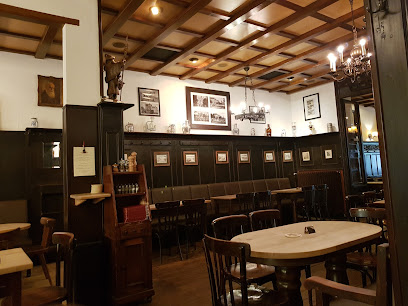
Il Melo
1.7 km
Savor authentic Italian cuisine at Il Melo in Bonn, where every dish tells a story and every visit feels like home.
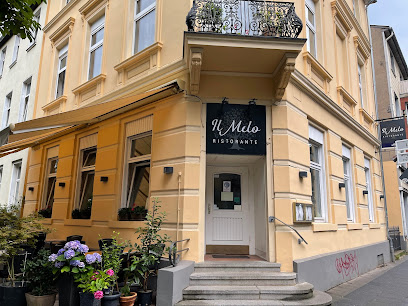
Matthieu’s
1.8 km
Experience exquisite dining at Matthieu's in Bonn, where culinary artistry meets elegant ambiance.
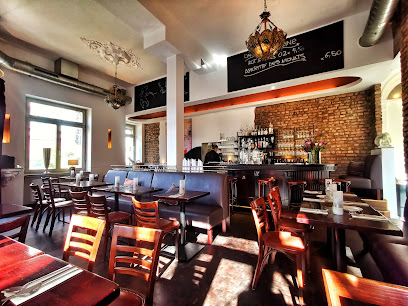
Restaurant Oliveto
1.9 km
Experience exquisite Italian cuisine at Restaurant Oliveto in Bonn; a perfect blend of tradition and modernity awaits you.
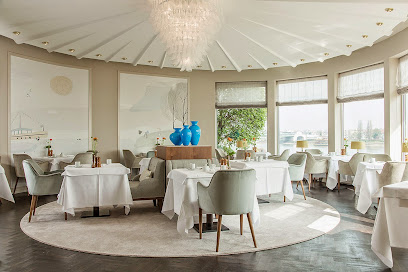
YUNICO - Japanese Fine Dining
2.0 km
Savor exquisite Japanese fine dining at YUNICO in Bonn – where culinary artistry meets tradition.
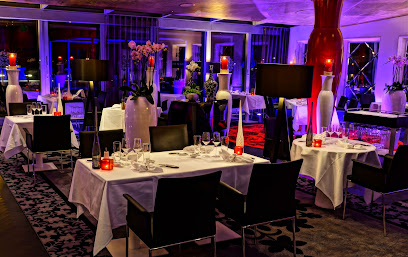
Casa del Gatto
2.1 km
Experience authentic Italian cuisine at Casa del Gatto in Bonn's charming atmosphere with an inviting beer garden.
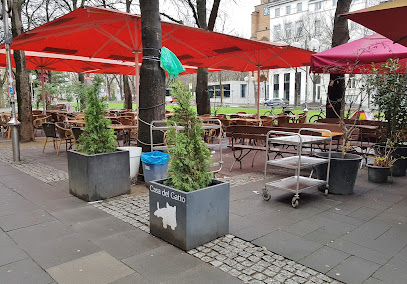
TAO Bar & Restaurant
2.1 km
Discover exquisite Pan Asian flavors at TAO Bar & Restaurant in Bonn - where culinary artistry meets vibrant nightlife.
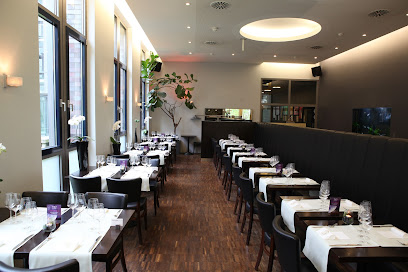
Mandu
2.1 km
Discover authentic Korean cuisine at Mandu in Bonn - a hidden gem offering delicious flavors at affordable prices.
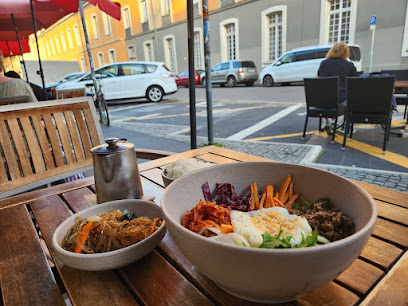
Plaza Toro | Tapas Bar Bonn | Spanisches Restaurant Bonn
2.2 km
Experience authentic Spanish cuisine at Plaza Toro - Bonn's premier tapas bar offering a vibrant atmosphere and delectable small plates.
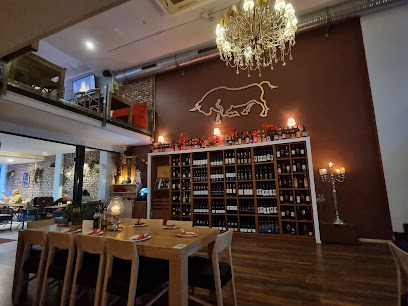
Tuscolo Munster view
2.2 km
Discover Tuscolo Munster in Bonn - where authentic Italian cuisine meets charming hospitality.
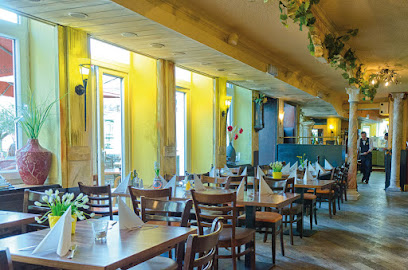
Sa Finca Tapa-Bar
2.2 km
Experience authentic Spanish cuisine at Sa Finca Tapa-Bar in Bonn – where tapas meet tradition in a vibrant Mediterranean setting.
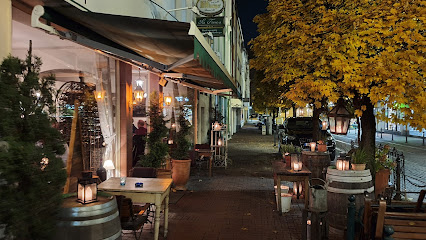
Em Höttche
2.2 km
Discover the essence of German cuisine at Em Höttche in Bonn – where tradition meets taste in a cozy setting.
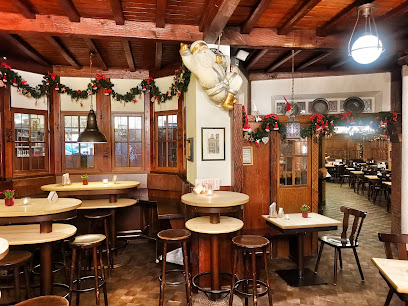
Restaurant Olive
2.3 km
Experience authentic Greek cuisine at Restaurant Olive in Bonn - where every meal feels like a celebration of flavors.
Markets, malls and hidden boutiques

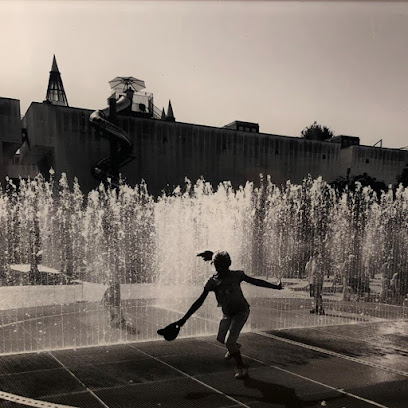
LudwigvanB.
1.8 km
Explore LudwigvanB in Bonn for unique gifts, local art, and stylish clothing that reflect the city's rich culture and creativity.
HARIBO Store
2.1 km
Discover the enchanting HARIBO Store in Bonn, a candy lover's paradise with unique gummy treats and delightful flavors waiting to be explored.
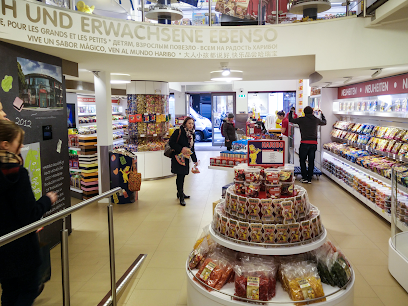
Lindt Store
2.2 km
Discover the ultimate chocolate experience at Lindt Store in Bonn, where exquisite flavors and delightful treats await every chocolate lover.
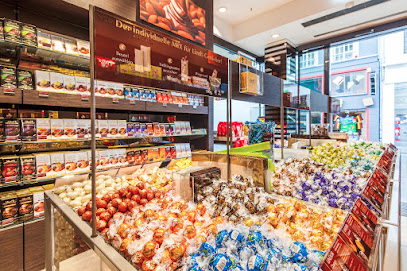
Blue Tomato Shop Bonn
2.2 km
Discover the ultimate skate and snowboard gear at Blue Tomato Shop Bonn, where sportswear meets community spirit and adventure awaits.
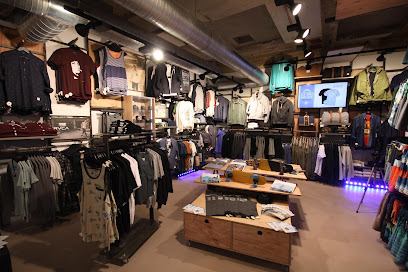
American Vintage
2.3 km
Explore unique fashion pieces at American Vintage in Bonn – where contemporary meets vintage in a stylish shopping haven.
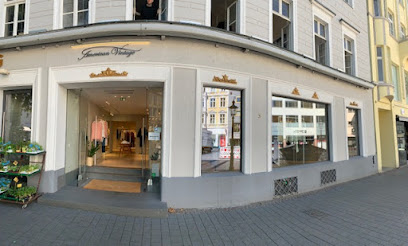
GALERIA Bonn
2.3 km
Experience the ultimate shopping destination at GALERIA Bonn, where style meets variety in the heart of Germany's charming city.
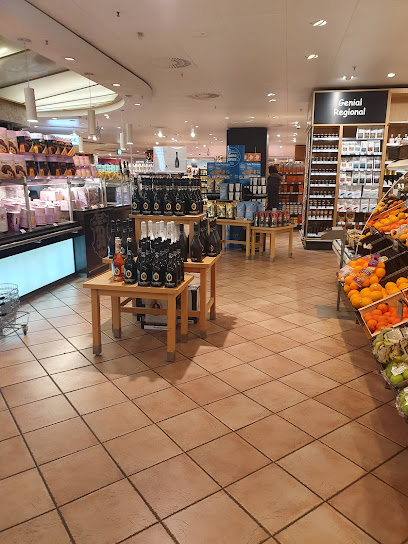
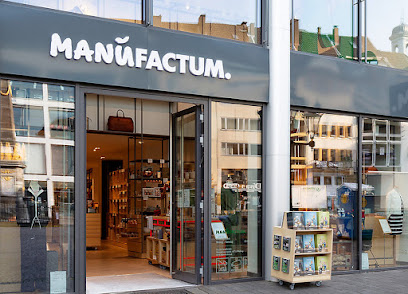
Manufactum Warenhaus
2.3 km
Explore Manufactum Warenhaus in Bonn for unique gifts, quality home goods, and a delightful shopping experience.
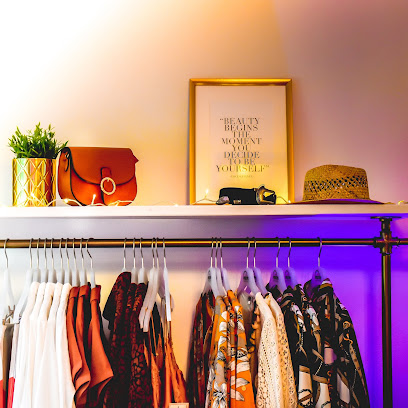
Inside Fashion Boutique
2.3 km
Discover unique fashion at Inside Fashion Boutique in Bonn - your destination for stylish clothing and personalized service.
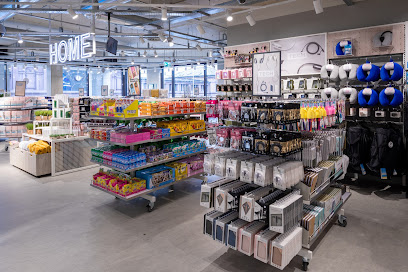
Primark
2.3 km
Discover affordable fashion at Primark Bonn, where style meets budget-friendly shopping in the heart of the city.
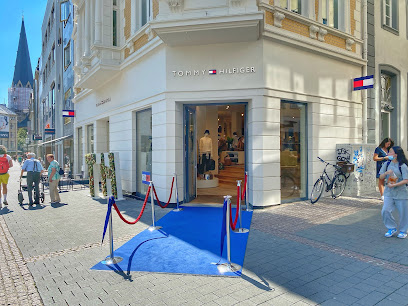
TOMMY HILFIGER Bonn Store
2.3 km
TOMMY HILFIGER Bonn Store: Your destination for stylish American fashion and accessories in the heart of Bonn.
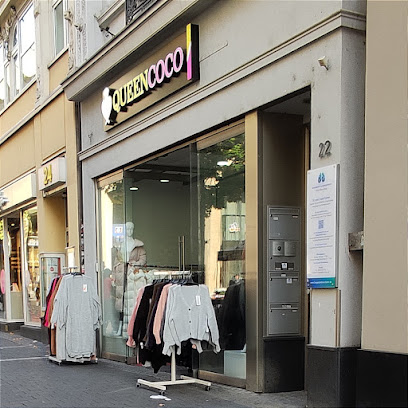
Queencoco Bonn
2.3 km
Explore the chic selection at Queencoco Bonn, a premier women's clothing store offering stylish apparel and local fashion trends.
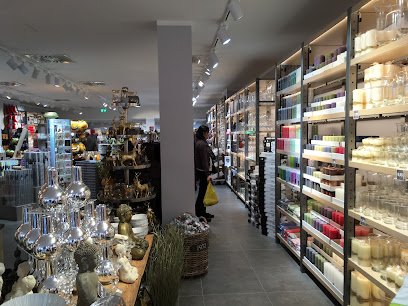
Nanu-Nana
2.4 km
Explore Nanu-Nana in Bonn for quirky gifts, delightful home goods, and a treasure trove of creative finds that celebrate the spirit of your travels.
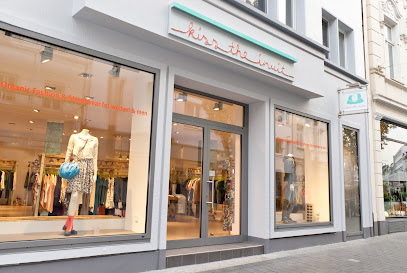
kiss the inuit
2.4 km
Discover unique Inuit-inspired fashion at Kiss the Inuit in Bonn, where culture meets contemporary style for a truly memorable shopping experience.
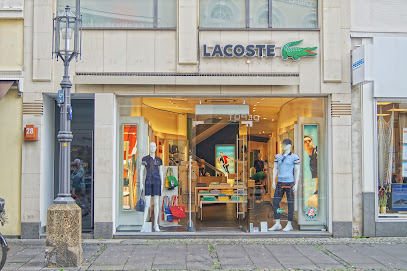
Lacoste
2.4 km
Discover stylish apparel and accessories for the whole family at Lacoste in Bonn, where quality meets contemporary fashion.
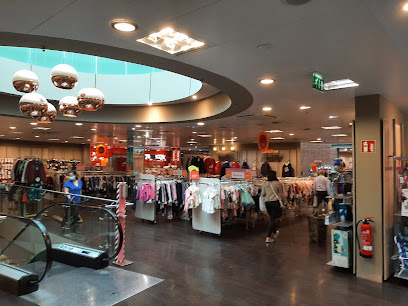
TK Maxx
2.4 km
Explore the eclectic offerings of TK Maxx in Bonn for unbeatable deals on fashion and home goods in a vibrant shopping atmosphere.
Essential bars & hidden hideouts

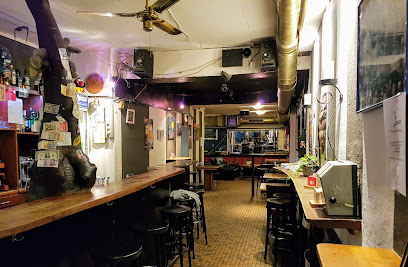
Zebulon - Bonn
2.1 km
Discover the lively atmosphere and delightful drinks at Zebulon, Bonn's favorite pub, where local culture and friendly service await you.
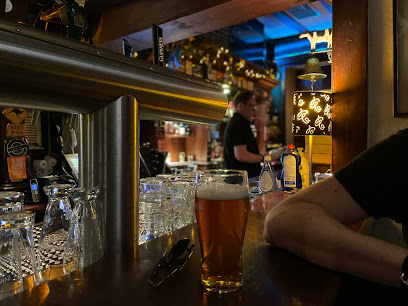
James Joyce - Bonn
2.4 km
Discover the vibrant atmosphere and authentic Irish cuisine at James Joyce - Bonn, a must-visit pub for every traveler in the city.
Strandbar Bonn
2.4 km
Discover the charm of Strandbar Bonn: a riverside bar offering refreshing drinks, live music, and stunning views of the Rhine River.
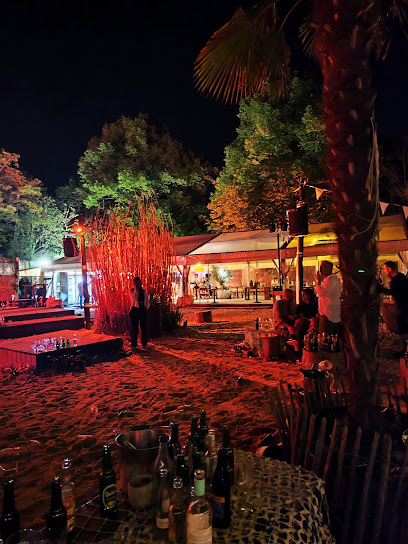
extra dry - Bonn
2.5 km
Discover the vibrant nightlife of Bonn at Extra Dry, a trendy bar with signature cocktails and a lively atmosphere.
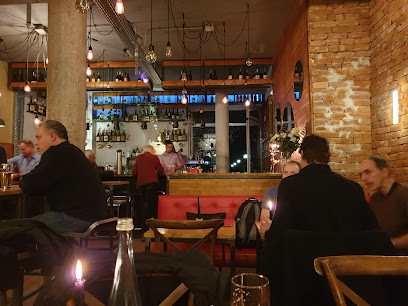
Che Guevara
2.5 km
Discover the vibrant atmosphere and eclectic cocktails at Che Guevara, Bonn's favorite bar for a lively night out.
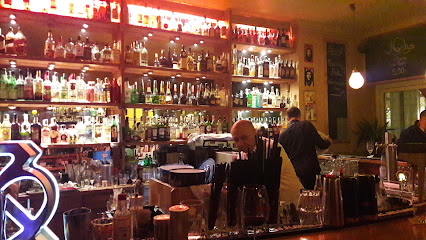
The Old Jacob - Bonn
2.6 km
Discover The Old Jacob in Bonn: A cocktail bar where creativity meets ambiance, offering innovative drinks in a vibrant atmosphere.
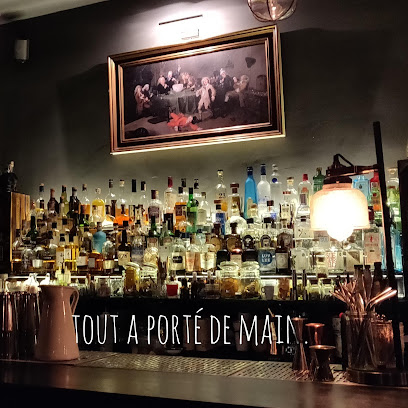
DIE WILDE MUTTI
2.6 km
Experience the vibrant nightlife of Bonn at DIE WILDE MUTTI, where eclectic drinks and a welcoming atmosphere await every traveler.
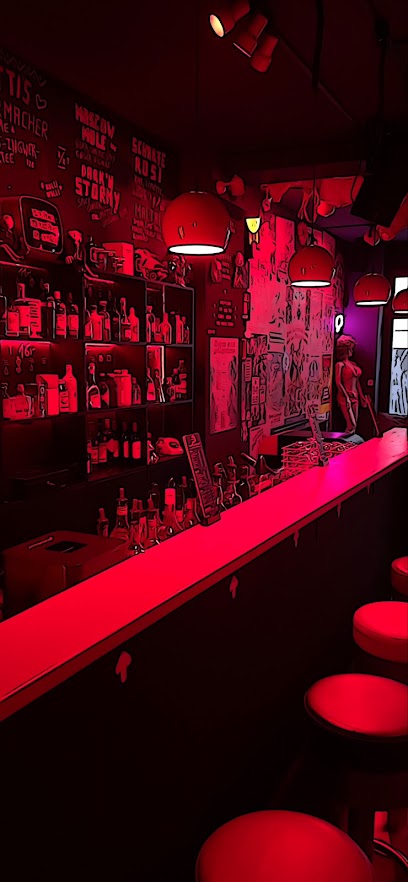
Bla
2.8 km
Discover the vibrant atmosphere of Bla, Bonn's premier bar, offering a unique blend of local nightlife and stylish ambiance for every visitor.
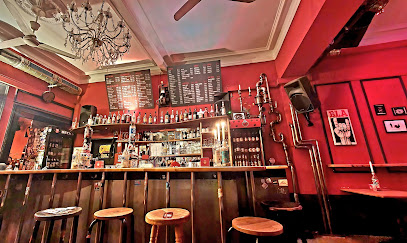
SIEGFRIED - Büro & Bar
2.8 km
Experience Bonn's vibrant nightlife at Siegfried - Büro & Bar, where cozy elegance meets a lively atmosphere for an unforgettable evening.
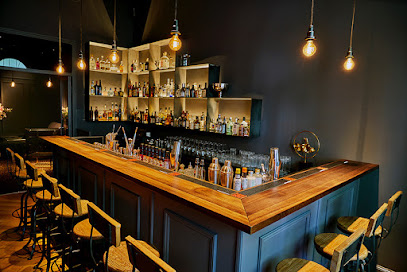
Namenlos - Bonn
2.8 km
Experience the unpretentious charm of Namenlos, Bonn’s favorite pub offering a cozy atmosphere and affordable drinks for every traveler.
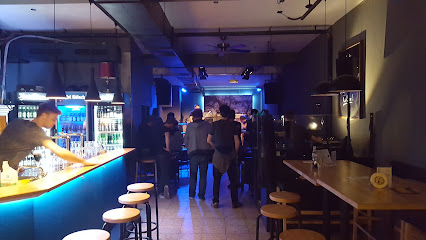
Shaker's
2.8 km
Experience the vibrant atmosphere of Shaker's, Bonn's top cocktail bar and lounge offering expertly crafted drinks and a welcoming ambiance.
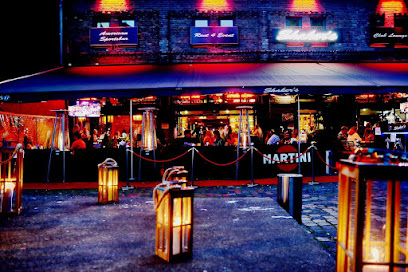
Steinbeck
2.9 km
Discover Steinbeck in Bonn, a lively bar known for its creative cocktails, cozy ambiance, and vibrant nightlife.
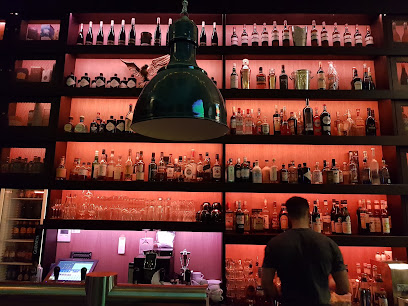
Dubliner Irish Pub Bonn
2.9 km
Discover the vibrant spirit of Ireland at Dubliner Irish Pub Bonn, where great food, drinks, and entertainment await every visitor.
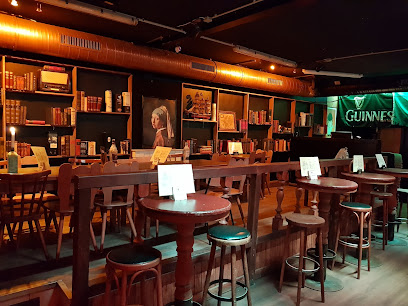
UnFassBar - Bonn
2.9 km
Experience the vibrant nightlife of Bonn at UnFassBar, where great drinks and a lively atmosphere await you.
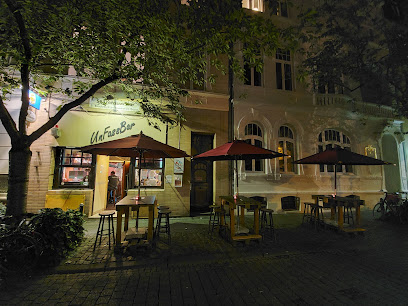
Embassy Bar - Bonn
2.9 km
Experience the vibrant nightlife at Embassy Bar in Bonn, where locals and tourists gather for great drinks and a lively atmosphere.
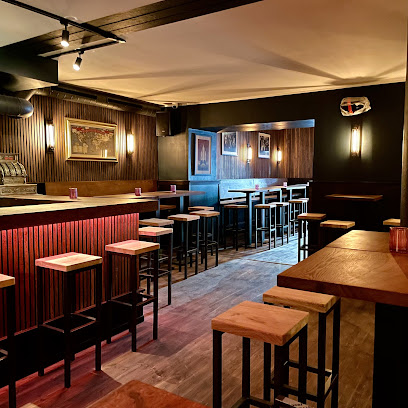
Nightclubs & after hour spots

Gleis8
2.2 km
Discover the energetic nightlife of Bonn at Gleis8, the city's hotspot for dancing, socializing, and enjoying unforgettable nights out.
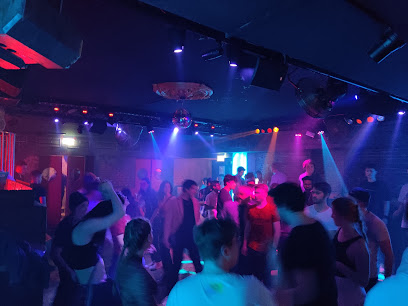
Carpe Noctem
2.2 km
Explore Bonn's nightlife at Carpe Noctem, a vibrant disco club offering electrifying music and an unforgettable dance experience.
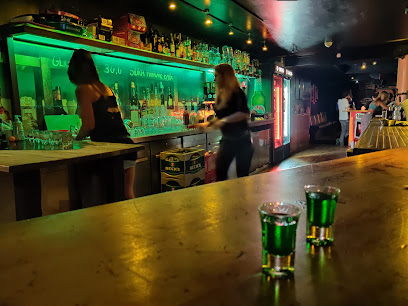
Die Falle - Bonn
2.2 km
Dive into Bonn's vibrant nightlife at Die Falle, the ultimate disco club where music and fun come alive until dawn.
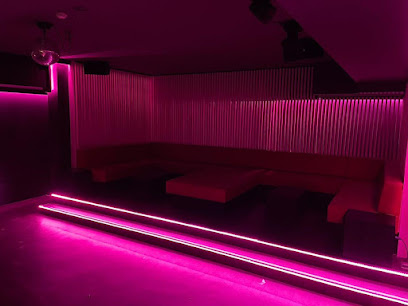
Untergrund - Bonn
2.6 km
Dive into the electrifying nightlife of Bonn at Untergrund, a must-visit disco club and bar for a memorable night of dancing and fun.
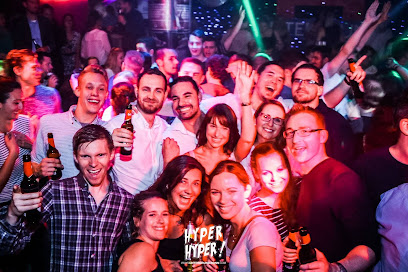
Blow Up Club - Bonn
2.6 km
Unleash your night at Blow Up Club, Bonn's ultimate nightlife destination with electrifying music and a vibrant atmosphere.
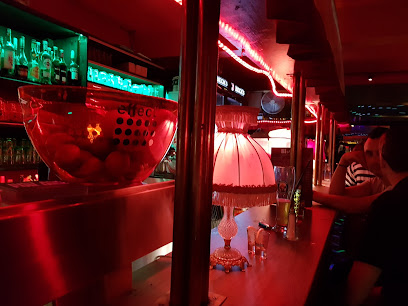
Odonis by Kramm
2.7 km
Experience the pulse of Bonn's nightlife at Odonis by Kramm, where electrifying beats and vibrant atmosphere create unforgettable memories.
Jazz Galerie - Bonn
2.7 km
Discover Bonn's vibrant nightlife at Jazz Galerie, where live jazz and disco come together for an unforgettable experience.
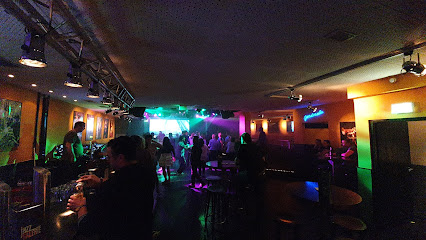
Club N8schicht Bonn
2.8 km
Dive into the vibrant nightlife of Bonn at Club N8schicht, where music and dancing come alive in a lively disco setting.
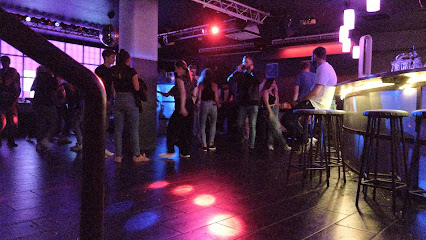
N8Lounge
2.8 km
Experience the vibrant nightlife of Bonn at N8Lounge, where electrifying beats and a lively atmosphere await every party enthusiast.
Electrum Club GmbH
24.1 km
Experience the electrifying nightlife at Electrum Club in Cologne, where vibrant music and unforgettable moments await every night.
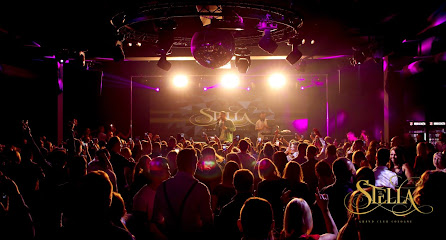
Diskothek Porto Bello
24.5 km
Experience the vibrant nightlife of Euskirchen at Diskothek Porto Bello, where electrifying beats and a lively atmosphere await you.
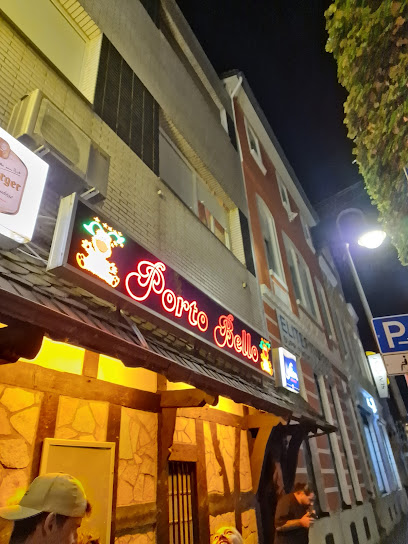
Tsunami Club
25.3 km
Experience the vibrant nightlife of Cologne at Tsunami Club, where electrifying music and a lively atmosphere await every partygoer.
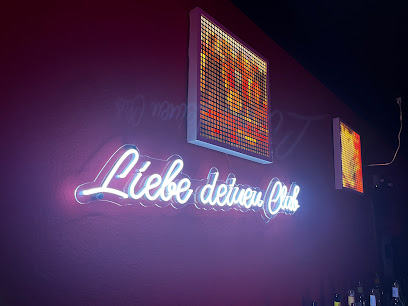
STUKMANS
25.5 km
Experience the electrifying atmosphere of STUKMANS, Cologne's vibrant bar and disco club, where unforgettable nights come alive with great music and fun.
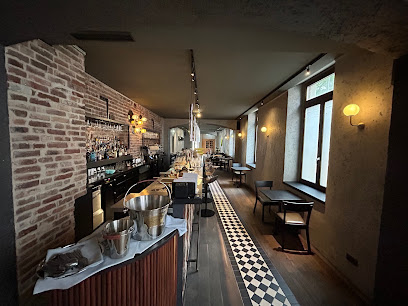
Birthday Club Cologne
26.1 km
Experience the vibrant nightlife at Birthday Club Cologne – where music, dance, and celebration come together in the heart of the city.
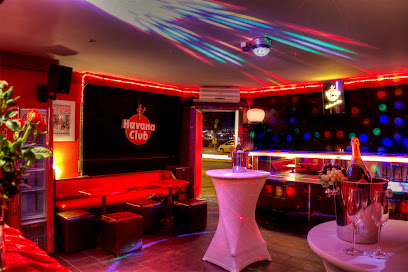
Red Cat Lounge
26.4 km
Discover the lively Red Cat Lounge, Cologne's premier disco club and bar, where unforgettable nights and vibrant music come together.