Burg Lede, Bonn Travel Guide
Discover Burg Lede, a historic moated castle in Bonn, blending Gothic architecture with contemporary art and tranquil English-style gardens.
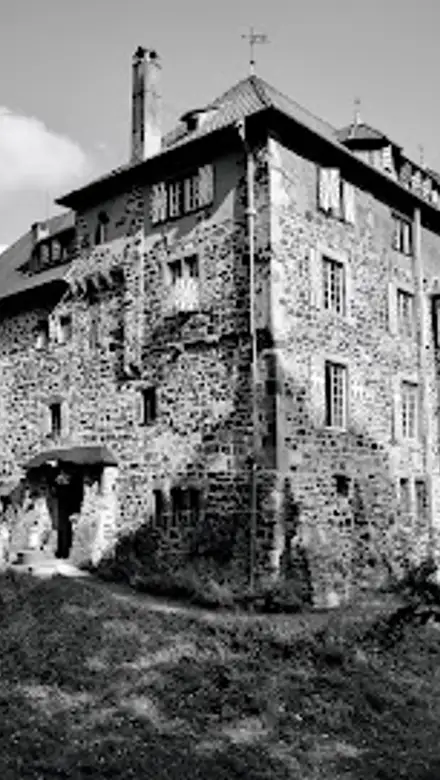
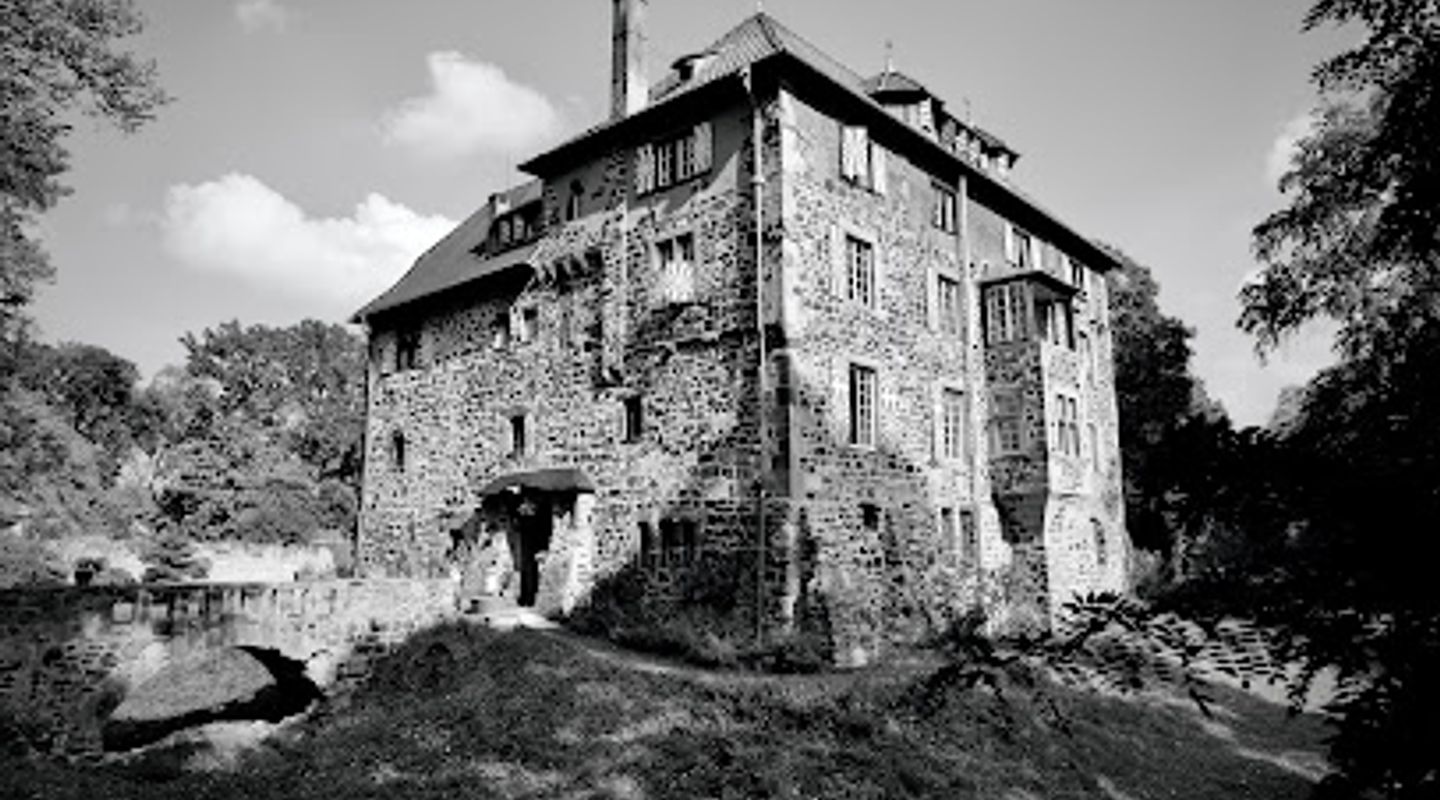
Burg Lede, a captivating moated castle in Bonn's Vilich district, offers a glimpse into Rhineland's rich history. Originally a Romanesque residential tower dating back to the 13th century, it evolved into a Gothic water castle in the 14th century. The castle's name, 'Lede,' refers to the clay soil of the area. Once known as 'Schneckenburg,' Burg Lede boasts a picturesque setting with a surrounding moat and a charming bridge leading to the main building. Today, Burg Lede hosts art exhibitions and cultural events, blending historical charm with contemporary art. The surrounding park, designed in the English style, provides a tranquil escape with ancient trees and modern sculptures. While exploring the castle, visitors can appreciate the blend of architectural styles and the serene atmosphere of this historical landmark.
A brief summary to Burg Lede
- An d. Burg Lede 1, Bonn, Beuel, 53225, DE
- Click to display
- Click to display
- Friday 5 pm-7 pm
- Saturday 5 pm-7 pm

Know before you go
Hi, I'm Eve. Here are a few practical things to know before exploring Burg Lede.
- Check the Burg Lede website for upcoming art exhibitions and cultural events to enhance your visit.
- Explore the English-style park surrounding the castle for a peaceful retreat and to admire the modern sculptures.
- Consider visiting during the Medieval Family Festival for a unique historical experience with reenactments and traditional activities (June 15, 2025).
Do you manage this location?
Take control to get all the benefits, like improved information, better appearance, and stronger visibility across AI-powered discovery. Learn more about listing your business on Evendo
Activate your presenceOther nearby places you may find interesting
The closest places of the same kind, if this one is not quite what you had in mind.
Explore Burg Lede on the Map
A handpicked selection of must-see spots near Burg Lede, mapped for you.
Getting There
-
Public Transport
From Bonn Hauptbahnhof (main train station), take light rail line 66 to the 'Vilich' stop. Alternatively, take bus lines 540 or 640 to the 'Vilich-Kloster' stop. From either stop, it's approximately a 5-minute walk to Burg Lede. Follow signs towards 'Burg Lede' or 'An der Burg Lede'. A single ticket for the local transit (VRS) costs approximately €3.00.
-
Driving
From central Bonn, follow signs towards Beuel and then Vilich. Once in Vilich, follow signs to Burg Lede. Limited parking is available near the castle. Alternatively, use the Park & Ride at the 'Vilich' light rail stop and walk the final 5 minutes. Parking fees near the castle, if available, are approximately €1.50 per hour.
-
Taxi/Ride-Share
A taxi or ride-share from Bonn Hauptbahnhof to Burg Lede will cost approximately €15-€20, depending on traffic. The journey takes around 15-20 minutes. Direct the driver to 'An der Burg Lede 1, 53225 Bonn'.
Discover more about Burg Lede













Your all‑in‑one travel companion app
Explore expert travel guides, compare and book tours, experiences, hotels, and more—all from the palm of your hand. Download now for seamless trip planning wherever your wanderlust takes you.


Explore More of Bonn
Looking beyond Burg Lede? Discover Bonn for broader travel guides, local hot-spots, and regional highlights.
Explore Bonn
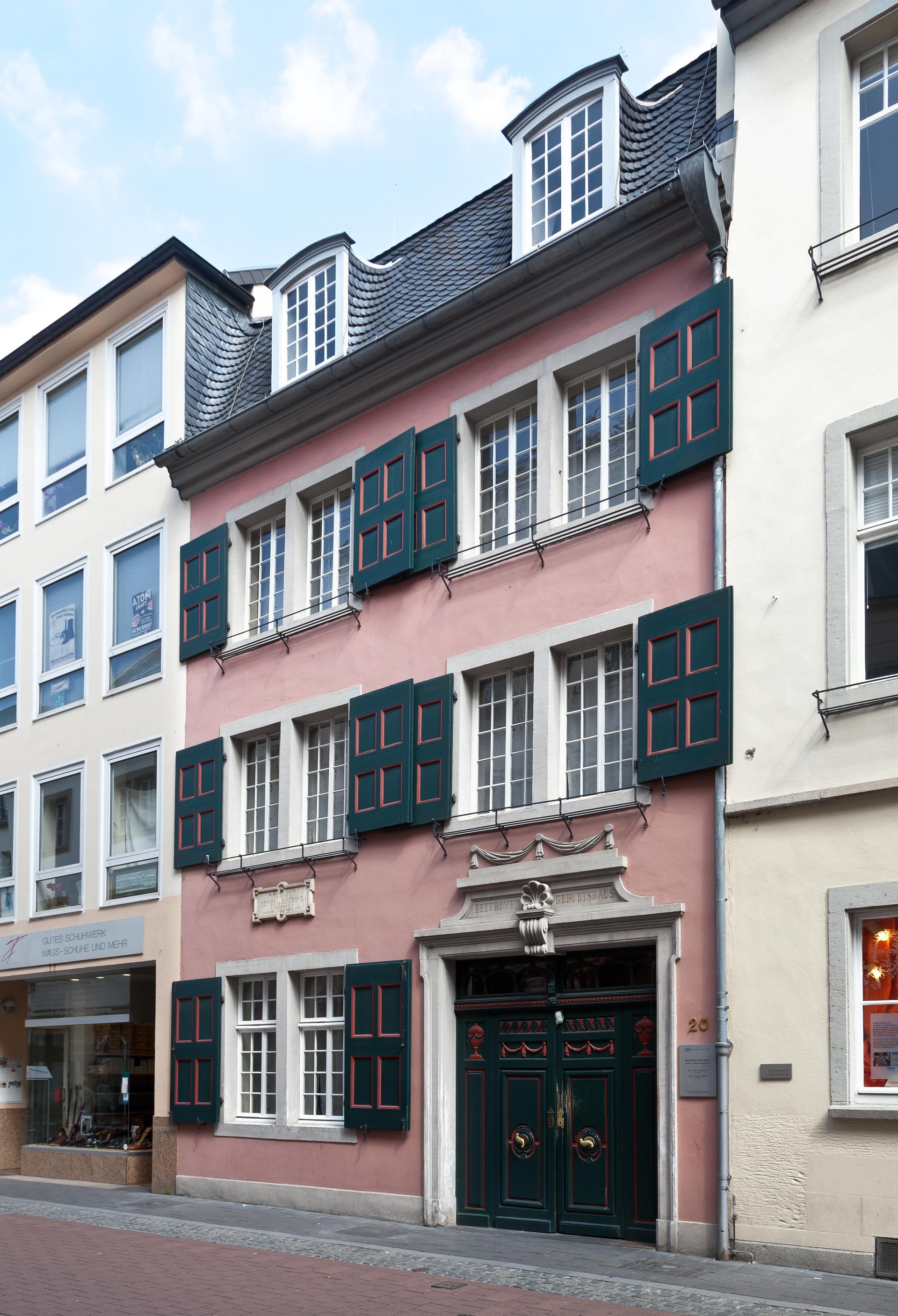
Explore the life and legacy of Ludwig van Beethoven at his birthplace in Bonn, a meticulously preserved house and museum showcasing original manuscripts, instruments, and personal artifacts.
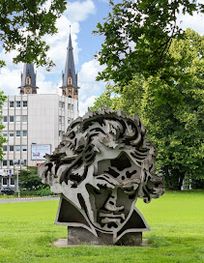
Experience Bonn's cultural heart at the Beethovenhalle, a landmark concert hall steeped in history, celebrating Beethoven's legacy with world-class performances and diverse events.