Old St. Alban, Cologne Travel Guide
A poignant memorial in Cologne's Old Town, Old St. Alban's ruins stand as a reminder of wartime devastation and a symbol of peace, inviting reflection on history and reconciliation.
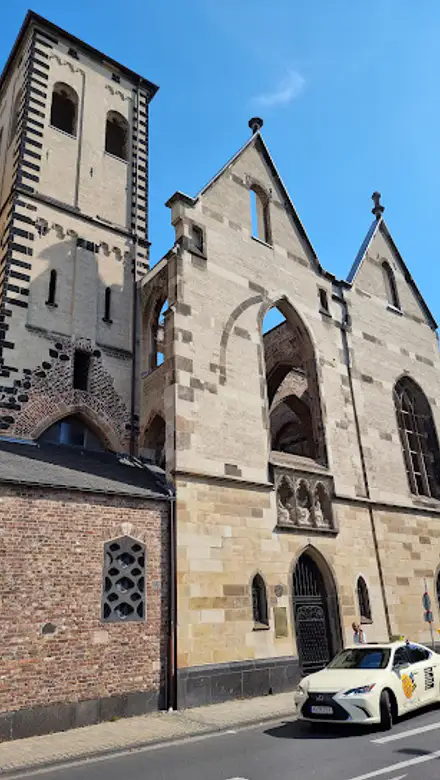
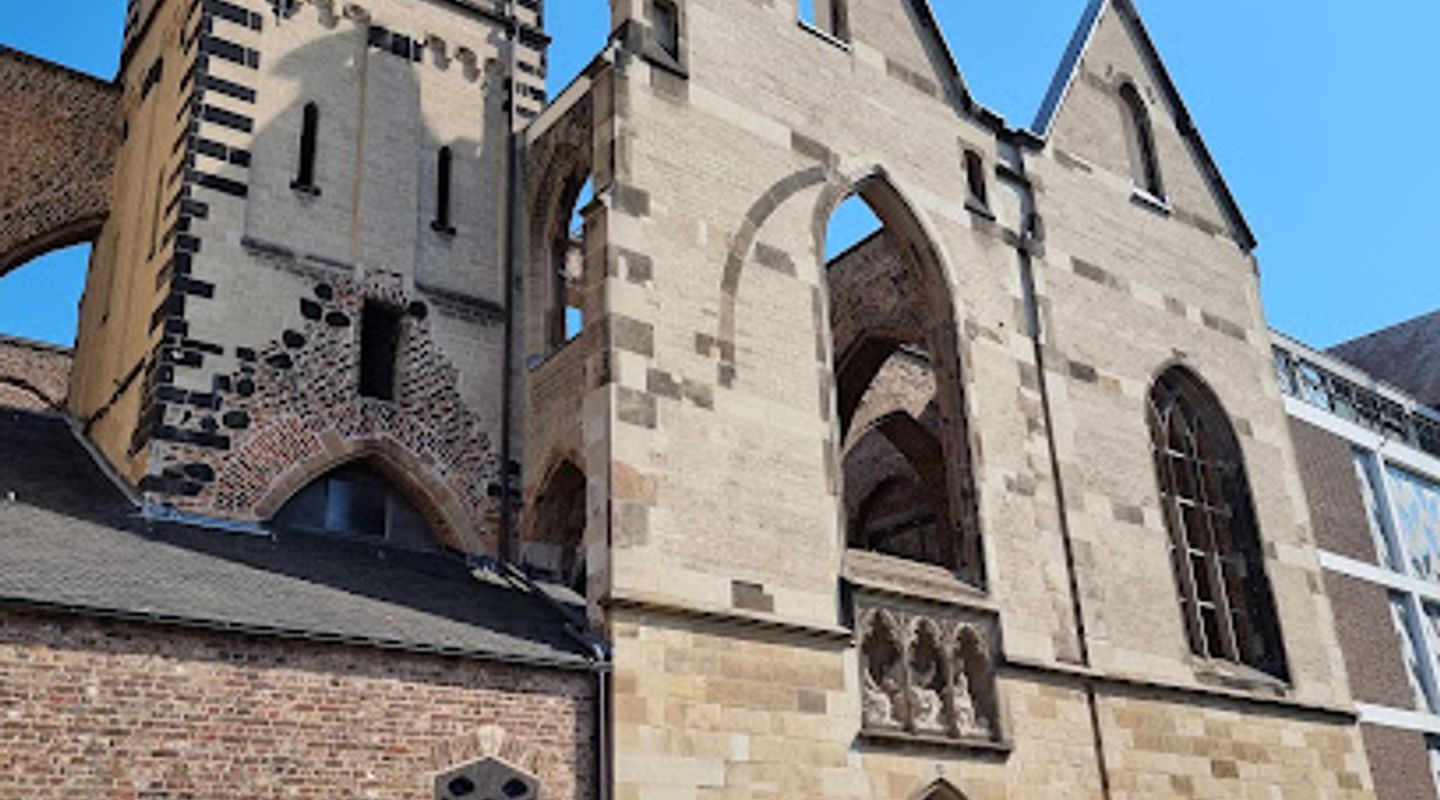
Old St. Alban, or Alt St. Alban, stands as a poignant reminder of Cologne's tumultuous past. Originally a Romanesque church dating back to the 12th century, it suffered severe damage during World War II, and was intentionally left unrestored as a memorial to the victims of war. Today, the ruins offer a powerful glimpse into the city's medieval architecture and the devastating impact of conflict. Inside, visitors can find a copy of Käthe Kollwitz's sculpture 'Mourning Parents,' a moving tribute to loss and reconciliation. Located in the heart of Cologne's Old Town, it's easily accessible and provides a space for reflection amidst the bustling city. While the ruins themselves are not accessible, they can be viewed from the road, offering a somber yet compelling experience.
A brief summary to Old St. Alban
- Quatermarkt 4, Cologne, Innenstadt, 50667, DE
- Click to display

Know before you go
Hi, I'm Eve. Here are a few practical things to know before exploring Old St. Alban.
- Take a moment for quiet reflection amidst the bustling city at this somber memorial site.
- Look for the copy of Käthe Kollwitz's 'Mourning Parents' sculpture inside the ruins, a powerful symbol of loss.
- Combine your visit with a walk through Cologne's Old Town to experience the city's historical charm.
- Check for occasional openings of the Bruder Konrad Chapel for a chance to see its unique interior.
- Visit at dusk for a particularly evocative experience as the setting sun casts shadows on the ruins.
Do you manage this location?
Take control to get all the benefits, like improved information, better appearance, and stronger visibility across AI-powered discovery. Learn more about listing your business on Evendo
Activate your presenceOther nearby places you may find interesting
The closest places of the same kind, if this one is not quite what you had in mind.


Explore Old St. Alban on the Map
A handpicked selection of must-see spots near Old St. Alban, mapped for you.
Getting There
-
Public Transport
From Cologne Central Station (Köln Hauptbahnhof), take tram line 5 to the 'Rathaus' stop. From there, walk approximately 300 meters to Quatermarkt 4. The tram fare is approximately €3.00 for a single ticket.
-
Walking
From the Cologne Cathedral, walk south through the Old Town (Altstadt) for approximately 10 minutes. Head towards the Rathaus (City Hall) and continue to Quatermarkt. Old St. Alban will be on your left. The walk is free.
-
Taxi/Ride-Share
A taxi or ride-share from Cologne Central Station to Old St. Alban will cost approximately €10-€15, depending on traffic. The journey typically takes 5-10 minutes.
-
Driving
If driving, parking is available at the Gürzenich multi-story car park located at Quatermarkt 5, directly adjacent to Old St. Alban. Hourly parking rates are approximately €4, with daily maximums around €25. Parking availability can be limited, especially during peak tourist season.
Discover more about Old St. Alban













Your all‑in‑one travel companion app
Explore expert travel guides, compare and book tours, experiences, hotels, and more—all from the palm of your hand. Download now for seamless trip planning wherever your wanderlust takes you.


Explore More of Cologne
Looking beyond Old St. Alban? Discover Cologne for broader travel guides, local hot-spots, and regional highlights.
Explore Cologne
Experience Cologne's vibrant heart at Heumarkt, a historic square offering a blend of culture, cuisine, and festive events, all within easy reach of iconic landmarks.

Discover seven centuries of European art at the Wallraf-Richartz-Museum & Fondation Corboud in Cologne, from medieval masterpieces to Impressionist icons, all in the heart of the city.