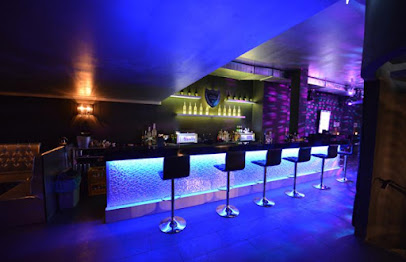
St. Maria im Kapitol & St. Maria Lyskirchen: Cologne's Romanesque Gems
Discover Cologne's Romanesque heritage at St. Maria im Kapitol and St. Maria Lyskirchen, architectural gems with rich histories, stunning art, and unique cultural significance.
Explore two of Cologne's remarkable Romanesque churches, St. Maria im Kapitol and St. Maria Lyskirchen, each with its unique history and artistic treasures. St. Maria im Kapitol, the largest of Cologne's Romanesque churches, stands on the site of a Roman temple and boasts a trefoil design inspired by the Church of the Nativity in Bethlehem. Marvel at its imposing architecture, medieval wooden doors, and significant religious artifacts. Nearby, discover St. Maria Lyskirchen, the smallest of Cologne's twelve Romanesque churches, celebrated for its well-preserved 13th-century frescoes and the revered 'Schiffermadonna' (Sailor's Madonna). These churches offer a glimpse into Cologne's rich medieval past and artistic heritage, making them essential stops for history and art enthusiasts.
A brief summary to Pfarrbüro St. Maria im Kapitol & St. Maria Lyskirchen
- Marienpl. 19, Cologne, Innenstadt, 50676, DE
Local tips
- Visit St. Maria im Kapitol on the third Sunday of the month at 12:30 PM for a free tour to learn about its history and architecture.
- Explore the crypt of St. Maria im Kapitol to see the remnants of the Roman temple that once stood on the site.
- Take time to admire the medieval frescoes in St. Maria Lyskirchen, which depict scenes from the Old and New Testaments.

Getting There
-
Public Transport
From Cologne's city center (e.g., near the Cologne Cathedral), take the tram line 5, 16 or 18 to 'Heumarkt' station. From there, it's a short walk of about 5-10 minutes to St. Maria im Kapitol, heading south along Hohe Strasse and then turning onto Kasinostrasse. A single ticket within Cologne (tariff zone 1b) costs approximately €3.00.
-
Walking
From the Cologne Cathedral, walk south along Hohe Strasse for about 15 minutes. Turn left onto Kasinostrasse to reach St. Maria im Kapitol. The walk is straightforward and passes through the heart of Cologne's shopping district.
-
Taxi/Ride-Share
A taxi or ride-share from Cologne Central Station (Hauptbahnhof) to St. Maria im Kapitol will take approximately 5-10 minutes, depending on traffic. The estimated fare is between €10-€15. From there, St. Maria Lyskirchen is a 10 minute walk.
-
Driving
If driving, navigate to 'Marienplatz 19, 50676 Köln'. Parking near St. Maria im Kapitol is limited. Consider using public parking garages in the city center (e.g., Parkhaus am Dom, Parkhaus Heumarkt). Hourly parking rates range from €2.00-€4.00, with daily maximums between €15.00-€25.00. Be aware of Cologne's low emission zone; ensure your vehicle meets the requirements or obtain the necessary sticker.
Discover more about Pfarrbüro St. Maria im Kapitol & St. Maria Lyskirchen
Iconic landmarks you can’t miss

Pfarrbüro St. Maria im Kapitol & St. Maria Lyskirchen
0.0 km
Discover Cologne's Romanesque heritage at St. Maria im Kapitol and St. Maria Lyskirchen, architectural gems with rich histories, stunning art, and unique cultural significance.
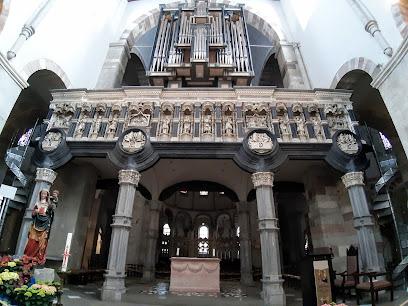
St. Maria im Kapitol
0.0 km
Discover the architectural beauty and historical richness of St. Maria im Kapitol, a stunning Catholic church in the heart of Cologne, Germany.
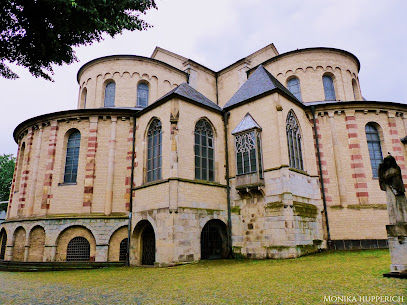
Overstolzenhaus
0.2 km
Discover the Overstolzenhaus in Cologne, a magnificent example of Romanesque architecture and a window into the lives of medieval merchants, nestled in the heart of the city's historic district.
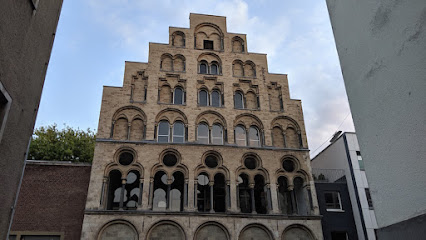
Barockfassade
0.2 km
Discover Cologne's architectural heritage at the Barockfassade, a beautifully preserved Baroque facade from 1696, offering a glimpse into the city's rich past and artistic evolution.
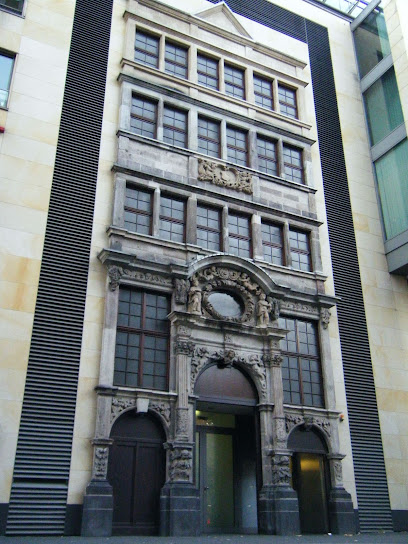
Trinitatiskirche
0.2 km
Discover the tranquility of Trinitatiskirche, a stunning Evangelical church in Cologne, offering serene beauty and rich cultural experiences.
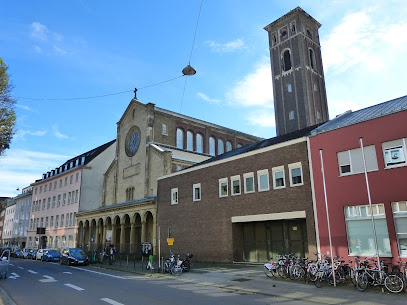
Heumarkt
0.2 km
Experience Cologne's vibrant heart at Heumarkt: a historic square brimming with culture, events, and culinary delights, from lively festivals to enchanting Christmas markets.
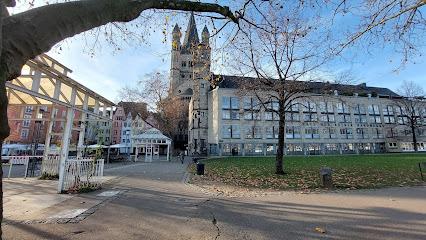
Heumarkt 43
0.2 km
Experience Cologne's vibrant heart at Heumarkt, a historic square blending medieval charm with modern energy, offering year-round events, culinary delights, and cultural experiences.
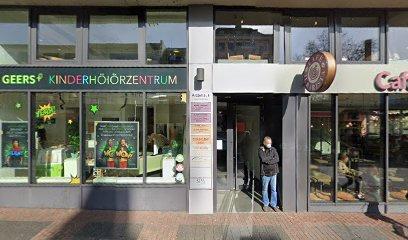
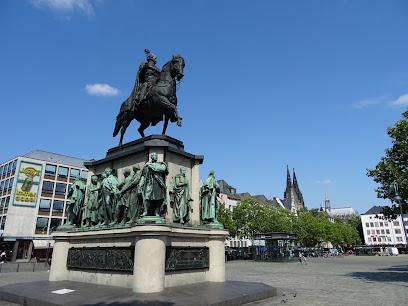
Equestrian statue of Friedrich Wilhelm III.
0.3 km
Discover Cologne's Prussian heritage at the Equestrian Statue of Friedrich Wilhelm III on Heumarkt, a historic square offering culture, events, and Rhineland charm in the heart of the city.
blue heart
0.3 km
Discover the Blue Heart in Cologne, a captivating art installation offering a tranquil escape in the city center, surrounded by historical landmarks and vibrant culture.
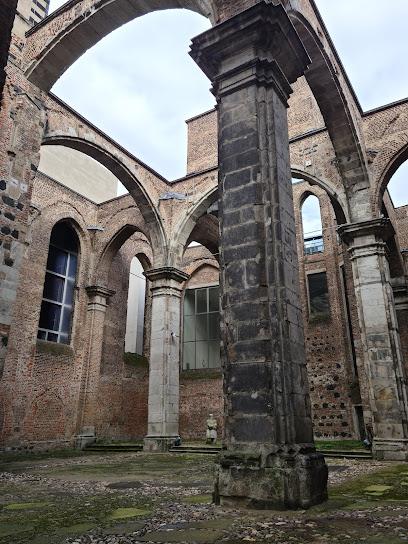
Old St. Alban
0.3 km
Explore the haunting ruins of Old St. Alban in Cologne, a powerful memorial to wartime suffering and a symbol of the city's enduring resilience in the heart of the Old Town.
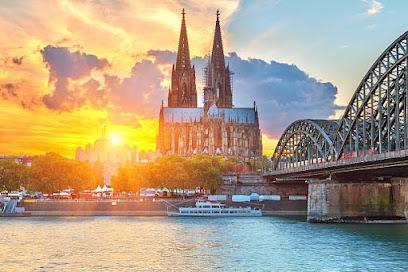
Cologne
0.4 km
Discover Cologne: A vibrant German city where ancient Roman history meets stunning Gothic architecture, world-class museums, and the lively spirit of the Rhineland.
Tauzieher
0.4 km
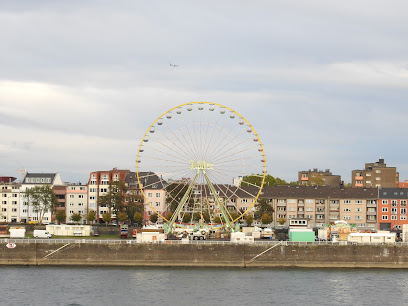
Discover the Tauzieher in Cologne's Rheinauhafen: A powerful symbol of the city's maritime past, resilience, and the enduring spirit of its people, blending history and art.
Historisches Rathaus der Stadt Köln
0.4 km
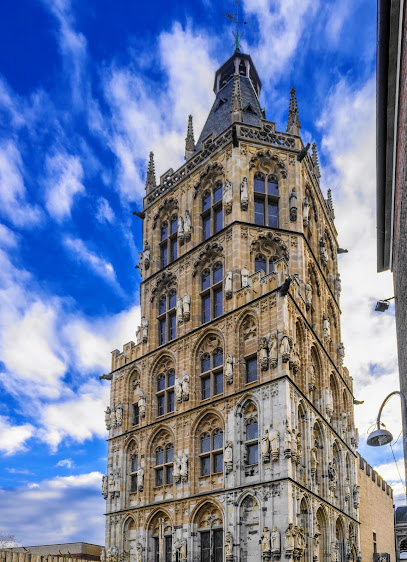
Discover Cologne's Historisches Rathaus, a magnificent blend of Gothic and Renaissance architecture, and Germany's oldest city hall, steeped in history and civic pride, in the heart of the vibrant Old Town.
Jan von Werth-Brunnen, Köln
0.5 km
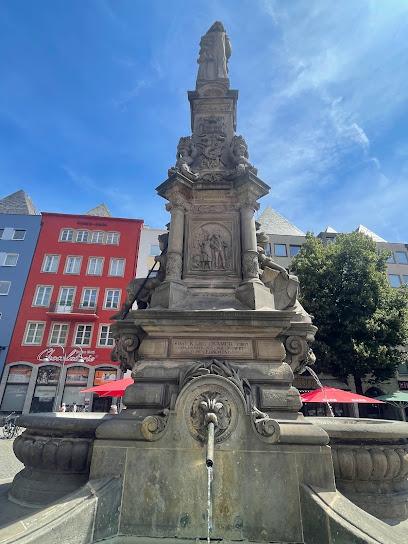
Discover Cologne's heart at the Jan von Werth Fountain, a historic landmark in Alter Markt, where local legends and vibrant city life intertwine, offering a glimpse into the city's soul.
Arnold-von-Siegen-Brunnen
0.6 km
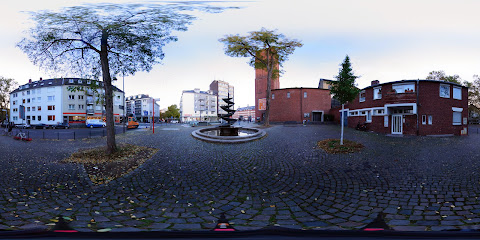
Discover the Arnold-von-Siegen Fountain in Cologne's Südstadt: a bronze tribute to a historic mayor, crafted by a pioneering female artist, nestled in the vibrant Severinsviertel.
Unmissable attractions to see

Gürzenich Köln
0.3 km
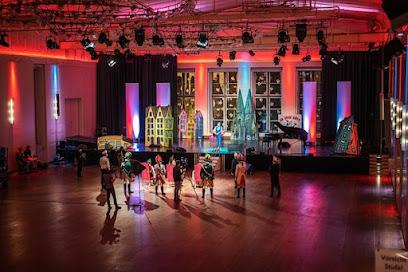
Discover the historic Gürzenich Köln, a stunning convention center blending rich cultural heritage with modern elegance in the heart of Cologne.
Rheintor der mittelalterlichen Stadtmauer
0.3 km
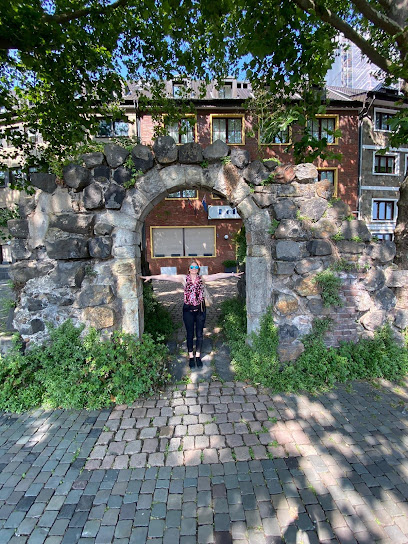
Discover the Rheintor, a stunning remnant of Cologne's medieval city wall, where history and architecture come together in a captivating experience.
Heinzels Wintermärchen - Weihnachtsmarkt Kölner Altstadt
0.3 km
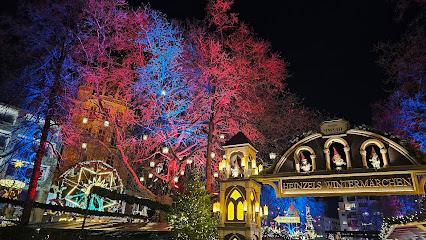
Discover the enchanting Heinzels Wintermärchen Christmas market in Cologne, where festive treats and handcrafted gifts create a magical holiday experience.
Mustard Mill & Shop
0.4 km
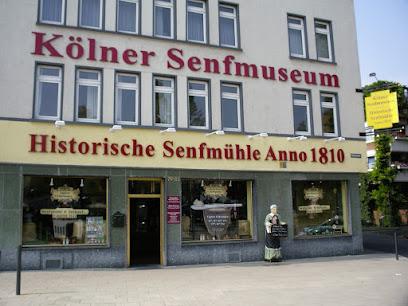
Explore the Mustard Mill & Shop in Cologne for a unique culinary experience, rich history, and a variety of delicious mustards.
Wallraf-Richartz-Museum & Fondation Corboud
0.4 km
Explore the Wallraf-Richartz-Museum in Cologne for an unforgettable journey through European art history from the Middle Ages to the 19th century.
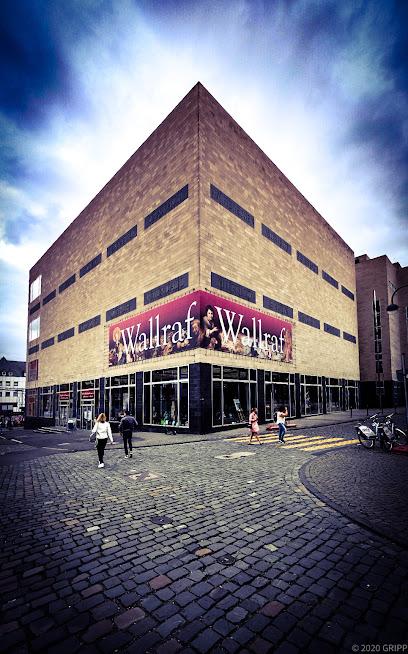
Brunnen Marsplatz
0.4 km
Discover the charm of Brunnen Marsplatz, Cologne's historical square filled with culture, stunning architecture, and vibrant local life.
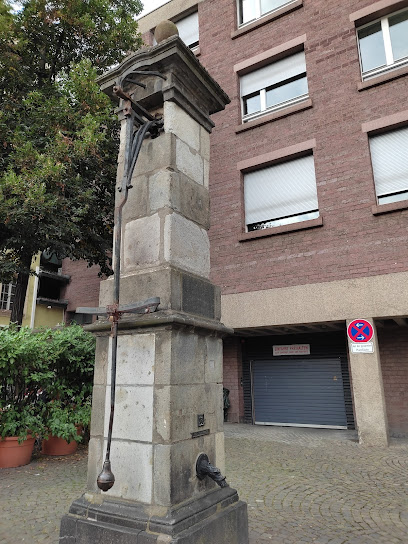
Hänneschen-Theater
0.4 km
Discover the enchanting world of puppetry at Hänneschen-Theater in Cologne, where captivating performances bring stories to life.
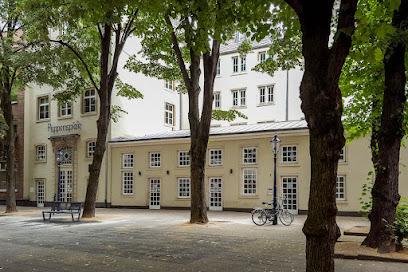
Duftmuseum im Farina Haus
0.4 km
Explore Cologne’s rich perfume heritage at the Duftmuseum im Farina Haus, where history and fragrance blend seamlessly for an aromatic experience.
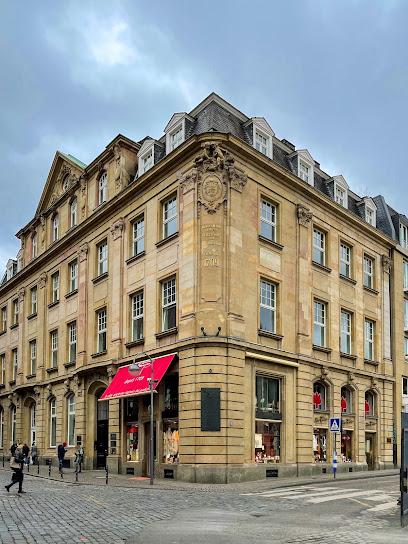
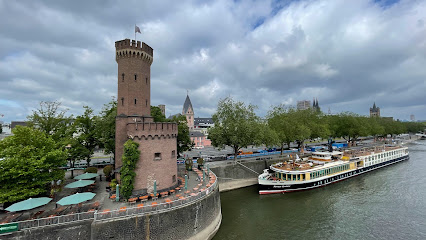
Malakoffturm
0.4 km
Explore the Malakoffturm in Cologne, a historic tower offering stunning views and a glimpse into the city's rich cultural heritage.
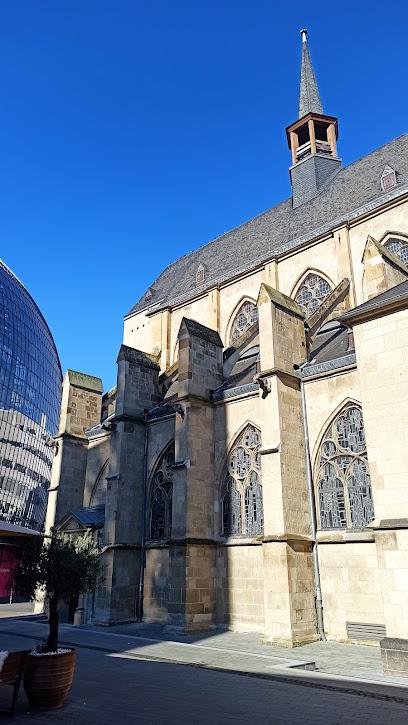
Antoniterkirche
0.4 km
Explore the architectural beauty and historical significance of Antoniterkirche, a must-visit evangelical church in the heart of Cologne.
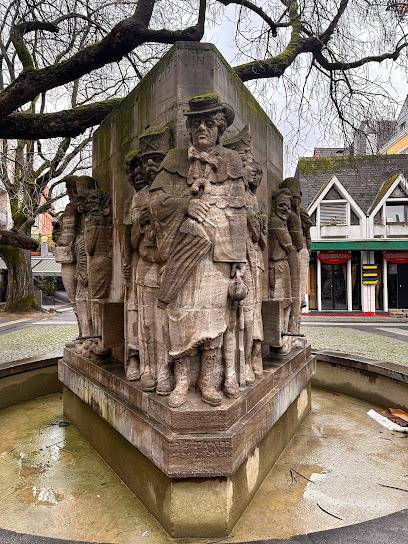
Willi-Ostermann-Brunnen
0.4 km
Discover the Willi-Ostermann-Brunnen in Cologne, a stunning fountain that showcases the city's cultural heritage and artistic beauty.
Old Town Cologne
0.4 km
Explore the enchanting Old Town Cologne, where history, culture, and culinary delights converge in a vibrant riverside setting.

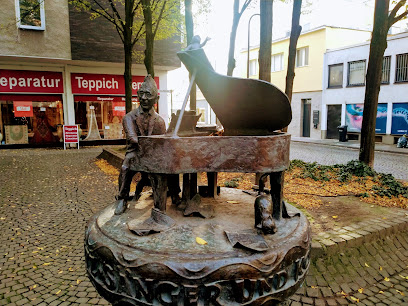
Jupp-Schmitz-Denkmal
0.5 km
Discover the charm of Jupp-Schmitz-Denkmal in Cologne, a delightful tribute to humor and local heritage, perfect for cultural exploration.
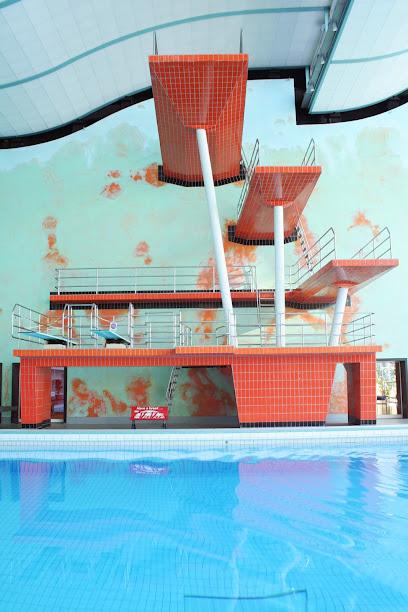
Agrippabad Hallenbad
0.5 km
Discover relaxation and recreation at Agrippabad Hallenbad, Cologne's premier indoor swimming pool, perfect for families and solo travelers alike.
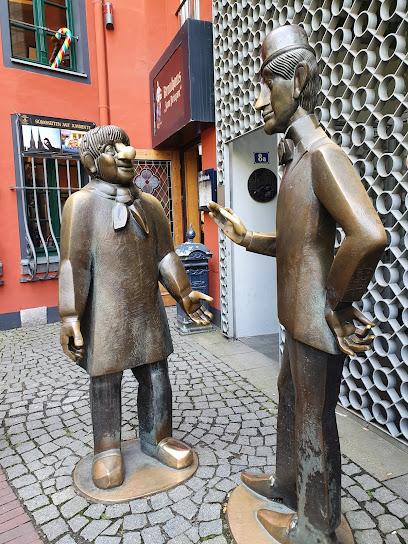
Tünnes und Schäl
0.5 km
Explore Tünnes und Schäl, a whimsical sculpture in Cologne that embodies local folklore and the city's vibrant cultural heritage.
Essential places to dine

Mederrano
0.1 km
Experience authentic Mediterranean flavors at Mederrano in Cologne – where every meal is a celebration of taste.
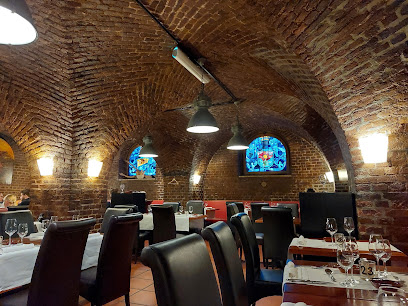
Ristorante il Tartufo - Köln
0.1 km
Experience authentic Italian cuisine at Ristorante il Tartufo in Köln - where every dish tells a story.
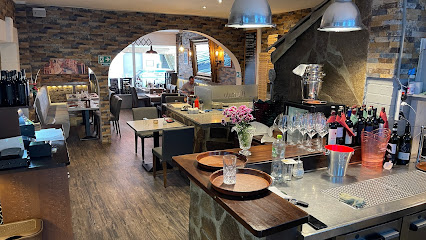
L'Osteria
0.2 km
Discover authentic Italian flavors at L'Osteria in Cologne's Innenstadt—where every meal is a celebration of taste and tradition.
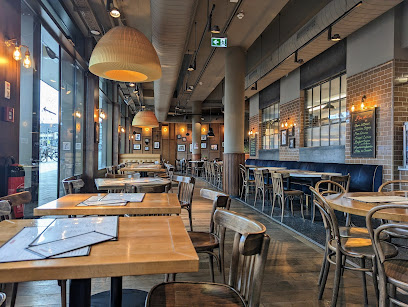
Restaurant Bellevue
0.3 km
Experience exquisite dining at Restaurant Bellevue in Cologne – where culinary artistry meets stunning river views.
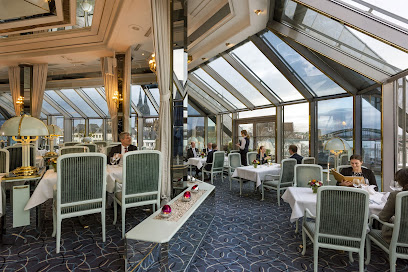
Gilden im Zims “Heimat kölscher Helden”
0.3 km
Discover authentic German flavors at Gilden im Zims, a lively beer hall in the heart of Cologne offering delicious cuisine and local Kölsch.
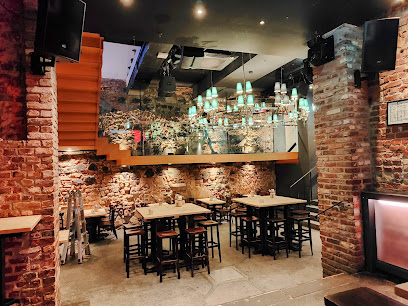
Servus Colonia Alpina
0.4 km
Discover the heart of Bavarian cuisine at Servus Colonia Alpina in Cologne – where tradition meets taste in every dish.
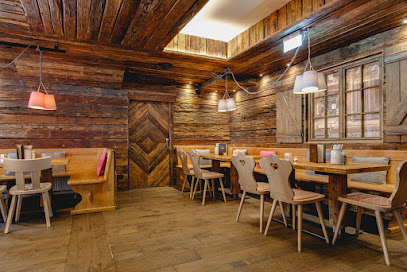
The Small Steakhouse
0.4 km
Experience top-quality steaks at The Small Steakhouse in Cologne - where flavor meets warmth in every bite.
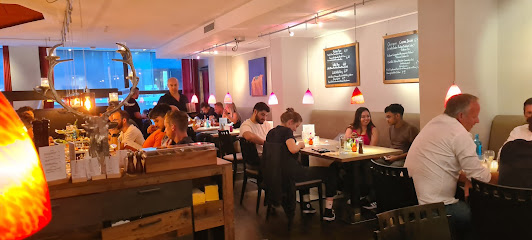
Hänneschen und die Pfeffermühle
0.4 km
Discover authentic German cuisine at Hänneschen und die Pfeffermühle in Cologne—where tradition meets taste.
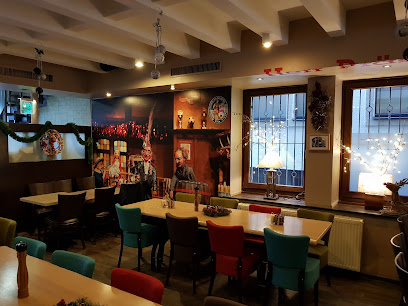
Keule
0.4 km
Experience authentic German flavors at Keule in Cologne - where tradition meets modern culinary artistry.
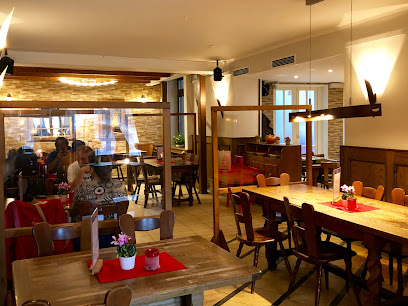
Sahila - The Restaurant
0.4 km
Experience exquisite Mediterranean cuisine at Sahila, Cologne's fine dining jewel offering elegant dishes and delightful desserts.
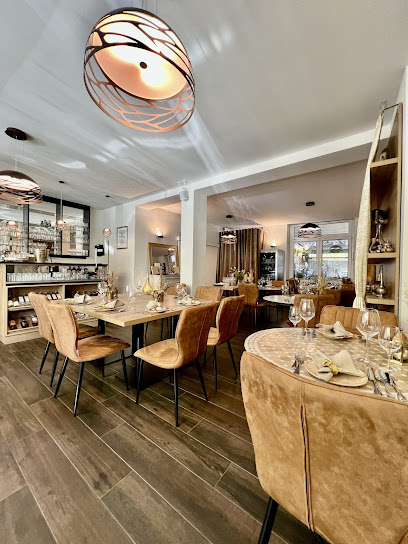
Ristorante-Pizzeria Il Valentino
0.4 km
Experience authentic Italian cuisine at Ristorante-Pizzeria Il Valentino in Cologne with delicious pizzas and traditional dishes served in a cozy atmosphere.
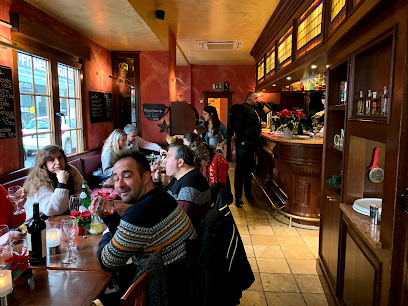
HACIENDA
0.5 km
Experience the vibrant flavors of Argentinian cuisine at Hacienda in Cologne - a perfect blend of tradition and innovation.
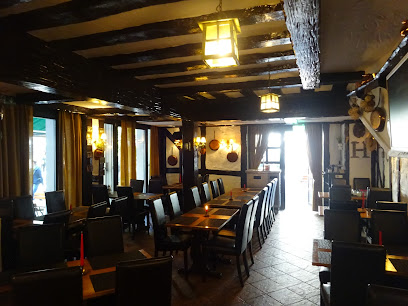
Brauhaus Sünner im Walfisch
0.5 km
Experience Cologne's brewing tradition at Brauhaus Sünner im Walfisch – where authentic flavors meet local charm.
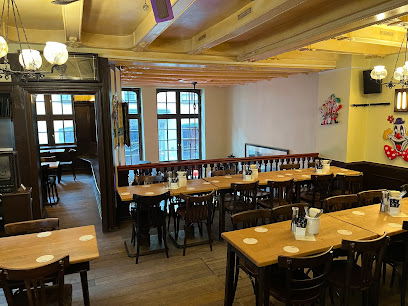
Haxenhaus
0.5 km
Experience authentic German flavors at Haxenhaus in Cologne – where tradition meets taste by the Rhine River.
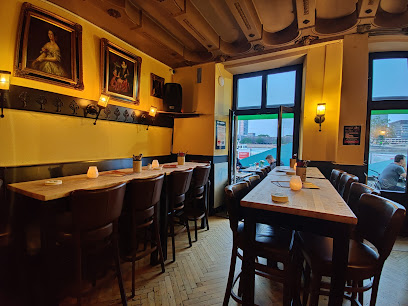
Restaurant Mama Leone
0.5 km
Savor authentic Italian flavors at Restaurant Mama Leone in Cologne – where every meal is a celebration of taste and tradition.
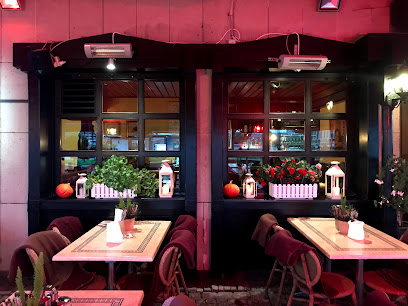
Markets, malls and hidden boutiques

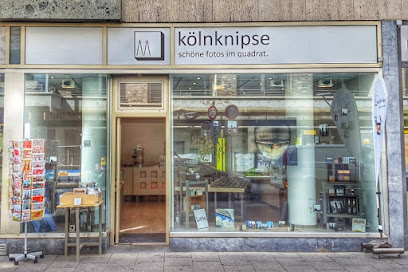
kölnknipse - schöne fotos im quadrat
0.2 km
Explore the heart of Cologne through unique, locally crafted gifts and art at the charming Kölnknipse gift shop.
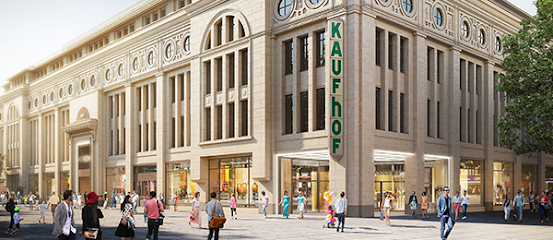
GALERIA Kaufhof
0.3 km
Dive into a shopping haven at GALERIA Kaufhof, Cologne's premier department store, featuring a diverse range of products in the heart of the city.
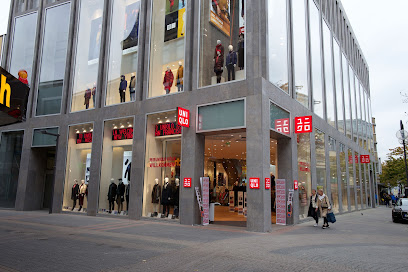
UNIQLO Köln
0.3 km
Explore stylish and affordable fashion at UNIQLO Köln, where contemporary design meets comfort in the heart of Cologne.
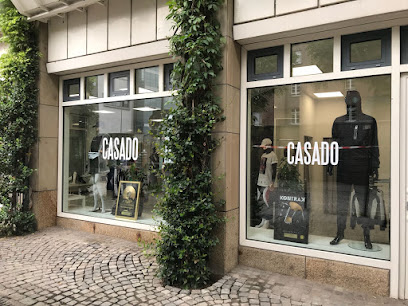
Casado Store
0.4 km
Discover the heart of Cologne's fashion at Casado Store, where style meets elegance and every piece is a statement.
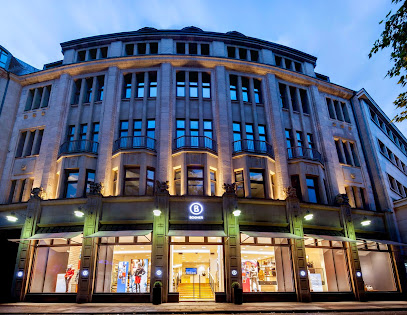
BOGNER Köln
0.5 km
Explore BOGNER Köln - where luxury fashion meets contemporary style in the heart of Cologne.
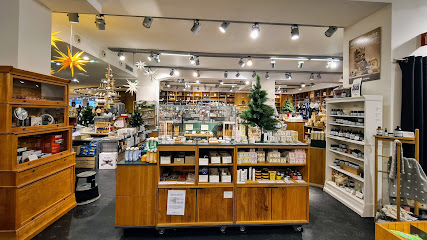
Manufactum Warenhaus
0.5 km
Explore the charm of Cologne at Manufactum Warenhaus, where quality gifts, clothing, and home goods await every discerning traveler.
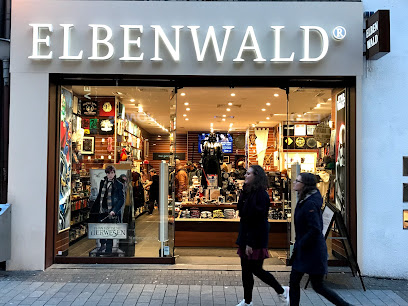
Elbenwald
0.5 km
Explore the enchanting Elbenwald gift shop in Cologne, where fantasy meets shopping with clothing, toys, and unique gifts for all ages.
MUJI Cologne Store
0.6 km
Explore the MUJI Cologne Store for a unique selection of minimalist products that blend functionality with style, right in the heart of the city.
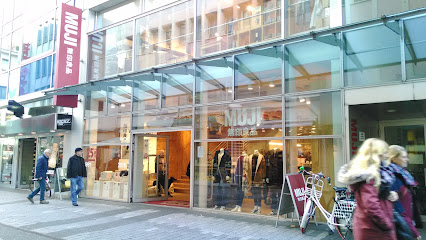
Close Up GmbH
0.6 km
Explore Close Up GmbH: Cologne's premier gift shop for unique posters and artistic treasures in the heart of the city.
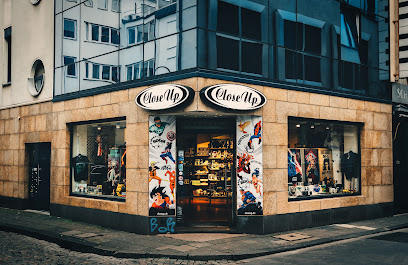
Pylones
0.6 km
Explore Pylones in Cologne for unique gifts and home goods, filled with creativity and playful designs to brighten your day.
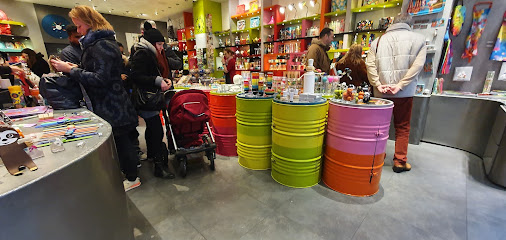
Früh Shoppen
0.6 km
Explore Früh Shoppen in Cologne for a delightful shopping experience filled with local treasures and unique finds.
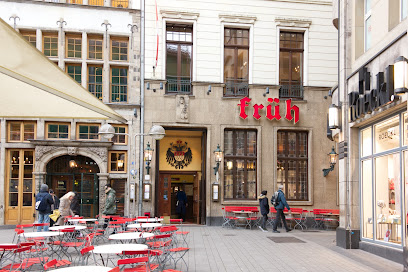
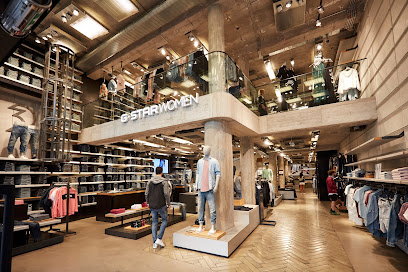
G-Star RAW Store
0.7 km
Explore the G-Star RAW Store in Cologne for premium denim and stylish fashion, perfect for elevating your wardrobe with contemporary designs.
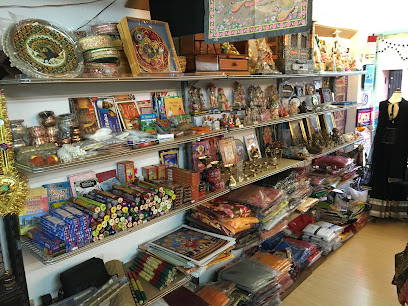
INDIAN CENTER
0.7 km
Explore the vibrant world of Indian culture with unique gifts, costume jewelry, and clothing at the Indian Center in Cologne.
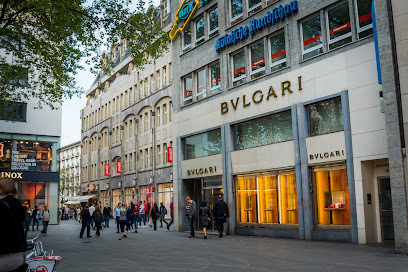
BVLGARI
0.7 km
Explore BVLGARI in Cologne for an exquisite range of luxury jewelry, fashion accessories, and timeless leather goods in a sophisticated setting.
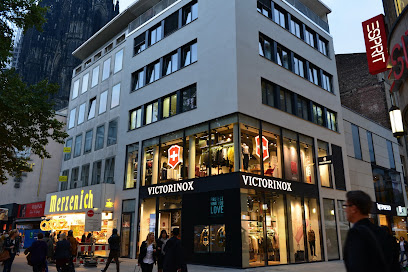
Victorinox Store Köln
0.7 km
Discover Swiss quality at the Victorinox Store in Cologne, featuring iconic knives, stylish luggage, and exclusive apparel in a modern shopping atmosphere.
Essential bars & hidden hideouts

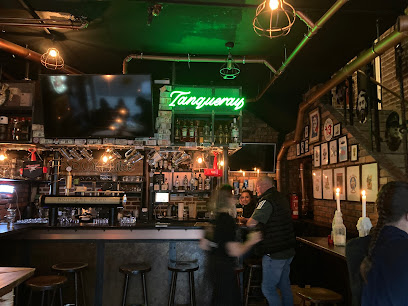
The Copper Pot - Köln
0.3 km
Experience Irish hospitality at The Copper Pot in Cologne, where lively ambiance, delicious cocktails, and live music await every visitor.
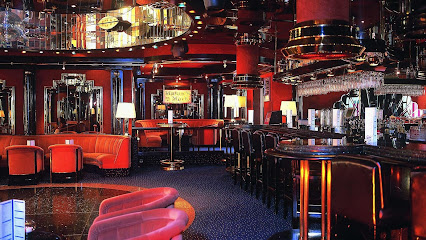
Piano Bar
0.3 km
Discover the enchanting Piano Bar in Cologne, where signature cocktails, live music, and a chic atmosphere create a perfect nightlife experience.
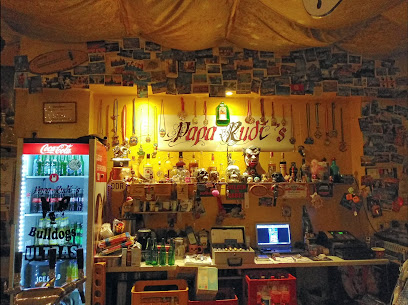
Papa Rudis - Köln
0.3 km
Discover the lively atmosphere and local brews at Papa Rudis, Cologne's must-visit pub for a memorable night out.
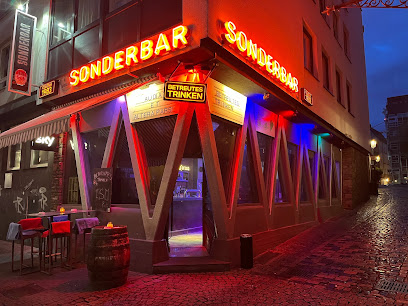
Sonderbar - Köln
0.5 km
Experience the best local brews and a vibrant atmosphere at Sonderbar, a must-visit bar in the heart of Cologne.
Papa Joe's Biersalon
0.5 km
Experience the vibrant pub culture of Cologne at Papa Joe's Biersalon, where great beer and hearty meals await in a lively atmosphere.
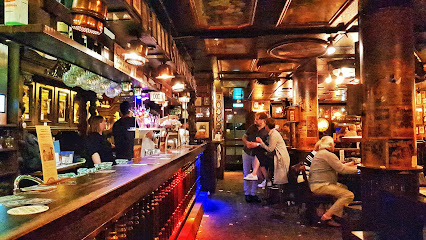
The Corkonian Irish pub
0.5 km
Experience the heart of Ireland at The Corkonian Irish Pub in Cologne, where traditional food, drinks, and live music create unforgettable memories.
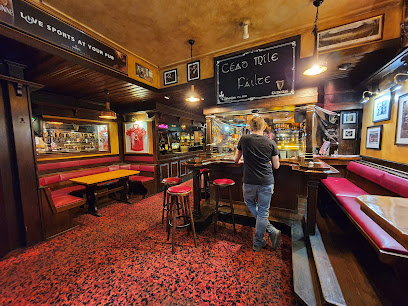
Barney Vallely's
0.5 km
Discover the essence of Ireland at Barney Vallely's, a lively pub in Cologne with authentic food, drinks, and vibrant entertainment.
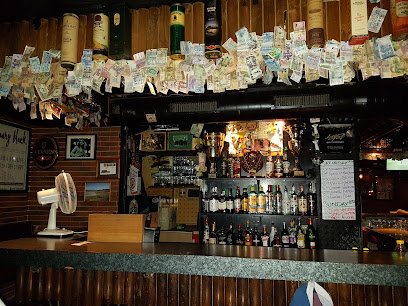
Bierbaum
0.6 km
Discover the lively Bierbaum bar in Cologne, where great drinks and a welcoming atmosphere blend seamlessly for an unforgettable night out.
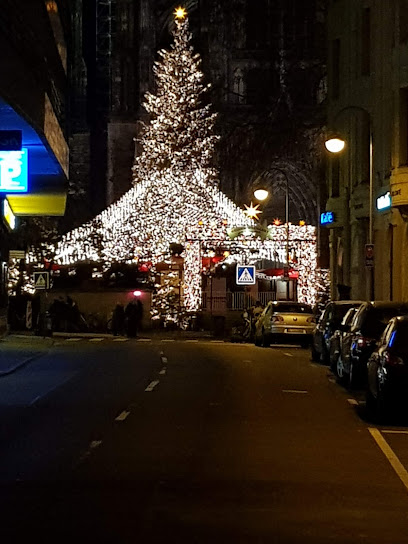
BAR BOTANIK
0.6 km
Discover BAR BOTANIK in Cologne, where lush botanical decor meets expertly crafted cocktails for an unforgettable nightlife experience.
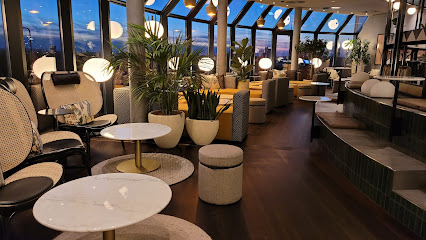
die kunstbar
0.9 km
Discover Die Kunstbar in Cologne: A vibrant bar blending art, music, and delicious drinks in the heart of the city’s nightlife.
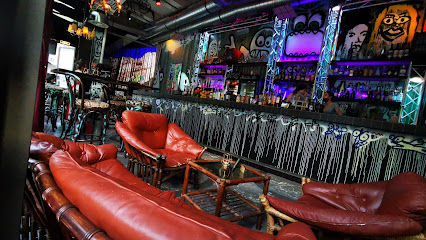
Legends Bar & Terrasse
1.0 km
Experience the ultimate cocktail bar in Cologne with stunning Rhine views, sophisticated atmosphere, and expertly crafted drinks at Legends Bar & Terrasse.
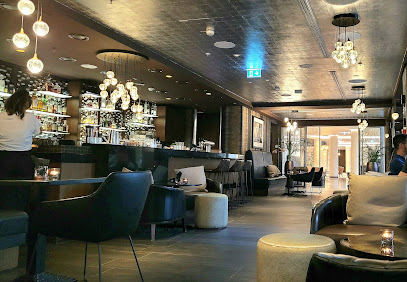
im Schnörres
1.1 km
Discover the vibrant nightlife of Cologne at im Schnörres, where delicious drinks and a lively atmosphere await you.
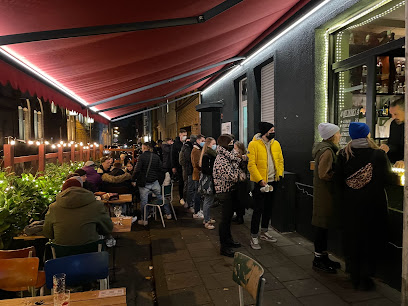
BON-Brauhaus ohne Namen
1.1 km
Experience the heart of Cologne's craft beer culture at BON-Brauhaus ohne Namen, a brewpub offering unique brews and delicious bites in a cozy setting.
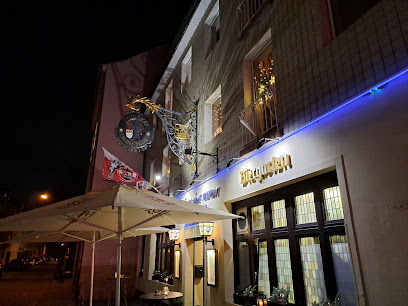
Iron Cocktail Lounge
1.2 km
Discover the vibrant cocktail culture of Cologne at Iron Cocktail Lounge, where expertly crafted drinks meet a stylish ambiance.
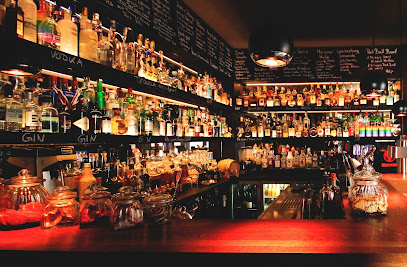
Plüsch Bar & Lounge (im Köln Marriott Hotel)
1.2 km
Experience luxury and relaxation at Plüsch Bar & Lounge in Cologne, where exquisite cocktails and elegant ambiance await you.
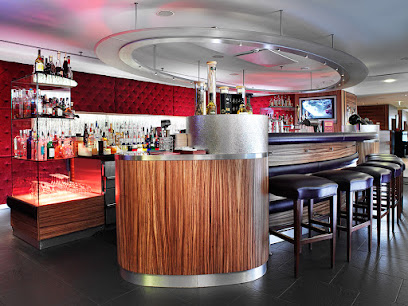
Nightclubs & after hour spots

QUATER 1
0.3 km
Discover the heart of Cologne's nightlife at QUATER 1, where electrifying music and vibrant crowds create unforgettable experiences.
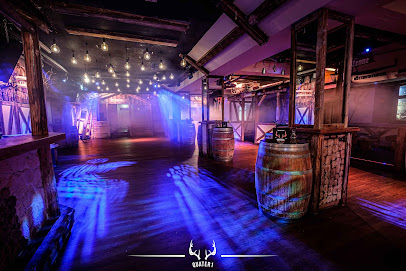
Wiener Steffie
0.3 km
Experience the vibrant nightlife of Cologne at Wiener Steffie, a premier disco club and bar where music and fun collide!
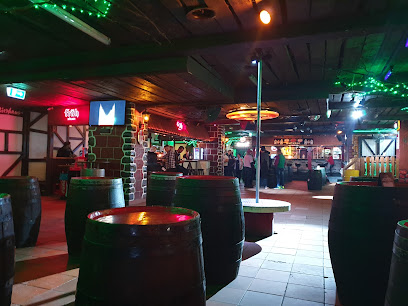
Élite Club
0.5 km
Discover the pulse of Cologne's nightlife at Élite Club, where electrifying music and vibrant ambiance create unforgettable memories.
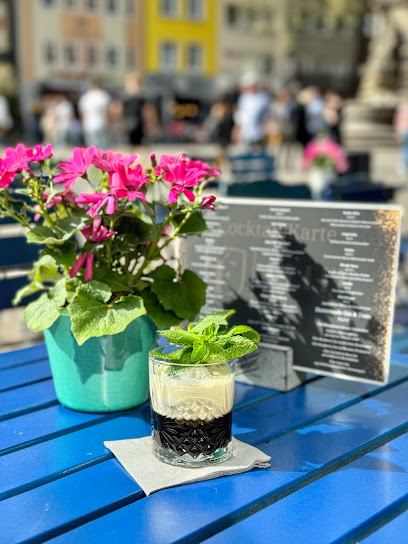
Birthday Club Cologne
0.9 km
Experience the vibrant nightlife at Birthday Club Cologne – where music, dance, and celebration come together in the heart of the city.
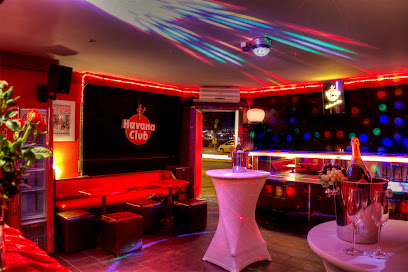
Triple A - Köln
1.1 km
Dive into Cologne's nightlife at Triple A Nightclub, where music and dancing create unforgettable memories in a vibrant atmosphere.
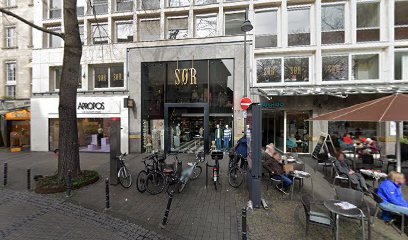
Kokett Bar - Köln
1.2 km
Experience the vibrant nightlife at Kokett Bar in Cologne, where stylish ambiance meets delicious cocktails and unforgettable fun.
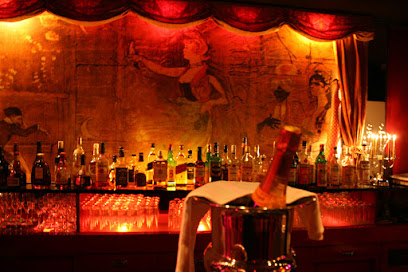
Studentenclub das ding
1.3 km
Dive into the energetic nightlife of Cologne at Studentenclub das Ding, where students and locals unite for unforgettable nights out.
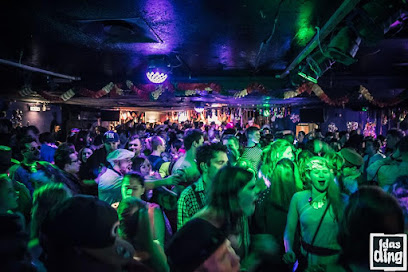
Tsunami Club
1.3 km
Experience the vibrant nightlife of Cologne at Tsunami Club, where electrifying music and a lively atmosphere await every partygoer.
Flamingo Royal
1.3 km
Experience the vibrant nightlife at Flamingo Royal, Cologne's top destination for unforgettable parties and electrifying music.
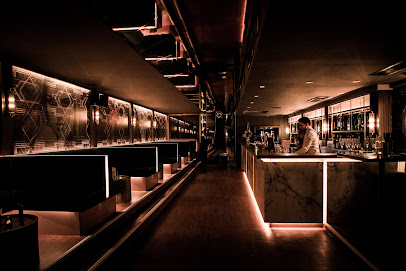
Goldfinger Club Cologne - Köln
1.3 km
Discover the electrifying nightlife of Cologne at Goldfinger Club, where unforgettable dance nights and vibrant music await.
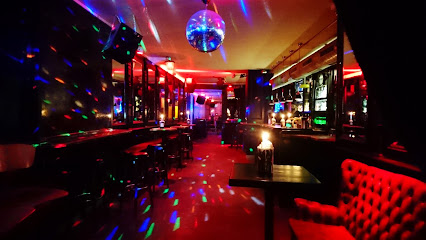
Vanity Club Cologne - Köln
1.4 km
Discover the electrifying nightlife at Vanity Club Cologne, where stylish ambiance meets unforgettable music and dance.
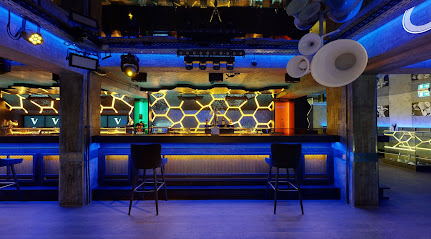
Klapsmühle
1.4 km
Discover the electrifying nightlife at Klapsmühle, Cologne's top disco club offering a vibrant atmosphere and unforgettable dance experiences.
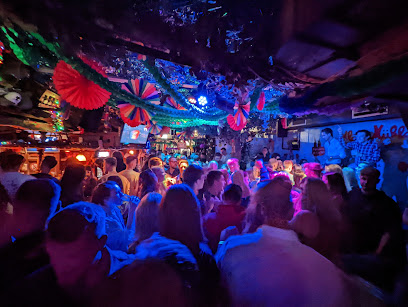
Club Einundfünfzig
1.5 km
Discover the energetic atmosphere and live music of Club Einundfünfzig, a premier night club in Cologne for unforgettable nightlife experiences.
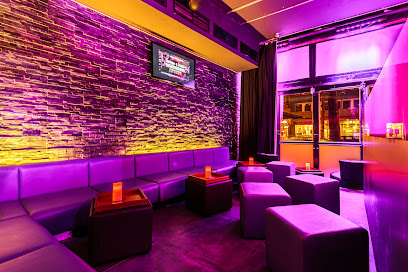
Roonburg
1.5 km
Experience the electrifying nightlife of Cologne at Roonburg, the premier disco club and event venue filled with music, dance, and unforgettable memories.
Truplayaz Cologne - Köln
1.5 km
Discover the electrifying nightlife at Truplayaz Cologne, a premier disco club offering unforgettable music and entertainment experiences.