Tritonenbrunnen: A Jewel on Königsallee
Discover the Tritonenbrunnen on Düsseldorf's Königsallee: a historic fountain embodying the city's prosperity and artistic heritage, a must-see landmark for every visitor.
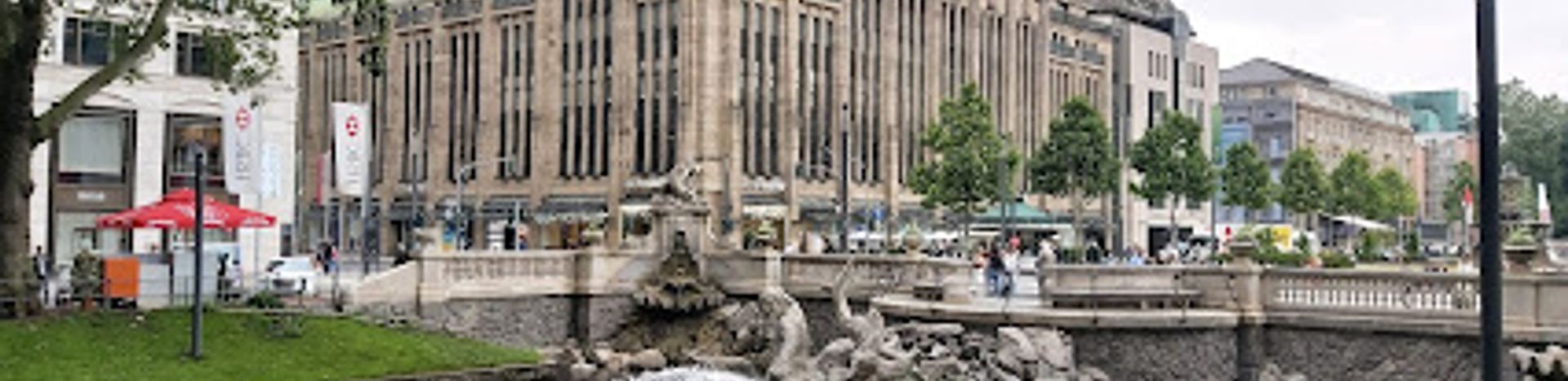
The Tritonenbrunnen, or Triton Fountain, is a captivating landmark gracing Düsseldorf's prestigious Königsallee. Inaugurated in 1898, this fountain, crafted by sculptor Friedrich Coubillier, stands as a symbol of the city's prosperity and artistic aspirations. The fountain features three bronze tritons, mythical sea creatures, locked in a dynamic struggle with a giant fish, spouting water from their shells. Flanked by cherubs and set within a basin reflecting the surrounding elegance, the Tritonenbrunnen offers a picturesque scene and a serene atmosphere amidst the bustling shopping boulevard. It's a beloved landmark, frequently captured in photographs and a testament to Düsseldorf's rich cultural heritage, inviting visitors to pause and admire its beauty.
A brief summary to Tritonenbrunnen
- Königsallee, Düsseldorf, Stadtbezirk 1, 40212, DE
- Visit website
Local tips
- Visit during the day to fully appreciate the intricate details of the bronze sculptures and the fountain's design.
- Take a stroll along Königsallee after viewing the fountain to enjoy the luxury shopping and vibrant atmosphere.
- Bring a camera to capture the picturesque scene of the fountain with the elegant Königsallee in the background.

Getting There
-
Walking
The Tritonenbrunnen is centrally located on Königsallee and easily accessible on foot from most points in Düsseldorf's city center. From the Düsseldorf Hauptbahnhof (central station), walk south along Konrad-Adenauer-Platz, then turn left onto Königsallee. Continue along Königsallee for approximately 15 minutes. The fountain will be on your right, at the northern end of the Kö-Graben canal. Alternatively, from the Altstadt (Old Town), walk east towards Königsallee. The fountain is located at the northern end of Königsallee.
-
Public Transport
Several U-Bahn (subway) and tram lines stop near the Tritonenbrunnen. The closest U-Bahn stations are Steinstraße/Königsallee (U70, U74, U75, U76, U77, U78, U79) and Oststraße U (U71, U72, U73, U83). Tram lines 701, 705, 706, and 715 also have stops along Königsallee. From Düsseldorf Hauptbahnhof, take any of the U-Bahn lines heading towards the city center and exit at Steinstraße/Königsallee. The fountain is a short walk north from the station. A single ticket for a short trip (Kurzstrecke) on public transport costs approximately €1.90.
-
Taxi/Ride-Share
Taxis and ride-sharing services are readily available throughout Düsseldorf. Simply request a ride to Königsallee. When you arrive, ask the driver to drop you off near the northern end of the street, close to the Kö-Graben canal. A taxi ride from Düsseldorf Hauptbahnhof to the Tritonenbrunnen typically costs between €10 and €15, depending on traffic.
-
Driving
If driving, be aware that Königsallee is a pedestrian zone with limited vehicle access. Several parking garages are located near Königsallee, including KÖ59 Tiefgarage, Parkhaus KÖ Galerie, and Parkhaus Königsallee. Parking fees typically range from €3 to €5 per hour. Be aware that Königsallee is within Düsseldorf's environmental zone, so your vehicle must meet certain emission standards and have a valid environmental badge ('Umweltplakette') to drive and park in the area.
Discover more about Tritonenbrunnen
Iconic landmarks you can’t miss

Girardet Bridge
0.1 km
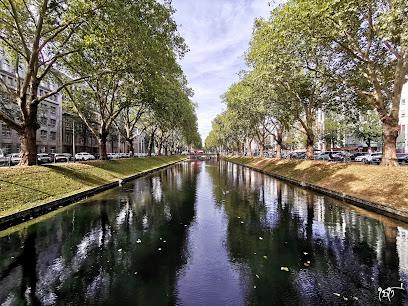
Experience the architectural beauty and stunning views from Girardet Bridge in Düsseldorf, a must-visit landmark for every traveler.
Wilhelm Marx Building
0.1 km
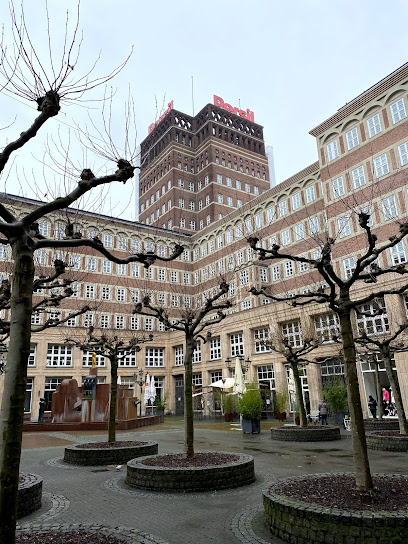
Discover Düsseldorf's architectural heritage at the Wilhelm Marx Building, a pioneering skyscraper in the heart of the Altstadt, blending history with modern city life on vibrant Heinrich-Heine-Allee.
Heinrich-Heine-Allee
0.2 km
Experience Düsseldorf's vibrant heart at Heinrich-Heine-Allee, a blend of upscale shopping, historical landmarks, and cultural experiences in a bustling, tree-lined boulevard.
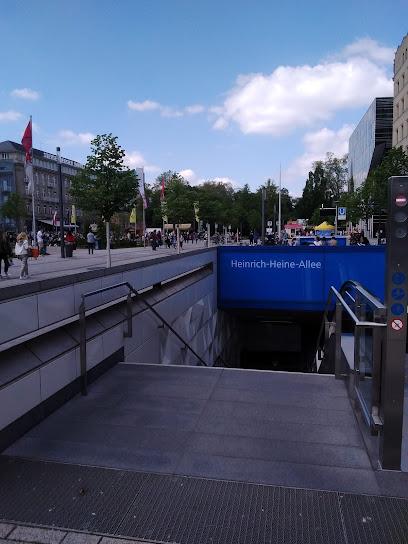
Martin-Luther-Platz
0.3 km
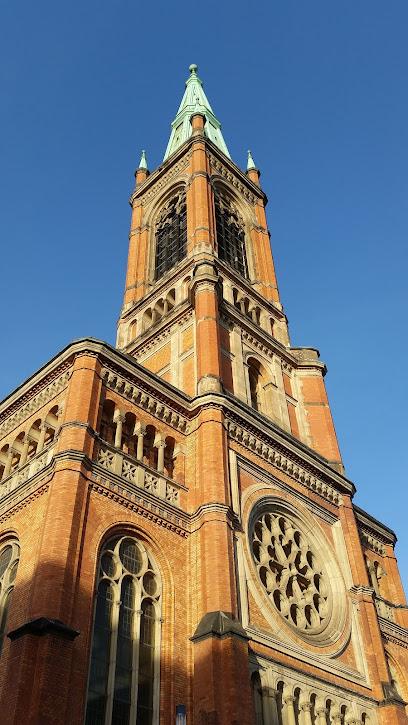
Discover Düsseldorf's Martin-Luther-Platz: A serene urban oasis blending historical landmarks, vibrant events, and tranquil green spaces in the heart of the city, near Königsallee and the Rhine.
Kriegerdenkmal im Hofgarten
0.3 km
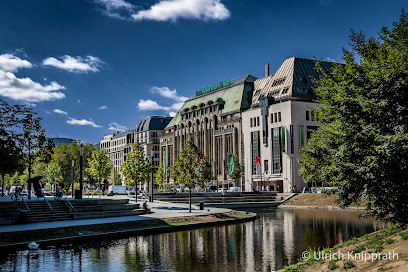
Reflect on history and honor the fallen at the Kriegerdenkmal im Hofgarten, a serene war memorial nestled within Düsseldorf's oldest public park, a tranquil escape in the city.
Kay-und-Lore-Lorentz-Platz
0.3 km
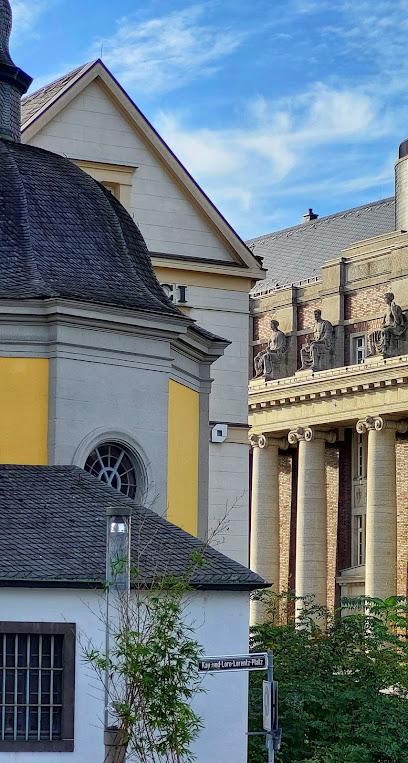
A public square in Düsseldorf's Old Town honoring Kay and Lore Lorentz, founders of the Kom(m)ödchen cabaret, a place of reflection and appreciation for the arts.
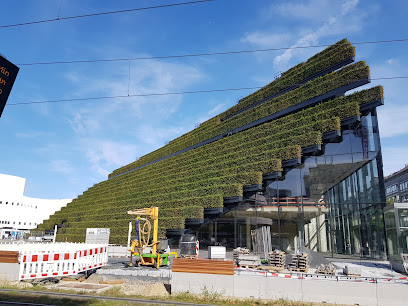
Dreieckswiese - Begehbares Dach
0.3 km
Discover Düsseldorf's innovative spirit at Dreieckswiese, a stunning rooftop garden offering panoramic city views, a tranquil escape, and a unique blend of nature and architecture.
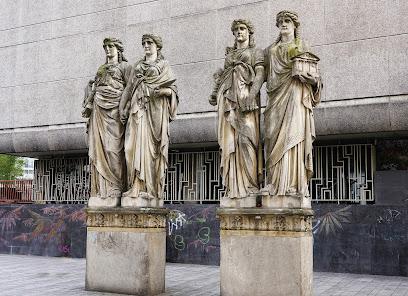
Vier Karyatiden
0.3 km
Discover the enchanting Vier Karyatiden in Düsseldorf, a stunning sculpture that embodies the city's artistic spirit and cultural richness.
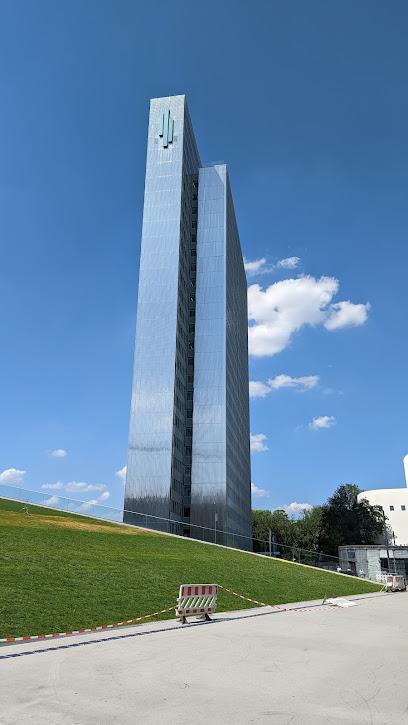
Dreischeibenhaus
0.4 km
Explore the iconic Dreischeibenhaus in Düsseldorf, where modern architecture meets the vibrant pulse of the city, creating a stunning visual experience.
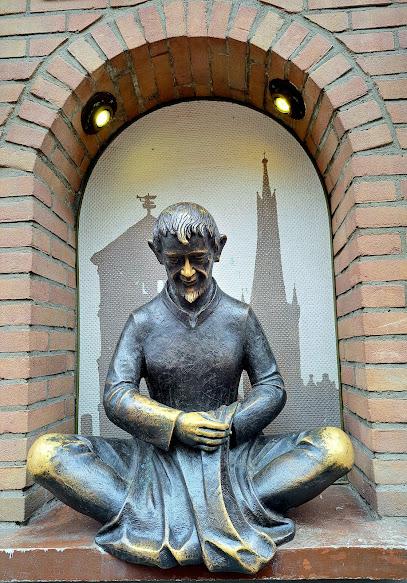
Schneider-Wibbel Statue
0.4 km
Visit the Schneider-Wibbel Statue in Düsseldorf's Old Town, a charming monument to a clever tailor and a symbol of the city's wit and resilience, nestled in a lane filled with culinary delights.
Carlspl. 2
0.5 km
Experience Düsseldorf's culinary heart at Carlsplatz Market, a historic marketplace brimming with fresh produce, gourmet foods, and international flavors in the city's vibrant center.
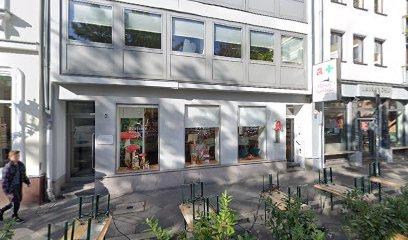
Marktplatz
0.5 km
Explore Marktplatz in Düsseldorf, a historical landmark filled with vibrant markets, stunning architecture, and rich cultural experiences that define the city's charm.
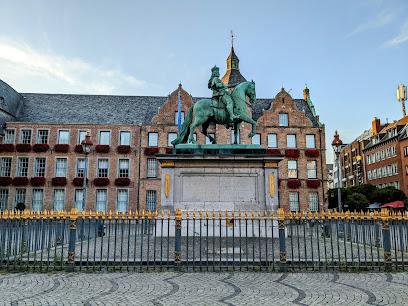
Jan-Wellem-Reiterstandbild
0.5 km
Explore the historic Jan-Wellem-Reiterstandbild, a stunning equestrian statue and cultural landmark in the heart of Düsseldorf's vibrant marketplace.
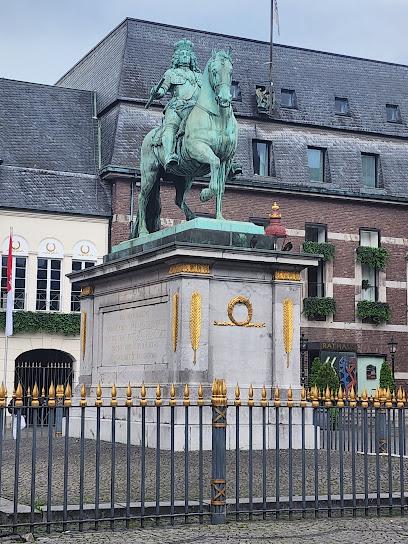
Marktpl. 2
0.5 km
Discover Düsseldorf's Marktplatz: A historic square in the heart of the Old Town, surrounded by stunning architecture, lively events, and culinary delights, offering a true taste of German culture.
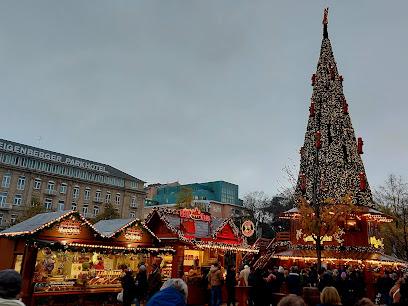
Burgpl. 1
0.5 km
Discover the architectural beauty and vibrant atmosphere of Burgplatz, a must-visit square in the heart of Düsseldorf.
Unmissable attractions to see

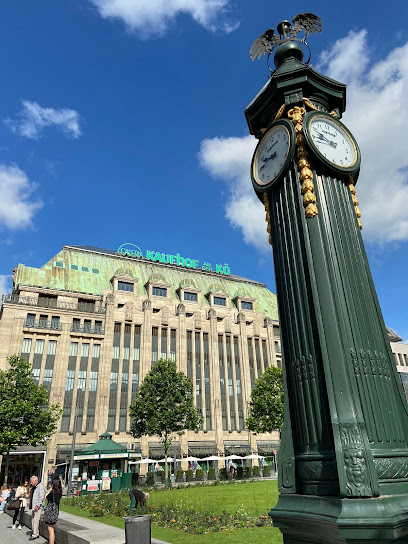
Düsseldorfs bekannteste Uhr
0.0 km
Experience the charm of Düsseldorf at its iconic clock, a symbol of elegance and history along the stunning Königsallee.
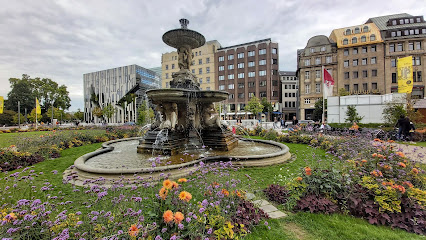
Schalenbrunnen auf dem Corneliusplatz
0.1 km
Discover the tranquil allure of Schalenbrunnen on Corneliusplatz, a stunning fountain and urban oasis in the heart of Düsseldorf.
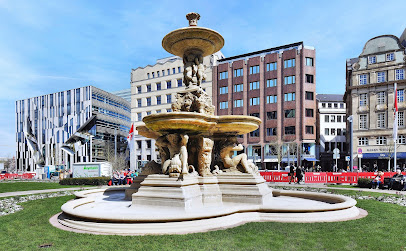
cornelius brunnen düsseldorf
0.1 km
Discover the serene beauty and historical charm of Corneliusplatz in Düsseldorf, a perfect spot for relaxation and exploration.
Nagel
0.2 km
Experience the essence of German cuisine at Nagel in Düsseldorf, where traditional flavors meet modern culinary artistry.
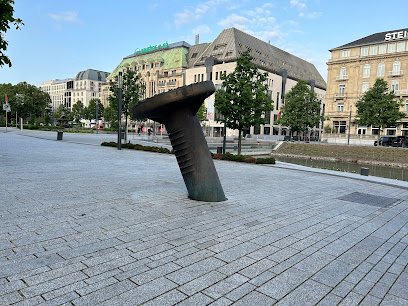
Kö-Bogen
0.2 km
Explore Kö-Bogen, Düsseldorf's vibrant hub of luxury shopping, stunning architecture, and rich cultural experiences along the iconic Königsallee.
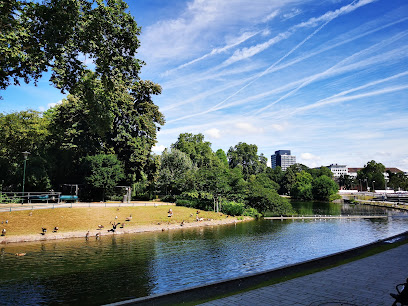
Bismarck Memorial
0.2 km
Explore the Bismarck Memorial in Düsseldorf, a historic tribute filled with cultural significance and surrounded by stunning gardens.
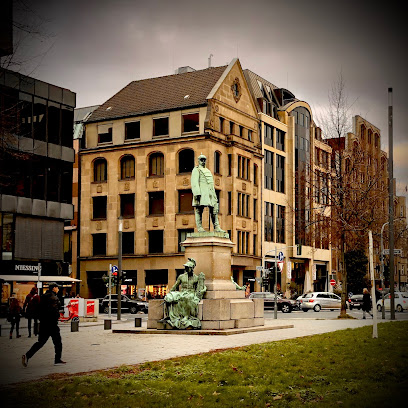
German Oper am Rhein
0.3 km
Experience the elegance of the German Oper am Rhein in Düsseldorf, where world-class performances meet stunning architecture and rich cultural history.
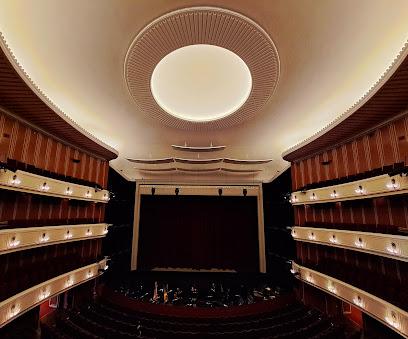
Stadtpfade Düsseldorf Stadtführung - Meeting Point
0.3 km
Experience the vibrant culture, rich history, and modern flair of Düsseldorf, a captivating destination for every traveler.
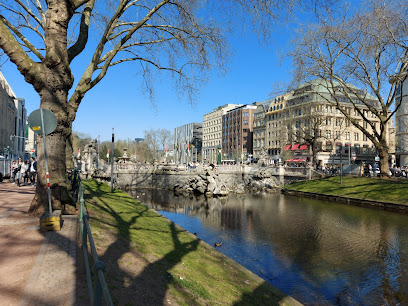
Kugelbrunnen
0.3 km
Experience the captivating beauty of Kugelbrunnen, a unique fountain in Düsseldorf that harmoniously blends art, architecture, and nature.
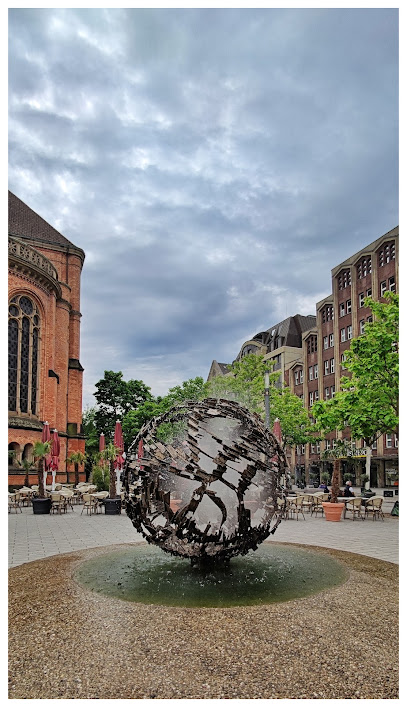
SCHMIED MIT KNABE
0.3 km
Explore the SCHMIED MIT KNABE in Düsseldorf, a historical landmark that captures the essence of craftsmanship and artistry in the heart of the city.
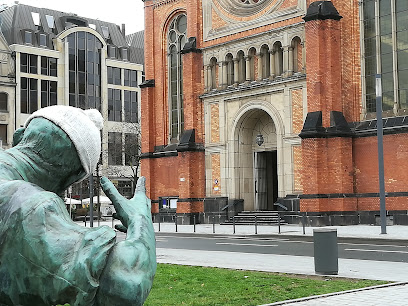
Königsallee
0.3 km
Explore Königsallee, Düsseldorf's luxurious shopping boulevard with stunning views, vibrant culture, and a delightful mix of fashion and dining experiences.
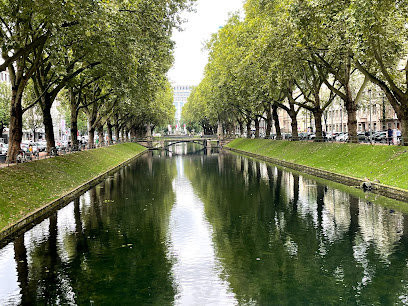
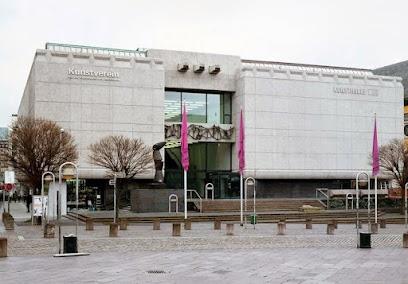
Kunsthalle Düsseldorf
0.3 km
Discover contemporary art at Kunsthalle Düsseldorf, where modern creativity meets cultural exploration in the heart of the city.
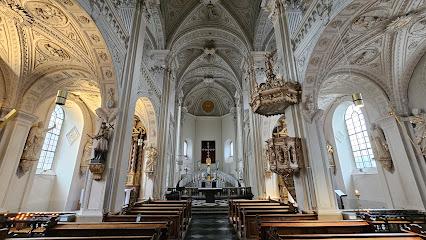
St. Andreas, Düsseldorf
0.3 km
Discover the serene beauty and rich history of St. Andreas, Düsseldorf's stunning Catholic church and a treasured tourist attraction.
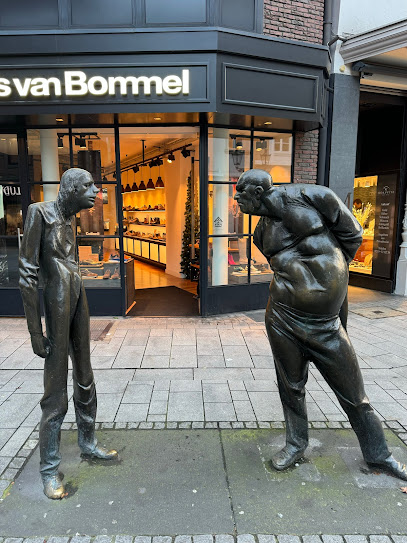
Statue-Street Art
0.3 km
Explore the vibrant Statue-Street Art in Düsseldorf, where contemporary street art meets historical charm, creating a unique urban experience.
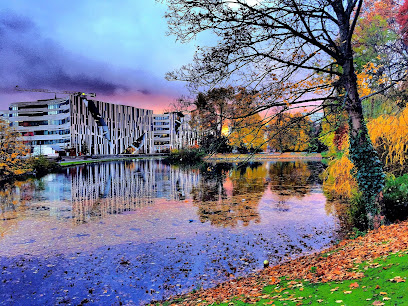
Märchenbrunnen
0.3 km
Discover the enchanting Märchenbrunnen in Düsseldorf, a historical fountain that brings fairy tales to life with its captivating sculptures and rich cultural heritage.
Essential places to dine

The Grill Upper Kö
0.1 km
Experience unparalleled steakhouse dining at The Grill Upper Kö – where culinary artistry meets luxurious ambiance in Düsseldorf.
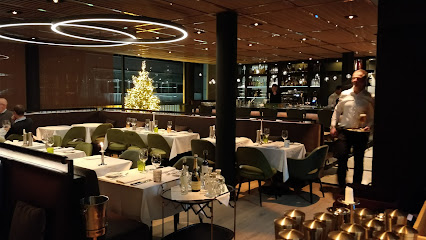
The Duchy - Düsseldorf
0.1 km
Experience exquisite modern European cuisine at The Duchy in Düsseldorf's luxurious Breidenbacher Hof.
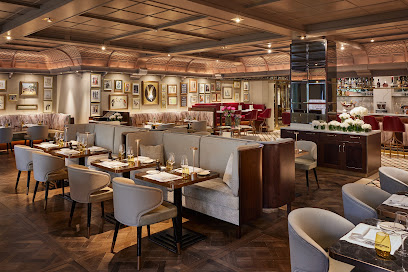
Jones
0.1 km
Experience exquisite dining at Jones Restaurant in Düsseldorf – where local flavors meet culinary artistry.
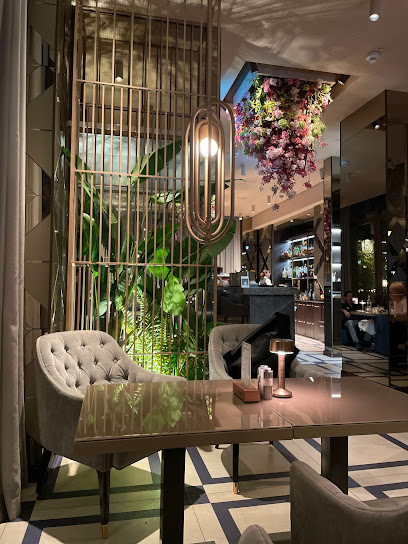
Le Petit Chef - Düsseldorf
0.1 km
Experience an extraordinary dining adventure at Le Petit Chef in Düsseldorf - where culinary art meets storytelling for an unforgettable meal.
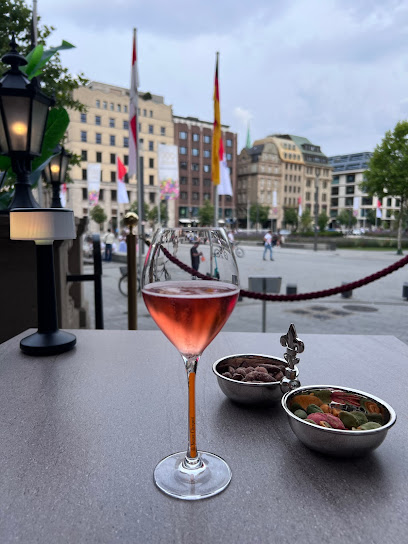
Restaurant Pink Pepper
0.2 km
Experience culinary excellence at Restaurant Pink Pepper in Düsseldorf - where contemporary dining meets exquisite flavors.
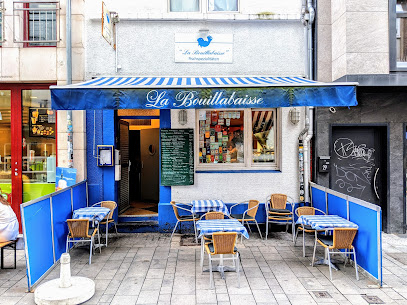
La Bouillabaisse
0.2 km
Savor exquisite seafood dishes at La Bouillabaisse in Düsseldorf – where fresh flavors meet culinary artistry.
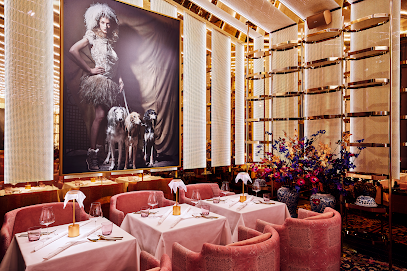
Sansibar by Breuninger Düsseldorf
0.2 km
Experience exquisite dining at Sansibar by Breuninger Düsseldorf - where culinary artistry meets elegant ambiance.
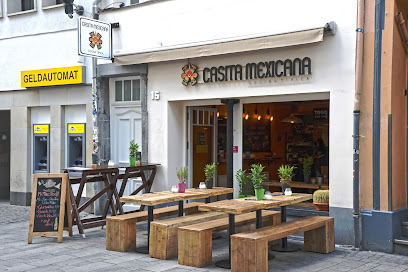
Casita Mexicana
0.3 km
Discover the vibrant flavors of Mexico at Casita Mexicana in Düsseldorf - where authentic cuisine meets lively ambiance.
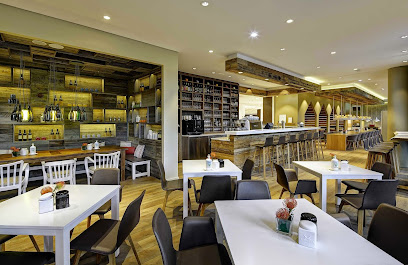
San Leo - Düsseldorf
0.3 km
Experience authentic Italian cuisine at San Leo in Düsseldorf – where every meal is a celebration of flavor and tradition.
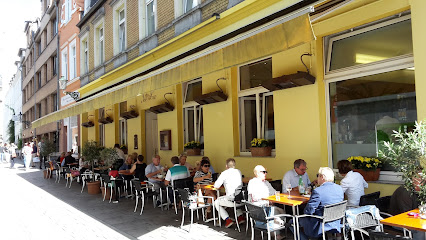
La Passione
0.3 km
Discover the taste of Italy at La Passione in Düsseldorf – where exquisite cuisine meets exceptional wine in an inviting atmosphere.
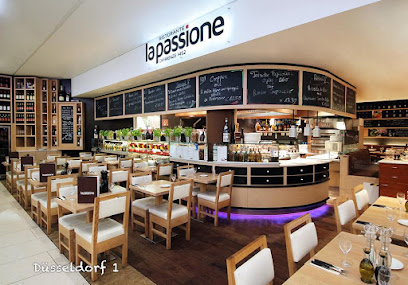
Ristorante Barolo
0.4 km
Experience authentic Italian cuisine at Ristorante Barolo in Düsseldorf - a culinary gem offering exquisite dishes in a charming setting.
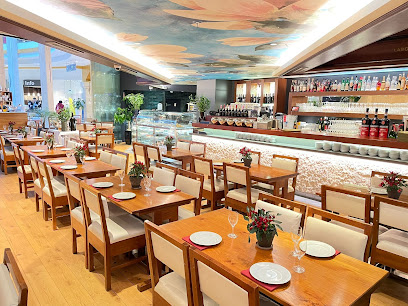
Ginos Restaurant & Bistro
0.4 km
Discover the perfect blend of Italian flavors and local charm at Ginos Restaurant & Bistro in Düsseldorf.
Portofino
0.4 km
Experience authentic Italian cuisine at Portofino in Düsseldorf – where every dish is crafted with love and tradition.
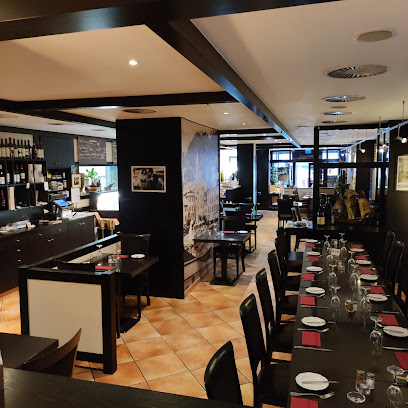
El Amigo - Düsseldorf
0.4 km
Experience authentic Spanish cuisine and premium steaks at El Amigo in Düsseldorf - where every meal is a fiesta!
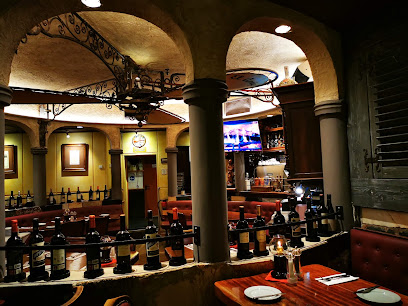
Brasserie Stadthaus
0.4 km
Experience exquisite French cuisine at Brasserie Stadthaus in Düsseldorf – where elegance meets culinary excellence.

Markets, malls and hidden boutiques

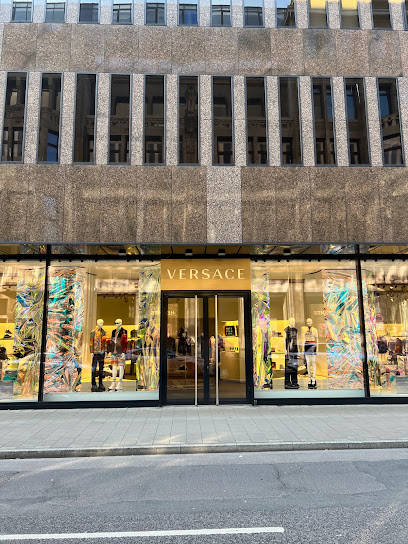
VERSACE
0.0 km
Discover luxury and elegance at Versace in Düsseldorf, where high fashion meets exquisite craftsmanship in a stunning shopping experience.
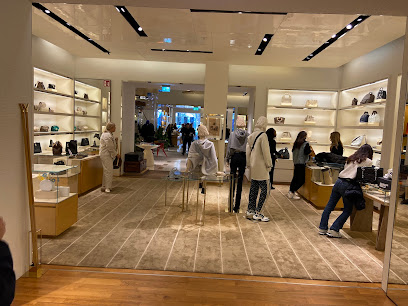
Louis Vuitton Düsseldorf
0.1 km
Discover unparalleled luxury shopping at Louis Vuitton Düsseldorf, featuring exquisite leather goods, fashion accessories, and fine jewelry in a stunning setting.
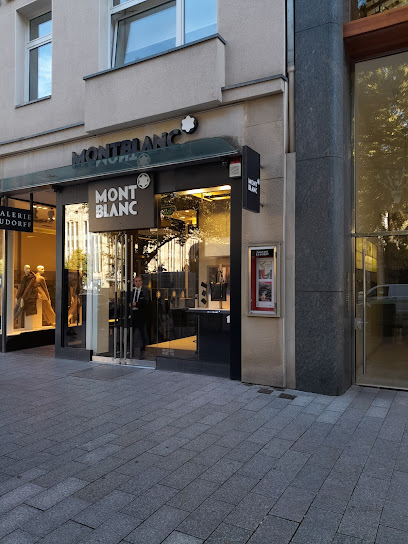
Montblanc
0.1 km
Explore the elegance of Montblanc in Düsseldorf, where luxury jewelry, fine writing instruments, and exquisite leather goods await.
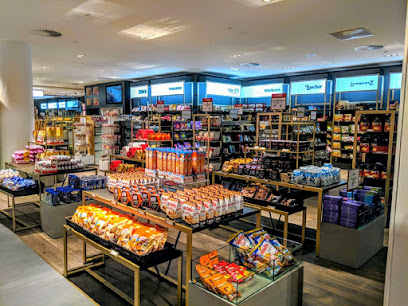
GALERIA Düsseldorf Königsallee
0.1 km
Experience a shopping paradise at GALERIA Düsseldorf Königsallee, where fashion meets elegance in the heart of the city.
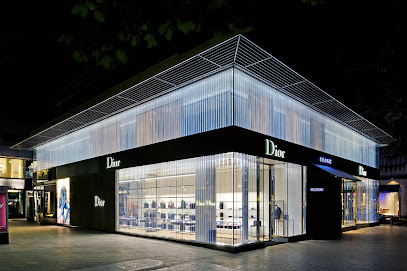
DIOR Düsseldorf Konigsallee
0.1 km
Discover the epitome of luxury fashion at DIOR Düsseldorf Königsallee - where style and sophistication meet in the heart of the city.
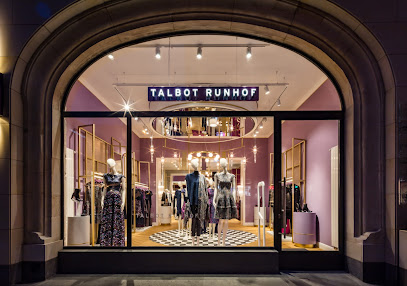
Talbot Runhof Boutique Düsseldorf
0.1 km
Discover timeless elegance and contemporary style at Talbot Runhof Boutique in the heart of Düsseldorf, where fashion meets luxury.
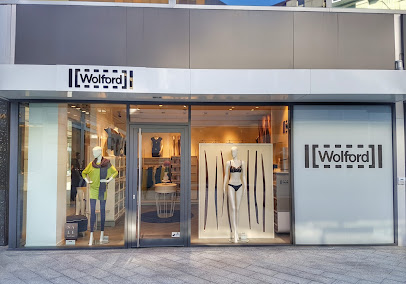
Wolford Düsseldorf
0.1 km
Explore the luxurious world of fashion at Wolford Düsseldorf, a premier boutique for women's clothing and exquisite lingerie in the heart of the city.
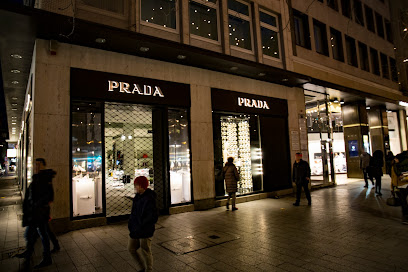
Prada Duesseldorf
0.1 km
Discover luxury fashion at Prada Düsseldorf, where elegance meets contemporary style in the heart of the city.
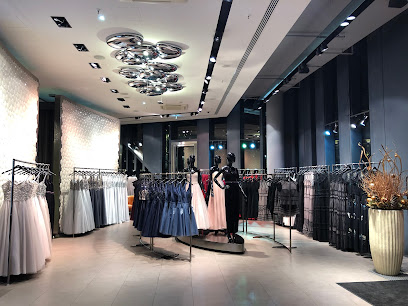
Unique Store
0.2 km
Discover the elegance of formal wear and trendy clothing at the Unique Store in Düsseldorf, your ultimate fashion destination.
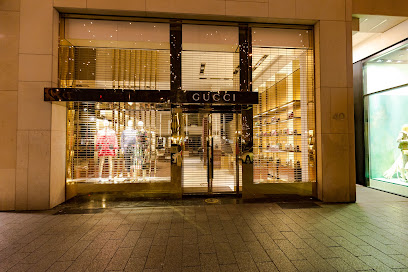
Gucci - Düsseldorf Konigsallee
0.2 km
Discover the luxury of Gucci on Düsseldorf's iconic Königsallee, a must-visit for fashion lovers seeking elegance and style.
CHANEL BOUTIQUE DÜSSELDORF
0.2 km
Discover luxury and elegance at CHANEL Boutique Düsseldorf, where fashion meets sophistication on the renowned Königsallee.
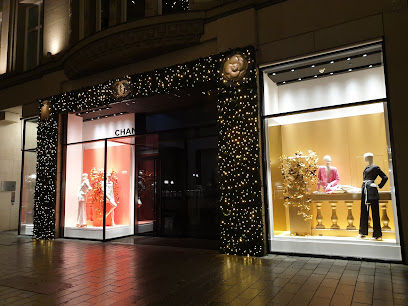
Schadow-Arkaden
0.2 km
Explore Schadow-Arkaden, Düsseldorf's premier shopping mall, where fashion, dining, and entertainment meet in a vibrant atmosphere.
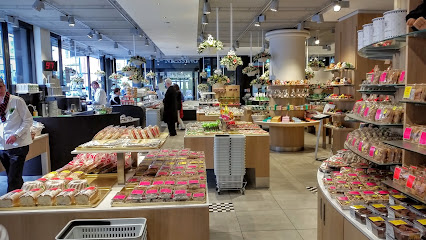
Viel Goodz Vintage Store Düsseldorf
0.2 km
Explore a treasure trove of vintage fashion at Viel Goodz Vintage Store in Düsseldorf—your destination for unique clothing and stylish shoes.
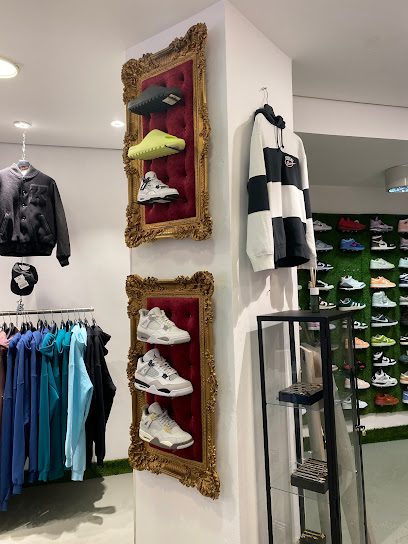
Breuninger Düsseldorf
0.2 km
Experience luxury shopping at Breuninger Düsseldorf, where fashion meets elegance in the heart of the city.
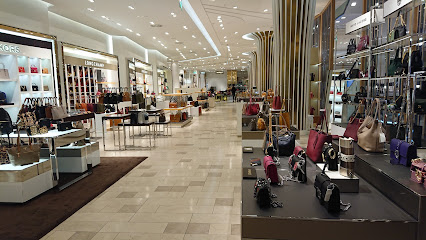
déjà vu Boutique Düsseldorf
0.2 km
Discover unique women's fashion at déjà vu Boutique in Düsseldorf, where style meets local artistry in an inviting atmosphere.
Essential bars & hidden hideouts

Bar & Smokers Lounge
0.1 km
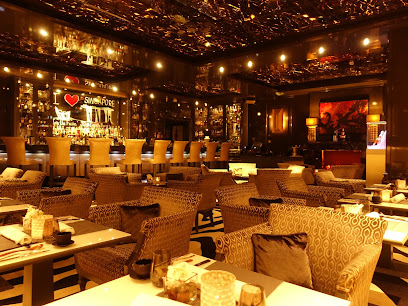
Discover the elegance of Düsseldorf's Breidenbacher Hof Bar & Smokers Lounge, where exquisite cocktails and fine cigars await.
Füchschen Alm
0.1 km
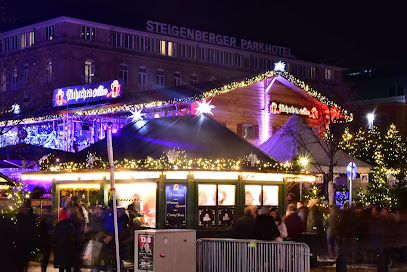
Experience the heart of Düsseldorf's nightlife at Füchschen Alm, a cozy bar offering a warm atmosphere and delicious drinks.
Kostbar Düsseldorf-Altstadt
0.2 km
Experience the vibrant culinary scene at Kostbar Düsseldorf-Altstadt, where local flavors meet a modern bistro atmosphere in the heart of the city.
Weißer Bär
0.3 km
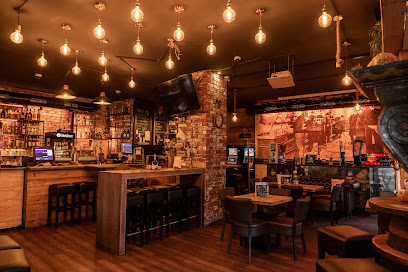
Discover the vibrant atmosphere and delightful drinks at Weißer Bär, a must-visit bar in Düsseldorf for an unforgettable local experience.
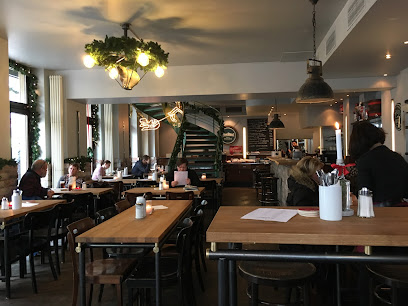
MAITAI Cocktailbar
0.3 km
Discover the lively atmosphere and creative cocktails at MAITAI Cocktailbar, a must-visit destination in Düsseldorf's nightlife scene.
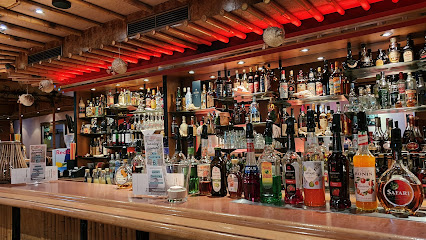
Eduard's by Breuninger Düsseldorf
0.3 km
Experience luxury and relaxation at Eduard's by Breuninger Düsseldorf, where exquisite drinks and a chic atmosphere await your visit.
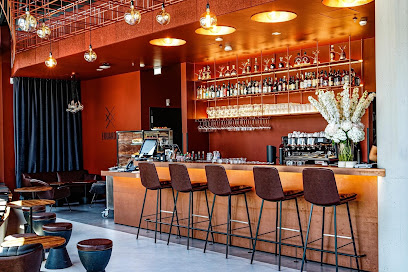
The Irish Pub Bei Fatty - Fatty's
0.3 km
Experience the vibrant atmosphere of The Irish Pub Bei Fatty in Düsseldorf, where traditional Irish fare meets lively entertainment.
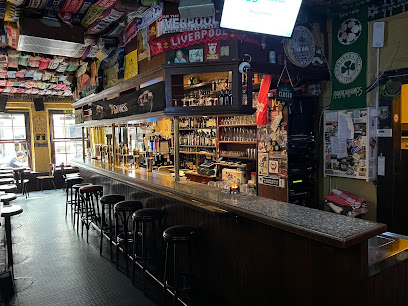
The Oak’s Bar - Düsseldorf
0.3 km
Experience the vibrant nightlife at The Oak's Bar in Düsseldorf, a cocktail haven offering live music and a welcoming atmosphere.
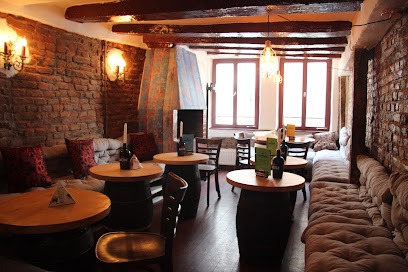
o’reilly’s Irish Pub & Restaurant
0.3 km
Experience the heart of Ireland in Düsseldorf at O'Reilly's Irish Pub & Restaurant, where great food, drinks, and entertainment come together.
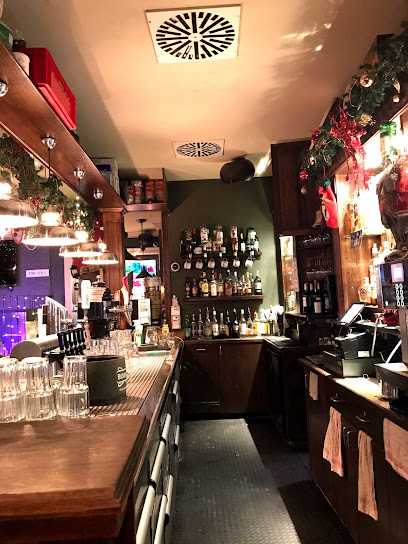
Sweetheart Düsseldorf
0.3 km
Experience the best of American cuisine at Sweetheart Düsseldorf, where vibrant atmosphere meets delicious flavors.
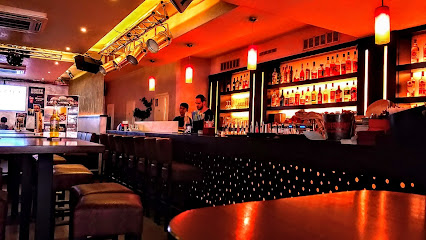
Em Pöötzke
0.4 km
Experience the soulful rhythms of jazz at Em Pöötzke, Düsseldorf's intimate and historic jazz club, where every performance is a journey through sound.
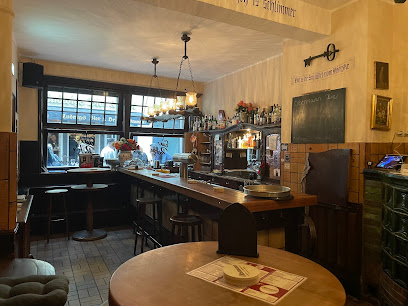
Dä Spiegel
0.4 km
Discover Düsseldorf’s culinary scene at Dä Spiegel, where traditional German flavors meet a vibrant gastropub atmosphere in the heart of the city.
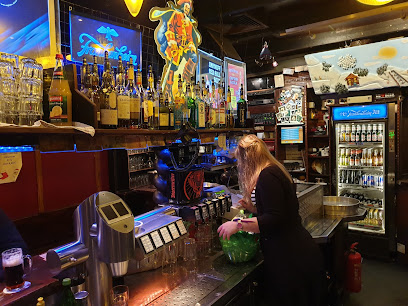
Siam Bar - Düsseldorf
0.4 km
Experience the vibrant nightlife at Siam Bar in Düsseldorf, where innovative cocktails and a lively atmosphere await.
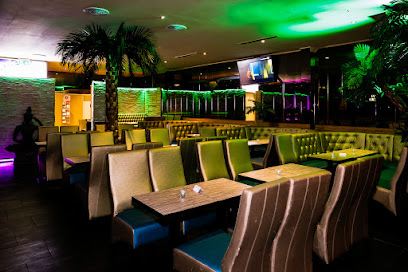
Schaukelstühlchen - Düsseldorf
0.4 km
Discover the authentic German pub experience at Schaukelstühlchen in Düsseldorf, where local brews and warm hospitality await.
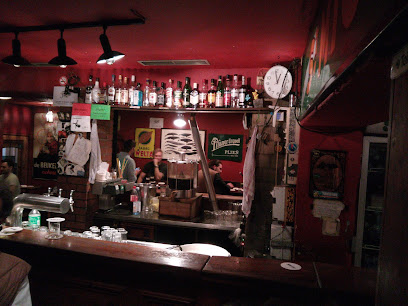
Elephant Bar - Düsseldorf
0.5 km
Discover the vibrant nightlife and exotic flavors at Elephant Bar in Düsseldorf, a perfect spot for locals and tourists alike.
Nightclubs & after hour spots

Schickimicki Club
0.2 km
Dive into Düsseldorf's nightlife at Schickimicki Club, where great music, dancing, and an electric atmosphere await every night.
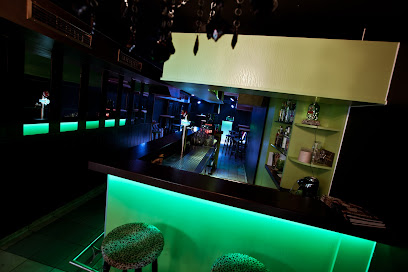
Rio Arriba
0.2 km
Experience the pulsating nightlife of Düsseldorf at Rio Arriba, where vibrant music and an energetic crowd create unforgettable memories.
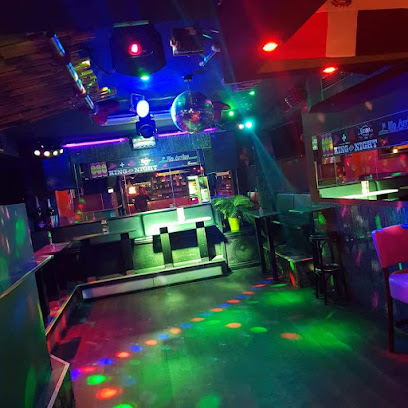
Chokolate City - Düsseldorf
0.3 km
Experience the electrifying nightlife at Chokolate City in Düsseldorf, where music, dance, and vibrant energy come together for an unforgettable evening.
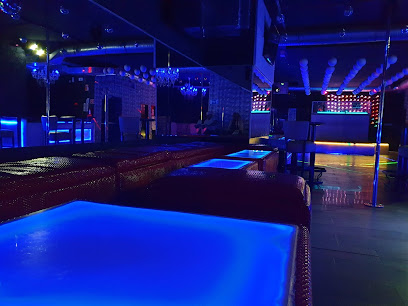
MAHIKI EXCLUSIVE NIGHTCLUB DÜSSELDORF
0.3 km
Discover the electrifying nightlife at Mahiki Exclusive Nightclub in Düsseldorf, where vibrant music and an energetic crowd create unforgettable experiences.
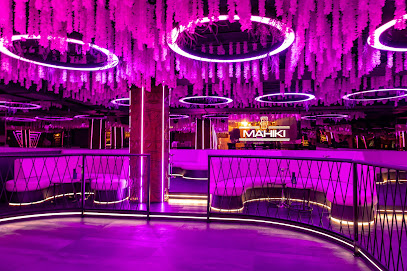
Knight Club
0.3 km
Unleash your night at Knight Club, Düsseldorf's premier nightlife destination with electrifying music and an unforgettable bar experience.
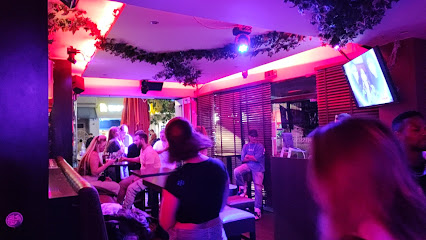
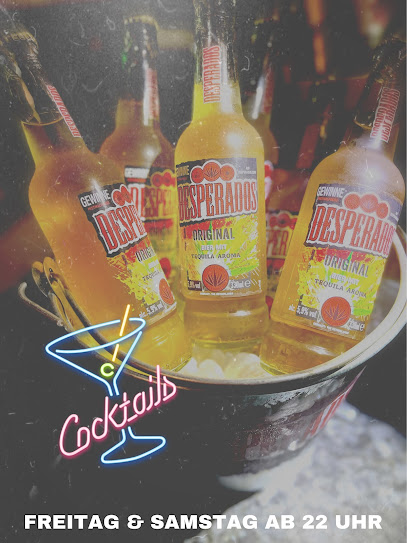
Smiley Club Dusseldorf
0.3 km
Discover the vibrant nightlife at Smiley Club Düsseldorf, where rhythm meets revelry in a truly electrifying atmosphere.
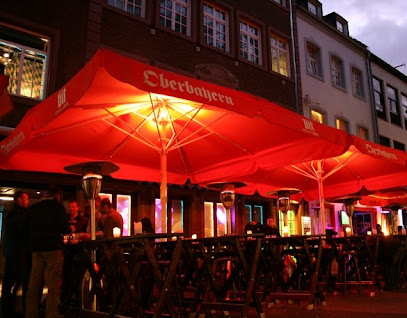
Oberbayern
0.3 km
Discover Oberbayern in Düsseldorf – a fusion of disco, bar, and pub that promises an unforgettable nightlife experience.
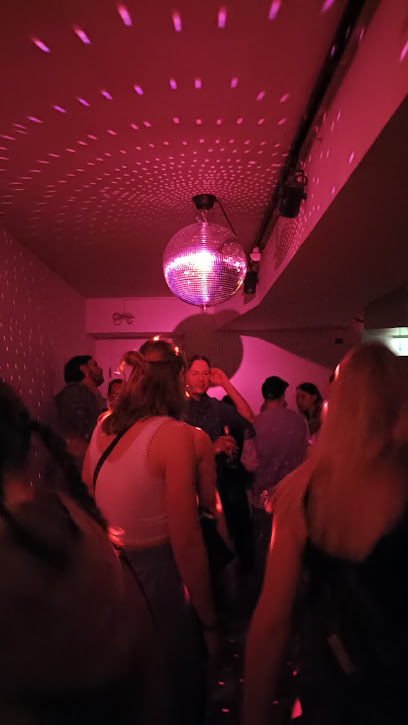
Salon des Amateurs
0.3 km
Discover the eclectic nightlife at Salon des Amateurs, Düsseldorf's artistic night club where music and culture collide in an unforgettable experience.
Oh Baby Anna
0.4 km
Dive into the electrifying nightlife of Düsseldorf at Oh Baby Anna, a premier night club renowned for its lively atmosphere and top-notch entertainment.
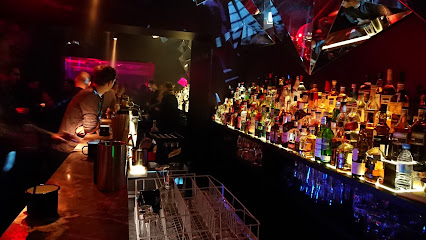
Anaconda Lounge
0.4 km
Experience the vibrant nightlife of Düsseldorf at Anaconda Lounge, where music, dance, and unforgettable moments come together.
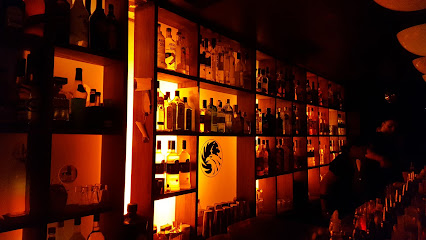
Cube
0.4 km
Discover Düsseldorf's nightlife at Cube, a vibrant night club with electrifying music, energetic dancing, and an unforgettable atmosphere.
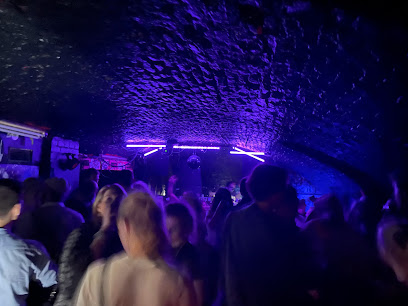
Lucy's Sky - Düsseldorf
0.4 km
Discover the pulse of Düsseldorf's nightlife at Lucy's Sky, where music, dance, and stunning views come together for an unforgettable experience.
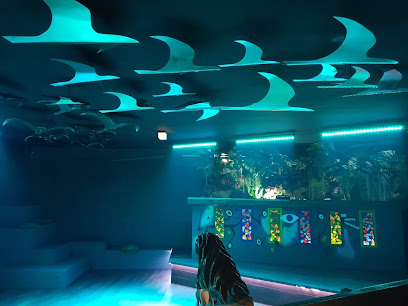
Rosenrot - Düsseldorf
0.5 km
Discover the lively atmosphere of Rosenrot in Düsseldorf, where vibrant music and a diverse crowd create an unforgettable nightlife experience.
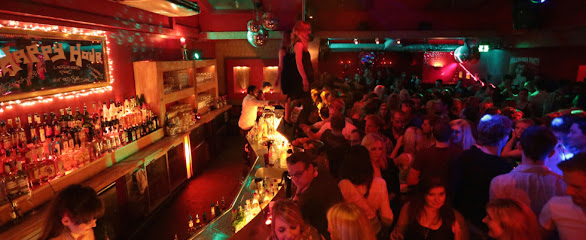
The Eight - Eventlocation & Club in Düsseldorf
0.6 km
Dive into Düsseldorf's nightlife at The Eight, where music, style, and unforgettable experiences await you!
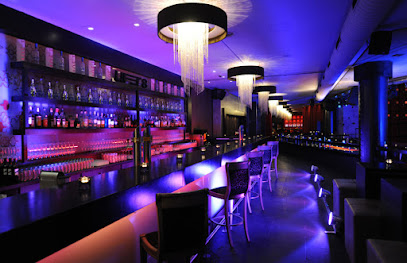
The Nachtresidenz Düsseldorf
0.7 km
Discover the heart of Düsseldorf's nightlife at Nachtresidenz, where music and excitement come alive in a stylish disco club atmosphere.