

Heinrich-Heine-Allee, Ruhr Travel Guide
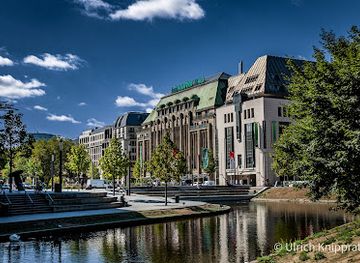
Experience Düsseldorf's vibrant heart at Heinrich-Heine-Allee, a blend of upscale shopping, historical landmarks, and cultural experiences in a bustling, tree-lined boulevard.
Heinrich-Heine-Allee is more than just a street; it's the vibrant heart of Düsseldorf, pulsing with life and history. Named after the city's famous poet, Heinrich Heine, this boulevard offers a blend of upscale shopping, historical landmarks, and cultural experiences. Stroll along the tree-lined pathway and discover chic boutiques, delightful cafes, and architectural marvels. The Allee's history is rich, evolving from a boulevard named after Napoleon to a symbol of Düsseldorf's identity. Today, it stands as a testament to the city's resilience and its embrace of art, culture, and modern urban living. Whether you're a shopaholic, a history enthusiast, or simply seeking a lively atmosphere, Heinrich-Heine-Allee promises an unforgettable experience in the heart of Düsseldorf.
A brief summary to Heinrich-Heine-Allee
- Düsseldorf, Stadtbezirk 1, 40213, DE

Know before you go
Hi, I'm Eve. Here are a few practical things to know before exploring Heinrich-Heine-Allee.
- Explore the Wehrhahn Line U-Bahn stations for a unique art and architecture experience.
- Visit during the Christmas season for festive decorations and a magical atmosphere.
- Take a stroll through the nearby Altstadt (Old Town) to experience Düsseldorf's traditional pubs and restaurants.
- Check out Königsallee for luxury shopping and admire the elegant canal.
- Enjoy the street performers and lively atmosphere that often animate the boulevard.
Do you manage this location?
Take control to get all the benefits, like improved information, better appearance, and stronger visibility across AI-powered discovery. Learn more about listing your business on Evendo
Activate your presenceOther nearby places you may find interesting
The closest places of the same kind, if this one is not quite what you had in mind.
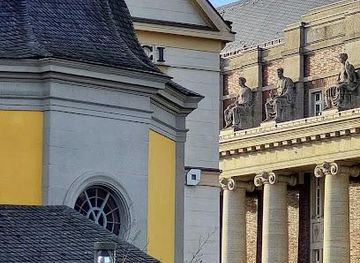
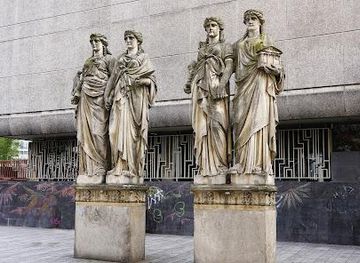
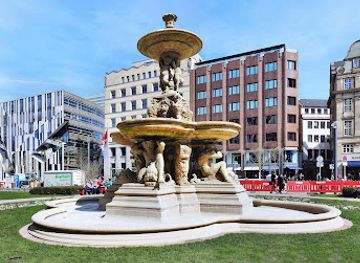
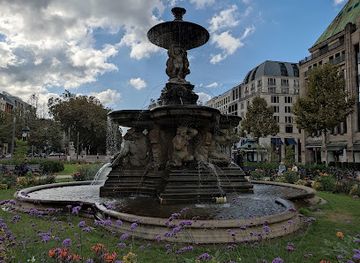
Explore Heinrich-Heine-Allee on the Map
A handpicked selection of must-see spots near Heinrich-Heine-Allee, mapped for you.
Unlock the Best of Heinrich-Heine-Allee
Buy tickets
-
No tickets available
Book tours with entry

Book tours without entry
-
No tours available
Getting There
-
Public Transport
Heinrich-Heine-Allee is a central transportation hub. From Düsseldorf Hauptbahnhof (Central Station), take any of the numerous subway lines (U70, U71, U72, U73, U74, U75, U76, U77, U78, U79, U83) to Heinrich-Heine-Allee U station. The journey takes only a few minutes, and single tickets cost approximately €3-4. The station exits directly onto the Allee.
-
Walking
If you are already in the Altstadt (Old Town), Heinrich-Heine-Allee is easily accessible on foot. From Burgplatz, walk east along Bolkerstrasse, then turn left onto Flingerstrasse. Continue straight, and you'll arrive at Heinrich-Heine-Allee within a few minutes. The walk is approximately 500 meters and offers a pleasant stroll through the heart of Düsseldorf.
-
Taxi/Ride-Share
Taxis and ride-sharing services are readily available throughout Düsseldorf. A short taxi ride from Düsseldorf Hauptbahnhof to Heinrich-Heine-Allee will cost approximately €15-€20, depending on traffic. Ride-sharing services like Uber are also available and may offer slightly lower fares.
-
Driving
If driving, be aware that parking in the immediate vicinity of Heinrich-Heine-Allee can be limited and expensive. Several parking garages are nearby, including Parkhaus GALERIA Düsseldorf Königsallee (Heinrich-Heine-Allee 30) and Goldbeck Parking Kunsthalle / Grabbeplatz (Grabbeplatz 4). Expect to pay around €3 per hour, with a daily maximum of €30. Consider using Park & Ride options from Düsseldorf Airport (DUS) with the U79 line to Heinrich-Heine-Allee to save on parking costs.
Discover more about Heinrich-Heine-Allee













Your all‑in‑one travel companion app
Explore expert travel guides, compare and book tours, experiences, hotels, and more—all from the palm of your hand. Download now for seamless trip planning wherever your wanderlust takes you.


Explore More of Ruhr
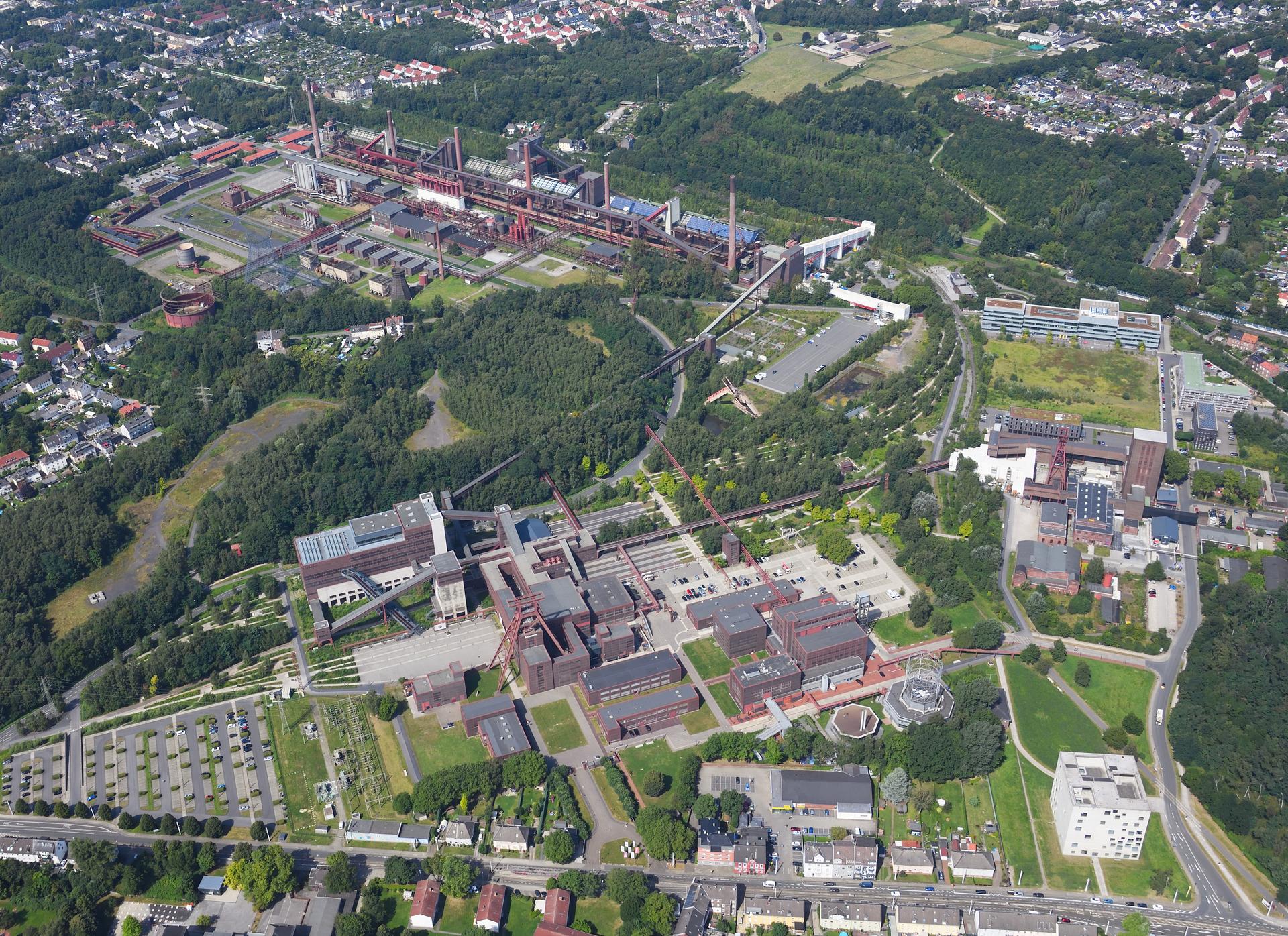
Looking beyond Heinrich-Heine-Allee? Discover Ruhr for broader travel guides, local hot-spots, and regional highlights.
Explore Ruhr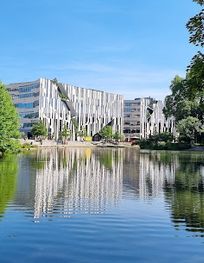
Discover Düsseldorf's oldest public park, a green oasis blending history, art, and nature, offering a serene escape in the heart of the city since 1769.
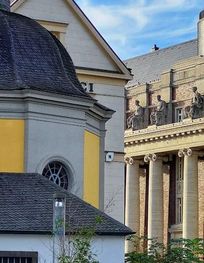
Discover Kay-und-Lore-Lorentz-Platz in Düsseldorf's Altstadt: a vibrant tribute to cabaret pioneers, offering a glimpse into the city's rich cultural heritage and artistic spirit.
