
Frauenplan, Erfurt Travel Guide
Discover the heart of Classical Weimar at Frauenplan, where Goethe's legacy lives on amidst historical architecture and vibrant cultural experiences, a UNESCO World Heritage site.
Frauenplan in Weimar is more than just a square; it's a vibrant historical hub where Johann Wolfgang von Goethe lived and worked for nearly 50 years. This central location offers a glimpse into the life of the famous poet and statesman, surrounded by significant cultural landmarks. Today, visitors can explore Goethe's residence, now the Goethe-Nationalmuseum, and immerse themselves in the atmosphere that fostered intellectual dialogue and artistic creation during Weimar's golden age. With its charming cafes, historical buildings, and proximity to other key attractions like the Schiller House, Frauenplan serves as an essential starting point for discovering the rich heritage of Classical Weimar, a UNESCO World Heritage site. The area provides a captivating blend of history, culture, and everyday life, making it a must-see destination for anyone interested in German literature, art, and history. Whether you're strolling through the square, visiting the museum, or simply enjoying the ambiance, Frauenplan offers a unique and enriching experience.
A brief summary to Frauenplan
- Weimar, 99423, DE

Know before you go
Hi, I'm Eve. Here are a few practical things to know before exploring Frauenplan.
- Visit the Goethe-Nationalmuseum early in the morning to avoid crowds and fully appreciate the exhibits.
- Take a guided tour of Goethe's residence to gain deeper insights into his life and work.
- Enjoy a coffee or meal at one of the cafes on Frauenplan to soak in the atmosphere and people-watch.
- Combine your visit to Frauenplan with a trip to the nearby Schiller House and Duchess Anna Amalia Library for a comprehensive cultural experience.
- Check the Klassik Stiftung Weimar website for special events, exhibitions, and concerts happening at Frauenplan and other cultural sites.
Do you manage this location?
Take control to get all the benefits, like improved information, better appearance, and stronger visibility across AI-powered discovery. Learn more about listing your business on Evendo
Activate your presenceOther nearby places you may find interesting
The closest places of the same kind, if this one is not quite what you had in mind.



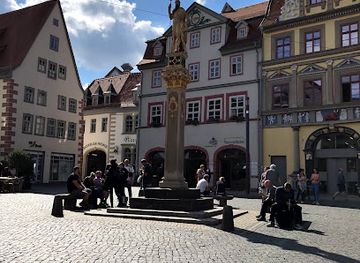
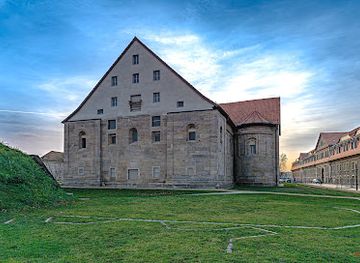
Explore Frauenplan on the Map
A handpicked selection of must-see spots near Frauenplan, mapped for you.
Getting There
-
Walking
Frauenplan is centrally located in Weimar's old town and is easily accessible on foot from most central locations. From Goetheplatz, walk east along Schillerstrasse, a pedestrian zone lined with shops and cafes. Continue onto Marktstrasse, then turn right onto Frauenplan. The square will be directly in front of you. The walk is approximately 5-10 minutes and well-signposted. Keep an eye out for the Goethe-Nationalmuseum, which dominates the square.
-
Public Transport
If arriving at Weimar train station, take bus lines 1 or 6 towards the city center and disembark at Wielandplatz. From there, walk along Ackerwand, turn left onto Puschkinstrasse, and then turn right onto Frauenplan. The walk from Wielandplatz is approximately 5 minutes. A single bus fare is approximately €2.50.
-
Taxi/Ride-Share
A taxi or ride-share from Weimar train station to Frauenplan will take approximately 5-10 minutes, depending on traffic. The estimated fare is between €8-€12. Be sure to specify 'Frauenplan' as your destination, as it is a well-known landmark.
-
Driving
If driving, be aware that Frauenplan is located in a pedestrian zone with limited parking. The nearest parking garage is Parkhaus am Goethepark, approximately a 3-minute walk away. Parking fees at the garage are approximately €2 per hour or €12 per day. Alternatively, follow the 'red hotel route' and enter Puschkinstraße into your GPS for access, stopping near the bookshop on Frauenplan. Limited underground parking may be available at Hotel Erbenhof (formerly Hotel am Frauenplan) for a daily charge, but must be booked in advance. Note that access may be restricted during the Weimar Onion Market.
Discover more about Frauenplan













Your all‑in‑one travel companion app
Explore expert travel guides, compare and book tours, experiences, hotels, and more—all from the palm of your hand. Download now for seamless trip planning wherever your wanderlust takes you.


Explore More of Erfurt
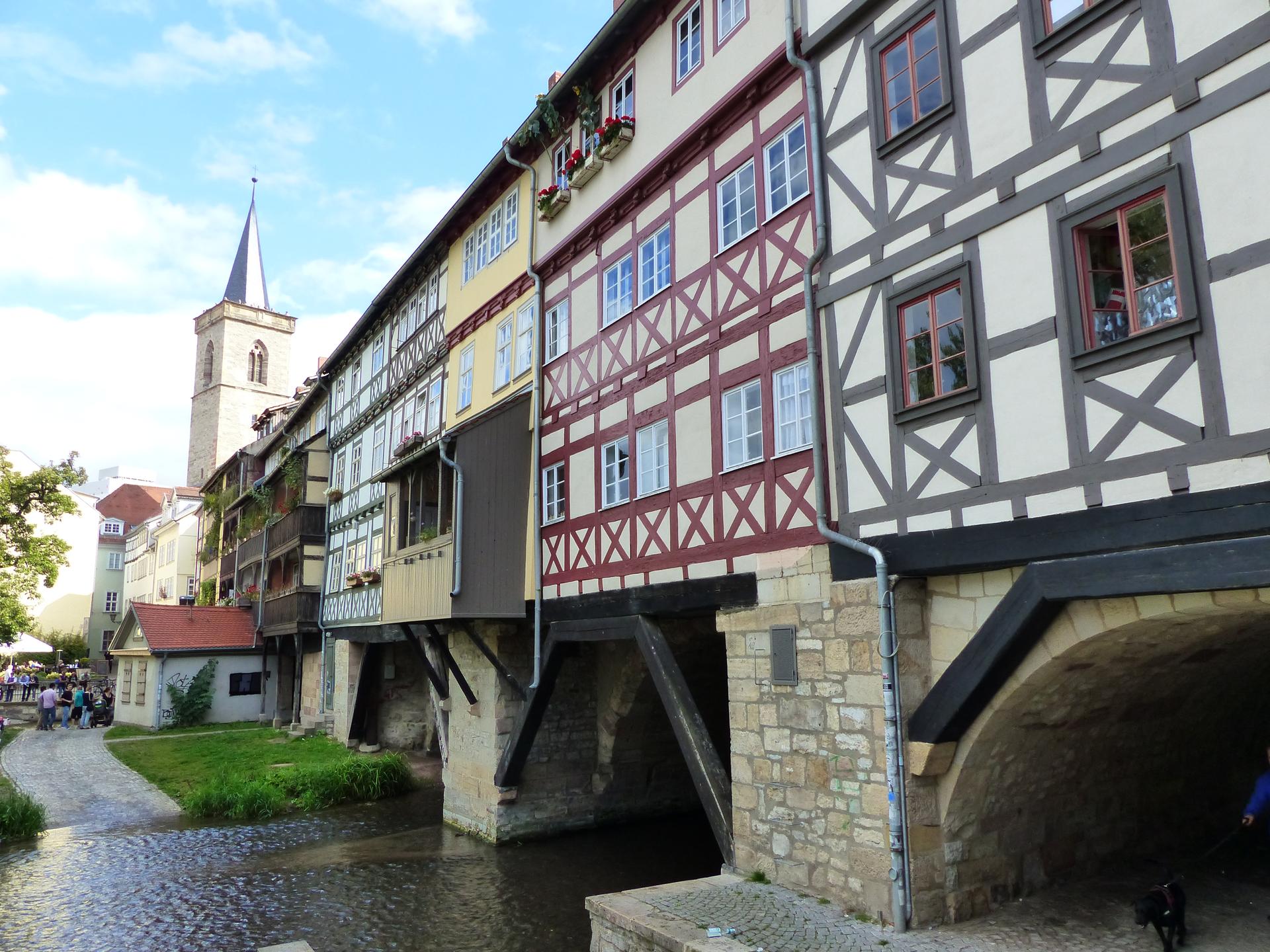
Looking beyond Frauenplan? Discover Erfurt for broader travel guides, local hot-spots, and regional highlights.
Explore Erfurt
Discover the Renaissance legacy of Lucas Cranach the Elder at his historic Weimar home, now a cultural landmark and home to the Theater im Gewölbe.
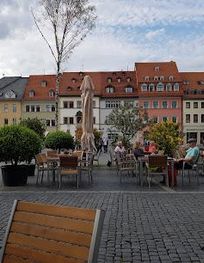
Experience the heart of Weimar at Market Square: a vibrant hub of history, culture, and stunning architecture, surrounded by shops, cafes, and the city's most iconic landmarks.