Der Römer, Erfurt Travel Guide
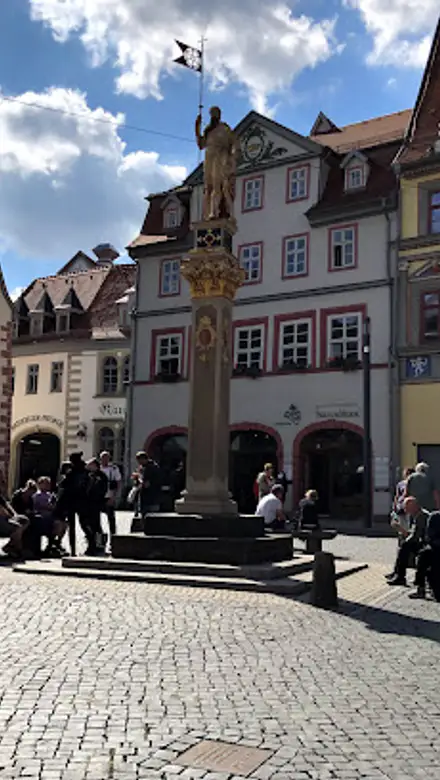
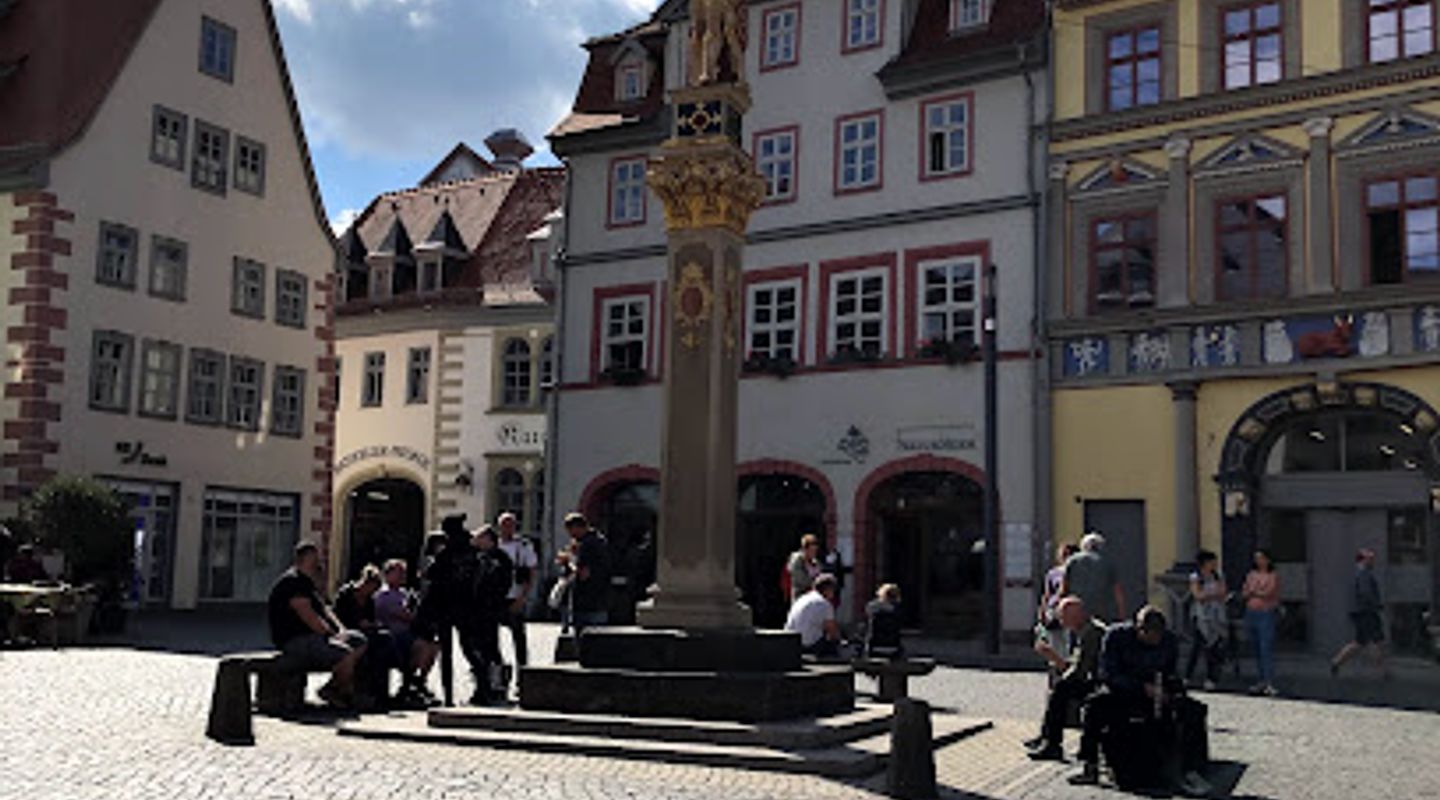
Witness Erfurt's enduring spirit at Der Römer, a historic statue on Fischmarkt, embodying the city's independence and rich cultural heritage in the heart of Germany.
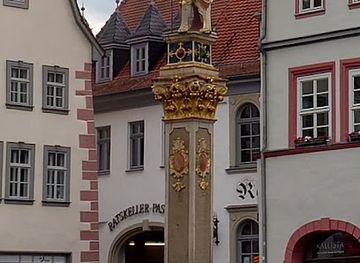
Der Römer, a statue of a Roman warrior, stands proudly on Erfurt's Fischmarkt, a symbol of the city's historical independence and resilience. Erected in 1591, it replaced an earlier statue of St. Martin, the patron saint associated with Mainz, after it was torn down during a peasant revolt. The statue, initially dubbed 'Mann auf der Säule' (Man on the Column), gradually assumed the significance of a Roland statue, representing civic liberties. Over the centuries, Der Römer has witnessed Erfurt's transformations, from its medieval trading prominence to its role in the Reformation and its more recent reunification. Today, it remains a focal point, surrounded by the vibrant atmosphere of the Fischmarkt, a testament to Erfurt's enduring spirit and rich cultural heritage. The statue is a reminder of Erfurt's long and complex history, a silent observer of the city's evolution.
A brief summary to Der Römer
- Fischmarkt, Erfurt, Altstadt, 99084, DE
- Click to display

Know before you go
Hi, I'm Eve. Here are a few practical things to know before exploring Der Römer.
- Visit on a market day for a truly immersive experience of local life and commerce in Erfurt.
- Take a guided tour of the Altstadt to fully appreciate the historical context and significance of Der Römer and its surroundings.
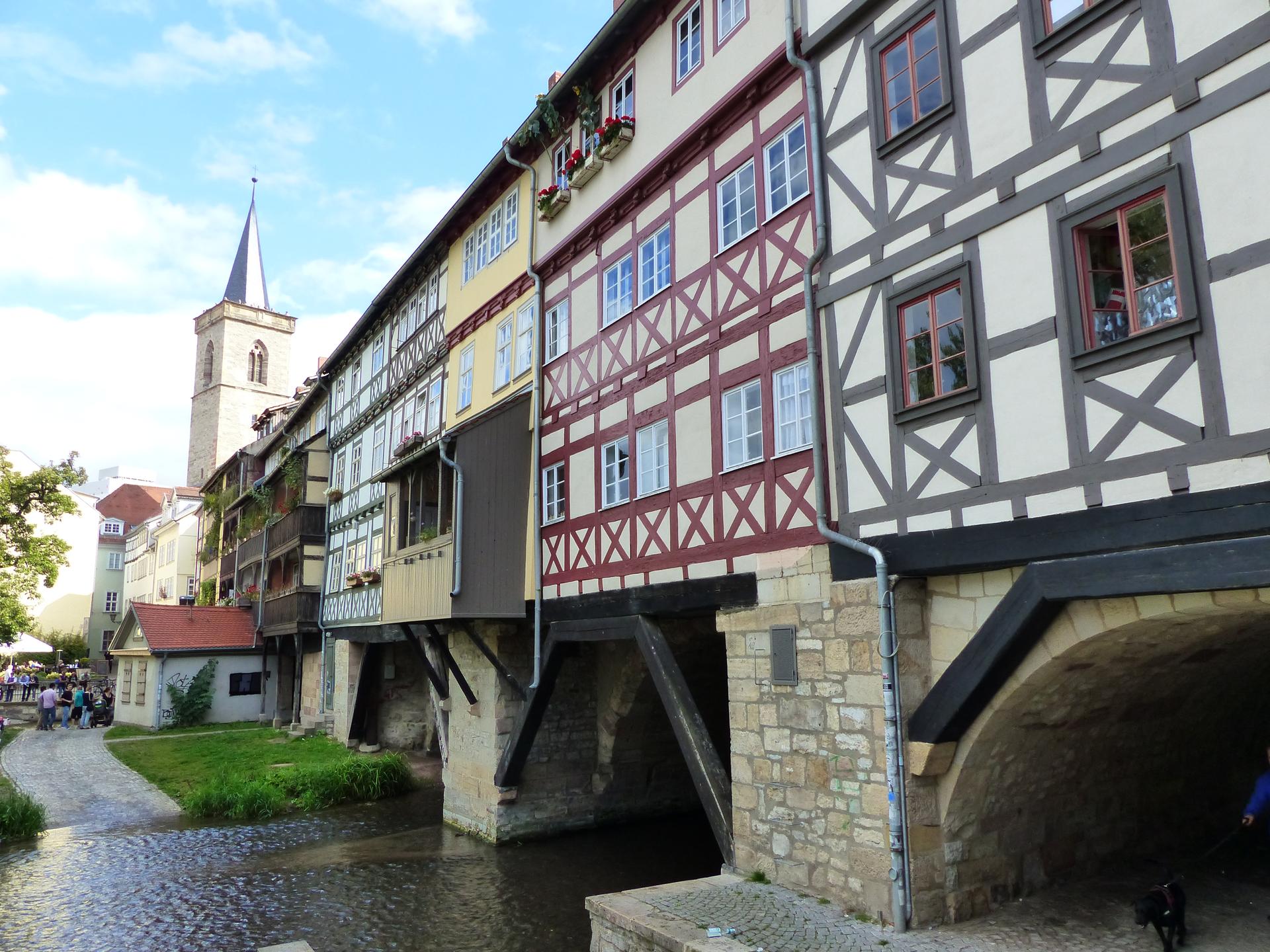
- Explore the nearby Krämerbrücke, a unique medieval bridge lined with shops and houses, for a glimpse into Erfurt's past.
Do you manage this location?
Take control to get all the benefits, like improved information, better appearance, and stronger visibility across AI-powered discovery. Learn more about listing your business on Evendo
Activate your presenceOther nearby places you may find interesting
The closest places of the same kind, if this one is not quite what you had in mind.

Explore Der Römer on the Map
A handpicked selection of must-see spots near Der Römer, mapped for you.
Unlock the Best of Der Römer
Buy tickets
-
No tickets available
Book tours with entry
-
No tours available
Book tours without entry

Getting There
-
Walking
From Domplatz, walk southeast towards Fischmarkt. The Römer statue is located directly in the center of Fischmarkt, in front of the Rathaus. The walk is approximately 5-10 minutes, navigating through the heart of Erfurt's Altstadt.
-
Public Transport
From Erfurt Hauptbahnhof (main train station), take tram line 3 or 6 towards the city center. Get off at the 'Fischmarkt/Rathaus' stop. The Römer statue is directly in front of you as you exit the tram, situated in the middle of the Fischmarkt. A single tram fare is approximately €2.30.
-
Taxi/Ride-Share
A taxi or ride-share from Erfurt Hauptbahnhof to Fischmarkt will take approximately 10 minutes, depending on traffic. The estimated cost is between €8-€12. The Römer statue is a well-known landmark, so simply provide the destination as 'Fischmarkt' or 'Römer am Fischmarkt'.
Discover more about Der Römer













Your all‑in‑one travel companion app
Explore expert travel guides, compare and book tours, experiences, hotels, and more—all from the palm of your hand. Download now for seamless trip planning wherever your wanderlust takes you.


Explore More of Erfurt
Looking beyond Der Römer? Discover Erfurt for broader travel guides, local hot-spots, and regional highlights.
Explore Erfurt
Explore one of Europe's best-preserved medieval synagogues, now a museum showcasing Erfurt's rich Jewish history and the remarkable Erfurt Treasure, a UNESCO World Heritage site.
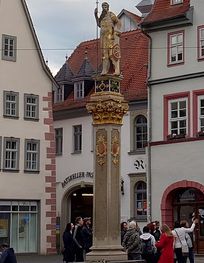
Discover the Erfurter Römer, a historic statue in Erfurt's Old Town, symbolizing freedom and the city's rich heritage, surrounded by charming architecture and vibrant culture.