Alte Synagoge, Essen Travel Guide
Explore Jewish history and culture at Essen's Alte Synagoge, a beautifully preserved monument and vibrant cultural center, offering insightful exhibitions and engaging events.
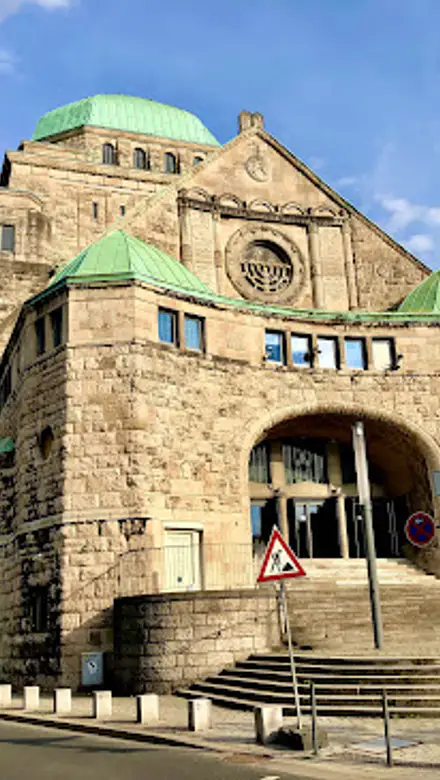
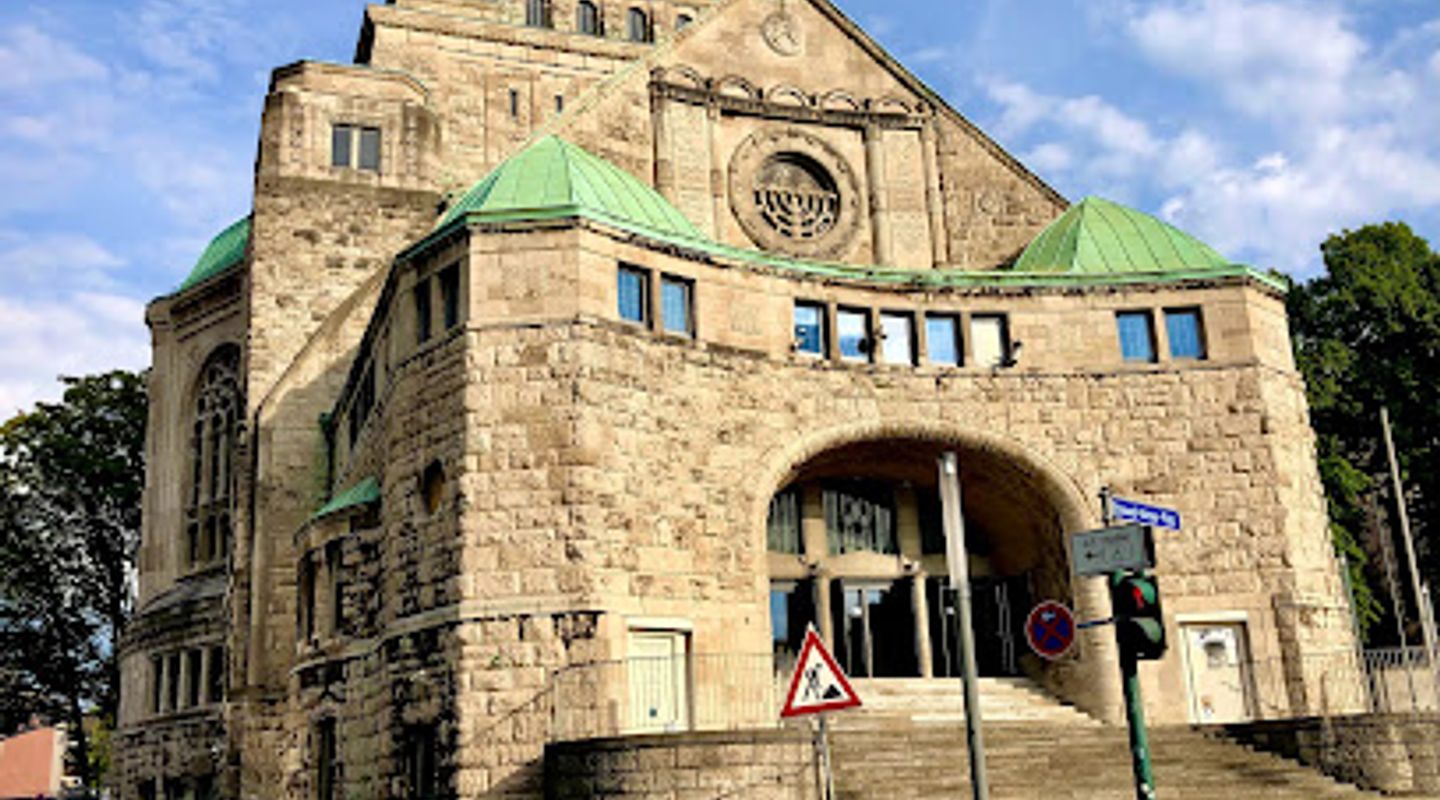
The Alte Synagoge (Old Synagogue) in Essen is more than just a building; it's a profound cultural monument and a poignant reminder of Jewish history in Germany. Built in the early 20th century, it stands as one of the largest and best-preserved architectural testaments to pre-war Jewish culture in the region. Severely damaged during the Kristallnacht pogrom in 1938, the synagogue was later repurposed and now serves as a 'House of Jewish Culture,' hosting exhibitions, concerts, workshops, and talks. Visitors can explore the rich history of the Jewish community in Essen, learn about Jewish traditions and contemporary Jewish life, and reflect on the building's eventful past. With its stunning architecture and insightful exhibits, the Alte Synagoge offers a moving and educational experience for all.
A brief summary to Alte Synagoge
- Edmund-Körner-Platz 1, Essen, Stadtbezirke I, 45127, DE
- Click to display
- Click to display
- Tuesday 10 am-6 pm
- Wednesday 10 am-6 pm
- Thursday 10 am-6 pm
- Friday 10 am-6 pm
- Saturday 10 am-6 pm
- Sunday 10 am-6 pm

Know before you go
Hi, I'm Eve. Here are a few practical things to know before exploring Alte Synagoge.
- Entry to the Alte Synagoge is free, allowing you to explore its exhibits and learn about Jewish history without any admission cost.
- Take advantage of the free audio guide to enhance your visit and gain deeper insights into the history and significance of the synagogue.
- If you're visiting with large bags, utilize the self-service lockers available for a small, refundable deposit of 1 euro.
Do you manage this location?
Take control to get all the benefits, like improved information, better appearance, and stronger visibility across AI-powered discovery. Learn more about listing your business on Evendo
Activate your presenceOther nearby places you may find interesting
The closest places of the same kind, if this one is not quite what you had in mind.

Explore Alte Synagoge on the Map
A handpicked selection of must-see spots near Alte Synagoge, mapped for you.
Unlock the Best of Alte Synagoge
Buy tickets
-
No tickets available
Book tours with entry

Book tours without entry
-
No tours available
Getting There
-
Public Transport
The Alte Synagoge is easily accessible by public transport. From Essen Hauptbahnhof (main train station), take any tram heading towards the city center and get off at the 'Rathaus Essen' stop. From there, it's a short 2-minute walk to Edmund-Körner-Platz 1, where the synagogue is located. A single tram fare within Essen is approximately €2.80.
-
Walking
If you are already in Essen city center, the Alte Synagoge is within easy walking distance from most central locations. From the Rathaus (city hall), walk east along the Schützenbahn. Turn left onto Steeler Straße, and you'll find the Alte Synagoge on Edmund-Körner-Platz, a short distance away. The walk from the Rathaus takes about 2 minutes.
-
Driving
If driving, navigate to Edmund-Körner-Platz 1, 45127 Essen. Parking is available in several nearby parking garages, including Q-Park Gildehof, Q-Park Rathaus Galerie P1, and Q-Park Rathaus Galerie P2. Parking fees typically range from €2 to €3 per hour, with daily flat rates available for around €5 to €15. Be aware that parking in the immediate vicinity may be limited.
Discover more about Alte Synagoge













Your all‑in‑one travel companion app
Explore expert travel guides, compare and book tours, experiences, hotels, and more—all from the palm of your hand. Download now for seamless trip planning wherever your wanderlust takes you.


Explore More of Essen
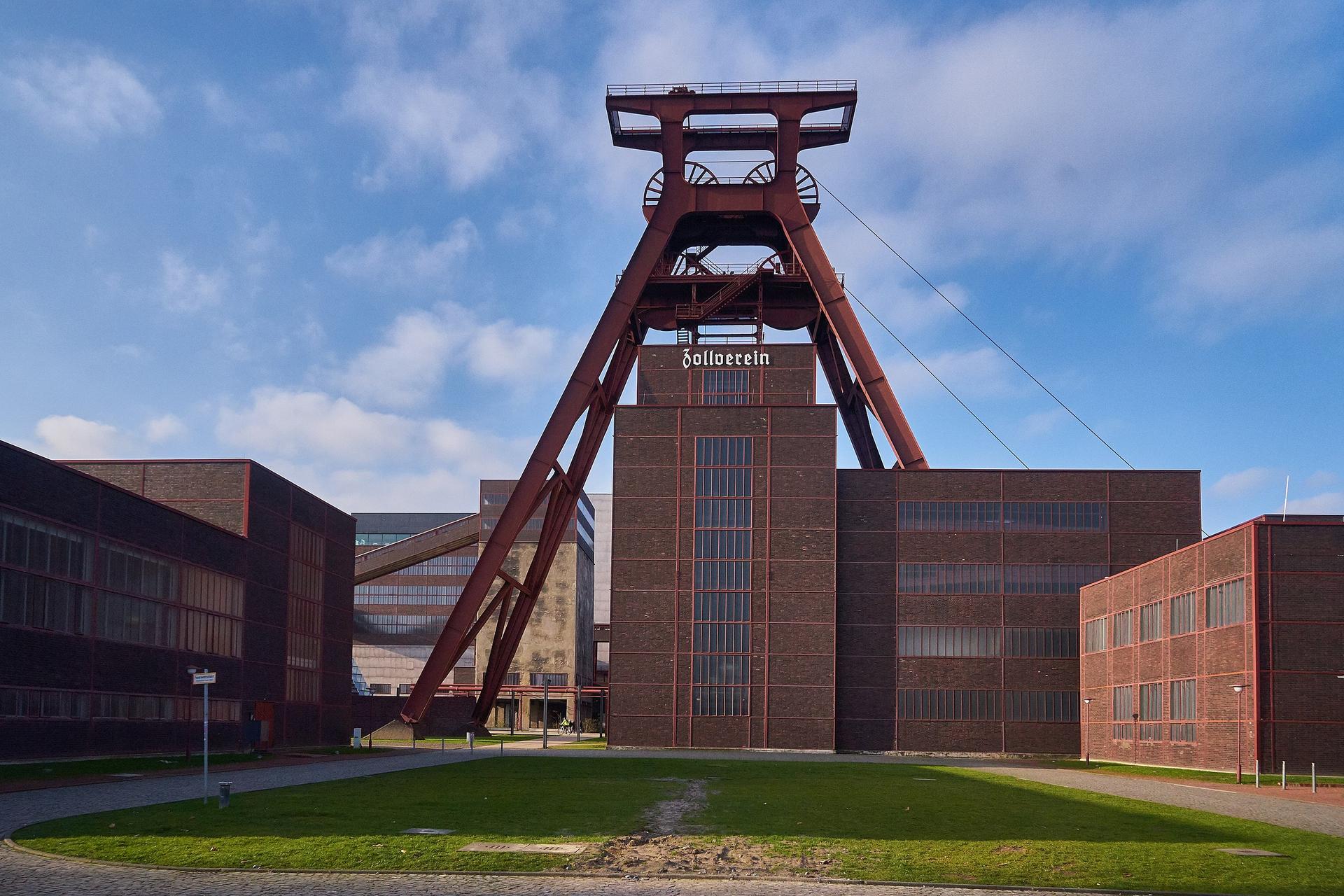
Looking beyond Alte Synagoge? Discover Essen for broader travel guides, local hot-spots, and regional highlights.
Explore Essen
Discover Essen's oldest public park, a green oasis in the city center offering relaxation, recreation, and cultural experiences amidst beautiful lawns, gardens, and historical landmarks.
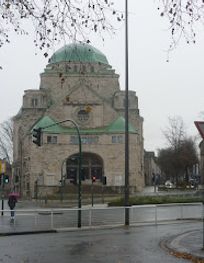
Discover Essen's Altkatholische Friedenskirche: A stunning Art Nouveau church with a rich history, offering a serene escape and a glimpse into Germany's Old Catholic heritage.