
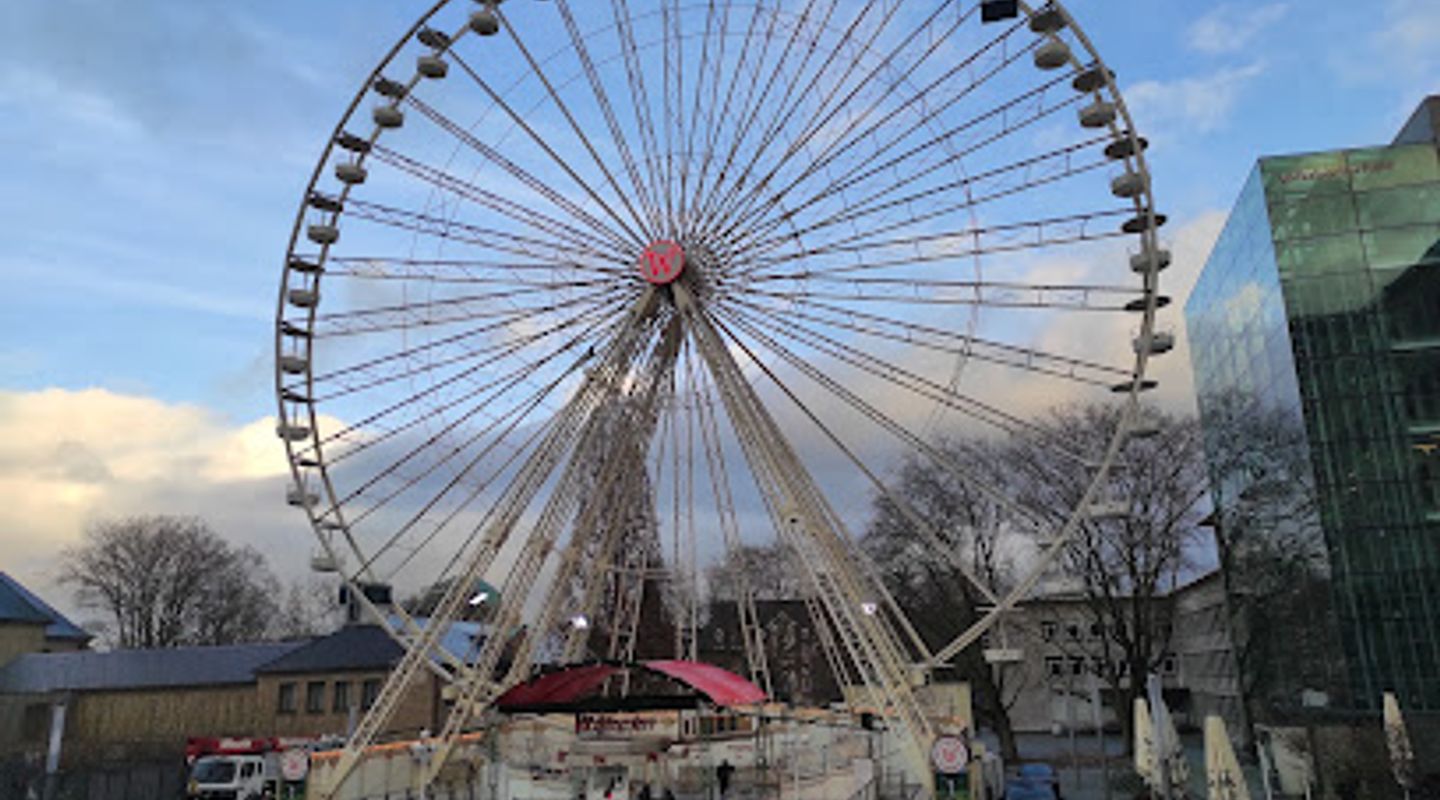
Essen Minster, Essen Travel Guide
Discover Essen Minster, a majestic cathedral blending Romanesque and Gothic architecture, home to the Golden Madonna and a treasury of priceless religious art in the heart of Essen.
Essen Minster, also known as Essen Cathedral, is a captivating blend of architectural styles and historical significance nestled in the heart of Essen, Germany. With roots tracing back to the 9th century, this magnificent Catholic cathedral showcases Romanesque and Gothic elements, drawing visitors in with its intricate facade and towering spires. Inside, sunlight streams through stained glass windows, illuminating the stone floors and highlighting the beautifully crafted altar and historic artifacts. Beyond its spiritual importance, the Minster serves as a museum of religious art and history, offering a glimpse into the region's rich heritage. Surrounded by charming streets with cafes and shops, Essen Minster provides an unforgettable experience that captures the essence of this vibrant city.
A brief summary to Essen Minster
- An St. Quintin 3, Essen, Stadtbezirke I, 45127, DE
- Click to display
- Click to display
- Monday 6:30 am-6:30 pm
- Tuesday 6:30 am-6:30 pm
- Wednesday 6:30 am-6:30 pm
- Thursday 6:30 am-6:30 pm
- Friday 6:30 am-6:30 pm
- Saturday 9 am-7:30 pm
- Sunday 9 am-7:30 pm

Know before you go
Hi, I'm Eve. Here are a few practical things to know before exploring Essen Minster.
- Visit during the early morning or late afternoon to avoid crowds and enjoy a more peaceful atmosphere.
- Explore the Cathedral Treasury to see the Golden Madonna and other significant religious artifacts (check opening hours beforehand).
- Check the schedule for organ concerts or choir performances for a unique auditory experience within the Minster.
- Dress respectfully when visiting, as it is an active place of worship.
- Take a guided tour to gain deeper insights into the Minster's historical significance and architectural details.
Do you manage this location?
Take control to get all the benefits, like improved information, better appearance, and stronger visibility across AI-powered discovery. Learn more about listing your business on Evendo
Activate your presenceOther nearby places you may find interesting
The closest places of the same kind, if this one is not quite what you had in mind.
Explore Essen Minster on the Map
A handpicked selection of must-see spots near Essen Minster, mapped for you.
Unlock the Best of Essen Minster
Buy tickets
-
No tickets available
Book tours with entry


Getting There
-
Public Transport
From Essen Central Station (Hauptbahnhof), take the U11 U-Bahn line towards 'Dahlhausen' or U17 towards 'Kettwig-Voerde' and get off at the Berliner Platz station, which is approximately 500 meters away from Essen Minster. A single ticket within Essen (Preisstufe A) costs €3.30. From Berliner Platz, walk northeast on Bismarckstraße toward Altendorfer Straße, continue straight for about 500 meters, then turn right onto An St. Quintin. The Minster will be on your right.
-
Walking
If you are in Essen's city center, make your way to the pedestrian area around Altmarkt. From there, head west on Altmarkt toward Gladbecker Str. Then turn left onto Gladbecker Str. and continue until you reach the intersection with Theodor-Althoff-Str. Turn right onto Theodor-Althoff-Str., and after about 350 meters, you will see the Essen Minster at An St. Quintin 3.
-
Taxi/Ride-Share
A taxi or ride-share from Essen Central Station (Hauptbahnhof) to Essen Minster will take approximately 5-10 minutes, depending on traffic. The estimated cost is between €10 and €15. Ask the driver to take you to An St. Quintin 3.
-
Driving
If driving, be aware that parking directly at Essen Minster is limited. Several parking garages are located within a short walking distance, including Q-Park Gildehof and Q-Park Rathaus Galerie P1/P2. Parking fees at these garages typically range from €3 to €5 per hour, with daily flat rates available for around €5 to €10 between 8 am and 8 pm. Be aware of the limited parking, especially during peak hours.
Discover more about Essen Minster













Your all‑in‑one travel companion app
Explore expert travel guides, compare and book tours, experiences, hotels, and more—all from the palm of your hand. Download now for seamless trip planning wherever your wanderlust takes you.


Explore More of Essen
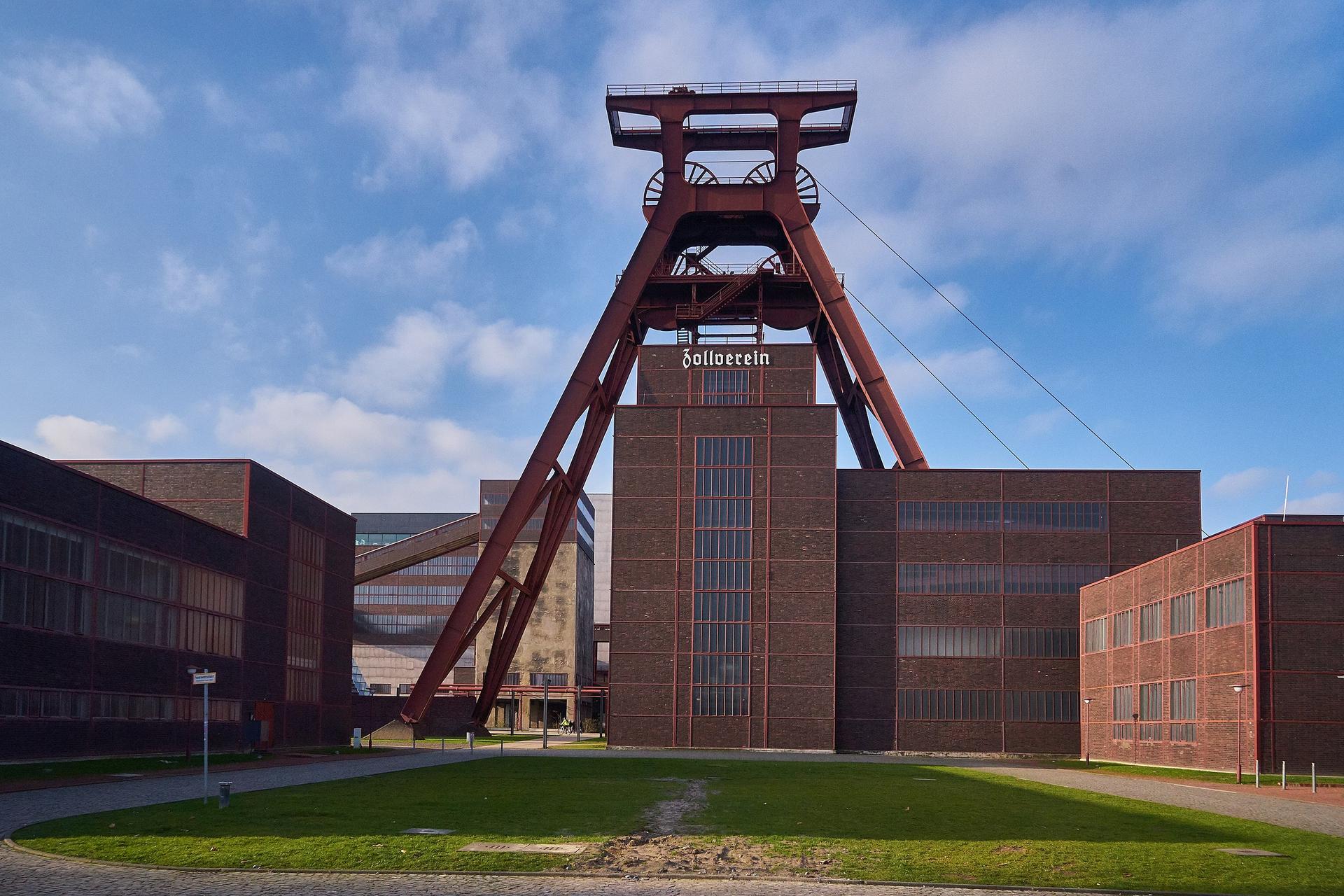
Looking beyond Essen Minster? Discover Essen for broader travel guides, local hot-spots, and regional highlights.
Explore Essen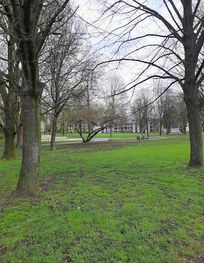
Escape the city bustle in Essen's tranquil Elisen Park, a green oasis offering relaxation and recreation for locals and tourists alike.
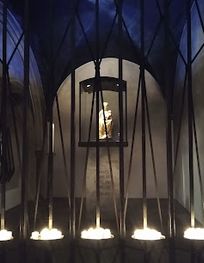
Discover the Golden Madonna of Essen, the oldest free-standing sculpture north of the Alps, nestled in a serene chapel within the historic Essen Cathedral, a testament to Ottonian artistry.
