Museum Church in Franconia Spitalskirche
Explore centuries of Franconian history and faith at the Museum Church in Bad Windsheim, a captivating blend of architecture, art, and spiritual heritage within the Franconian Open-Air Museum.
The Museum Church in Franconia, or Spitalskirche, is a captivating historical landmark nestled in the heart of Bad Windsheim. Originally built as a hospital church between 1416 and 1421, it showcases a blend of architectural styles reflecting its evolution through the centuries. After the Reformation, the church was adapted for Protestant worship, incorporating galleries to suit the new liturgical practices. Today, as part of the Franconian Open-Air Museum, the Spitalskirche offers visitors a unique glimpse into the history of church construction and the function of sacred spaces. Explore the virtually reconstructed infirmary, examine artifacts unearthed from medieval hospital life, and marvel at the intricate 15th-century roof truss. The church's vibrant choir, complete with remnants of its original decor, provides a tangible connection to the piety of the Late Middle Ages, while the pulpit by Georg Brenck and the Steinmeyer organ highlight the significance of preaching and church music in Protestant worship. A visit here is a journey through time, faith, and Franconian heritage.
A brief summary to Museum Church in Franconia Spitalskirche
- Rothenburger Str. 16, Bad Windsheim, 91438, DE
- +499841401858
- Visit website
Local tips
- Visit during the Franconian Open-Air Museum's operating hours to fully explore the Spitalskirche and its surrounding historical buildings.
- Check the museum's event calendar for special tours, demonstrations, and cultural events that enhance the Spitalskirche experience.
- Allow ample time to explore the Spitalskirche's intricate roof truss and the artifacts unearthed from medieval hospital life.
- Combine your visit with a relaxing experience at Bad Windsheim's thermal baths for a well-rounded day of culture and wellness.
- Wear comfortable shoes, as you'll be doing a lot of walking both inside the church and throughout the Franconian Open-Air Museum.

Getting There
-
Walking
From the Marktplatz in Bad Windsheim, the Museum Church is a pleasant 5-10 minute walk. Head east on Marktplatz, then turn right onto Rothenburger Straße. Continue along Rothenburger Straße; the Spitalskirche will be on your left, easily identified by its historical architecture. The entrance is clearly marked. This route is straightforward and passes by local shops and cafes.
-
Public Transport
If arriving by bus, the closest bus stop is 'Bad Windsheim Schulzentrum', approximately a 15-20 minute walk to the Spitalskirche. From the bus stop, walk south towards Erkenbrechtallee, then turn left onto Rothenburger Straße. Continue straight, and the Spitalskirche will be on your right. A single bus fare within Bad Windsheim typically costs €2-€4. Check local VGN (Verkehrsverbund Großraum Nürnberg) schedules for the most up-to-date information.
-
Driving
If driving, navigate to Rothenburger Straße 16, 91438 Bad Windsheim. Limited parking is available directly near the church. Alternative parking can be found at Altstadtparkplatz (Schimmelgasse 9), a short walk away. Parking fees at Altstadtparkplatz are approximately €1-€2 per hour. Be aware that parking can be limited during peak tourist season or local events.
Discover more about Museum Church in Franconia Spitalskirche
Iconic landmarks you can’t miss

Rothenburg ob der Tauber
21.2 km
Discover the medieval charm of Rothenburg ob der Tauber, where history, culture, and breathtaking architecture await every traveler in this Bavarian gem.
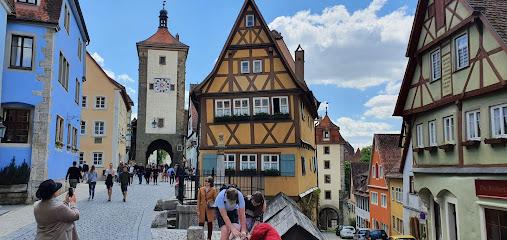
Stadtmauer Rothenburg
21.5 km
Discover the enchanting Stadtmauer of Rothenburg ob der Tauber, a historical landmark that reveals the town's rich medieval heritage and stunning views.
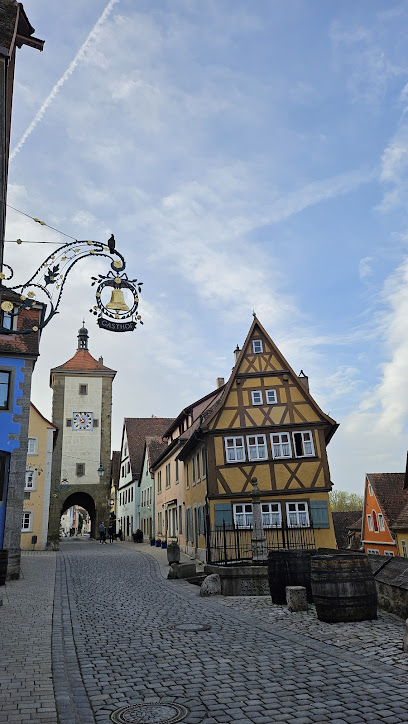
Executioner Tower
21.6 km
Discover the haunting beauty of the Executioner Tower, a historical landmark in Rothenburg ob der Tauber that unveils tales of medieval justice and architecture.
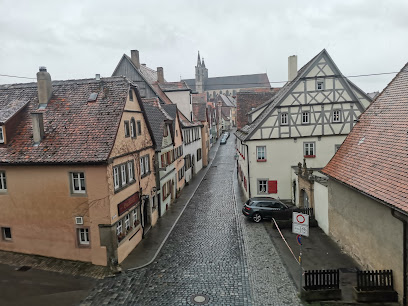
Womens Tower
21.6 km
Explore the Women's Tower in Rothenburg ob der Tauber, a stunning historical landmark with breathtaking views and rich medieval history.
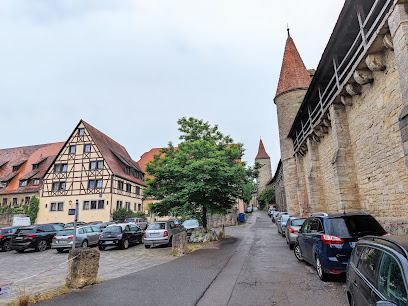
Aufgang zur Stadtmauer
21.6 km
Discover the historical charm of Rothenburg's city walls and enjoy breathtaking views from the ascent at Aufgang zur Stadtmauer.
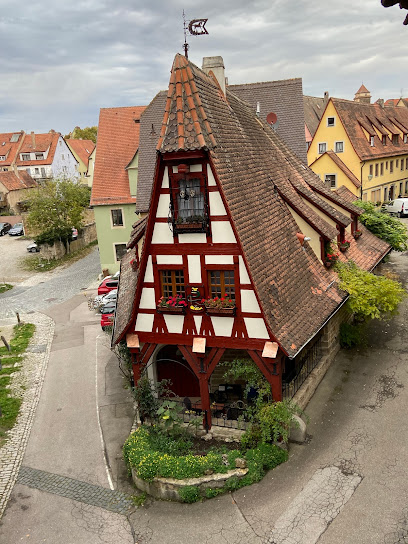
Röderbastei
21.6 km
Explore the Röderbastei, a stunning historical landmark in Rothenburg ob der Tauber, offering breathtaking views and a glimpse into medieval history.
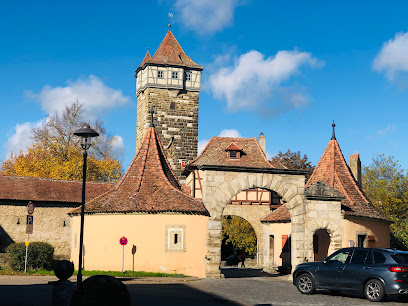
Röderbrunnen
21.7 km
Explore Röderbrunnen, a historical treasure in Rothenburg ob der Tauber, where medieval charm and captivating stories await every visitor.
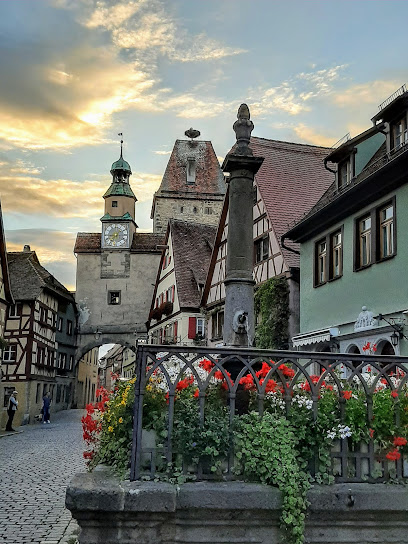
North City Wall
21.8 km
Discover the North City Wall of Rothenburg ob der Tauber, a stunning historical landmark offering panoramic views and a glimpse into medieval Germany.
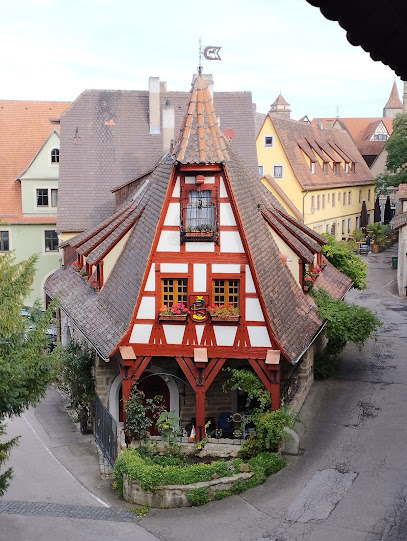
Markus Tower
21.8 km
Explore Markus Tower in Rothenburg ob der Tauber, a historic landmark offering stunning views and rich medieval heritage.
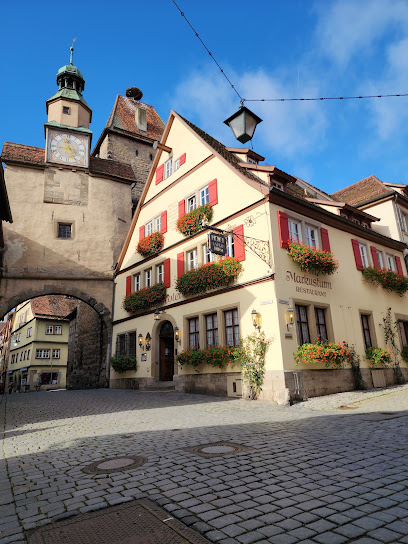
Ratstrinkstube Clock Tower
21.9 km
Explore the Ratstrinkstube Clock Tower, a stunning medieval landmark in Rothenburg ob der Tauber, rich in history and architectural beauty.
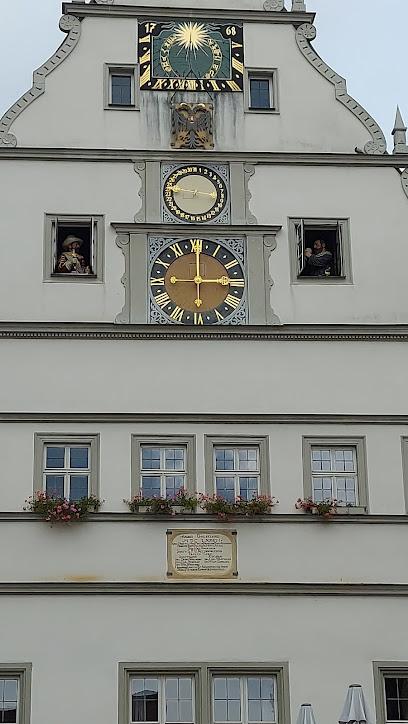
Schloss Detwang
21.9 km
Discover the enchanting Schloss Detwang, a historical landmark in Rothenburg ob der Tauber, showcasing medieval architecture and captivating gardens.

Town Hall Tower
21.9 km
Discover the charm of Rothenburg ob der Tauber at the Town Hall Tower, a historical landmark with breathtaking views and rich heritage.
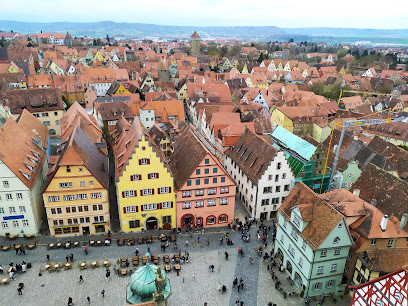
Rothenburg Town History Museum in the Thirty Years’ War
21.9 km
Explore the captivating history of Rothenburg ob der Tauber at the Town History Museum, where the legacy of the Thirty Years' War comes alive.
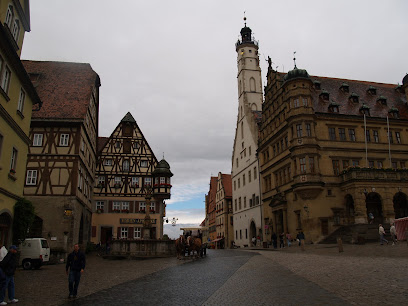
German Christmas Museum
21.9 km
Discover the enchanting German Christmas Museum, where the magic of Christmas traditions and festive history come alive in Rothenburg ob der Tauber.
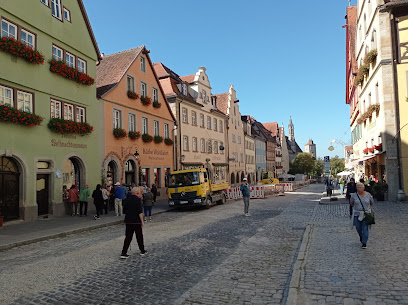
Johannisbrunnen
22.0 km
Explore Johannisbrunnen in Rothenburg ob der Tauber, a historical landmark that showcases the town's breathtaking medieval architecture.
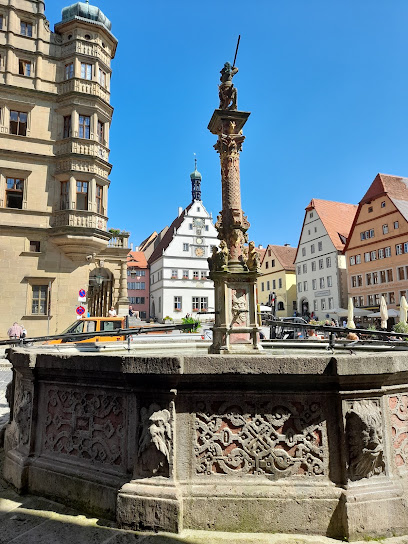
Unmissable attractions to see

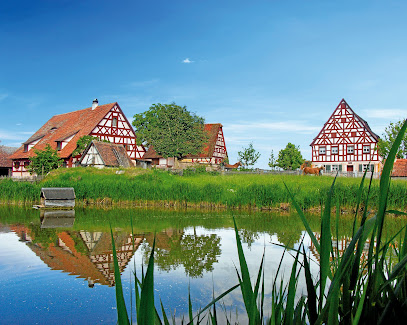
Franconian Open Air Museum Bad Windsheim
0.4 km
Explore the Franconian Open Air Museum in Bad Windsheim: a captivating journey into the rich cultural heritage and history of Franconia.
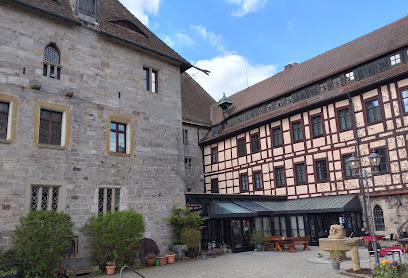
Colmberg Castle
15.6 km
Experience the charm of Colmberg Castle, a historic fortress with exquisite dining and stunning views in the heart of Franconia.
David Goggins Heilmann Statue
21.1 km
Explore the David Goggins Heilmann Statue in Rothenburg ob der Tauber, an inspiring tribute to resilience and the human spirit amidst medieval charm.
Brunnen
21.3 km
Experience the charm of Rothenburg ob der Tauber at Brunnen, a picturesque fountain embodying the essence of medieval Germany.
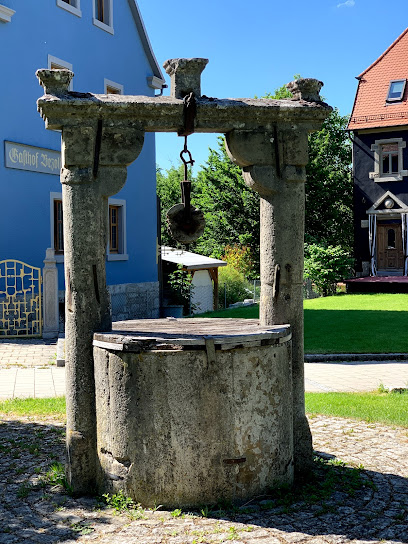
Lotos-Garten
21.4 km
Discover Lotos-Garten in Rothenburg ob der Tauber: A serene garden, exquisite ceramics, and a delightful café await your visit.
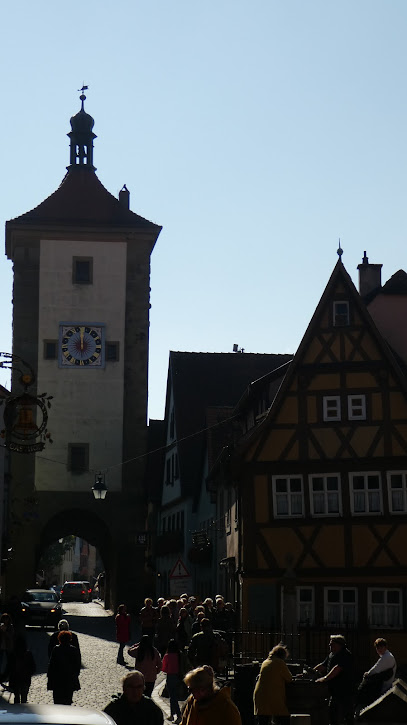
Gallows Gate
21.5 km
Discover the enchanting history of Gallows Gate, a magnificent Gothic landmark in Rothenburg ob der Tauber, steeped in medieval charm and fascinating tales.
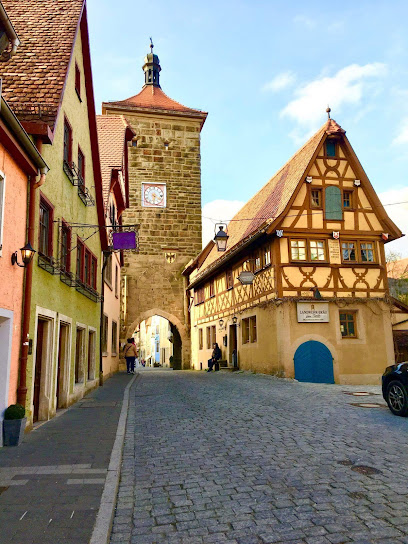
Turm und Stadtmauerweg
21.6 km
Discover the breathtaking Turm und Stadtmauerweg in Rothenburg ob der Tauber, where history and nature intertwine on this scenic hiking trail.
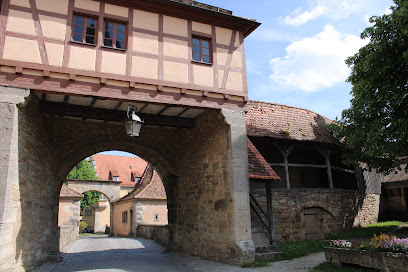
Röderturm
21.6 km
Experience the historical beauty and breathtaking views from Röderturm, a key attraction in Rothenburg ob der Tauber's medieval landscape.
Gerlachschmiede
21.7 km
Discover the enchanting Gerlachschmiede, a historical landmark in Rothenburg ob der Tauber, steeped in medieval charm and craftsmanship.
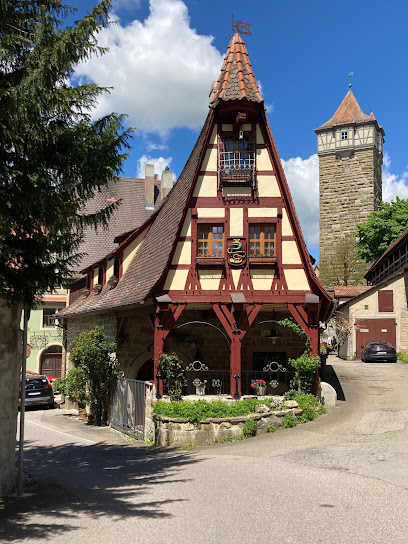
Powder Tower
21.7 km
Explore the historic Powder Tower in Rothenburg ob der Tauber, a stunning landmark offering breathtaking views and rich history.
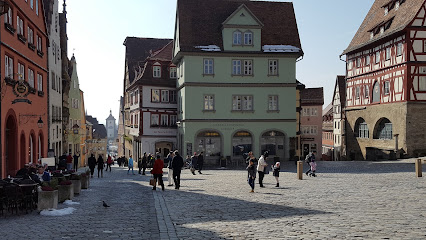
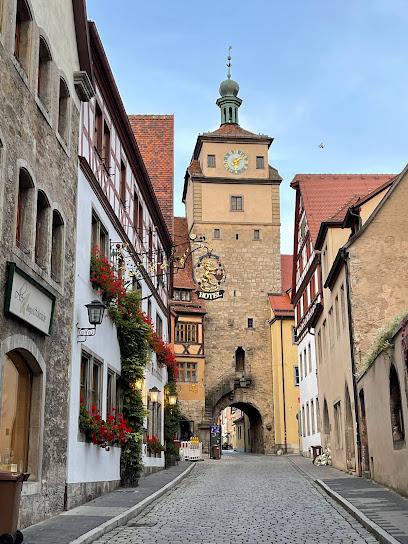
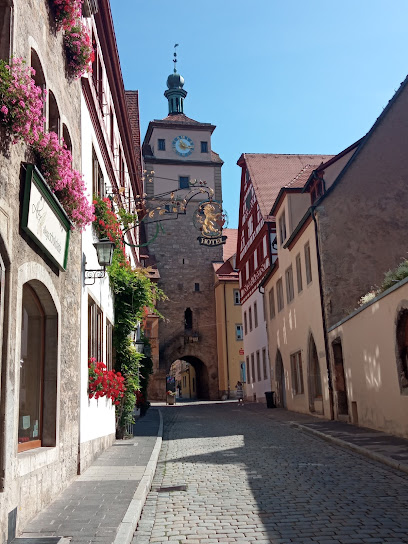
White Tower
21.7 km
Explore Rothenburg ob der Tauber's White Tower, a stunning historical landmark offering panoramic views and a deep dive into the town's medieval history.
Grafikmuseum im Dürerhaus
21.8 km
Explore the rich collection of graphic arts at Grafikmuseum im Dürerhaus in Rothenburg ob der Tauber, a must-visit for art enthusiasts and history lovers.
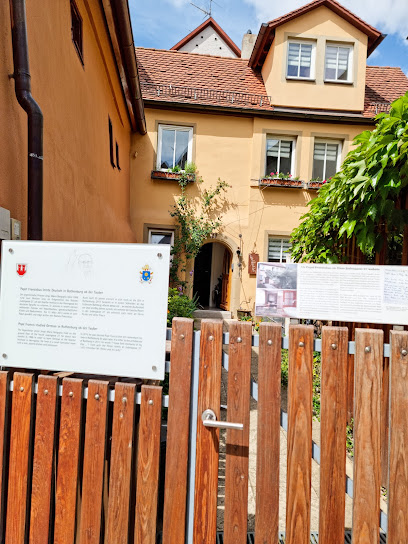
Papst Franziskus (Jorge Mario Bergoglio) kurzzeitige Wohnung 1986
21.8 km
Discover the historical charm of Rothenburg ob der Tauber and the humble beginnings of Pope Francis in this enchanting medieval town.
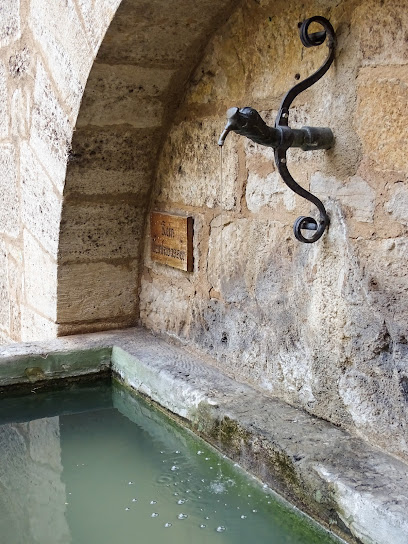
Wandbrunnen am Markusturm
21.8 km
Discover the Wandbrunnen am Markusturm, a historic fountain that embodies the charm and rich heritage of Rothenburg ob der Tauber.
Old Rothenburg Craftsmen House
21.8 km
Immerse yourself in the artisanal history of Rothenburg ob der Tauber at the Old Rothenburg Craftsmen House, a captivating museum experience.
Essential places to dine

Flair Hotel zum Storchen
0.2 km
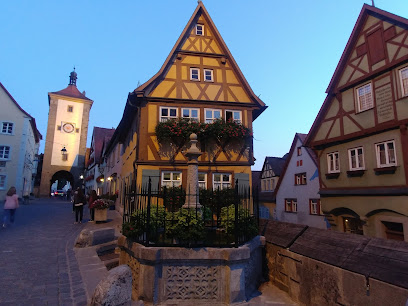
Experience authentic Franconian cuisine at Flair Hotel zum Storchen, where tradition meets comfort in the heart of Bad Windsheim.
Gasthof Linden & Wildkräuterhotel
15.6 km
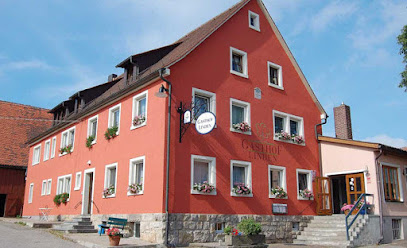
Discover authentic German cuisine with wild herbs at Gasthof Linden & Wildkräuterhotel in Windelsbach.
Le Frankenberg auf Schloss Frankenberg
16.1 km
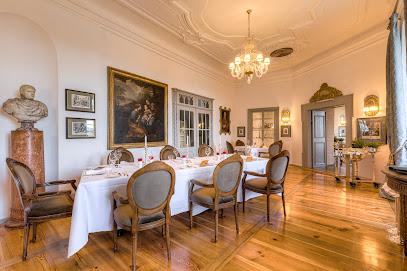
Experience exquisite haute French cuisine at Le Frankenberg amidst the enchanting surroundings of Schloss Frankenberg in Weigenheim.
Trattoria Volare
18.7 km
Experience authentic Italian cuisine at Trattoria Volare in Rothenburg ob der Tauber - wood-fired pizzas and traditional dishes await you.
Die Molkerei
21.1 km
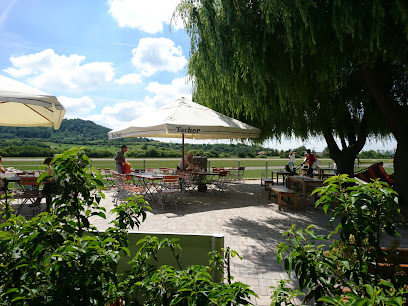
Experience authentic German cuisine in Rothenburg ob der Tauber at Die Molkerei – where local flavors meet warm hospitality.
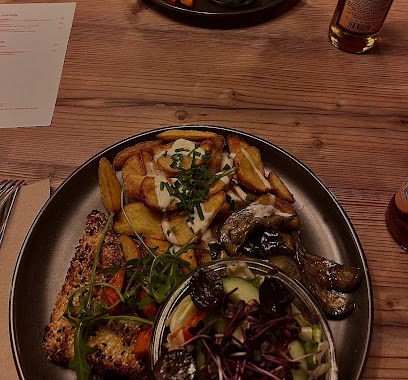
Restaurant Mittermeier
21.3 km
Experience exceptional fine dining at Restaurant Mittermeier in Rothenburg ob der Tauber - where tradition meets modern culinary art.
Zunftkeller
21.4 km
Discover Zunftkeller: A Culinary Gem Offering Traditional German Dishes in Historic Rothenburg ob der Tauber.
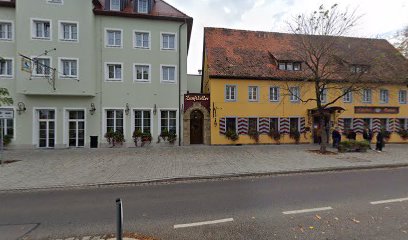
Hotel Rappen - Pfannkuchen-Kuchel
21.4 km
Discover authentic Franconian flavors at Hotel Rappen - Pfannkuchen-Kuchel in Rothenburg ob der Tauber, where tradition meets culinary delight.
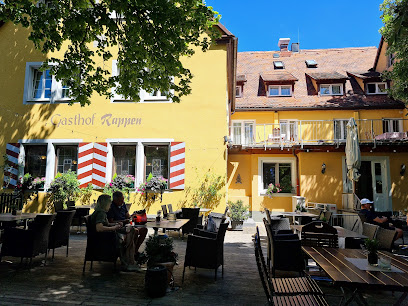
Restaurant & Cocktailbar TOPINAMBUR in the Prinzhotel Rothenburg
21.6 km
Experience exquisite Mediterranean cuisine and creative cocktails at TOPINAMBUR in Rothenburg ob der Tauber's enchanting atmosphere.
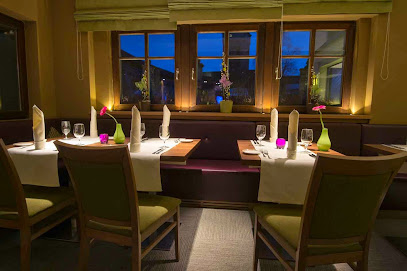
Gasthof Rödertor
21.6 km
Experience authentic Bavarian hospitality at Gasthof Rödertor - your perfect retreat in Rothenburg ob der Tauber with delicious cuisine and cozy accommodations.
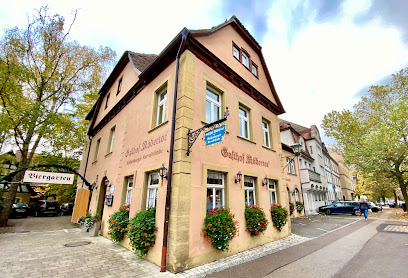
Kartoffelstube
21.6 km
Experience authentic German cuisine at Kartoffelstube in Rothenburg ob der Tauber - where tradition meets taste.
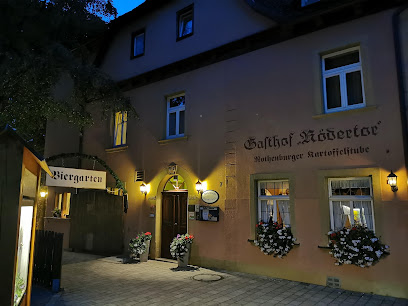
Gasthof zum Ochsen
21.6 km
Experience the authentic taste of Franconia at Gasthof zum Ochsen – a culinary gem in Rothenburg ob der Tauber offering traditional dishes and warm hospitality.
Eiscafé-Pizzeria Roma
21.6 km
Experience authentic Italian cuisine at Eiscafé-Pizzeria Roma in Rothenburg ob der Tauber – pizza perfection meets delicious gelato.
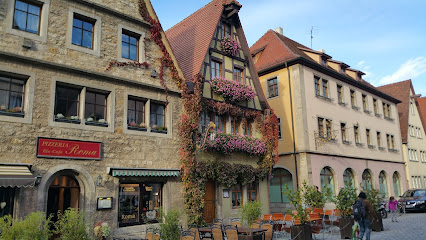
Landsknechtstübchen
21.6 km
Experience authentic Franconian cuisine in a cozy atmosphere at Landsknechtstübchen in Rothenburg ob der Tauber.
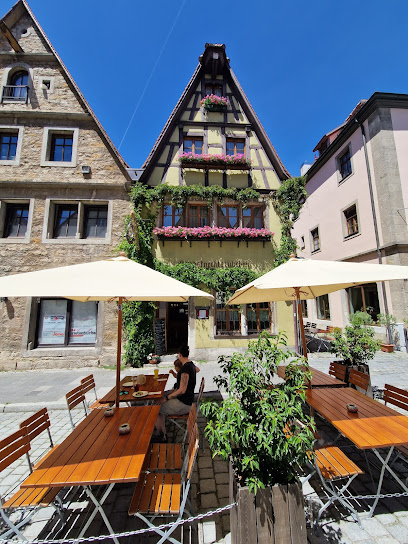
Restaurant Gasthaus zur Schranne in Rothenburg o/T
21.7 km
Experience authentic German cuisine at Gasthaus zur Schranne in Rothenburg ob der Tauber—where tradition meets taste.
Markets, malls and hidden boutiques

Kurhotel Pyramide
1.3 km
Discover tranquility and luxury at Kurhotel Pyramide, a premier wellness hotel in Bad Windsheim, Germany, offering exceptional spa services and gourmet dining.
Franconia Decor GmbH
19.1 km
Explore the artistry of Franconia Decor GmbH in Neusitz, where exquisite craftsmanship meets local tradition in decorative design.

ZentRo Rothenburg
21.2 km
Explore ZentRo Rothenburg, an inviting shopping mall offering a diverse range of stores and dining options in the heart of medieval Rothenburg ob der Tauber.
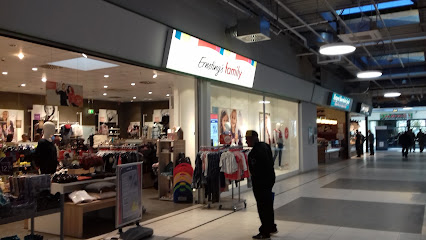
Ernsting's family
21.2 km
Shop stylish and affordable family clothing at Ernsting's Family in Rothenburg ob der Tauber, a must-visit destination for fashion-savvy tourists.
Tchibo im Supermarkt
21.2 km
Discover Tchibo im Supermarkt in Rothenburg ob der Tauber for a unique blend of exquisite coffee and fashionable clothing in a cozy atmosphere.
DEICHMANN
21.2 km
Explore DEICHMANN in Rothenburg ob der Tauber for stylish footwear that combines comfort and affordability, perfect for your travels.
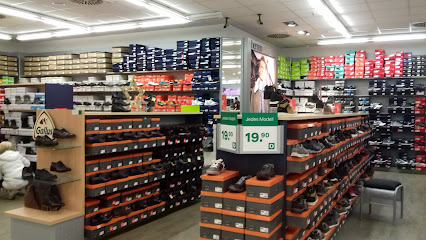
mister*lady
21.2 km
Discover stylish clothing and accessories for men and women at mister*lady, Rothenburg ob der Tauber's go-to fashion destination.
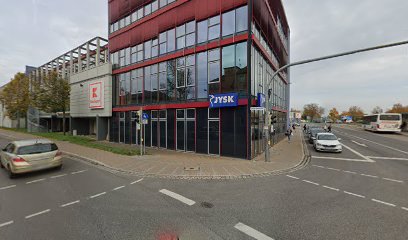
Cigo Tabakwaren, Lotto und Postpartnerfiliale und Western Union im Einkaufszentrum Zentro, Marianne Käßer
21.3 km
Discover the excitement of lottery gaming at Cigo Tabakwaren in Rothenburg ob der Tauber, the perfect blend of chance and local charm.
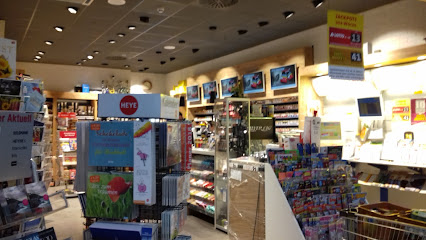
KiK Rothenburg ob der Tauber
21.3 km
Explore affordable fashion and unique finds at KiK in Rothenburg ob der Tauber – a shopping destination for all your clothing needs.
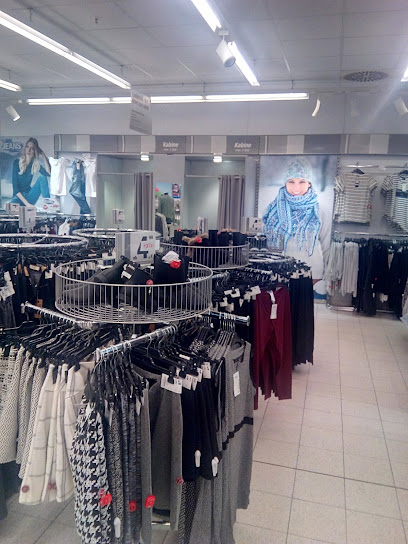
BEAUTIQUE ROTHENBURG
21.3 km
Explore Beautique Rothenburg, where beauty meets charm in the heart of Rothenburg ob der Tauber with exquisite cosmetics and expert advice.
Scarlett Vintage Fashion and More
21.5 km
Explore Scarlett Vintage Fashion in Rothenburg ob der Tauber for a unique selection of vintage clothing and accessories, perfect for every fashion enthusiast.
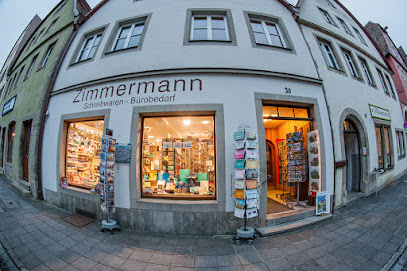
Zimmermann Schreibkultur
21.6 km
Explore the enchanting world of writing at Zimmermann Schreibkultur in Rothenburg ob der Tauber, where quality stationery meets artistry.
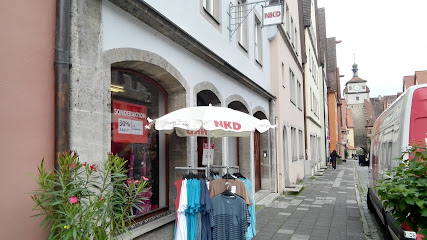
NKD
21.6 km
Explore NKD in Rothenburg ob der Tauber for trendy and affordable fashion for the whole family, blending style with comfort in a charming setting.
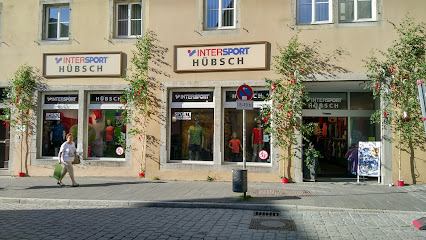
INTERSPORT HÜBSCH
21.6 km
Discover quality sportswear and equipment at INTERSPORT HÜBSCH in Rothenburg ob der Tauber, a must-visit for active travelers.
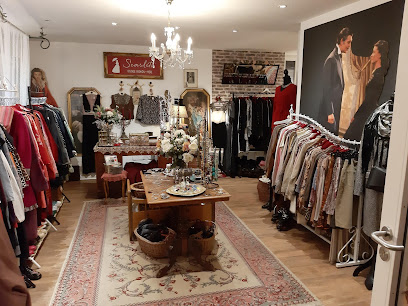
Rustika Romantika Handmade in Rothenburg
21.6 km
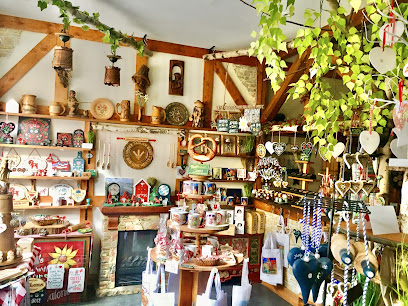
Discover handcrafted treasures at Rustika Romantika in Rothenburg, where every souvenir is a piece of art reflecting the region's rich culture.
Essential bars & hidden hideouts

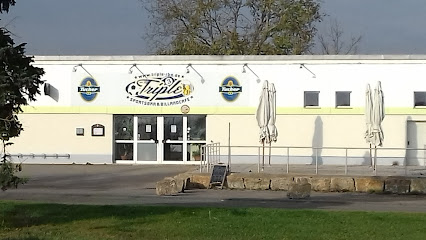
Triple
20.6 km
Experience the local charm and vibrant atmosphere of Triple Bar in Rothenburg ob der Tauber, where every drink tells a story.
Liquid Corner
21.3 km
Experience the vibrant nightlife at Liquid Corner in Rothenburg ob der Tauber, where exceptional drinks meet a lively atmosphere.
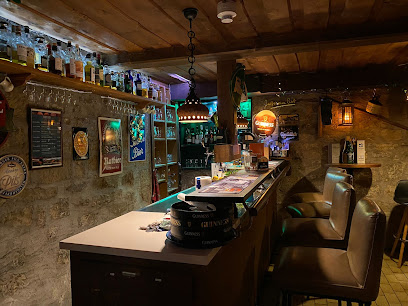
Württemberger Hof
21.5 km
Discover the charming Württemberger Hof in Rothenburg ob der Tauber, where traditional German drinks meet a cozy ambiance perfect for relaxation.
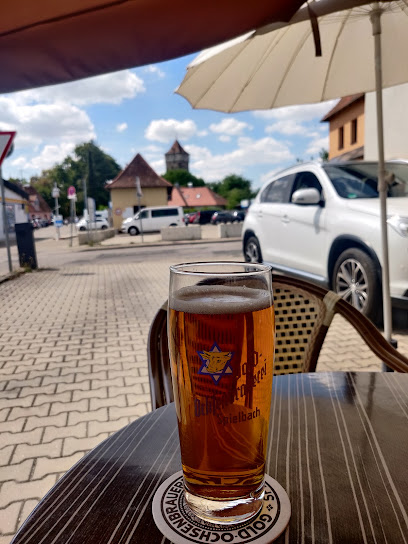
Dideldum e.V.
21.5 km
Discover the charm of Dideldum e.V., a cozy bar in Rothenburg ob der Tauber, where traditional German drinks meet a warm and inviting atmosphere.
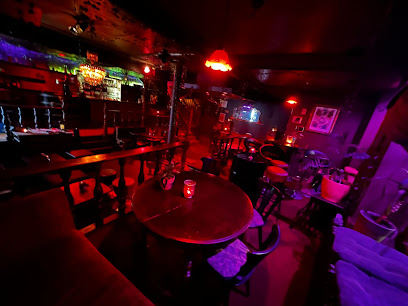
Better Together
21.5 km
Experience the vibrant atmosphere and friendly camaraderie at Better Together, a charming bar in Rothenburg ob der Tauber, perfect for unwinding with great drinks.
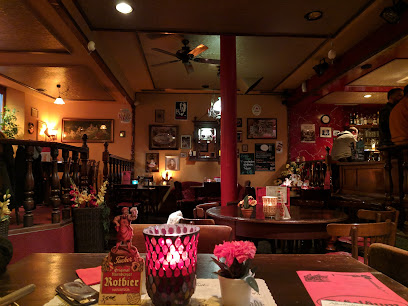
Alex´Pub
21.5 km
Discover the vibrant nightlife at Alex´Pub, Rothenburg ob der Tauber's top bar for crafted drinks and live entertainment amidst historic charm.
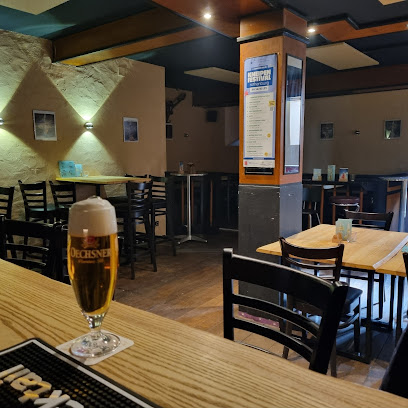
Chico Diaz Salsaborrr
21.8 km
Chico Diaz Salsaborrr: A vibrant bar in Rothenburg ob der Tauber offering an unforgettable blend of culture, music, and delicious drinks.
MUCHO AMOR Café & Bar
21.8 km
Discover Mucho Amor Café & Bar in Rothenburg ob der Tauber, where delightful cocktails and a cozy atmosphere await every tourist.
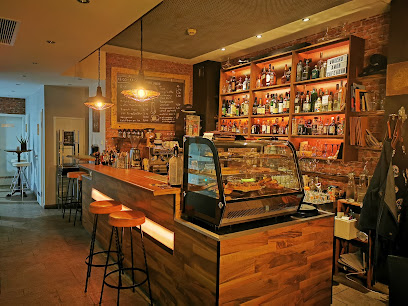
Gela's Lounge und Bar
21.8 km
Discover Gela's Lounge und Bar, a charming bar and cafe in Rothenburg ob der Tauber, perfect for unwinding with drinks and light bites.
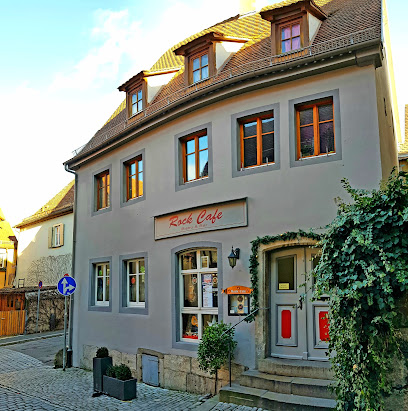
Guckloch 38
21.8 km
Experience the heart of German cuisine at Guckloch 38, a cozy pub and restaurant in Rothenburg ob der Tauber, perfect for travelers seeking local flavor.
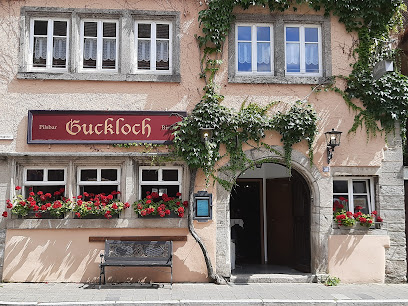
Reichsstadt Vinothek
21.9 km
Experience the rich flavors of Rothenburg ob der Tauber at Reichsstadt Vinothek, where local wines and charming ambiance await.
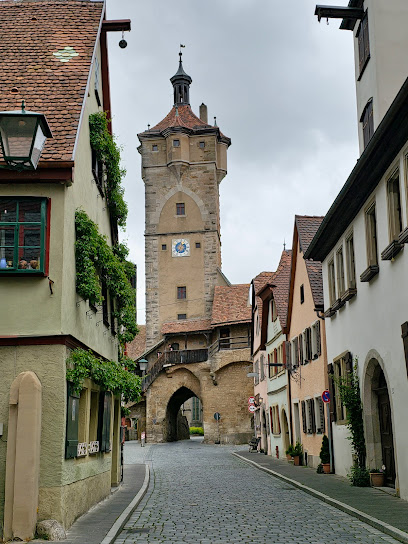
Café Lebenslust
22.0 km
Discover the delightful Café Lebenslust in Rothenburg ob der Tauber, where delicious pastries and cozy ambiance await every visitor.
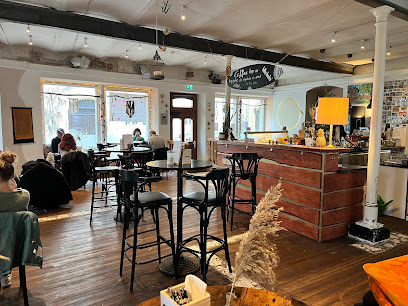
Paula’s Biergarten
22.0 km
Discover the vibrant atmosphere and local brews at Paula’s Biergarten in Rothenburg ob der Tauber, the perfect spot for relaxation and fun.
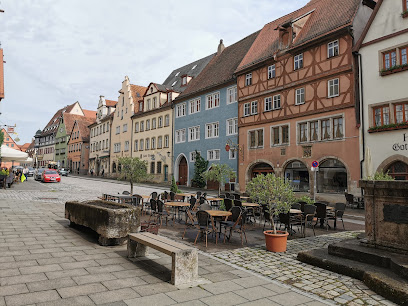
Refugium 21
22.1 km
Experience the charm and warmth of Refugium 21, a cozy bar in the heart of Rothenburg ob der Tauber, offering delightful drinks and a welcoming atmosphere.
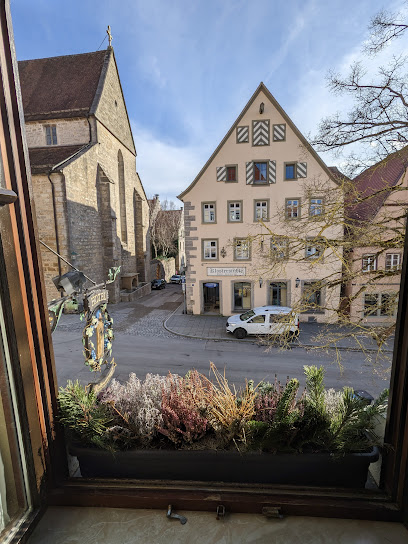
Irish Pub Ansbach
25.0 km
Immerse yourself in Irish culture at the lively Irish Pub Ansbach, where friendly vibes, delicious food, and great drinks await.
Nightclubs & after hour spots

Club23
21.5 km
Discover the vibrant nightlife of Rothenburg ob der Tauber at Club23, where music, dance, and fun come together for an unforgettable evening.
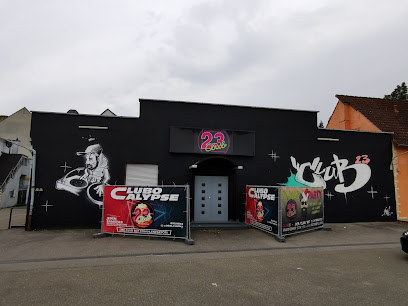
Disco Paradise
34.0 km
Discover Disco Paradise, Lonnerstadt's vibrant night club, where music and dance create unforgettable memories under dazzling lights.
Club Aura - Fürth
41.8 km
Discover the heart of Fürth's nightlife at Club Aura, a premier disco club offering an electrifying atmosphere and unforgettable dance experiences.
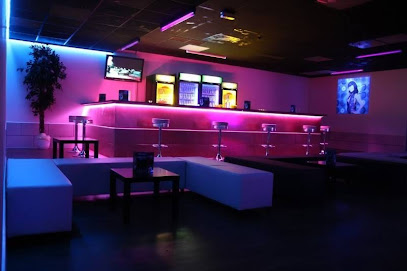
Avangio - Fürth
43.1 km
Discover the vibrant nightlife at Avangio - Fürth's premier night club where unforgettable memories are waiting to be made.
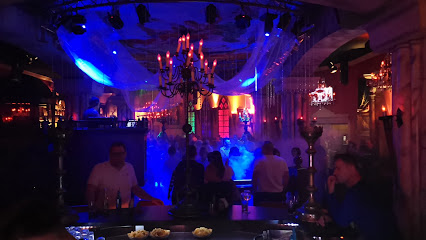
The Cult - Nightclub & more / Nürnberg
43.7 km
Discover the heart of Nuremberg’s nightlife at The Cult, a premier nightclub blending dance, drinks, and events into one unforgettable experience.
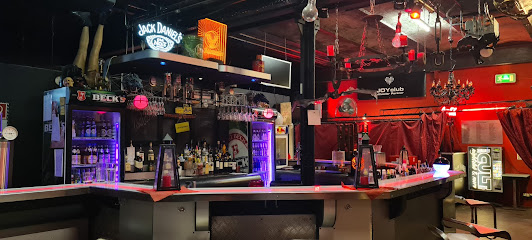
Zirkel student club & discotheque
44.0 km
Unleash your nightlife spirit at Zirkel Student Club & Discotheque in Erlangen, a vibrant hub for music, dancing, and socializing.
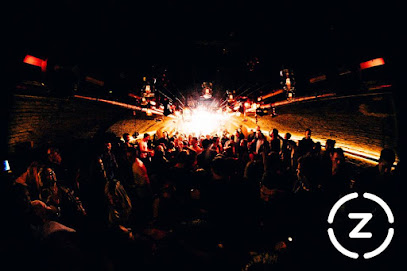
Club Only Nürnberg
44.7 km
Discover the pulsating heart of Nuremberg's nightlife at Club Only, where music and dance create unforgettable memories.
Club Airport in Würzburg
44.7 km
Explore the dynamic nightlife at Club Airport in Würzburg, where music, dance, and unforgettable moments await every visitor.
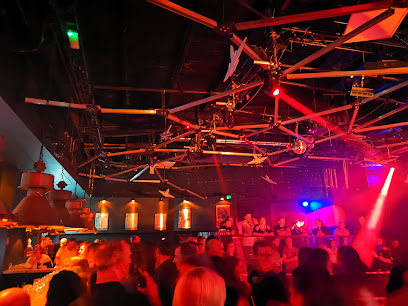
Club L - Würzburg
46.6 km
Discover Club L in Würzburg, a top disco club where vibrant nightlife, great music, and unforgettable memories come together in a stylish setting.
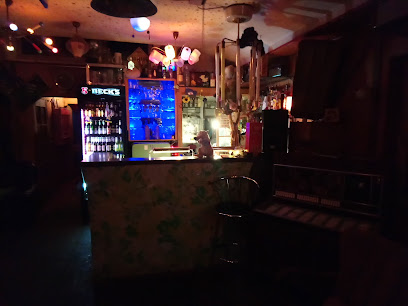
Labyrinth Discotheque
47.2 km
Discover the pulsating nightlife at Labyrinth Discotheque, Würzburg's premier night club offering an unforgettable blend of music, drinks, and vibrant atmosphere.
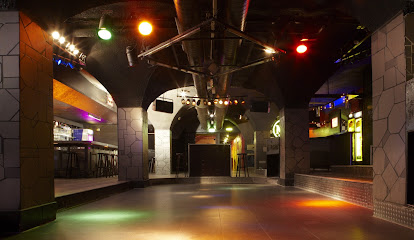
Kurt & Komisch
47.4 km
Experience the vibrant nightlife of Würzburg at Kurt & Komisch, where music and energy come together for an unforgettable evening.
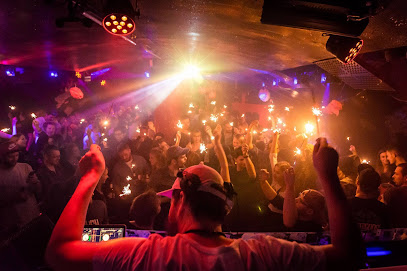
Bella Napoli
47.6 km
Discover the electrifying nightlife of Nuremberg at Bella Napoli, a premier night club blending music, dance, and vibrant atmosphere for a memorable experience.
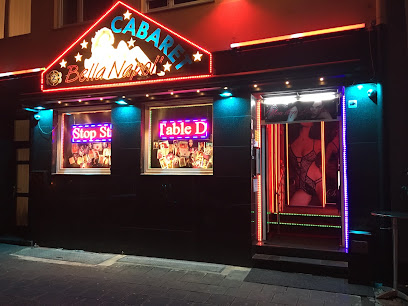
kakadu bar night club
47.6 km
Discover the vibrant nightlife of Nuremberg at Kakadu Bar Night Club, where music and fun never stop!
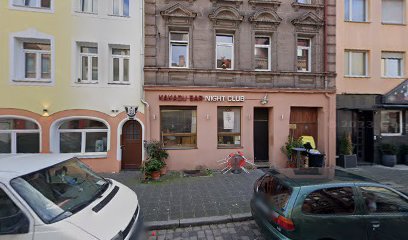
Odeon Lounge - Würzburg
47.6 km
Experience the vibrant nightlife of Würzburg at Odeon Lounge, where music and dance create unforgettable moments.
Haus 33
47.7 km
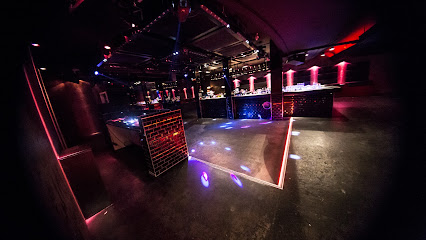
Discover the electrifying nightlife of Haus 33, Nuremberg’s vibrant disco club with unforgettable music and an energetic dance floor.