Background

Plassenburg Castle: A Franconian Fortress

Discover Plassenburg Castle: A majestic fortress in Kulmbach, Bavaria, offering a journey through Franconian history, Renaissance architecture, and stunning panoramic views.

4.6

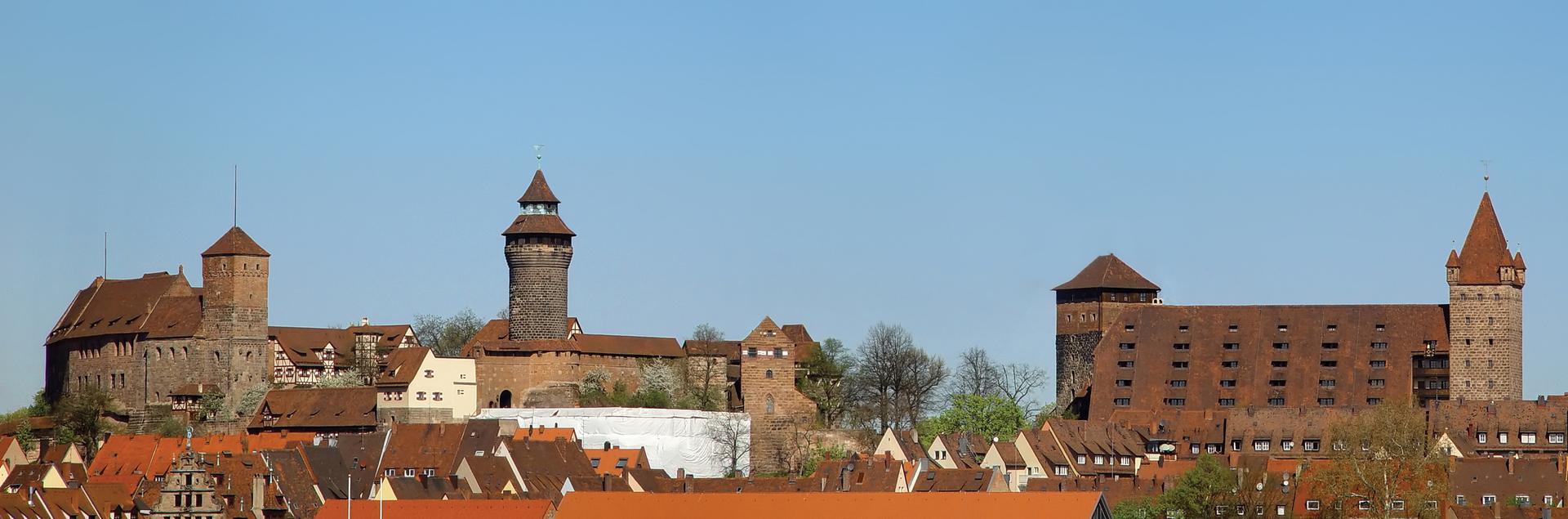
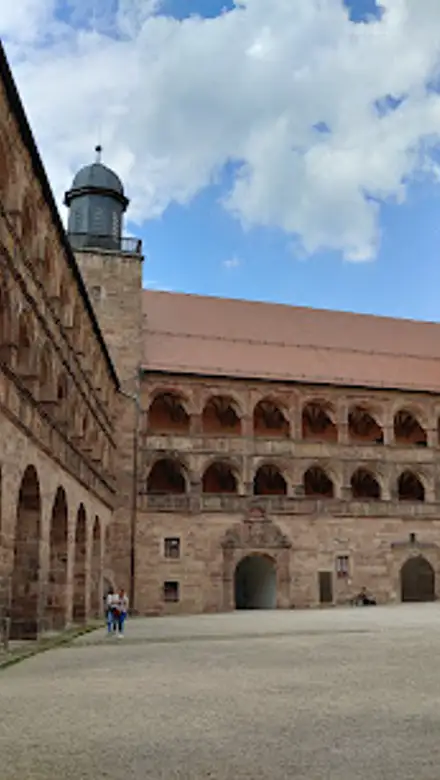
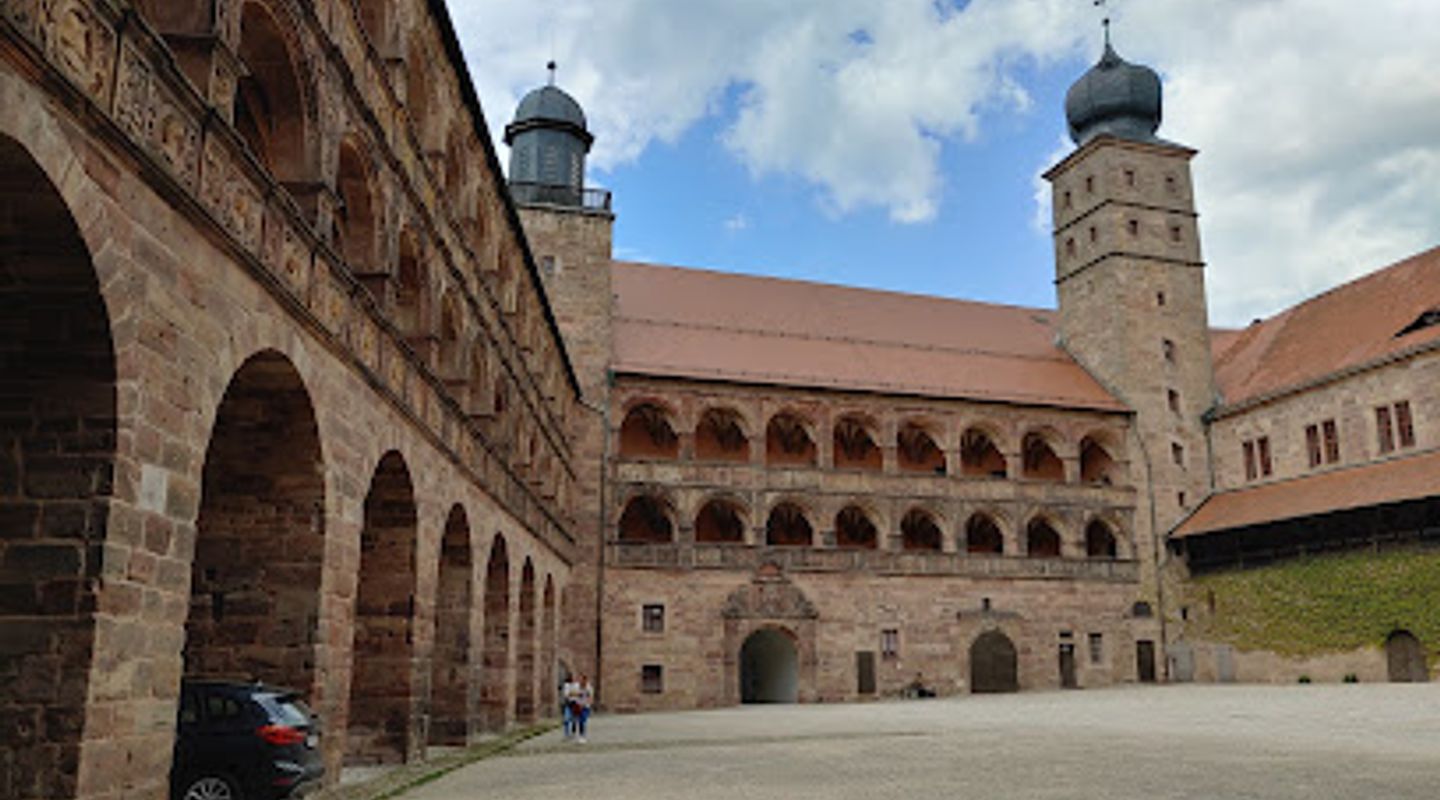
Perched high above Kulmbach, Plassenburg Castle is a commanding symbol of the city and one of Germany's most impressive fortresses. Originally mentioned in 1135, it served as a seat for the Plassenberg family and later the Hohenzollerns. Destroyed in 1554, it was rebuilt in the Renaissance style by architect Caspar Vischer, featuring the stunning 'Schöner Hof' (Beautiful Courtyard). Today, the castle houses several museums, including the Frederick the Great Army Museum and the German Pewter Figure Museum, offering visitors a glimpse into Franconian history and culture. Explore the well-preserved architecture, wander through the museums, and enjoy panoramic views of the surrounding landscape. Plassenburg is a must-see destination for history buffs and culture enthusiasts alike.

A brief summary to Plassen Castle

Local tips

  • Wear comfortable shoes, as exploring the castle involves walking on uneven surfaces and hills.
  • Visit during weekdays to avoid large crowds and enjoy a more peaceful experience.
  • Check the castle's website for special events or exhibitions during your visit.
  • Allow at least 3-4 hours to fully explore the castle and its museums.
widget icon

Getting There

  • Walking

    From Kulmbach's Marktplatz (market square), follow the signs towards Plassenburg. The walk is uphill and takes approximately 20-30 minutes. The route follows Festungsberg street. Enjoy the views as you ascend.

  • Public Transport

    Take bus line 1 from Kulmbach train station (Hauptbahnhof) towards 'Klinik' and get off at the 'Plassenburg' stop. From the bus stop, follow the signs towards Festungsberg. The castle is a short walk uphill. A single bus fare is approximately €2-3.

  • Taxi/Ride-Share

    A taxi or ride-share from Kulmbach train station to Plassenburg Castle costs approximately €10-€15, depending on traffic. The journey takes around 5-10 minutes.

  • Driving

    From the A70 autobahn, take the exit towards Kulmbach and follow signs for Kulmbach city center. Once in the city, look for signs directing you to Festungsberg. Limited parking is available near the castle. Holders of a disabled pass are permitted to access Plassenburg Castle by car. Please press the bell button 'Kasse' at the access barrier to register. Two disabled parking spaces are available in the lower castle courtyard (Kasernenhof/ Barracks Courtyard). Plan enough time to visit the castle and the museums when parking. In the town, free parking is available in the car park on Schwedensteg. There are many reasonably priced multi-storey car parks and basement car parks in the town.

Unlock the Best of Plassen Castle

Buy tickets

    No tickets available

Book tours with entry

    No tours available

Book tours without entry

    No tours available

Discover more about Plassen Castle

Plassenburg Castle, a majestic fortress overlooking the charming town of Kulmbach in Bavaria, stands as a testament to centuries of Franconian history and architectural prowess. First documented in 1135, the castle has evolved from a supporting fortress for the Meranian rulers to a symbol of power for the Hohenzollern dynasty. Its strategic location high above the city provided not only a commanding view but also a formidable defense, shaping the region's political landscape for centuries. The castle's early history is intertwined with the Plassenberg family, who served as ministerials to the Counts of Andechs. Later, it came under the ownership of the noble Franconian family of Guttenberg. However, it was under the Hohenzollerns, who governed their Franconian territories from Plassenburg from 1340 to 1791, that the castle truly flourished. This period saw significant expansion and fortification, transforming it into a formidable stronghold. In 1554, during the Second Margrave War, the castle was razed to the ground, a devastating blow to the region's heritage. However, Margrave Georg Friedrich von Brandenburg-Culmbach, recognizing the castle's strategic and symbolic importance, commissioned renowned Renaissance architect Caspar Vischer to rebuild it. Vischer's vision resulted in the magnificent complex that stands today, a masterpiece of Renaissance architecture. The 'Schöner Hof' (Beautiful Courtyard) is perhaps the most striking feature of the Plassenburg. Its arcades, adorned with over 120 relief busts representing the Hohenzollern dynasty, showcase the power and prestige of the ruling family. The courtyard is widely regarded as one of the finest examples of German Renaissance art, drawing visitors from around the world. Over the centuries, Plassenburg Castle has served various purposes. In 1792, Margrave Alexander sold the castle to his cousin, the King of Prussia. A combined Bavarian and French army under the command of Jérôme Bonaparte besieged the Plassenburg in 1806. Following its time as a Prussian fortress, it was used as a prison and military hospital. Today, the castle is a cultural center, housing several museums that offer insights into the region's rich history and artistic heritage. The Frederick the Great Army Museum boasts an extensive collection of Prussian military artifacts and paintings, providing a glimpse into the military history of the region. The Hohenzollerns in Franconia Museum traces the history of the Hohenzollern dynasty, showcasing their influence on Franconian culture and politics. The Margravial Rooms offer a glimpse into the lives of the ruling elite, with highlights including the gilt-canopied bed of Margravine Maria from around 1630. The German Pewter Figure Museum houses an astonishing collection of over 300,000 figures, including a treasure trove of dioramas depicting historical events and scenes. This museum is a delight for visitors of all ages, offering a unique and engaging way to learn about history. Plassenburg Castle is more than just a historical monument; it is a living testament to the region's cultural identity. Throughout the year, the castle hosts a variety of cultural events, including concerts, festivals, and exhibitions, drawing visitors from near and far. The castle's festive hall (Festsaal) provides an unusual, atmospheric setting for special occasions. A visit to Plassenburg Castle is an immersive experience, transporting visitors back in time to an era of knights, nobles, and artistic innovation. Whether you are a history enthusiast, an art lover, or simply seeking a breathtaking view, Plassenburg Castle offers something for everyone. The castle's imposing architecture, rich history, and diverse museums make it a must-see destination in Bavaria. As you explore the castle grounds, take a moment to imagine the lives of those who once walked these halls. Picture the Hohenzollern rulers strategizing their next move, the soldiers defending the fortress walls, and the artists creating masterpieces within the castle's walls. Plassenburg Castle is a place where history comes alive, offering a tangible connection to the past. Beyond its historical significance, Plassenburg Castle offers stunning panoramic views of the surrounding landscape. From its vantage point high above Kulmbach, visitors can admire the rolling hills, lush forests, and picturesque villages that define the Franconian countryside. The views are especially breathtaking at sunset, when the sky is ablaze with color, casting a magical glow over the castle and the surrounding landscape. Plassenburg Castle is easily accessible from Kulmbach, with well-maintained roads leading to the castle grounds. Visitors can choose to drive, take public transportation, or even walk from the town center. The walk up to the castle is a bit steep, but the reward is well worth the effort. Whether you are planning a day trip or a longer stay in the region, be sure to include Plassenburg Castle on your itinerary. This iconic landmark is a symbol of Kulmbach and a testament to the rich history and cultural heritage of Franconia. A visit to Plassenburg Castle is an unforgettable experience, leaving you with a deeper appreciation for the region's past and a lasting memory of its beauty. The castle is open daily, with slightly shorter hours during the winter months. Guided tours are available, providing a more in-depth look at the castle's history and architecture. Be sure to check the castle's website for the latest information on opening hours, admission fees, and special events. Plassenburg Castle is not just a destination; it is a journey through time, a celebration of art and culture, and a testament to the enduring power of the human spirit. Come and experience the magic of Plassenburg Castle for yourself, and discover why it is one of Bavaria's most treasured landmarks.

Popular Experiences near Plassen Castle

Popular Hotels near Plassen Castle

Select Currency